Is Kosovo Expensive? What a Day in Kosovo Really Costs
Kosovo is one of Europe's cheapest countries for travelers. Here is how meals, buses, coffee and tips add up over a typical day in Pristina and Prizren.
On this page
Kosovo is not an expensive destination. Travelers consistently report one of the lowest daily spends in the Balkans, with a comfortable day of meals, coffee, local transport and small tips landing in the 25 to 40 euro range. Kosovo uses the euro, so there is no currency conversion to pad the bill.
The country is small enough that costs stay predictable: a bus between Pristina and Prizren costs a few euros, a taxi across town rarely more than a couple, and a plate of grilled meat with bread and salad at a local grill house is a modest outlay. That combination makes it a strong pick for backpackers and long-stay travelers.
The verdict: who Kosovo suits on a budget and who will spend more
Kosovo rewards travelers who eat where locals eat. Backpackers, long-term travelers and anyone eating at grill houses and cafe-bakeries will find the country among the cheapest in Europe. The 20 to 25 euro daily reports are realistic for that style of travel, covering proper meals rather than snacks. You will spend more if you gravitate to Western-style restaurants, drink at bars nightly in Pristina, or book mid-level places for every meal. Even then, travelers who did exactly that landed around 40 euros a day including drinks, which is still modest by Western European standards.
If your main reason to travel is food, design hotels or a party scene, Kosovo is not the destination that delivers it in volume. If you want mountain scenery, Ottoman-era towns and cheap, honest food, it is a strong value pick. Weigh that trade-off against current prices and dates before you commit; is Kosovo worth visiting covers the sights side of the decision.
What one day costs: budget, mid-range and comfortable spending
On a budget day, travelers report spending around 20 to 25 euros on food, transport and tips, built on grill-house meals, sub-euro coffee and short bus rides. That figure assumes you are staying in hostels and not drinking much, so it covers the ground costs of the day rather than a whole trip. Add a nightly bar stop and the number climbs quickly. A mid-range day sits near 30 to 35 euros. That buys a cappuccino, a proper sit-down lunch, a bus ticket between towns, a taxi within the city, an evening beer and a small tip, with a little slack. This is the spending pattern most visitors settle into after a day or two. A comfortable day lands around 40 euros, which travelers describe as eating well, moving around freely and not watching every euro, including drinks at night. Beyond that you are choosing imported wine, hotel restaurants or taxis for every trip. Treat these as traveler-reported ranges rather than official prices and sanity-check them against what you actually pay on day one.
Meals and coffee: grill-house plates, cafe lunches and drinks
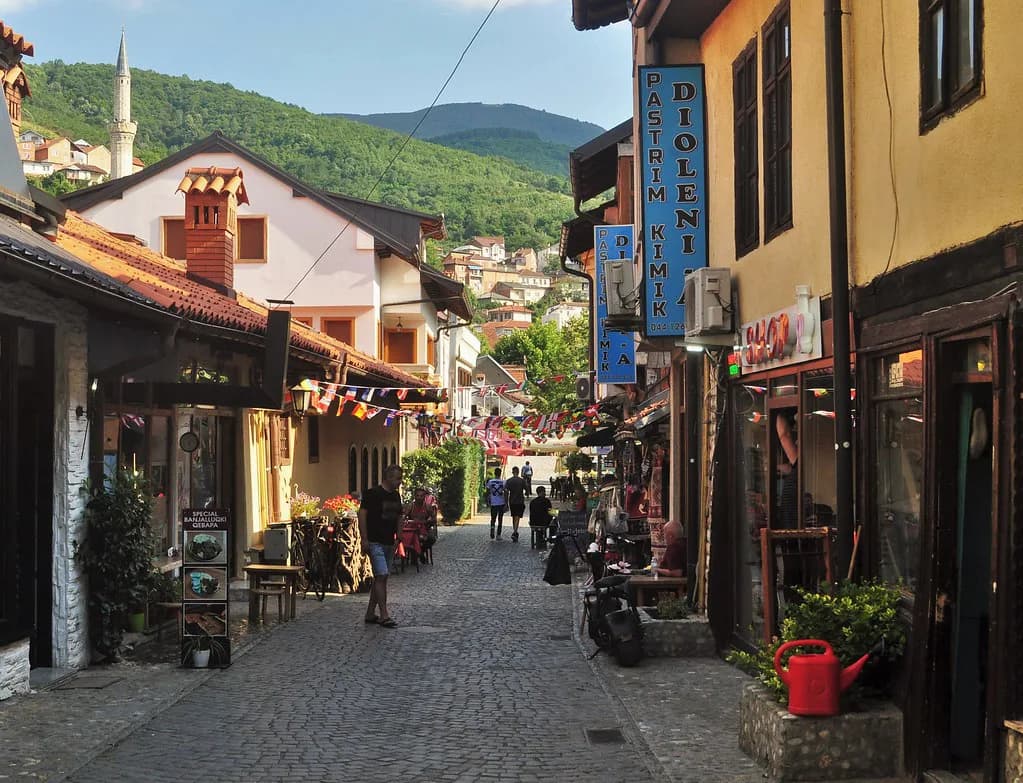
Food is where Kosovo's value shows most clearly. Travelers report grill-house plates of grilled meat with bread and salad for a few euros, cafe lunches of pasta or pizza in the mid single digits, and a big meat platter in Prizren for around seven euros. Portions are generous, so one main course usually does the job.
Coffee is cheap enough to treat as a routine rather than an indulgence, with cappuccinos reported under one euro in most places. Breakfast at a bakery costs little, which is why a two-meal day with coffee stops stays comfortably under budget. Alcohol is the main variable: beer is inexpensive, but long bar sessions in Pristina can add five to ten euros a day.
Local dishes such as flija, burek and grilled meats are both the cheapest and the most interesting option. Ordering pizza or pasta in a tourist-facing cafe usually costs more and delivers less, so lean toward the grill house with plastic chairs and a full room of locals.
Getting around: intercity buses and city taxis
Intercity buses are the budget backbone. Travelers report paying roughly three to six euros for hops between cities, with Pristina to Prizren among the cheapest useful routes in the country. Departures are frequent enough that you rarely need to book far ahead, though exact fares and timetables are posted at the station rather than online.
City taxis are cheap for short trips, with fares within town reported at a couple of euros, and a ride from a bus station to a hostel for a similar amount. That makes them a sensible option with luggage, especially in Pristina where the bus station sits a little outside the center.
Renting a car makes sense only if you plan to reach mountain areas such as the Rugova Valley, where buses thin out. If you are staying on the Pristina-Prizren-Peja axis, buses and the occasional taxi will cost less than a rental once fuel and parking are counted.
Tipping and small change
Tipping in Kosovo is light. Travelers report rounding up or leaving five to ten percent in restaurants, and small change for taxi drivers, rather than a fixed service charge. Nobody will chase you for more, so treat tips as a courtesy that adds a euro or two to the day.
Carry some cash in small denominations. The euro is the currency, so notes you bring from home work directly, and coins are useful for buses, bakeries and tips. Cards are accepted in hotels and larger restaurants in Pristina, but smaller grill houses and rural places often prefer cash.
Where your money goes further: Pristina and Prizren
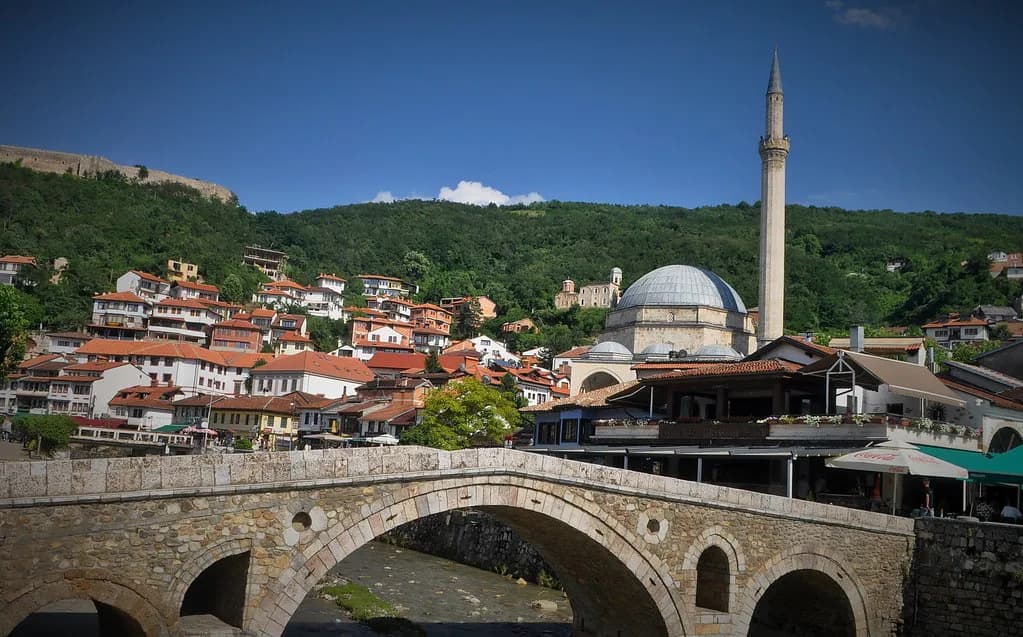
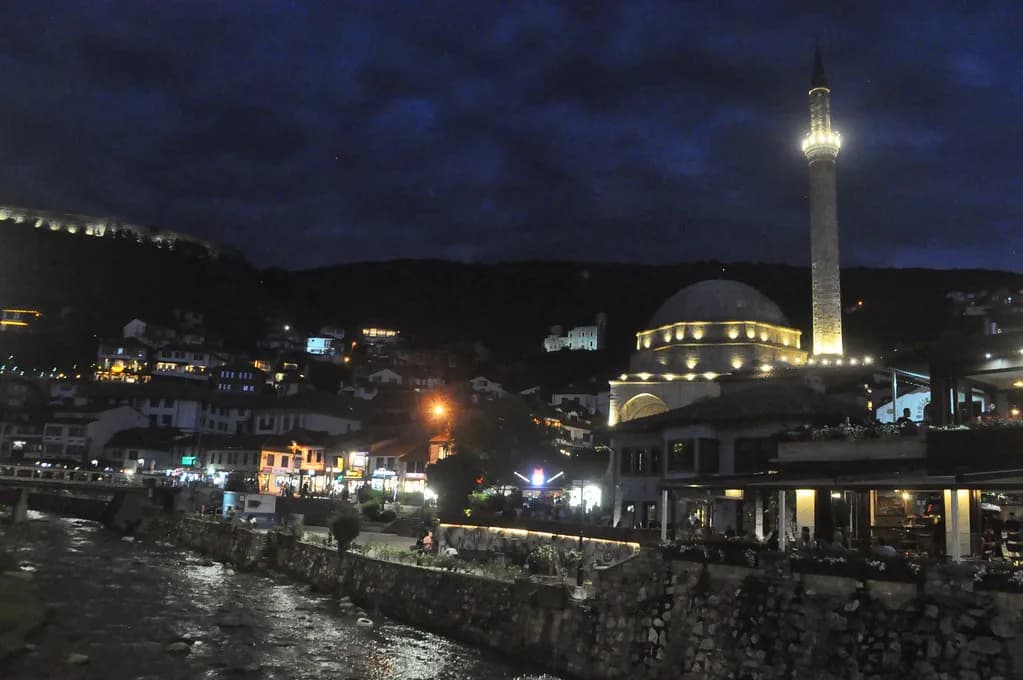
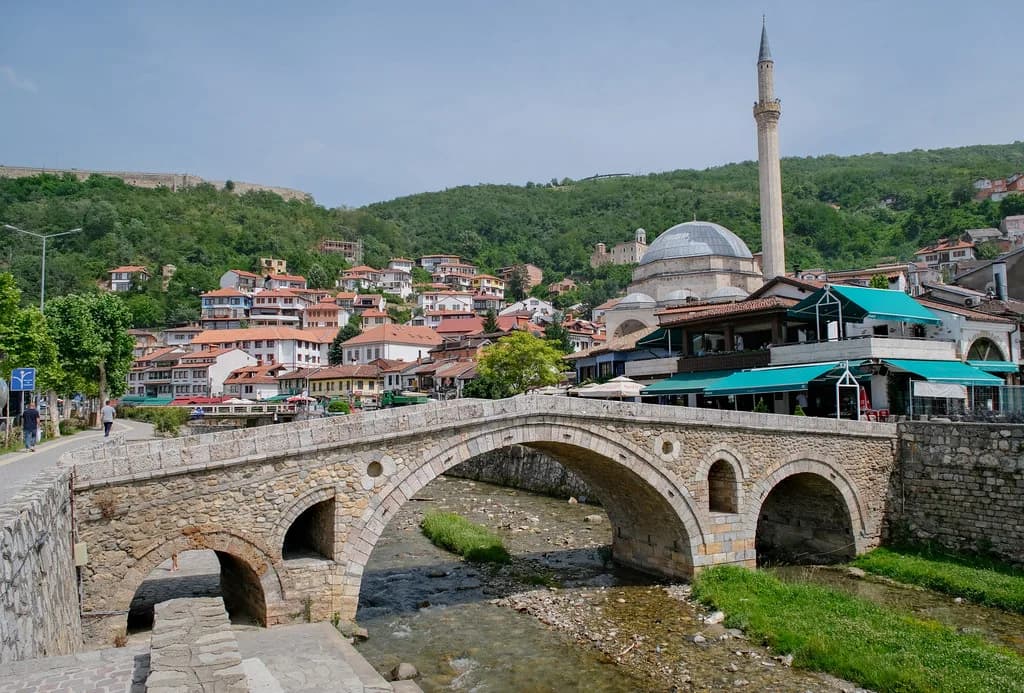
Prizren is the standout for value. Its old town, Ottoman bridge and hillside fortress are free to wander, and the surrounding restaurants serve big meat platters at low prices. A day of sightseeing here costs little beyond food and coffee, which is why so many travelers rate it the highlight of a Kosovo trip.
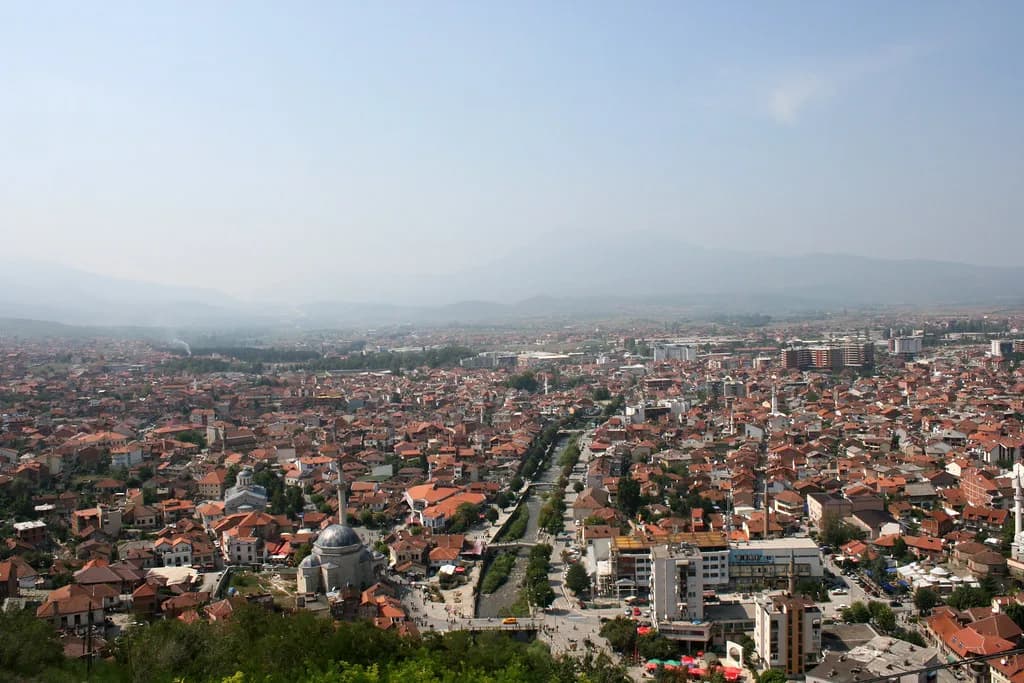
Pristina is pricier at the edges but still cheap. The center has the most cafes and bars, so evening spending runs higher than in Prizren, while the bazaar area and residential streets keep meal prices low. If you want a base where a long stay stays affordable, Prizren usually wins; if you want urban energy and easier transport links, Pristina does.
Where costs creep up: touristy areas, Western-style meals and bar tabs
The three things that push a Kosovo day from budget to mid-range are predictable: eating Western-style food in tourist-facing cafes, drinking in bars every night, and taking taxis for every short hop. Each adds a few euros without adding much to the trip. Cut one of them and the daily figure drops back toward thirty.
Peak summer in Prizren brings more visitors and slightly firmer prices around the old town, though nothing like the markups on the Croatian coast. Shoulder seasons keep both crowds and prices lower, and the best time to visit Kosovo explains how the months differ for heat, rain and events.
Excursions into the mountains, such as a day in the Rugova valley, cost more than city days once you factor in a car or a tour, because public transport is sparse. Budget for that as a separate line rather than folding it into your average.
Kosovo compared with its neighbors
Kosovo consistently reads as cheaper than Croatia and Greece and broadly in line with or below Albania and North Macedonia for everyday food and transport. Travelers who have crossed the region describe it as the wallet-friendly end of the Balkan scale, especially for meals. The gap is largest on food and coffee, smaller on transport. If you are weighing a neighbouring option, our Albania verdict compares the same day-to-day costs just across the border.
The practical advantage is that Kosovo uses the euro while Albania uses the lek and Serbia the dinar, so a Kosovo stop costs you no conversion fees and no leftover currency. If you are combining countries, spend your Kosovo days last to avoid carrying spare cash out.
How many days you need to make the budget work
Three to five days covers Pristina, Prizren and one mountain or monastery excursion without rushing, and keeps your average daily spend low because you are not paying for long transfers. A week lets you add Peja and the Rugova Valley at a relaxed pace. Beyond that, you are slowing down rather than seeing more, which suits the country's cheap daily costs well.
Base yourself in two towns rather than moving every night. Bus fares are low, but repeated packing and station transfers eat time, and the cheapest guesthouses reward longer stays. A Pristina and Prizren split covers most first-time itineraries comfortably, and a Kosovo itinerary can fill in the days between.
Typical costs at a glance
Treat traveler-reported figures as a rough map, not a price list: grill-house meal a few euros, cappuccino under one euro, intercity bus three to six euros, city taxi a couple of euros, tip five to ten percent. Together those keep a normal day near thirty euros and a lean day near twenty.
Flights and accommodation will dominate your total far more than daily spending, and those vary too much by season and origin to pin down here. Check fares for your dates with the airline and compare guesthouse rates directly; the ground costs of a Kosovo day will rarely be the reason your trip goes over budget.
Budget planners can help you sketch a trip shape, but treat their output as a starting estimate and replace it with what you actually pay. A simple daily cap of thirty euros, adjusted after day one, works better than a detailed forecast.
Plan Your Trip Around the Numbers
Kosovo is cheap, but cheap does not mean free: budget a modest daily amount for food, transport and tips, and keep flights and lodging as separate line items. Eat at grill houses, take intercity buses, tip lightly and save your bar nights for Pristina.
If you are weighing the trip as a whole, the honest verdict on whether Kosovo is worth visiting covers the sights, the drawbacks and who should go elsewhere, so you can match the budget to the experience.
Explore more Kosovo trip-decision guides
Frequently Asked Questions
Is Kosovo expensive for travelers?
No. Kosovo is one of the cheapest countries in Europe for everyday travel, with daily spending on meals, local transport and tips well below Western European levels. The main variables are how often you eat in Western-style restaurants and how much you drink at bars.
How much does a day in Kosovo cost?
A lean day built on grill-house food, cheap coffee and buses costs very little, and a mid-range day with sit-down meals, a taxi and a beer stays modest by European standards. Travelers describe comfortable days that include bar drinks as still affordable; exact costs depend on where you eat and how you move, and posted fares are the place to pin down transport prices.
Is food cheap in Kosovo?
Yes. Grill-house plates of meat with bread and salad cost a few euros, cafe lunches of pasta or pizza sit in the mid single digits, and coffee is often under one euro. Portions are generous, so one main course usually suffices; restaurant menu boards give you the current figure.
How much is a bus between cities in Kosovo?
Travelers typically report paying a few euros for intercity buses, such as the Pristina to Prizren route. Fares and departure times are posted at the station, so confirm them there when you arrive.
Do you tip in Kosovo?
Tipping is modest. Rounding up or leaving five to ten percent in restaurants is the norm, and small change is fine for taxi drivers. There is no expectation of a fixed service charge.
Should I carry cash in Kosovo?
Carry some euros in small notes and coins. Cards work in hotels and larger restaurants in Pristina, but smaller grill houses, bakeries, buses and rural places often prefer cash, and coins are handy for tips.
Is Kosovo expensive to live in?
As a traveler cost signal, everyday food, coffee and transport are inexpensive by European standards, which is why long-stay visitors find their money goes far. Residency costs such as rent and utilities follow a different market, so treat travel figures as a rough indication only.
Is Kosovo cheaper than Albania?
Kosovo reads as broadly in line with or slightly below Albania for everyday food and transport, and clearly cheaper than Croatia or Greece. One practical edge is that Kosovo uses the euro, so there are no conversion costs or leftover currency on a multi-country trip.
Sources
Trip-decision notes
Optional updates when we publish or revise a destination verdict.
You might also like
Continue reading
More guides you'll find useful