Kosovo Itinerary: How Many Days and Where to Go
A Kosovo itinerary for 2, 3 or 5 days: Prizren, Peja, the Rugova valley and Pristina, with bus routes, road limits and tips on timing the heat.
On this page
Budget three days for Kosovo and you can see the two places that justify the trip, Prizren and the Rugova valley above Peja, without spending half the visit in a bus. Two days is enough only if you cut back to Prizren and one nearby stop, and five days is worth it for travelers who want Pristina's monuments, Gjakova and a monastery or two thrown in.
The catch is geography. Kosovo is compact on a map, but the road network is indirect and bus changes take time, which stretches any short trip.
This plan runs from the specific to the practical: how to split two, three or five days, what each town actually delivers, how to move between them, and how summer heat reshapes a day. If you are still deciding whether to go at all, start with whether it is Kosovo worth visiting and come back to the itinerary once the answer is yes.
The verdict: how many days Kosovo actually rewards
Three days is the right number for most travelers. That gives you a full day in Prizren, a day around Peja and the Rugova valley, and travel time between them. Two days forces a choice: Prizren plus one destination such as the Rugova valley, or Prizren plus a quick look at Pristina.
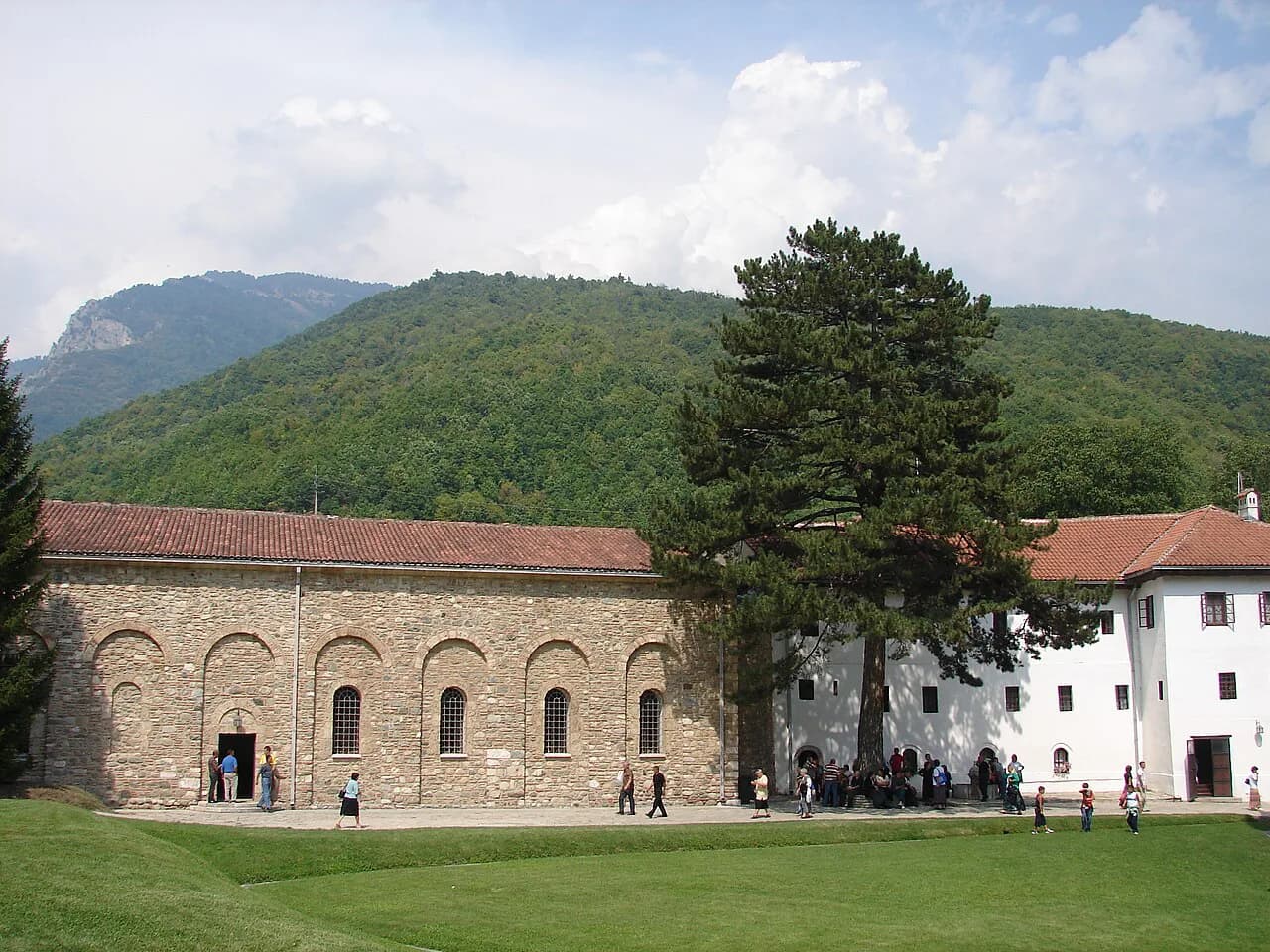
Five days only pays off if you treat Pristina as an afternoon rather than a base, and add Gjakova and a monastery stop such as Visoki Dečani or Gračanica. Beyond five days you are into hiking territory, not sightseeing.
If you want the wider picture before committing days, our Kosovo verdict lays out who the country suits and who should spend the time elsewhere.
Who this itinerary suits and who should skip Kosovo
Kosovo fits travelers who like Ottoman-era bazaars, hilltop fortresses and mountain valleys, and who are happy to trade polish for authenticity. Prizren's old town and the Rugova valley are the two experiences that carry a trip.
Skip Kosovo if you want beach time, fast intercity trains or a tightly packaged week of headline sights. The country has no coastline and its bus network, while functional, is not built for speed. Travelers with three weeks in the Balkans should treat Kosovo as a two- or three-night add-on between Montenegro and North Macedonia rather than a destination in its own right. If you are weighing the neighbours on that route, is North Macedonia worth visiting makes a useful comparison before you commit the nights.
Kosovo in 2 days: Prizren plus one more
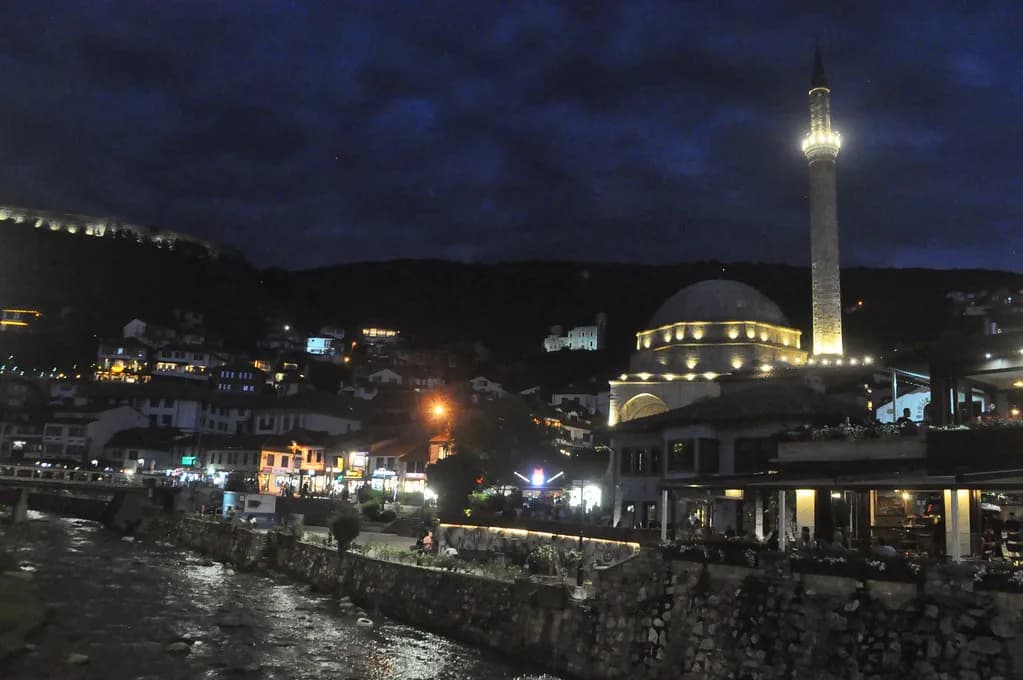
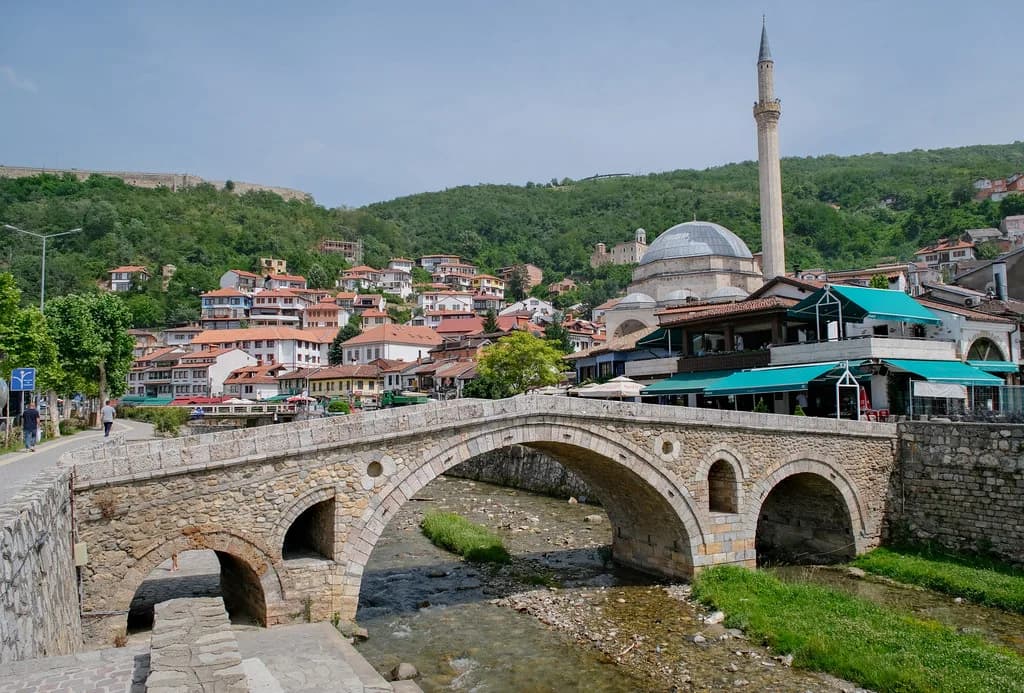
Day one belongs to Prizren: the old town, the Old Stone Bridge, the riverside cafés and an evening climb to the fortress. A traveler who made this walk recommends going up in the evening to avoid the heat and catch the sunset behind the mountains, which is also the most sensible way to handle a June day.
Day two is your one extra: either north to Peja for the Rugova valley, or east to Pristina for the Newborn Monument, the National Library and the Bill Clinton statue. Pick the mountains unless you specifically want city time, because the valley is the stronger half of the pair.
Travelers sketching a short loop through the region often ask communities for advice on fitting Prizren, Gjakova and a monastery into two days, and the recurring answer is that something has to give.
Kosovo in 3 days: adding Peja and the Rugova valley
The three-day version is the itinerary to book. Base the first night in Prizren, spend the second in Peja, and use the middle day for the Rugova valley, which sits in the same mountain range as northern Albania and Montenegro.
In the valley, a river runs beside a small road with high peaks on both sides, and a swing bridge, a restaurant and a small settlement mark the point where most day visitors turn around. Walking further brings quiet villages and hiking trails, so pack for a half-day on foot rather than a quick photo stop.
Keep the third day flexible for the return leg, whether that means a bus back to Prizren, a connection toward Pristina or a crossing into Montenegro or North Macedonia.
Kosovo in 5 days: Pristina, Gjakova and monastery country
Five days lets you add Pristina, Gjakova and a monastery without dropping the mountain day. Give Pristina an afternoon and a night, not two full days, then use Gjakova for its bazaar street and one monastery stop as a half-day side trip from Peja or Pristina.
This is also the version that works if you plan to arrive overland from Podgorica through the Sandžak mountains, a scenic but slow mountain crossing into the Peja side of the country. If you are routing from the Montenegrin coast, build the transfer into a travel day rather than trying to sightsee on both ends.
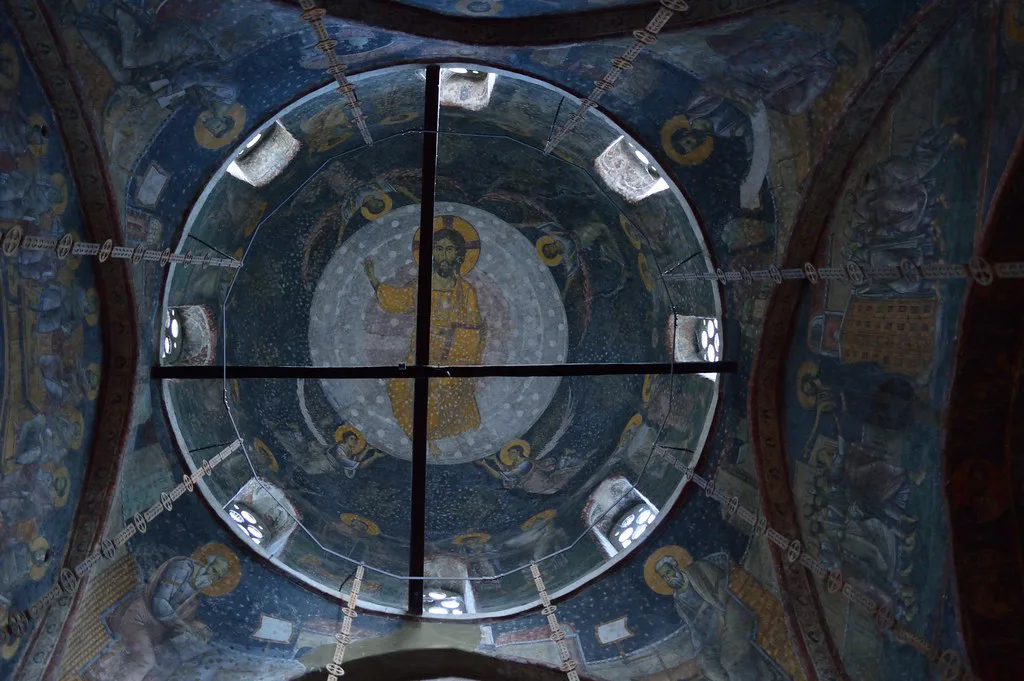
The Bear Sanctuary near Pristina and Gračanica monastery fill a spare morning well, and both sit close enough to the capital to combine.
Day-by-day: Prizren, the fortress and the old town
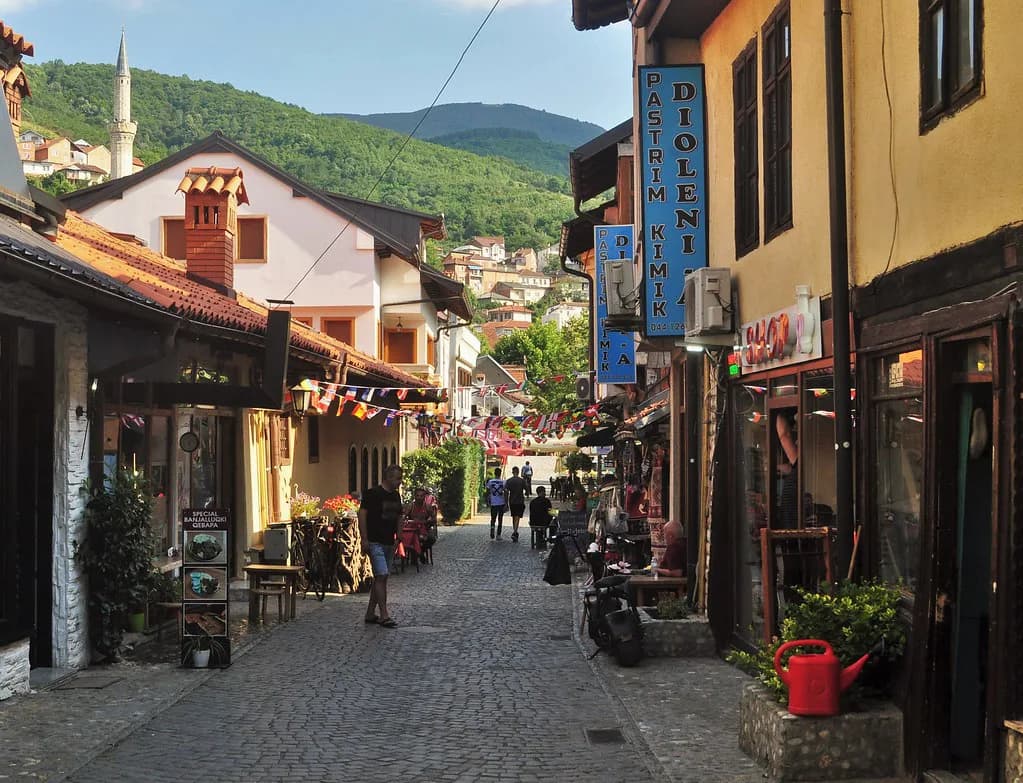
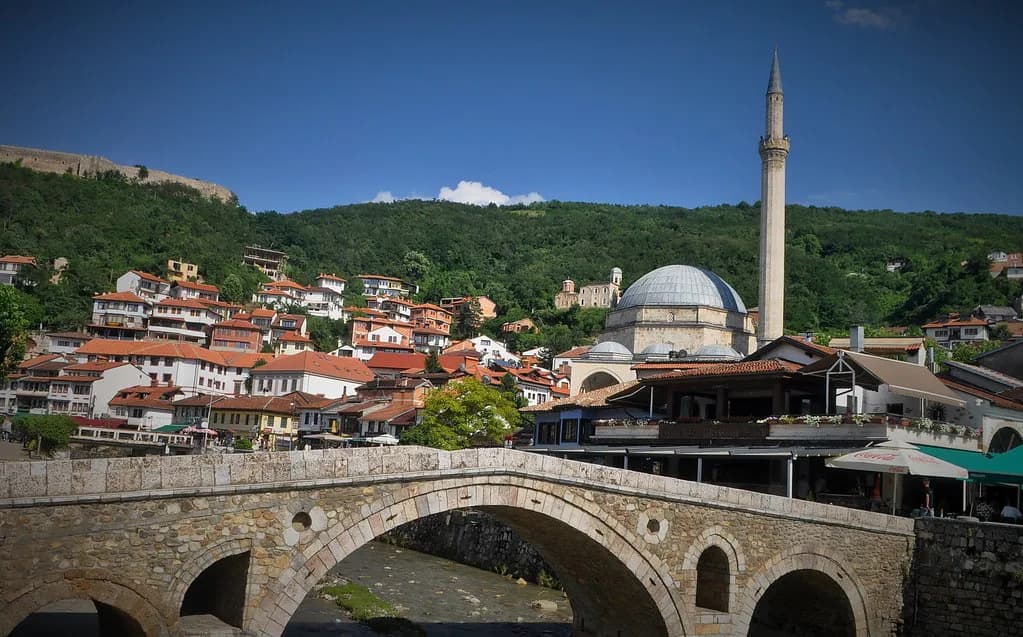
Start in the old town and work downhill: the Sinan Pasha Mosque, the stone bridge and the bazaar streets take a couple of hours at an easy pace. Coffee by the river with the fortress in view is the signature Prizren experience, so leave time for it rather than rushing to the next sight.
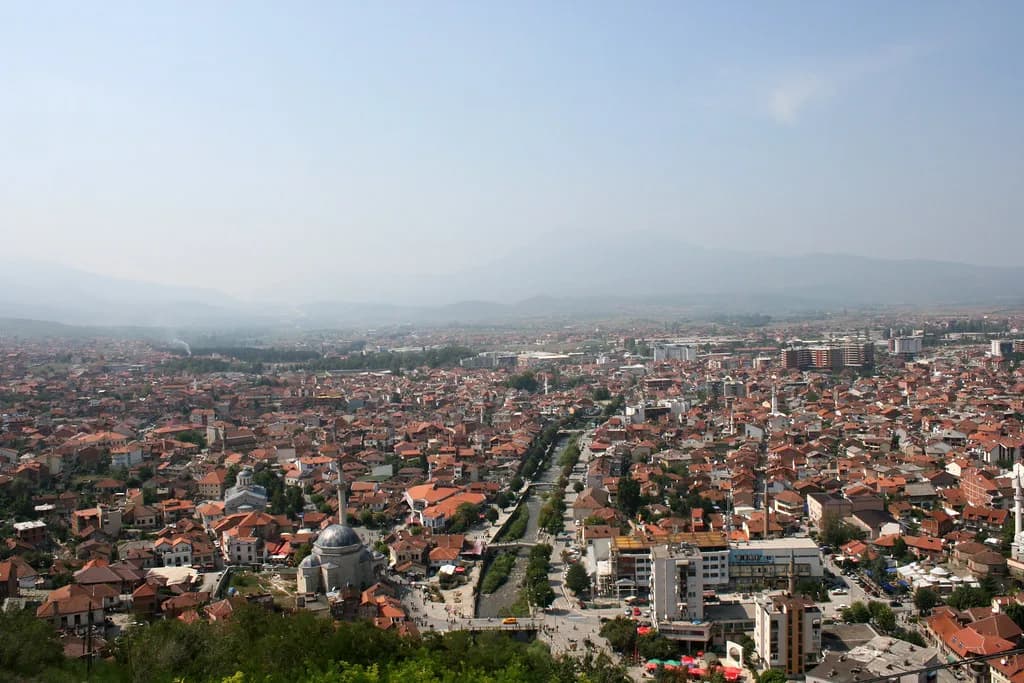
Climb to the fortress in the late afternoon or evening. The ruin is free to wander, the view covers the whole town and the river gorge, and the walk up is steep enough that midday heat turns it into a chore. If you are choosing between Kosovo's towns and want a fuller comparison, the best places to visit in Kosovo covers the rest.
Sleep in Prizren on night one. It is the country's most visitor-ready town and the logical start for anything heading north or east the following morning.
Day-by-day: Peja and a day in the Rugova valley
Peja itself is a working town with a pedestrian center and a handful of cafés, worth an hour's wander and no more. The reason to come is the valley a short ride away, where a narrow road follows the river into the mountains.
Plan the valley as a full day: walk the gorge, stop at a riverside restaurant for lunch, and continue to a village or trailhead if the weather holds. Hitchhiking works here and locals often stop for walkers, but do not build the day around it; arrange a ride back or carry a phone with data so you can call a taxi.
A Kosovo eSIM set up before you arrive saves hunting for a local SIM, since coverage in the valley is patchier than in town.
Pristina: what is worth an afternoon and what is not
Pristina is an administrative capital, not a sightseeing city, and half a day covers it honestly. The Newborn Monument, the unusual National Library of Kosovo and the Bill Clinton statue on the street of the same name form a compact loop, with the lively evening passeggiata in the center as the real reward.
Don't make Pristina your base for the whole trip. The interesting places sit elsewhere, and you will spend your days on buses. One night is enough unless you are using the city for a monastery or bear sanctuary side trip. Do check current bus times before you set out, as services linking Pristina with Prizren, Peja and Gjakova are limited and fill up.
Getting between the towns: buses, roads and driving times
Buses connect Pristina, Prizren and Peja, but the routes are indirect and a journey that looks short on the map can eat a morning. Travelers who tried to hitchhike from Prizren toward Pristina found the roads indirect and the rides hard to come by, and ended up on a bus; treat the bus as the default and hitching as a bonus.
Driving gives you the Rugova valley and monastery stops on your own schedule, and the roads, while slow, are manageable outside winter. Without a car, plan one major move per day and keep the monastery side trips optional.
Where Kosovo fits into a wider Balkan trip
The classic routing runs Podgorica to Peja over the Sandžak mountains, then Prizren, then out toward Skopje in North Macedonia. That sequence puts the mountains first and the old town second, and it keeps border crossings to two rather than zigzagging. Entry rules change, so confirm your own requirements once on the official government travel page for Kosovo before booking.
If you are coming from Albania, the Prizren side is the natural entry, and the reverse route works just as well. Either way, three nights in Kosovo slots neatly into a two-week Balkans loop without dominating it.
Best time to visit and what summer heat does to a plan
Late spring and early autumn are the comfortable windows: mild days for fortress climbs and valley walks, and enough daylight to move between towns. Summer is hot, and June heat in Prizren and Peja is genuinely draining, so shift sightseeing to mornings and evenings and keep the middle of the day for shade, coffee and buses.
Winter brings cold and snow in the mountains, which can close the upper Rugova valley road and makes the monastery side trips less appealing. Late October still works for the towns, but the mountains are better saved for a warmer trip. For a month-by-month view, see the best time to visit Kosovo.
Typical costs and what to budget in euros
Kosovo uses the euro, which makes budgeting simple for anyone arriving from Montenegro or Croatia. In practice the country is inexpensive by Western European standards: coffee, bakery food and bus tickets are the small costs, and a modest daily budget covers meals, transport and a bed without much strain.
Our Kosovo costs guide breaks down what a day actually runs, including meals, buses and coffee.
Drawbacks: heat, indirect roads, thin off-season transport
The honest drawbacks are the ones that shape an itinerary. Summer heat pushes you indoors at midday, the road network is indirect so short hops take longer than expected, and off-season bus frequencies thin out on the less-traveled routes.
None of these should stop you going, but they argue for three days rather than two and for accepting that Kosovo rewards slow travel over box-ticking. Build slack into the day you cross a border.
Plan Your Visit
Book three days, base the first night in Prizren and the second in Peja, and give the Rugova valley a full day. Add Pristina and Gjakova only if you have five days, and treat the capital as an afternoon stop rather than a base.
Travel in late spring or early autumn if you can, carry a plug adapter for Kosovo's Type C sockets, and set up mobile data before you leave so a valley walk does not depend on a lucky lift back.
Frequently Asked Questions
How many days do you need in Kosovo?
Three days is the sensible minimum: one day in Prizren, one full day around Peja and the Rugova valley, and one day for moving between them. Two days works only as a Prizren-focused sprint with a single extra stop, and five days lets you add Pristina, Gjakova and a monastery.
Is 2 days in Kosovo enough?
It is enough to see Prizren properly and make one side trip, either into the Rugova valley or to Pristina. You will spend a lot of the two days on buses if you try to add a third town, so choose one extra and do it well.
What is the best itinerary for Kosovo?
Prizren first for the old town, the stone bridge and an evening climb to the fortress, then Peja for a full day in the Rugova valley. With more time, add an afternoon and night in Pristina for the Newborn Monument, the National Library and the Clinton statue, plus Gjakova and a monastery stop.
Should you stay in Prizren or Pristina?
Stay in Prizren. It is the most rewarding town to walk in the evening, and it is a better base for the mountains and the southern sights. Pristina is worth a night at most and works better as a stop than a home base.
How do you get around Kosovo without a car?
Buses link Pristina, Prizren and Peja, but the routes are indirect and a short-looking journey can take a morning. Plan one major move per day, use a taxi or arrange a lift for the Rugova valley, and keep monastery side trips optional.
Is Kosovo worth visiting?
Yes, if you want Ottoman-era old towns and mountain valleys and are happy with slow buses and an unpolished infrastructure. It is not the place for beaches, fast trains or a tightly packaged week of headline sights.
What currency does Kosovo use?
Kosovo uses the euro, so there is no exchange step if you arrive from Montenegro or Croatia. Cards work in larger towns, but carry cash for buses, small cafés and village stops.
When should you avoid Kosovo?
Avoid the height of summer if midday heat bothers you, and avoid deep winter if you want the upper Rugova valley, where snow can close the mountain road. Late spring and early autumn are the most comfortable windows for towns and valley walks.
Sources
Trip-decision notes
Optional updates when we publish or revise a destination verdict.
You might also like
Continue reading
More guides you'll find useful