Kotor in May: Weather, Crowds and Whether It's Worth It
May is one of the best months for Kotor: warm, mostly dry and quieter than summer. Here is what May weather, crowds and costs really look like.
On this page
Yes, May is a good time to visit Kotor, and for many travelers it is the best month of the year here. The weather is warm without the August heat, the bay is waking up, and the summer cruise-ship peak has not yet hit. If you want the fortress hike and a boat trip without wall-to-wall people, aim for late May rather than the first week, and start with the wider case in our guide to whether Kotor is worth visiting.
The trade-off is variability. May in Kotor can deliver bright, hot days and then a sudden thunderstorm off the mountains, sometimes within the same afternoon. Treat May as a warm shoulder month with a real chance of rain rather than a guaranteed beach holiday, and you will enjoy it far more.
The verdict: who May suits in Kotor
May suits hikers, photographers, couples and anyone who wants the Old Town and the San Giovanni fortress without July crowds. It also suits travelers who treat Kotor as a base for Perast, Budva and the Lustica Peninsula, because daylight is long and the coastal roads are not yet jammed.
It suits beach-first travelers less well. The sea is warming but not reliably balmy early in the month, and the bay beaches are pebbly rather than sandy. If your trip is mainly about swimming and sunbathing, waiting for June or coming in September is the better call.
Anyone who dislikes rain should book the second half of May over the first. Early May in Kotor can be surprisingly wet and humid, with grey spells that shut down the fortress steps and make the bay look flat. Late May is warmer, sunnier and still comfortably short of the summer peak.
What May weather in Kotor feels like
May in Kotor is typically warm and increasingly sunny, with daytime temperatures comfortable for walking and hiking and evenings cool enough for a light layer. Rain is the wild card: travelers who spent a full May in Kotor reported surprisingly rainy, often hot and humid conditions early in the month, with thunderstorms rolling in over the bay.
The mountain backdrop explains the mood swings. Kotor sits at the foot of steep limestone slopes that wring moisture out of incoming air, so a clear morning can turn into an afternoon downpour and back again. Build slack into each day rather than scheduling the fortress climb and a boat trip back to back.
For planning purposes, treat May as a month that straddles spring and early summer. April is cooler and wetter, June is noticeably hotter and busier, and May sits between them with longer days than April and lighter crowds than June.
Crowds in May: cruise-ship days versus quiet mornings
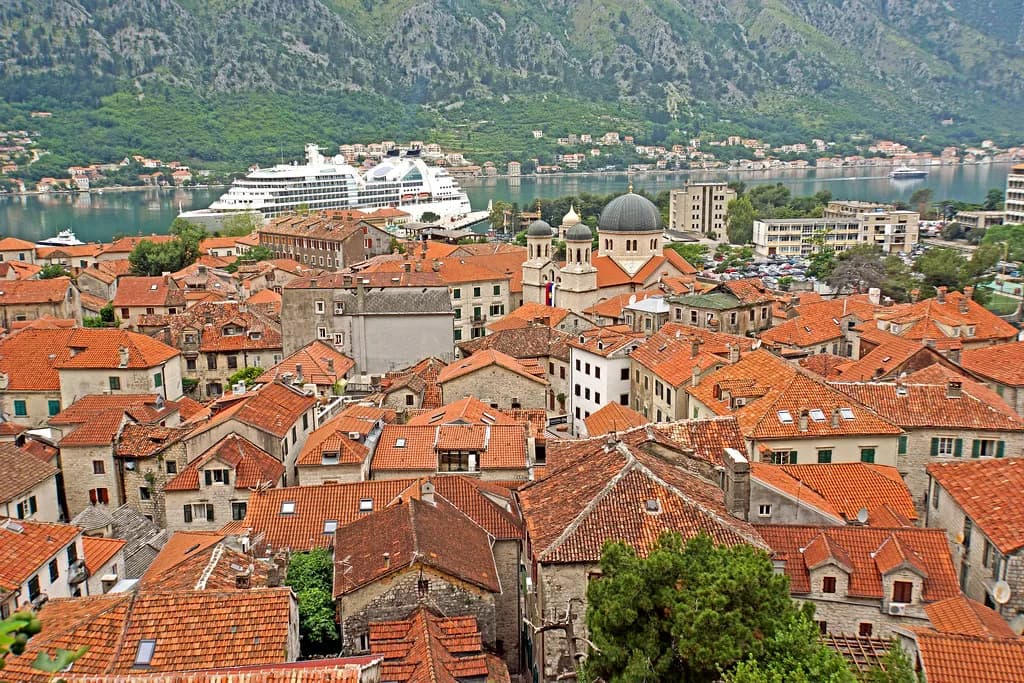
Kotor's Old Town is small, and cruise ships dock right outside the walls, so a single large ship changes the feel of the place for a few hours. On ship days the lanes between St. Tryphon's Cathedral and the squares fill up from mid-morning, then empty again as passengers return to the vessel. Check the port schedule before you commit to a day in the Old Town and plan the fortress climb for a ship-free morning or a late afternoon.
May is far calmer than July and August, when travelers describe beaches packed to the point of discomfort and hotel prices at their peak. Use that advantage: early mornings in the Old Town in May are genuinely quiet, and the light on the stone walls is at its best before the day-trippers arrive.
If a heavy ship day coincides with your only free morning, flip the plan and head out of town instead. Perast, the Lustica Peninsula and Budva all absorb crowds better than Kotor's narrow lanes, and you can return to the Old Town in the evening when the day-trippers have gone.
Old Town Kotor in May: what to see
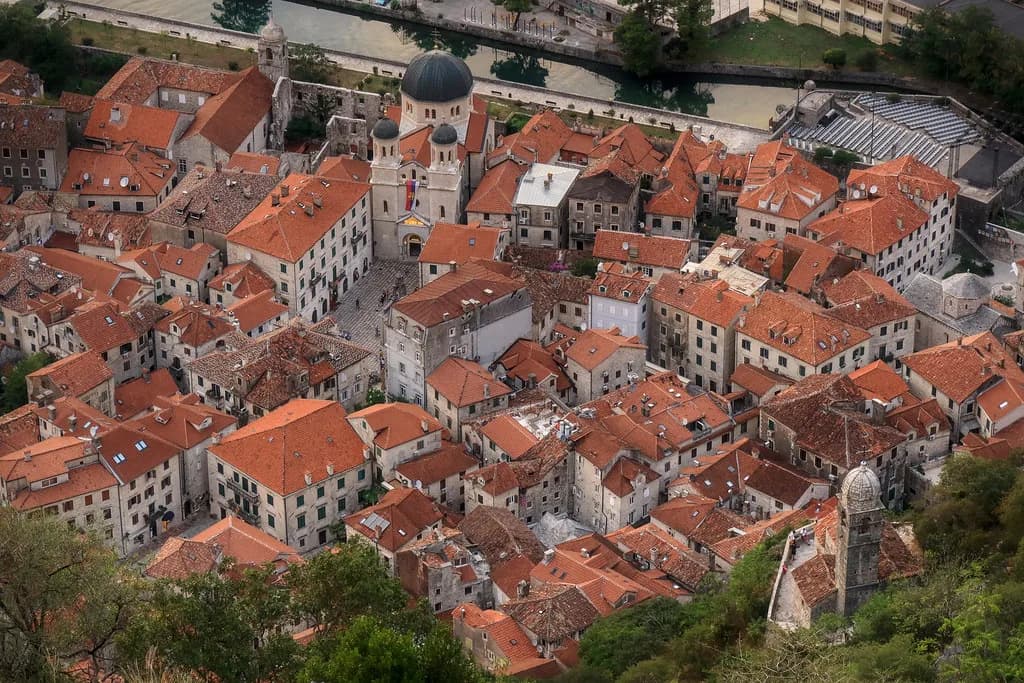
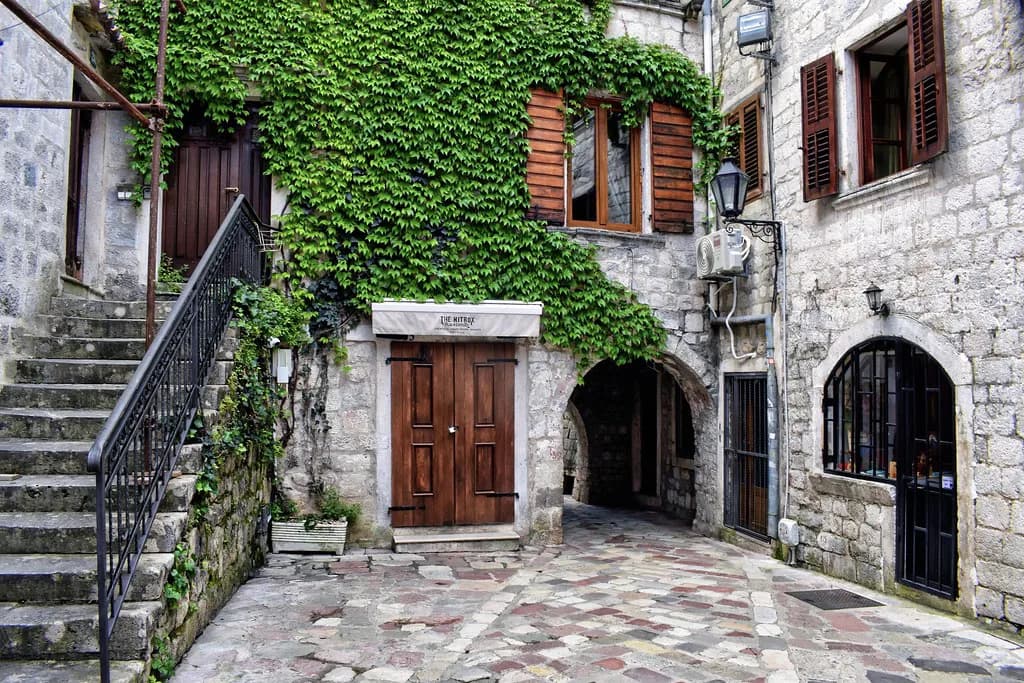
The walled Old Town is compact enough to wander without a map, and May weather makes that wandering pleasant rather than sweaty. Start at the South Gate, also called the Gurdic Gate, which is the most photogenic entrance thanks to its bastion, fortified passage and drawbridge feel. Inside, St. Tryphon's Cathedral is the headline church, originally built in the 12th century and rebuilt after earthquake damage, while the smaller St. Luke's Church on its own square mixes Byzantine and Roman elements.
Allow a couple of hours for the Old Town proper, more if you stop for coffee and gelato. The lanes are pedestrian-only, so a car is a liability here; park outside the walls and walk in. Kotor's resident cats are part of the experience, particularly around the walls and squares.
The San Giovanni fortress climb
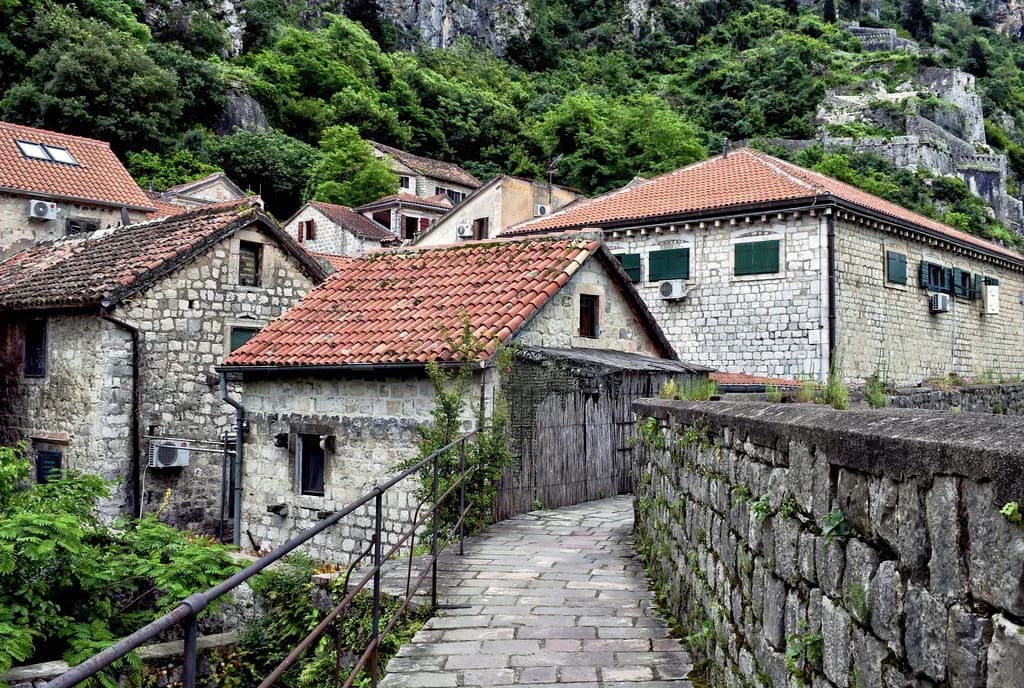
The hike up to the San Giovanni fortress, also called St. John's fortress, is the defining Kotor experience and the reason many travelers come in May rather than midsummer. The route climbs roughly 1,350 steps of old fortress wall, past the Church of Our Lady of Remedy, built in 1518, to sweeping views over the rooftops and the bay.
Be honest with yourself about the conditions. The steps are worn, rocky and unmaintained in places, and they become slick in rain, which matters in a month known for sudden showers. Start early, carry water, and turn back if thunder builds over the mountains rather than pushing for the top.
Pick your day rather than your hour. A dry morning after a clear night gives the best footing, and in May the heat is rarely punishing even on the exposed upper sections. If rain settles in for the day, swap the climb for the Old Town and save the fortress for the next clear window.
Perast and Our Lady of the Rocks by boat
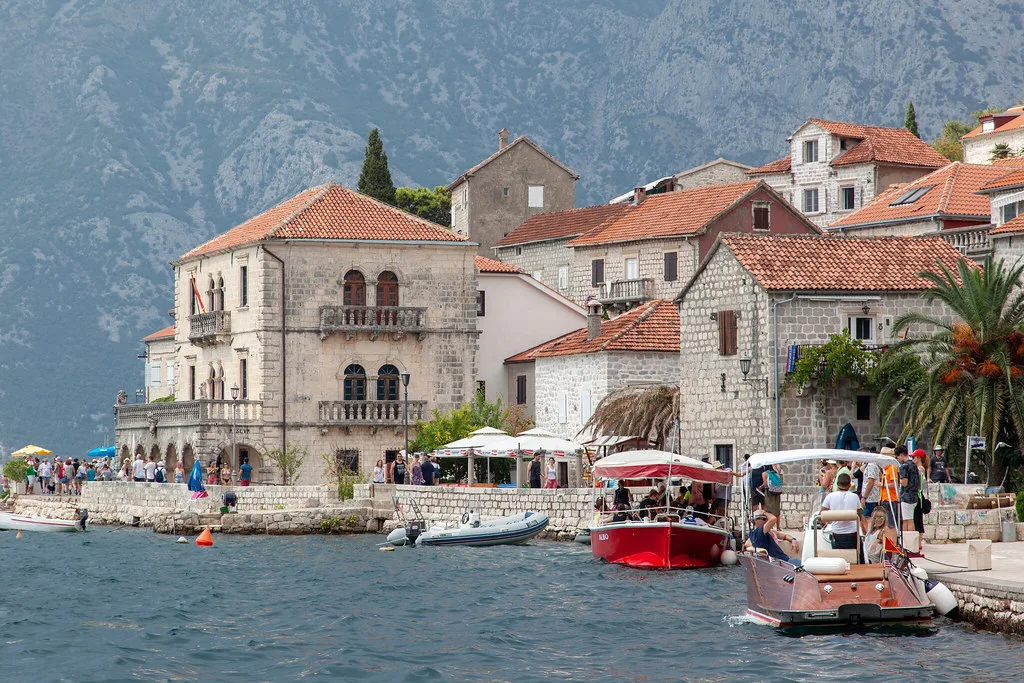
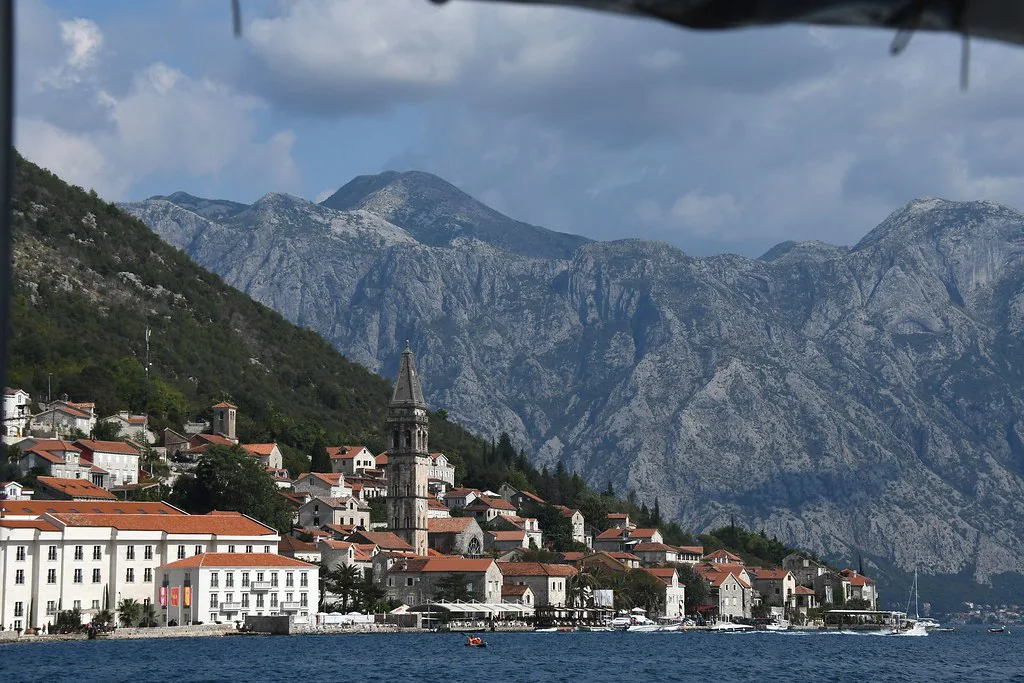
Perast is a short drive or bus ride north of Kotor along the bay, and its waterfront of stone palazzos and church towers is the most photogenic village in Montenegro. From the shore, small boats run out to Our Lady of the Rocks, the man-made islet church; one traveler paid eight euros per person for the crossing on a simple motorboat.
Timing matters more than you would expect. The islet is tiny, so two tour boats arriving at once can swamp it, while a few minutes earlier you may have it nearly to yourself. Go early in the morning or late in the afternoon, and agree the fare with the boatmen on the Perast waterfront before you step aboard.
Kayaking and swimming in the Bay of Kotor
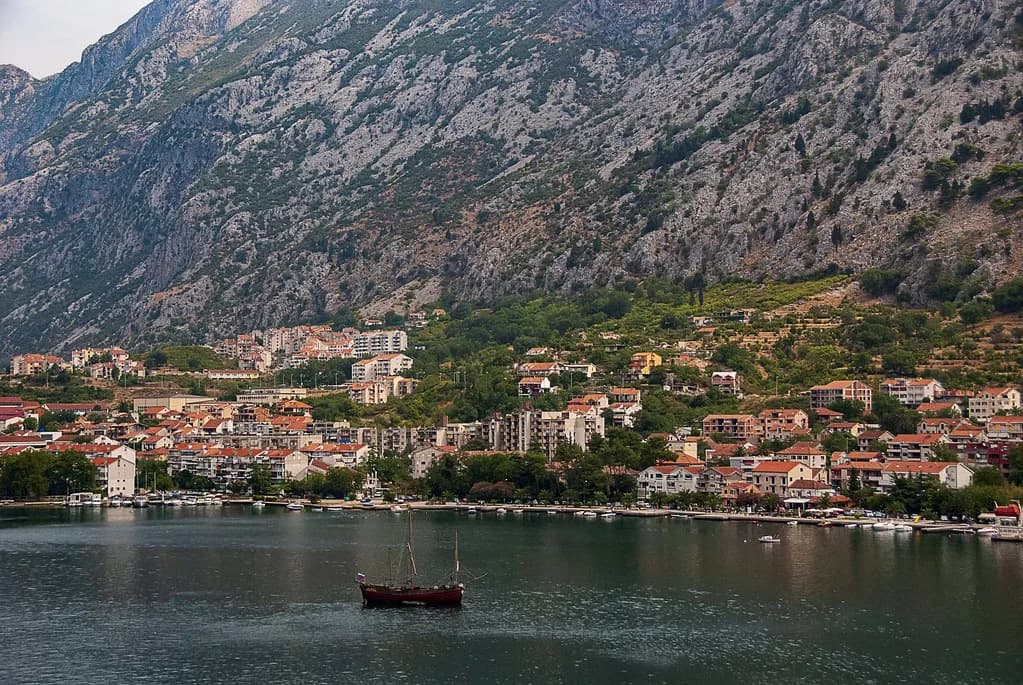
May is a good month for kayaking on the bay: warm enough to be pleasant on the water, cool enough that you are not cooked by midday sun. Sit-on-top kayaks are widely rented along the shore, and paddling past waterside churches and stone houses gives a completely different view of Kotor from the water.
Swimming is possible in May but not reliably warm, especially early in the month. The bay is sheltered and calm, which helps, but if you want long, comfortable swims, late May or September is the safer bet. Beaches around Kotor are pebbly, so water shoes earn their place here.
Day trips within reach: Budva, Lustica and Sveti Stefan
Budva is about thirty minutes by road from Kotor and makes an easy May beach day, with a walled Old Town that feels a world away from the beach bars outside it. It is also the party capital of Montenegro in high season, so go in May for the old town and the sand rather than the nightlife; our Kotor vs Budva comparison sets out which town earns a base.
South of Budva, Sveti Stefan is the postcard islet you have seen before you arrive: a fortified former fishing village now run as a resort, so access to the island itself is restricted. The surrounding beaches still give you the view. Further around the Lustica Peninsula, Rose and Zanjice Beach reward a car with quiet coves and clear water.
A car makes these trips far simpler than buses, and May is a good month for driving: the coastal road is scenic and the summer traffic has not arrived. Note that parking near Kotor's Old Town is limited and paid, so plan to leave the car outside the walls.
How many days you need in Kotor in May
Two full days cover the Old Town and the fortress climb, with a half-day for Perast and Our Lady of the Rocks. That is the minimum worth doing if Kotor is your only stop.
Five to six days is the comfortable version if you want Perast, Budva, Sveti Stefan and a kayak or boat day without rushing. May's long daylight and moderate heat make that pace genuinely enjoyable rather than exhausting.
Typical costs in May
May sits in the shoulder season: above winter rates but below the July and August peak, when hotel prices climb and beaches fill. Travelers consistently describe May as a better-value window than midsummer, though Kotor's Old Town restaurants can still charge tourist prices for mediocre food.
On the ground, Montenegro uses the euro, and cards are widely accepted in the Old Town, with cash useful for small purchases and boats. Some specific costs, such as the boat out to Our Lady of the Rocks, are modest; what a whole trip runs is a separate question from what a single crossing costs.
Getting to Kotor in May
Most travelers fly into Dubrovnik and drive or take a transfer across the border, a route of about twenty minutes to the frontier plus roughly ninety minutes on to Kotor, with border waits that can range from minutes to a couple of hours. Podgorica is the alternative, useful if you are combining the coast with the interior.
If you rent a car in Croatia, tell the company you plan to cross into Montenegro, since cross-border cover sometimes carries a fee. Check the official government travel page for Montenegro before you book anything that depends on entry formalities.
Drawbacks of Kotor in May
The main drawback is the weather. May can be wetter and more humid than its reputation suggests, and the same mountains that make Kotor beautiful also make its forecasts unreliable. Plan one indoor or covered alternative per day and you will barely notice.
Second is the food and crowd scene in the Old Town. Travelers report plenty of tourist-trap restaurants within walking distance of the walls, and ship days can make the lanes feel like a procession. Escape the walls for meals, and use ship schedules to time your Old Town hours.
Third is the terrain. The fortress steps are rough, the beaches are pebbly, and the town is not especially adapted for easy access. If anyone in your group has mobility limits, Kotor rewards careful planning rather than improvisation.
Kotor in May versus April, June and September
April is cooler and rainier but even quieter; June is hotter, busier and better for swimming; September is the closest rival to May, with warm sea and post-summer calm. May wins on balance of daylight, temperature, crowds and value, while September wins on water temperature, so the wider view on the best time to visit is worth reading before you fix dates.
Between Kotor and Budva, May favors Kotor for scenery and history and Budva for beach time and a livelier scene. Between Montenegro and Croatia, Kotor offers comparable coastal drama at a lower price level than the Croatian coast, though Croatia has more polish and better ferry connections.
Plan Your Trip to Kotor in May
Aim for the second half of May, keep a flexible day for when the weather turns, and treat the fortress climb as a morning job. That combination gives you the climb, the boat to Perast and a Budva beach day without the summer crush.
Explore more Kotor trip-decision guides
Frequently Asked Questions
Is May a good time to visit Kotor?
Yes. May is one of the strongest months for Kotor: warm, long daylight hours, a bay that is pleasant for kayaking, and crowds well below the July and August peak. The catch is rain, which is more likely early in the month than late, so the second half of May is the safer choice for the fortress climb and boat trips.
What is the weather like in Kotor in late May?
Late May is the warmer, sunnier end of the month, with comfortable daytime temperatures for walking and hiking and evenings that still call for a layer. Showers remain possible at any point, and the mountains above the bay can turn a clear morning into a wet afternoon, so keep one flexible day in your plan.
How many days do you need in Kotor?
Two full days cover the Old Town and the San Giovanni fortress climb, plus a half-day for Perast and Our Lady of the Rocks. If you want Budva, Sveti Stefan and a kayak or boat day without rushing, allow five to six days.
Is Kotor or Budva better in May?
Kotor is better for scenery, history and the fortress hike, and it works well as a base for day trips around the bay. Budva is better if you want a beach day with a livelier promenade, and it is about thirty minutes away by road, so you can sample both without choosing one over the other.
Do you need a car in Kotor in May?
Not for the Old Town, which is pedestrian-only and easy to walk. A car helps for the Lustica Peninsula, Sveti Stefan and the quieter coves, though paid parking near the walls is limited, and buses or boats cover Perast.
How do you get to Kotor from Dubrovnik?
Most travelers drive or take a transfer, with roughly twenty minutes to the Croatia–Montenegro border and about ninety minutes onward to Kotor. Border waits vary from a few minutes to much longer on busy days, so leave slack on the return leg if you have a flight.
Sources
Trip-decision notes
Optional updates when we publish or revise a destination verdict.
You might also like
Continue reading
More guides you'll find useful