Is Budva Worth Visiting? An Honest Montenegro Verdict
Budva is worth visiting if you want beaches, a walled Old Town and nightlife in one place. Here's who it suits and who should pick Kotor instead.
On this page
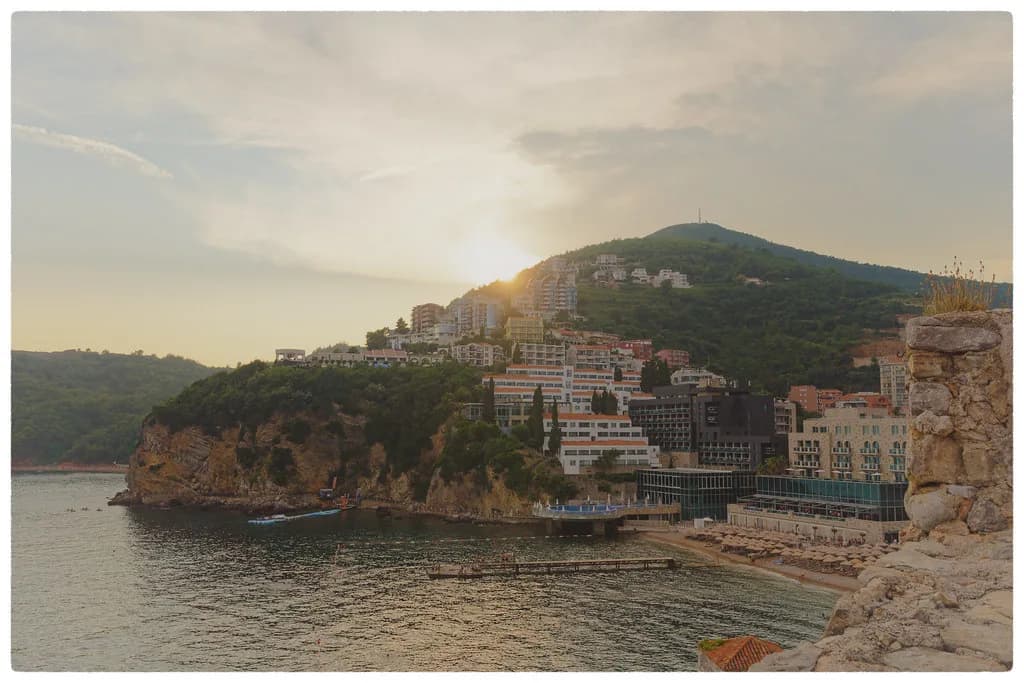
Budva is worth visiting if you want a single base where you can swim, poke around a medieval walled core and stay out late without touching a car. The city packs roughly 12 km of shoreline and more than 30 beaches into a compact stretch, right up against the Stari Grad. It is not the calm, bay-view Adriatic escape that Kotor sells you. Book it as a beach-and-nightlife stop, not as a quiet medieval retreat, and it works.
Who will love Budva
Beach-first travelers are the clearest fit: the coast runs from the main town beach to small rocky coves, and you can skip the bus entirely. Groups and nightlife seekers get the Montenegrin coast's loudest summer scene, with beach bars and clubs ringing the Old Town walls. Families get a gentle swim-and-stroll rhythm. If you prefer mountains, lakes and national parks over sea days, start with whether Montenegro is worth visiting and build a different trip.
Road-trippers should treat Budva as a two-night stop rather than the whole point. It sits naturally on a run down the Adriatic coast between Kotor Bay and the Lustica Peninsula, and it is a practical base for day trips to Sveti Stefan, Perast, Rose and Zanjice Beach. If you are staying long and want the wider Riviera, the costs matter more; our guide to whether Budva is expensive runs through the euro pricing and where the margins are.
Who should choose somewhere else
Travelers who want bay scenery and fortress views should go to Kotor, about 22 km away. Kotor gives you the enclosed bay, the walls climbing the mountain and the slow stone-alley wandering; Budva gives you open Adriatic sun and a packed promenade. Anyone visiting in midsummer who hates crowds should skip Budva's peak weeks or use them only for early mornings. People wanting a car-free cultural break will find more of what they want on the bay side.
If you are comparing the bay towns more broadly, is Kotor worth visiting only makes the contrast clearer: Budva wins on beaches and clubs, Kotor wins on atmosphere and views. Couples who want a quiet waterfront dinner should choose Perast or Kotor rather than Budva's central strip. Groups of friends who just want sea and late nights should do the opposite.
What the Old Town actually is
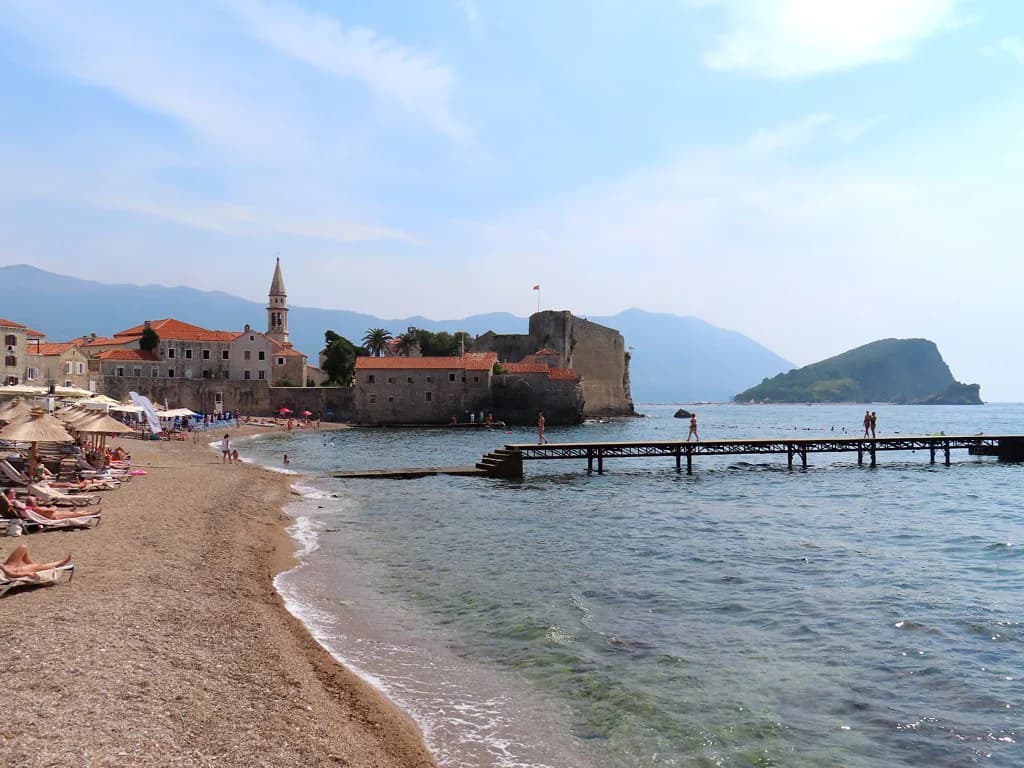
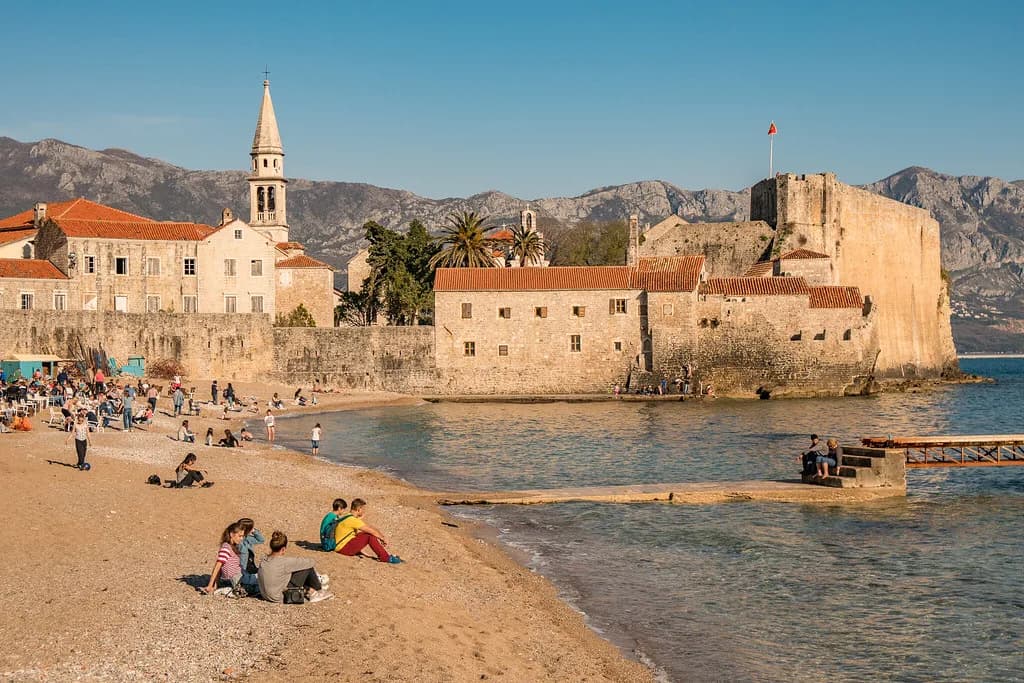
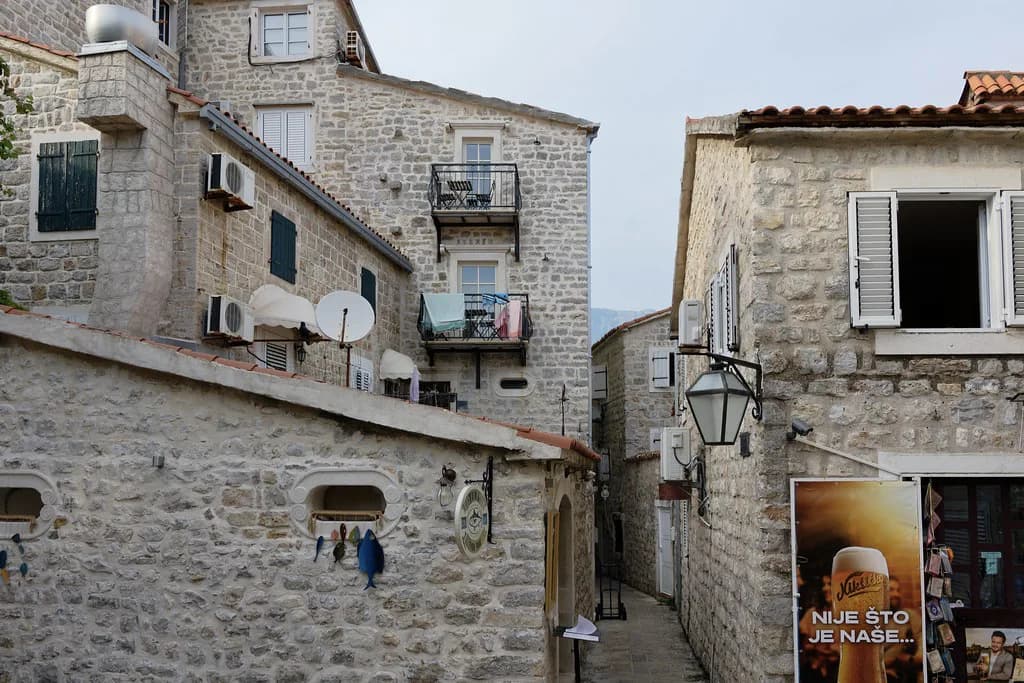
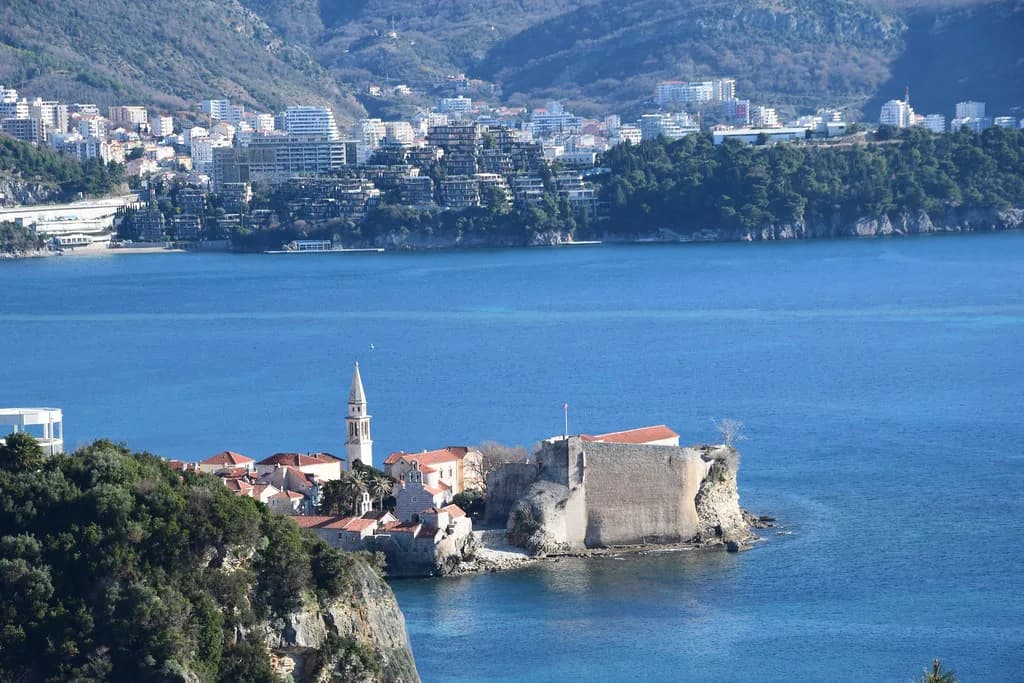
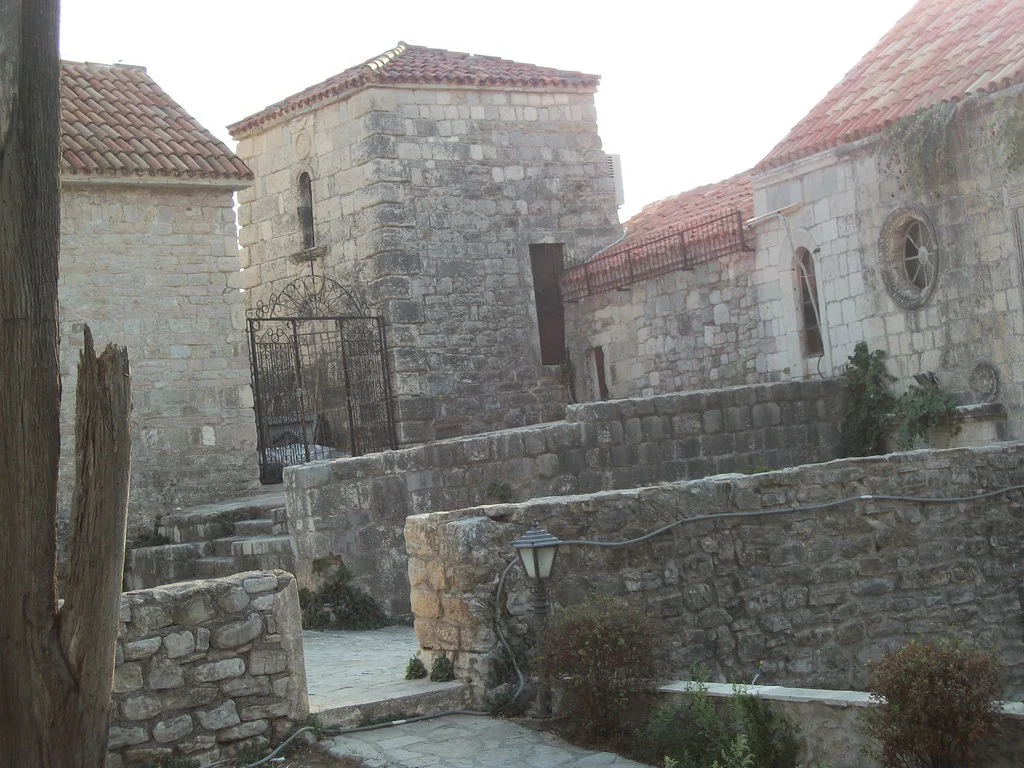
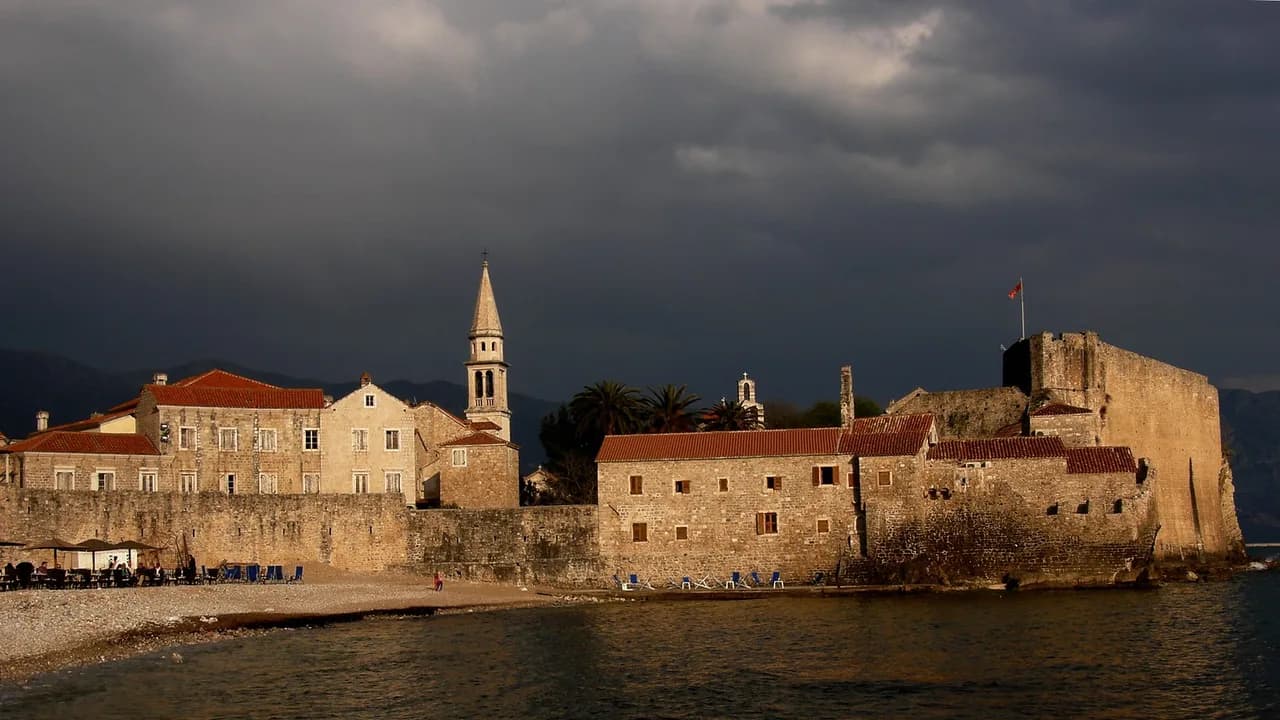
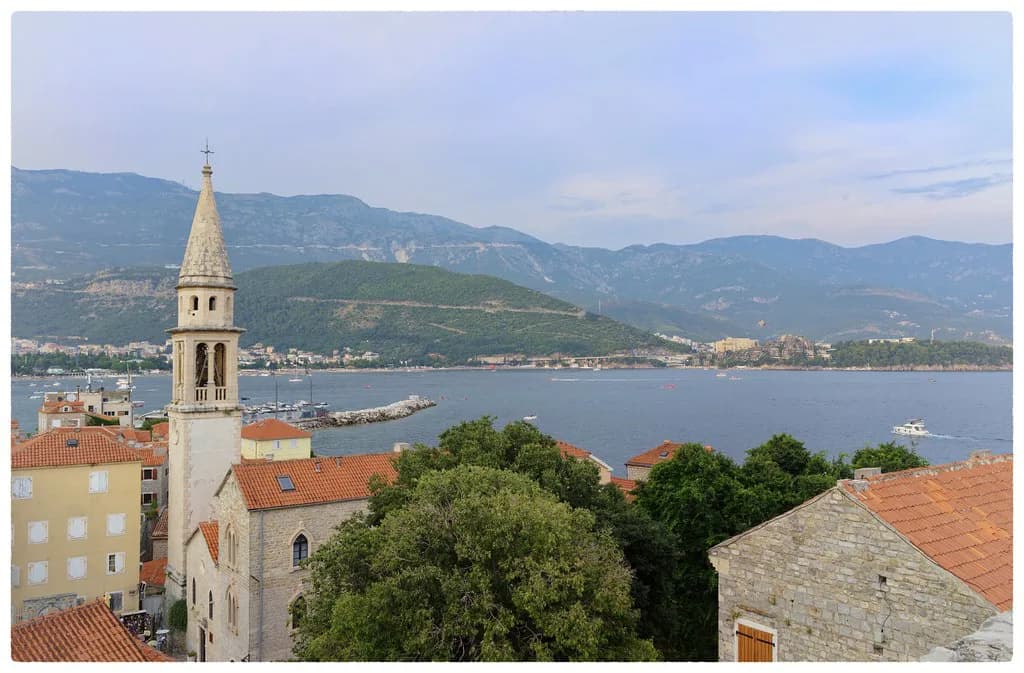
Budva's Old Town is a small walled core of stone alleys, small churches and a harbour side, and it takes an hour or two rather than a day. The Church of St. Trinity is the standout among the tight lanes, and you can walk the whole thing without a plan. Come early in the morning if you want the alleys close to empty. Leave through the west side and you hit the harbour; through the east, the busy beach strip.
The town dates back more than two thousand years, and the walls running down to the water are the reason to linger rather than rush. Restaurants and cafés fill the squares in the evening, and in summer the pedestrian lanes stay busy until late. If you are coming early in the season, Budva in April is a different, slower version of the same place, with the Old Town as the obvious first walk.
The beaches
Slovenska Beach is the long, central strip: convenient, backed by bars and kiosks, and the most crowded of the town beaches. Mogren, reached by a short pedestrian path west of the Old Town, is actually two coves joined by a tunnel through the limestone, and it is the better swim if you want a bit of scenery with your sunbed. If the crowds on Slovenska are too much, head west to Jaz Beach, which feels less cluttered simply because there is so much more room.
Old Town Beach is small, but you get the medieval walls as a backdrop, which is the whole point. Further south, Galija Beach near Sveti Stefan is a quiet cove with a small beach bar and a red-rock shoreline, worth pairing with a Sveti Stefan viewpoint. Two things to expect everywhere: the shoreline is often pebbly rather than sandy, and the most popular beds fill fast in midsummer. In June, Mogren and the Old Town make for a sensible first day.
Sveti Stefan and the Budva Riviera
Sveti Stefan is the postcard image of Montenegro, a fortified islet once a fishing village and now the Aman resort, and it is view-only for non-guests outside paid tour access. You will not walk across the tombolo unless you are staying there or on a tour, so plan your visit around the photographs rather than a walk-through. Sveti Stefan Beach on the left of the causeway is public and gives the classic angle. The beach on the right belongs to the resort but doubles as a beach club for non-guests who pay the fee.
The rest of the Riviera is more open to you. Rose, on the Lustica Peninsula, is a small harbor village with swim ladders plunging into clear water, best in the warm months when you can lay out a towel. Zanjice Beach sits on the same peninsula in a sheltered cove; arrive early for parking. Beyond that, the Blue Grotto and the boat trips leaving from the Budva waterfront are easy half-day add-ons, and Perast on the bay is a straight day trip.
Beyond the beach
The Seven Bay Trail is the best low-effort way to see the coast: a roughly 9 km walking and cycling route from the Old Town to Sveti Stefan that runs through tunnels and past a string of beaches and Milocer Park. It takes about 90 minutes each way without stops, so give it half a day if you plan to swim. Bikes are easy to rent in town, and the tunnels are lit and covered in graffiti, which makes the route feel like part of the trip rather than a transfer.
By boat, the Blue Grotto and the cave swims off the Lustica coast are the classic excursion, with group boats and private charters available from the Budva waterfront. If you want a change of landscape, drive to Stari Bar, about an hour south without traffic, and walk the ruins of the old fortified town inland from modern Bar. Paragliding over the coast is the other distinctive view: you get the whole bay in one go, weather permitting.
Drawbacks
The main drawback is midsummer crowding. The central beaches get genuinely packed in July and August, and cruise traffic plus peak-season road congestion make the town feel busier than its size suggests. Several accounts note that the Old Town becomes congested at midday when larger groups are in port; if you want the alleys quiet, go early or save the Old Town for the evening.
Heat is the second constraint. July and August are the hottest and most expensive weeks, and the sun on the beaches and stone lanes is relentless at midday. Shoulder months give a better balance of weather, crowds and prices, with May and September the sweet spots. Away from the main strip, the Lustica side gets very quiet outside summer, so plan those day trips accordingly.
Budva vs Kotor
The trade-off is straightforward. Budva is the beach, nightlife and promenade town: open sea, long shoreline, lots of bars, and a small walled Old Town to break up the sunbathing. Kotor is the bay town: enclosed water, mountain walls, fortress views and a slower, more atmospheric Old Town. The two are close enough that you can see both in one trip; the decision is which one you book for three or four nights.
By traveler type: groups and nightlife seekers should choose Budva; couples and photographers should choose Kotor. Families are a split — Budva if swimming and easy strolls matter most, Kotor if you want short bay walks and boat trips. Solo travelers often prefer Kotor's hostel scene and bay activities, while beach-focused solo travelers should still prefer Budva for the obvious reason.
How many days you need
Two nights is right if Budva is one stop on a coast road trip. That covers the Old Town,one or two beaches and maybe a boat trip without rushing. Six nights makes sense if you want it as a regional base for Kotor, Perast, Sveti Stefan and the Lustica Peninsula, with a car to move between them. Anything in between works if you accept slower beach days and one day trip.
If you are weighing a full week, ours on Budva in May shows how a longer stay differs: warm enough to swim, quiet enough to walk the Old Town, and still early enough to have the stones to yourself in the morning.
When to go
May, June, September and early October give the best balance of warm sea, manageable crowds and lower peak-season pressure; April and late October are cooler and can be wetter, but the town is quiet. July and August are the most crowded and expensive weeks, with the hottest temperatures and the busiest beaches. A shoulder-season visit lets you use the Old Town and the coastal path comfortably without the midday crush.
October deserves a note: the sea stays swimmable for much of the month, but the town slows down and some seasonal places close. If you want the coast without the summer crowd, Budva in October is the realistic shoulder option, with Old Town Budva and the Seven Bay Trail still the core of the day.
Typical costs and money
Montenegro uses the euro, and cards are widely accepted across Budva; keep some cash for small purchases, beach kiosks and local buses. Costs rise steeply in July and August, when accommodation and beach-club pricing are at their peak, and drop in the shoulder months. For a full picture of what a trip actually costs, our guide answers is Budva expensive by category rather than by one headline figure.
Some transport and activity costs are worth budgeting for separately. Bike rental for a day on the Seven Bay Trail has been reported at about €3, and the bus between Budva and Kotor at around £6 each way — small sums, but they add up across a week of day trips. Beach clubs, boat trips and paragliding are the bigger optional spends; prices vary by operator and season.
Getting there and around
The nearest airports are Tivat, Podgorica and Dubrovnik, and the Dubrovnik route is the one most road-trippers use: cross into Montenegro at the border, then drive on to Budva, with the drive typically taking around two hours onward from the crossing. Border waits vary widely, so leave extra time on the return leg if you are catching a flight. Most major rental companies at Dubrovnik Airport have desks, but tell them you plan to cross into Montenegro, since you may need a green card.
Once in town, you do not need a car: the walled city is pedestrian-only and the promenade is best on foot. For day trips to Kotor, Perast, Sveti Stefan, Rose and Zanjice Beach, a car helps, with driving times running from about 20 to 90 minutes. Buses connect Budva and Kotor comfortably and cheaply, and taxis are easy to find, though pricier in Budva than in Kotor.
For a fuller step-by-step on arrival options, see how to get to Budva, which covers airport transfers, bus connections and driving routes. If you are coming by road from Croatia, plan your arrival outside the busiest midday and evening windows in summer.
Is Budva worth a week?
A week works only if you use Budva as a Riviera base rather than a beach-only stop. A sensible shape is two beach days, one Seven Bay Trail and Sveti Stefan day, one Kotor and Perast day, one Lustica day including Rose and Zanjice, and one boat trip to the Blue Grotto, with a buffer day for weather. Without a car, a week in Budva gets repetitive; with one, it becomes a strong base for the whole coast.
If you are not sure you want a full week on this coastline at all, step back and compare the country as a whole: is Montenegro worth visiting depends on whether you want bay towns, mountains and lakes alongside the beaches, and Budva alone only covers one part of that. Travelers who mainly want swim-and-eat days will be happy with a week; travelers who want variety should split the time between the coast and the interior.
Plan Your Visit
Budva is worth visiting if you want a compact beach town with a real walled Old Town and the liveliest summer scene on the Montenegrin coast. Give it two nights as a road-trip stop, or about six if you want a base for Kotor, Perast, Sveti Stefan and the Lustica Peninsula. Skip it in peak midsummer if crowds and heat bother you, and choose Kotor instead if bay views and fortress walls are what you came for.
Explore more Budva trip-decision guides
Frequently Asked Questions
Is Budva better than Kotor?
It depends on the trip. Budva is better for beaches, nightlife and a long open shoreline, and its Old Town is compact enough to see in an hour or two. Kotor is better for bay scenery, mountain views, fortress walls and a slower atmosphere. Groups and beach-focused travelers should pick Budva; couples, photographers and travelers who want a quieter cultural base should pick Kotor.
How many days should I spend in Budva?
Two nights if Budva is one stop on a coastal road trip: enough for the Old Town, a beach or two and one boat trip. Around six nights if you want it as a base for Kotor, Perast, Sveti Stefan and the Lustica Peninsula, with a car. A full week makes sense only if you use it as a Riviera base rather than staying on the town beaches.
Is Budva expensive?
Budva is not the cheapest stop on the Montenegrin coast in midsummer, when accommodation and beach clubs hit their peak. Shoulder-season months are noticeably gentler, and cards are widely accepted with cash useful for small purchases. For the categories that drive the bill, see our separate cost guide to whether is Budva expensive.
Is Budva worth visiting for a week?
Yes, if you use it as a base rather than a beach-only stop. A week gives you time for the Seven Bay Trail, Sveti Stefan, Kotor and Perast, the Lustica Peninsula, and a Blue Grotto boat trip, with a buffer day. Without a car, a week in Budva gets repetitive.
Is Budva or Kotor cheaper?
Both places use the euro and are broadly similar in price level, with costs driven more by season than by town. Peak July and August push prices up in both, and shoulder months bring them down. On the ground, taxis tend to cost more in Budva than in Kotor, and Budva's beach-club options add optional spending that Kotor lacks.
Is Budva good in the shoulder season?
Yes. May, June, September and October give you warm sea and fewer people, with September and May the best balance of weather, crowds and prices. April and late October can be cooler and wetter, but the Old Town and the coastal path are pleasant without the summer crush.
Can you visit Sveti Stefan without staying there?
You can see it, but not walk onto the islet unless you are a resort guest or on a paid tour. Sveti Stefan Beach to the left of the causeway is public and gives the classic postcard view. The beach on the right belongs to the resort and opens to non-guests as a paid beach club.
Sources
Trip-decision notes
Optional updates when we publish or revise a destination verdict.
You might also like
Continue reading
More guides you'll find useful