How to Get to Budva: Airports, Buses and the Coastal Route
Budva has no airport of its own, so every trip is a two-leg plan: a flight plus a road transfer or coach. Here are the realistic routes and how they work.
On this page
Getting to Budva always takes two legs: a flight into Montenegro or Croatia, then a road transfer, taxi or intercity coach down the coast. There is no airport in Budva itself, which is why the choice of gateway matters more than any single ticket.
The quickest plan pairs Tivat airport with a short taxi or bus ride, while the cheapest usually means a coach booked well in advance. Driving gives you the most freedom but puts you straight into the coastal congestion that builds every summer.
The verdict: the fastest and cheapest ways in
Fly into Tivat if your priority is the shortest possible transfer, and accept that its summer flight list is thinner and pricier than the bigger airports. Podgorica is the practical fallback: more flights, a longer road leg, and a route that stays off the busiest stretch of coast.
Coach travel wins on cost when you are already in the region. FlixBus runs direct services into Budva from Tirana, Dubrovnik, Kotor, Podgorica, Skopje, Sarajevo, Zagreb, Belgrade and more, so a coach-first trip is realistic rather than a compromise.
If you are still weighing whether the town justifies the effort, is Budva worth visiting comes down to what you want from a base: a compact walled Old Town and a long beach promenade, set against summer crowds and traffic.
Which airport to fly into for Budva
Three airports serve Budva in practice: Tivat in Montenegro, Podgorica further inland, and Dubrovnik across the border in Croatia. Each adds a different road leg, border crossing and cost profile to the same final destination.
Compare total door-to-door time rather than flight time alone, because the transfer is where the day disappears. A cheap flight into a distant airport can cost more once you add a private transfer or a slow coastal crawl in peak season.
Tivat: the closest airport to Budva
Tivat sits on the Bay of Kotor and is the natural arrival point for the Budva Riviera. The drive south along the coast is short compared with the alternatives, which is why summer fares into Tivat tend to run higher.
Taxis and pre-booked transfers wait at the terminal, and the cost rises with season and luggage. Treat the airport transfer as part of the trip budget, and compare it against a rental car if you plan to explore Kotor, Perast and the Lovcen foothills.
Podgorica: the practical fallback
Podgorica airport handles more traffic and more airlines, which usually means better availability and lower fares than Tivat in July and August. The trade-off is a longer road transfer to the coast, partly on inland roads before you reach the Riviera.
This route suits travelers who care more about flight choice than a short taxi ride, and it pairs well with a rental car collected at the airport. Podgorica also works if you plan to combine the coast with a loop through Lovcen National Park on the way down.
Dubrovnik and the cross-border approach
Flying into Dubrovnik makes sense for travelers combining Croatia and Montenegro in one trip. The road south crosses the border before reaching Budva, so build in time for the crossing in summer, when the queue is the variable you cannot control.
Direct coaches link Dubrovnik and Budva, which removes the border admin from your own hands and lets you skip the rental-car drop-off fee for crossing a border. For a one-way trip down the coast, that is often the simplest plan.
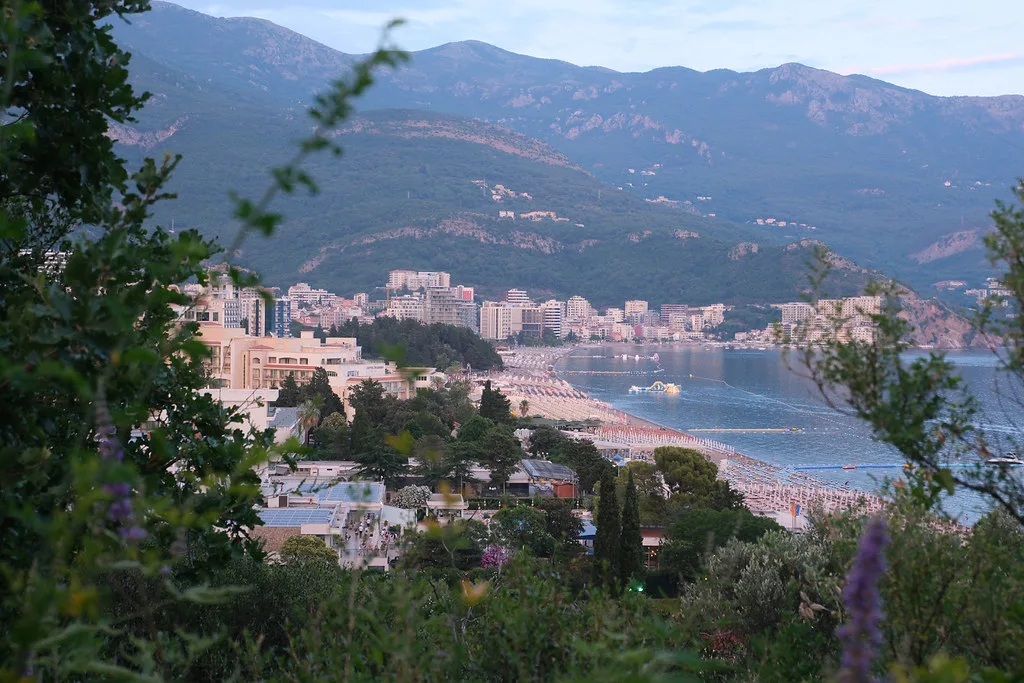
Coach and bus routes into Budva
Long-distance coaches are the backbone of budget travel into Budva, with direct connections from within Montenegro and from Albania, Croatia, Bosnia and Herzegovina, Serbia and North Macedonia. Fares vary by route, date and how early you book, so compare live prices for your own dates rather than trusting a headline figure.
Regional buses follow the same coastal corridor, and the forum consensus among travelers is that public buses are the standard way to move between Montenegrin towns. You can find the practical detail on connections in this discussion of Budva public transport.
If Kotor is on your itinerary, the two towns are close enough that the transfer is a short hop rather than a travel day. Our guide to how to get to Kotor covers the same coastal corridor from the other end.
Arriving at Budva bus station
FlixBus lists a single stop in Budva, Budva AS, and charges a departure fee of 2 euros at the station on top of your ticket. Factor that into your budget when you leave town, especially if you are traveling as a group.
The station sits within walking distance of the seafront and the Old Town, so most arrivals can walk or take a short taxi ride rather than arranging a transfer. Arriving by coach also frees you from hunting for parking in a town where spaces are scarce in summer.
Driving yourself and the coastal road
Driving gives you the freedom to stop at viewpoints above Sveti Stefan and to detour to Lipa Cave, but the main coastal road through Budva can be truly congested, and the situation worsens as the season peaks. Plan to arrive early in the morning rather than midday.
Arriving at 8am from Kotor gave one driver a head start on both traffic and parking, which is the single most useful tactic for a summer road trip down this coast. Once the tours and day-trippers arrive, the Old Town lanes fill quickly.
Outside the peak weeks the same drive is far calmer, and Budva in May or Budva in October gives you the coastal road without the July crawl. Shoulder-season trips also make the parking hunt a minor annoyance instead of the day's main event.
Parking and congestion around Budva
Parking near the Old Town is limited and fills early. A lot near Hotel Wow charged around 1 euro per hour and sits one block from the seafront, roughly a ten-minute walk from the Old Town walls, which makes it a workable base for a day visit.
For Sveti Stefan, the laybys on the road above the island are small and often full. The better view is from St. Sava Church above the main road, a short but narrow climb by car, with a circular platform that frames the island.
Beach costs are a separate budget line once you have parked: two sun loungers and an umbrella were seen at 12 euros on Slovenska Beach and around 40 euros at Sveti Stefan beach. Our guide to whether Budva is expensive breaks down what these add up to over a few days.
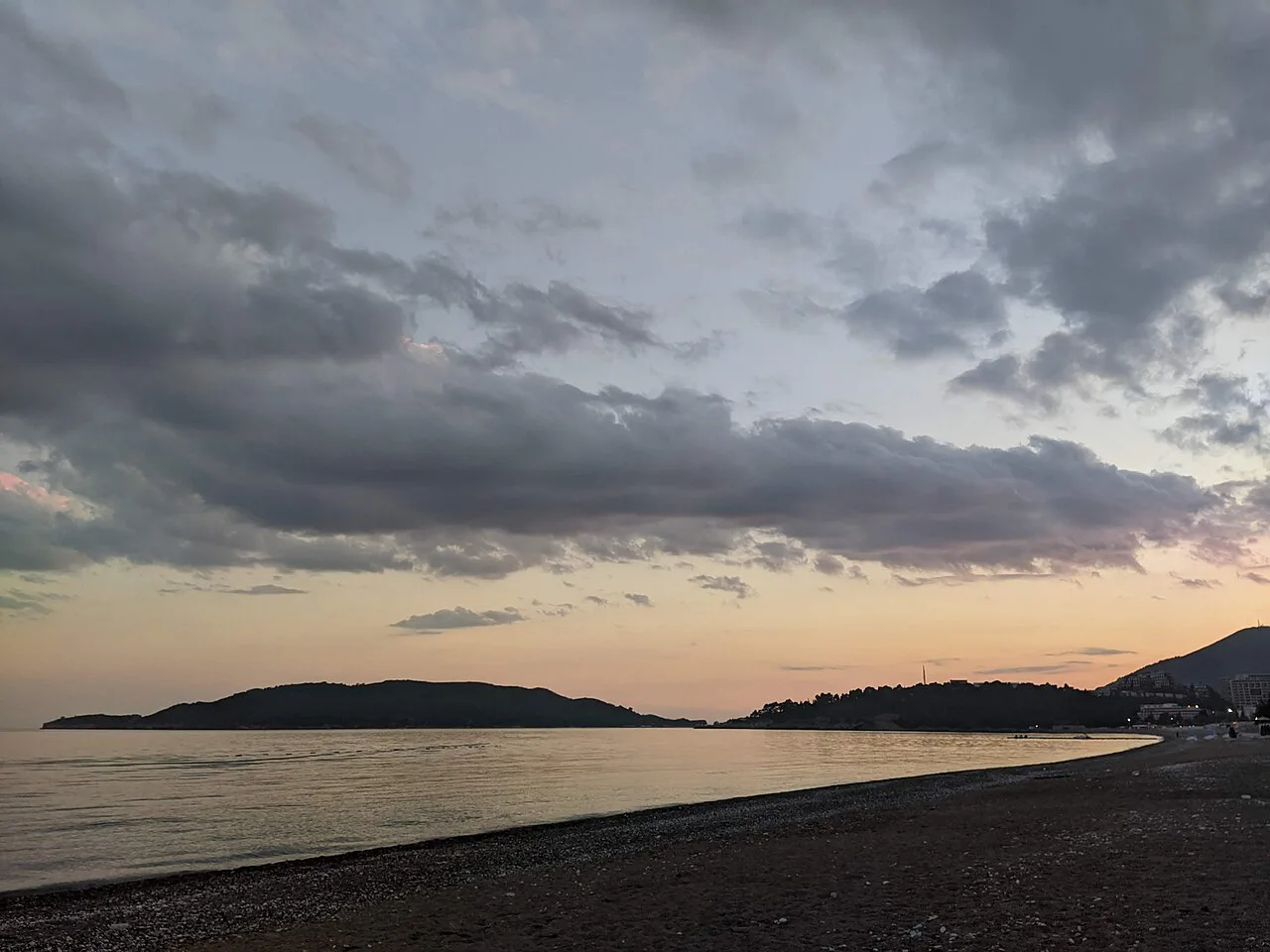
Where Budva sits for onward trips (Kotor, Sveti Stefan, Lipa Cave)
Budva makes a good base for the central coast. Kotor and the smaller Venetian town of Perast lie to the north, Sveti Stefan to the south, and Lipa Cave inland to the east with a good road and a circular return through Lovcen National Park.
Sveti Stefan island itself is a hotel managed by Aman Resorts, and entry is limited to guests and restaurant reservations. The mainland beaches opposite are open to everyone, and the classic photograph is taken from above rather than from the sand.
For a longer stay, Budva in June brings warm sea and a lively Old Town without the full August squeeze, while Budva in April suits walkers more than swimmers. Both months make the coastal road easier to manage than high summer.
Getting around Budva once you arrive
The Old Town, the Morava Gate beach and the Slovenska Beach promenade are all reachable on foot from the centre, which is why many visitors park once and walk for the rest of the day. Local buses cover the wider Riviera if you are staying outside the core.
Slovenska Beach is long and mostly private, with sun loungers and umbrellas for hire and some crowded public sections. It is the closest swim to the Old Town, not the quietest one, so set expectations accordingly.
Montenegro uses the euro, so there is no currency exchange to organise on arrival and prices in Budva are quoted in the same currency you will use in Kotor and Perast. Card payments are common in the centre, though small vendors and car parks may prefer cash.
Who each route suits
Families with luggage should fly into Tivat and pre-book a transfer, trading money for a short, predictable ride. Solo and budget travelers get the best value from a coach booked early, especially from Dubrovnik, Tirana or Podgorica.
Drivers should collect a car at Podgorica or Dubrovnik only if they intend to explore beyond Budva, since the town itself rewards walking more than driving. Anyone planning a beach-focused stay should skip the rental and let the coach do the work.
Plan Your Visit
Decide on your gateway first, then the transfer: Tivat for speed, Podgorica for flight choice, Dubrovnik for a two-country trip, and a coach if cost matters most. Book summer coaches and transfers early, and start coastal drives at breakfast rather than at noon.
Budva rewards a short, well-planned stay, and the arrival leg shapes how much of the trip you enjoy. Get the transport right and the Old Town, the promenade and the Sveti Stefan viewpoints do the rest.
Frequently Asked Questions
Does Budva have its own airport?
No. Budva has no airport, so you fly into Tivat, Podgorica or Dubrovnik and finish the journey by road transfer, taxi or coach. Tivat is the closest of the three, while Podgorica and Dubrovnik usually offer more flight choice.
Which airport is closest to Budva?
Tivat is the closest airport to Budva, on the Bay of Kotor. The drive south along the coast is short compared with Podgorica or Dubrovnik, but summer flights into Tivat are fewer and more expensive.
How do I get from Podgorica Airport to Budva?
Take a taxi or pre-booked transfer, hire a car at the airport, or connect to an intercity coach. The road leg is longer than from Tivat, but Podgorica generally has more flights and better fares in peak season.
Can I reach Budva by bus from Dubrovnik or Tirana?
Yes. FlixBus runs direct coaches into Budva from Dubrovnik and Tirana, along with Kotor, Podgorica, Skopje, Sarajevo, Zagreb and Belgrade. Fares depend on the route, date and how early you book.
Is it better to drive or take the bus to Budva?
Take the bus if Budva is your main destination, because parking is scarce and the coastal road is slow in summer. Drive only if you plan to explore Kotor, Perast, Lipa Cave and Lovcen National Park on your own schedule.
How do I get from Budva to Kotor?
Regional buses and coaches run along the coastal corridor between Budva and Kotor, and the drive itself is short outside peak traffic. Leaving early in the morning avoids the worst of the summer congestion.
Sources
Trip-decision notes
Optional updates when we publish or revise a destination verdict.
You might also like
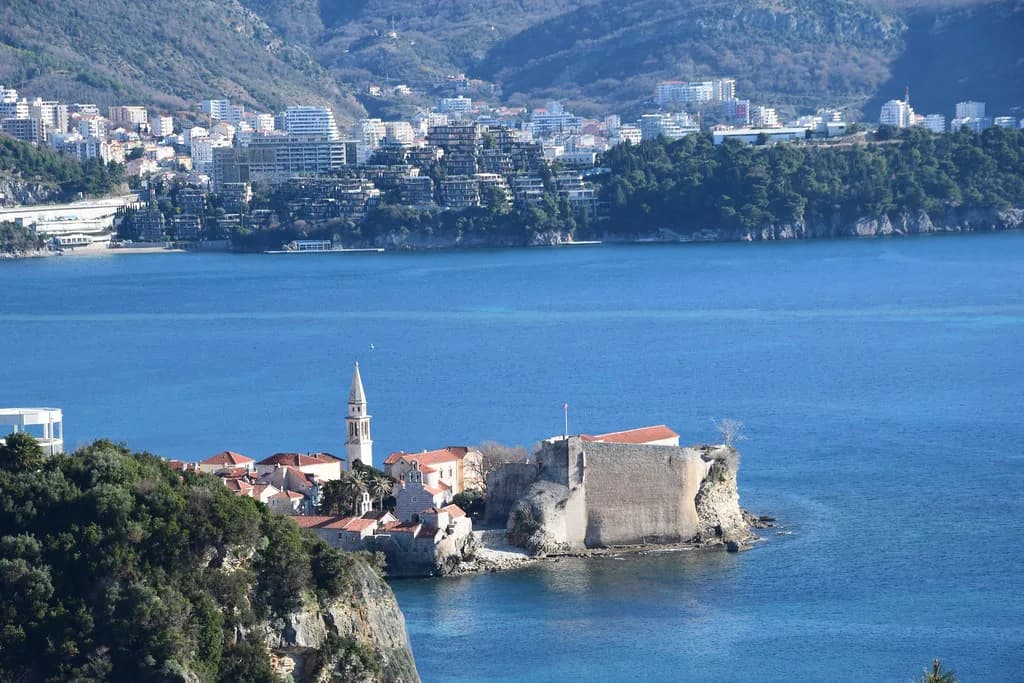
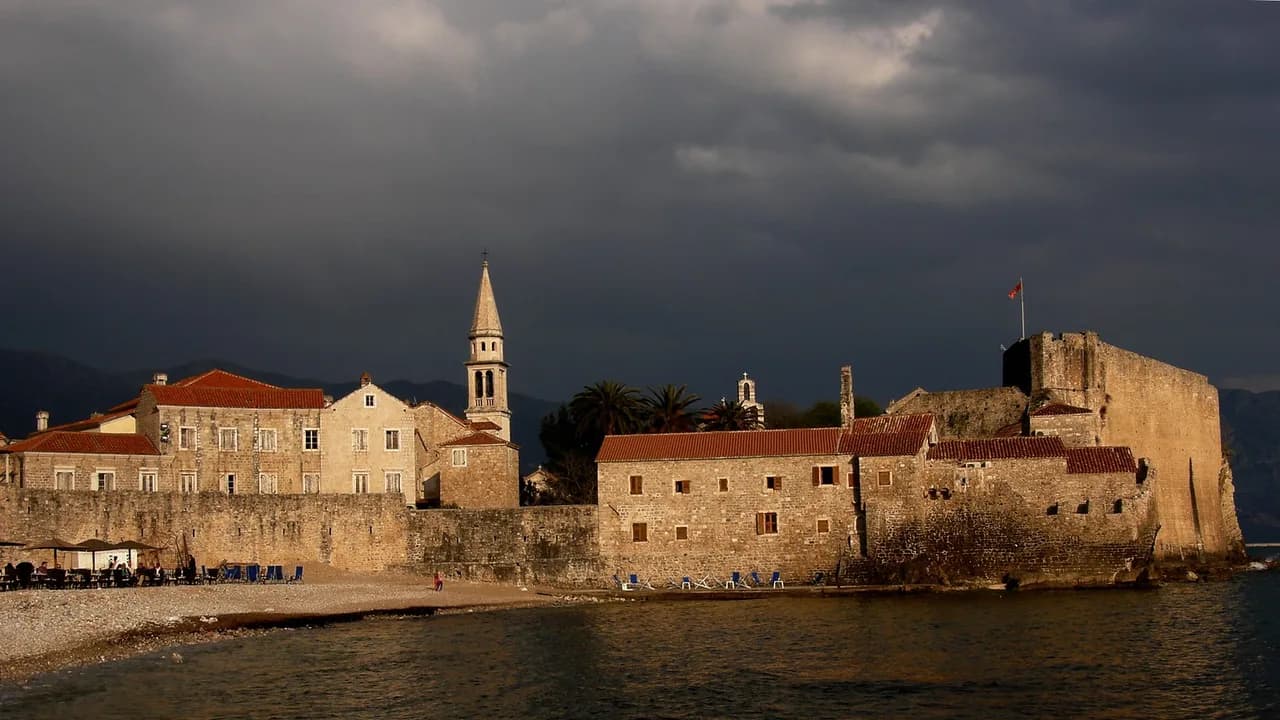
Continue reading
More guides you'll find useful