Renting a Car in Montenegro: Is It Worth It?
Renting a car in Montenegro opens up the Bay of Kotor, Lovćen and Durmitor in ways buses cannot. Here is when it pays off and what to know before you book.
On this page
Yes, renting a car in Montenegro is worth it if your trip goes beyond the coast — the mountain national parks and Lake Skadar are awkward or slow to reach by bus. If you are spending three days shuttling between Kotor and Budva, skip the car and use buses and taxis.
The trade-off is straightforward: a car buys you freedom in the north and flexibility along the bay, and it costs you parking headaches in the walled towns and a slower, more careful drive on mountain roads. This guide covers the costs, the paperwork and the rules that catch visitors out, so you can weigh up the options before you reserve.
The verdict
Rent a car for the mountains and the bay, not for the old towns. The coastal strip between Herceg Novi, Tivat, Budva and Petrovac is well served by buses, but Lovćen, Durmitor, Biogradska Gora and the Lake Skadar shore around Virpazar reward a vehicle. If you are still weighing the destination itself, our verdict on whether Montenegro is worth visiting sets out what the coast and mountains each deliver, and if you're extending the trip south, use our Budva trip guide to decide how many coastal days deserve a car.
Three days or more with at least one inland leg: rent. A week split between coast and north: rent without hesitation, because the drive times between regions are what make a car valuable. Under three days in Kotor and Budva only: do not bother.
Who should rent a car and who should take buses instead
Couples and small groups heading for Durmitor, Tara Canyon or the Bay of Kotor serpentine road get the most from a rental, since the scenic drives are the point of the trip rather than the transport between stops. Hikers basing themselves in Žabljak or Kolašin also need wheels to reach trailheads, and families with children gain from door-to-door flexibility on the coast.
City-breakers staying inside Kotor's walls, solo travelers on a tight budget and anyone who dislikes narrow mountain roads should skip it. Buses link the coastal towns and Podgorica, and taxis handle short hops; for a sense of what a trip costs with and without a car, see our breakdown of whether Montenegro is cheap.
Driving is on the right, and the coastal road is generally better maintained and wider than mountain routes, where surfaces narrow and weather can worsen conditions. That split should shape your route: keep the coast relaxed and give mountain days more daylight than you think you need.
Where you pick up
The two main airports are Podgorica (TGD) and Tivat (TIV), and both have rental desks from the big international brands, so collecting a car on arrival is straightforward. Podgorica puts you about two hours from Kotor and just over one hour from Budva, while Tivat drops you directly onto the bay.
City pickups in Podgorica, Budva, Herceg Novi and Tivat suit travelers who arrive by bus or spend a night in town first; Europcar lists locations in Podgorica and at Tivat Airport, and international brands generally operate from the airports and larger coastal towns. Many travelers flying into Dubrovnik in Croatia also rent there and drive down, which raises the cross-border question covered below.
What it costs
Comparison-site examples give a useful shape to the market rather than a fixed price. Small economy cars such as a Fiat 500 or Volkswagen up! appear from around €3–10 per day in low periods, compact and intermediate cars from roughly €5–20, and SUVs like a Dacia Duster from about €26–45 depending on supplier and season, according to EasyTerra's Montenegro listings. Treat these as starting points, not quotes.
Rates climb steeply in July and August and around major coastal events, and again for automatics, SUVs, seven-seaters and one-way drop-offs. Airport desks at Tivat and Podgorica are convenient but often pricier than a city office a short taxi ride away, so compare both before committing.
Budget in euros, which Montenegro uses. Fuel, parking in Kotor and Budva, and any cross-border fee sit on top of the rental rate, and summer parking near the old towns is where a cheap car stops being cheap; our guide to money in Montenegro covers cards, cash and currency basics.
Requirements: licence, ID and credit card
You need a full, valid driving licence from your home country, your passport or ID card, and a credit card in the main driver's name for the deposit. Rental companies generally do not accept debit cards or cash for the deposit, and the card must be valid beyond the return date.
An International Driving Permit is recommended rather than always mandatory, and it only works alongside your original licence; suppliers may require it when your licence is not in a language or script readable in Montenegro. Age rules vary by company — Enterprise states a minimum of 21 with at least one year's licence holding, but others set higher floors and young-driver surcharges apply.
Driving rules that catch visitors out
Dipped headlights must be on at all times, even in bright daylight, and that is the rule visitors most often break. Seatbelts are compulsory for all passengers, and driving on the right with overtaking on the left is standard European practice.
The blood-alcohol limit is 0.03%, effectively zero for practical purposes, so do not plan on a glass of Vranac with lunch before driving the bay road. Handheld phone use is prohibited and only hands-free calls are allowed.
Police checks on the coastal road and around Kotor are routine in summer, and fines are issued on the spot. Carry your licence, passport and rental paperwork in the car rather than in a suitcase at the hotel.
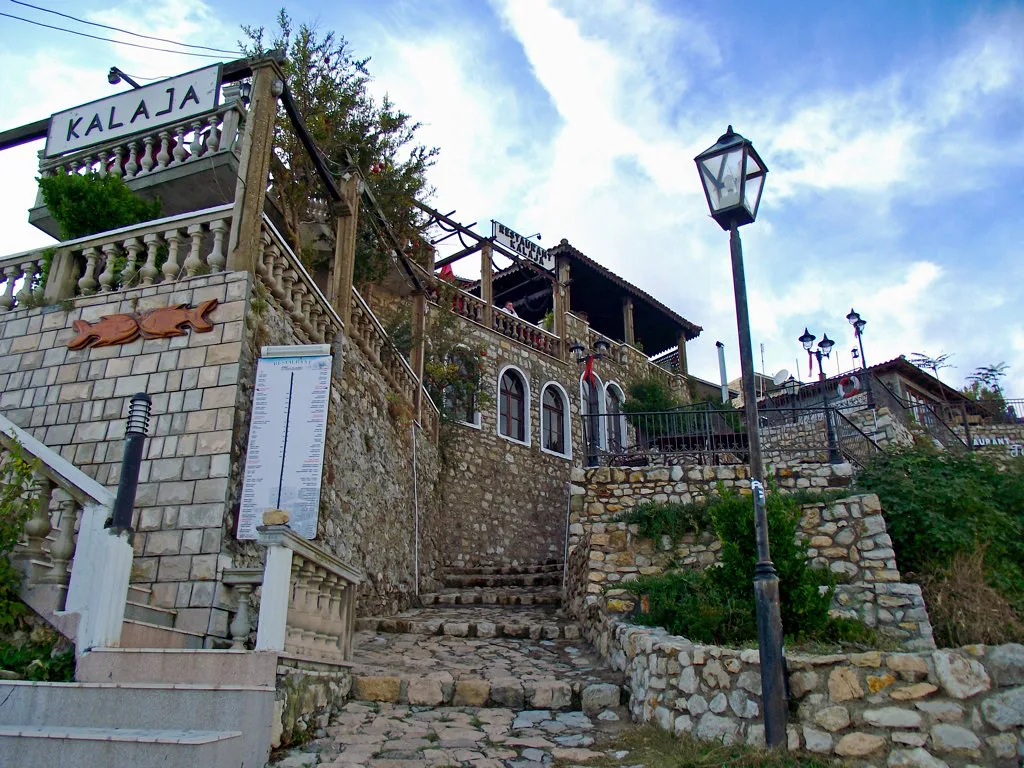
The roads: coast versus mountain passes
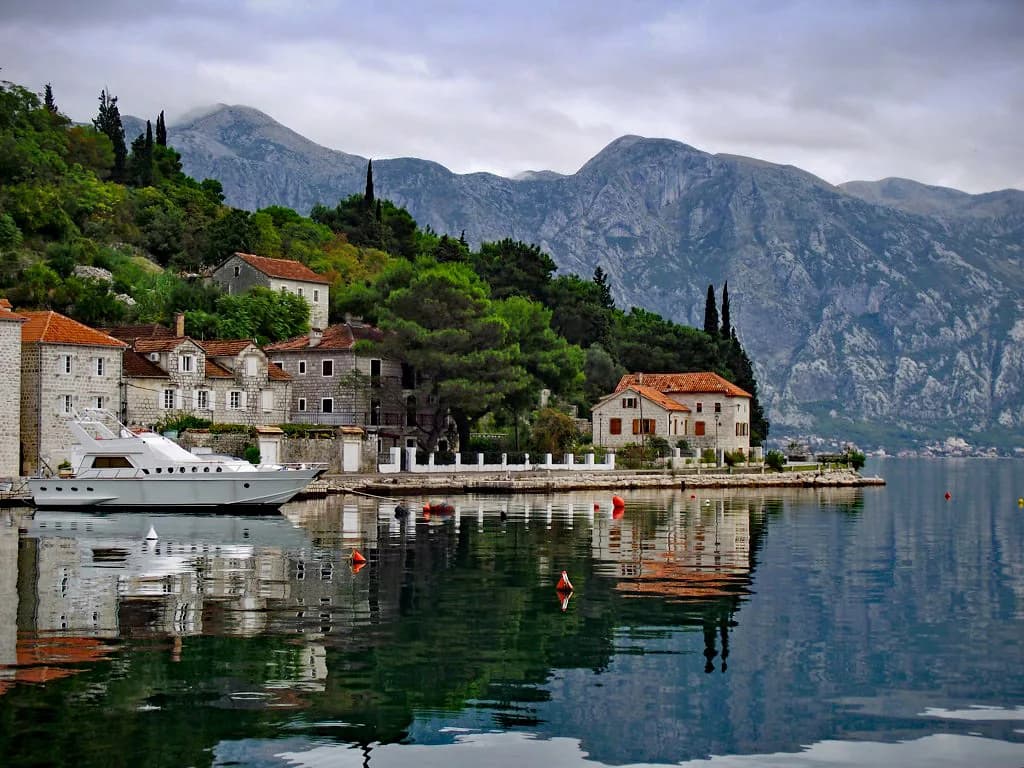
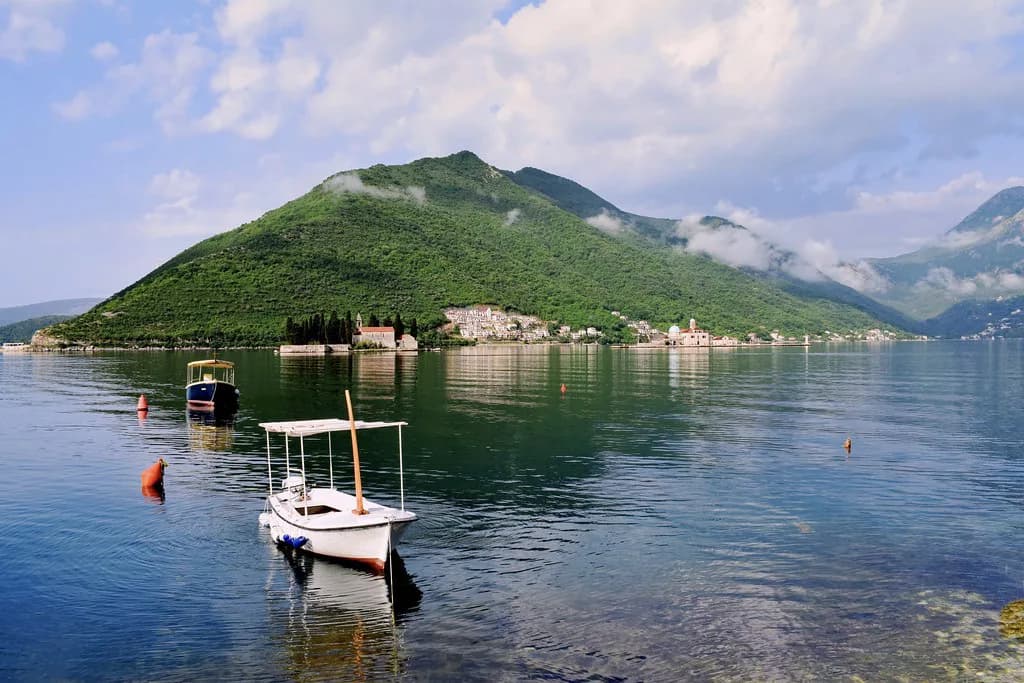
The Adriatic coast road is wider and generally in better condition, but it is also the busiest, with tour coaches and day-trippers between Kotor and Budva in high season. The Bay of Kotor stretch is scenic and slow, especially where the road hugs the water below Perast.
Mountain roads to Lovćen, Durmitor and Biogradska Gora are narrower, with hairpins and sudden weather changes, so allow more time than a map suggests and avoid tackling a pass after dark on your first day. A small, maneuverable car often beats a large SUV on these routes and in old-town parking.
Routes that justify the rental
The Bay of Kotor serpentine road takes about two hours and delivers the classic view over the fjord-like bay, while the short coastal run from Kotor to Perast takes roughly 1.5 hours with stops. The Lovćen National Park loop from Cetinje runs about three hours and includes the panorama from Njegoš Mausoleum.
In the north, the Durmitor ring from Žabljak takes around four hours and pairs well with Black Lake and rafting on Tara Canyon, and the Biogradska Gora circuit near Kolašin takes about three hours through one of Europe's last remaining virgin rainforests. The Lake Skadar drive, a four-hour loop, and the Bar-to-Virpazar route through olive groves and vineyards show why the south rewards a car.
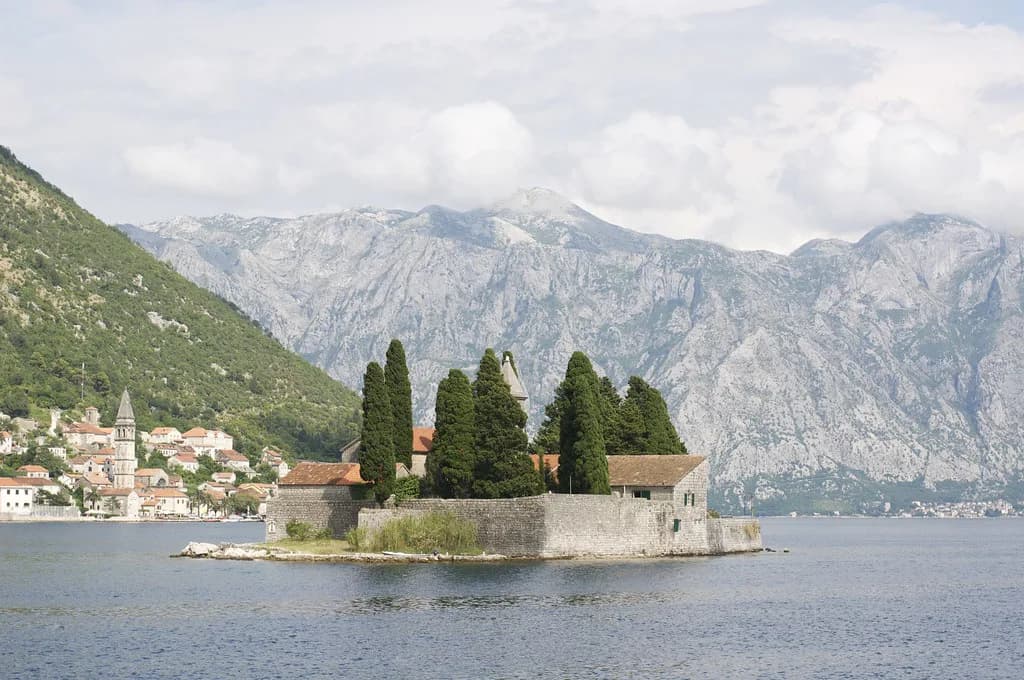
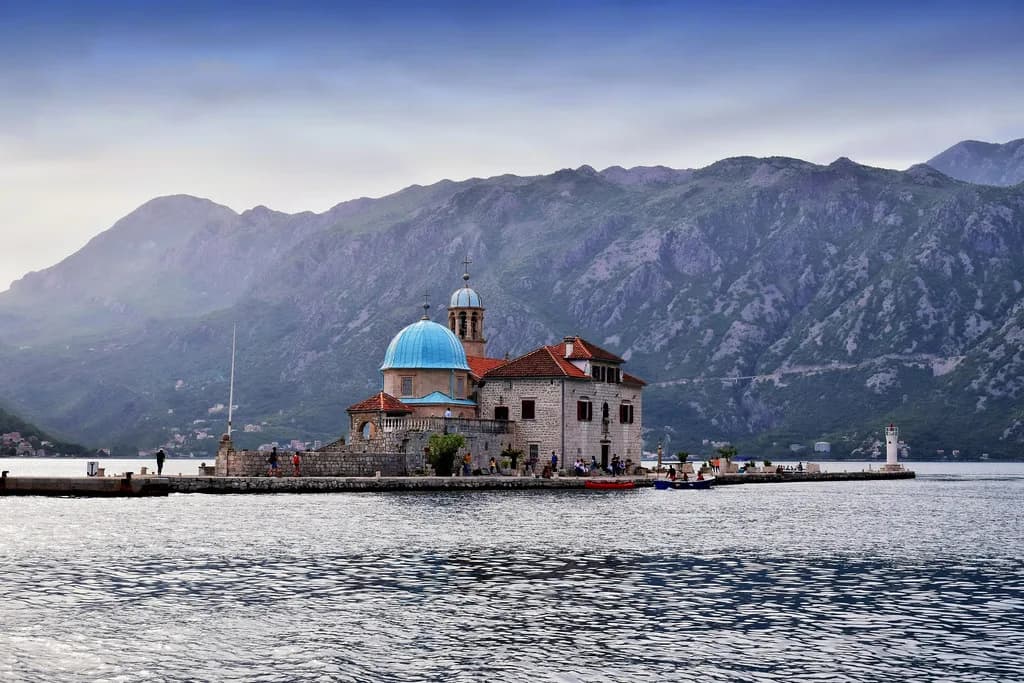
If you are building an itinerary around these drives, our suggested Montenegro itinerary strings the bay, Lovćen and the north together in a realistic order. Book boats to Our Lady of the Rocks and the Blue Cave separately, as they leave from Perast and the Luštica Peninsula rather than from a car park.
Where a car becomes a liability
Kotor's old town sits below walls that rise steeply behind it, and parking fills early in summer with tour coaches and cruise-ship excursions; the same is true of Budva's walled center. Arriving by car in July means paying for a garage on the edge and walking in, which erodes the flexibility you rented for.
The Kotor bottleneck, where the bay road narrows and traffic backs up, can turn a twenty-minute hop into an hour on cruise days. Plan coastal driving for early morning or late afternoon, and treat the bay road as scenery rather than a through route.
Automatic versus manual, SUVs and small cars
Most rental fleets in Montenegro are manual, and automatics carry a premium and book out first in summer, so reserve early if you cannot drive a stick. Compact cars such as a Volkswagen Polo or Renault Clio handle old-town streets and mountain hairpins better than a large SUV, and they are cheaper to park.
An SUV makes sense if you plan on rough secondary roads near Durmitor or want ground clearance and space for hiking gear, and comparison sites list Dacia Duster-type models among the popular SUV choices. For a coast-only week, a small hatchback is the smarter spend.
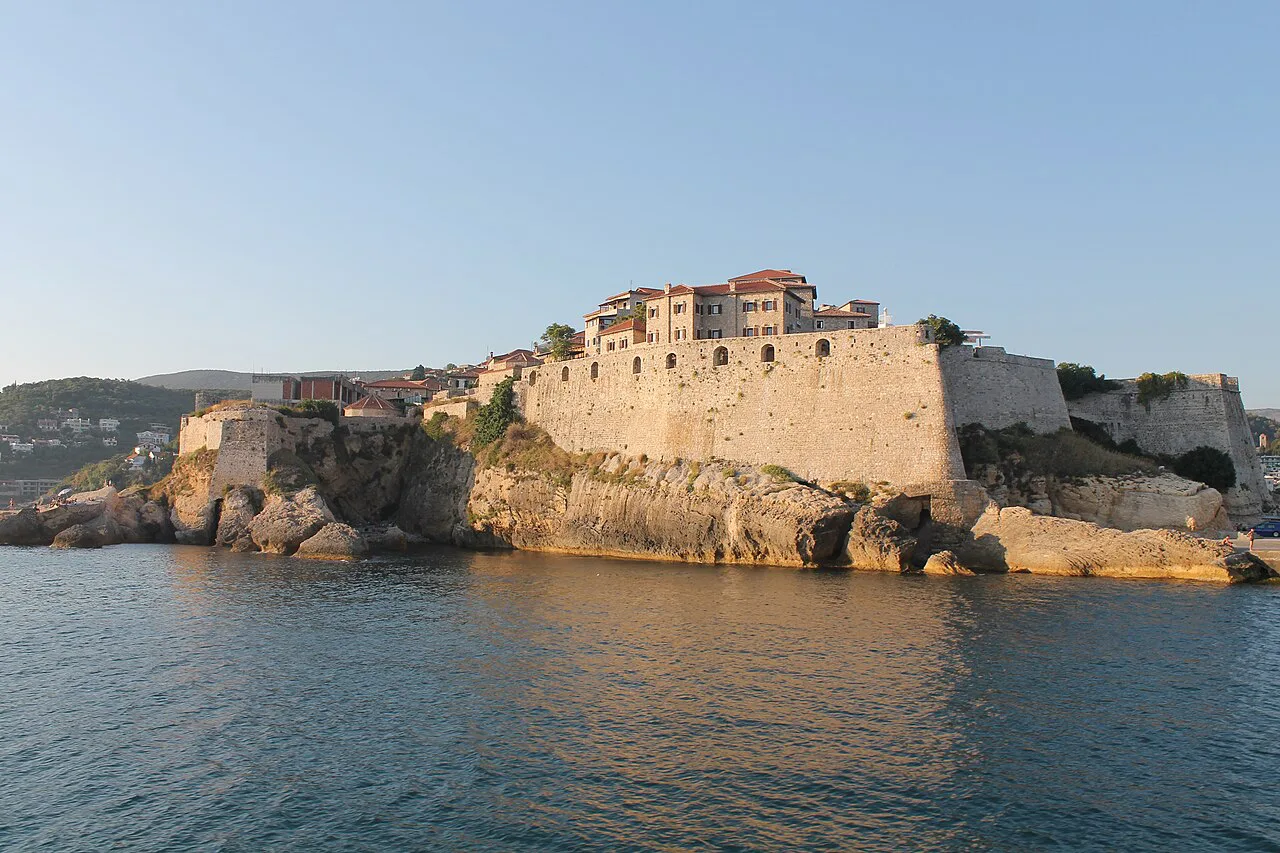
One-way rentals and border crossings
One-way rentals within Montenegro, such as collecting at Tivat and dropping at Podgorica, are usually possible but attract a fee, and the amount depends on supplier and distance. Confirm the drop-off charge when you book rather than at the counter.
Cross-border plans to Croatia, Bosnia and Herzegovina or Albania need the rental company's written permission and often a green card or cross-border fee, and some suppliers prohibit certain countries entirely. If you plan to drive into Dubrovnik or Mostar, state it at booking and get the permission on the contract.
Insurance and the deposit
Standard cover usually carries an excess, and the deposit held on your credit card reflects it, so a small car with a low excess can beat a flashier model on total cost. Excess-reduction policies bought at the counter are expensive; third-party cover bought in advance is often cheaper but check what it excludes.
Photograph the car thoroughly at pickup, including the underside and wheels, and keep the fuel receipt if you return the tank full. Fuel policy varies by supplier, so read the rental agreement before you drive off.
Getting to Montenegro without a car and renting on arrival
Flights land at Podgorica and Tivat, and buses connect the coast and capital, so you can arrive without a car and collect one after a night or two in Kotor or Budva. That lets you use buses for the old-town days and a car only for the mountain leg, cutting both rental days and parking costs.
Flying into Dubrovnik and driving south is another option, but cross-border rental terms apply and the drive adds time at the border in summer. For weather timing, our guide to the best time to visit Montenegro explains why late spring and early autumn suit a driving trip better than August.
Verdict by traveler type
Families and couples with four or more days: rent, and base yourselves in two places to cut driving. Hikers and national-park travelers: rent without question, ideally a compact with a roof rack. City-breakers doing Kotor and Budva only: skip the car.
Budget travelers should compare total cost, not daily rate, because parking, fuel and one-way fees can double a cheap headline price. If your trip hinges on the coast alone, buses and taxis win on both money and stress.
Plan Your Visit
Rent a car if Montenegro's mountains, lakes and national parks are part of your plan, and book early for an automatic in summer. Keep the car out of Kotor and Budva old towns during peak hours, and treat mountain days as slow, scenic drives rather than point-to-point transfers.
For entry formalities, use your own government's official travel page rather than a rental desk. Then decide your route, check the rental terms that matter — cross-border permission, fuel policy and excess — and drive with headlights on.
Explore more Montenegro trip-decision guides
Frequently Asked Questions
Is it worth renting a car in Montenegro?
Yes if you plan to reach Lovćen, Durmitor, Biogradska Gora or Lake Skadar, which are slow or awkward by bus. For a short coast-only trip between Kotor and Budva, buses and taxis are simpler and cheaper.
Do I need a car in Montenegro?
Not for the coastal towns, which are linked by buses and short taxi rides. A car becomes valuable once you add the mountains or the lake, where public transport is limited and driving saves hours.
Can I drive in Montenegro with a US licence?
A full US licence is generally accepted. An International Driving Permit is recommended, though not always required. Some suppliers ask for a translation or permit if your licence is not in a readable script, so check the requirement with the company you book.
How much does car rental in Montenegro cost?
Comparison-site examples start at a few euros a day for the smallest economy cars and rise through compacts and SUVs, with summer, automatics and one-way drop-offs pushing rates up. Treat listed prices as starting points and compare totals including excess and parking.
What are the main driving rules in Montenegro?
Drive on the right, wear seatbelts, keep dipped headlights on at all times, use hands-free phones only and stay under the 0.03% blood-alcohol limit. Police checks are common on the coast in summer.
Is driving in Montenegro difficult?
The coast road is wide and generally well maintained but busy in summer, while mountain roads are narrower with hairpins and changeable weather. Allow extra daylight for mountain days and avoid unfamiliar passes after dark.
How old do you have to be to rent a car in Montenegro?
Enterprise states a minimum age of 21 with at least one year's licence holding, but limits vary by supplier and young-driver surcharges apply. Check the age terms of the specific company before booking.
Can I rent a car at Tivat Airport?
Yes, international brands operate desks at Tivat (TIV) and Podgorica (TGD), making pickup on arrival straightforward. Airport desks can cost more than city offices, so compare both before you commit.
Sources
Trip-decision notes
Optional updates when we publish or revise a destination verdict.
You might also like
Continue reading
More guides you'll find useful