Montenegro vs Croatia: Which Adriatic Trip Fits You?
Montenegro vs Croatia comes down to scale, crowds and price. Compare coastlines, highlights, costs, transport and season to pick the right Adriatic trip.
On this page
Montenegro wins if you want a small country that delivers a sunken bay, walled medieval towns, a Balkan lake and a UNESCO-listed mountain park within a few hours of driving. Croatia wins if you want a long shoreline studded with islands, big Baroque cities and a tourism machine that runs smoothly in high season. Both use the euro, so comparing day-to-day spending is straightforward.
The trade-offs are scale and pressure: Montenegro is smaller and easier to cross, but its coast narrows to a handful of set-piece towns that fill up in July and August; Croatia spreads visitors across hundreds of islands and a much longer mainland, yet its headline cities absorb enormous cruise and summer traffic. If you are still deciding whether Montenegro earns a trip at all, our honest verdict on whether Montenegro is worth visiting sets out the case.
The verdict: who should pick Montenegro, who should pick Croatia
Choose Montenegro if you have five to seven days, want mountains and coast in one loop, and would rather see one dramatic bay and a glacial-lake national park than hop between islands. Choose Croatia if you have ten days or more, want to sleep on islands, and accept that Dubrovnik and Split in summer are busy urban sights rather than quiet harbors.
Families and hikers tend to get more range per kilometer in Montenegro: the Bay of Kotor, Lovćen, Lake Skadar and Durmitor sit within a day's drive of each other, and the Tara Canyon adds rafting without a separate trip. Croatia suits travelers who want ferry-linked island time, longer swimming seasons on quieter coves, and cities with deep Venetian and Habsburg layers.
A note for planners: both countries price in euros, and Montenegro uses the euro as its currency, so your budget comparison needs no conversion. For the practical side of cash, cards and costs in Montenegro, the money in Montenegro explainer covers what is actually accepted.
Character of each coast: a compact bay vs a long island-studded shoreline
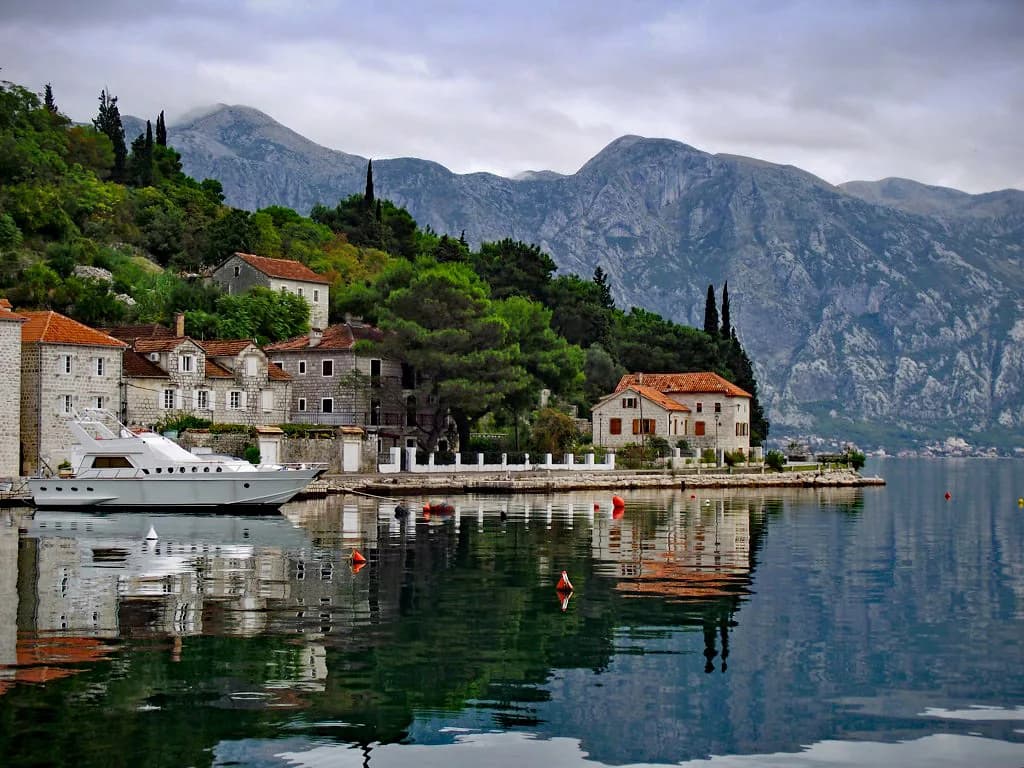
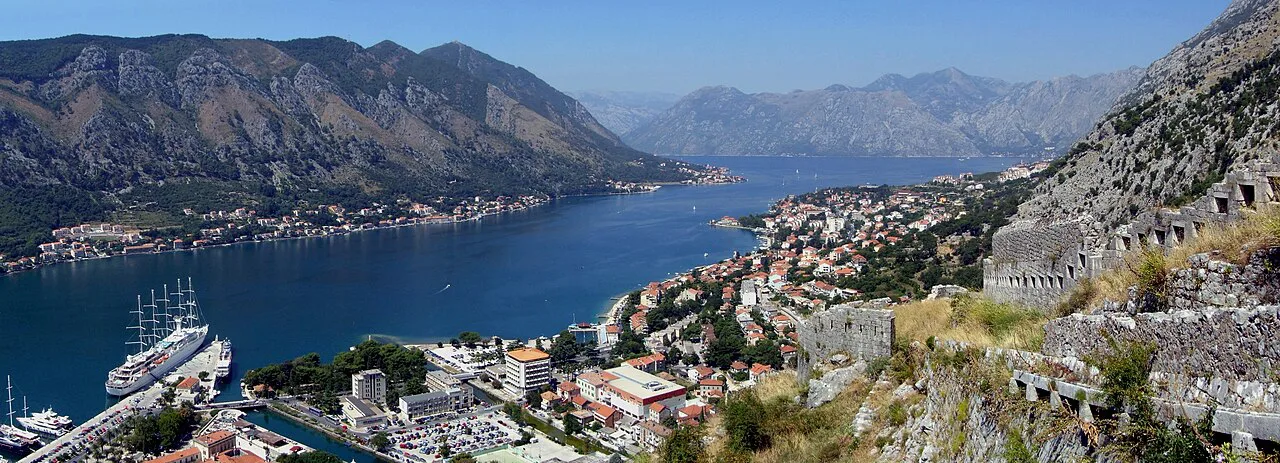
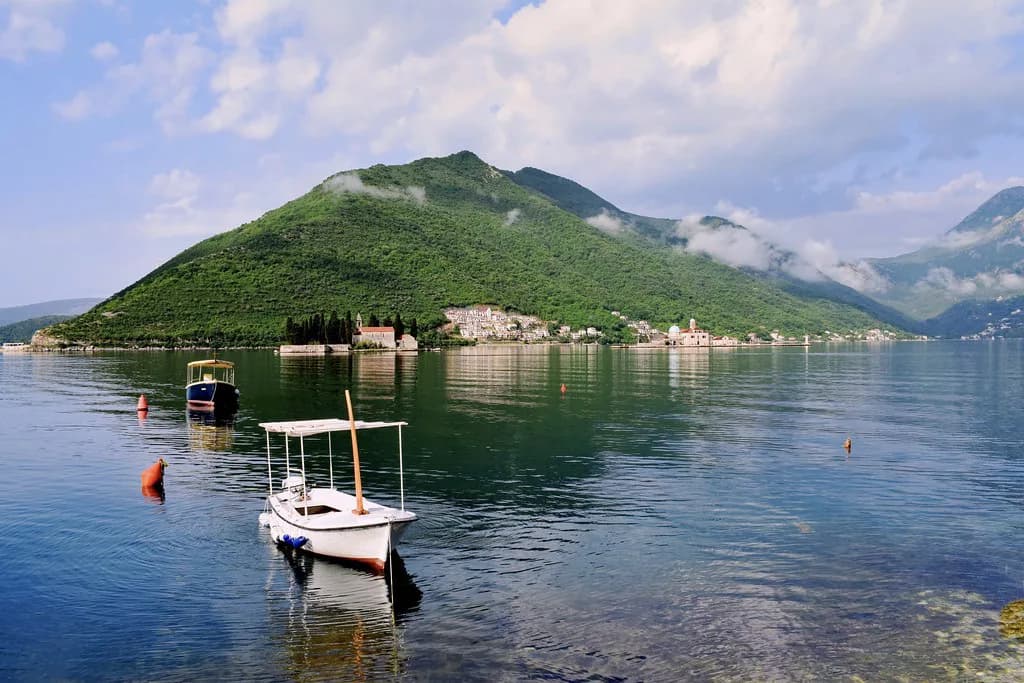
Montenegro's coast is short and dramatic: the Bay of Kotor cuts inland like a fjord, ringed by limestone walls, with the walled town of Kotor at its inner end and the baroque single-street village of Perast partway along. South of the bay, Budva anchors a beach strip, and Sveti Stefan's fortified islet provides the postcard view from the mainland.
Croatia's coast runs for hundreds of kilometers from Istria down through Dalmatia, with islands offshore that reward ferry-hopping and a mainland of stone towns, marinas and pebble beaches. The difference in feel is real: Montenegro gives you one great bay and a mountain hinterland, Croatia gives you a long menu and the ferries to work through it.
Highlights that decide it: Montenegro
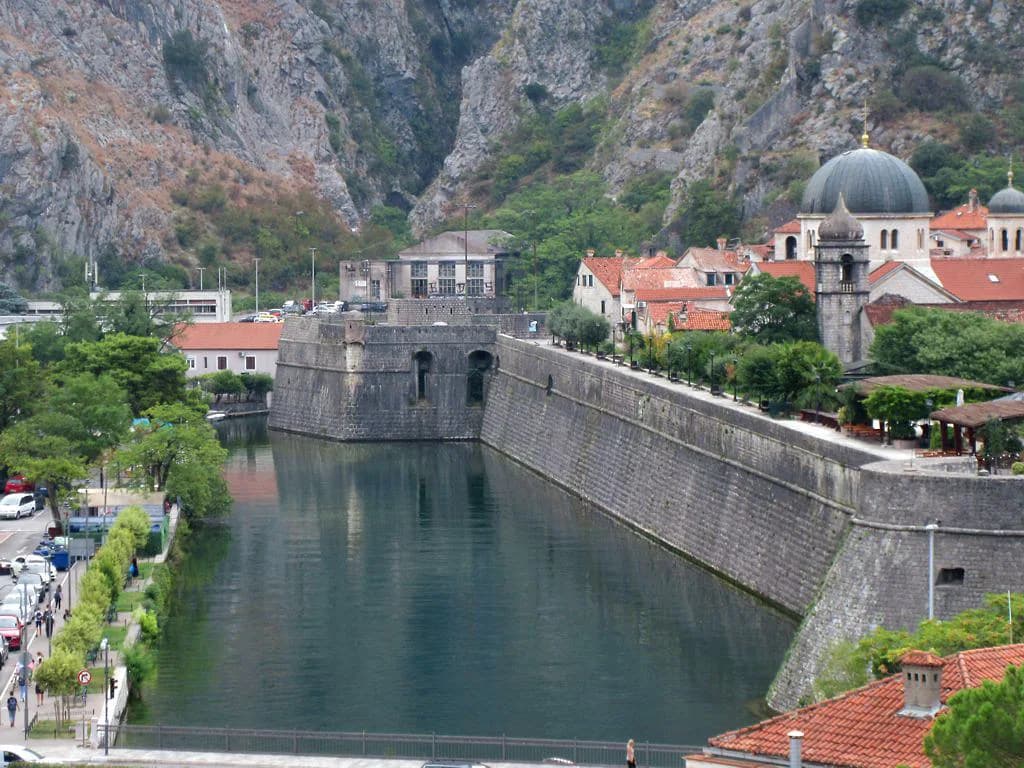
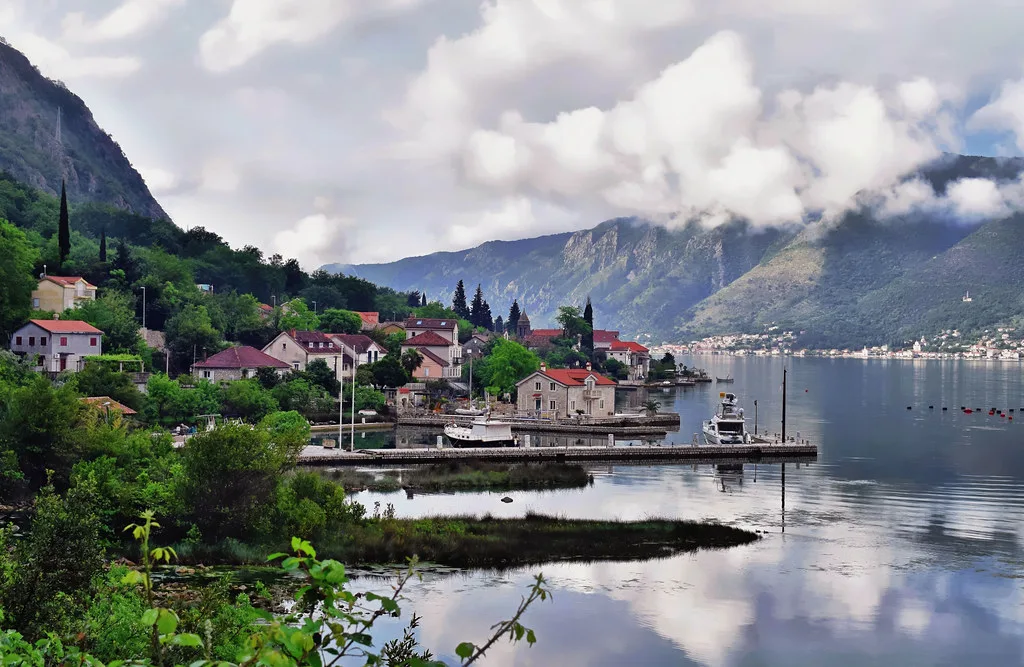
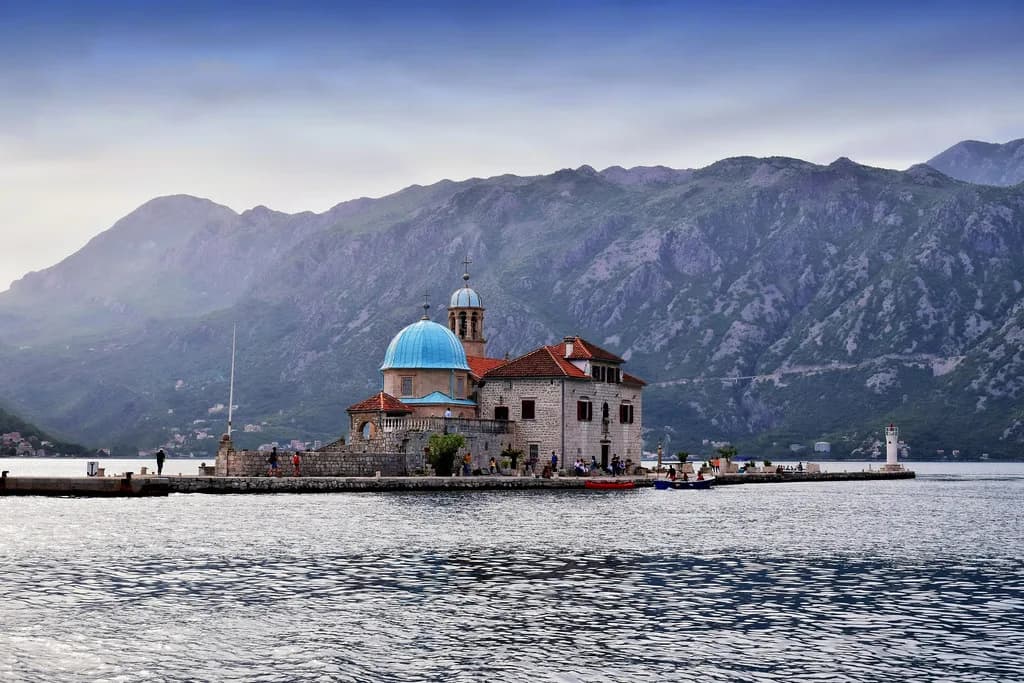
Kotor is the anchor: a UNESCO-listed walled town of marble lanes and churches at the foot of a zigzag fortress climb, with the Bay of Kotor behind it. Perast, twenty minutes around the water, is a single waterfront street of Venetian palazzi facing two islets, one of them the man-made Our Lady of the Rocks. Budva adds a walled old town and beach life, while Lake Skadar near Virpazar delivers boat trips through reed beds and water lilies with mountains reflected behind.
Inland, Durmitor National Park around Žabljak is UNESCO-listed mountain country with the Black Lake loop and the Tara River Canyon, crossed by the Đurđevića Tara Bridge. Lovćen National Park above the bay holds the Njegoš Mausoleum with panoramic views, and Biogradska Gora preserves one of Europe's last virgin forest reserves. Ostrog Monastery, built into a near-vertical cliff, is a realistic day trip from Podgorica or the coast.
These are the places that decide a Montenegro trip, and they are close enough together to string into one route rather than a series of separate journeys. For a sense of which stops deserve your nights, the best places to visit in Montenegro ranks them by who each one suits.
Highlights on the Croatian side
Croatia's set pieces are bigger and more urban: Dubrovnik's complete medieval walls above the Adriatic, Split's Diocletian's Palace woven into the living city, Hvar's Venetian harbor and lavender-covered hills, the turquoise terraces of Plitvice Lakes, and Istria's hill towns and seafood. The country rewards a longer trip because the distances between these places, and the ferries to the islands, eat days.
The practical consequence is that Croatia needs more time to feel unhurried. A week in Croatia covering Dubrovnik, Split and one island is realistic but tight; the same week in Montenegro covers a bay, a lake and a national park with driving time left over.
Beaches and swimming
Montenegro's swimming is mostly pebble and rock coves around the Bay of Kotor and the Budva strip, with the beach either side of Sveti Stefan's causeway among the most photogenic. Water clarity is high, but flat sandy stretches are limited, and the coast gets crowded in the July and August peak.
Croatia offers far more variety: pebble and sand beaches on the islands, sheltered coves reachable only by boat, and long stretches of the Dalmatian mainland where you can find space even in August. If swimming and beach time are the main point of the trip rather than a component, Croatia's island geography gives you more options.
Weather and timing
Montenegro's national tourism board describes the ideal window as May to October, with average maximum temperatures of 19°C (66°F) in May and 29°C (84°F) in August. It also warns that low-altitude summer temperatures can reach 40°C (104°F), which is the argument for heading to the mountains in midsummer rather than staying on the coast.
Spring and early autumn are the sweet spots on both sides of the Adriatic: pleasant air, swimmable water in early autumn, and fewer people on the waterfront. Montenegro's coastal region concentrates its visitors in July and August, so shoulder months give you the same scenery with breathing room.
Crowds and cruise-ship pressure
Both coasts absorb heavy summer traffic, and the pressure concentrates in the walled towns. Kotor and Dubrovnik both sit on cruise itineraries, so their old towns are busiest in the middle of the day when ship excursions are ashore; early mornings and evenings are noticeably calmer.
Montenegro's small size makes the contrast sharper: when Kotor or Budva is busy, there are fewer alternative coastal towns to absorb the overflow. Croatia's islands and longer mainland spread the load, but Dubrovnik in high summer remains one of the busiest small cities in the Mediterranean.
Typical costs
Both countries use the euro, which makes side-by-side budgeting easy, and in broad terms Montenegro is the gentler bill of the two, especially outside the coastal peak. Croatia's headline cities and islands carry prices closer to Western European norms in July and August. For a line-by-line view of Montenegro, the question of is Montenegro cheap is answered with real categories rather than vague reassurance. If you are weighing a wider Balkan budget trip, our verdict on is Albania worth visiting applies the same cost comparison.
Car hire is where a concrete number helps: comparison listings for Montenegro show small economy cars advertised from a few euros per day in low periods, rising steeply for SUVs and automatics in summer. Treat those figures as a floor for research and price your exact dates before booking.
Getting there and getting around
Montenegro's air gateways are Podgorica Airport (TGD) and Tivat Airport (TIV), both with rental desks, and the drive from Podgorica to Kotor takes about two hours. Croatia's Dubrovnik Airport is the practical access point for the southern Adriatic and sits close enough to the Montenegrin border to serve the Bay of Kotor as well.
Croatia's transport network is denser: more airports, catamaran and ferry links to the islands, and a motorway spine down the coast. In Montenegro a car does most of the work, and the drives themselves are the attraction, including the serpentine road above the Bay of Kotor, the Lovćen loop from Cetinje and the Durmitor ring from Žabljak, which the rental operators list at roughly two, three and four hours respectively.
For cross-border planning, driving between the two countries is the realistic option for most routes, and the Dubrovnik area is the natural hinge point on a combined trip. Timetables for any specific bus, ferry or rail connection change by season, so check current schedules before you build an itinerary around one.
Car hire and road realities in Montenegro
Driving in Montenegro is straightforward on the coast and slower inland, where mountain roads narrow and weather can change conditions quickly. Rental operators note that coastal roads are generally better maintained and wider than the mountain routes.
Rules catch visitors out: you drive on the right, headlights must be on at all times even in daylight, and the blood-alcohol limit is low. Rental minimum age is typically 21 with at least a year's license, and an international driving permit is recommended. If you would rather not drive the bay's traffic in August, base yourself in one town and use boats and buses for the rest.
How many days each destination rewards
Montenegro works in five to seven days: two nights around the Bay of Kotor for Kotor and Perast, a night or two for Budva and Sveti Stefan, then two nights inland for Durmitor and the Tara Canyon, with Lake Skadar as a stop en route. Ten days lets you add Lovćen, Ostrog and a slower pace on the coast.
Croatia needs at least a week for Dubrovnik, Split and one island, and ten days to two weeks to include Istria or Plitvice without rushing. If you only have a week and want variety rather than a single coastline, Montenegro fits the time better. A ready-made Montenegro itinerary can show how the pieces fit.
Combining both: one week and two weeks
For a combined week, fly into Dubrovnik, spend two nights there, cross to the Bay of Kotor for three nights covering Kotor and Perast, then finish with two nights around Budva or Lake Skadar before flying out of Tivat or Podgorica. You get two countries and one border crossing without long transfers.
With two weeks, run Dubrovnik, a Dalmatian island or Split, then cross south for the Bay of Kotor, Budva and a two-night mountain block in Durmitor before returning via Podgorica. Book the border-crossing rental car in advance and check that cross-border travel is permitted on your contract.
Montenegro vs Croatia by traveler type
Hikers and road-trippers: Montenegro. A five-park country with the Bay of Kotor, Lovćen, Skadar, Biogradska Gora and Durmitor, plus the Tara Canyon, gives more landscape per day. Island-hoppers and city-lovers: Croatia, where ferries link stone towns and Dubrovnik and Split carry serious architectural weight.
Budget travelers and families with a week: Montenegro, where the euro keeps budgeting simple and the short distances cut transfer costs. Beach-first travelers with ten days or more: Croatia, because island variety and longer swimming seasons are hard to match on Montenegro's short coast.
Drawbacks worth accepting
Montenegro's drawbacks are congestion and infrastructure: a handful of coastal towns absorb the summer load, some roads are narrow and slow, and the range of alternative bases is limited when the bay is full. Croatia's are price and scale: peak-season prices in Dubrovnik and on Hvar, ferry timetables that dictate your days, and old towns that feel like queues in August.
Both are excellent trips; the honest choice is about your tolerance for crowds versus your appetite for logistics. Montenegro rewards travelers who want one compact, varied journey; Croatia rewards travelers who want to keep moving through a longer, richer coastline.
Pick Your Adriatic
If you have under ten days, want mountains and a dramatic bay in one loop, and prefer a lower bill outside peak season, Montenegro is the better trip. If you have longer, want islands and big Baroque cities, and will plan around summer crowds, Croatia earns the extra days.
Whichever you choose, travel in May, June, September or early October, book the car early if you are combining both countries, and keep the middle of the day free of the busiest walled towns.
Explore more Montenegro trip-decision guides
Frequently Asked Questions
Is Montenegro cheaper than Croatia?
Generally yes, especially outside the July and August coastal peak. Both countries use the euro, which makes side-by-side budgeting simple, and Croatia's headline cities and islands carry prices closer to Western European norms in high season. Montenegro's short distances also cut transfer and fuel costs, so a week there tends to cost less than the same week on the Dalmatian coast.
Is Croatia next to Montenegro?
Yes. The two countries share a border along the southern Adriatic, and the Dubrovnik area is the natural hinge point between them. A combined trip can cross from Dubrovnik to the Bay of Kotor in a single drive, which is why pairing the two works well for travelers with ten days or so.
Which is better for beaches, Montenegro or Croatia?
Croatia has more variety: pebble and sand beaches on the islands, sheltered coves reachable only by boat, and long mainland stretches where you can find space even in August. Montenegro's swimming is mostly rock and pebble coves around the Bay of Kotor and the Budva strip, with Sveti Stefan's causeway beaches among the most photogenic. Choose Montenegro if the beach is one part of a varied trip; choose Croatia if beach time is the main event.
How many days do you need in Montenegro compared with Croatia?
Montenegro works well in five to seven days: two nights around the Bay of Kotor, a night or two for Budva, then two nights inland for Durmitor and the Tara Canyon. Croatia needs at least a week for Dubrovnik, Split and one island, and ten days to two weeks to add Istria or Plitvice without rushing.
Can you visit both Montenegro and Croatia in two weeks?
Yes, and two weeks is the comfortable length. A typical route starts in Dubrovnik, adds a Dalmatian island or Split, crosses south for the Bay of Kotor and Budva, then spends two nights in Durmitor before returning via Podgorica. Book a rental car that permits cross-border travel, because not every contract does.
Can you travel between Montenegro and Croatia by train or ferry?
Driving is the realistic way to move between the two for most routes, and the Dubrovnik area is the natural crossing point on a combined trip. Seasonal bus, ferry and rail connections change, so confirm timetables with the specific operator before you build an itinerary around one.
Sources
Trip-decision notes
Optional updates when we publish or revise a destination verdict.
You might also like
Continue reading
More guides you'll find useful