North Macedonia Itinerary: How Many Days and Where to Go
A practical North Macedonia itinerary for four, seven or ten days, with Skopje, Ohrid and Bitola, plus honest trade-offs on pace and travel time.
On this page
Seven days is the right length for a first North Macedonia itinerary. That gives you two to three days in Skopje, three to four around Lake Ohrid and a night or two in Bitola, which is roughly the split experienced travelers pass on to newcomers planning a route through Skopje, Ohrid and Bitola.
With less time, the decision is really between the capital and the lake rather than a tour of the whole country. Skopje rewards a couple of days; Lake Ohrid is what most people remember. If you have four days, go straight to Ohrid and treat Skopje as a single stop at either end.
This guide gives three concrete route lengths, names the stops worth your days and explains where the plan breaks down. If you are still weighing the country itself, our take on whether North Macedonia is worth visiting sits behind every recommendation here.
The verdict: how long North Macedonia deserves
Give North Macedonia a week. The country is small on the map but the roads are slow, the bus network links main towns rather than villages, and the best of Lake Ohrid needs unhurried days rather than a checklist. A seven-day loop of Skopje, Ohrid and Bitola fits without rushing.
Four days works if you accept that you are visiting two places, not five. Ten days lets you add Matka Canyon outside Skopje and the slower southwestern corners around Mavrovo National Park without turning the trip into a driving exercise.
The number of days also drives your budget more than the destination does. Extra days mean extra beds, meals and bus tickets, so settle the length before you price the trip; the wider question of how expensive North Macedonia is shapes that calculation.
Who a week in North Macedonia suits, and who should shorten it
A week suits first-time visitors to the Balkans, travelers who care more about lakeside towns and Ottoman-era streets than about ticking off countries, and anyone coming from Greece, Albania, Kosovo, Bulgaria or Serbia for a single loop. The classic route is compact enough that a week feels generous rather than thin; if Kosovo is on your shortlist as well, read our Kosovo trip guide before deciding how to split the days.
Shorten the trip if you are itinerary-driven and want big-city energy. Skopje is interesting but not a European capital on the scale of Vienna or Belgrade, and travelers chasing museums and nightlife will find four days plenty. Beach-focused travelers should also look hard at the lake plan, because Ohrid is a lake with swimming spots, not a coastal resort.
Who should skip the country entirely: travelers with only two or three days in the region who would spend most of it in transit, and anyone expecting Alpine-level hiking infrastructure. The mountains are real; the trail signage and transport to trailheads are not what you get in Slovenia or Austria.
The classic route: Skopje, Ohrid, Bitola
The standard loop runs Skopje first, then south to Ohrid via the highway, then Bitola, then back north to Skopje for departure. It works in either direction, but starting in the capital is easier on arrival because the airport, the bus and rail stations and the main sights are all in one city.
Two to three days in Skopje, three to four in Ohrid and a couple in Bitola is the split most travelers settle on, with the option to stretch the lake stay by another day or two if the pace feels right.
Bitola is the honest weak point of the loop for some travelers: it deserves a night for the Širok Sokak promenade and the Heraclea Lyncestis ruins, but it does not need three. Spend the saved day on the lake instead.
A four-day version for a tight trip
Day one, land in Skopje and spend the afternoon in the Old Bazaar and Macedonia Square. Day two, take the morning bus to Ohrid and walk the Old Town in the evening. Day three, give the lake a full day: Samuel's Fortress, the church at Plaošnik and the waterfront. Day four, return to Skopje for departure.
This plan deliberately cuts Bitola. It is the right trade for a short trip because the southern detour adds travel time without adding a sight as strong as the lake. If you want one southern stop, Heraclea Lyncestis outside Bitola is the reason to make it, not the town itself.
Four days also means one base rather than three. Book two nights in Skopje and one in Ohrid, or flip it, and stop moving. The itinerary only works if you resist adding a third town.
A seven-day version with breathing room
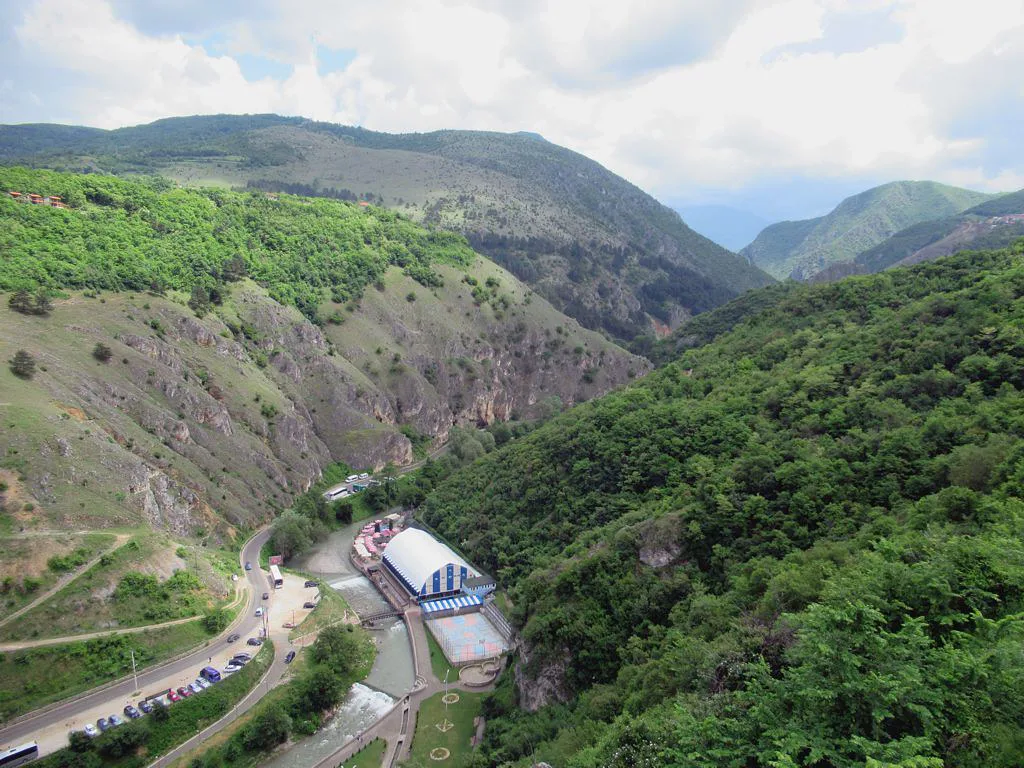
The week version gives Skopje two nights, Ohrid three and Bitola one, with the final night back near the airport if your flight is early. In Skopje, use the extra time for Matka Canyon, a short trip west of the city where the reservoir sits between limestone cliffs and the boat trip to Vrelo Cave is the standard outing.
On the lake, three nights let you do more than the Old Town. Swim off the rocks below Samuel's Fortress, take a boat to the Bay of Bones reconstruction, and spend one morning in the lake-side village of Trpejca on the eastern shore. That is the difference between seeing Ohrid and using it.
One night in Bitola is enough for Širok Sokak and Heraclea Lyncestis. The ruins sit a short walk from the town center and are the high point of the southern leg, with mosaic floors and a theatre that survive from the Roman city.
A ten-day version that adds the slow corners
Ten days buys you the southwest. Add two nights around Mavrovo National Park, where the skiing in winter and the walking and lake views in summer justify the detour, and one night in the wine country around Popova Kula near Demir Kapija if you want a break from lakes and Ottoman streets.
Another option is a cross-border day trip: Lake Ohrid touches Albania at Pogradec, and the border crossing at Stenje is close enough to the lake's southern end for a half-day loop. Carry your passport and confirm your own entry conditions before you go.
Ten days also lets you slow Skopje down. Matka Canyon, the Millennium Cross above Vodno and the archaeological sites at Scupi and Plaošnik fill a third day comfortably, and you stop feeling that every hour has to earn its place.
Skopje: what earns the time and what to skip
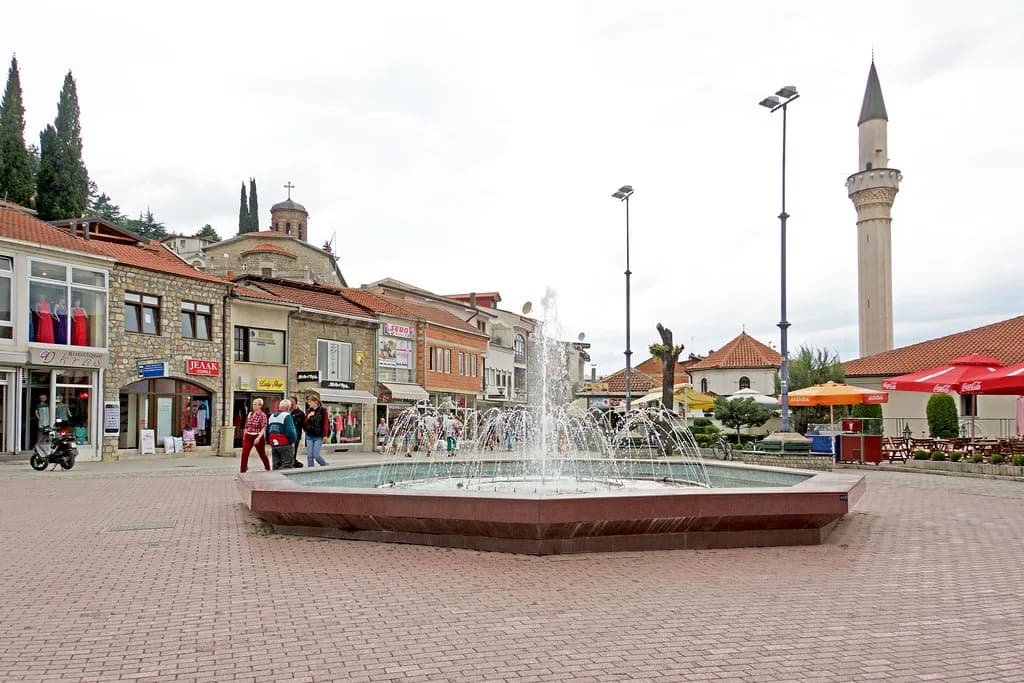
Skopje splits travelers, and the split is fair. The Old Bazaar is the strongest reason to stay: a genuine Ottoman-era quarter of cobbled lanes, tea houses, mosques and the Mustafa Pasha Mosque, best walked in the morning before the tour groups arrive. Macedonia Square and the 2010s neoclassical facade are a spectacle rather than a sight, and half an hour is enough.
The Staro Nagoričane monastery and the Skopska Crna Gora villages are worthwhile if you have a car; without one, use the time for Matka Canyon instead. The city's museums, including the Museum of the Macedonian Struggle and the Archaeological Museum, are well stocked but politically framed, which some visitors find tiring.
Two nights is the sweet spot, three if Matka is included. Beyond that, you are using Skopje as a hotel base rather than exploring it.
Ohrid and the lake: the reason most people come
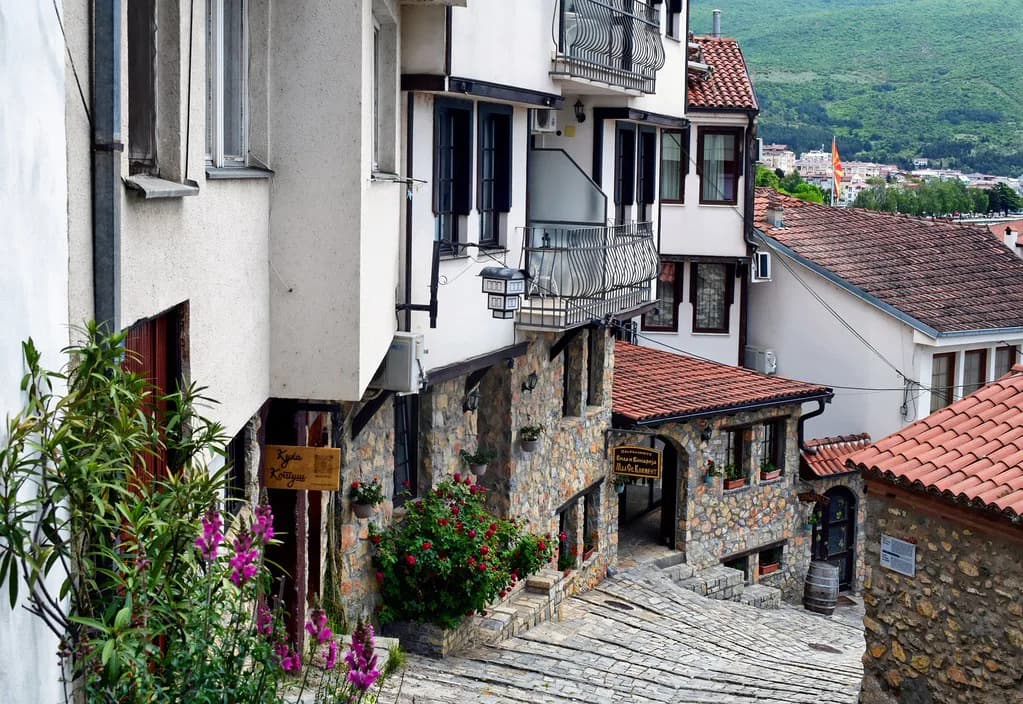
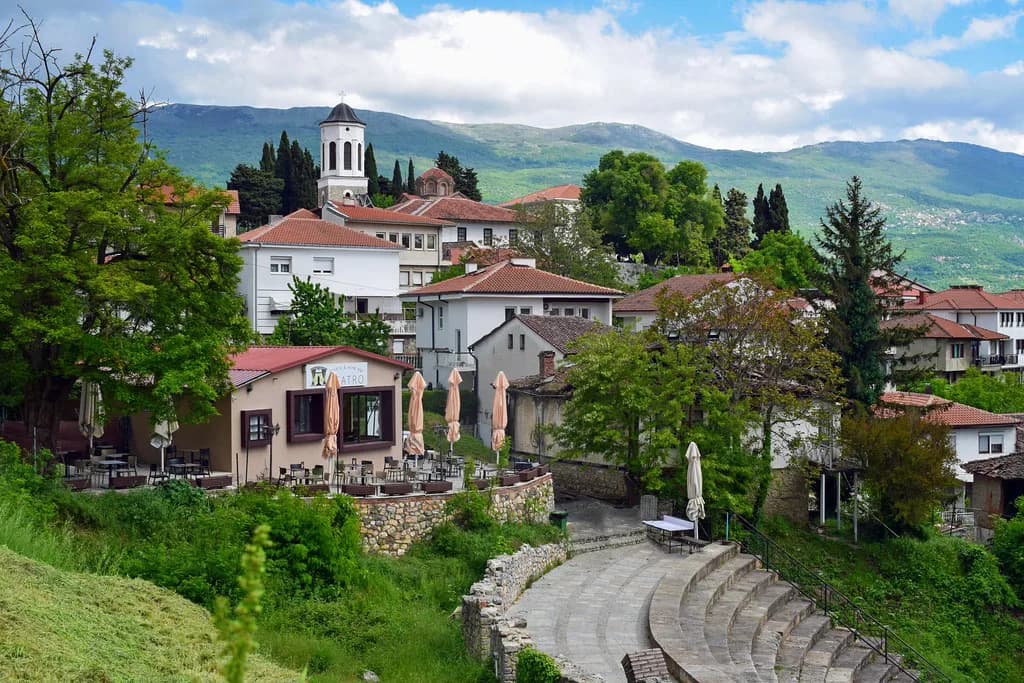
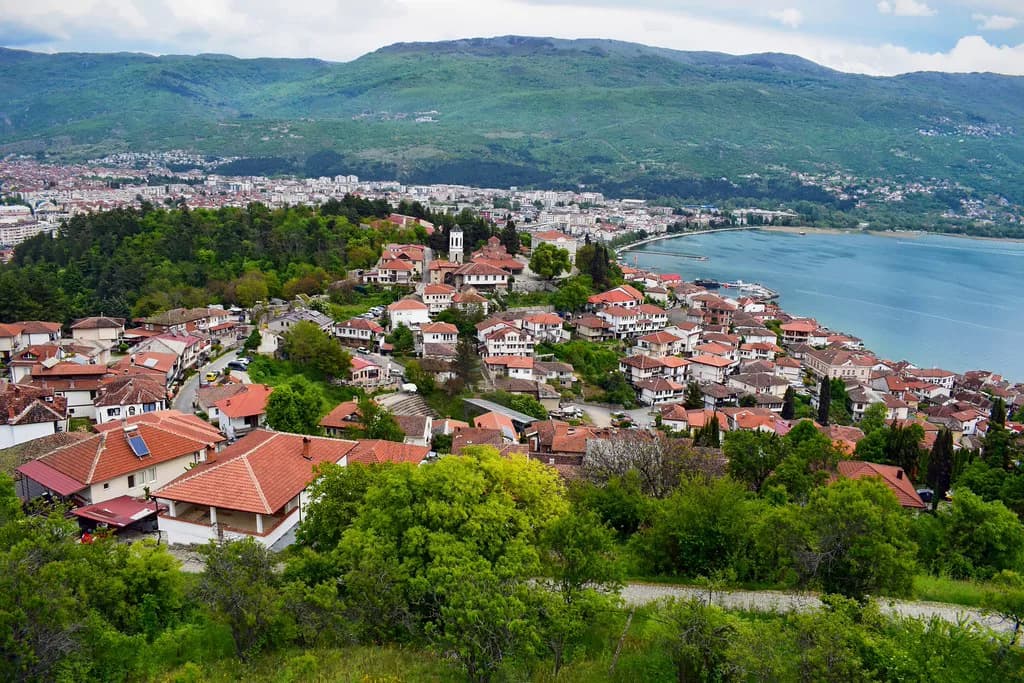
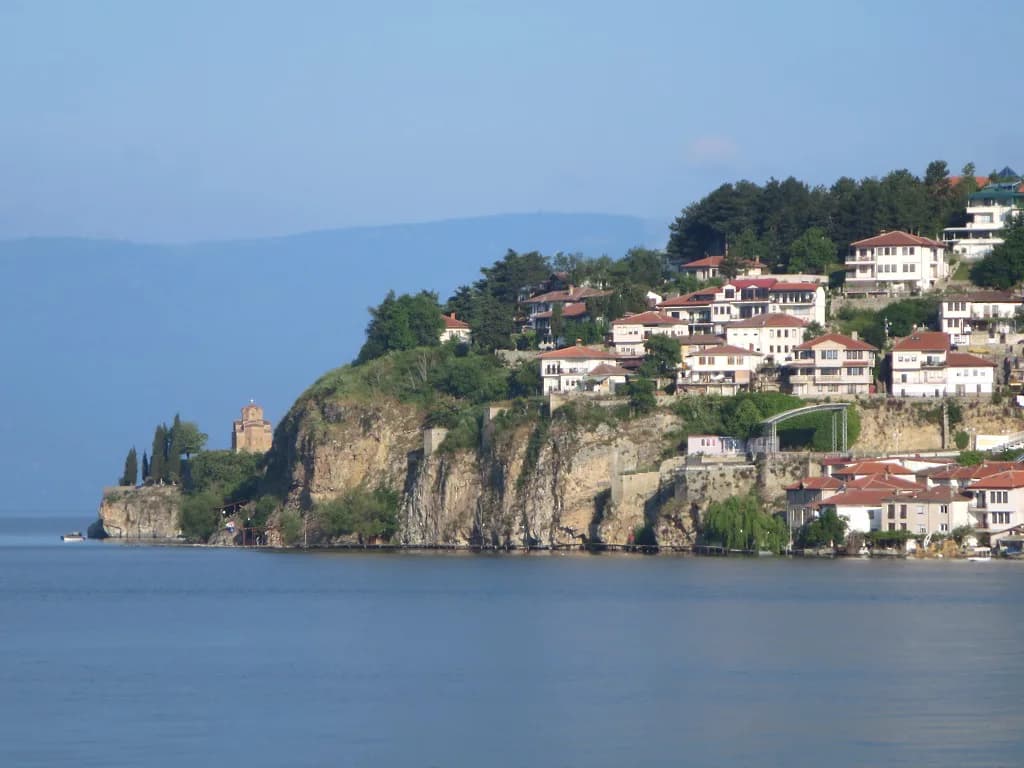
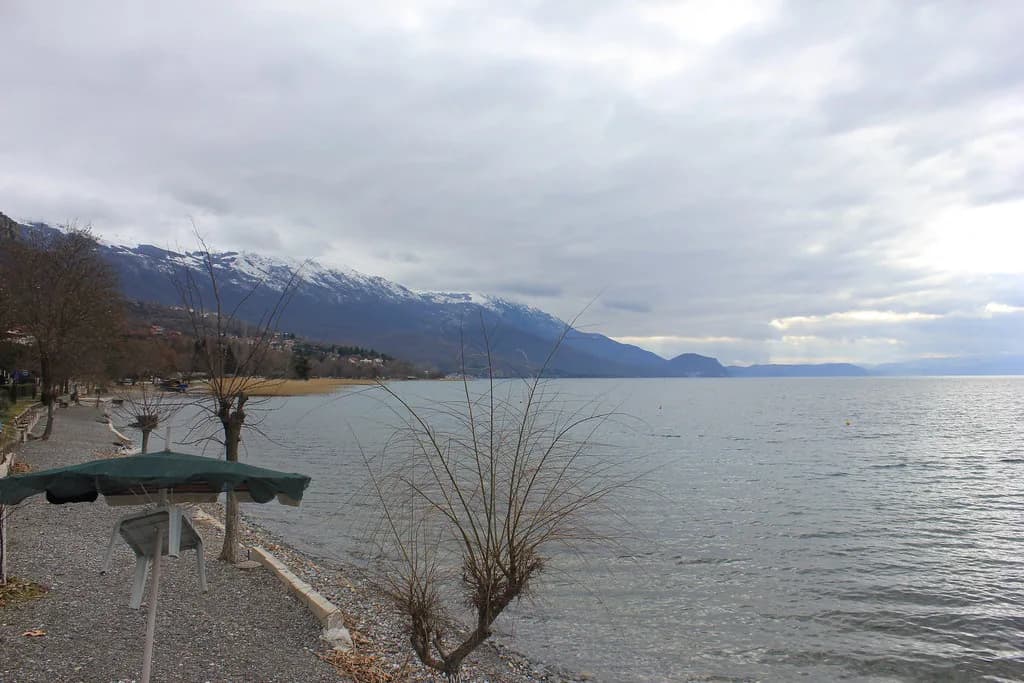
Lake Ohrid is the part of North Macedonia that earns the trip. The Old Town climbs steeply above the water, with the Church of St. John at Kaneo on the cliff edge, Samuel's Fortress on the ridge and the ancient theatre midway. The walk between them takes an afternoon at an unhurried pace, and the amphitheatre hosts concerts in summer.
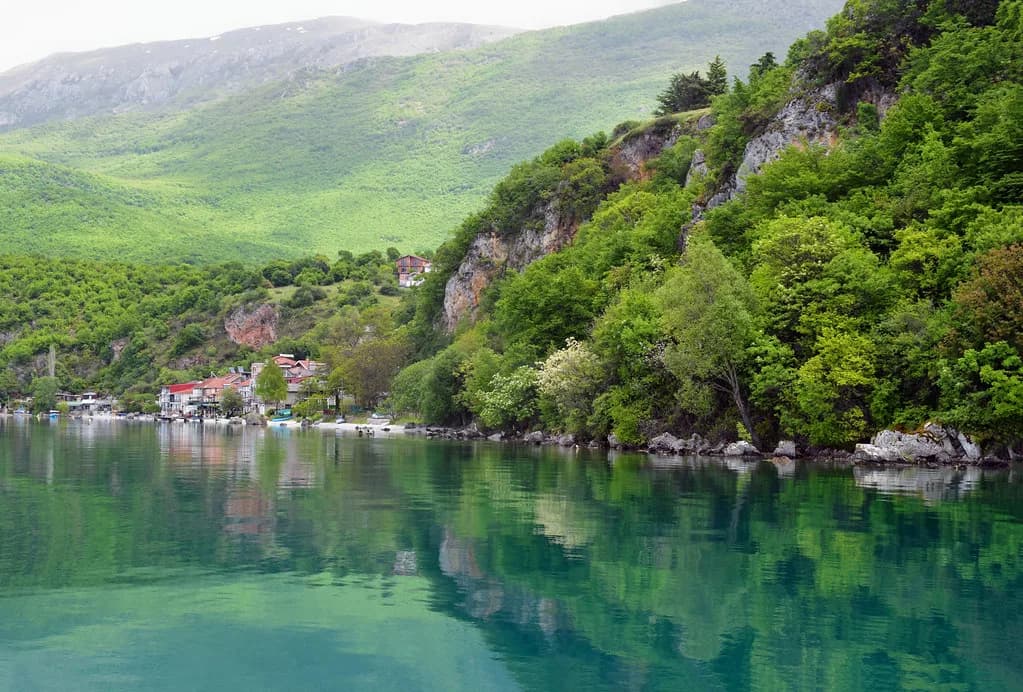
The lake itself is the other half. In summer, swimming off the rocks south of Kaneo or at any of the beaches along the eastern shore is the point of staying three nights. In spring and autumn the water is cold and the town is quiet; both are good reasons to come.
Plaošnik, the early Christian basilica site at the southern edge of the old town, is worth a stop on the way up to the fortress; the mosaics under protective roofs are the draw. None of these sites publish reliable hours for every season, so ask at the Ohrid tourist office rather than trusting a blog.
Bitola and the southern edge
Bitola is a Habsburg-flavored town with wide boulevards and consulates, and its pedestrian Širok Sokak is the liveliest street in the south. One night covers the promenade, the Old Bazaar and dinner. The town's real sight is Heraclea Lyncestis just outside, a Roman city with surviving floor mosaics and a small theatre in a quiet field.
Beyond Bitola, the road climbs toward Baba Mountain and Pelister National Park, where the walking is serious and the signs are limited. It is a day trip for confident drivers, not a casual stop. Skip it on a short trip and put the day on the lake instead.
Getting between the stops
Buses are the backbone of any North Macedonia itinerary. Skopje's main bus station links the capital with Ohrid and Bitola, and Ohrid and Bitola are connected directly. Services are frequent enough in summer that you can decide the day before, but winter schedules are thinner and you should confirm timings with the station or operator rather than relying on aggregator apps.
Renting a car changes the arithmetic: it opens Matka, Mavrovo, Pelister and the wine country in a way buses do not, but city parking in Skopje and Ohrid is tight and the mountain roads are slow.
For flights, Skopje International Airport is the main gateway, with Ohrid's smaller airport handling seasonal services. If you fly into Skopje, start there; if a charter lands you in Ohrid, run the loop in reverse and finish in the capital.
Where the itinerary breaks down
The first failure point is trying to do the country on day trips from Skopje. Ohrid is not a day trip from the capital in any comfortable sense: you lose the evening light on the lake, which is the best hour of the day there.
The second is underestimating the mountain roads. Mavrovo, Pelister and the Albanian border crossings look close on the map but are slow, and a planned two-stop day often becomes one. Build slack into any day involving the southwest.
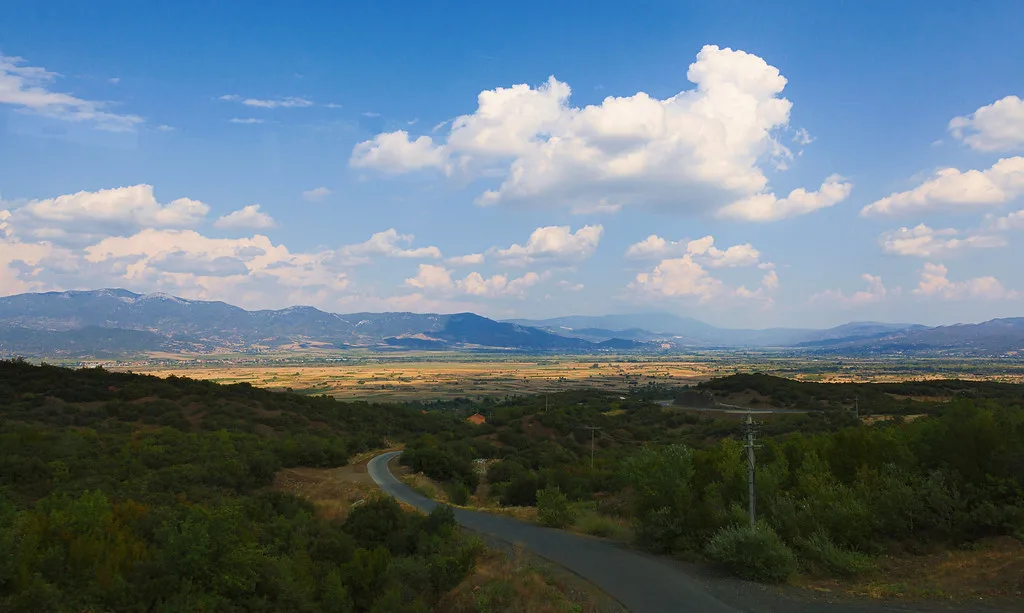
The third is weather. Summer heat in Skopje pushes temperatures well above the lake, and winter snow can close mountain routes while leaving the lake and the capital untouched. Travel the country in the order the season allows rather than the order that looks neatest.
Weather by season and what it does to your plan
Summer is the lake's season: warm water, long evenings and the fortress and Kaneo paths at their best. It is also when Ohrid's Old Town is at its busiest and accommodation is dearest. Skopje in midsummer is genuinely hot, and sightseeing shifts to early morning and evening.
Spring and early autumn are the sweet spot for a walking and culture itinerary. Temperatures are comfortable for climbing to Samuel's Fortress and the towns are quieter, though the lake water is brisker. Winter is for Skopje, Bitola and the ski areas around Mavrovo and Pelister, not for lake swimming.
For a month-by-month view of what to expect, see the best time to visit North Macedonia.
Typical costs and how they shape the length of stay
North Macedonia is affordable by Western European standards, and the country uses the denar rather than the euro, so budget in denars and check card acceptance in smaller towns. Buses are the cheapest way to move and save a night's accommodation cost by making day transfers.
The main cost lever is not the destination but the number of stops. Every move between towns adds a ticket, and every one-night stay adds a checkout. Three bases over seven days is cheaper and calmer than five bases over the same week.
If you are comparing lengths, price a four-day and a seven-day version before booking flights. The answer usually favors the longer trip, because the flights are fixed and the daily costs are low. Check current prices and dates once you have picked your travel window.
Common itinerary mistakes
Treating Skopje and Ohrid as equal halves is the most common error. Ohrid deserves the larger share. Travelers who split the week evenly often leave wishing they had spent the extra day on the water rather than in the capital.
Booking a hotel change every night is the second. Choose one base per region, even if it means a longer bus ride on one day. The Old Town of Ohrid rewards staying inside it, not commuting to it.
The third is forgetting practical prep: a North Macedonia eSIM saves roaming hassle, and the plug type is the standard European Type F socket, so bring the right adapter.
Verdict by traveler type
First-timers: take the seven-day loop with two nights in Skopje, three on the lake and one in Bitola. It is the version that shows the country's range without turning the trip into a bus marathon.
Lake-focused travelers: skip Bitola, take four or five days, and base yourself entirely in Ohrid with one night in Skopje at the end. Slow travelers and drivers: extend to ten days, add Mavrovo and Pelister, and accept that some days will be one place, not three.
Short-break city travelers: four days in Skopje and Ohrid is enough, and you should resist adding a third town. Anyone flying into Ohrid should reverse the loop and finish in Skopje.
Plan Your Visit
North Macedonia rewards a week and punishes a rushed loop. Build the trip around Lake Ohrid, keep Skopje to two or three nights, and treat Bitola as a single southern stop rather than a destination in itself. That structure survives most of what weather and slow roads throw at it.
Sort your length first, then your route, then your transport. A well-paced four-day version beats a badly paced seven-day one, and the extra days are best spent on the lake rather than in transit.
Check your own government's travel page once for entry rules before booking, and settle the rest on the ground.
Frequently Asked Questions
How many days do you need in North Macedonia?
A week is the right answer for a first trip, split roughly two to three days in Skopje, three to four on Lake Ohrid and a night or two in Bitola. Four days works if you cut Bitola and focus on the capital and the lake. Ten days lets you add Mavrovo and the southwest without rushing.
Is a week in North Macedonia too long?
No, a week is a comfortable fit rather than a stretch. The stops are spread out and the roads are slow, so a week covers Skopje, Ohrid and Bitola with time to swim and walk. Travelers who dislike lakes and small towns will find plenty of slack, and those visitors should shorten to four days.
What is the best route for a North Macedonia itinerary?
The standard loop runs Skopje, then Ohrid, then Bitola, then back to Skopje for departure. It can be reversed if you land at Ohrid, and it is best bookended by the capital so arrival and departure are simple. Keep Ohrid as the longest stay.
How many days in Skopje is enough?
Two nights covers the Old Bazaar, Macedonia Square and an evening out. A third day makes sense if you want Matka Canyon or the Vodno cable car. Beyond three days you are using Skopje as a base rather than exploring it.
Should you choose Ohrid or Skopje if you only have a few days?
Choose Ohrid. It is the strongest part of the country for most visitors, with the Old Town, fortress, lakeside paths and swimming. Skopje is worth a night or two at either end of the trip, but not as the center of a short break.
Does North Macedonia have Uber?
Ride-hailing coverage in North Macedonia is limited, so most travelers rely on taxis arranged by their accommodation or on the bus network. Confirm locally how taxis are metered and which apps work in Skopje and Ohrid before you arrive.
What is the best time to visit North Macedonia?
Late spring and early autumn give comfortable temperatures for walking and quieter towns. Summer is best for the lake, with warm water and long evenings, but Ohrid is busiest and dearest then. Winter suits Skopje, Bitola and the ski areas, not lake swimming.
What are the top cities to include in a North Macedonia itinerary?
Skopje, Ohrid and Bitola are the core. Ohrid and the surrounding lake towns carry the strongest claim on your days, Skopje brings Ottoman-era streets and museums, and Bitola adds Roman ruins and a lively promenade. Mavrovo and the southwest are the good additions on a longer trip.
Sources
Trip-decision notes
Optional updates when we publish or revise a destination verdict.
You might also like
Continue reading
More guides you'll find useful