Bulgaria in October: Weather, Crowds and Where to Go
October in Bulgaria brings mild plains, cool mountains and a quiet Black Sea coast. Here is the weather, what stays open and who should pick another month.
On this page
October is a strong month to visit Bulgaria if your trip is built on cities, monasteries, villages and low-to-mid mountain walking, and a weak one if you want guaranteed beach weather or high alpine routes. The country's geography does the dividing: the Upper Thracian Plain around Plovdiv stays warm well into autumn, the high mountains turn cold and wet, and the Black Sea coast empties out as the season winds down.
The trade-off is straightforward. You give up the reliable sun of July and August and the swim-friendly sea that goes with it, and in return you get comfortable walking temperatures, thinner crowds at the headline sights and post-peak pricing on rooms. Whether that suits you depends on how much of your trip you want to spend outdoors at altitude.
The verdict: who October suits and who should wait
October suits travelers who want to see Plovdiv's old town, Veliko Tarnovo, Melnik and the Rhodope Mountains without summer heat, and who accept that a jacket and a rain layer are part of the deal. It also suits anyone driving, because the roads are quieter and the lowland sights are comfortable to walk all day. If you are still weighing the country itself, our take on whether Bulgaria is worth visiting sets out what the destination delivers and where it falls short.
October does not suit beach-first travelers, families who need warm sea and reliable sunshine, or hikers who have their heart set on high Rila and Pirin routes with no margin for bad weather. Early snow can close upper trails and mountain weather in Bulgaria turns fast, with thunderstorms arriving after humid mornings. If any of those describe your trip, look at the shoulder months instead.
What October weather actually feels like across Bulgaria
Bulgaria's summer is hot and often broken by unstable spells, with heat waves pushing lowland temperatures to 35–40°C [95–104°F] mainly from the second half of July into early August. By October that pattern has broken. The plains cool to something you can walk in comfortably, the mountains become genuinely cold at altitude, and rain arrives in longer, heavier episodes rather than brief afternoon storms.
Rainfall figures for September and October are worth reading before you commit to a mountain itinerary. One seasonal guide gives Bulgarian September averages of roughly 8°C [46°F] lows and 20°C [68°F] highs, dropping in October to about 3°C [37°F] to 15°C [59°F]. Treat those as typical conditions rather than a forecast, and add a few degrees for the southern plains and subtract several for anything above 2,000 m.
Typical October temperatures: plains, mountains and the Black Sea coast
The Upper Thracian Plain around Plovdiv is the warmest corner of the country in autumn and holds the national heat record, 45.2°C [113.4°F] at Sadovo on 5 July 1916. That history explains why October here still feels like late summer at midday and cool at night, which makes it the best base if you want warmth without the August furnace.
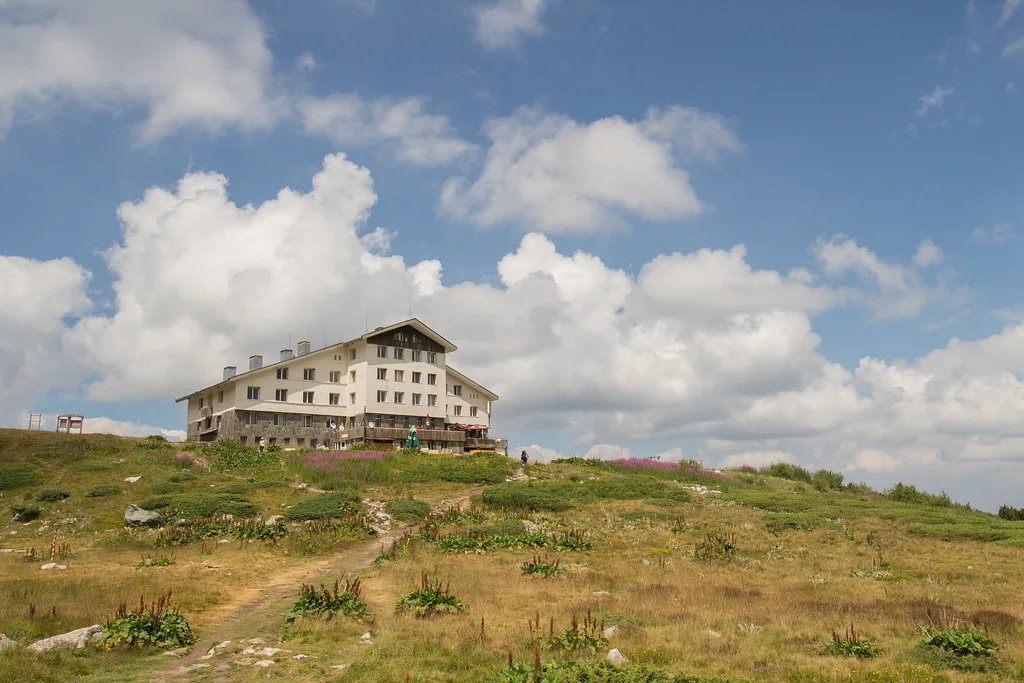
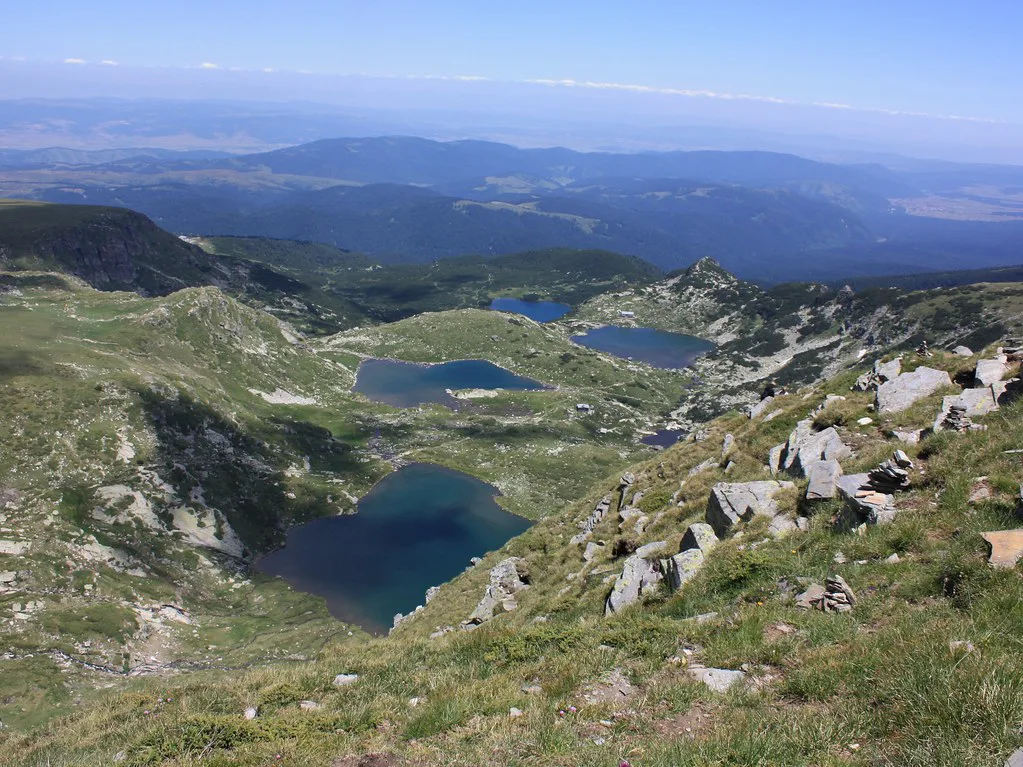
The high mountains are a different climate altogether. In Rila and Pirin, walking between roughly 800 and 2,000 m stays crisp and pleasant, but above the treeline it is cold, and old snow can linger on high ground into summer and return early in autumn. Plan low and mid routes confidently and treat anything above 2,000 m as conditional on the day's conditions.
On the coast, Varna and Burgas sit milder than the interior but no longer feel like beach resorts. Sunny Beach and Golden Sands wind down as the season ends, and the honest expectation for October is bracing walks on the sand rather than sunbathing.
Sea temperatures and whether swimming is still realistic
The Black Sea reaches its warmest in July and August, when seawater climbs to about 25–26°C [77–79°F]. October water is well below that, and the season's northerly and northeasterly winds can push heavy surf and rip currents onto sandy beaches even in summer. Swimming in October is for the hardy and should follow lifeguard flags and local advice where beaches are still supervised.
If a swim is essential to your trip, our guide to Bulgaria in September is the better starting point, because the sea is still workable early in the month and the coast is quieter than in August. October sea conditions belong to wetsuit swimmers and walkers, not to families planning beach days.
Rain, storms and the first cold snaps
Unstable weather is a feature of the Bulgarian summer, when humid mornings build into cumulonimbus clouds, lightning, thunder and heavy rain by afternoon, sometimes with hail on the plains. In October the storm pattern weakens but the wet days last longer, and mountain summits and exposed ridges are the worst places to be caught. Build a flexible day into any mountain plan and keep a lowland alternative ready.
Cold snaps arrive earlier at altitude than in the valleys, so a trip that combines Plovdiv or Melnik with a day on Vitosha above Sofia should be planned around the mountain forecast rather than a fixed schedule. Sofia's Vitosha rises directly south of the city, which makes it easy to add or drop depending on the morning's conditions.
Cities in October: Sofia, Plovdiv and Veliko Tarnovo
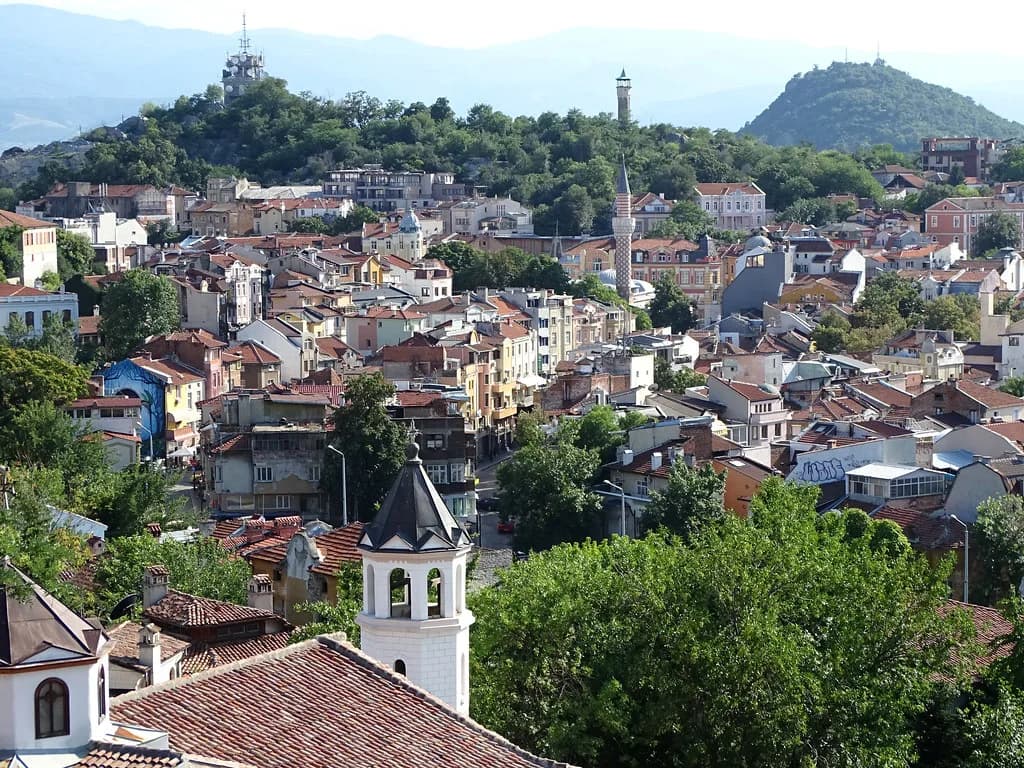
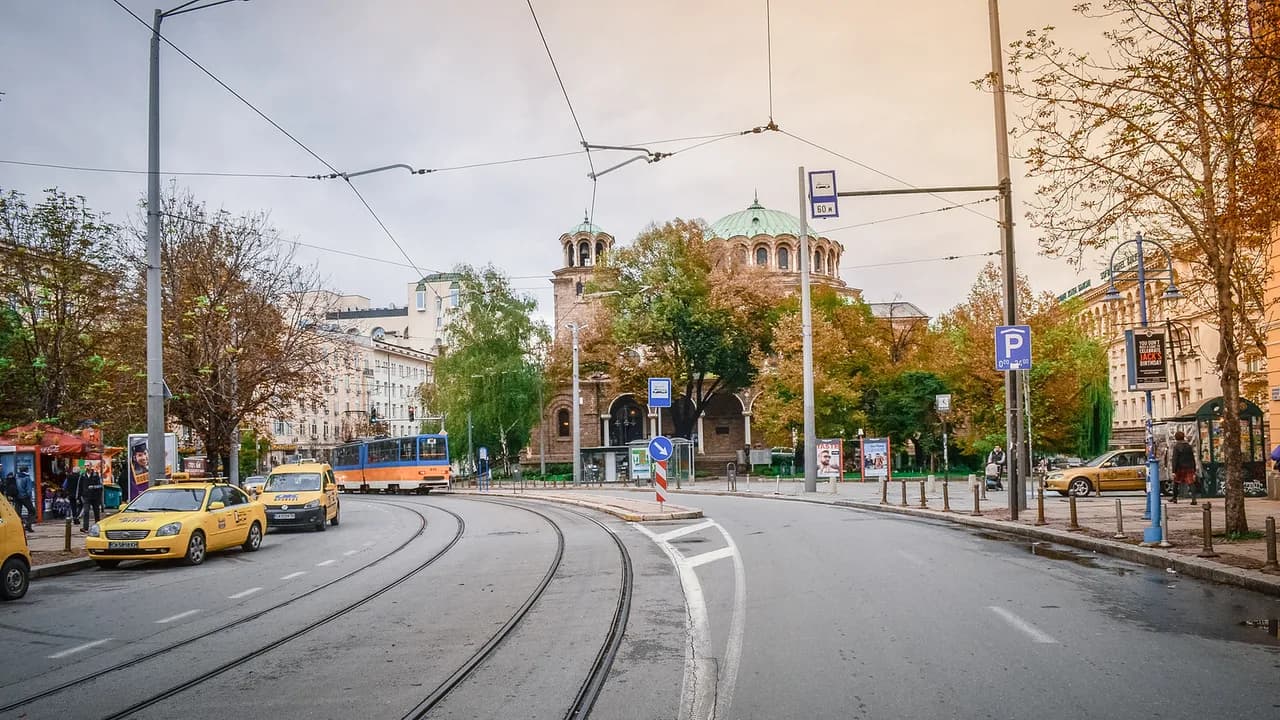
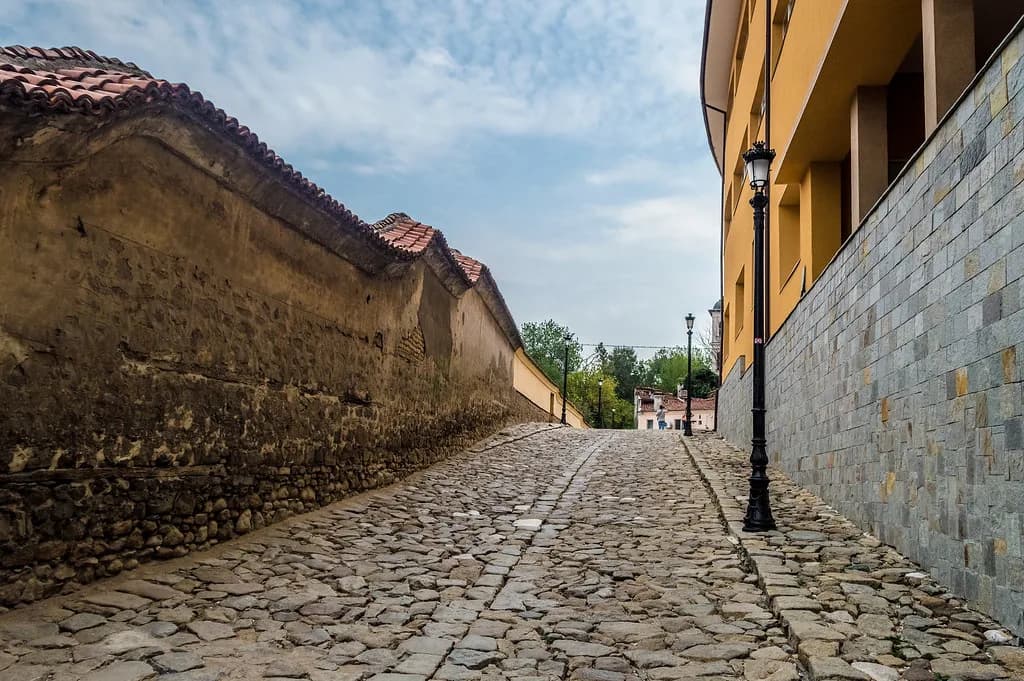
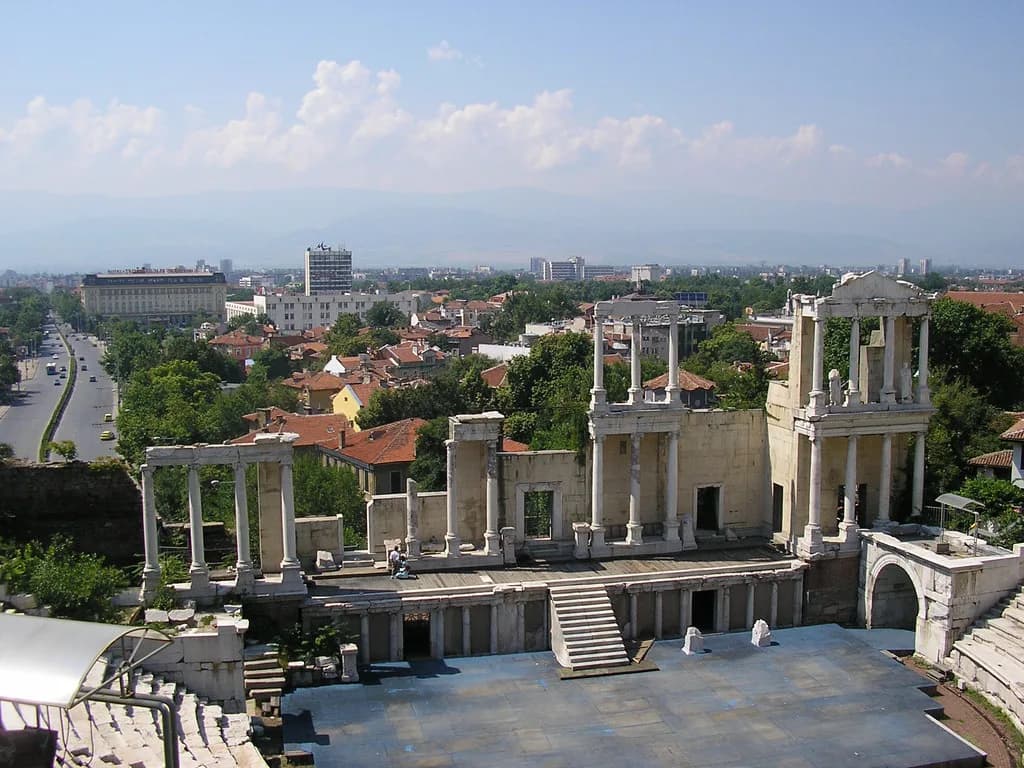
Bulgarian cities empty out during the hottest weeks, when locals head for the coast and the mountains, and only wake up in the late afternoon. October reverses that: Plovdiv, Sofia and Veliko Tarnovo are comfortable to walk at any hour, and the pressure on the headline sights eases. Plovdiv's old town and Roman theater repay a slow day, and Veliko Tarnovo's layered hillside setting reads better without summer haze.
Plovdiv and Veliko Tarnovo both appear on the standard shortlists of the country's best places to visit, alongside Sofia, and October is when you can see them without queuing for the obvious viewpoints. Book the Roman theater for an evening performance if one falls during your stay, since the city's cultural calendar runs into autumn.
Autumn in the mountains: Rila, Pirin, Rhodope Mountains and Vitosha
The forest belt between roughly 800 and 2,000 m is the sweet spot in October: cool, fresh and good for long walking days, with the Rhodope Mountains offering gentler gradients than Rila and Pirin. The Rhodope village of Gela hosts a bagpipe festival on the first weekend of August, and the larger Rozhen gathering is not necessarily held every year, so neither is an October draw. Your reason to come now is the walking, not the calendar.
Above the treeline, treat plans as provisional. Old snow can persist into summer on the highest ground, which tells you how early the new season's snow can settle at altitude, and the weather service's mountain forecast should decide whether you go up.
The Black Sea Coast: Varna, Burgas, Nessebar and Sozopol
The coast's big resorts — Golden Sands, Albena and Sunny Beach — exist to serve a short, intense high season, and October is firmly outside it. Varna and Burgas remain real cities with year-round life, so they work as bases for culture, food and day trips even when the sand is empty. The old towns of Nessebar and Sozopol, both packed in summer, are far more pleasant to wander when the crowds have gone.
For a sense of what the coast looks like at full tilt, our Bulgaria in August guide shows the peak, and the contrast explains why October appeals to travelers who dislike resort crowds. Expect some seasonal businesses to have finished for the year; the towns' year-round restaurants and museums carry on.
The Rose Valley and Kazanlak after the bloom
The oil rose that gives Bulgaria its rose oil blooms from late May to mid-June in the plain between Stara Planina and Sredna Gora, and the Rose Festival in Kazanlak falls in that window. October is well past it, so come for the valley's landscape, the Thracian tombs around Kazanlak and the quieter roads rather than for the festival. The festival dates change from year to year and are announced by the municipality.
Kazanlak sits at the eastern end of the Valley of the Roses and pairs naturally with Veliko Tarnovo and the Stara Planina passes if you are driving across the country. Distances are short and the roads are far less busy than in summer.
Villages and monasteries: Koprivshtitsa, Melnik and Rila Monastery
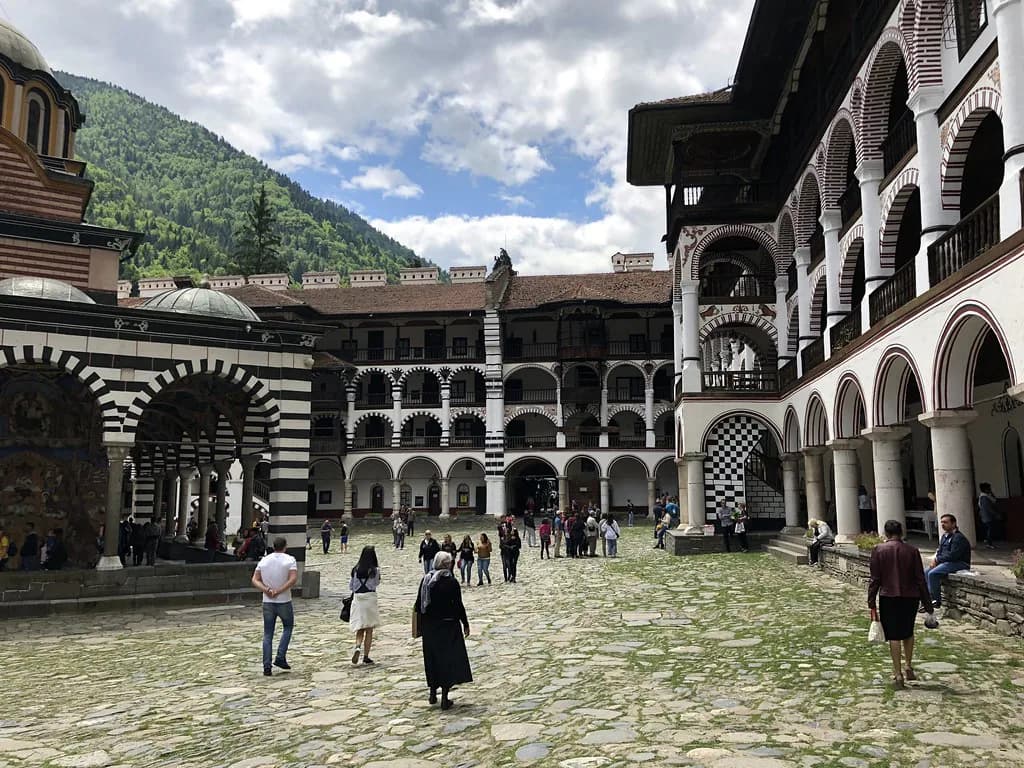
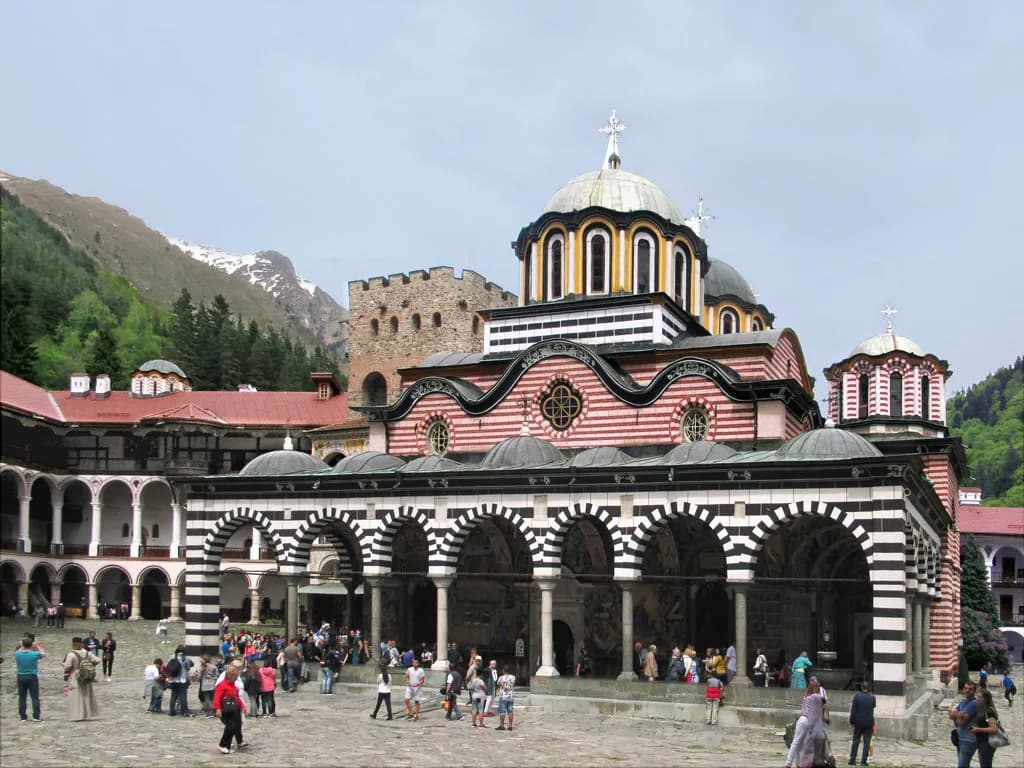
Bulgaria's Revival-era towns and villages — Koprivshtitsa, Bozhentsi, Zheravna, Tryavna, Melnik — sit in or near forested hills and run cooler than the big lowland cities, which is exactly why they work in October. The same is true of the monasteries, with Rila, Bachkovo and Dryanovo among the most rewarding and all surrounded by greenery that turns in autumn.
Melnik, in the far southwest near the Greek border, is one of the country's most distinctive small towns and a natural pairing with Rila. Allow a full day for Rila Monastery if you are coming from Sofia, since the approach road and the monastery's scale reward an unhurried visit.
Should you rent a car in October?
October is one of the better months for driving in Bulgaria: lowland roads are quiet, the main corridors between Sofia, Plovdiv, Veliko Tarnovo and the coast are straightforward, and you can chase good weather instead of being tied to a bus timetable. The trade-off is mountain driving on wet or early-snowy roads and the usual cautions about road surfaces away from the main routes. Our guide to renting a car in Bulgaria covers the practical side, including picking up at Sofia Airport.
If you would rather not drive, base yourself in Plovdiv or Veliko Tarnovo and use buses for the surrounding sights, then take an organized day trip for the mountains. That keeps you off unfamiliar wet mountain roads while still reaching the Rhodope villages and monasteries.
How many days you need
Seven to ten days is the right length for an October trip that covers Sofia, Plovdiv, Veliko Tarnovo and one mountain or monastery excursion, with time for a slow day if the weather turns. A tighter five days works if you drop either the coast or the mountains and concentrate on the cities and one nearby landscape.
Adding the Black Sea coast costs a half day of driving each way from the interior, so only include Varna or Burgas if coastal culture genuinely interests you in October. Most travelers get more from spending that time in the Rhodope Mountains or around Melnik.
Typical costs and what changes after peak season
October falls outside the peak, and accommodation and resort pricing generally soften once the summer rush ends, though the size of that drop varies by place and by operator. Rather than guess, compare your dates directly with the same property in July or August, and read our breakdown of whether Bulgaria is cheap for what a real trip costs day to day.
Bulgaria uses the lev, not the euro, so budget in the local currency and check card acceptance in smaller villages and monasteries, where cash remains more reliable. Prices for transport, museum entry and monastery visits are set locally and worth confirming at the ticket desk rather than assuming from older guides.
Getting there and getting around
Sofia is the main air gateway, with Plovdiv, Varna and Burgas also receiving flights, and the interior is linked by a reasonably dense bus network plus slower rail. Journey times and timetables change with the season, so check the bus or rail company's own site for the route you want rather than relying on a plan built in summer.
Once in the country, the choice is between a car for flexibility and public transport for cost and simplicity. In October the car wins for the Rhodope Mountains and Melnik, while buses are fine for the Sofia–Plovdiv–Veliko Tarnovo triangle.
Drawbacks worth knowing
The first drawback is weather variability: October can deliver bright, mild days or a week of rain, and mountain plans may need to be swapped at short notice. The second is that the coast is largely shut down for the season, with resort facilities reduced and the sea cold. Neither is a dealbreaker for a culture-and-landscape trip, but both matter if your image of Bulgaria is beach-led.
The third is daylight, which shortens noticeably through the month and limits how much you can fit into a day of driving and walking. Plan the long mountain or monastery day early and keep the afternoon for shorter stops.
Bulgaria in October versus May
May and October are the two shoulder windows, and the choice comes down to which direction you prefer the season to run. May brings the Rose Festival run-up, greener landscapes and warming days, but rainstorms are more frequent in the first half of the season and the sea is still cool. October brings drier, more settled lowland weather, autumn color and a quieter coast, at the cost of earlier cold snaps in the mountains.
If the rose bloom and long daylight matter more than settled weather, take May. If you want comfortable city walking, quieter monasteries and a decent chance of good lowland days, October is the stronger pick despite the shorter evenings.
Verdict by traveler type
Culture-first travelers, drivers and couples who want cities, monasteries and villages without heat should book October. Hikers focused on low and mid mountain routes will find it excellent, provided they keep high routes flexible and watch the mountain forecast. Beach-focused families and anyone needing dependable sun should choose a summer month instead.
Travelers comparing Bulgaria with its neighbors will find October a fair test of the country's real character, since the resorts are quiet and the historic towns are themselves again. Our Bulgaria vs Romania comparison helps if you are deciding where to spend a limited autumn week, and it is worth weighing is Romania worth visiting on the same terms before you commit.
Plan Your Visit
October rewards a Bulgaria trip built around Plovdiv, Veliko Tarnovo, Melnik and the Rhodope Mountains, with the Black Sea coast as an optional, culture-led extra rather than a beach stop. Pack for cool mornings and wet days, keep mountain plans movable and check current prices and dates with the transport company or site you plan to visit directly.
If you are still choosing between months, the seasonal picture for Bulgaria in May gives you the clearest comparison, and the broader guide to the best time to visit sets out how spring, summer, autumn and winter differ across the country.
Explore more Bulgaria trip-decision guides
Frequently Asked Questions
Is October a good time to visit Bulgaria?
Yes, for a trip built on cities, monasteries, villages and low-to-mid mountain walking. Plovdiv and Veliko Tarnovo are comfortable, the Rhodope Mountains are quiet, and prices ease after peak season. It is a poor choice for a beach holiday or rigid high-altitude plans.
What is the average temperature in Bulgaria in October?
Typical October conditions run from about 3°C [37°F] at night to 15°C [59°F] by day in the interior, with the southern plains warmer and high mountains colder. Treat these as seasonal norms rather than a forecast and check the national weather service before you travel.
Where is the warmest place in Bulgaria in October?
The Upper Thracian Plain around Plovdiv holds warmth longest, and the southern Black Sea coast is milder than the interior. Both give you comfortable daytime walking while the high mountains are already cold.
Can you still swim in the Black Sea in October?
Swimming is for the hardy. The sea peaks at around 25–26°C [77–79°F] in July and August and is well below that by October, and autumn winds can bring heavy surf and rip currents.
Is October rainy in Bulgaria?
October brings longer wet spells than summer, when the typical pattern is humid mornings building into afternoon thunderstorms. Rain is more likely to disrupt a mountain day than a city one, so keep a lowland alternative ready.
Should you visit Bulgaria in October or May?
Choose May for the rose bloom, greener landscapes and long daylight, and October for more settled lowland weather, autumn color and a quiet coast. May carries more rainstorms early in the season; October carries an earlier risk of cold snaps in the mountains.
How many days do you need in Bulgaria in October?
Seven to ten days covers Sofia, Plovdiv, Veliko Tarnovo and one mountain or monastery excursion at a comfortable pace. Five days works if you skip the coast and focus on the cities and a single landscape.
Do you need a car in Bulgaria in October?
A car helps for the Rhodope Mountains, Melnik and Rila Monastery, and quiet October roads make driving easier than in summer. Buses work well for the Sofia–Plovdiv–Veliko Tarnovo triangle if you would rather not drive on wet mountain roads.
Sources
Trip-decision notes
Optional updates when we publish or revise a destination verdict.
You might also like
Continue reading
More guides you'll find useful