Money in Bulgaria: The Currency and How to Pay in 2026
Bulgaria uses the euro since January 2026, so the lev is out. Here is how cash, cards and withdrawals work in Sofia, Plovdiv and on the Black Sea coast.
On this page
Bulgaria uses the euro. The country adopted the single currency on 1 January 2026, replacing the Bulgarian lev, so a trip to Sofia, Plovdiv or the Black Sea coast now runs on the same notes and coins as Greece and Croatia. Any guide still telling you to change money into leva is describing a currency that no longer circulates.
The verdict on money in Bulgaria
Treat Bulgaria like any other eurozone country: arrive with a card that charges no foreign transaction fee, carry a modest amount of euro cash for small vendors and rural stops, and withdraw from a bank ATM when you need more. The days of hunting for a good lev exchange rate are over. If your main question is whether the country is worth the trip at all, start with our take on whether Bulgaria is worth visiting before you worry about your wallet.
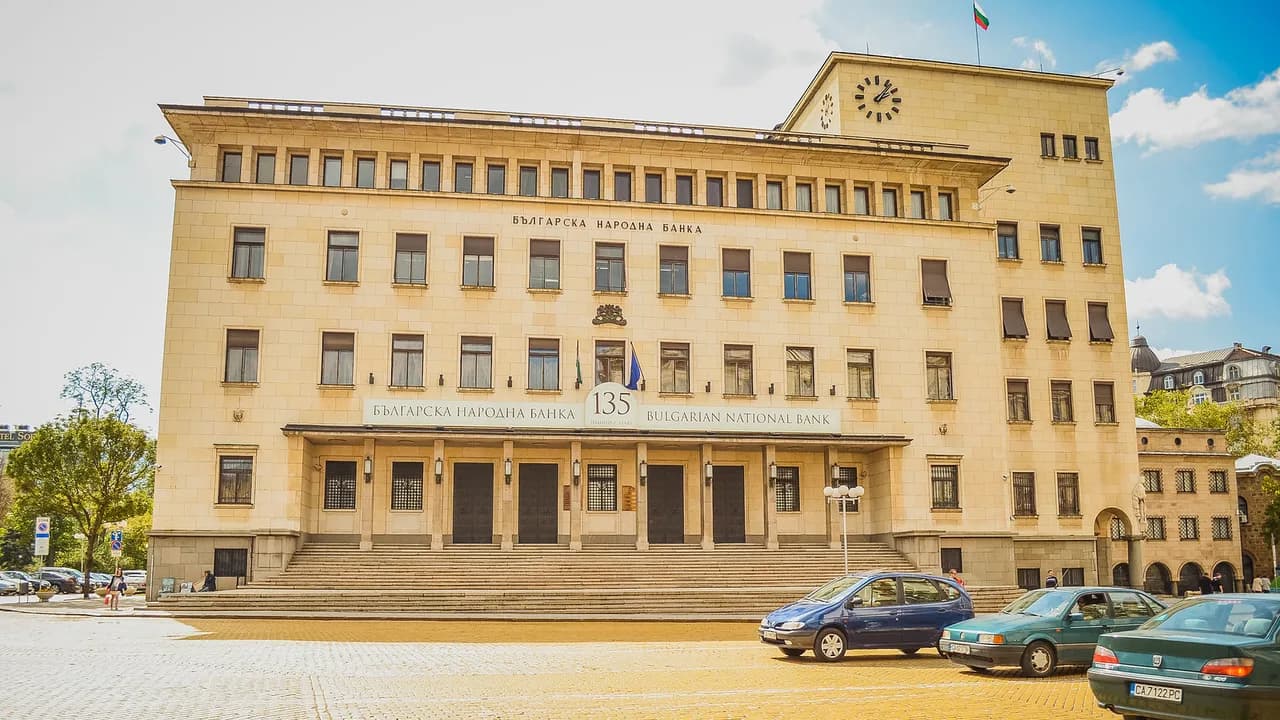
The one wrinkle is leftover levs from an earlier trip. Lev banknotes and coins stopped being legal tender for new purchases once the euro took over, but they can still be exchanged at banks and official bureaux de change during a limited changeover window, and later through the Bulgarian National Bank or authorised institutions. Check the Bulgarian National Bank for the current redemption arrangements instead of turning up at a shop counter with old notes.
What happened to the lev
The lev had been Bulgaria's currency since the 1880s and went through several revaluations, including a 1999 reset at 1,000 to 1 that stabilised the economy. It was later pegged to the euro through a currency board, which is why the switch was a formality for most pricing rather than a shock. All of that history is now background: the euro replaced the lev on 1 January 2026.
For visitors the practical upshot is simpler than the history. You no longer lose money on a lev-to-dollar conversion at each end of the trip, and a Bulgaria-Greece-Romania route uses one currency throughout. Prices in shops are shown in euros, though for a while you may still see dual displays as retailers finish the transition.
Who this matters for
On a short city break in Sofia or Plovdiv, money is barely a topic. Cards work in hotels, restaurants, museums and most bars, and a single ATM withdrawal of euro cash covers the odd market stall or small café that prefers it. You can spend two or three days without ever visiting a bureau de change.
Longer coast and mountain trips need more planning. Guesthouses in the Rhodope Mountains, village tavernas, rural bus drivers and small parking attendants are the places where cash still earns its keep, so keep a few euro notes and coins on you. On the Black Sea coast in high season, cards are normal in Sunny Beach and Varna but less reliable at the far end of a beach or a family-run kiosk.
Cash versus cards
Cards are the default in Bulgarian cities. Contactless payment is standard in Sofia supermarkets, Plovdiv restaurants and chain hotels, and even many taxi apps and parking machines accept card. A Visa or Mastercard with no foreign transaction fee is all most travelers need, and you should always choose to be charged in euros rather than in your home currency when a terminal offers the choice.
Carry cash for the edges of the trip. Village shops, small monasteries selling candles, rural guesthouses and some bus tickets are easier with euro notes, and coins are useful for public toilets and luggage lockers. Think of cash as insurance rather than your main method, and never carry more than a day or two of spending.
Getting euros before you go versus withdrawing on arrival
Buying euros at home gives you a known rate and means you land ready to pay for a bus or a coffee, which is worth the small convenience if you arrive late into Sofia or Burgas. The trade-off is that you commit to an amount before you know how much card acceptance you will actually find, and airport exchange desks are rarely the cheapest place to top up.
Withdrawing from a bank ATM in Bulgaria usually beats a bureau de change on rate, provided you decline the machine's own conversion offer. Use ATMs attached to a named bank branch rather than standalone machines in tourist strips, and take out a larger amount less often to limit fixed fees. If you plan to drive, sort cash before remote stretches, since ATMs thin out in the mountains; our guide to renting a car covers the practical side of getting around by road.
The card-currency trap
Both ATMs and card terminals in Bulgaria often offer to convert your transaction into your home currency on the spot. Accept that offer and you pay the machine's own mark-up on top of the exchange rate, which is the single most common way visitors lose money here. Always choose the local currency, euros, and let your own bank do the conversion.
The same rule applies at hotel check-in desks and at card machines in souvenir shops, where staff may present the terminal already set to dollars or pounds. It is not a scam, just an expensive default, and declining it costs you nothing but a second on the keypad.
What things cost, in words
Bulgaria remains one of the cheaper eurozone countries, and the euro switch did not change that. Sofia is the most expensive place in the country for accommodation and restaurant meals, Plovdiv sits a notch below with excellent mid-range food, and the Black Sea coast splits sharply between package-heavy resorts and quieter towns. Our guide to whether Bulgaria is cheap breaks down where the money goes.
Expect museum tickets, public transport and everyday meals to feel modest compared with Western Europe, while beachfront hotels in August and ski hotels in Bansko charge peak-season rates that close the gap. Mountain guesthouses and village tavernas are the cheapest way to eat and sleep, and city-center cocktail bars in Sofia are the closest thing to big-city pricing.
Tipping in Bulgaria
Tipping is expected but not rigid. In restaurants, rounding up or leaving roughly ten percent for good service is the local norm, and leaving nothing signals genuine dissatisfaction. Check whether a service charge already appears on the bill in smarter Sofia and coastal restaurants, and tip on top only if it does not.
For bars, cafés and taxis, rounding to the next convenient euro is enough. Taxi drivers do not expect a percentage, and card machines in restaurants often let you add a tip before you tap, which removes the need to carry coins for the purpose.
Paying for transport
City transport in Sofia and Plovdiv runs on tickets and travel cards bought from machines or kiosks, and cards are widely accepted at the machines. Intercity buses and trains are cheap by European standards; buy at the station or through the transport company's own app, and keep a little cash in case a rural route sells tickets on board. For longer rail journeys, book ahead in summer, when Black Sea services fill up.
Taxis are best booked through an app or a licensed rank, with the meter running, and paid by card where the app allows it. If you hire a car, motorway tolls and urban parking are part of the budget; parking apps and SMS payment are common in Sofia, and our renting a car guide explains the paperwork side.
Crossing borders with euros
Bulgaria's neighbours Greece and Romania both use the euro, though a multi-country loop through the Balkans still requires changing money once you cross into non-euro countries. That makes the euro the obvious currency to carry into Bulgaria, and it removes the old routine of arriving with levs and leaving with leftovers.
Serbia and North Macedonia, if you continue west, use the dinar and the denar respectively, so budget a separate cash pot for those legs. Change only what you need at the border and rely on cards for larger purchases in Serbian and North Macedonian cities. If Serbia is on your route, our Serbia verdict covers what to expect across the border.
Money mistakes first-time visitors make
The classic error is arriving with a wallet of levs bought before the switch, or insisting on lev prices quoted in an old guidebook. Levs are no longer accepted for new payments, so treat any leftover notes as something to redeem at a bank rather than spend. The second mistake is accepting the ATM's home-currency conversion, which quietly adds a few percent to every withdrawal.
The third is carrying too much cash for the sake of it. Bulgaria is card-friendly enough that a large cash float is more of a liability than a convenience, especially in crowded Black Sea resorts in August. Withdraw as you go and keep the rest on a card.
Plan Your Visit
Bulgaria is now a straightforward euro destination: one currency, wide card acceptance in the cities and a modest amount of cash for the edges. Sort out a no-fee card, plan one ATM withdrawal on arrival, and decline every offer to convert your money at the terminal. That is the whole money strategy, and it lets you spend your attention on Sofia's museums, Plovdiv's old town or the Black Sea instead.
If you are still weighing the trip, check whether Bulgaria is worth visiting, then decide on timing and route. Our guide to the best time to visit Bulgaria explains how the seasons change the coast and the mountains, which matters as much to your budget as the exchange rate does.
Explore more Bulgaria trip-decision guides
Frequently Asked Questions
Do they use euros in Bulgaria?
Yes. Bulgaria adopted the euro on 1 January 2026, and the euro is now the currency for everyday payments in Sofia, Plovdiv, Varna, Burgas and everywhere else in the country. Any guide quoting prices in leva is out of date.
Can I still use old Bulgarian lev banknotes?
Lev notes and coins are no longer legal tender for new purchases. They can be exchanged at banks and official bureaux de change during a limited changeover window, with redemption later handled through the Bulgarian National Bank or authorised institutions, so ask a bank branch about the current arrangements.
What is the best currency to take to Bulgaria?
Euros. Bulgaria uses the euro, and its neighbours Greece and Romania do too, so a single euro float covers a multi-country Balkans trip. Carry a modest amount of cash and rely on a no-fee card for most spending.
Should I pay by card or cash in Bulgaria?
Use cards in cities and larger coastal resorts, where contactless payment is standard in hotels, restaurants and shops. Keep some euro cash for village tavernas, rural guesthouses, small kiosks and buses in remote areas.
How much is $100 in Bulgaria?
There is no single fixed answer, because it depends on the exchange rate on the day you convert. Bulgaria uses the euro, so your dollars are converted to euros, and a no-fee card usually gives a better rate than a cash exchange desk.
What is 1 euro to 1 lev?
That conversion no longer applies, because the lev was replaced by the euro on 1 January 2026. The lev was previously pegged to the euro, which is why the switch changed little in day-to-day pricing.
Do I need cash for tipping in Bulgaria?
Not necessarily. Restaurants and cafés often let you add a tip on the card machine, and many people simply round up on the card. Carry a few coins for taxis and small services where adding to the card is not an option.
How should I handle my card at a Bulgarian ATM?
Decline any offer to convert the withdrawal into your home currency and choose the euro amount instead. The machine's own conversion rate carries a mark-up, while letting your bank do the conversion is almost always cheaper.
Sources
Trip-decision notes
Optional updates when we publish or revise a destination verdict.
You might also like
Continue reading
More guides you'll find useful