Bulgaria in June: Weather, Crowds and Where to Go
Bulgaria in June brings 26°C highs on the Black Sea coast and warm mountain walking. Weigh the trade-offs by region before you book your trip.
On this page
June is a strong month for Bulgaria if you want warmth without the July and August crush, and it is at its best on the Black Sea coast and on mid-altitude mountain trails. It is a weaker choice if you need bath-warm sea water or plan to stand on the country's highest peaks. The sections below split the country by region so you can judge which version of June you would actually get.
The verdict
Go in June for coastal beach time, city sightseeing in Sofia and Plovdiv, and walking in the Rhodope Mountains, Pirin National Park or the lower Rila trails. Daytime conditions on the southern coast are genuinely summery, with average highs around 26°C (79°F), and the season has not yet reached its peak, so the busiest resort weeks are still ahead. If your trip depends on the sea feeling warm rather than refreshing, or on climbing Musala and Golyam Snezhnik, June asks for compromises.
The month suits travelers who value long daylight and comfortable walking over guaranteed beach weather. It is a poor fit for anyone who wants the coast at full summer intensity, since the sea sits around 21°C (70°F) and rain days still interrupt the odd afternoon. For the broader case for the country at any time of year, our take on whether Bulgaria is worth visiting covers the regions, the transport and the honest drawbacks.
What the weather actually does in June
On the Black Sea coast, Burgas averages a June high of 26°C (79°F) and a low of 16°C (61°F), with the sea at roughly 21°C (70°F), about 49 mm of rain spread over five days, nine hours of sunshine a day and sunset close to 8.45pm. Treat those as typical conditions rather than a forecast for your week. Evenings cool enough for a light layer are normal, and the UV level is high, so shade and sunscreen matter more than most visitors expect.
Inland the picture is different. The Balkan Mountains run east to west across the middle of the country, separating the warmer, drier south from the continental north, and valley cities such as Sofia sit cooler and wetter than the coast. June rainfall inland is modest on paper, around 50 mm, but it arrives as showers rather than a steady drizzle. If you are choosing between a coastal and an inland base, our best time to visit Bulgaria guide sets June against the other months in more detail.
Sunshine hours tell the practical story: long days mean you can sightsee in the morning, swim in the afternoon and still eat late with daylight left. It also means exposed ridges and beaches burn faster than the temperature suggests. Pack for both a hot afternoon and a cool evening rather than committing to one.
Coast versus interior
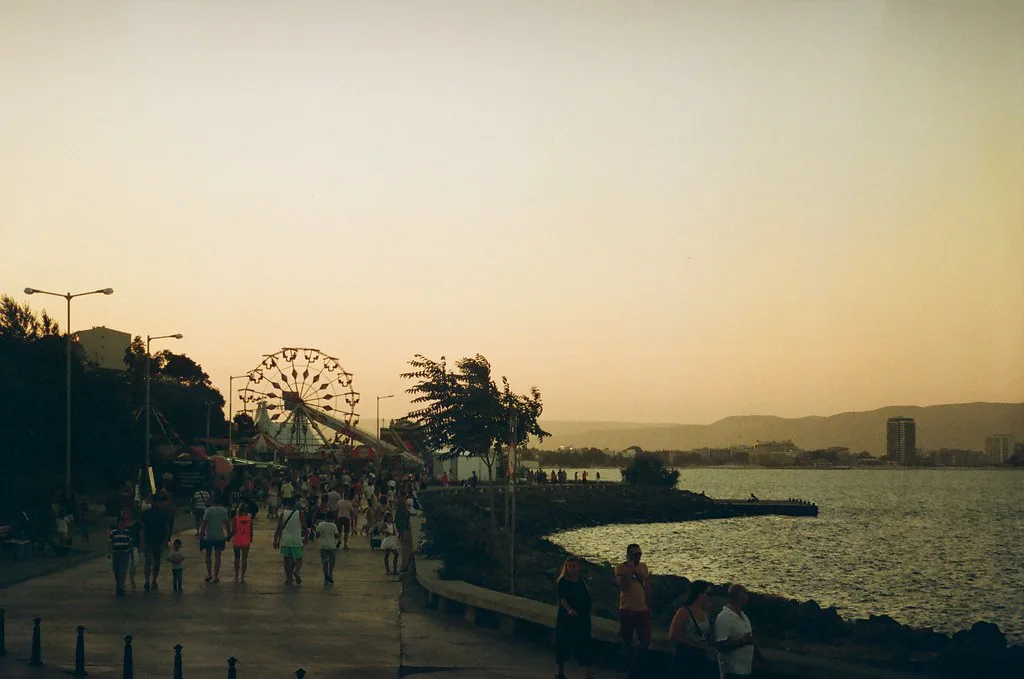
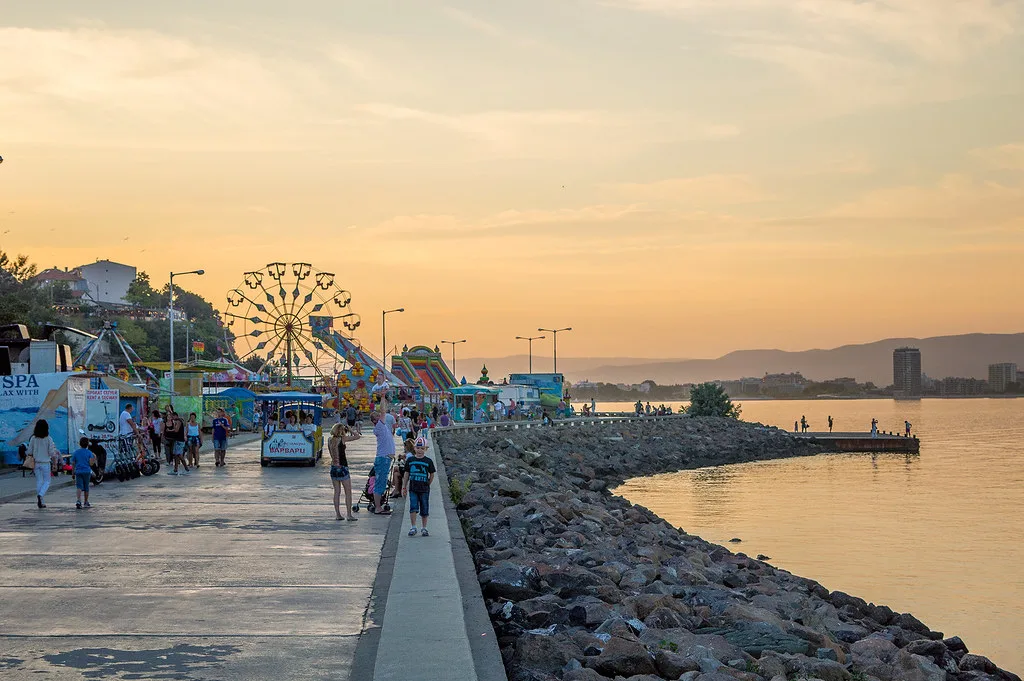
The southern Black Sea coast around Burgas is the warmest, breeziest option in June, and the sea breeze keeps midday heat manageable. Resorts such as Sunny Beach, Sveti Vlas, Pomorie and Golden Sands all sit within easy reach of Burgas or Varna airports, which makes a coast-only week simple to arrange. If you want a city base with beaches and a walkable old core, look at our Burgas in June notes or the Varna in June equivalent and pick the one that matches your appetite for resorts versus museums.
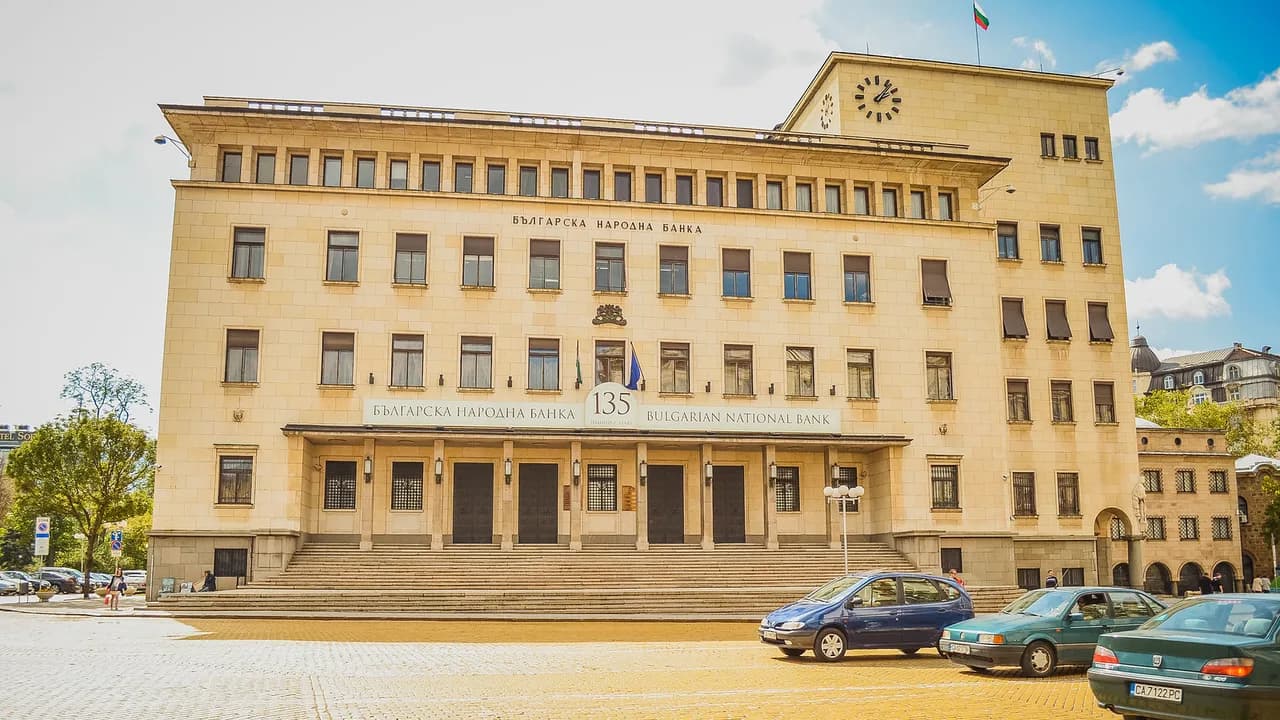
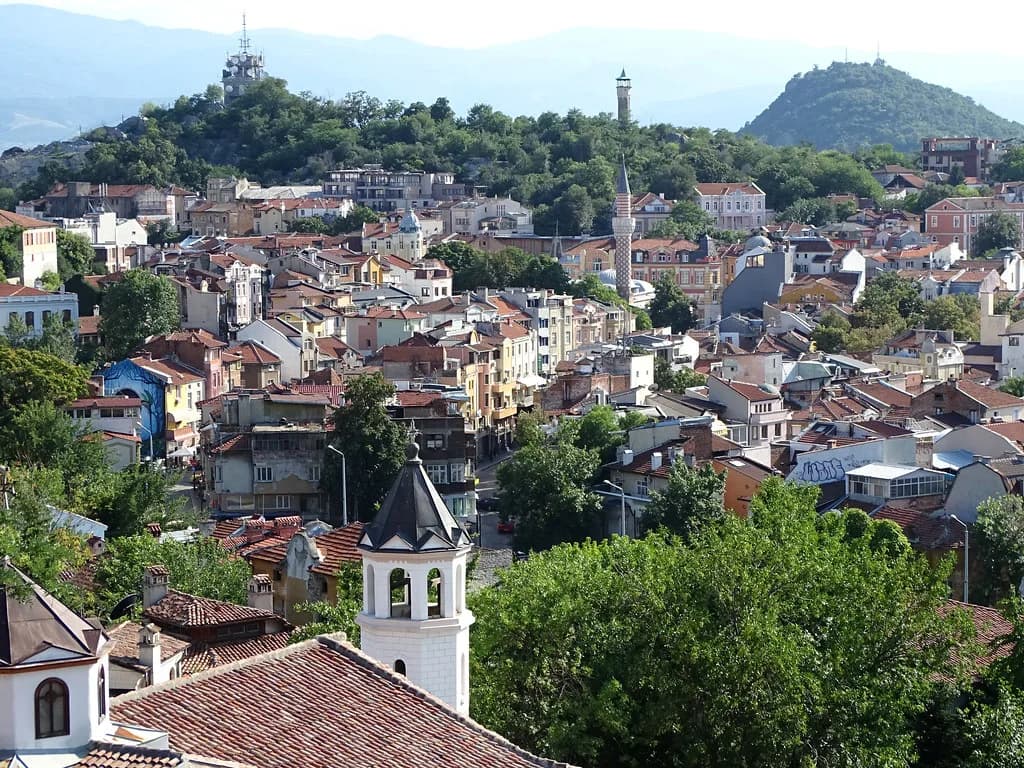
Inland, Sofia and Plovdiv are comfortable rather than hot, and June is a good month for wandering their streets before the August lull empties them of locals. The trade-off is unpredictability: a short trip built around outdoor plans in the valleys can lose an afternoon to showers. Build one flexible day into any inland itinerary so a wet spell costs you a museum visit rather than the highlight of the trip.
Where June works best
For beach-first travelers, the coast from Pomorie south through Sunny Beach and Sveti Vlas delivers the most reliable June weather in the country, with warm days, a swimmable sea and enough breeze to stop the sand becoming unbearable. Sunny Beach is the busiest and most built-up of these; Sveti Vlas and Pomorie are quieter alternatives a short drive away. Golden Sands, north of Varna, offers a similar formula with its own airport access.
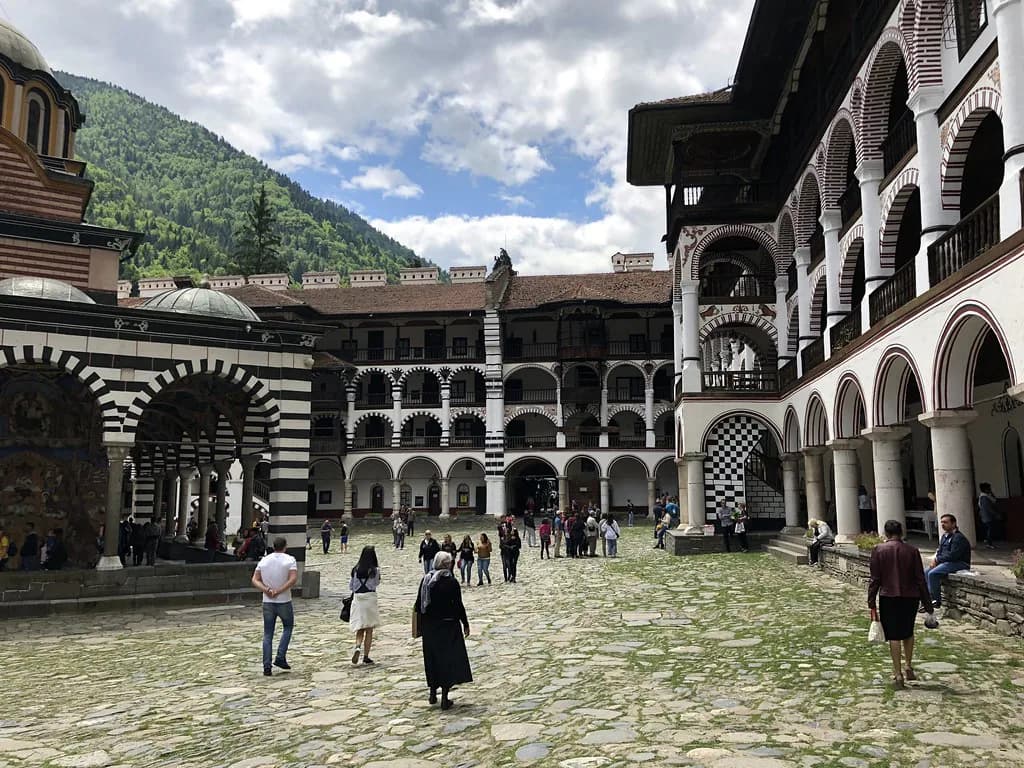
For walkers, the Rhodope Mountains and Pirin National Park are the standout June choices, with pine and fir forest shade on the climbs and wildflowers still out in the meadows. Rila National Park works too, but keep ambitions to lower trails. Note the altitude limit: Musala at 2,925 m in Rila and Golyam Snezhnik at 2,188 m in the Rhodopes are generally a July and August proposition, so do not plan a June summit push.
Culture travelers get a good deal in June: Sofia, Plovdiv and Veliko Tarnovo are all walkable without the heat of high summer, and the craft and music fair in the village of Oreshak near Troyan runs from June through September, giving a reason to build a Troyan day into a central Bulgaria route.
Events and local rhythms
The month's most distinctive tradition is July Morning, when Bulgarians head to the Black Sea to greet the sunrise on 1 July, at the very end of June's run. If your trip straddles the end of the month, coastal towns give you a front-row seat. Beyond that, the June calendar belongs to village fairs and craft markets rather than large festivals, which suits travelers who prefer local life to event crowds.
Travelers who want to see Bulgaria at its liveliest should weigh June against high summer. Our Bulgaria in July guide explains how the coast changes once school holidays begin and prices and crowds move up a gear.
Drawbacks
Rain is the main risk. The coast's roughly five wet days in June can all land in one week, and showers inland are more frequent. The sea at around 21°C (70°F) is refreshing rather than bath-warm, so travelers who feel the cold may prefer later in the season. Mosquitoes appear once the evenings warm up, particularly near rivers and in the valleys, so plan for them rather than being surprised.
Prices climb toward peak season as July approaches, and coastal accommodation tightens at weekends. Mountain infrastructure at high altitude is still waking up in June, with some upper routes and facilities not yet at full summer capacity. If shoulder-season value matters more than warm sea, our Bulgaria in May guide sets out the cooler, wetter alternative.
How many days you need
A coast-only week is the natural June trip: five to seven nights based in Burgas, Sunny Beach, Sveti Vlas or Golden Sands, with day trips to nearby towns and a boat trip or two. That gives you enough buffer to absorb a rain day without losing the holiday. A long weekend is too short to justify the flights for most travelers coming from North America or the UK.
A split itinerary of ten days to two weeks works well: four or five days on the coast, two or three in Sofia and Plovdiv, and three or four walking in the Rhodopes or Pirin. Renting a car in Bulgaria makes that combination far easier than relying on buses, though the main intercity routes are served too. Sofia Airport is the practical arrival point for an inland-and-coast loop, while Burgas and Varna airports suit a coast-first plan.
Typical costs
Bulgaria has used the euro since 1 January 2026, which simplifies budgeting for travelers arriving from the eurozone but removes the old currency conversion advantage of previous years. June remains cheaper on the coast than July and August, with more room to negotiate and better availability outside the school holidays. For a realistic sense of daily budgets, our guide to how cheap Bulgaria actually is lays out what meals, transport and entry tickets run to.
Getting there and around
Burgas and Varna airports serve the Black Sea coast, while Sofia handles the interior and connects to Plovdiv and the mountains by road and rail. Buses link the main cities and coastal resorts and are usually the cheapest option; trains are slower but scenic on some routes. Book coastal transfers ahead in the last week of June, when domestic beach traffic picks up.
For an itinerary that mixes coast, cities and mountain villages, a car gives you the most freedom, particularly in the Rhodopes where services thin out. Our renting a car in Bulgaria guide covers the paperwork, road conditions and tolls you need to know before you commit.
If your dates are flexible, compare June with the shoulder months on either side. Early June is quieter and cheaper than late June, while September offers warmer sea and fewer crowds; our Bulgaria in October guide covers the later autumn option for sightseeing-focused trips.
June versus May and September
May is cooler and wetter, with snow sometimes lingering on high ground, but it brings wildflowers and emptier trails. June trades some of that quiet for reliable warmth and long evenings. September brings warmer sea and fewer families after the school holidays, which many travelers prefer for swimming.
By traveler type: beach-focused travelers who want warmth without peak crowds should take late June; walkers should choose June for mid-altitude trails and July or August for summits; city and culture travelers will find June comfortable but should keep a rain day in reserve. Families tied to school holidays will find the coast busier in July and August, which makes late June a sensible compromise.
Plan Your Visit
June is the month Bulgaria starts to feel like a summer destination without charging peak-season prices or packing its beaches. Choose the southern Black Sea coast if you want warm days and a swimmable sea, the Rhodopes or Pirin for walking below the summits, and Sofia and Plovdiv for city time that is warm but not punishing.
Build one flexible day into your plans for rain, keep summit ambitions for July and August, and check the official Bulgarian government travel page once for entry and health requirements before booking. Then compare your shortlist against the overview of whether Bulgaria is worth visiting and commit to the region that matches your priorities.
Explore more Bulgaria trip-decision guides
Frequently Asked Questions
Is June a good time to visit Bulgaria?
Yes, for most travelers. June brings the first reliably warm weeks to the Black Sea coast, long daylight and comfortable conditions for city sightseeing and mid-altitude walking, all before the July and August crowds build. The exceptions are travelers who need very warm sea water and walkers set on the highest summits, who are better off later in the summer.
What is the weather like in Bulgaria in June?
On the southern Black Sea coast, typical June conditions are daytime highs near 26°C (79°F), nights around 16°C (61°F), a sea temperature near 21°C (70°F), roughly 49 mm of rain over about five days and nine hours of sunshine daily. Inland valleys and Sofia run cooler and wetter, with showers rather than steady rain, and the Balkan Mountains divide the warmer south from the continental north.
Is the sea warm enough to swim in Bulgaria in June?
Expect around 21°C (70°F) on the southern Black Sea coast, which most swimmers find refreshing rather than bath-warm. Beach days work well once the sun is up, and the breeze keeps the heat manageable, but travelers who feel the cold often prefer September, when the sea has had a full summer to warm through.
Should I go to the coast or the mountains in Bulgaria in June?
Take the coast if your priority is warm days and swimming, with Burgas, Sunny Beach, Sveti Vlas, Pomorie and Golden Sands offering the most dependable June weather. Choose the Rhodope Mountains or Pirin National Park if you want walking, forest shade and wildflowers. Skip June summit plans for Musala and Golyam Snezhnik, which are usually a July and August proposition.
Is June or September better for Bulgaria?
June gives you longer days, wildflowers and trails before the summer heat, with a sea that is swimmable but cool. September brings warmer water, fewer families after the school holidays and a calmer coast. Beach-focused travelers often prefer September, while walkers and sightseers who value long evenings tend to favor June.
Sources
Trip-decision notes
Optional updates when we publish or revise a destination verdict.
You might also like
Continue reading
More guides you'll find useful