Bulgaria in July: Deciding on Heat and Black Sea Beaches
July in Bulgaria brings hot inland plains, cooler Black Sea beaches and mountain trails, and afternoon storms. See where to go and who should wait.
On this page
July works in Bulgaria if you build the trip around water and altitude, and it disappoints if you plan to walk Plovdiv or Ruse at noon. Inland plains regularly push toward 35 to 40°C [95 to 104°F] during hot spells, while the Black Sea coast and mountain trails above roughly 800 m stay noticeably easier. Decide first whether you want beach, mountains or a city-and-culture trip, because that choice does more for a July visit than any other.
The verdict: July suits beach and mountain travelers, not city sightseers
Treat July as a nature month rather than a city month. The country's lowland cities empty out at midday in the second half of July and August, streets go quiet in the afternoon heat, and life returns between roughly 6 and 9 pm, which is when old towns and Roman ruins are actually pleasant to walk.
The best July days pair a morning of sightseeing with an afternoon in the sea or at altitude. The coast has the bonus of a sea breeze that makes heat more bearable than the inland plains, though temperatures can still pass 35°C [95°F] during intense heatwaves, especially when hot air arrives from the interior.
Who will love Bulgaria in July
Beach travelers who want warm water and long days get the best of July: seawater reaches 25 to 26°C [77 to 79°F] in July and August, which is warm enough for hours of swimming without a wetsuit. Families and groups who want a resort base with everything in walking distance will find the big Black Sea complexes at their most alive.
Hikers do well above the forest line, where the forest belt between 800 and 2000 m is cool and fresh and the highest zones are cooler still; on the warmest lowland days, mountain walking sits comfortably between 20 and 30°C [68 and 86°F] depending on altitude. Evenings at height turn genuinely cold, with temperatures dropping to 10°C [50°F] or below above 2000 m, so a warm layer earns its place in the pack.
Travelers who want folklore and mountain atmosphere will find the Rhodope villages and Revival-era towns cooler than the plains because they sit among forests at moderate altitude. If you are still weighing the country against its neighbors, the honest verdict on whether Bulgaria is worth visiting helps before you lock in a July booking, and you can weigh it against is North Macedonia worth visiting if the southern Balkans are on your shortlist.
Who should choose another month
Skip July if your priority is unhurried city sightseeing in Sofia, Plovdiv or Veliko Tarnovo. The heat pushes walking into early morning and evening, museums and galleries fill the middle of the day, and the experience is thinner than in the shoulder seasons.
Skip July too if you dislike crowds on the coast. The Bulgarian Riviera draws hundreds of thousands of visitors in summer, with foreigners concentrated from landlocked European countries such as the Czech Republic, Hungary and Slovakia as well as Germany and Russia, and the big resorts feel it.
Budget-focused travelers should look at June or September instead: July is peak season on the coast, when accommodation and beach services cost the most. The broader best time to visit Bulgaria comparison sets out how the shoulder months trade a little weather risk for lower prices and thinner crowds.
How hot July gets, by region
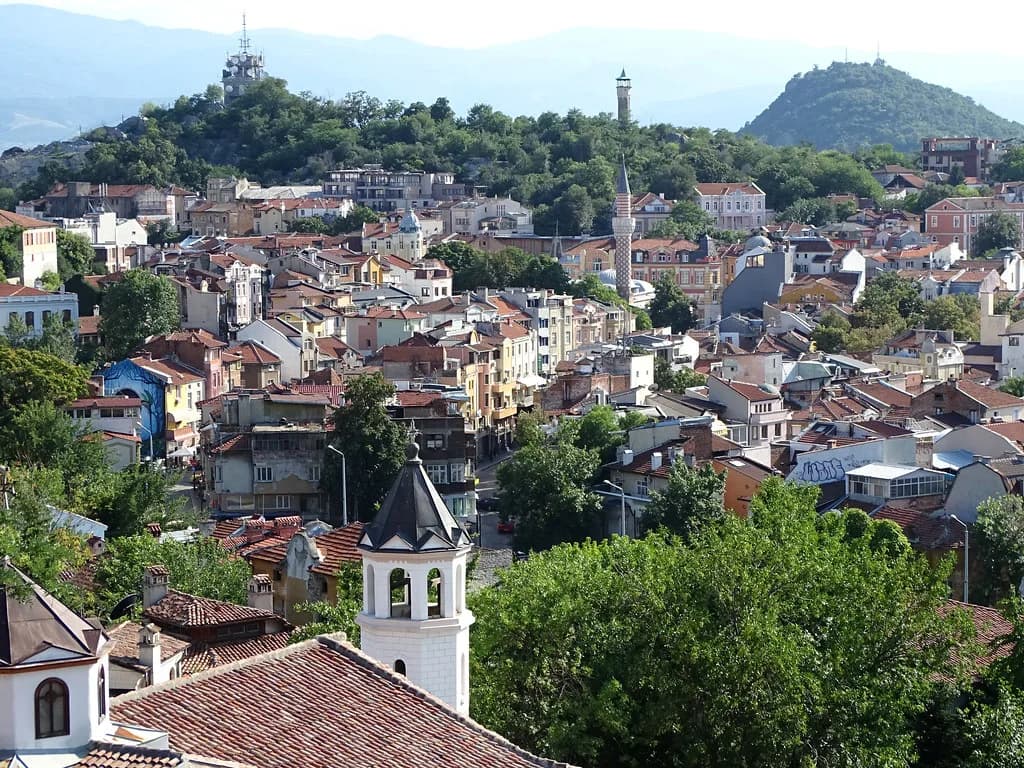
The Upper Thracian Plain around Plovdiv is one of the hottest parts of the country in summer, a product of low elevation, surrounding mountains and mixed continental and Mediterranean influence. The national record high of 45.2°C [113.4°F] was set at Sadovo near Plovdiv on 5 July 1916, which tells you how extreme this corner can get.
The Danubian Plain between Stara Planina and the Danube and the Dobrudzha region toward the northeast are also hot, with Dobrudzha's stronger continental character moderated only by its proximity to the sea. The western high plains between 300 and 1000 m are hot but a shade less brutal and slightly wetter, with storms a little more frequent.
During hot waves, lowland temperatures commonly reach 35 to 40°C [95 to 104°F], most often after mid-July and in the first half of August. July outlooks for the country have put maximum highs in the 34 to 39°C [93 to 102°F] range later in the month, with a mix of stable sunny spells and unsettled, thundery days.
July weather on the Black Sea coast
The coast is the most comfortable lowland base in July. The Black Sea moderates temperatures along the eastern shore, sea breezes make heat more tolerable than inland, and rainstorms are usually rarer here than on the plains, which is why Bulgarians themselves head east in summer.
The sea is not always calm, though. Northerly and northeasterly winds can generate heavy surf with waves of several meters during storms, and those conditions can create rip currents along sandy beaches, so follow lifeguard instructions and beach warning flags rather than judging the water by appearance.
If you want the coast with slightly softer edges, June and September deliver warm water with smaller crowds, and the best time to visit Bulgaria lays out the month-by-month trade-offs.
July in the mountains
Rila and Pirin in the southwest hold the country's highest ground, with Musala at 2925 m the highest peak in Eastern Europe outside the Caucasus, and Stara Planina runs as the longest chain in the Balkan Peninsula. Above the forest the air is cool, the alpine meadows are at their freshest, and the walking is the best summer alternative to the beach.
Vitosha rises directly south of Sofia, which makes it the easiest high-altitude escape from the capital, while the Rhodope Mountains fill much of the south with forested ridges and village bases. Old snow can linger in May and June and sometimes into August on the highest ground, so treat shaded north faces as a route decision rather than a surprise.
July temperatures above 2000 m drop to around 10°C [50°F] or lower at night, so summit days need early starts and a plan to be off exposed ridges before the afternoon build-up. That afternoon pattern is covered next, and it shapes every mountain itinerary in July.
Afternoon storms and hail on the plains
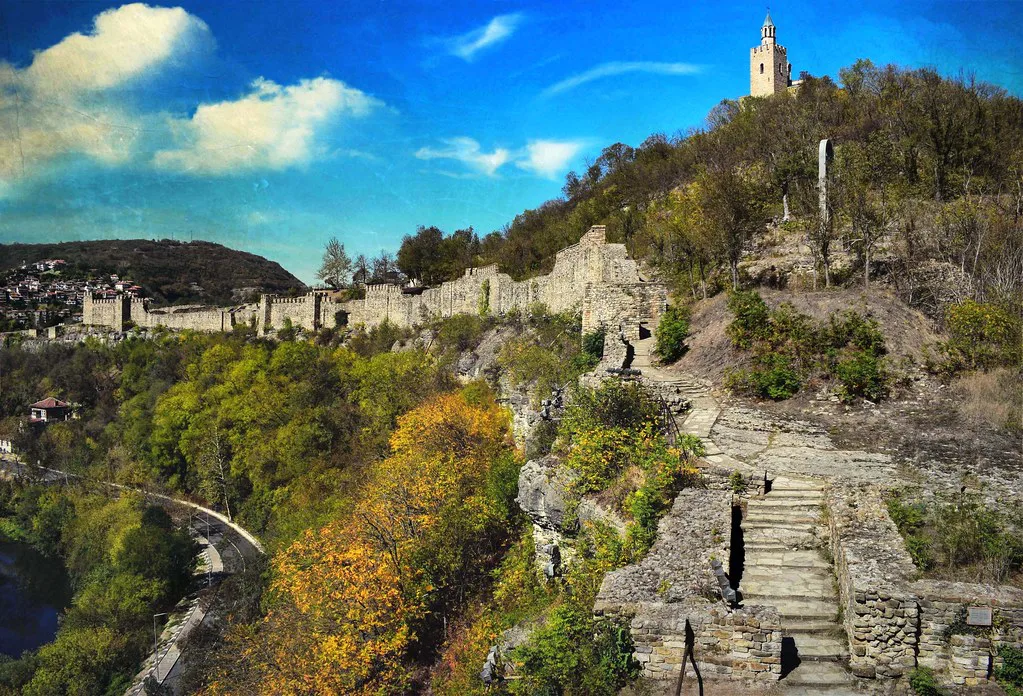
Unstable weather is a standard part of the Bulgarian summer, especially in the first half of the season. Mornings turn humid and hot, cumulonimbus clouds build fast around midday, and the result is thunder, lightning and heavy rain, sometimes with large hail on the low plains.
In the mountains these storms are the main hazard of the day: summits and exposed ground above the tree line are dangerous during lightning, and severe rainstorms bring sudden temperature drops and strong wind. Plan hikes to finish by early afternoon and treat a building sky as a signal to descend, not a reason to push on.
Where to go in July: the coast from the north to the south
The northern coast around Balchik and Kavarna suits travelers who want a quieter base with cliffs and gardens rather than a wall of hotels, while the big resorts at Golden Sands (Zlatni Piasaci) and Albena near Varna are built for full-service beach holidays. Varna and Burgas are the two coastal cities with the most urban life, transport connections and evening activity.
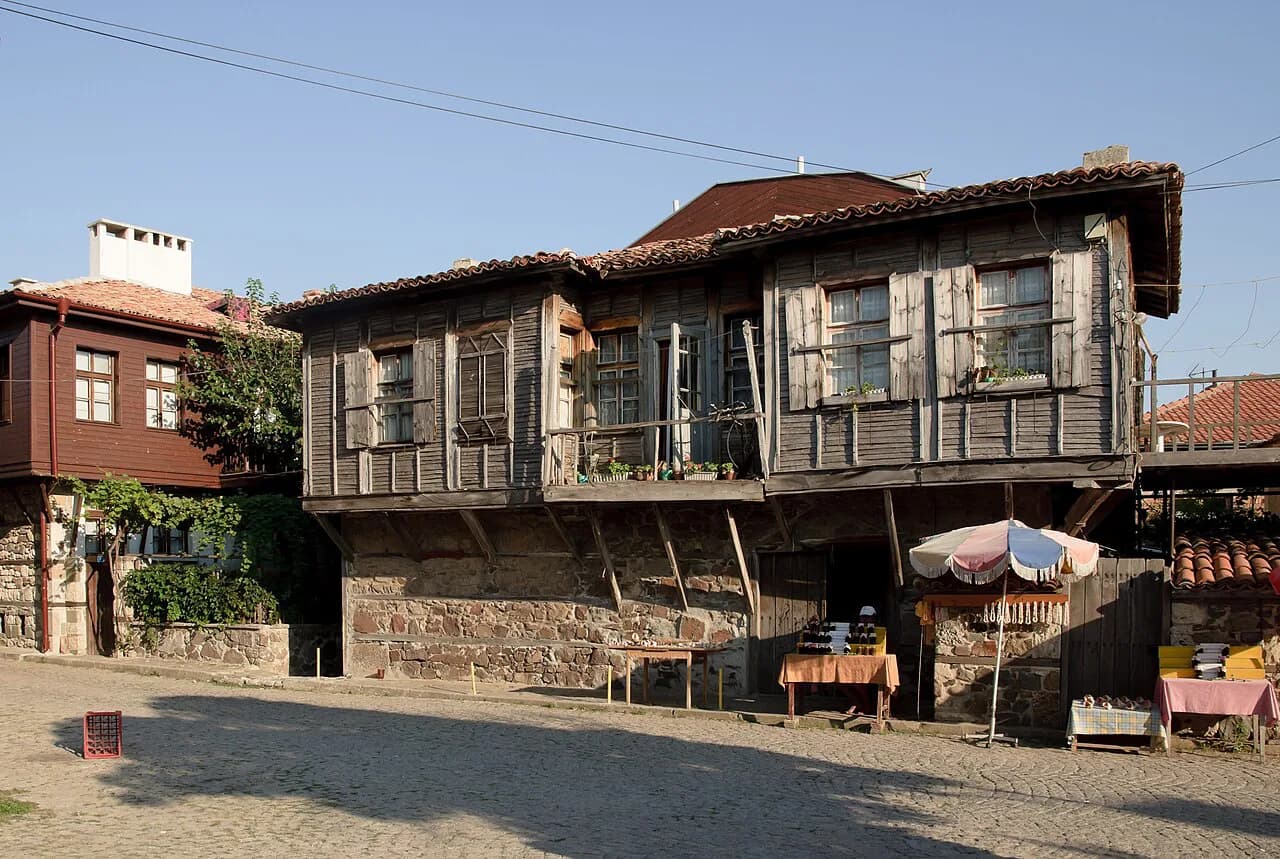
The middle stretch is where the crowds concentrate. Sunny Beach and Nessebar sit side by side, the latter an old town of churches and narrow lanes that fills with day-trippers combining beach and culture, and Pomorie and Aheloi offer a calmer version of the same coastline.
In the south, Sozopol, Primorsko, Tsarevo, Ahtopol and Sinemorets run toward the Turkish border with a mix of old-town charm and wilder camping stretches.
Where to go in July: Rila, Pirin and the Rhodope Mountains
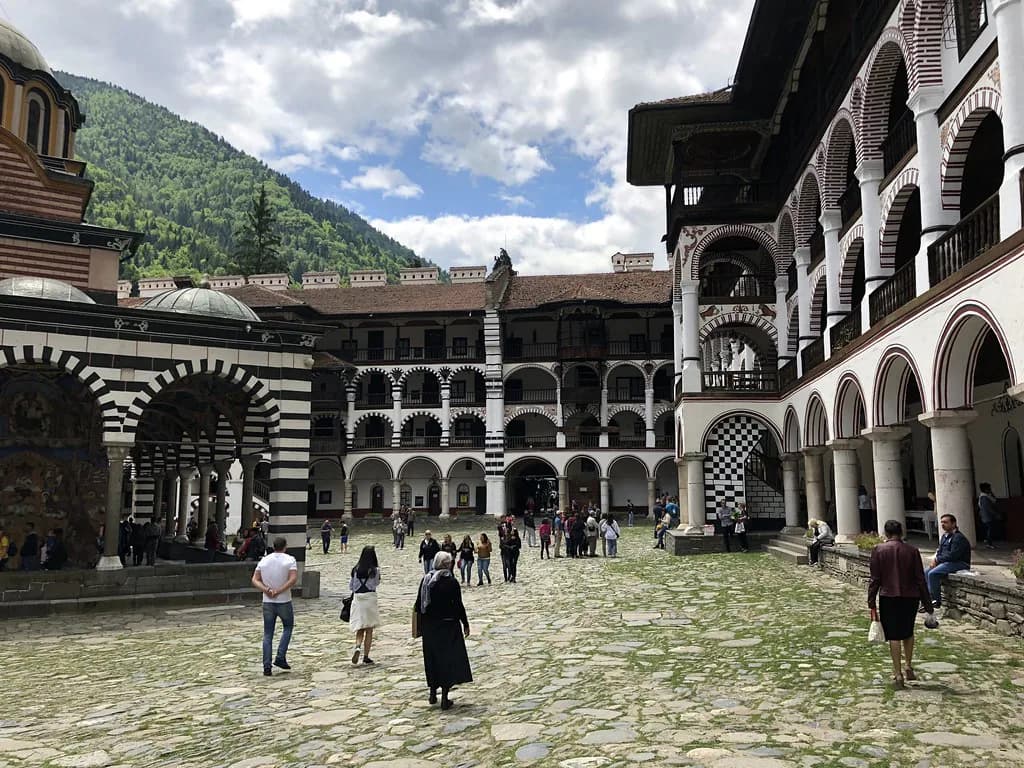
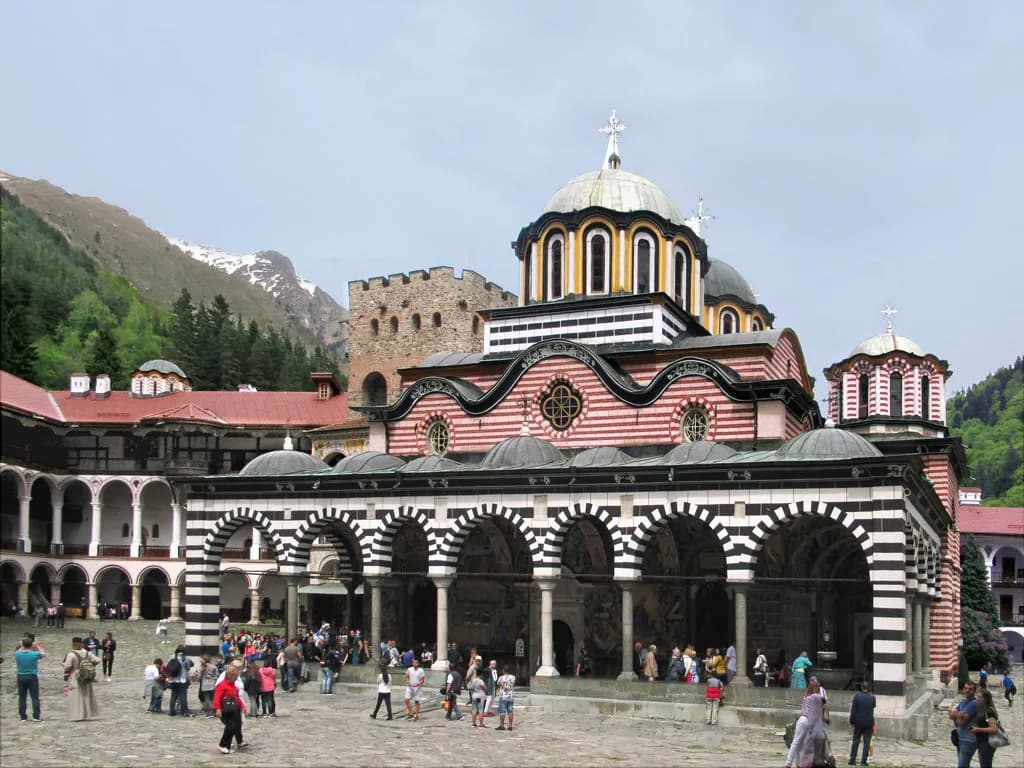
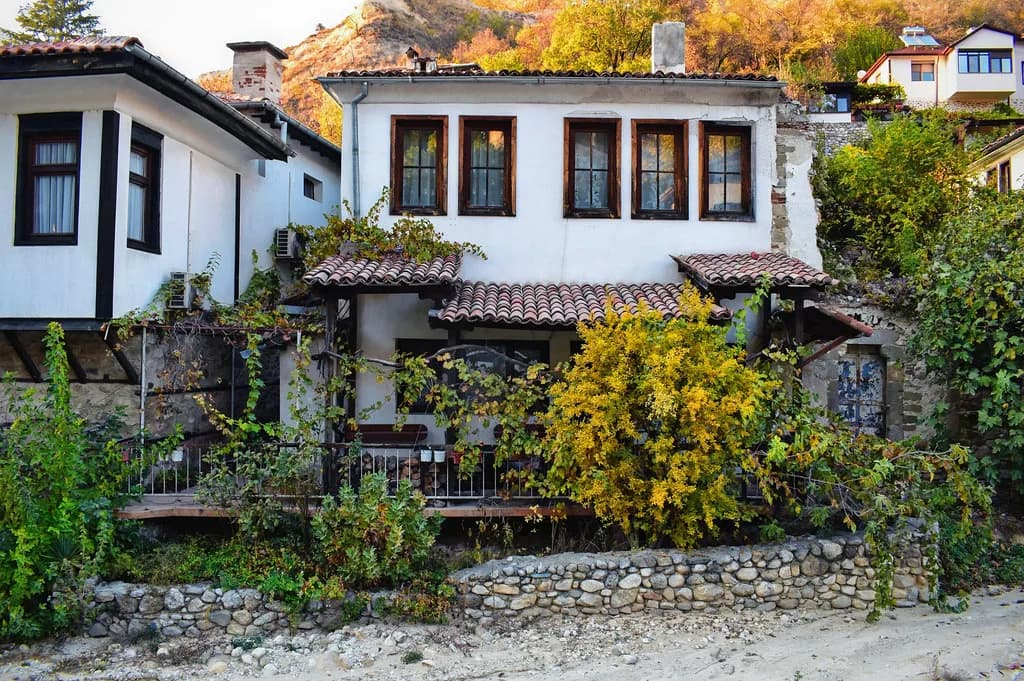
Use Rila and Pirin for big walking days, and use the Rhodopes for gentler forested routes and village stays. The monasteries at Rila and Bachkovo, plus Revival-era towns such as Koprivshtitsa, Bozhentsi, Zheravna and Shiroka Laka, sit among greenery and shade that make them far more comfortable than the plains in July.
Plovdiv deserves a split schedule rather than a skip. The old town and the Roman theater are where summer folk and art performances happen, and the city is at its best in the long evening hours from 6 to 9 pm instead of the empty, hot midday.
Folk and rose events worth timing a trip around
Two events in the Bulgarian calendar are worth building a trip around, and neither falls in July. The Rose Festival in Kazanlak runs with the oil-bearing rose bloom from late May to mid-June, with the main celebrations over a selected weekend, so plan the visit for that window if the roses are the reason you are going.
The Gela bagpipe contest in the Rhodope Mountains is held on the first weekend of August on meadows near the village, with folk music, dancing and roast mutton shared among campers. The larger Rozhen gathering is not necessarily held every year, so confirm whether an edition is scheduled with the organisers before you build an itinerary around it.
Smaller folklore events take place in other Rhodope villages through the summer, which makes late July a reasonable gateway to the early-August season. If the Gela weekend is your target, plan the mountain days before it and the coast after rather than trying to do both in the same three days.
How many days you need in July
Give a coast-and-mountains July trip ten days to two weeks. The country is compact, but July heat limits how much you can move in a day, and the two mountain ranges and the coast are spread far enough apart that short hops eat into beach or trail time.
For a single-base beach holiday, seven to ten nights works well: enough time to absorb a storm day, a surf day and a couple of inland excursions. If you want Sofia, Plovdiv and a mountain block as well, add three or four days and accept that city time will be early-morning and evening only.
What July costs, in words
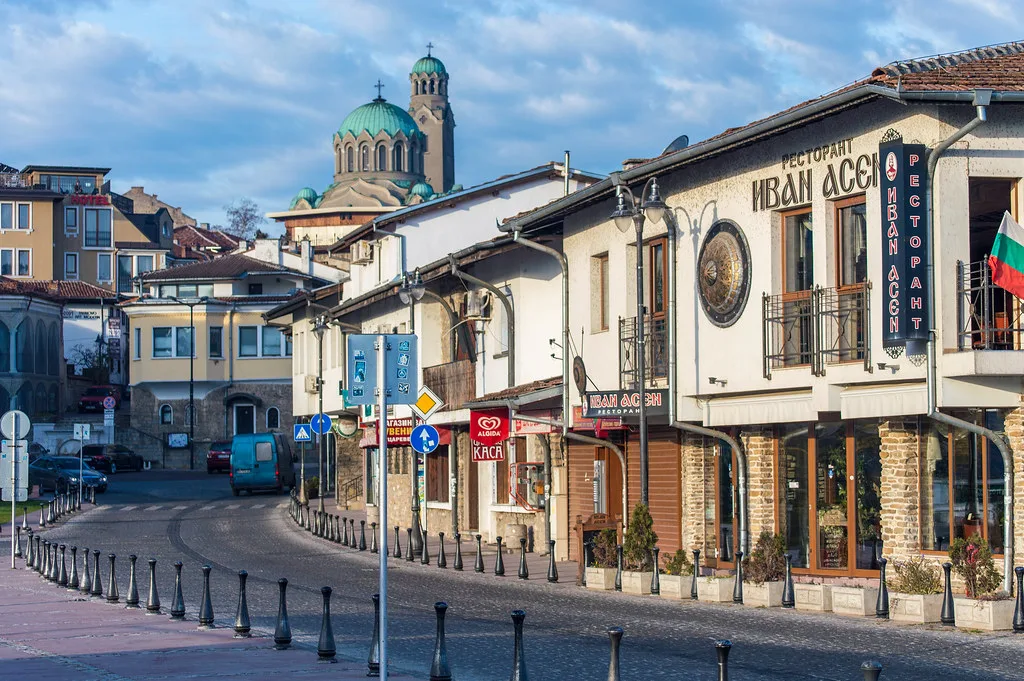
July is peak season, so expect the year's highest accommodation rates on the coast and the least negotiating room on resort packages. Inland cities are cheaper in July because demand drops, hotels discount, and restaurants are quieter, which can offset the discomfort of the heat.
Prices for rooms, sunbeds, entry tickets and transport are set by individual operators and change by season, so compare published rates on booking platforms and operator websites rather than relying on a general figure. For a sense of typical daily spend, the breakdown in is Bulgaria cheap covers food, transport and lodging in plain terms.
Getting around in July
Buses are the workhorse for coast and mountain connections, with Varna and Burgas as the main coastal hubs and Sofia as the inland one. Book overnight or early-morning departures for long transfers, because midday travel in a hot bus is the least pleasant part of any July itinerary.
A car opens up the Rhodope villages, the northern coast and the mountain trailheads in a way buses do not, but summer traffic on the coast and parking in resort towns are genuine hassles. If you plan to drive, renting a car in Bulgaria explains the practical side, including pickup options such as Sofia Airport.
For mountain access, base yourself in a gateway town and use local transport or a booked transfer for the first climb; the same approach works on the coast, where frequent summer services link the big resorts to Varna and Burgas.
Drawbacks: crowds, heat and midday closures
The honest drawbacks are real: the big resorts are crowded, midday heat empties city streets and can close down the plans you made for them, and afternoon storms can cancel a hike or a beach afternoon with little notice. On the plains, hail and strong wind are genuine hazards in the storm season, and mountains demand respect for lightning.
Plan around the heat rather than fighting it: walk cities before 10 am and after 6 pm, put the sea or altitude in the middle of the day, and keep one flexible day per week for weather. If storms worry you more than crowds, September delivers a similar coastline with fewer people and shorter queues.
July versus June and September
June is milder inland and quieter on the coast, but the sea is cooler and rainstorms more likely in the first half of the season. September keeps the sea warm from the summer buildup while schools reopen and crowds thin, which makes it the stronger month for travelers who want both beach and city time.
July wins for water temperature, long evenings and maximum mountain conditions, and loses on crowds, prices and midday heat. If your group splits between beach lovers and hikers, July is the month where both get a good version of the trip, provided you split the days sensibly.
Plan Your July Trip
Choose July if you want warm Black Sea water, long evenings and high mountain walking, and if you are willing to schedule cities for the edges of the day. Choose June or September if you want a calmer coast and more usable sightseeing hours, and choose May or October if hiking and culture matter more than swimming.
Whether Bulgaria is worth visiting at all comes down to what you want from a trip, and July simply sharpens the answer toward nature over cities. Travelers who want the country's best summer weather should plan early, build in a weather buffer day, and treat afternoon thunder as a fixed feature of every mountain itinerary.
Explore more Bulgaria trip-decision guides
Frequently Asked Questions
What is the average temperature in Bulgaria in July?
There is no single average for the whole country, because the plains and the coast behave differently. Inland lowlands commonly see 35 to 40°C [95 to 104°F] during hot spells, and July outlooks have put maximum highs in the 34 to 39°C [93 to 102°F] range later in the month. The Black Sea coast is moderated by sea breezes, and mountain walking above the forest line sits around 20 to 30°C [68 to 86°F] depending on altitude.
What is the hottest month in Bulgaria?
July and August share the peak, and the most intense heat tends to arrive after the second half of July and in the first half of August. The country's record high of 45.2°C [113.4°F] was recorded at Sadovo near Plovdiv on 5 July 1916, which shows how extreme the Upper Thracian Plain can get in mid-summer.
Is July a good time to visit Bulgaria?
Yes, if you want the sea and the mountains. Seawater reaches 25 to 26°C [77 to 79°F] in July and August, the forest belt between 800 and 2000 m is cool and fresh, and the coast usually sees fewer thunderstorms than the plains. It is a weaker month for city sightseeing, because midday heat pushes walking into early morning and evening.
How hot is the Black Sea coast in July?
Warmer than travelers often expect, but more bearable than inland because of the sea breeze. Temperatures can still exceed 35°C [95°F] during intense heatwaves, especially when hot air arrives from the interior, and the water itself is at its warmest of the year.
Is Bulgaria too hot in July for sightseeing?
Not too hot, but it needs a different schedule. Cities such as Sofia, Plovdiv and Ruse quiet down at midday and come back to life between roughly 6 and 9 pm, so plan old towns and museums for the early morning and evening and keep the middle of the day for the beach, a mountain walk or an indoor break.
Do I need to book the Gela bagpipe contest in advance?
The festival takes place on the first weekend of August near the village of Gela in the Rhodope Mountains, with visitors camping on the grass, so arrivals and facilities are informal rather than ticketed in the usual sense. Confirm the edition and any access details with the organisers before traveling, and similarly confirm whether a Rozhen gathering is scheduled that year, since it is not necessarily held annually.
When is the Rose Festival in Bulgaria?
The Rose Festival in Kazanlak follows the oil-bearing rose bloom from late May to mid-June, with the main celebrations over a selected weekend, so it is not a July event. The dates change from year to year and are published by the Kazanlak municipality.
Is July a good time to hike in Rila and Pirin?
Yes, above roughly 800 m, where the forest belt stays cool and the high zones are cooler still. Start early, plan to be off exposed ridges before afternoon storms build, and carry a warm layer, because temperatures above 2000 m can drop to 10°C [50°F] or lower in the evening. Old snow can linger on the highest ground into August.
Sources
Trip-decision notes
Optional updates when we publish or revise a destination verdict.
You might also like
Continue reading
More guides you'll find useful