Bulgaria in September: Where to Go & Weather Guide
Bulgaria in September splits in two: warm sea and full resort facilities early, then cooler water, quieter old towns and lower prices in the second half.
On this page
Yes, Bulgaria in September is worth it, but only if you book the right half of the month. The first fortnight delivers sea temperatures close to August with noticeably fewer people and lower rates; the last ten days trade swimming for quieter streets, cooler evenings and cheaper flights. Decide which of those two trips you actually want before you pick a date, because the gap between them is bigger than most travelers expect.
The coastal picture is straightforward. Air temperatures stay near 25°C (77°F) on the Black Sea through most of September, while the water drops from roughly 24-25°C (75-77°F) in the opening days to about 20-21°C (68-70°F) by the final week, so the sea cools faster than the air. If you want to know whether the country suits you beyond one month, our take on whether Bulgaria is worth visiting covers the rest of the year.
The verdict: who September suits and who should pick another month
September suits two kinds of traveler. Swim-first families and couples should book the first ten to twelve days, when the water is still close to summer and the resorts are running at a fraction of August occupancy; sightseeing travelers, couples and older visitors should aim for the second half, when Sozopol's old town and Nesebar's UNESCO quarter are calmer and accommodation is cheaper. Anyone who books late September around a warm sea and a water park is planning the one trip this month reliably spoils.
Choose another month if your trip depends on guaranteed hot water, a full slate of evening entertainment or every restaurant terrace being open. Peak-season loyalists should look at our guide to Bulgaria in August for maximum heat and infrastructure, while travelers who want empty beaches and low prices more than swimming should read Bulgaria in October. September sits between those two, and the wider best time to visit Bulgaria comparison explains where the month falls for city breaks and coast alike.
Weather in September: air temperatures, rain and sunshine
Long-term averages for Burgas give a September daytime maximum of about 25°C (77°F) and a nighttime low near 14°C (57°F), with roughly eight hours of sunshine a day and around 34 mm of rain spread over four wet days. Treat those as typical conditions rather than a forecast: a 25°C afternoon followed by a 14°C evening is normal, and a light warm layer earns its place after sunset even on the coast.
Inland the month runs cooler and more variable. Sofia and Veliko Tarnovo average highs around 23°C (73°F), Plovdiv around 25°C (77°F), so sightseeing days in the cities are comfortable rather than hot, with cool mornings that reward an early start. Rainfall is modest but not absent, and a washed-out week is uncommon, which makes September one of the more dependable months for a mixed beach-and-city itinerary.
The practical consequence is a month that behaves like two. Early September feels like a discounted August, with warm afternoons and long evenings; late September brings more wind, faster-moving cloud and mornings that need a jacket. If your plan includes both coast and interior, put the beach days first and the city days second.
Sea temperatures through the month: early versus late September
The sea is the number that decides most September bookings, and it moves faster than the air. Multi-year figures for Sunny Beach and Golden Sands put the September average around 23-24°C (73-75°F), but that average hides a split: the first ten days often hold 24-25°C, close to August, while the last week typically sits at 20-21°C (68-70°F). For most adults that late water means short swims; for small children it usually means the pool instead.
A separate Burgas-based series puts the September sea average at about 22°C (72°F), which is consistent with the same pattern read across the whole month rather than week by week. The lesson is not that one figure is right and the other wrong, but that a September sea temperature quoted as a single number tells you almost nothing about your dates.
For a swim-focused trip, book the first half of the month and pick a resort with a broad, gently shelving beach. For a trip where the sea is a bonus, the second half works well and costs less. Either way, plan at least one non-beach day per few days so a windy spell does not wreck the itinerary.
Black Sea resorts compared: Sunny Beach, Golden Sands, Sveti Vlas and Sozopol
Sunny Beach and Golden Sands carry the widest range of all-inclusive properties on the coast and keep their water parks, kids' clubs and evening entertainment running into September, with rooms that were fully booked in July often available at short notice. They are the best value and best-equipped choices for families in the first half of the month. The catch is a rolling wind-down: several water parks and some restaurant terraces begin closing from mid-September, so a slide-focused trip belongs before the middle of the month.
Sveti Vlas, a short drive from Sunny Beach, shifts the mood toward marina-front hotels and a calmer promenade, which suits couples who want the infrastructure nearby without the volume. Sozopol trades all-inclusive scale for character: stone lanes, wooden houses and a working fishing harbor that gives you somewhere to go on the cooler, windier afternoons after mid-month. Neither matches Sunny Beach's density of all-inclusive resorts, so half-board and bed-and-breakfast stays are the norm.
Match the resort to your reason for traveling. Swim-first families: Sunny Beach or Golden Sands, early September. Couples and older travelers: Sveti Vlas or Sozopol, ideally in the second half. Swimmers who book Sozopol in late September usually find the sea is a bonus rather than the point, and the old town rewards them for it.
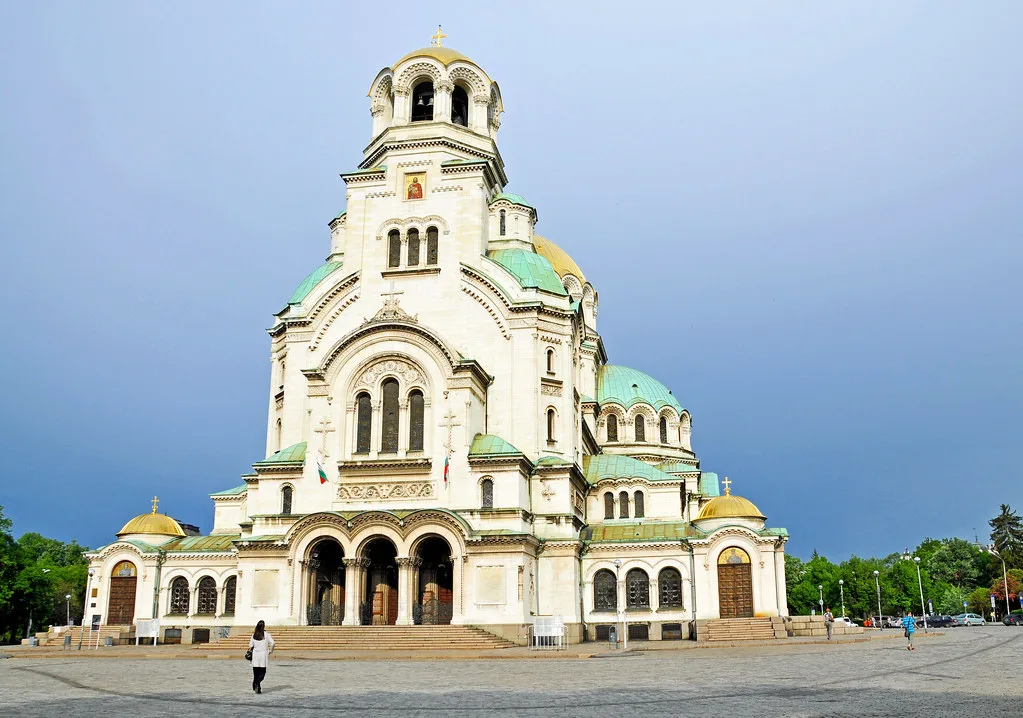
Nesebar and Sozopol old towns when the beaches cool
Nesebar's UNESCO-listed old town, on its narrow isthmus, is the strongest half-day sight on the southern coast: churches, timber houses and a compact web of lanes that takes two or three hours without rushing. In late September the crowds thin noticeably, which matters more here than almost anywhere on the coast because the streets are genuinely tight. Pair it with a morning on the beach and an afternoon in the lanes.
Sozopol offers the same combination with a working harbor and a livelier restaurant scene along the waterfront. Once the sea drops and the wind picks up after mid-month, these two towns become the reason to keep a coastal base rather than relocate inland. Both are easily reached from Burgas, which makes them practical for a short break; our Burgas in September guide covers the city as a base.
Inland alternatives: Sofia, Plovdiv and Veliko Tarnovo
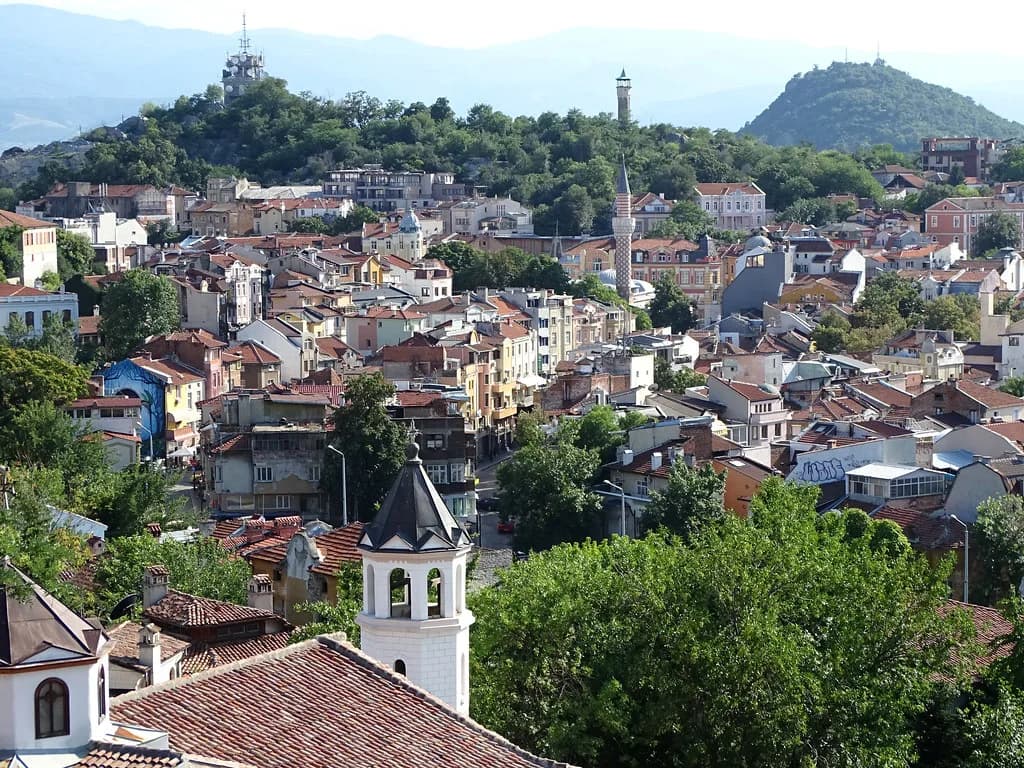
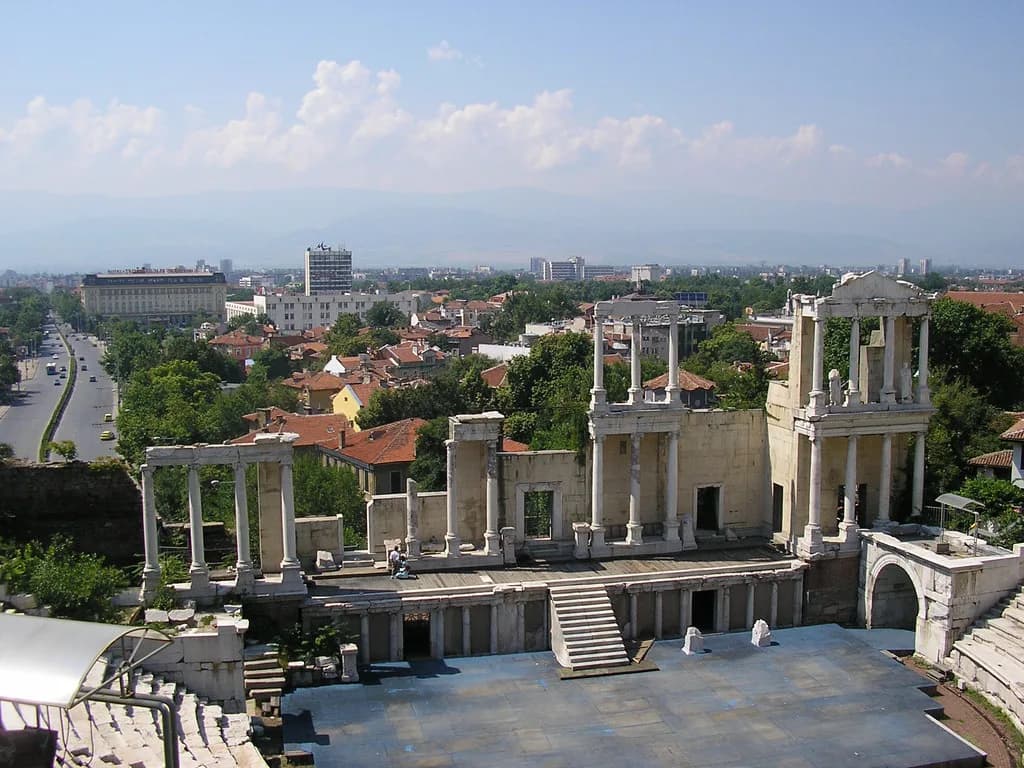
If your dates land in the second half and swimming is no longer the point, the interior is the better use of the trip. Sofia gives you big-city museums, an easy day trip to Vitosha and cooler walking weather; Plovdiv's old town and Roman theater suit a leisurely two days; Veliko Tarnovo's fortress and hillside houses are the most dramatic single sight in the country for many visitors. All three sit comfortably in the low-to-mid 20s Celsius in September.
A sensible split for ten days is five or six on the coast and three or four inland. Trains and buses connect the main cities, but journey times are long enough that you should not try to see all three inland cities in a short break. Pick one inland base and treat the others as a reason to come back.
Varna works as the northern coastal counterpart, with the long Seaside Park and city beaches giving you a beach-and-city day without changing base. It is also the second airport for the coast, which makes it useful when Burgas routes are full or expensive. See our Varna in September notes for how the city changes as the season ends.
Typical costs and what September changes
September pricing follows the sea, not the calendar: the first week behaves like late peak season, the middle two weeks drop sharply, and the last week is among the cheapest of the year for accommodation and flights on the coast. Package operators publish their own September rates, and those are the numbers worth comparing rather than any figure quoted in a guide. Once you are there, Bulgaria has used the euro since 1 January 2026, so prices on the coast are set and displayed in euro and there is no exchange step for travelers already carrying euros or paying by card.
The main saving in late September is on flights and rooms rather than on food or transport, which move far less across the month. Check the specific hotel's dates for pools, water parks and à la carte restaurants if you travel after the middle of the month, because facilities do not all follow the resort's headline season. That single check prevents most of the disappointment late-September families report.
Getting there: Burgas and Varna airports
The southern coast is served by Burgas airport and the northern coast by Varna, and both take seasonal direct flights from a range of European cities. Schedules thin out as the season ends, so the route that works in July may not operate in the last week of September; check current flight dates with the airline before you build the trip around a specific arrival date. Travelers flying from the UK should expect a flight of roughly three to three and a half hours.
From either airport, resort transfers are short: Sunny Beach and Nesebar sit close to Burgas, Golden Sands and Sveti Vlas close to Varna. Sozopol is a slightly longer road transfer from Burgas but still manageable as a taxi or pre-booked transfer. Relying on public transport for a late-night arrival is the weak point of an otherwise easy coast.

How many days you need
A week is the right length for a single resort and its surroundings: five beach days, one for Nesebar or Sozopol and one for a slow day when the weather turns. Ten days lets you add an inland city without rushing, which is the version most travelers prefer in the second half of September. Anything shorter than five days on the coast is hard to justify given the transfer time from northern European airports.
For a city-focused September trip, four or five days across Sofia and Plovdiv is plenty, with Veliko Tarnovo as a two-night stop rather than a day trip. Resist the urge to add a beach at the end of a city itinerary in late September; the sea will likely be cooler than the photographs suggest.
Drawbacks and common mistakes
The biggest mistake is booking the last week of September around a water park and warm water. Several water parks and terraces close on a rolling basis from mid-September, and the sea is typically 20-21°C by then, which is fine for a quick dip and disappointing for a swim-centered holiday. The second mistake is packing only summer clothes: a 14°C evening after a 25°C afternoon catches people out, and the wind on the beach after mid-month is real.
Crowds are not the problem in September that they are in July and August, but the coast is not empty either, particularly around Nesebar at weekends. The interior is a different matter: Sofia, Plovdiv and Veliko Tarnovo run on business and university rhythms rather than tourist ones, and late September is comfortable rather than crowded. Rain is light on average, with around four or five wet days in the month, so a washed-out week is unlikely but not impossible.
Plan Your Visit
September earns its place on a Bulgaria shortlist if you book with the month's split personality in mind. Early September on Sunny Beach or Golden Sands gives you near-summer sea at lower prices and with more space; late September in Sveti Vlas, Sozopol, Nesebar or the inland cities gives you quieter streets and cheaper travel with swimming as an optional extra. Decide which of those trips you want, pick your dates to match, then confirm the specific hotel's facility dates and your airline's end-of-season schedule.
Explore more Bulgaria trip-decision guides
Frequently Asked Questions
Is Bulgaria in September worth visiting?
Yes, for most travelers, provided you pick the right half of the month. The first ten to twelve days keep sea temperatures close to August with fewer people and lower rates, which suits families and swimmers. The second half is better for sightseeing, old-town wandering in Nesebar and Sozopol, and inland city trips, with cooler water and cheaper flights and rooms.
Can you still swim in Bulgaria in September?
In the first half, yes: the sea typically holds around 24-25°C (75-77°F) in early September, close to August conditions. By the final week it usually drops to about 20-21°C (68-70°F), which is fine for short swims for adults but usually too cool for small children. Book swim-focused trips before roughly the middle of the month.
How hot is Sunny Beach in September?
Daytime air temperatures on the coast average around 25°C (77°F), with nights near 14°C (57°F), so afternoons stay warm while evenings need a light layer. The sea at Sunny Beach is warmer than the air in early September and cooler than it by the end of the month, which is the gap that catches travelers who book from summer photographs.
Is early or late September better for a beach trip in Bulgaria?
Early September is clearly better for a beach trip. The water is warmest in the first ten days, the resorts are still running water parks and full entertainment, and prices have already fallen from August. Late September is better for a sightseeing trip where the beach is optional, with quieter old towns and lower costs.
Where should you go in Bulgaria in September if the sea is too cold?
Move inland or focus on the old towns. Sofia, Plovdiv and Veliko Tarnovo all sit in the low-to-mid 20s Celsius in September and reward walking, while Nesebar and Sozopol give you coastal days that do not depend on swimming. Sozopol in particular works well after mid-month, when the harbor and stone lanes matter more than the beach.
What should you check before booking a late-September trip?
Check the specific hotel's closing dates for pools, water parks and à la carte restaurants, since facilities wind down on a rolling basis from mid-September, and your airline's end-of-season schedule, because routes thin out as the summer timetable ends. Both are published by the operator and change year to year.
Sources
Trip-decision notes
Optional updates when we publish or revise a destination verdict.
You might also like
Continue reading
More guides you'll find useful