The Best Time to Visit Bulgaria: A Month-by-Month Verdict
The best time to visit Bulgaria is late spring or early autumn, when prices soften and crowds thin. Here is what each season delivers across the country.
On this page
The best time to visit Bulgaria for most trips is late April to May or September to October, when temperatures sit in the mid-teens to low twenties Celsius and the Black Sea crowds have not yet peaked or have already gone. Book earlier than that and you gamble on snowmelt and rain; book later and you trade pleasant walking weather for ski season or a quieter, colder country.
Bulgaria does not have one travel season. The Black Sea coast, the Thracian plain around Plovdiv and the high mountains at Pirin, Rila and Vitosha peak at different times, and winter empties the small towns while filling Bansko. Decide which Bulgaria you want first, then pick the month.
The verdict: shoulder months win
Spring and autumn are the strongest all-round windows, according to seasonal guidance from Lonely Planet, which frames spring and autumn as the best periods for outdoor activity and thinner crowds. On that logic, May and September are the two months to build a trip around: warm enough for hiking and city wandering, cool enough to sleep, and outside the peak coastal surge.
The trade-off is consistency. Shoulder months bring more unsettled weather than high summer, so a beach-focused trip wants June to August despite the crowds, and a ski trip wants December to February at Bansko or Razlog. Before you lock in dates, it helps to settle whether Bulgaria is worth visiting at all for the kind of trip you are planning, and the same timing question is worth asking before a Black Sea trip, which is why our Burgas verdict covers it too.
Bulgaria's climate in plain terms
Think of three climates rather than one. The Black Sea coast is moderated by the sea and peaks in July and August; the inland plains around Sofia and Plovdiv swing harder between a cold winter and a hot, humid summer; the mountains at Rila, Pirin and Vitosha are cooler year-round and hold snow well into spring.
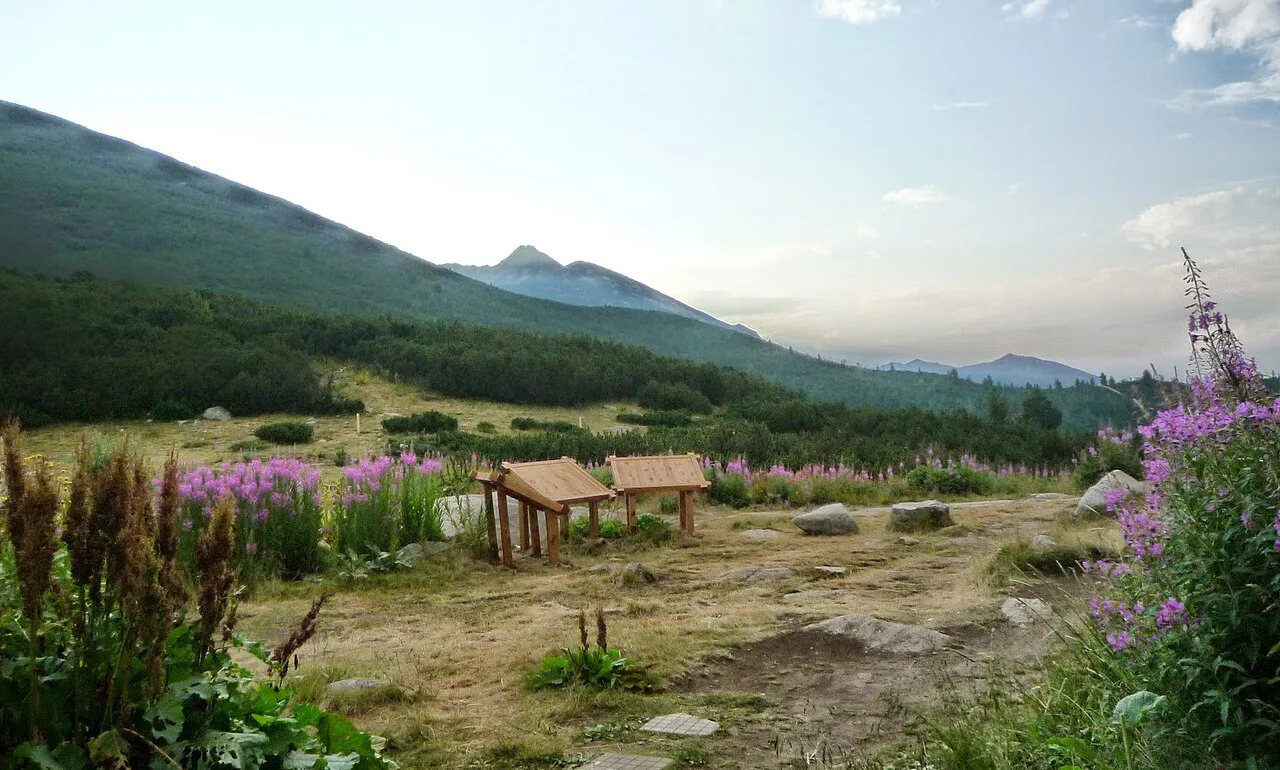
That split is why generic advice misleads. A Sofia itinerary and a Sunny Beach itinerary share a country but rarely share a best month, and a hiker aiming at Pirin National Park should plan around rain and snowmelt rather than sea temperatures.
Spring (April to May)
Spring opens the country up. In Sofia, typical daily averages run around 15°C (59°F) in April and 20°C (68°F) in May, with nights near 5°C (41°F) and 9°C (49°F). May is the wetter of the two months, so build slack into hiking plans around Pirin and Rila rather than committing to a single summit day.
Down on the coast, resorts begin reopening from mid-April and early-season rates are softer than in summer, though the sea stays cold. Inland, the season brings Orthodox Easter and the Day of the Slavonic Alphabet, both movable or fixed by calendar, and Gabrovo's humour carnival in May. If April is your window, our guide to Bulgaria in April covers what is actually running.
Summer (June to August)
Summer is peak season and the most expensive stretch of the year, with Sofia averaging roughly 24°C (76°F) in June and 28°C (83°F) in July, and nights around 13–14°C (55–57°F). June is also one of the wetter months, so early summer can mean hot days interrupted by storms.
The Black Sea coast fills up, and Sunny Beach becomes exactly what its name promises: busy, built-up and party-oriented. If you want beach without the crush, aim for late June or the first half of September, or base yourself in a smaller coastal town and treat the big resort strips as a day out.
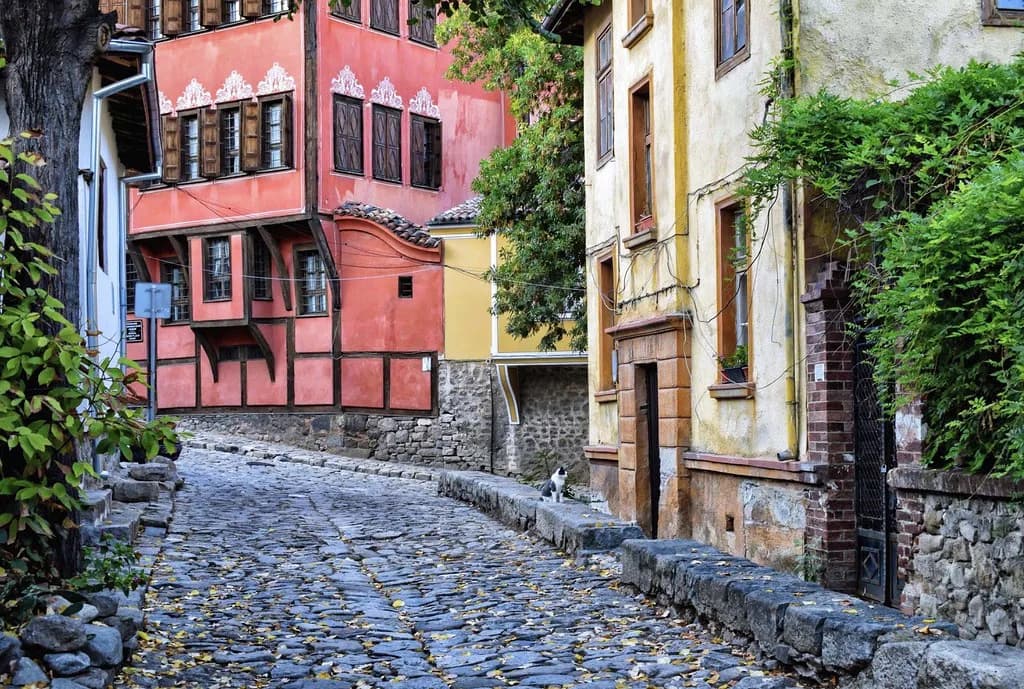
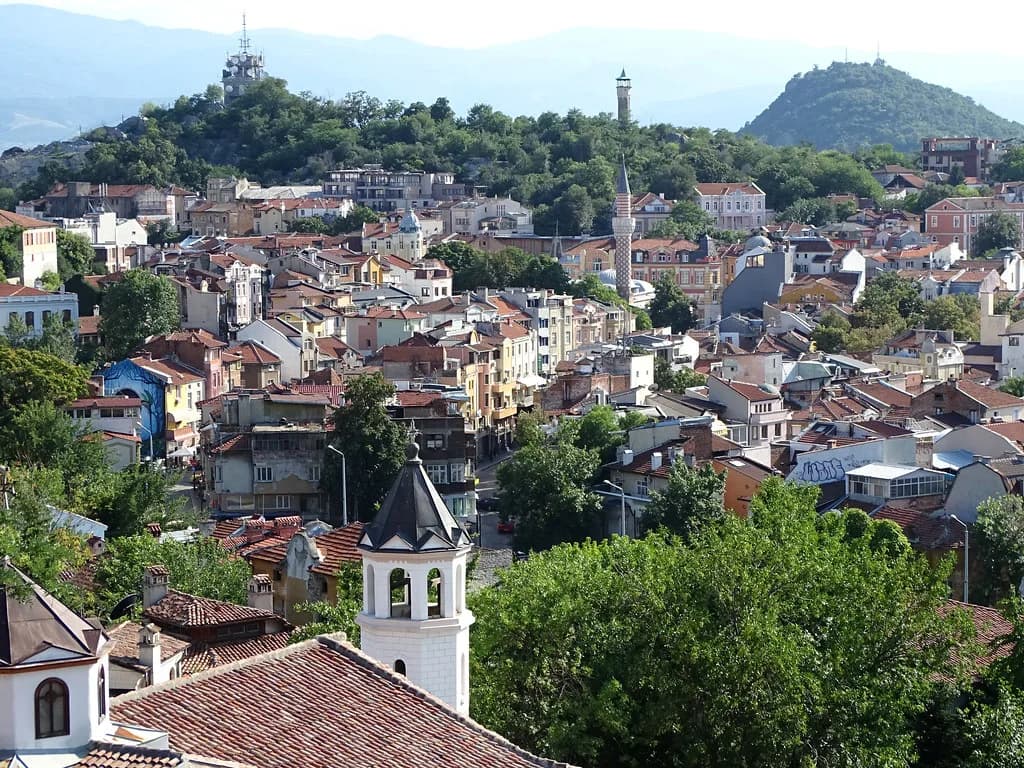
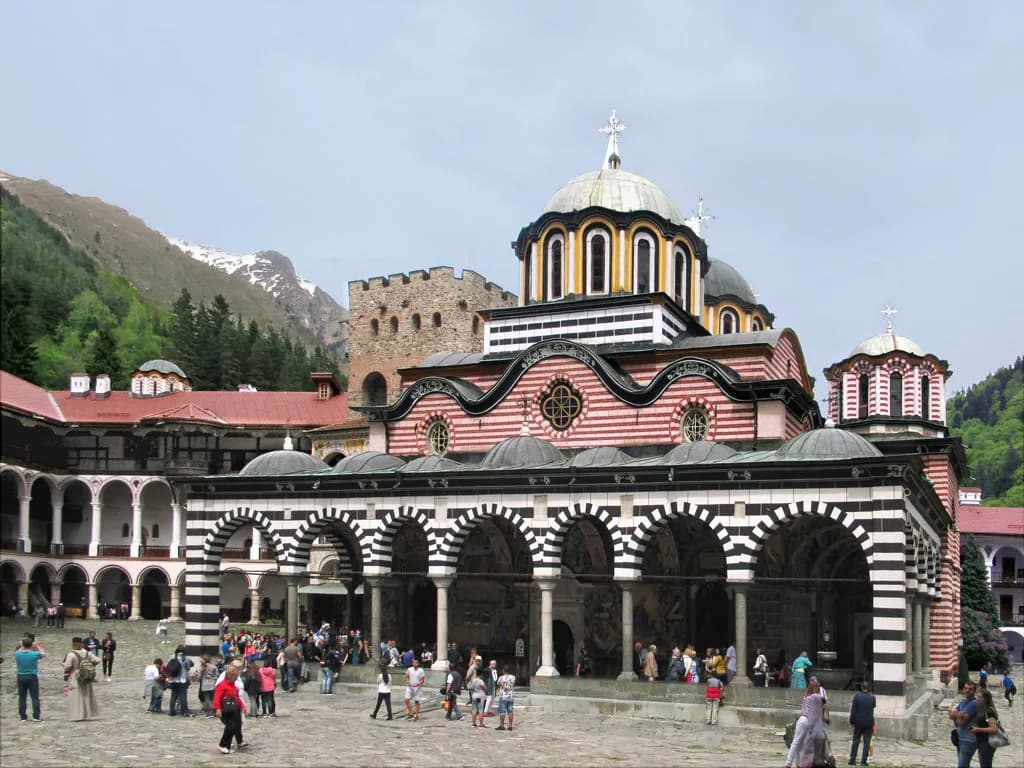
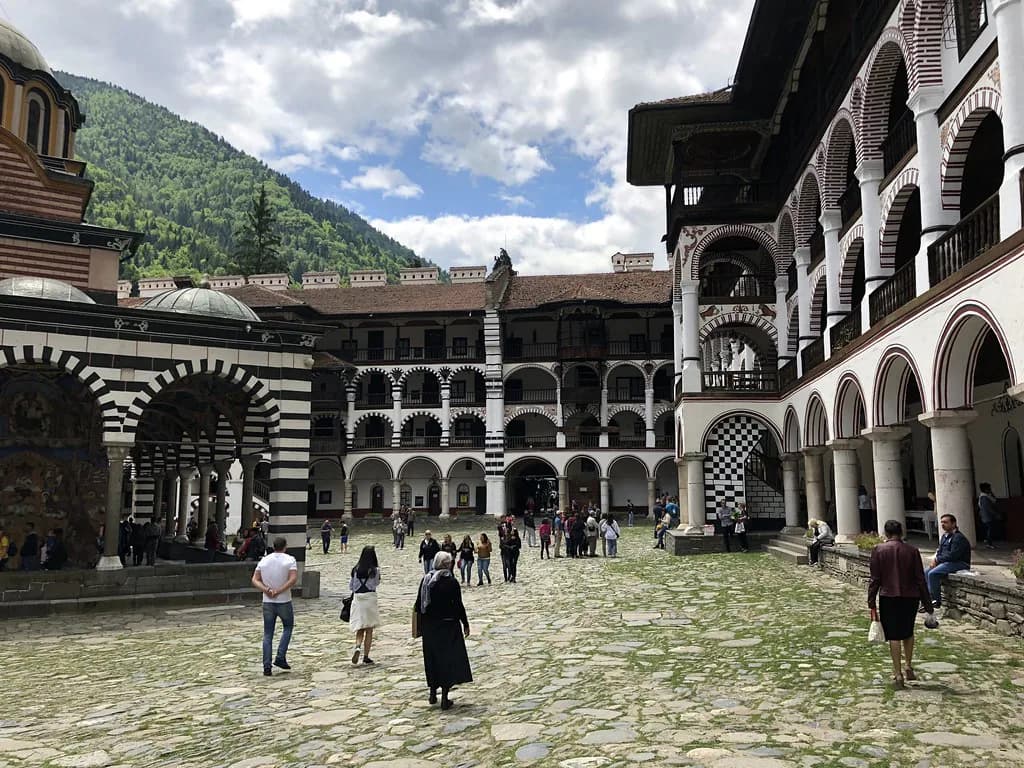
The smarter summer move for many travelers is altitude. Rila, Pirin and Vitosha run noticeably cooler than the plains, and the mountain hut network makes multi-day walking realistic. Summer is also when Rila Monastery, the Kazanlak valley and Plovdiv's old town are fully open and easy to reach.
Autumn (September to October)
Autumn is the connoisseur's pick. September in Sofia averages about 23°C (74°F) by day and 11°C (52°F) at night, dropping to 16°C (61°F) and 6°C (43°F) in October. Early autumn still works for both beach and mountain, while October turns wetter and pushes hikers toward lower routes.
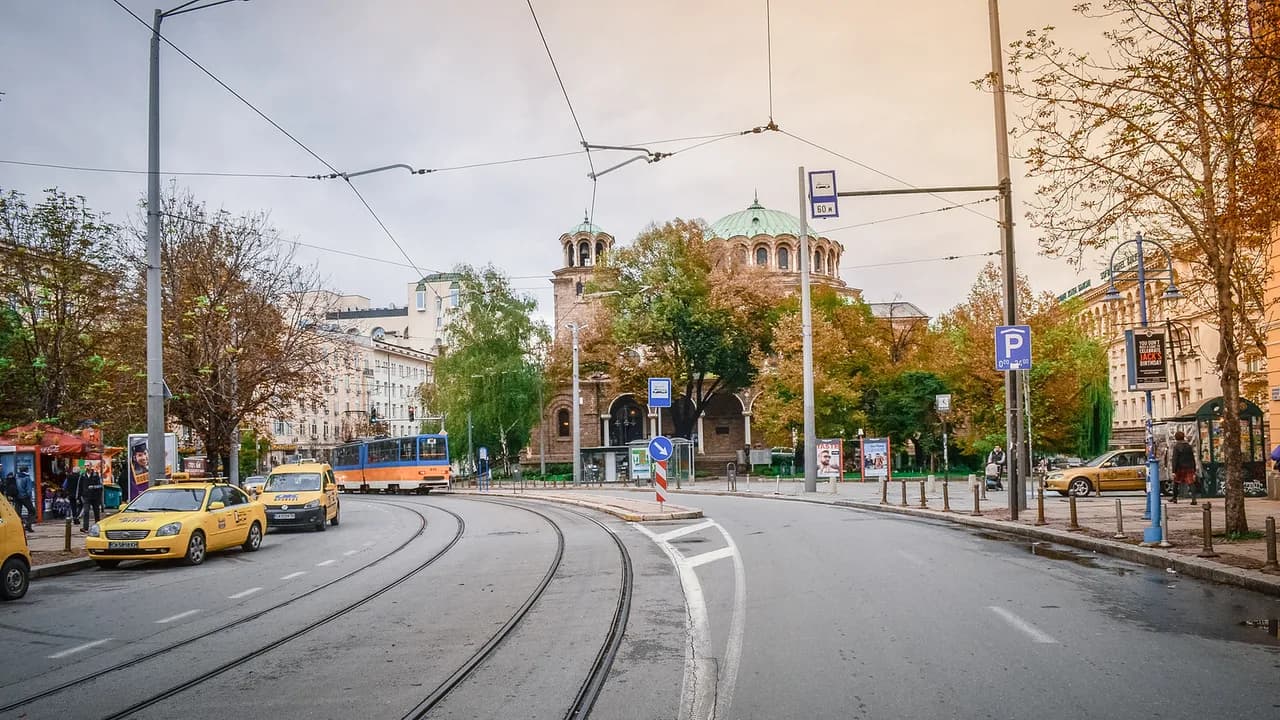
This is the window for cities and culture. Sofia's Alexander Nevsky Cathedral, Plovdiv's old town and the Thracian sites around Kazanlak are all comfortable to walk in September, with far shorter queues than in July. It is also the month to check whether Bulgaria is cheap in practice, because summer pricing has fallen away.
Winter (November to March)
Winter is low season almost everywhere except the ski resorts, and it is genuinely cold: Sofia averages about 2°C (36°F) by day in January and -4°C (25°F) at night. Snow covers much of the country from December, and smaller towns wind down, with some services and sights operating reduced hours or closing for the season.
Bansko and Razlog are the exception, with December to February the reliable window for snow and the busiest stretch for the ski trade. Outside the resorts, winter rewards travelers who want empty monasteries, cheap rooms and stark mountain scenery, and punishes anyone hoping for coastal life or high-altitude walking.
Sofia temperatures by month
Sofia is the handiest reference point for the inland climate. Typical daily highs and overnight lows run roughly 2°C and -4°C (36°F/25°F) in January, 4°C and -3°C (40°F/27°F) in February, 10°C and 1°C (50°F/34°F) in March, 15°C and 5°C (59°F/41°F) in April, 20°C and 9°C (68°F/49°F) in May, 24°C and 13°C (76°F/56°F) in June, 28°C and 14°C (83°F/58°F) in July, 26°C and 14°C (79°F/58°F) in August, 23°C and 11°C (74°F/52°F) in September, 16°C and 6°C (61°F/43°F) in October, 8°C and 1°C (47°F/34°F) in November, and 4°C and -2°C (40°F/29°F) in December.
Treat these as long-run averages, not forecasts, and expect the coast to be milder in winter and the high mountains several degrees colder year-round. Rain is spread fairly evenly, with May, June and October the months most likely to interrupt an outdoor plan.
Black Sea coast timing
The coast works from June through early September, with July and August the warmest water and the heaviest demand. Sunny Beach and the larger resorts are at their most crowded then, so book early or shift a few weeks either side to get the same sea with more room.
Late May and September are the compromise: swimmable for many, cheaper, and quiet enough to walk the promenades. Expect some seasonal businesses to be running limited hours at the edges of the season, and plan coastal days flexibly around wind and rain.
When to go for hiking in Rila, Pirin and Vitosha
High routes at Pirin National Park and Rila are best from late June through September, once snow has cleared from the upper trails. July and August give the most reliable conditions but also afternoon storms, so start early and keep a low-level alternative ready.
September is the hiker's month: stable, cooler, and quieter, with the first snow usually holding off until later in autumn. October is still walkable lower down but wetter, and spring means snow patches and closed upper routes well into May.
When to go for cities and the Rose Festival
Sofia and Plovdiv are at their best in May, June and September, when you can walk the old towns without midsummer heat. The Kazanlak Rose Festival draws visitors in late May and early June to the Valley of Roses, with the exact dates set each year by the organisers.
If you are touring several towns, moving between them is far easier with your own vehicle than by public transport, especially in shoulder season. Our guide to renting a car in Bulgaria covers the practical side, and flying into Sofia Airport puts you within reach of Rila and the western mountains in a couple of hours.
Cheapest months and what cheap really means
November through March, excluding the ski resorts, is the cheapest stretch, with the exception of the Christmas and New Year weeks. Early spring and late autumn are the next best value, because demand drops before the coast and mountains reach full operation.
Cheap cuts both ways: reduced transport frequencies, some sights on shorter hours and a thinner choice of places to eat in small towns. If your trip depends on a specific monastery, museum or mountain hut, look up that operator's own timetable before you commit to a low-season date.
Shoulder-season trade-offs
Shoulder season buys you space and lower rates at the cost of predictability. April and May can bring snowmelt at altitude and rain anywhere; September and October can swing from beach weather to cold drizzle within a trip. Build one flexible day per three, and keep a city or spa option in reserve for the washout.
Transport is the other variable. Mountain buses and rural routes thin out outside summer, and the coast's seasonal services start and stop with the resorts. If your itinerary leans on specific connections, check the timetables with the bus company directly, and consider a car for the mountain stretches where schedules are sparse.
How many days you need by season
In a shoulder-season week, split time between Sofia, Rila Monastery and the mountains, and add Plovdiv if you move fast. In summer, allow ten days to a fortnight to combine the coast with inland sights without spending half the trip on buses. Winter trips compress better: a few days at Bansko or in Sofia is usually enough, since many smaller places slow down.
Who should pick a different month
Beach-first travelers should ignore spring and target July or August, accepting crowds and peak prices for the warmest sea. Skiers should go December to February and skip the shoulder months entirely. Hikers and city-trippers are the real winners in May, June and September, while budget travelers who prioritise low costs over reliable weather will get the most from November to March outside the resorts.
If you are still deciding whether the country fits your travel style, our verdict on whether Bulgaria is worth visiting lays out the case for and against before you commit to dates.
Plan Your Visit
Pick the season before the itinerary: May or September for all-round trips, July or August for warm sea, December to February for skiing at Bansko and Razlog. Then fit Sofia, Plovdiv, Rila and the coast around the weather you have chosen rather than the other way round.
Check current opening arrangements directly with the specific monastery, museum or bus operator you plan to use, since seasonal hours vary by place. That single step is what turns a good month into a workable trip.
Explore more Bulgaria trip-decision guides
Frequently Asked Questions
What is the best month to visit Bulgaria?
May and September are the strongest all-round months, with mild temperatures in Sofia, open mountain trails and thinner crowds than midsummer. Choose July or August if warm sea is the priority, or December to February for skiing at Bansko and Razlog.
Is Bulgaria warm enough to swim in June?
June warms the Black Sea coast and the main resorts open for the season, though the water is cooler than in July and August. If swimming is central to your trip, late July and August give the warmest sea; June suits travelers who prefer fewer crowds and can accept brisker water.
When is ski season in Bulgaria?
The reliable ski window at Bansko and Razlog runs from December to February, when snow cover is most consistent. Outside those months, snow at resort altitude is less dependable, so a ski-focused trip should be built around midwinter rather than the shoulder seasons.
Is May a good time to visit Bulgaria?
May is one of the best months for cities, low-level hiking and early coastal days, with Sofia averaging around 20°C (68°F) by day. It is also one of the wetter months, so keep hiking plans flexible and expect some snow patches on high routes.
What is Bulgaria like in September?
September brings warm days, cooler nights and far fewer visitors than midsummer. Sofia averages roughly 23°C (74°F) by day, the coast is still usable, and the mountains are at their most stable for walking before autumn rain sets in.
When is the cheapest time to visit Bulgaria?
November through March, excluding the Christmas and New Year weeks, is the lowest-demand stretch outside the ski resorts. Expect cheaper rooms but also reduced opening hours in smaller towns and thinner transport schedules, so check anything essential.
When is the best time for hiking in Pirin and Rila?
Late June through September gives the most reliable conditions on high routes in Pirin National Park and Rila, once snow has cleared. September is the pick for stable weather and fewer people, while spring means snowmelt and closed upper trails.
Sources
Trip-decision notes
Optional updates when we publish or revise a destination verdict.
You might also like
Continue reading
More guides you'll find useful