Is Bulgaria Cheap? Honest Daily Budgets and Real 2026 Prices
Bulgaria is the cheapest country in the EU for everyday spending, with lower meal, transport and sight costs than Western Europe. Only two peak seasons bite.
On this page
Yes, Bulgaria is cheap. It has the lowest price level in the European Union, and the euro switch on 1 January 2026 changed the label on the money rather than the value of it. Typical planning bands put a backpacker day at roughly 30–45 euro and a comfortable mid-range day at about 60–100 euro per person.
The savings land hardest on the things that make up a trip: meals, local transport, drinks and admission to sights. Imported goods, electronics and international brands sit much closer to Western European prices, so you feel the value when you live like a local rather than shop like one.
The verdict
Bulgaria suits travelers who want cities, monasteries, mountains and a Black Sea coast without Western European prices, and who are happy to eat in neighborhood grills and ride buses. It suits anyone building a two-week Balkans trip on a tight budget, since a week on the ground can cost less than a single night in Paris or Amsterdam at mid-range.
It is a weaker fit if your idea of a holiday is a big-name beach resort in high summer or a ski week in the school holidays. Sunny Beach in July and August is the most expensive place in the country, and Bansko and Pamporovo charge their top accommodation rates for January and February.
If you are still weighing the country against its neighbors, start with is Bulgaria worth visiting and come back to the numbers here once you have picked a rough route.
How cheap, in one number
Bulgaria had the lowest prices for household consumption in the entire EU in 2024, at 60% of the EU average, cheaper than Romania and Poland and less than half the level of Denmark or Ireland. That single figure explains why daily budgets feel so generous here.
The comparison is not uniform. Restaurant bills, public transport, drinks and attraction tickets are where the gap is widest, while clothing sits at around 79% of the EU average, so you save far less on a new jacket than on lunch. The rule of thumb: cook your spending around local food, local transport and local guesthouses and the country delivers.
A backpacker day: what 30–45 euro buys
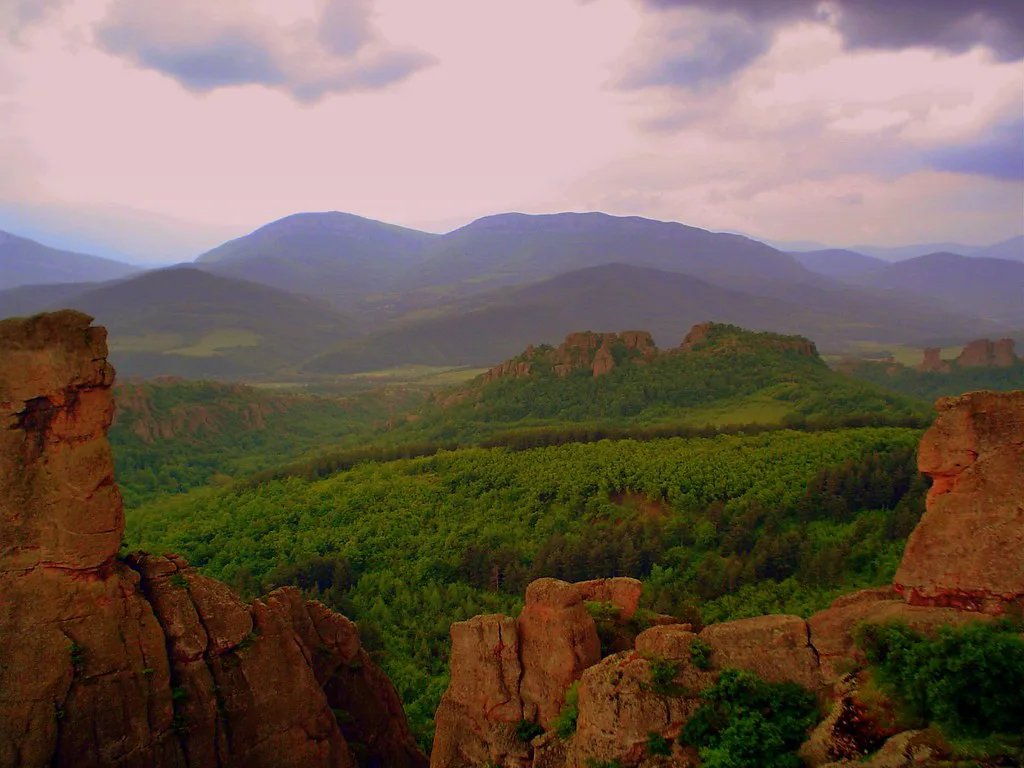
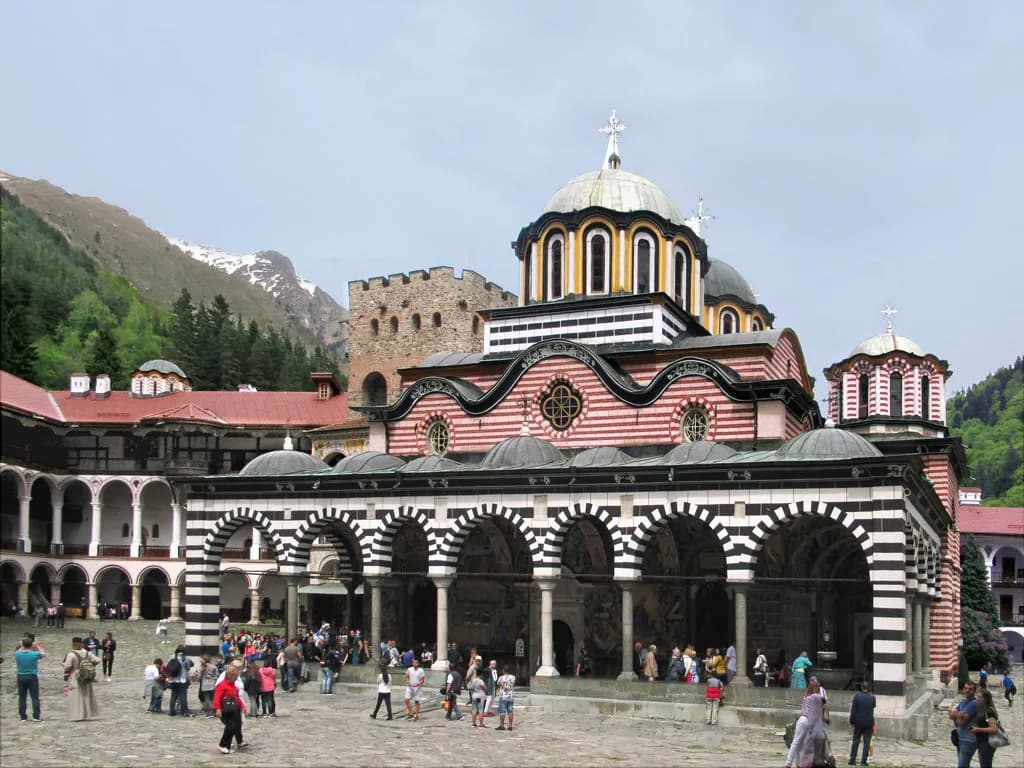
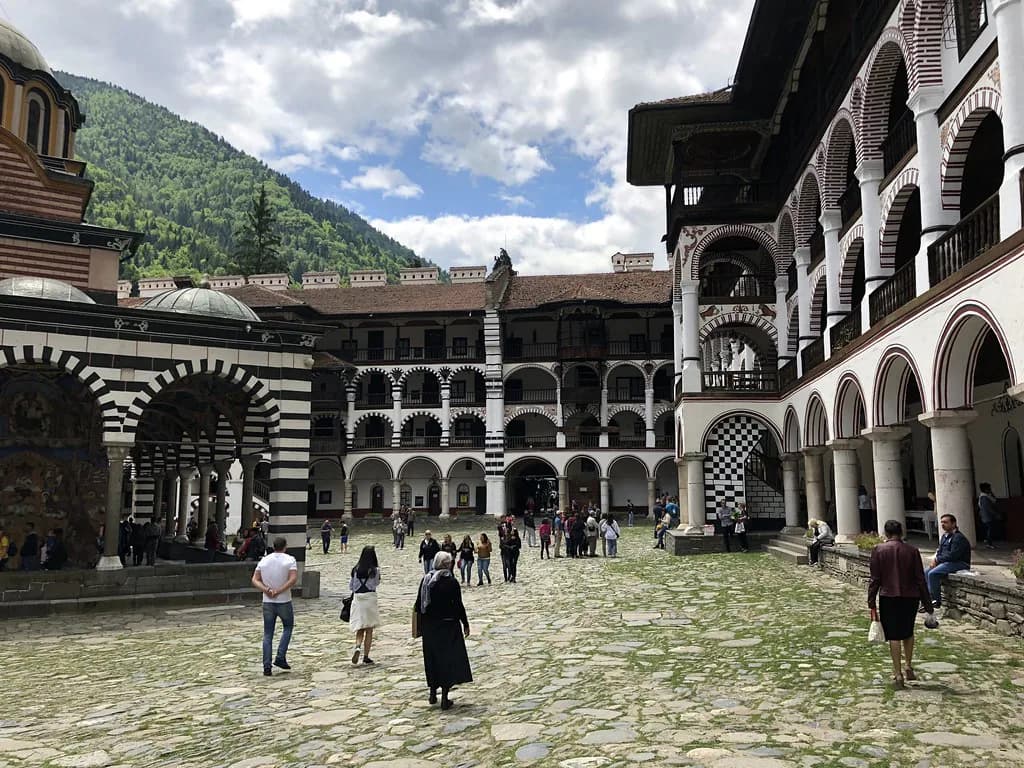
On a shoestring, 30–45 euro a day covers a dorm bed, food from markets and grills, and public transport. A hostel dorm runs about 10–18 euro inland and in shoulder season, and 15–25 euro on the Black Sea coast in season. A takeaway banitsa or a couple of kebapche from a hole-in-the-wall costs a euro or two, and a sit-down lunch of the day runs 6–9 euro. Sights are where the budget stretches furthest. Rila Monastery's courtyard and church are free to enter, and the Alexander Nevsky Cathedral, the St George Rotunda and Sofia's Roman ruins cost nothing. Paid museums typically run 3–8 euro.
A mid-range day: what 60–100 euro buys
Trading the dorm for a hotel, eating in restaurants and taking the occasional taxi still comes to about 60–100 euro per person per day when two people share a room. A mid-range hotel room in Sofia runs roughly 50–90 euro a night, and a three-course dinner for two at a good mid-range restaurant is about 50 euro without drinks. Daily incidentals stay modest: a coffee or a half-litre of draft beer costs 2–3 euro, and a decent bottle of Bulgarian wine from a shop costs a few euro. Even outright luxury such as the best hotel in town, tasting menus and private drivers rarely pushes a day past 150 euro.
What a week on the ground comes to
Rolling the daily figures into a week per person, a shoestring trip comes to a low three-figure sum on the ground, and a mid-range week to a mid-range total. A comfortable-plus week with better hotels and dinner out every night lands noticeably higher. None of these include flights, which for most visitors is the single biggest line in the budget.
Timing moves that total more than any other choice. The gap between a peak-August coast rate and the same room in shoulder season dwarfs anything inflation or the currency switch does, so the best time to visit Bulgaria is fundamentally a budget decision as well as a weather one.
Getting around without blowing the budget
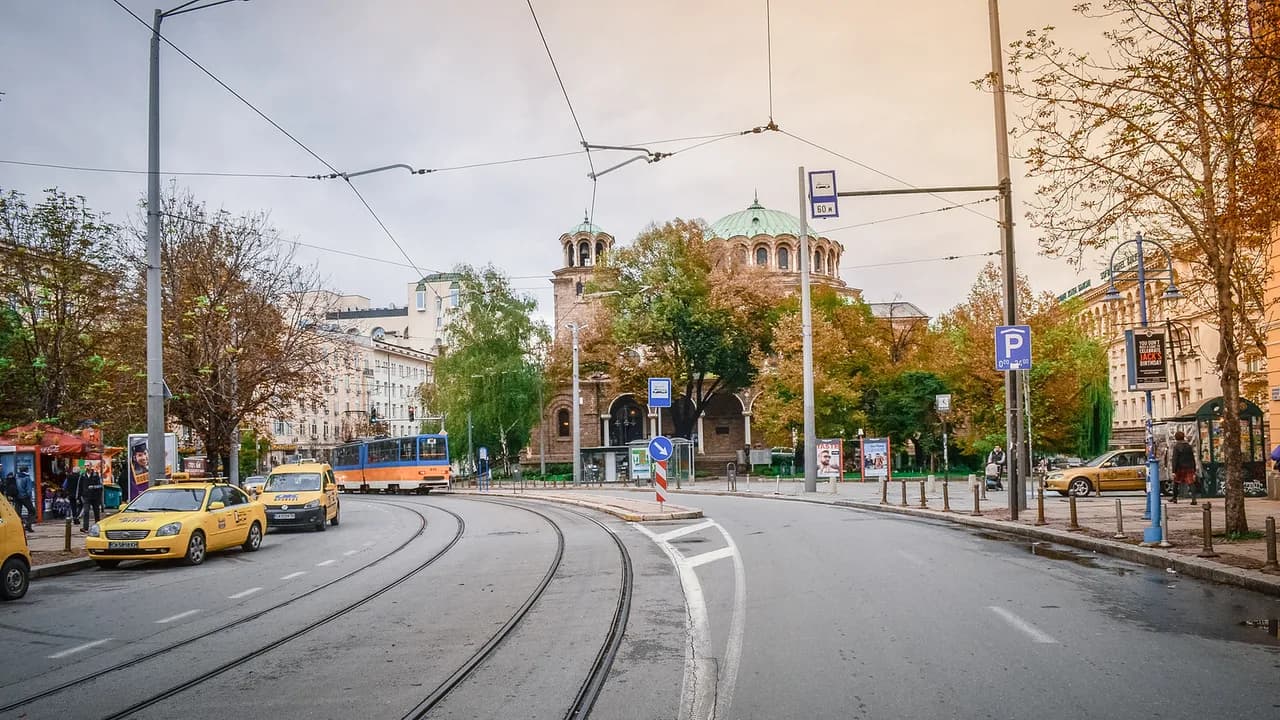
City transport is close to free by EU standards. On Sofia's trams, buses, trolleys and metro, a single ticket costs pocket change and a day pass is only a couple of euros. The metro runs from Terminal 2 at Sofia Airport to Serdika in the center in about 20 minutes on the same ticket, which spares you the taxi rank on arrival. Between cities, intercity buses are the budget backbone: Sofia to Plovdiv takes about two hours and costs a modest amount, and trains are even cheaper but slower. A monthly public transport pass in the big cities averages in the mid-twenties of euro, according to city-by-city cost comparisons.
For rural loops around monasteries, mountains and villages, renting a car and splitting the cost usually beats piecing together buses, provided you budget the deposit and motorway vignette as well as the daily rate.
Where Bulgaria stops being cheap
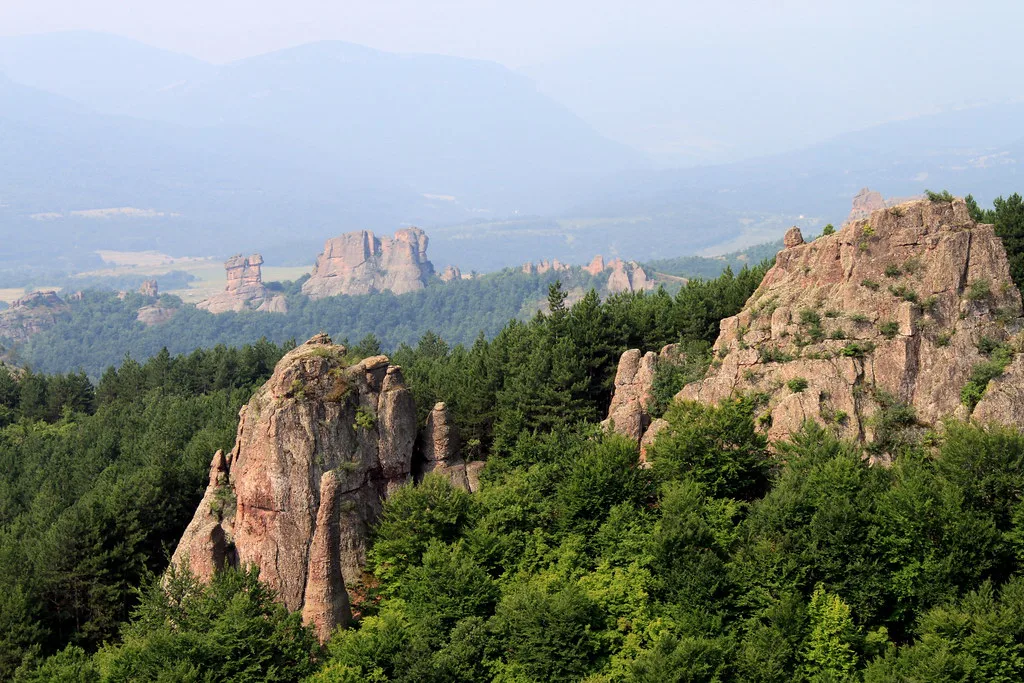
Two situations break the bargain, and both are about when and where rather than the country as a whole. The first is Sunny Beach in mid-July and August, when peak hotel rates and food and drink priced for a captive holiday crowd make it the most expensive place in Bulgaria. Quieter old towns further down the coast, such as Sozopol and Nessebar, cost far less for the same warm sea. If you are weighing a different stretch of this coastline altogether, our Burgas verdict looks at what that coastal city costs and whether it earns a place on the route.
The second is ski season. Bansko and Pamporovo charge their top accommodation rates for the reliable-snow window of January and February, though a whole ski week with lodging, hire and a multi-day pass still costs a fraction of an Alpine one. Late March is cheaper and often still skis well.
Did the euro switch make things more expensive?
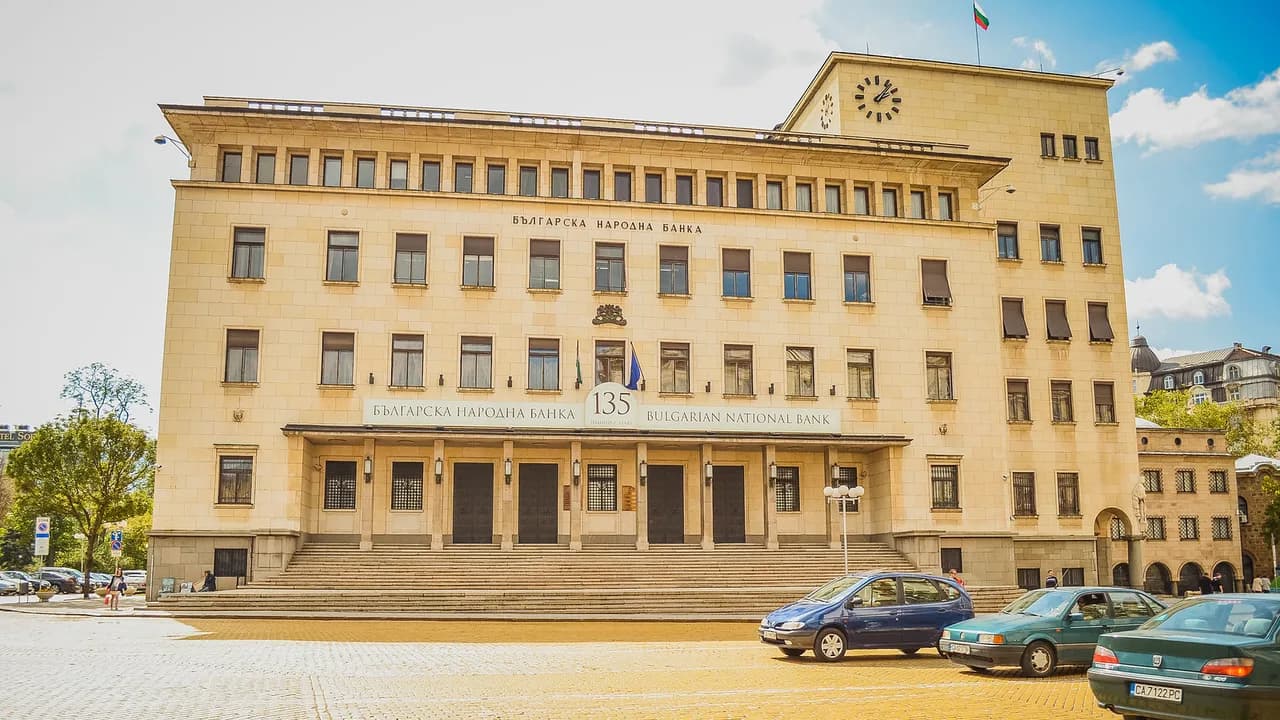
Barely. Bulgaria switched from the lev to the euro on 1 January 2026 at a fixed rate of 1.95583 leva to the euro, and the changeover added only about 0.3–0.4 percentage points to inflation that January, concentrated in a few services such as cafes and haircuts. The country stayed the cheapest in the EU throughout.
One practical consequence for a 2026 trip: the dual-price rule that printed both currencies on every tag and menu ended on 8 August 2026, so you can no longer use a leva line to cross-check what you are being charged. If you remember prices in leva, halving the euro figure gives you roughly the old amount.
Costs compared: Sofia, Plovdiv and the coast
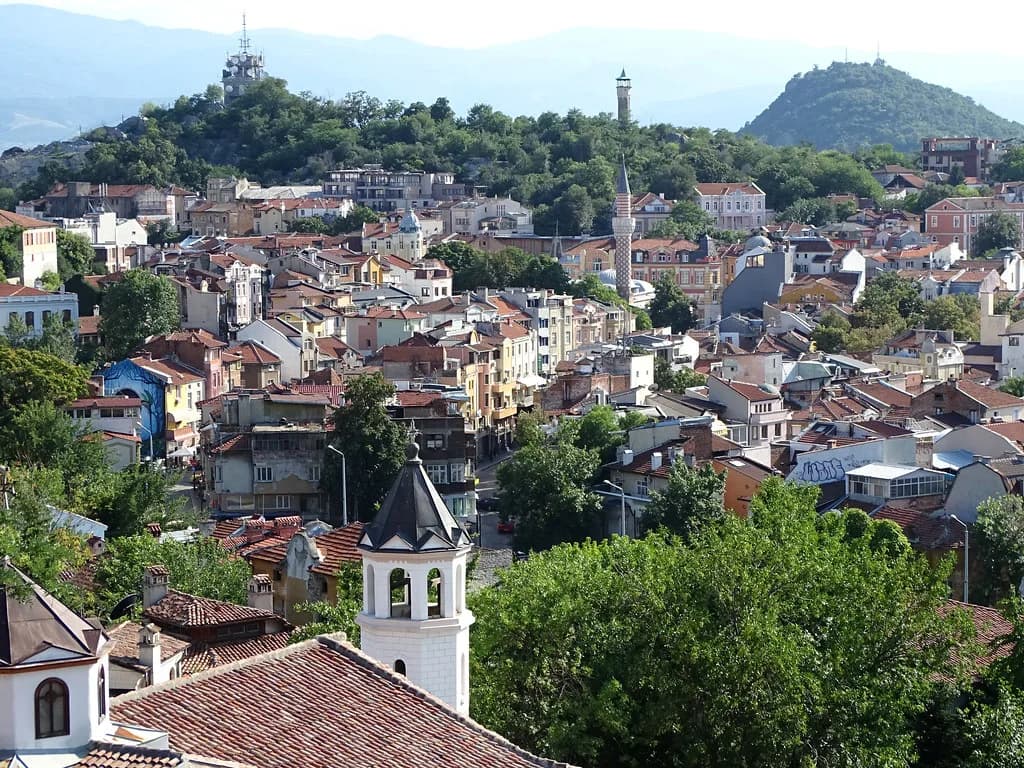
Sofia is the priciest of the three, and still modest by EU standards: a one-bedroom flat in the center averages about 656 euro a month and a mid-range meal for two about 46 euro. Plovdiv is cheaper again, with a one-bedroom flat at roughly 436 euro and a monthly transport pass in the low twenties of euro.
The coast inverts that logic in summer. Sunny Beach in peak season outruns both cities on holiday spending, while Sozopol and Nessebar stay inexpensive outside July and August. If you want a base for a longer stay rather than a beach week, the best places to visit in Bulgaria lays out which towns reward more time.
How to keep costs down without spoiling the trip
Eating where Bulgarians eat is the single biggest lever: markets, bakeries and neighborhood grills rather than menus printed in six languages on the main square. That one change can halve your food spend, and a plate of grilled kebapche from a local grill is a few euro.
Draw cash from bank ATMs rather than the machines in airport arrivals, and always decline the offer to convert to your home currency. For taxis, use app-based or official ranks instead of flagging one blind, since airport touts are the main overcharging risk. OK Supertrans, the biggest Sofia fleet, publishes its daytime meter start and per-kilometre tariff on its own page.
Travel in the shoulder season and book the flight early to whichever gateway is cheapest, whether that is Sofia, Plovdiv or Varna. A cheap fare can reshape the whole budget more than any saving on the ground, and spring and autumn trips such as Bulgaria in April cut accommodation costs for nearly the same experience.
Is Bulgaria cheap? The final answer
Yes. For most travelers it is the best-value trip in Europe: budget a backpacker's daily rate to backpack it and a mid-range daily rate to do it in comfort, and reserve the word expensive for a beach fortnight at Sunny Beach in July and August or a ski week in January and February. Everywhere and every other time, your money goes a long way.
Cities are where the everyday prices show up most clearly: public transport passes and single tickets cost a fraction of Western European fares, and even a city break with a rental car stays affordable.
Explore more Bulgaria trip-decision guides
Frequently Asked Questions
Is Bulgaria a cheap place to visit?
Yes. Bulgaria has the lowest price level in the European Union, and everyday trip costs such as meals, local transport, drinks and attraction tickets are far below Western European levels. Imported goods and international brands are the exception, sitting much closer to the EU average.
How much does a day in Bulgaria cost?
A shoestring day covers a dorm bed, food from markets and grills and public transport on a small daily budget. Moving up to a mid-range hotel room, restaurant meals and the occasional taxi roughly doubles it when two people share a room. Outright luxury stays modest by Western European standards.
Is Bulgaria cheaper than other EU countries?
It is the cheapest. Bulgarian household consumption prices ran at 60% of the EU average in 2024 according to Eurostat, below Romania and Poland and less than half the level of Denmark or Ireland. The following year's comparison kept Bulgaria at the bottom, well below the EU average.
How much is a meal in Bulgaria?
A sit-down lunch of the day is inexpensive, a takeaway banitsa or a couple of kebapche costs a euro or two, and a three-course dinner for two at a good mid-range restaurant stays modest without drinks. Coffee and draft beer are cheap by Western European standards.
Did the euro make Bulgaria more expensive?
Not noticeably. The switch from the lev on 1 January 2026 at 1.95583 leva to the euro added only about 0.3–0.4 percentage points to inflation in January, mainly in services such as cafes and haircuts, and Bulgaria remained the cheapest country in the EU. The dual-price rule that showed both currencies ended on 8 August 2026.
Where in Bulgaria is it not cheap?
Sunny Beach in mid-July and August, when peak hotel rates and holiday-crowd pricing make it the country's most expensive spot. Ski resorts such as Bansko and Pamporovo also charge top accommodation rates in January and February. Quieter coast towns like Sozopol and Nessebar cost far less for the same warm sea.
How much should I budget for a week in Bulgaria?
On the ground, a shoestring week costs a fraction of a mid-range week, which in turn sits well below a comfortable-plus week with better hotels and dinner out nightly. Flights are not included and are usually the largest single cost, so a cheap fare into Sofia, Plovdiv or Varna matters more than distance.
Is Sofia or Plovdiv cheaper?
Plovdiv is cheaper on most everyday measures. Rents and monthly transport passes both run lower there than in the capital, and the gap between the two cities is wide enough to notice over a longer stay. Both remain well below Western European city costs.
Sources
Trip-decision notes
Optional updates when we publish or revise a destination verdict.
You might also like
Continue reading
More guides you'll find useful