Getting Around Bulgaria: Buses, Trains, Cars and Flights
How to get around Bulgaria: fast intercity buses, cheap but slow trains, Sofia's metro, rental cars and vignettes, airport transfers and when to fly instead.
On this page
For most trips around Bulgaria, the bus wins: coaches link Sofia, Plovdiv, Varna, Burgas and Veliko Tarnovo several times a day and cover the main corridors faster than the train. Trains are cheaper and more scenic but materially slower, and a rental car only makes sense once your plan includes the Rila Mountains, the Balkan Mountains or monasteries scattered away from rail lines.
The country is compact enough that you can base yourself in two or three cities and still see a lot, but the distances are not trivial: Sofia to Varna is a long haul by any mode. If you are still deciding whether the country earns a slot in your itinerary, start with whether Bulgaria is worth visiting and then match the transport to the shape of the trip you want.
The verdict: buses first, trains for scenery, cars for mountains
Choose buses for point-to-point travel between cities, because they are frequent and generally the fastest surface option on the main routes. Choose trains when the fare matters more than an hour or two of your day and you want the slower, older-school experience of Bulgarian State Railways. Choose a car only when your list includes places that buses reach awkwardly or not at all, such as trailheads in the Rila Mountains and remote monasteries.
The trade-off is real on the busiest routes. Public transport across the country is inexpensive, but buses are usually quicker between major towns while trains stay punctual and cheap on the same corridors, so the choice comes down to time versus money.
Bulgaria's transport map in brief
Sofia is the hub for almost everything: the main bus station and central railway station sit close together, and the airport connects to the center by metro. From there, the corridors that matter for visitors run east to Plovdiv and on to Burgas and the Black Sea coast, north to Veliko Tarnovo, and northeast to Varna. Mountain access fans out from Sofia toward the Rila Mountains and from towns like Apriltsi into the Central Balkan range.
That shape means you rarely need a car for a city-and-coast itinerary, and you almost always want one for a mountains-and-monasteries itinerary. Plan the order of your stops around Sofia rather than zigzagging, and the transport problem mostly solves itself.
Intercity buses: the default choice
Coaches connect nearly every city and town, with multiple operators running out of Sofia Central Bus Station. On the most-traveled corridor, a Sofia–Plovdiv ticket runs about 20–25 BGN for a journey of roughly 1.5–2 hours, while Sofia to Varna or Burgas takes 4–6 hours and costs around 35–50 BGN depending on company and departure time.
Elsewhere the pattern holds: a Sofia–Varna bus costs around 20 EUR and takes about seven hours, and Varna–Plovdiv is in the 16–25 EUR range for a similar seven-hour ride. Sofia to Veliko Tarnovo should not cost more than 13–20 EUR and takes about three hours by bus, which is the fastest way to reach the old capital.
Practical friction is modest but worth knowing. Buy intercity tickets at the bus station at least an hour ahead on popular routes, or from the driver on rural services, and expect air conditioning and Wi-Fi as standard on many long-distance coaches.
Trains with Bulgarian State Railways: cheaper, slower, scenic
Bulgarian State Railways, known as BDZ, reaches most towns, keeps low fares and runs on time, and express and rapid services are the ones to book on main lines rather than the slow stopping trains. Long-distance and overnight trains have reasonably priced couchettes and sleepers, and expresses and many rapid trains require a seat reservation on top of your ticket.
The price advantage is clearest where the bus is fastest. Sofia to Veliko Tarnovo costs just 8–15 EUR by train but takes a little over four and a half hours against roughly three by bus, and Sofia–Plovdiv by second-class rail runs about 15–20 BGN over 2.5–3 hours. If you value the journey itself, the train is the better deal; if you value the afternoon, take the coach.
Booking has a quirk that catches people out. Station ticket offices sell tickets for the day of travel only, so on weekends and in summer buy in advance from a railway booking office if you want a seat, and specify a non-smoking carriage when you book.
Sofia public transport: metro, trams and trolleybuses
Sofia's metro is the backbone of the city system, with four lines linking neighborhoods, business districts and the airport. A single ride costs about 1.60 BGN, and tickets come from machines and kiosks or increasingly straight from a contactless bank card at the gates, which is the easiest option if you have just landed.
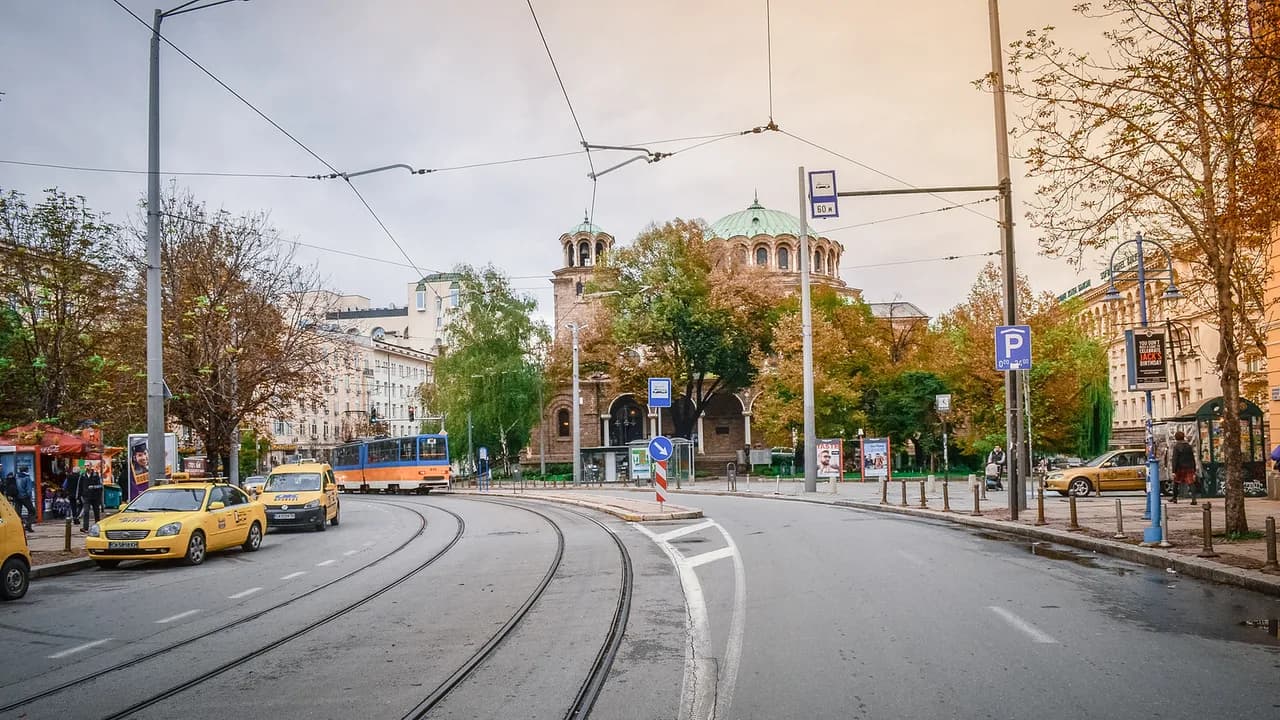
Trams and trolleybuses fill the gaps the metro leaves, priced similarly, and day or multi-day passes cut the cost if you plan several rides. Fares across the system are typically under 2 BGN, making city transport a rounding error in a Bulgarian budget.
Plovdiv, Varna and Burgas without a car
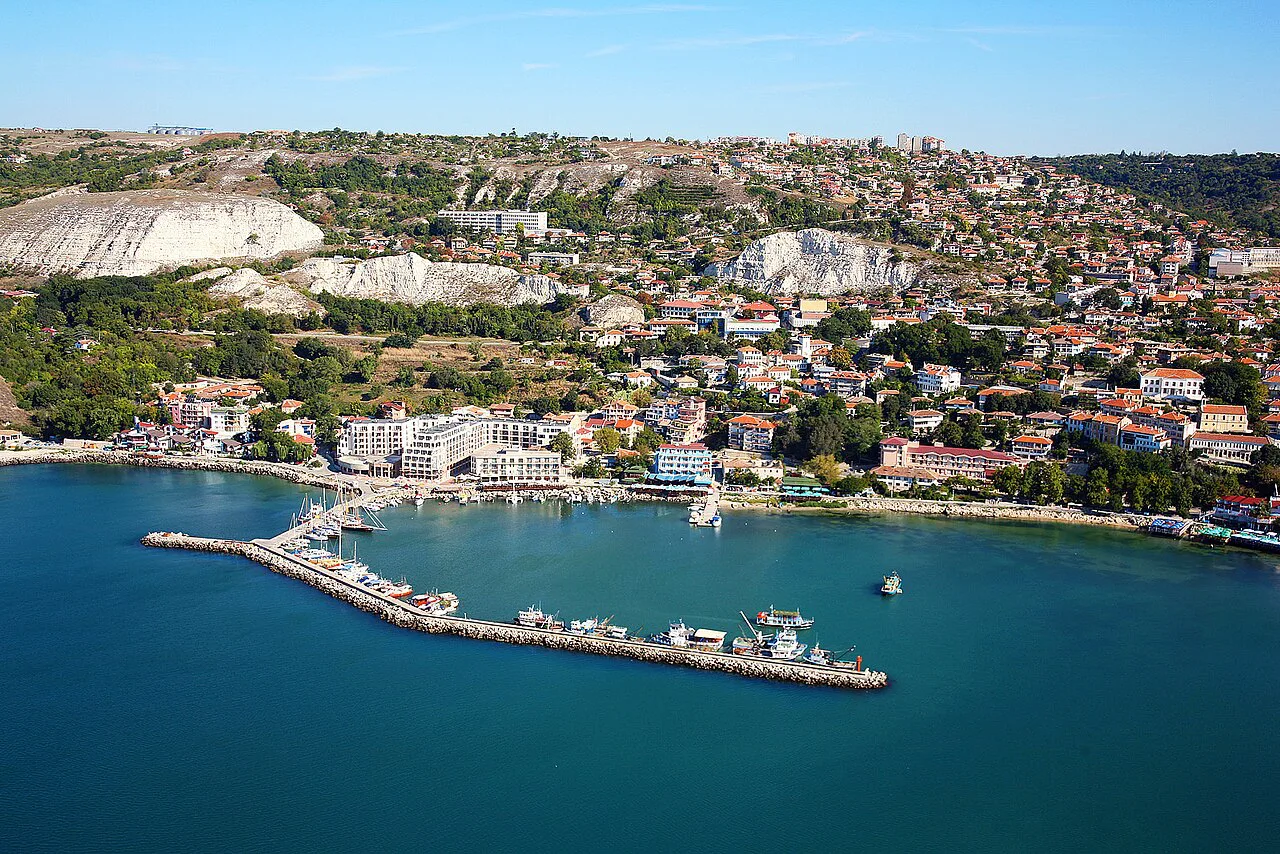
In Plovdiv, Varna and Burgas, city buses form the main network, with typical urban fares around 1.50–2.00 BGN per ride. Historic centers and seaside promenades are walkable, so you can usually treat public transport as a backup for the edge of town rather than a daily necessity.
Varna and Burgas both work as bases for the coast without a car, since intercity coaches connect them to Sofia and to each other. If your plan is largely beach time with a couple of city days, the bus network plus walking covers it and a rental adds cost without adding much. For the southern end of that stretch, read our Burgas trip guide before you commit to beach days there.
Airport transfers in Sofia, Varna, Burgas and Plovdiv
Sofia Airport is the main gateway, and Terminal 2 connects directly to the M4 metro line, reaching Serdika in central Sofia in about 20–25 minutes for 1.60 BGN per ticket. Local buses 84 and 184 also run to the center roughly every 15–30 minutes during the day for around 1.60–2.00 BGN.
At Varna and Burgas, public buses link the airport with the city center and main bus stations for roughly 2–3 BGN, while taxis to central hotels typically run 20–35 BGN. Plovdiv Airport has limited public transport, so a pre-booked transfer or taxi at 25–40 BGN into town is the practical choice.
Taxis and ride-hailing: meters, tariffs and the airport trap
Metered taxis are easy to find in Sofia, Plovdiv, Varna and Burgas, with tariffs starting around 1.00–1.50 BGN plus 1.00–1.50 BGN per kilometer in the daytime; a 5 km ride in central Sofia might cost 8–12 BGN depending on traffic. Ride-hailing apps including Bolt operate in the bigger cities, often at slightly lower prices with an upfront fare.
The airport is where people get caught. Official taxis display company names and prices on the windows, and you should avoid unmarked cars or drivers approaching you inside the terminal and confirm the meter is running before you set off.
Domestic flights: when flying beats the bus
Domestic routes are limited, which makes flying inconvenient for most itineraries, but it is affordable where it exists. A one-way Sofia–Varna ticket costs about 90–110 EUR and Sofia–Burgas about 100 EUR, so unless you are pressed for time the bus or train is the better use of money.
The calculus is simple: a flight saves most of a day relative to the seven-hour coach from Sofia to Varna, and costs several times as much. On a short trip with a fixed Black Sea booking, that trade can be worth it; on a two-week loop, it usually is not.
Driving in Bulgaria: rentals, vignettes and road rules
Driving is very doable for visitors comfortable with European roads and opens up mountains, monasteries and wine regions, but road conditions vary and a cautious style pays off. Compact rentals typically start around 60–90 BGN per day depending on season and insurance, you drive on the right, and seat belts are mandatory for everyone in the car.
Most highways and major roads require an electronic vignette for vehicles under 3.5 tonnes. Rental contracts often include it, but confirm with the agency and check the validity period, because fines for driving without one can be substantial. Posted limits are generally 50 km/h in cities, 90 km/h on open roads and 140 km/h on motorways, and the blood alcohol limit is 0.05%.
An International Driving Permit is worth carrying if your license is not in Latin script, since some rental companies ask for one regardless. Keep digital copies of your documents and expect potholes, narrow village roads and the occasional animal on rural routes.
Buses versus trains versus cars: a verdict by traveler type
City-hoppers doing Sofia, Plovdiv, Veliko Tarnovo and the coast should go bus-first and skip the car entirely; the coach network is fast and cheap and parking in the cities is a distraction. Budget travelers with time to spare should take the train on the Sofia–Plovdiv and Sofia–Veliko Tarnovo corridors, where the savings are clear and the scenery is the point.
Hikers, photographers and anyone with Rila Monastery or the Central Balkan range high on the list should rent a car for those days and use buses for the rest. Families with beach plans are usually best served by flying into Varna or Burgas and staying put, since the coast itself is compact.
Mountains and monasteries without a car
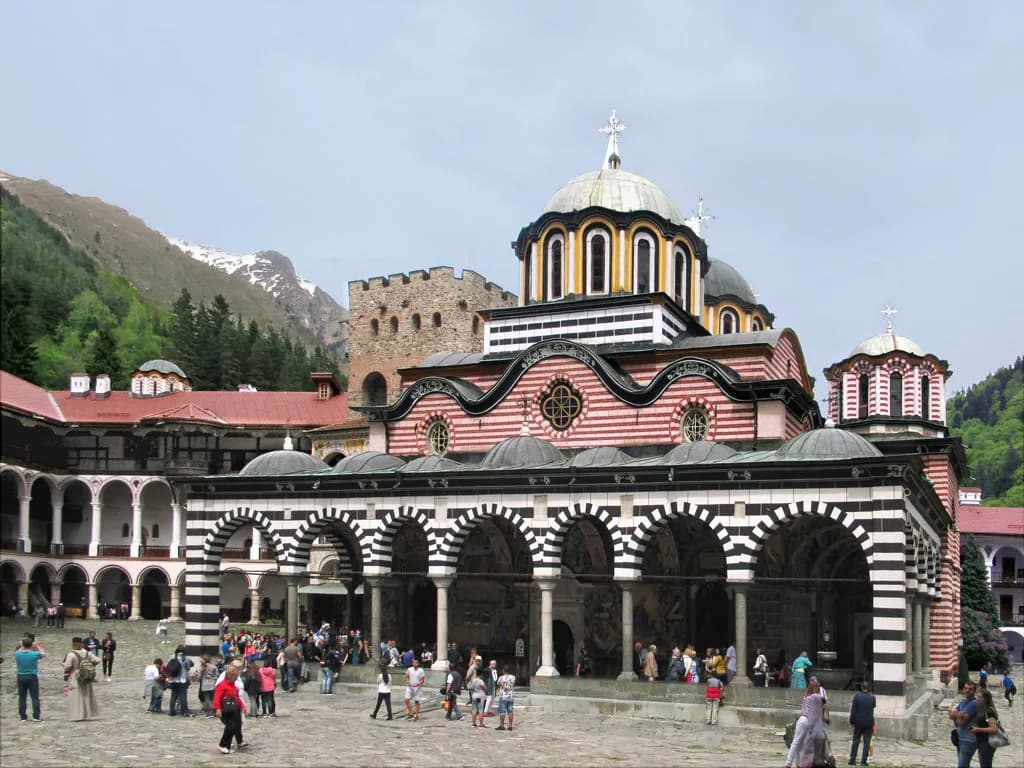
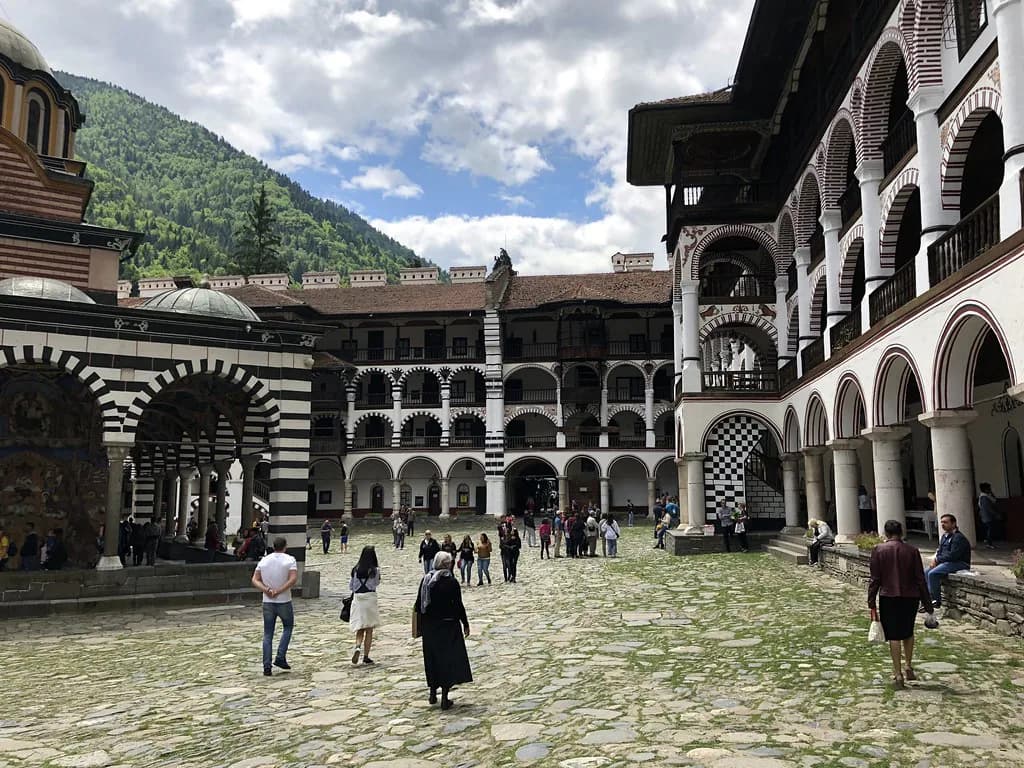
Rila Monastery is the classic case: it takes about two hours by car from Sofia, and without a vehicle the practical option is a guided day tour from the capital rather than stringing together rural buses. The same logic applies to trailheads in the Rila Mountains and the Central Balkan range, where services thin out away from the main roads.
If you would rather not drive, build your trip around towns that sit on bus and rail lines and book organized excursions for the dispersed sights. That keeps costs predictable and avoids the paperwork that comes with a rental.
Common mistakes that slow Bulgaria trips down
The most common error is assuming the train will be faster because it is cheaper, then losing an afternoon on a route the bus covers in three hours. The second is buying a rail ticket on the day at a station counter during summer weekends, when advance booking from a city booking office is the only reliable way to get a seat.
The third is renting a car for a city itinerary and then discovering that parking and the vignette add friction without adding freedom. Match the mode to the shape of the trip, and Bulgaria moves easily.
Plan Your Trip
Build your Bulgarian itinerary around the bus network first, add trains where the fare matters more than the hour, and reserve a car for the mountain days. That combination keeps costs low and still gets you to the places that make the country worth the trip.
Before you lock dates, weigh transport against season and budget, and check the official Bulgarian government travel page for entry formalities. For a broader gut check on whether the country fits your travel style, our Bulgaria verdict lays out who loves it and who should look elsewhere.
Explore more Bulgaria trip-decision guides
Frequently Asked Questions
Is it better to travel around Bulgaria by bus or train?
Buses are usually the better choice for point-to-point travel between major cities because they are faster and frequent. Trains are cheaper and more scenic, which makes them a good fit if you have time to spare; the Sofia to Veliko Tarnovo route is the clearest example, where rail saves money but adds well over an hour.
Do I need a car to visit Bulgaria?
No for a city and coast itinerary, yes for a mountains and monasteries one. Sofia, Plovdiv, Varna, Burgas and Veliko Tarnovo are all well connected by coach, but trailheads in the Rila and Balkan ranges and dispersed monasteries are far easier with your own vehicle or an organized day tour.
How do I get from Sofia Airport to the city center?
The metro is the simplest option: Terminal 2 connects to the M4 line and reaches Serdika in central Sofia in roughly 20 to 25 minutes. Local buses also run to the center, and licensed taxis are available at the terminal desks if you prefer door-to-door.
How much does a bus from Sofia to Plovdiv cost?
Expect a modest fare on a journey of roughly 1.5 to 2 hours, with several departures a day from Sofia Central Bus Station. Fares change, so compare operators when you buy at the station or book online.
Do I need a vignette to drive in Bulgaria?
Most highways and major roads require an electronic vignette for vehicles under 3.5 tonnes. Rental contracts often include one; check with the agency that it covers your trip and note the validity period, as fines for driving without one can be substantial.
Are there domestic flights in Bulgaria?
Yes, but the network is limited, mainly Sofia to Varna and Sofia to Burgas. Flights save time on long hauls but cost several times a bus ticket, so they only pay off on a short trip with a fixed coastal booking.
How do I get to Rila Monastery without a car?
A guided day tour from Sofia is the practical option, since the monastery is about two hours away by road and rural bus connections are awkward. Travelers with a rental car can drive it themselves and combine it with hikes in the surrounding mountains.
Is Bulgaria easy to get around for first-time visitors?
Yes, provided you plan around the bus network and treat trains as the slower, cheaper alternative. City transport is inexpensive and walkable in the historic centers, and taxis and ride-hailing cover the gaps.
Sources
Trip-decision notes
Optional updates when we publish or revise a destination verdict.
You might also like
Continue reading
More guides you'll find useful