Do They Speak English in Bulgaria? Travel Guide
English works well in Sofia, Plovdiv and Black Sea resorts, but thins out in villages. Here is where English holds up and where Bulgarian helps.
On this page
Yes, you can travel Bulgaria on English alone, as long as you stay realistic about where. In Sofia, Plovdiv, Varna, Burgas and the larger Black Sea resorts, hotel desks, tour guides, museum ticket counters and restaurant staff in busy areas usually switch to English without drama. The picture changes in villages, small inland towns and among older Bulgarians, where English often stops at a greeting and you need Bulgarian or a translation app.
The verdict
For a normal one- to two-week trip, English is sufficient: you will handle check-in, menus, tickets and directions, and English-language signage appears in airports and major sights. Bulgaria ranks 18th globally in the EF English Proficiency Index with a score of 594, which EF classes as high proficiency across the country as a whole. That national number is a useful signal, but it averages cities and countryside together, so plan by place rather than by country.
The honest caveat is that an index score tells you how well people test, not who is standing behind the counter when you arrive. A pharmacy assistant in a Sofia neighborhood and a guesthouse owner in a mountain village are not the same bet, even though both live in the same country. Treat English as your default in cities and tourist areas, and as a bonus everywhere else.
How well Bulgarians speak English: the EF proficiency picture
EF's country profile gives Bulgaria a score of 594 against a global average of 488, placing it in the top twenty countries measured. The same profile shows a wide gap between skills: reading scores 613 and listening 594, while writing drops to 534 and speaking to 501. In practice that means Bulgarians who speak English often read it far better than they speak it, so a written question or a menu in English may work when a spoken exchange stalls.
The city split matters more for trip planning. EF scores Sofia at 616 and Varna at 553, so the capital sits noticeably above the coast's biggest city. If you are weighing where to base yourself and how much language friction you can tolerate, the capital is the easier landing. If the coast still appeals, read our Varna verdict before committing to a seaside base.
Where English is common: Sofia, Plovdiv, Varna and the Black Sea resorts
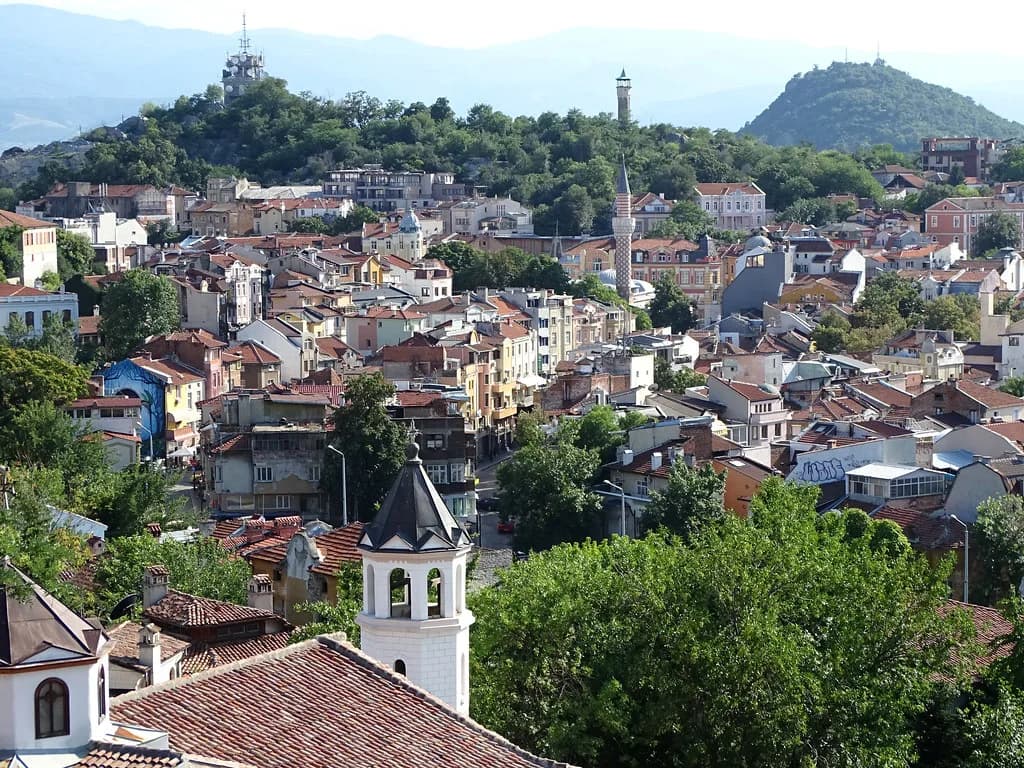
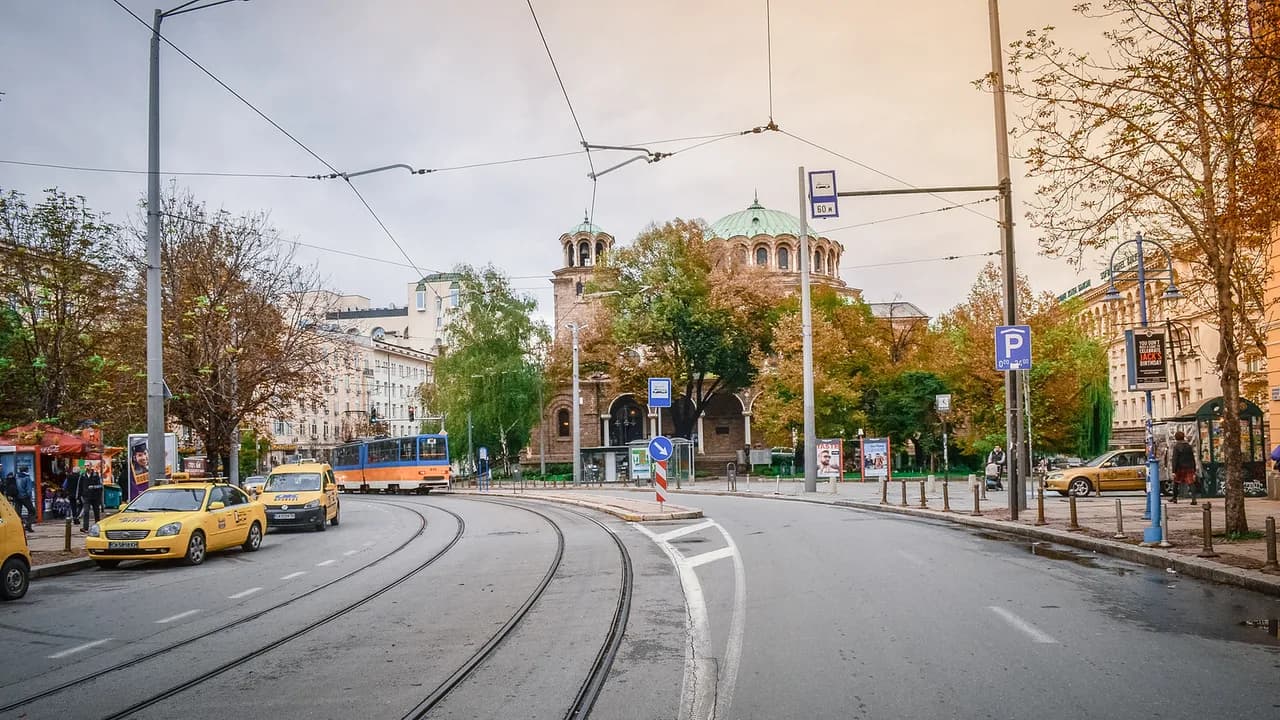
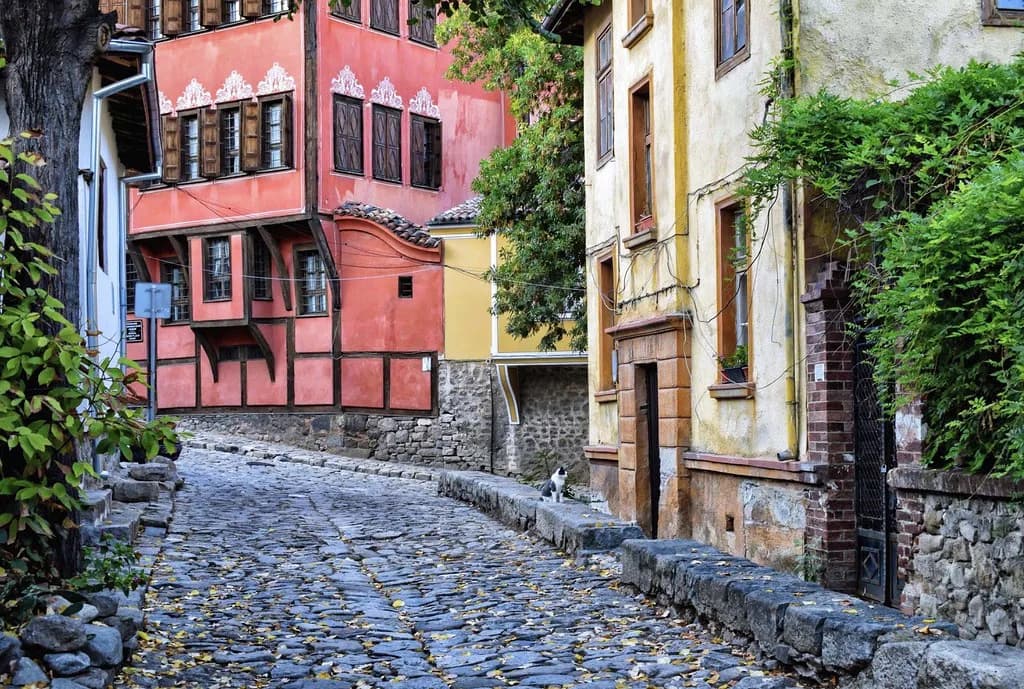
Sofia is the safest bet. Museums, the Alexander Nevsky Cathedral area, central cafés and the metro all cater to foreign visitors, and younger staff in the center routinely work in English. Plovdiv's Kapana district and old town run on tourism and international festivals, so English holds up in bars, galleries and guesthouses. On the coast, Sunny Beach, Nessebar and the big resort hotels in Varna and Burgas operate in English, German and Russian as a matter of routine.
Guided day trips, wine tastings, hiking transfers to the Rila and Pirin mountains and car pickups are usually arranged in English, since operators sell to foreigners. If you plan to drive yourself, the practical language questions cluster around rental paperwork and roadside assistance more than daily conversation, which is worth reading up on before you commit to renting a car in Bulgaria.
Where English thins out: villages, small towns and older residents
Step off the resort strip and the language shifts. In villages, small inland towns and family-run guesthouses, the owner may be fluent in Russian or German and shaky in English, and the person serving you may be a grandparent rather than a student. Markets, bus station counters and rural petrol stations are where travelers most often resort to pointing, numbers written on paper or a phone screen.
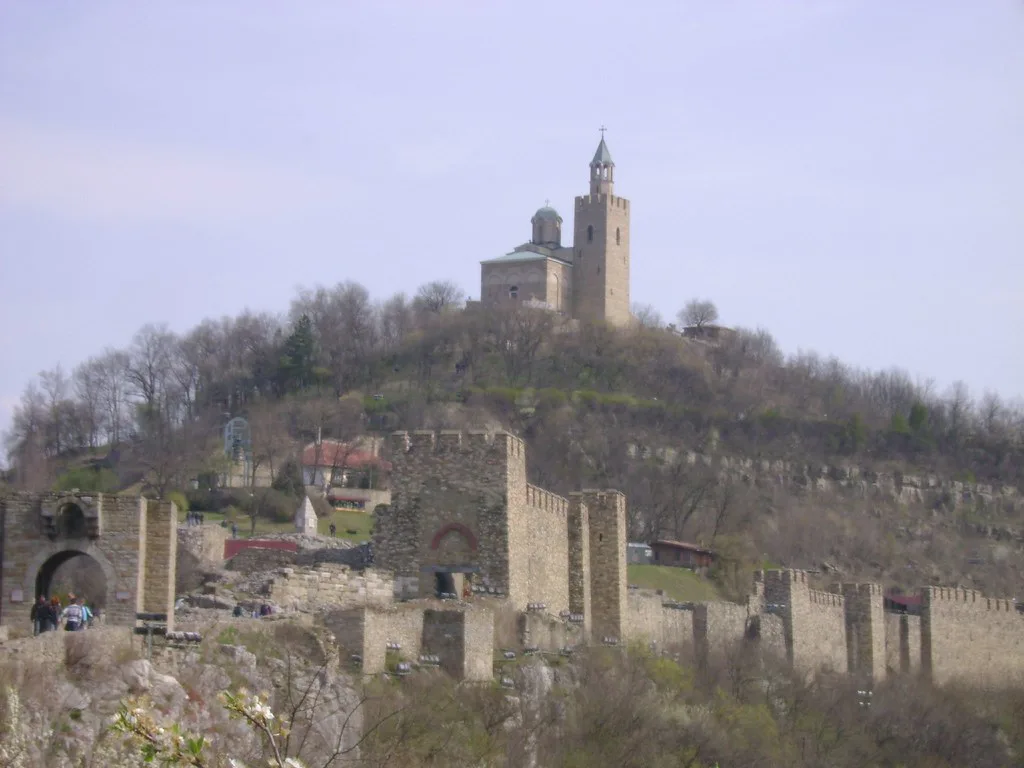
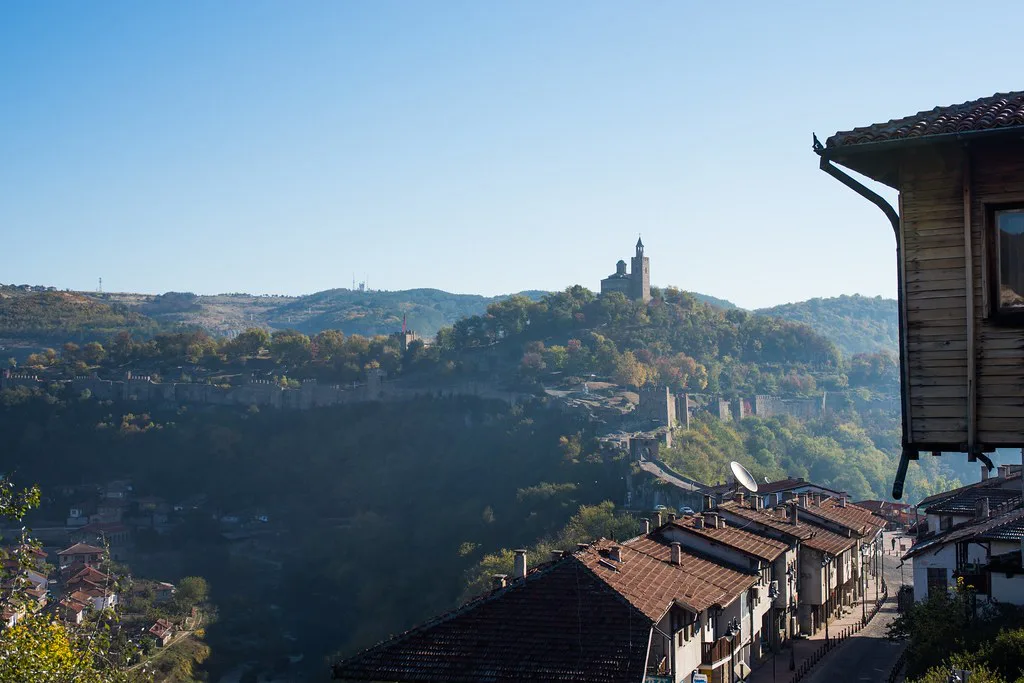
Outside the big cities and resorts, Bulgaria rewards a slower, more self-sufficient approach: know the Cyrillic name of your destination, keep your accommodation address saved offline and download an offline Bulgarian language pack. Veliko Tarnovo is a good example of a heavily visited town that still feels local once you leave the main street, and it is worth planning a stop there on any loop through the country; our guide to Bulgaria in April covers how that season changes the experience.
The language itself: Bulgarian, Cyrillic script and what it means for reading signs
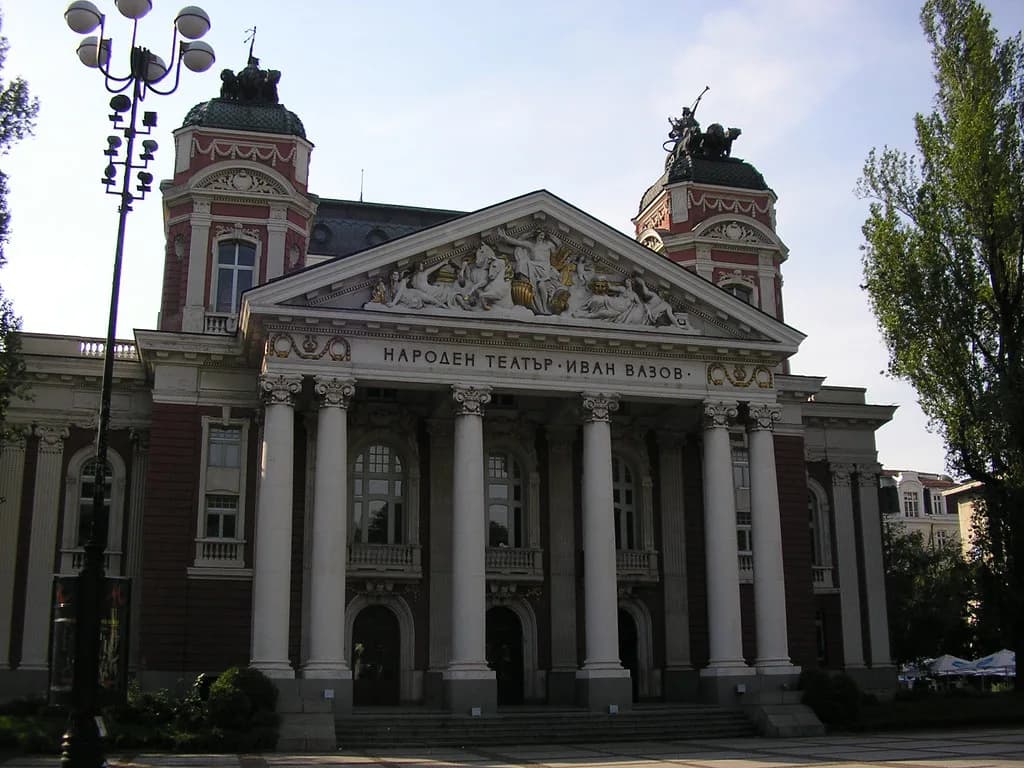
Bulgarian is a Slavic language written in Cyrillic, and the script is a separate hurdle from spoken English. Street signs, bus timetables, shop fronts, ATM screens and many restaurant menus appear in Cyrillic first, sometimes only in Cyrillic, so even a traveler who speaks no Bulgarian benefits from learning the alphabet. Place names transliterate predictably once you know the letters, and a week of casual practice gets you reading София as Sofia and Варна as Varna.
Apps that translate by camera solve most menu and sign problems, but they fail on handwritten notices and small print. Copying the Cyrillic name of your hotel or bus destination onto paper is a low-effort backup that works when your battery does not.
Russian versus English: what younger and older Bulgarians learned at school
Age shapes which foreign language you are more likely to meet. Older Bulgarians grew up with Russian as the main foreign language taught at school, which is why a visitor speaking Russian may get further with a shopkeeper in her sixties than an English speaker does. Younger Bulgarians are more likely to have studied English and other European languages, and Bulgarian language resources note that students pick up several European languages at school.
Try English first, then a few words of Bulgarian, and treat Russian as a fallback rather than an opener; it is not universally welcome. Bulgarian and Russian share a script and Slavic roots but are distinct languages, so Russian will not carry you far in conversation.
How to manage restaurants, menus and transport without Bulgarian
Restaurants in cities and resorts usually have an English menu, and where they do not, staff will often explain dishes or point to what a neighboring table ordered. Bakeries, neighborhood taverns and mountain huts are the likelier places for a Cyrillic-only menu, so keep a translation app and a short list of dishes you like. Tipping and bill conventions are also worth knowing before you sit down, and our Bulgaria costs guide explains how service charges usually work.
Transport is workable in English at the points that matter: Sofia Airport, the central bus and rail stations in big cities, and intercity bus company counters that sell to tourists. Smaller stops and rural buses are where you should have the Cyrillic destination written down and your ticket bought in advance. If you hire a car, collect the rental paperwork in English at the desk and keep the emergency number handy, since roadside help is not guaranteed to speak it.
A few phrases worth knowing, with Bulgarian in Cyrillic
A handful of phrases go a long way, and Bulgarians generally respond well to a visitor who tries. Use Говорите ли английски? for 'Do you speak English?' in a formal situation, and Говориш ли английски? with people you know or who are clearly younger. Adding Извинете, 'excuse me', at the front makes it more polite.
Expect three answers: Да for yes, Малко for a little, and Не, не говоря английски for no, I don't speak English. You can swap английски for another language if you want to try German or Russian instead. Благодаря, 'thank you', and Извинете cover most of the rest.
English for longer stays: work and study context
If you are considering a longer stay rather than a holiday, English becomes an economic question as much as a social one. Bulgaria's language-school sector hires English teachers, with private academies concentrated in Sofia, Plovdiv and Varna and seasonal summer camps along the Black Sea coast, and many of those roles involve teaching children after school or adults in business English.
Hiring for non-EU citizens runs through employer sponsorship and a long-stay visa, which is a bureaucratic process rather than a quick move. Treat teaching as a realistic option only if you hold a degree and a recognized teaching certificate and can commit to the paperwork.
Verdict by traveler type
Independent travelers and couples: English is plenty for a city-and-coast itinerary, with a translation app for villages and small-town bus stations. Families: resorts and hotels in Varna, Burgas and Sunny Beach handle English smoothly, which removes most daily friction. Older visitors: cities are fine, but rural guesthouses may rely on Russian or German, so confirm in writing that English is spoken before booking.
Digital nomads and longer-stay visitors: Sofia and Plovdiv offer the easiest working life in English, with coworking and service businesses used to foreign clients. If language confidence is part of how you choose a destination, check whether Bulgaria is worth visiting before locking in dates, and weigh the trade-off honestly: English is common in these cities but not universal across the country.
Plan Around the Language, Not Against It
English will not be the reason a trip to Bulgaria goes wrong. Plan on English in Sofia, Plovdiv, Varna, Burgas and the resorts, learn the Cyrillic alphabet, and carry a downloaded translation app plus the Cyrillic name of each destination. The further you go from cities and the coast, the more those small preparations pay off.
Explore more Bulgaria trip-decision guides
Frequently Asked Questions
Is English widely spoken in Sofia?
Sofia is the easiest place in Bulgaria to travel in English. Museum counters, central cafés, hotels and the metro all deal with foreign visitors daily, and younger staff in the center routinely work in English. Bulgaria scores 594 nationally on the EF English Proficiency Index, and Sofia scores 616, above the country figure.
Do older people in Bulgaria speak English?
Often less than younger Bulgarians. Many older residents studied Russian as their main foreign language at school and may be more comfortable in Russian or German than in English. Try English first, then a few words of Bulgarian, and keep a translation app for anything complicated.
Can I get by in Bulgaria with only English?
Yes for cities, resorts and tourist sights, where English covers check-in, menus, tickets and directions. In villages, small inland towns and rural bus stations, English may stop at a greeting, so learn the Cyrillic alphabet, save your addresses offline and download a Bulgarian language pack for your translation app.
Should I learn Bulgarian before visiting Bulgaria?
You do not need Bulgarian for a normal trip, but a few phrases help in small towns and rural areas. Learn Говорите ли английски? for 'Do you speak English?', thanks (Благодаря) and excuse me (Извинете). Learning Cyrillic letters is the higher-value effort, because signs, menus and timetables are written in it.
Sources
Trip-decision notes
Optional updates when we publish or revise a destination verdict.
You might also like
Continue reading
More guides you'll find useful