Bulgaria in August: Weather, Crowds and Worth It?
Bulgaria in August brings hot Black Sea beaches, peak-season crowds and 25-30°C days in Sofia. See who should go, who should wait and how to plan.
On this page
August is a good month for Bulgaria if your trip is built around the Black Sea or the high mountains, and a poor one if you want long, cool days wandering cities. The coast is at its busiest and most expensive, inland cities run hot, and the mountains are the escape valve that makes late summer work.
The trade-off is simple: you get reliable beach weather and a lively coast in exchange for crowds, peak-season rates and real heat inland. National meteorological data from August 2025 put average monthly temperatures between 19 and 26°C (66-79°F), which sounds mild until you see the peak readings.
The verdict
Go in August for the Black Sea and the mountains; think twice if your plan is a city-and-ruins tour. The coast delivers the most dependable swimming weather of the year, and the high ranges stay noticeably cooler than the plains, so a split trip works well.
If you are still weighing the country itself, our guide to whether Bulgaria is worth visiting sets out what the destination does well before you fix a month. August is the version of Bulgaria that rewards beach-first and mountain-first travelers and frustrates heat-averse city wanderers.
Who will love Bulgaria in August
Beach-first travelers should book August without much hesitation. The Black Sea resorts around Varna and Bourgas are fully open, water sports and boat trips run at full capacity, and the long daylight lets you swim early and late.
Mountain walkers also do well, because the high routes in Rila and Pirin are snow-free and the altitude takes the edge off the heat. Families with school-age children fit August naturally, since it is when Bulgarian families themselves take the coast.
Travelers who want empty streets, cool sightseeing weather and low prices should look at a different month. Our month-by-month guide to the best time to visit Bulgaria helps you match the season to what you actually plan to do.
Who should pick another month
If your priorities are Plovdiv's old town, Veliko Tarnovo's fortress and long cafe afternoons, August makes all of it harder. The cities are hottest exactly when you want to walk them, and shade and air conditioning become the deciding factor in how you plan a day.
Budget travelers should also pause: August is the peak of the domestic and international beach season, so coastal accommodation and transport fill first. Bulgaria in September gives you warm sea and far more breathing room, and Bulgaria in October suits city and wine country trips.
August weather across the country
Bulgaria in August is not one climate. The Black Sea coast, Sofia's basin and the high mountains behave differently enough that your packing and daily rhythm should change with the region you are in.
In Sofia, expect typical daytime highs of roughly 25-30°C (77-86°F), with cooler evenings. Sofia also sits at about 550 meters, which keeps it milder than the plains but does not make midday comfortable in a heat wave.
The national picture for August 2025 shows how wide the spread can be: average monthly temperatures of 19-26°C against a norm, a peak of 40.6°C at Lom in the Danube plain, and a low of 2.2°C at Chepelare in the Rhodopes. Treat those as evidence of the range, not a forecast for your dates.
On the coast, August is the warmest and driest stretch of the summer, which is why it is also the busiest. Sea temperatures are not published in the sources here, so judge swimming conditions from the coast's own beach flag system when you arrive.
Rain, storms and fire risk in late summer
Late summer in Bulgaria means dry ground and short, violent storms rather than steady rain. In August 2025 the national weather service recorded below-normal rainfall, a heat wave lasting 12 to 18 days in northern Bulgaria, and numerous field and forest fires in the first half of the month.
Thunderstorms can be sharp: the same report notes a cold front on August 22 that brought hail and strong gusts, felling trees and snapping wires in villages near Veliko Tarnovo and Montana. Build flexibility into mountain days, and avoid exposed ridges when storms build in the afternoon.
Fire risk is a genuine planning factor, especially in the Rhodopes and around Bourgas. Check local restrictions on open fires and access to forest areas before heading out, and keep a road-based alternative ready on red-flag days.
The Black Sea coast in August
The coast is August's main event, and it is crowded. Sunny Beach and the larger resorts around Nesebar run at capacity, while Varna and Bourgas combine city beaches with a working urban base. If you are choosing between those two bases, our guide to whether Varna is worth visiting pairs naturally with the same question for the southern coast.
For a quieter version, look at smaller places along the same stretch: Sveti Vlas, Sozopol and the coves south of Bourgas trade scale for calm. The trade-off is fewer restaurants and services, and you will want a car or a reliable bus connection.
Expect peak-season pricing in August: coastal hotels and restaurants charge their highest rates, and sunbed and umbrella charges are common on organized beaches. Our Bulgaria costs guide explains how to budget when the coast is at full price.
Mountains as the heat escape
Rila and Pirin are the strongest August alternative to the coast. Musala, the highest peak in the Balkans, and the Seven Rila Lakes area stay cool at altitude, and the cable car and hut network makes day hiking realistic without expedition gear.
The Rhodopes offer a gentler version: shaded forest roads, villages like Chepelare and a cooler night's sleep than the plains. Note that mountain weather turns fast, so start walks early and keep a fleece and rain shell in your day pack even on a sunny morning.
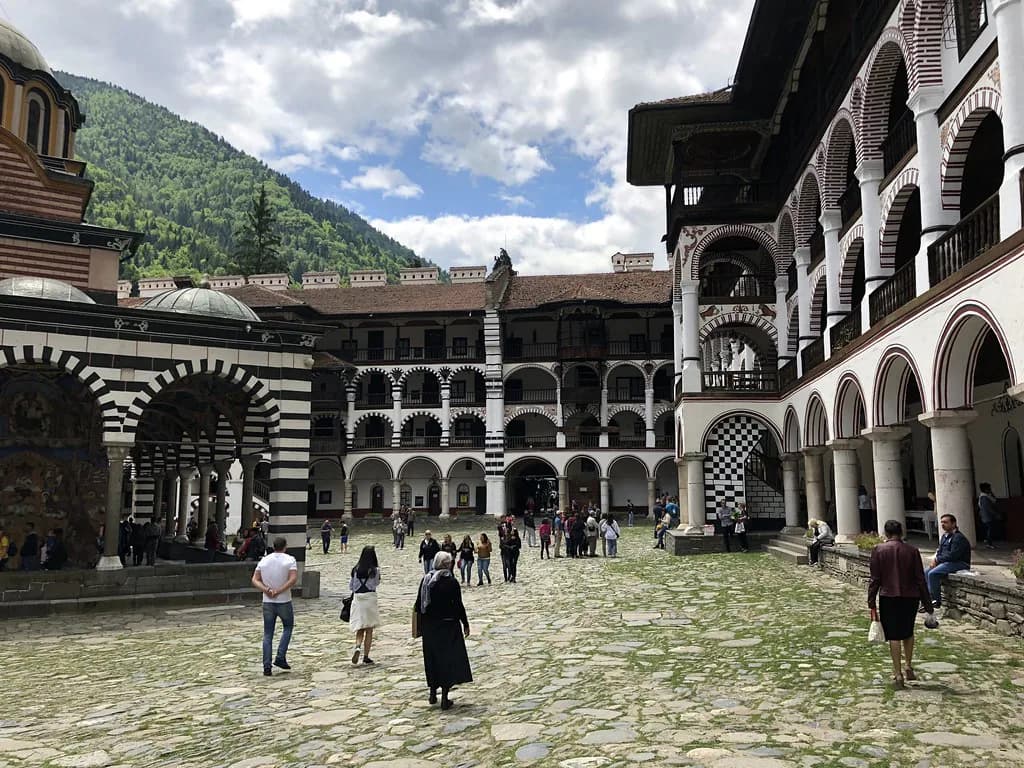
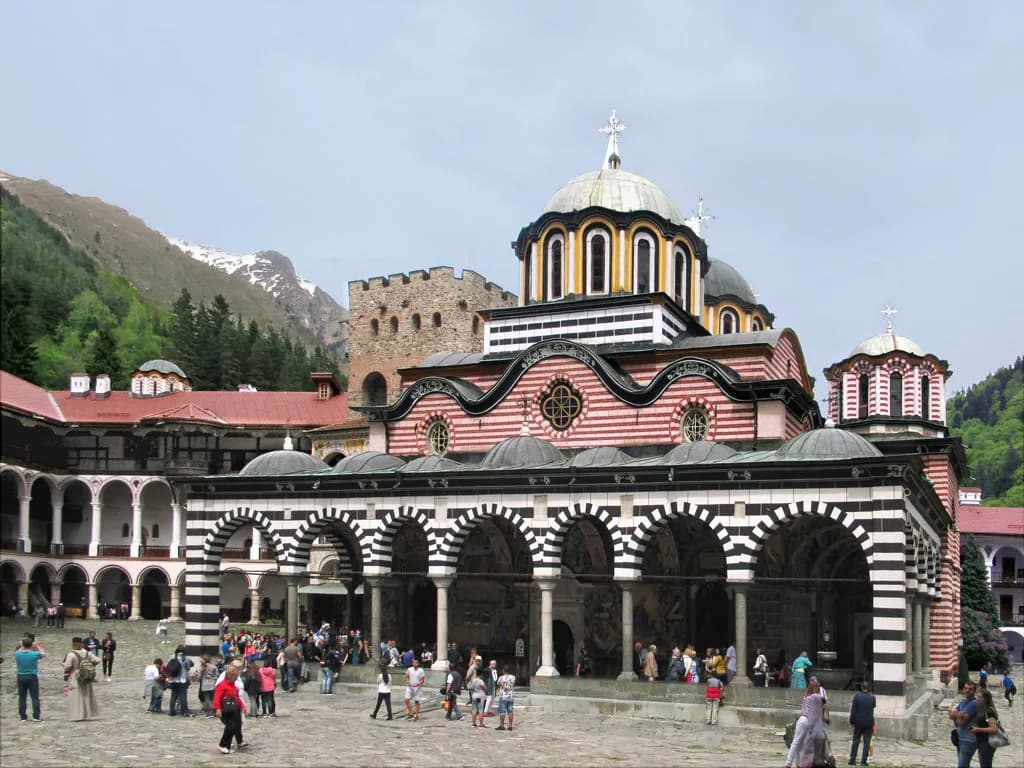
Base yourself near the Rila Monastery for a combined cultural and mountain day; it is one of the country's signature sights and a natural stop on the way into the mountains.
Cities in August
Sofia copes best of the three big city stops: it is higher, greener and has the most indoor culture to retreat into at midday. Plan outdoor sightseeing for the morning and evening, and use the middle of the day for museums and galleries.
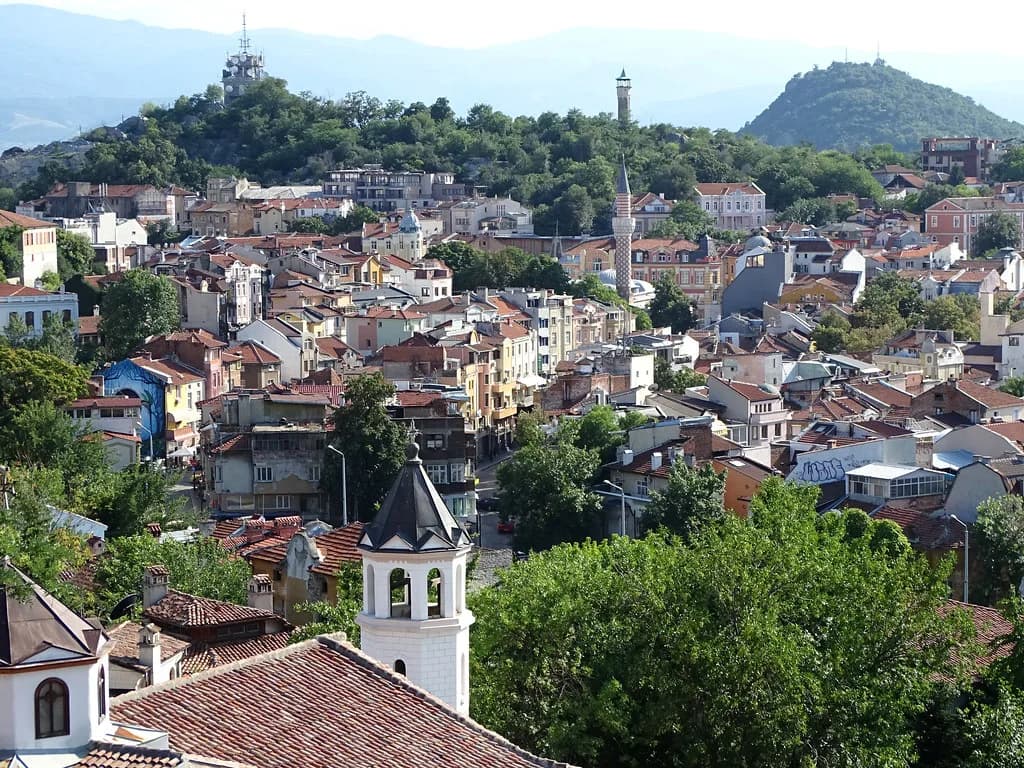
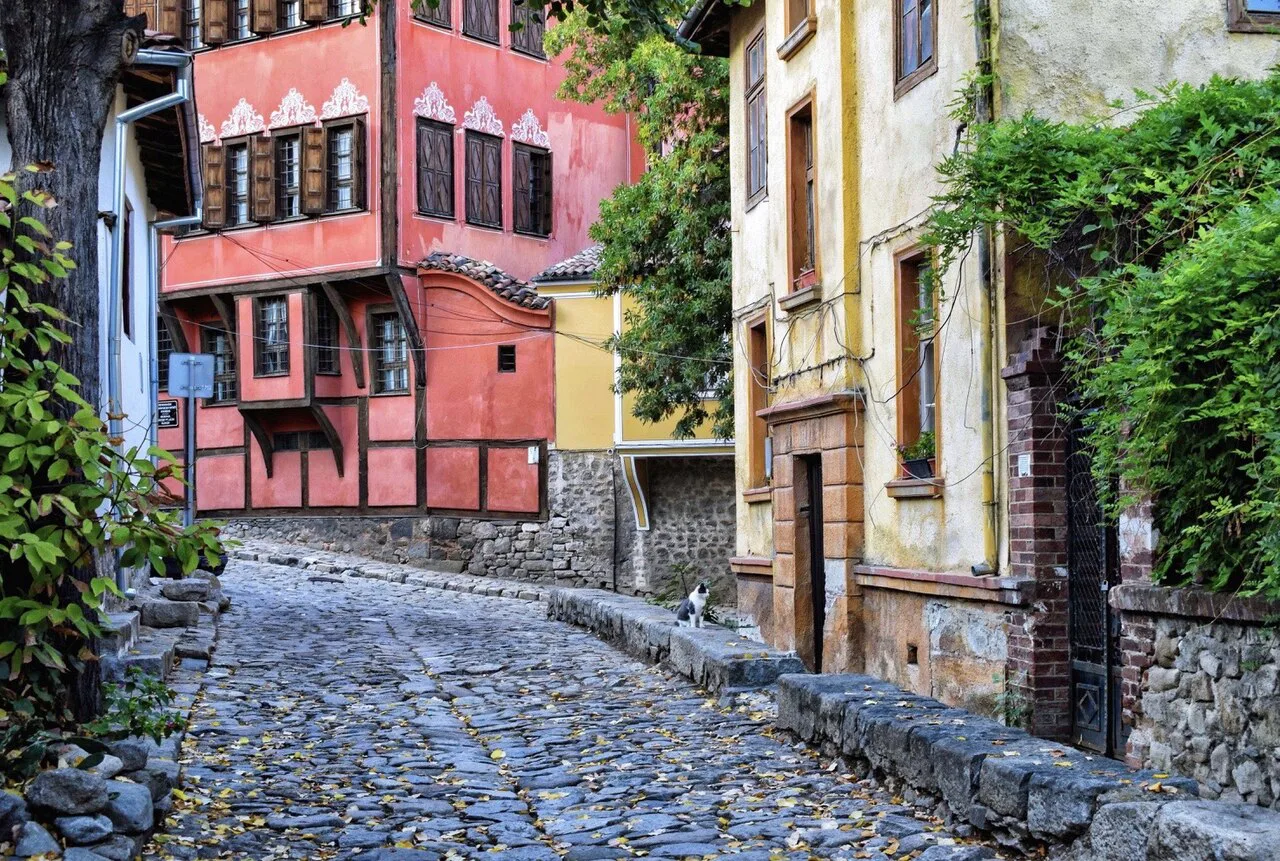
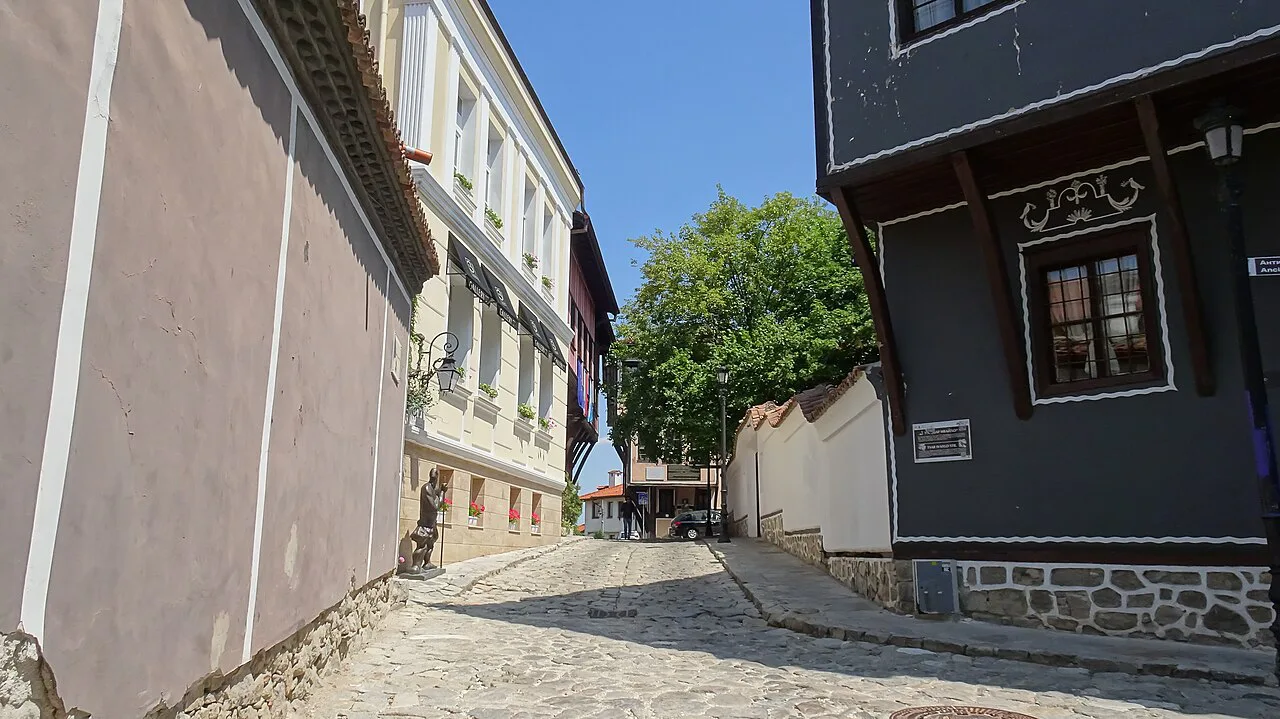
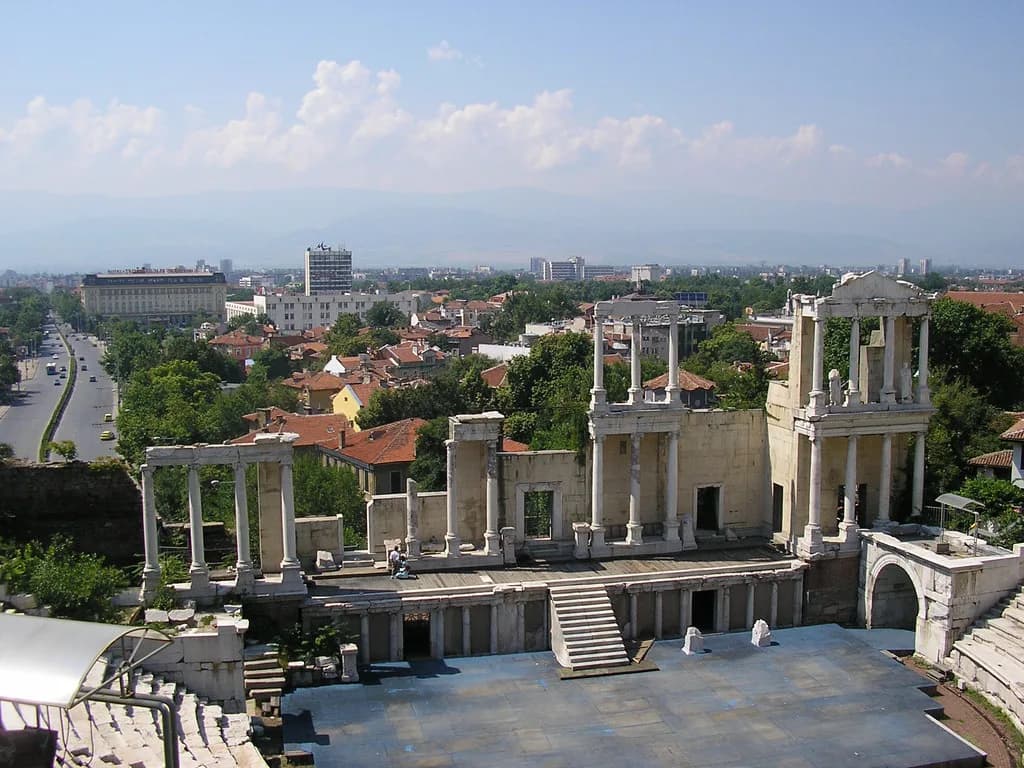
Plovdiv's old town is beautiful and exposed, with cobbled streets and limited shade, so August visits work best early. Veliko Tarnovo's Tsarevets fortress is a steep, hot climb in August; go at opening time or in the late afternoon, not at noon.
A practical fix for city days is to rent a car and mix city stops with nearby mountain or countryside escapes, rather than spending a full week in hot streets. Our guide to renting a car in Bulgaria covers the practical side.
Prices and booking pressure
August is the most expensive month on the coast and the busiest for domestic travel, so book beach accommodation and intercity transport well ahead. Inland cities see less of a spike, which makes a split coast-and-city itinerary easier on the wallet.
Bulgaria remains a relatively affordable country by Western European standards, but August coastal rates narrow that gap. Check current entry tickets and transport fares with the venue or transport company directly, since they change between seasons.
How many days you need
Give a coast-focused August trip seven to ten days: enough for a beach base, a boat day, and two inland stops without spending your holiday in a hot bus. A mountain trip of five to seven days lets you settle into one range with two or three day hikes.
If you want both, plan ten to fourteen days and split them between the Black Sea and Rila or the Rhodopes. August heat rewards slower travel, so fewer bases with shorter transfers beat a packed circuit.
Getting there and getting around
Most August arrivals land at Sofia or Varna airports; Bourgas is the coastal gateway for the southern resorts. In peak season, book flights and airport transfers early, and expect longer queues at car rental desks.
Buses are the workhorse for intercity travel, and coastal routes fill up in August, so reserve seats rather than turning up. For mountain areas, a rental car gives you far more flexibility than sparse local bus schedules.
Remember to sort out currency before you travel, since Bulgaria has its own currency and you will need cash for day-to-day costs. Plugs are a practical detail worth sorting before departure; the Bulgaria plug type guide explains what adapters you need.
Drawbacks worth knowing
The honest downsides of August are heat, crowds and fire risk. Coastal resorts are packed, inland cities can be exhausting at midday, and dry terrain means storms and fires can disrupt plans.
For official travel advice, use your own government's page for Bulgaria once, and treat it as the source for entry rules rather than second-hand summaries. Everything else — transport, tickets, timetables — should be checked with the specific company or venue before you travel.
August vs July vs September
July and August are close cousins: both are hot and busy, with August slightly drier and at peak coastal demand. Bulgaria in July is a good choice if you want full summer energy and slightly more room before the peak.
September is the strongest alternative for most travelers: the sea stays warm, the crowds thin, and prices soften. Choose August for guaranteed beach weather and a lively coast; choose September for comfort and value.
Travelling in Bulgaria with a dog in August
If you are bringing a dog on an August trip, the month's heat is the first practical concern. The national meteorological bureau reported that August 2025 saw a heat wave lasting from 12 to 18 days in northern Bulgaria and up to 15 days in southern Bulgaria during the first and second 10-day periods of the month. The highest measured temperature that month was 40.6 degrees on August 11 in the town of Lom, Montana region, while in Sofia the highest was 35.2 degrees on the same day. Those are conditions in which pavement and open ground heat quickly, so plan walks and any outdoor time with the dog for the cooler edges of the day and keep water on hand.
Storms are the other thing to watch. Late in August 2025, a cold atmospheric front brought storms with rain and hail and strong gusts of wind in many places in the country; a state of emergency was declared in the village of Dzhuliunitsa, Veliko Turnovo district, where the storm felled trees, snapped wires and collapsed street sections, and in Montana strong winds knocked down trees on to cars. A dog that is frightened by thunder is better kept indoors during such passages, and it is worth avoiding exposed ground and stands of trees when a front is forecast.
Rainfall in August 2025 was below the climatic norm, and in Sofia the monthly amount of rain was 18mm, about a third of the norm. Dry terrain is particularly vulnerable to thunderstorms, and the bureau noted that in August lightning caused several fires. Walks on parched grass and forest litter therefore carry a fire risk in late summer, and water sources along routes may be low: river levels in August were below the average and around the low water levels, and the Ropotamo River in the area of the village of Veselie dried up. Carry your own supply rather than counting on streams.
Plan Your Visit
August is worth it if you plan around the heat: base on the Black Sea or in the mountains, keep city time to mornings and evenings, and book coastal stays early. If you want cool sightseeing and lower prices, shift to September.
For the wider decision, read is Bulgaria worth visiting before you commit to dates, then match the month to your trip style. August rewards travelers who choose coast or mountains, not those who try to do everything at once.
Explore more Bulgaria trip-decision guides
Frequently Asked Questions
What's the hottest month in Bulgaria?
August is typically the hottest or joint-hottest month, with inland peaks well above 35°C. National data from August 2025 recorded 40.6°C at Lom in the Danube plain, though the national average was milder at 19-26°C.
Is it safe to swim in the sea in Bulgaria?
The Black Sea is generally swimmable in August, and organized beaches use flag systems to signal conditions. Follow the flags and lifeguard advice rather than relying on general summaries.
What is the weather like in Bulgaria in late September?
Late September is usually warm and settled, with comfortable city temperatures and a sea that stays swimmable. It is a good compromise if August heat and crowds are off-putting.
Which part of Bulgaria is the warmest in August?
The inland plains and the coast are warmest, with the Danube plain and southern valleys recording the highest peaks. The mountains are noticeably cooler, especially at altitude.
Is August a good time to visit Bulgaria?
Yes for the Black Sea and the mountains, less so for city sightseeing. Plan around midday heat, book coastal stays early, and keep an eye on storm and fire warnings.
Do I need to worry about rain in August?
Rain is generally below normal in August, but short, intense thunderstorms are common. Pack a light rain shell for mountain days and avoid exposed ridges when storms build.
Sources
Trip-decision notes
Optional updates when we publish or revise a destination verdict.
You might also like
Continue reading
More guides you'll find useful