Bulgaria vs Romania: Which Is Better for Your Trip?
Bulgaria and Romania compared for real trips: coast versus mountains, city breaks, costs, transport and crowds, with a clear verdict by traveler type.
On this page
Pick Bulgaria if you want a short, low-stress trip built around a Black Sea beach, a monastery or two and a compact old town, with euro notes in your pocket and short drives between stops. Pick Romania if you want scale: Carpathian ridges, Saxon villages, painted monasteries and a Danube Delta that eats three days on its own, and you accept longer transfers and the leu. Neither is the better country in the abstract; the decision comes down to how much ground you want to cover and how much friction you can absorb.
The two are easy to compare because they sit side by side on the Danube and share an EU framework, but they diverge on almost everything a traveler feels day to day: currency, road quality, the density of sights and the length of the beach season. The comparison below splits them by travel style first, then by the specifics that decide a booking.
The verdict: who should pick Bulgaria and who should pick Romania
Choose Bulgaria for a seven- to ten-day trip with a beach component, for a first taste of the Balkans, or for a low-cost city break in Sofia or Plovdiv that you can combine with Rila. The country rewards travelers who stay in two or three bases rather than touring constantly, and its Black Sea resorts make a family week straightforward. If you are weighing a neighbor instead, our North Macedonia verdict covers a similarly compact Balkan trip with lakes and old towns.
Choose Romania for a two-week road trip, for hiking on high Carpathian ridges, for rural landscapes around Sibiu and Sighișoara, and for the painted monasteries of Bucovina and the Danube Delta. Romania asks more of you: more driving, fewer English-language menus outside the cities, and a rail network that is slow on secondary lines.
If your time is under a week and you want sea plus old town, Bulgaria wins on convenience. If you have ten days or more, want mountains and villages more than beach loungers, and do not mind renting a car, Romania gives you more distinct days for the same effort.
How the two countries differ in character
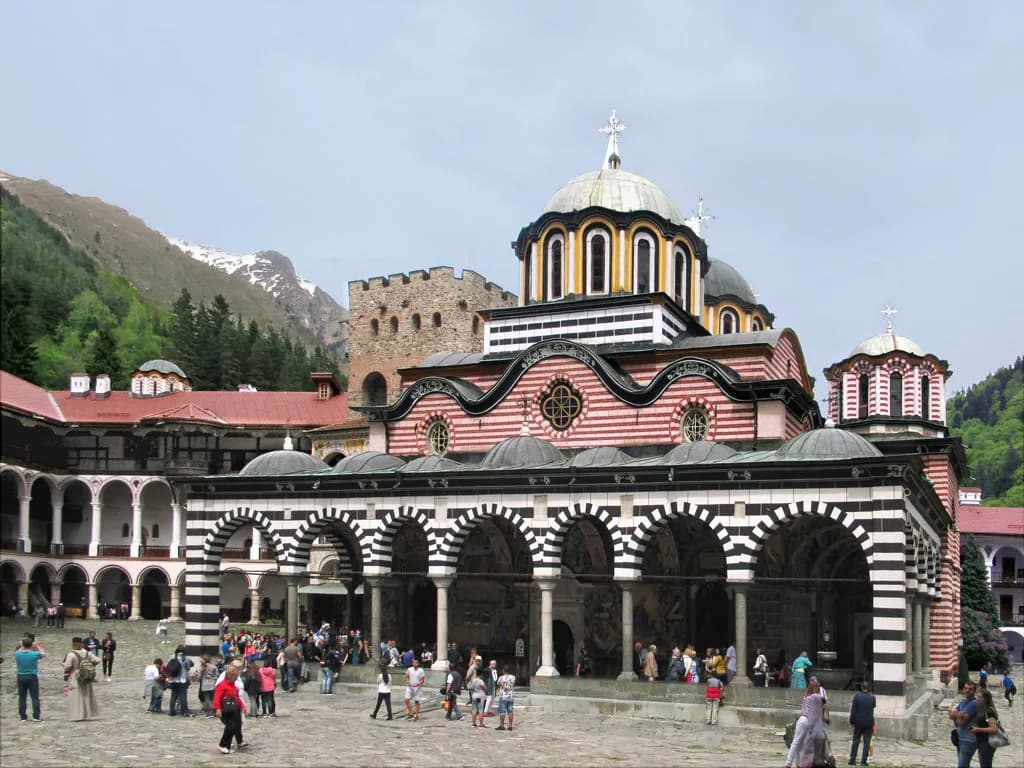
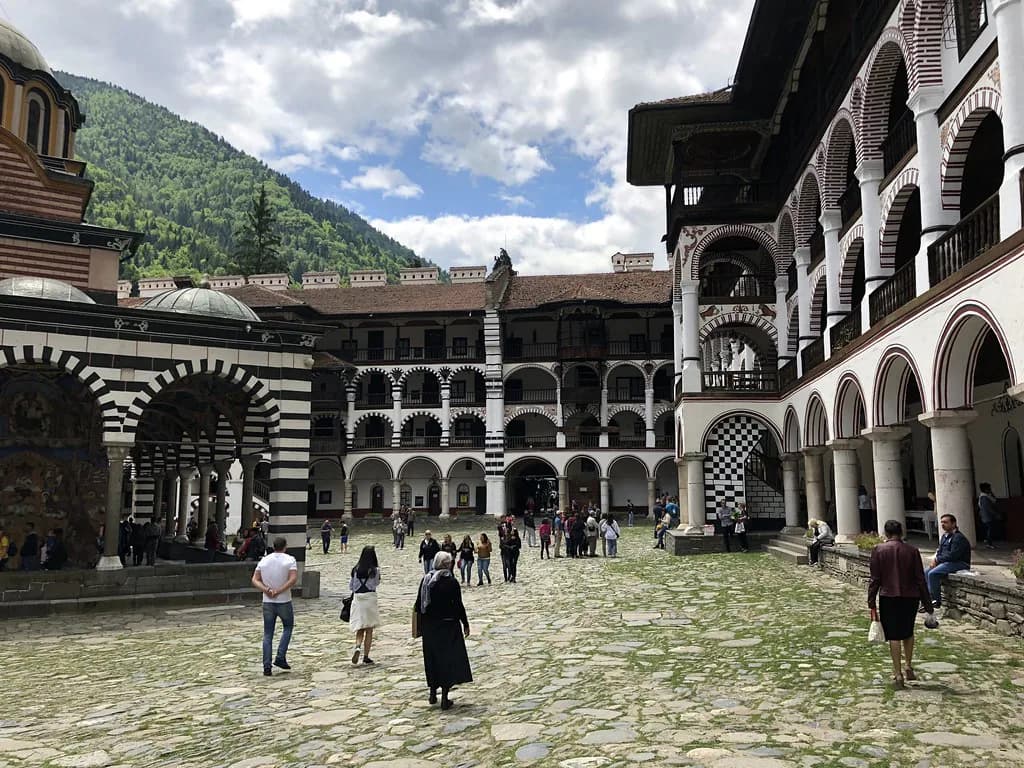
Bulgaria's travel geography is compact: Sofia, Plovdiv, the Rila and Pirin mountains and the coast all sit within a day's drive of each other, which makes a first trip feel manageable. Its historic layers are Thracian, Roman, Byzantine and Ottoman, visible in Roman Plovdiv, the Boyana church outside Sofia and the painted Rila Monastery.
Romania is roughly twice Bulgaria's size and behaves like it. Transylvania's Saxon towns, the wooden churches of Maramureș, the painted monasteries of Bucovina and the Danube Delta are in different corners of the country, so a single trip usually means choosing two regions rather than seeing them all. That scale is the appeal and the cost.
Both are Orthodox-majority countries with a Latin-script language, and both have large diaspora populations that shape summer travel patterns. The practical difference for visitors is density: Bulgaria concentrates its highlights, Romania spreads them out.
Bulgaria's highlights: the Black Sea coast, Rila and Pirin, the old towns
The Black Sea coast runs from the old town of Nessebar, a UNESCO site on a rocky peninsula, south through Sunny Beach and Sozopol to the quieter southern stretches near Sinemorets. Sunny Beach is purpose-built and loud in high season; Sozopol and Nesebar give you cobbled lanes and wooden houses instead.
Inland, Rila Monastery is the country's most visited monument, set in a valley south of Sofia, and the Seven Lakes area of Rila rewards a full hiking day. Pirin, further south around Bansko, is rockier and more alpine, with Vihren the classic ascent.
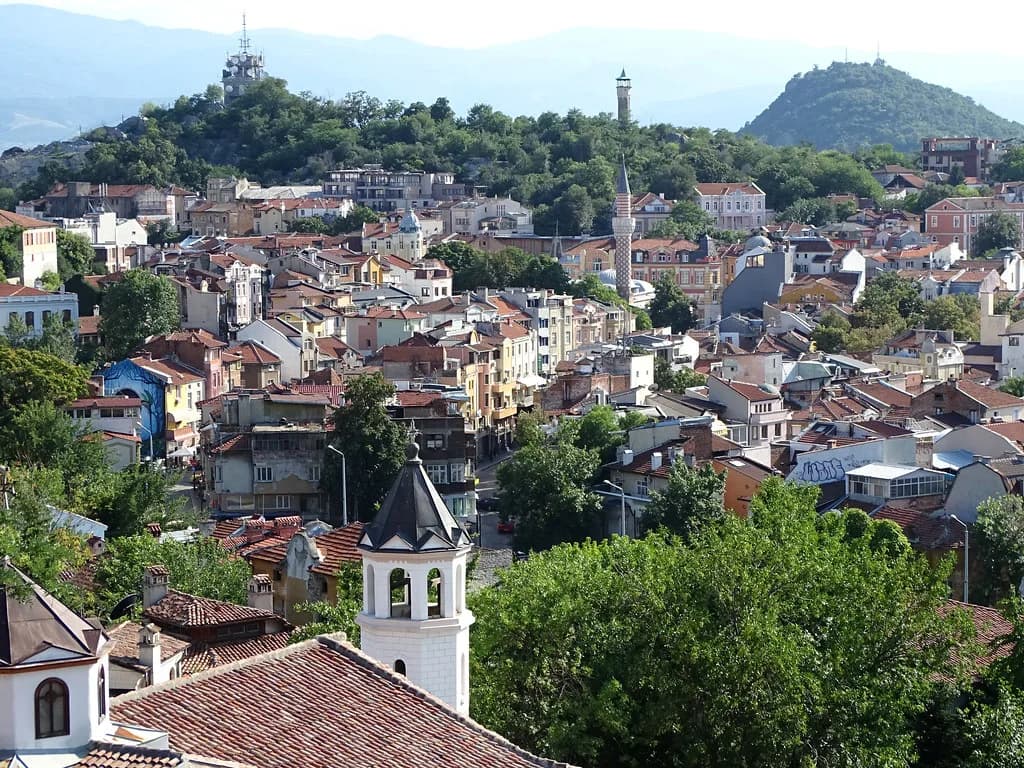
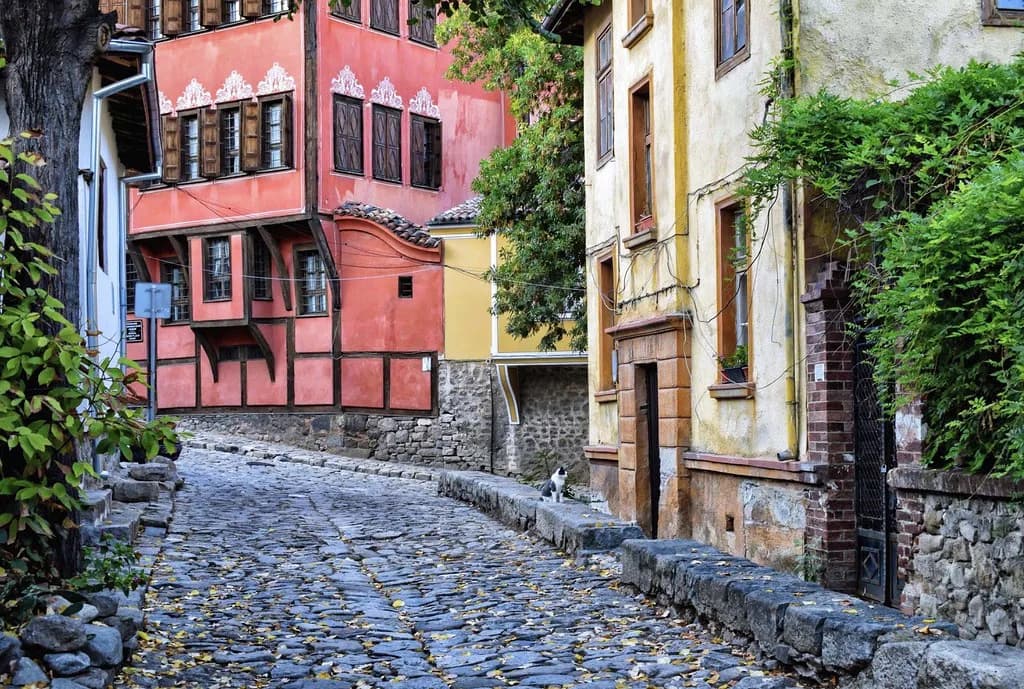
Plovdiv's old town stacks Roman theatre, Revival-era houses and a lively creative scene into a walkable core, and Veliko Tarnovo's Tsarevets fortress gives you the dramatic medieval capital. Sofia works best as a two-night base for day trips rather than a destination in itself.
Romania's highlights: Transylvania, Bucovina's painted monasteries, the Danube Delta
Transylvania delivers the classic Romania: Brașov under the Tâmpa hill, the fortified church at Prejmer, Sighișoara's hilltop citadel and Sibiu's two linked squares. The Saxon villages around Viscri and Biertan are the part most travelers remember, and they are best reached by car.
Bucovina's painted monasteries, including Voroneț and Sucevița, are in the northeast and genuinely remote; plan a two-night stay in Gura Humorului or Suceava rather than a day trip. The Danube Delta, based in Tulcea or Crișan, is a boat landscape of reeds and channels that needs two or three days to justify the journey.
Maramureș, in the far north, has wooden churches and a rural life that has changed less than anywhere else in the EU, but it is a long haul from Bucharest. Most two-week itineraries should pick Transylvania plus one of Bucovina or the Delta, not both.
Cities compared: Sofia and Plovdiv against Bucharest and Brașov
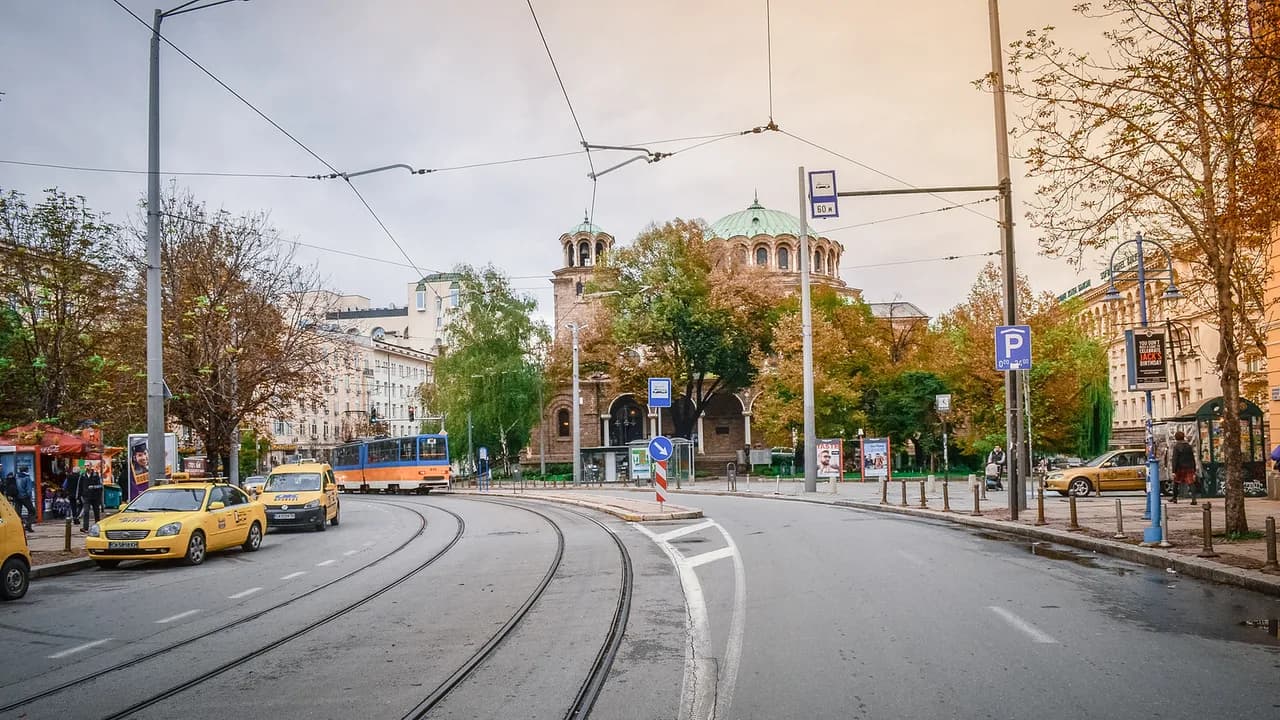
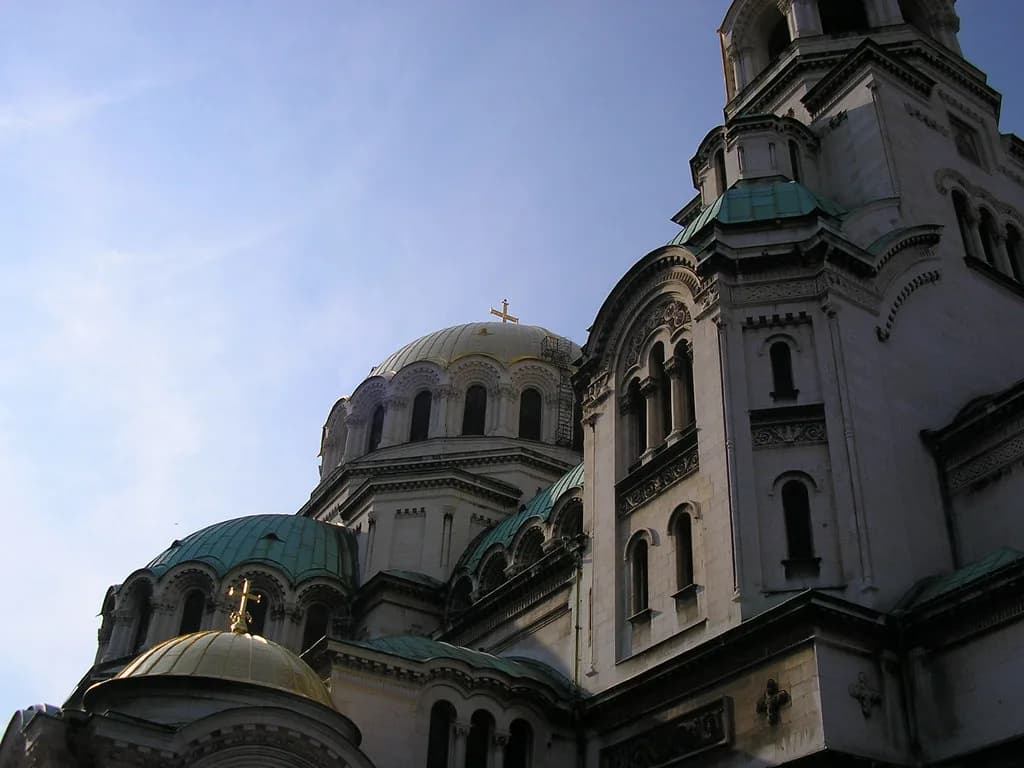
Sofia is functional rather than charming: a Roman rotunda, a gold-domed cathedral and the Vitosha boulevard, with the mountain a twenty-minute taxi ride away. Plovdiv is the better city for strolling and the stronger base for a short break.
Bucharest is bigger, grander and scruffier, with the Palace of Parliament, the Belle Époque quarter and a strong cafe culture; it is a two-night city. Brașov is the better base for a first Romania trip, with the old town, the Black Church and Bran and Peleș castles within day-trip range.
City-break verdict: Plovdiv for atmosphere and food, Sofia for convenience and mountains, Bucharest for scale and museums, Brașov for mountains-plus-old-town. If you can only do one city in the region, Brașov gives the most variety per day.
Coast and mountains: where each country is strongest
Bulgaria wins on beaches: a long, sandy Black Sea coast with resort infrastructure and a season that runs from June into September. Romania's Black Sea coast around Mamaia and Vama Veche is smaller and more concentrated, and Mamaia is dominated by large resorts, so the beach case is clearly Bulgarian.
Romania wins on mountains: the Făgăraș ridge, Retezat National Park and the Bucegi plateau near Brașov offer longer, higher and wilder hikes than anything in Bulgaria. Bulgaria's Rila and Pirin are excellent for a day or two but smaller in scale.
For a hiking-focused week, Romania is the stronger choice; for a beach week with one or two mountain days, Bulgaria is easier to organize and cheaper to reach from the coast.
Crowds, peak season and when each country is at its best
Bulgaria's peak is July and August, when Sunny Beach and the big resorts fill with package travelers and prices rise accordingly; June and September are quieter and still warm on the coast. Inland, spring and early autumn are the best walking months, with April and October offering mild days and fewer visitors.
Romania's crowds concentrate in Brașov, Bran and Sighișoara in July and August, with Bran castle queues at midday; the Delta is best in late spring and early autumn for birdlife. Shoulder months work well for Transylvania's towns, though high mountain weather is changeable in any season.
The practical rule: July and August for the Bulgarian coast, late May to June and September for Romania's villages and mountains, and avoid both countries' big attractions on summer weekends when domestic visitors arrive.
Typical costs and what your money buys
Both countries sit among the cheaper EU destinations, but they feel different on the ground. Bulgaria's coast resorts charge near-Western prices in high season for beachfront hotels and restaurants, while inland towns remain inexpensive. Romania is broadly similar, with Bucharest and Brașov the priciest spots and rural guesthouses good value.
Rather than quote figures that move, plan on the pattern: food and local transport are cheap in both, accommodation climbs steeply at the coast in August, and car rental and fuel are the main variable for a road trip. For a detailed breakdown of Bulgarian day budgets, use the Bulgaria cost guide, and apply similar reasoning to Romania with slightly higher city prices.
Cash still matters in rural Romania, where small guesthouses and village shops may not take cards, while Bulgaria's euro adoption has simplified payment in cities and resorts. Carry a modest amount of lei for Romania and rely on cards elsewhere.
Currency and payments: the euro in Bulgaria from 2026 and the leu in Romania
Bulgaria adopted the euro on 1 January 2026, so prices, ATMs and card terminals now run in euros and the old lev notes are no longer the working currency. Romania keeps the leu, written RON, and has no euro target date that travelers should plan around.
In practice this means one less currency to manage in Bulgaria and the usual Romanian habit of paying by card in cities but keeping lei for villages, markets and small guesthouses. Exchange offices in Romania vary in rates, so use bank ATMs or mainstream exchange desks rather than street kiosks.
Getting around: trains, buses and rented cars
Bulgaria's rail network links Sofia, Plovdiv, Burgas and Varna reasonably well, with modern trains on the main lines and slow services elsewhere; buses fill the gaps to smaller towns and the coast. Romania's rail is extensive but slow on secondary routes, and a Bucharest–Brașov train is far more comfortable than the equivalent bus.
For Transylvania's villages, Maramureș, Bucovina and the Danube Delta, a car is close to essential, and the same is true for reaching Bulgaria's smaller monasteries and southern coast coves. If you plan to drive, read up on renting a car in Bulgaria before booking, especially on cross-border drop-off fees and vignette rules.
Car-free touring is realistic in Bulgaria for a Sofia–Plovdiv–coast route and in Romania for a Bucharest–Brașov–Sibiu line, but it costs you the villages and the Delta. Decide early whether the trip is a rail-and-city trip or a road trip; mixing the two mid-itinerary wastes days.
Getting there: airports and overland links between the two
Sofia, Varna and Burgas handle Bulgaria's international traffic, with Burgas busiest in summer for charter flights; Bucharest Otopeni, Cluj-Napoca, Sibiu and Iași cover Romania. Flying into one and out of the other is the standard open-jaw approach for a combined trip.
Overland, the Danube crossing between Ruse in Bulgaria and Giurgiu in Romania carries road and rail traffic on the Friendship Bridge, and it is the obvious link for a Sofia-to-Bucharest leg. Buses also run between Sofia and Bucharest and between Varna and Bucharest, though schedules change with season, so check current times and prices before you book.
For entry paperwork, use your own government's official travel advice page once before booking; the rules depend on your passport, not on which of the two countries you pick.
Drawbacks of each country, stated plainly
Bulgaria's weaknesses are visible: overbuilt resort strips, uneven road surfaces on secondary routes, and a coast that empties of atmosphere in the big package complexes. Outside Sofia and Plovdiv, English thins out, and some mountain huts and small museums keep limited hours.
Romania's drawbacks are distance and friction: long drives on two-lane roads, slow trains, and a spread-out set of highlights that punishes short trips. Rural guesthouses can be basic, and the Delta and Bucovina are genuinely remote, which is the point but also the cost.
Neither country is difficult for an experienced traveler, but both reward planning around transport rather than around a list of sights. Build in slack for a slow road or a missed connection, particularly in Romania.
Bulgaria vs Romania by traveler type: families, hikers, city-breakers, budget travelers
Families: Bulgaria, clearly. The Black Sea resorts have shallow sandy beaches, self-catering apartments and short transfers from Burgas, while Romania's coast is smaller and its mountain areas less set up for young children.
Hikers: Romania for the Făgăraș and Retezat, Bulgaria for easier Rila and Pirin day hikes. City-breakers: Plovdiv and Brașov are the two best short-break bases, with Bucharest ahead of Sofia for a long weekend.
Budget travelers: both are affordable, but Bulgaria's euro change and compact geography make it easier to keep costs predictable on a short trip, while Romania rewards those with time to go rural where prices drop.
Adding the other country to the same trip
Combining the two works best as an open-jaw route: fly into Sofia, travel east to the coast, cross into Romania at Ruse–Giurgiu or along the coast at Vama Veche, then continue to Bucharest and out. Allow time for that arc and accept that you will see less of each country.
A tighter version pairs Sofia and Plovdiv with a bus or train to Bucharest and a Brașov loop, which keeps the transfers manageable; adding a rural region to a combined trip usually means cutting the Bulgarian coast entirely.
Which One Should You Book?
Book Bulgaria if you want a compact week of beach, old towns and monasteries with easy logistics and euro pricing. Book Romania if you have ten days or more, want mountains, villages and a wilder landscape, and are willing to drive.
If you are still undecided, start with the Bulgarian side of the comparison to see whether its coast-and-monastery formula fits, then judge Romania on whether you want a road trip rather than a resort stay.
Explore more Bulgaria trip-decision guides
Frequently Asked Questions
Is Bulgaria or Romania cheaper for travelers?
Both are among the cheaper EU destinations for food, local transport and accommodation outside peak dates. Bulgaria's Black Sea resorts charge high-season prices in July and August, and Romania's cities cost more than its villages. Plan on similar daily budgets, with the coast and car rental as the main variables.
Do Bulgaria and Romania use the euro?
Bulgaria adopted the euro on 1 January 2026. Romania uses the leu, written RON, and still expects cash in villages and small guesthouses even where cards work in cities.
Can you visit Bulgaria and Romania on the same trip?
Yes. The usual route flies into Sofia or Bucharest and out of the other, crossing the Danube between Ruse and Giurgiu or continuing along the Black Sea coast. Allow at least two weeks if you want the coast, Transylvania and one rural region.
Which country has better beaches, Bulgaria or Romania?
Bulgaria has the longer, sandier Black Sea coast with more resort infrastructure, from Nesebar and Sozopol to Sunny Beach. Romania's Mamaia and Vama Veche are smaller and more concentrated, so Bulgaria is the beach pick.
Is Romania or Bulgaria better for hiking?
Romania has the bigger mountains, with the Făgăraș ridge, Retezat National Park and the Bucegi plateau offering longer, higher routes. Bulgaria's Rila and Pirin are excellent for day hikes and easier to reach from Sofia.
Which is better for a first trip to the Balkans, Bulgaria or Romania?
Bulgaria is the gentler introduction: shorter distances, a compact old-town circuit and a beach option. Romania suits travelers with more time who want mountains and villages and are comfortable renting a car.
Sources
Trip-decision notes
Optional updates when we publish or revise a destination verdict.
You might also like
Continue reading
More guides you'll find useful