Best Places to Visit in Bulgaria: 12 Spots Worth the Trip
Sofia, Plovdiv, Rila and the Black Sea coast, judged by what each actually delivers, with honest drawbacks and a verdict on where to spend your days.
On this page
The best places to visit in Bulgaria divide into four usable groups: the Sofia–Plovdiv–Veliko Tarnovo culture spine, the Rila and Pirin mountains, the Black Sea coast, and the slow southwest around Melnik. Most first trips try all four in one week and end up seeing bus windows. Pick two groups, add a day trip, and Bulgaria delivers far more than its modest reputation suggests.
The country has used the euro since 1 January 2026, which makes daily budgeting simpler but changes nothing about the gap between big-city restaurant bills and small-town ones. Getting around matters more than most guides admit: the Sofia–Plovdiv–Varna rail and bus spine works well, while Melnik, the Rose Valley and the Pirin trailheads reward a car. Treat the itinerary as a transport decision first and a sightseeing list second.
The verdict: why Bulgaria rewards travelers who skip the coast-and-capital cliché
Bulgaria is worth visiting for its medieval towns, Orthodox heritage and mountain access rather than for a beach holiday alone. Plovdiv's old town and Rila Monastery alone justify a week, and Veliko Tarnovo and Nessebar add two more genuinely distinctive days. A trip built only around Sofia and Sunny Beach is the weakest version of the country.
If you want a single base, choose Plovdiv — smaller, warmer and more walkable than the capital, with Sofia an easy day trip away. If you want mountains, base yourself in Bansko in summer or spend a night near Rila village. Budget travelers should read our take on whether Bulgaria is cheap before committing, because the euro transition means the old 'cheapest country in the EU' framing needs retesting in 2026.
The broader question of whether Bulgaria is worth visiting comes down to what you want from a Balkans trip: it trades Croatia's polished coast for lower prices and far thinner crowds, and it trades Greece's guaranteed sun for four proper seasons. Travelers who need resort polish or guaranteed beach weather will be happier elsewhere on the Black Sea.
Sofia: the capital as a base, not a highlight
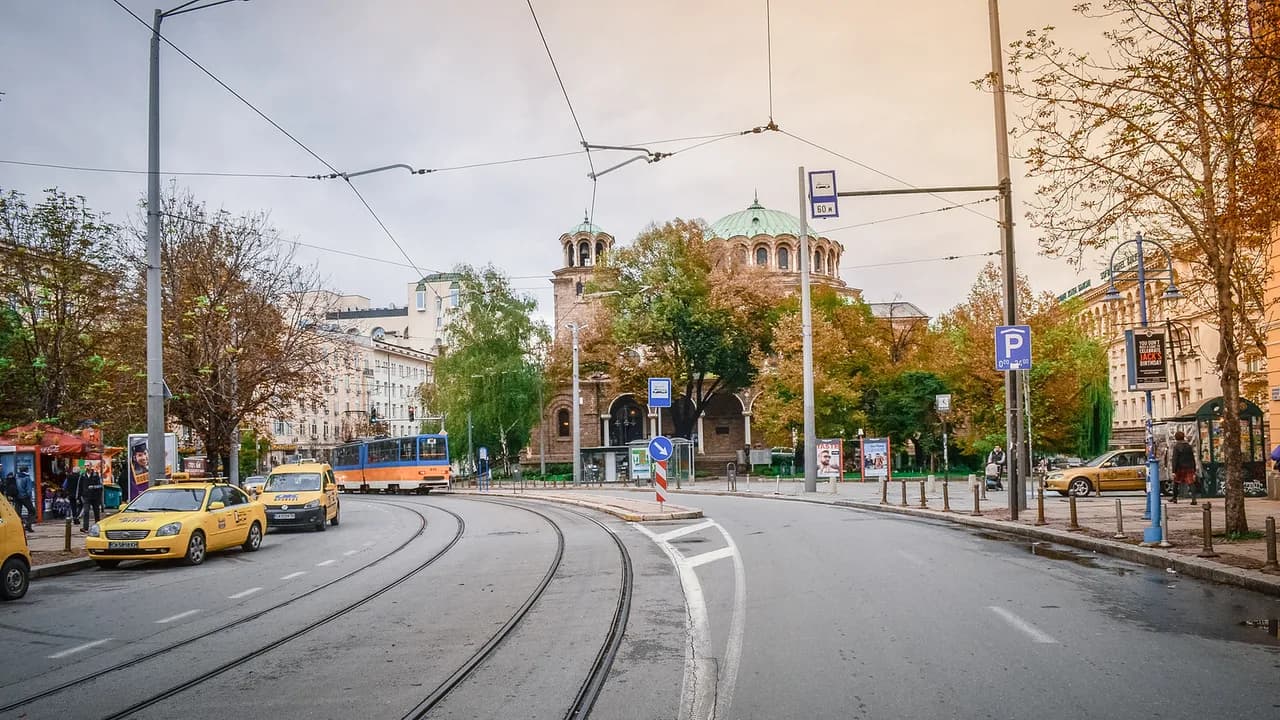
Sofia is a working capital rather than a showpiece. The prize sights cluster tightly: the gold-domed St. Alexander Nevski Cathedral, the Roman ruins beside the Serdika metro station, and the pedestrian Vitosha Boulevard running beneath Vitosha mountain. Two nights is enough to see them comfortably.
Treat Sofia as a headquarters. From the city you can reach Rila Monastery, Vitosha's trails and the rail line to Plovdiv without changing hotels, which saves hours of packing. Airport transfers and the city bus network are straightforward, and if you plan to drive onward, renting a car in Bulgaria is easiest arranged on arrival.
The honest drawback is atmosphere. Sofia's architecture is patchy, traffic is heavy, and the city lacks the café culture and pride of Plovdiv. If you have five days or fewer, cut Sofia to a single night and give the time to Plovdiv and Rila instead.
Plovdiv: the old town that justifies the trip on its own
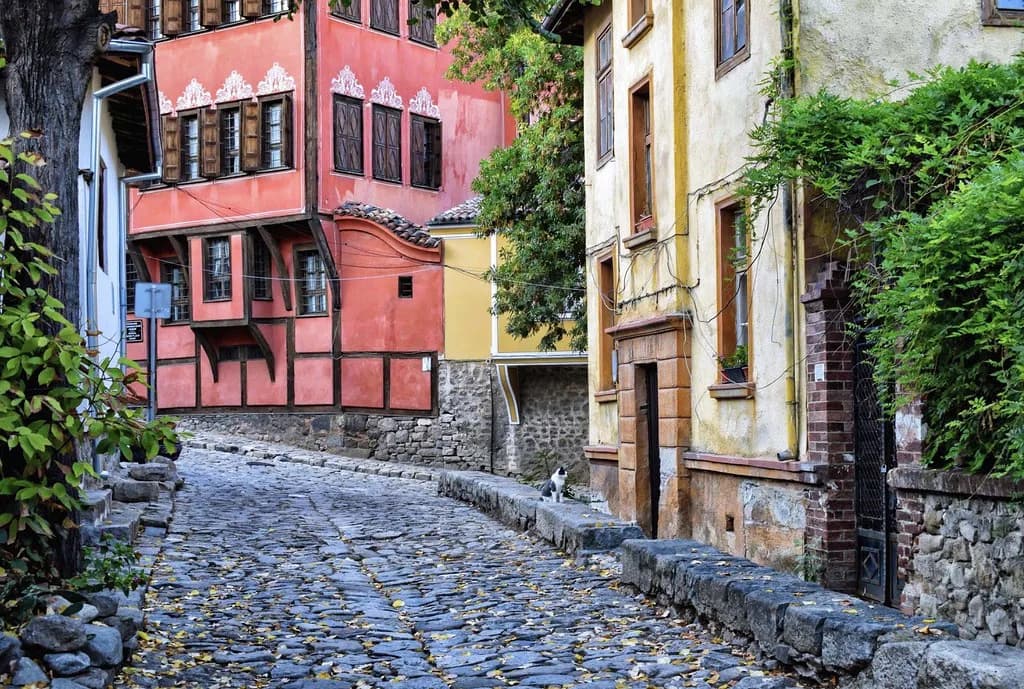
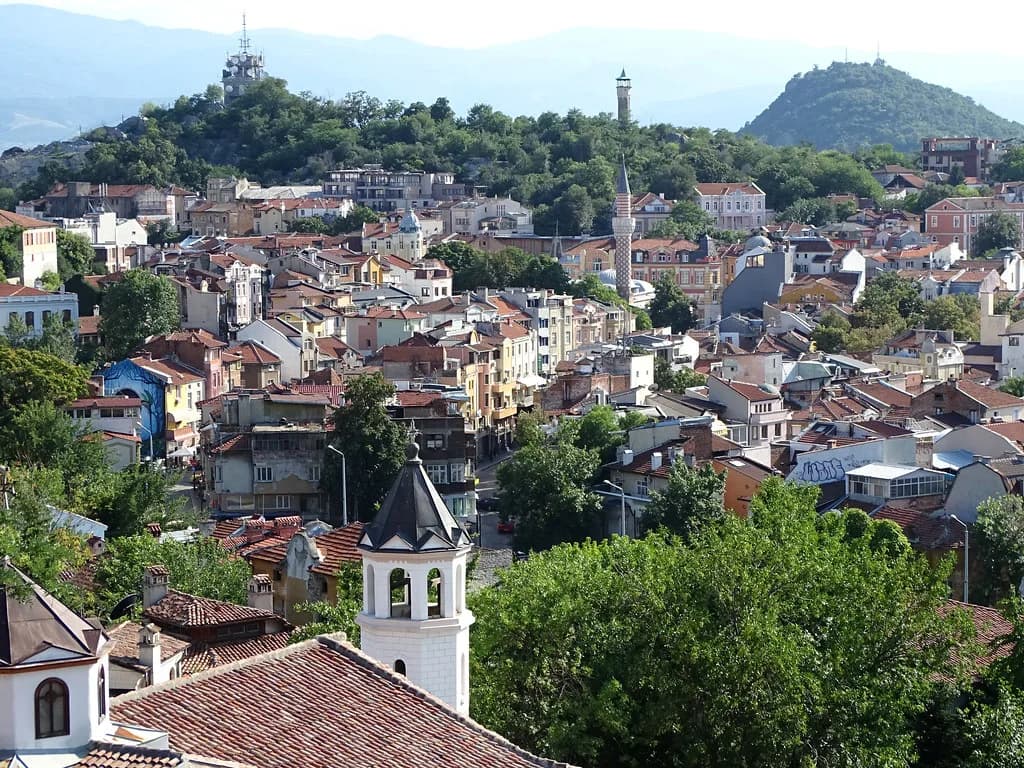
Plovdiv's old town is the strongest single reason to visit Bulgaria. Cobbled lanes climb past National Revival houses to the Roman theatre, which still hosts performances, and the creative district of Kapana below fills with small bars and galleries. Give Plovdiv two full nights rather than a day trip.
Plovdiv is also where the region's layers stack up most visibly: a Roman stadium under the main pedestrian street, Ottoman-era mosques, and 19th-century merchant houses on the same walk. It is compact enough to see on foot, which makes it far easier than Sofia for travelers with limited time.
The trade-offs are modest but real. The city can feel quiet outside summer, some old-town houses are still in poor repair, and the main shopping street is unremarkable. But if the question is whether Plovdiv or Sofia deserves the days you have, Plovdiv wins on almost every count.
Rila Monastery: the day trip that earns a full day
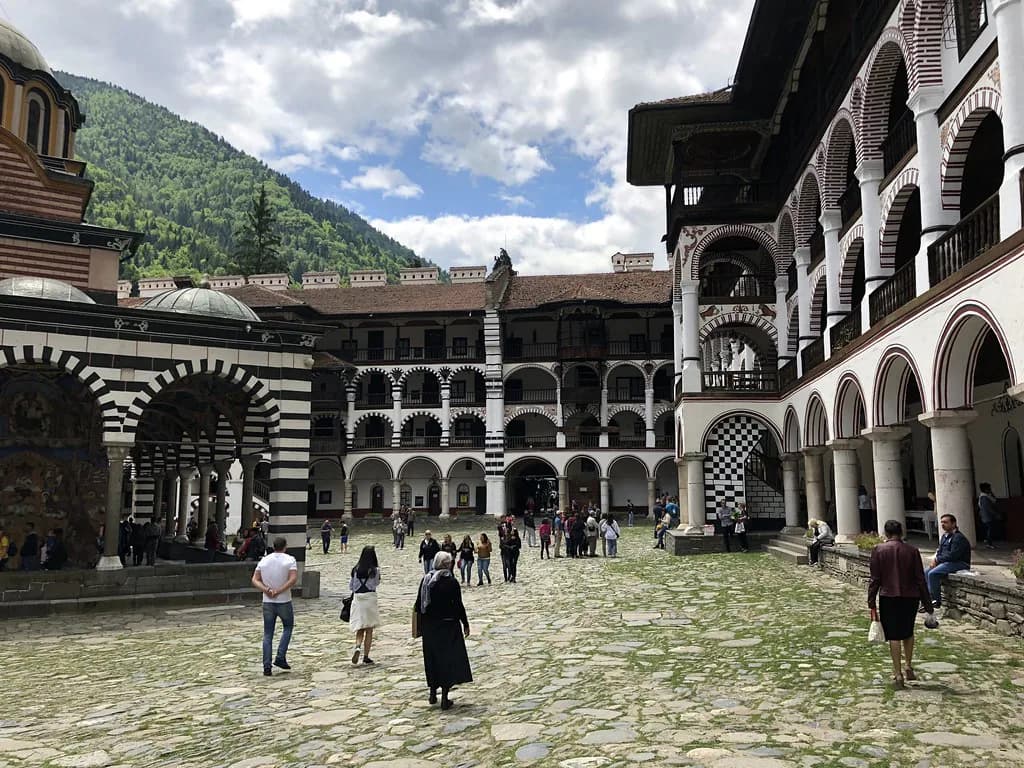
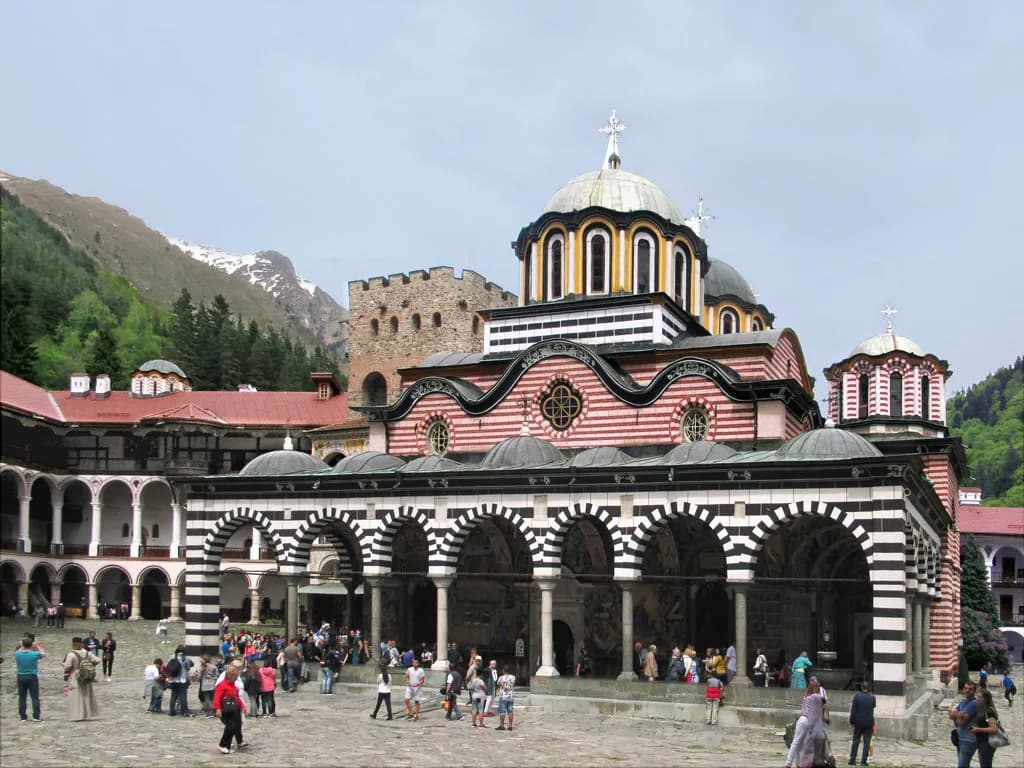
Rila Monastery is the country's most impressive single sight, a walled complex of striped arches and vivid frescoes folded into a mountain valley about a two-hour drive south of Sofia. It deserves a full day, not a half-day squeezed between other stops, and the mountain setting is half the reason.
Lonely Planet's Bulgaria coverage and the main operator-led day tours out of Sofia both feature Rila heavily, which means the site is busy with coach groups by mid-morning. Arrive early or stay overnight in the monastery guesthouse area to see the courtyard when it is quiet, and check Rila's official site for service times if you want to attend rather than simply look.
Getting there without a car is the friction point. Group day tours from Sofia are the easiest option and bundle in Boyana Church; independent travelers face a slow, infrequent bus connection. If you plan to combine Rila with Melnik or Pirin, renting a car pays off.
Nessebar: the historic peninsula versus the resort strip
Nessebar is the rare Black Sea place where the history, not the beach, is the point. The old town sits on a narrow peninsula of Byzantine churches, wooden houses and cobbled lanes, and it is compact enough to walk in two hours. Visit early or late to avoid the day-trip crush, and give the old town a full afternoon.
The mistake is treating Nessebar and Sunny Beach as one product. The two are minutes apart but completely different: Nessebar for churches, wine cellars and stone lanes; Sunny Beach for a wide, shallow beach fronted by large hotels and clubs. If you want culture and swimming, base in Nessebar and use the beach across the bay.
Drawbacks: the peninsula is thronged in high season, the souvenir shops are relentless, and parking is limited. Several churches are preserved as ruins rather than active places of worship. History-focused travelers find Nessebar hugely rewarding; beach-focused travelers may prefer further south.
Veliko Tarnovo and Tsarevets: the medieval capital
Veliko Tarnovo was the capital of the Second Bulgarian Empire, and the Tsarevets fortress hill above the Yantra river bends tells that story better than any museum. The old quarter of Varosha clings to the gorge below, and the evening sound-and-light show on the fortress is the town's signature moment. Two nights suits it well.
Veliko Tarnovo pairs naturally with Plovdiv on a culture itinerary, since both reward wandering more than ticking sights off a list. Travelers who come in April or October get the town's atmosphere without the summer coach load. If you are weighing Bulgaria against neighboring Romania, Tarnovo's medieval core is one of the country's clear trump cards — and if you are still deciding between the two, read our Romania verdict before booking.
The drawbacks are practical: the hilltop climb to Tsarevets is steep and exposed in summer heat, much of the modern town is unremarkable, and public transport connections to the coast are slow. It works best on a loop with Plovdiv rather than as a coastal detour.
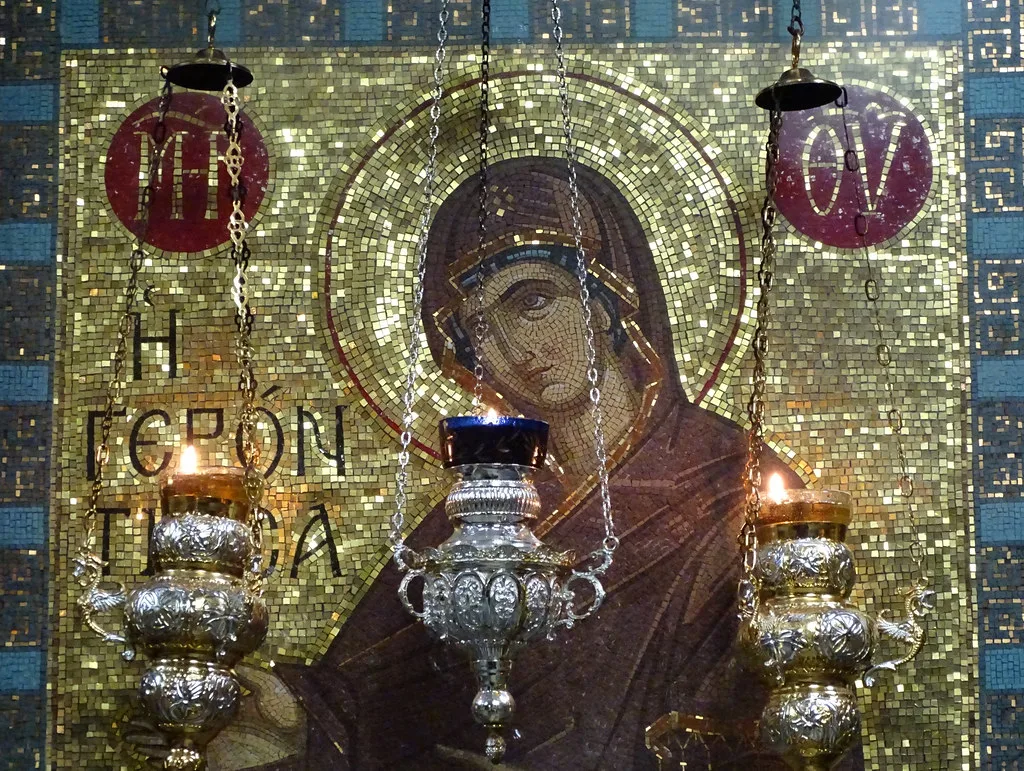
Varna and the northern coast: city beach plus culture
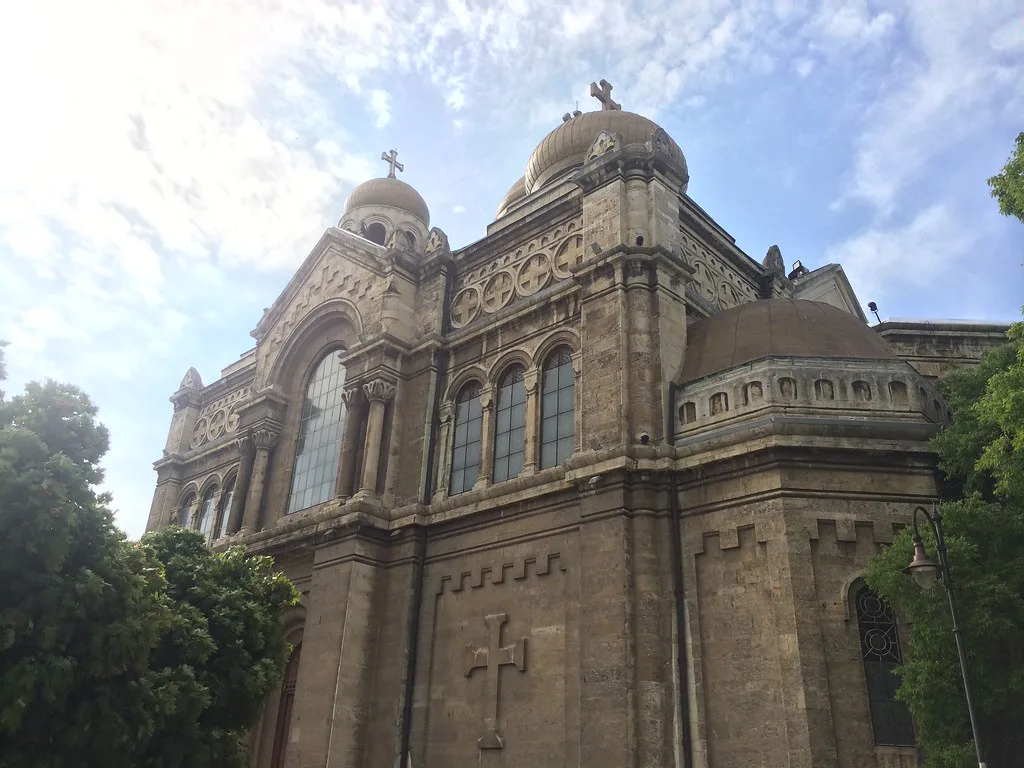
Varna is the coast's best all-rounder: a real city with a long seafront park, an excellent archaeology museum holding the oldest worked gold in the world, and the Roman baths scattered near the center. You get a genuine urban day and a beach day without moving hotels.
North of Varna the coast turns quieter. Krapets, Shkorpilovtsi and Balchik offer wilder beaches, a botanical garden and cliff scenery, while Albena and Golden Sands supply conventional resort infrastructure. The variety is why the northern coast suits travelers who want options beyond a sun lounger.
Honest warnings: Varna's beach is crowded and the water quality varies after storms, Golden Sands and Albena are purpose-built resorts with little local character, and the Sea Garden promenade gets packed on summer weekends. Travelers who cannot relax without fine sand and clear water should look south.
Sunny Beach and the southern resorts: what you're actually buying
Sunny Beach is a long, shallow, sandy bay backed almost entirely by large hotels, water parks and clubs. You are buying convenience, family-friendly swimming and package pricing — not Bulgarian culture. The nearby town of Nessebar is the counterweight, and Sveti Vlas and Pomorie offer quieter, slightly more characterful southern alternatives.
Skip Sunny Beach if you want atmosphere, local food or empty sand. Go if you have young children, want a fly-and-flop week, or plan to use it as a base for Nessebar and the southern coast. The beach itself is objectively good, well suited to weak swimmers and families with small children.
Timing changes the experience sharply. In high season the strip is loud and crowded; in September the sea stays warm but the crowds thin noticeably, which many travelers rate as the better window. Outside the summer season, most resort businesses close and the area feels deserted.
Bansko and Pirin: ski town in winter, mountain base in summer
Bansko is Bulgaria's main ski town in winter and a hiking base for Pirin National Park in summer. Pirin's glacial lakes and granite peaks are the country's finest mountain scenery, and Bansko's old stone quarter preserves the atmosphere the resort outskirts lack. Give Pirin at least three days if you plan to walk.
The trade-off is that Bansko is a purpose-built ski resort with a historic core bolted on. Winter brings busy slopes and inflated prices; summer brings quiet streets and cheap accommodation. Travelers wanting alpine scenery with character should consider staying in Bansko's old town rather than the resort edge.
Pirin is a national park with waymarked trails and mountain huts, but trailheads are scattered and buses to them are scarce. Renting a car or hiring a local guide makes the walking far easier. Beginners should treat the higher routes as serious mountain days, not strolls.
Vitosha: the mountain on Sofia's doorstep
Vitosha rises directly above Sofia and offers a half-day escape without leaving the city's edge. The cable car toward Cherni Vrah, the mountain's summit, and the Aleko area give quick access to alpine meadow and forest, and the mountain is a favorite summer hike and winter ski area for locals.
This is the cheapest and most convenient mountain day on any Bulgaria itinerary if you are already in Sofia, and it pairs well with an afternoon back in the city. It is not, however, a substitute for Pirin or Rila: the scenery is gentler, the trails are busier, and the lift infrastructure is dated.
Visibility is the variable. Sofia sits in a basin and haze or cloud can close in quickly, so keep a flexible day for Vitosha rather than booking it rigidly. Travelers without a car can use the city transport to reach trailheads on the mountain's lower slopes.
Rose Valley and Kazanlak: when the season makes the place
The Rose Valley around Kazanlak is defined by a narrow window in late May and early June, when the damask rose harvest turns the fields pink and the towns hold rose festivals. Outside that window the valley is pleasant agricultural countryside with the Thracian tombs at Kazanlak as the main draw. Time your trip around the harvest or lower your expectations.
Kazanlak's Thracian tomb, a UNESCO site, and the nearby Valley of the Thracian Kings make the area worthwhile for archaeology enthusiasts at any time of year. The town itself is small and workaday, and public transport between the villages is thin. A car turns the Rose Valley from a chore into a good day out.
Do not book a Rose Valley visit on the assumption that fields bloom on command: the harvest dates shift with the weather each year. If roses are the reason for the trip, plan your dates loosely and treat the Thracian tombs and the Shipka Pass as the fixed anchors.
Melnik and the southwest: wine, sandstone and slow days
Melnik is a small town of sandstone pyramids and whitewashed wine cellars in Bulgaria's far southwest, close to the Greek border. It is the country's slowest and most scenic corner for wine tasting, with family cellars producing robust reds from the local Broad Vine variety. One or two nights is the right pace.
The southwest rewards travelers who drive. Melnik pairs with the Rozhen Monastery and the sandstone formations above town, and the roads toward the border are quiet but slow. This is the part of Bulgaria where renting a car matters most — without one, Melnik is awkward to reach and the surrounding villages are effectively closed off.
The trade-offs are real: Melnik is tiny, winter is quiet to the point of emptiness, and the wine scene is small-scale rather than polished. Come for a slow, inexpensive couple of days with good food, not for nightlife or a full itinerary.
Which places to cut if you have a week
With seven days, keep Plovdiv, Veliko Tarnovo, Sofia and one mountain day at Rila or Vitosha — and skip the coast entirely. Adding Sunny Beach or Varna to a one-week culture trip means losing a night in Plovdiv, which is a bad trade. If you fly into Sofia, a loop through Plovdiv, Tarnovo and back works well by train and bus.
With ten days or more, add the Black Sea and choose one coast: Nessebar and the south for history plus beach, or Varna and the north for a city-plus-nature mix. Only with two weeks should Melnik and the southwest make the cut, because the drive time is substantial.
Families should invert the logic and anchor on the southern coast, using Nessebar as the cultural half of the trip. City-and-culture travelers should drop the coast altogether. Mountain travelers should concentrate on Pirin and Rila rather than spreading across both ranges.
Getting between them: bus, rail and car trade-offs
The Sofia–Plovdiv–Varna spine is served by rail and express buses, and it is the easiest route in the country for travelers without a car. Plovdiv to Veliko Tarnovo by bus is workable but slower. Beyond the main lines, services thin out quickly, especially to Rila, Melnik and the Rose Valley.
Renting a car in Bulgaria opens up the mountains and the southwest but brings its own friction: mountain roads are winding and unevenly maintained, and parking in Plovdiv's old town and Nessebar is genuinely difficult. Reserve a car ahead if you plan to combine Rila with Melnik, and collect it from Sofia Airport to avoid city traffic.
For a short trip, rail and bus keep costs predictable and remove the stress of navigating unfamiliar roads. Cross-border travelers weighing options can compare Bulgaria vs Romania on the same trip; both reward rail over driving on the main corridors.
Where each place fits: a verdict by traveler type
City-and-culture travelers: Plovdiv first, Veliko Tarnovo second, Sofia as a base, and Rila Monastery as the day trip. That is a five-to-six-day itinerary that misses nothing essential. Coast travelers: Nessebar plus the southern beaches for history and swimming, or Varna plus the northern coast for variety and a real city.
Mountain travelers: Pirin out of Bansko for the best scenery, Rila Monastery and Vitosha for shorter days from Sofia. Families: the southern coast around Nessebar and Sunny Beach, possibly with a couple of days in Varna. Wine and slow-travel enthusiasts: Melnik and the southwest, with a car and no fixed itinerary.
Travelers who want to see everything in ten days will see a lot of asphalt. Bulgaria rewards depth: two well-chosen bases and a day trip will beat five stops. Whatever the route, check the Bulgarian government's official travel advisory for entry formalities once, and settle your plan around the seasons rather than the map.
Plan Your Route Around the Verdict
Bulgaria's best places cluster along the center of the country and along its northern and southern coasts, and the strongest trips pick two clusters instead of all of them. Plovdiv and Veliko Tarnovo give the culture, Rila and Pirin give the mountains, and Nessebar or Varna give the sea. Build the route around that choice and Bulgaria delivers genuine value for the money.
Frequently Asked Questions
Which city is best in Bulgaria?
Plovdiv is the strongest city for most travelers, with a walkable old town, Roman ruins and the lively Kapana district. Sofia works best as a transport hub rather than a highlight, and Veliko Tarnovo is the best choice for medieval history. If you only have time for one city outside the capital, choose Plovdiv.
Is Bulgaria a cheap place to visit?
Bulgaria is one of the more affordable countries in the EU, with lower restaurant, transport and museum costs than Western Europe. Since adopting the euro in 2026, price comparisons are more transparent but the gap has narrowed slightly in the main cities. Costs vary widely between Sofia and small towns, so set your budget by city rather than country.
Is Sofia or Plovdiv better?
Plovdiv is better for atmosphere, walkability and old-town sightseeing. Sofia wins on transport connections, museum scale and day-trip options like Rila Monastery and Vitosha. Most travelers should base themselves in Plovdiv and use Sofia as a start or end point rather than the other way around.
Where should I go in Bulgaria for a beach holiday?
The southern coast around Nessebar and Sunny Beach offers long, shallow, sandy beaches backed by resort infrastructure. The northern coast near Varna gives a city beach plus quieter spots like Balchik and Krapets. Families tend to prefer the south; travelers wanting variety and a real city prefer Varna.
How many days do you need in Bulgaria?
A week covers Plovdiv, Veliko Tarnovo, Sofia and one mountain day at Rila or Vitosha. Ten days adds a coastal base, and two weeks allows the southwest around Melnik plus a longer stay in Pirin. Trying to see both coasts and the mountains in a week means spending most of it in transit.
What are the entry requirements for Bulgaria?
Entry formalities depend on your nationality and travel document, and Bulgaria now applies the EU's Schengen rules at its borders. Check the Bulgarian government's official travel advisory or your own foreign ministry's page before booking. Travelers arriving overland from neighboring Balkan countries should confirm crossing points in advance.
Sources
Trip-decision notes
Optional updates when we publish or revise a destination verdict.
You might also like
Continue reading
More guides you'll find useful