Tipping in Bulgaria: What to Leave at Restaurants and Taxis
Yes, Bulgaria has a tipping culture. Expect around 10% in restaurants and small round-ups for taxis and cafés. Here is what to leave in each setting.
On this page
Tipping in Bulgaria is expected but not rigid: about a tenth of the bill in a sit-down restaurant, and small round-ups for taxis, cafés and bars. The amounts below are customary practice, not law, and the courtesy that matters most is leaving something visible rather than nothing.
The verdict: tip, about 10% at restaurants and small round-ups elsewhere
Bulgaria is a tipping culture, and the baseline is simple. In a restaurant with table service, a tip of around 10% of the total bill is standard practice when the service has been good. Tipping broadly follows the wider travel pattern across the country, and if you are still deciding how much of a splurge the trip will be, our guide to whether Bulgaria is worth visiting explains where the money goes before you start counting tips.
Outside restaurants, the sums shrink and the gesture stays. Cafés, bars, taxis and hotel staff generally receive a round-up rather than a calculated percentage, so a few coins or the nearest note is the right scale. Guides who give you a few hours of context, or a driver who hauls bags up a mountain road, get a little more than a coin but still not a percentage of anything. Getting the setting right matters far more than hitting an exact figure.
That 10% is custom, not regulation, and Bulgarian diners treat it as a starting point rather than a ceiling. If service was slow or indifferent, leaving less is normal and no one will chase you down the street. If a waiter guided you through a long menu or a kitchen handled a big table well, a little above the usual share reads as genuine gratitude.
How tipping works in Bulgaria: cash on the table, the bill is not the total
The most common method is the simplest: you leave the cash on the table or hand it over with the payment, and the waiter picks it up with the bill. The printed total is what you owe the restaurant, not what you are expected to hand over. Treating the sum on the receipt as the final figure is the mistake that makes a decent meal look stingy, so decide your tip before you reach for your wallet.
Keep small notes and coins specifically for this purpose. A large euro note is awkward for a coffee, and many waiters will not have change for a big bill early in the day, so break it at a shop before you sit down. Tucking a few small notes in a separate pocket makes the whole transaction quicker, especially at busy places in Sofia, Plovdiv or the busier stretch of the coast, where the bill arrives and the table turns quickly.
If you are planning to move around by road, small change also answers one of the recurring questions on the renting a car forum: whether to tip a fuel attendant or a parking helper. A coin or two is enough in those cases, and the same loose-change habit covers the lot.
Restaurants: about 10% of the bill for good service
Sit-down restaurants are where the 10% convention applies most clearly. That is a percentage of the total bill, not of the food alone, and it applies whether you ordered a three-course meal in Plovdiv or a plate of shopska salad and grilled meat in a village tavern. A meal in Sofia or Varna can be a modest outlay by Western European standards, so a tenth is a small sum that still registers as a proper thank-you; if you are weighing up the coastal city itself, our guide to whether Varna is worth visiting covers what a day there costs. Some restaurant bills already fold a service charge into the total, and a tenth on top of it means paying twice.
For a large group, round up rather than compute to the last cent. Splitting a bill across six people often leads to a slightly skimpy pile of cash on the table, because each person assumes someone else will add the extra. The clean approach is to agree on a total tip for the table, add it once, and then divide the whole amount.
On the coast in high season, and in city centres in the evening, service is under more pressure and the difference between a tip and no tip is noticed. Restaurants in Sunny Beach and along the Black Sea coast fill with foreign visitors in July and August, so staff are working hard and the usual share still applies.
Cafés, bars and bakeries: round up or leave loose change
For a coffee, a beer or a pastry, the round-up is the whole system. If the bill comes to a few euros, leaving the change from the next note is plenty, and for a counter-service bakery where you pay before eating there is no expectation of a tip at all. A bar tab over an evening is different: leave a few euros on the table at the end rather than adding a percentage to every round.
The café and bar scene changes with the season, and so does the rhythm of tipping. In summer, terraces in Sofia and Plovdiv stay busy late and the staff are moving fast, so a visible tip on the table is an easy courtesy. If you are planning a warm-weather trip and want to know what the cities feel like when they are full, the best time to visit Bulgaria lays out the seasons.
Taxis: round up the fare rather than calculate a percentage
Taxi tipping in Bulgaria works by rounding up, not by percentages. A short city ride is rounded to the next convenient note or coin, and a longer airport run gets a slightly larger round-up for help with bags. There is no firm percentage to apply, and a driver will not expect you to calculate a tenth of the meter.
Ride-hailing apps make the question easier. When you pay in the app, the fare is settled electronically and there is no cash gesture to make, so many visitors tip only when they hail a street cab or take an airport taxi. If you arrive at Sofia Airport and plan to drive yourself afterward, the same small-change logic applies to the car-rental desk, where a tip is not standard but a helpful hand with luggage sometimes gets a coin.
Tour guides, drivers and day tours: what a fair gesture looks like
A guide who spends half a day with you earns more than a coin, but there is no fixed rate. A modest note per person is the usual gesture at the end of a walking tour, and a private guide who has arranged transport and timed a monastery visit deserves more than a group tour guide. Drivers on a long transfer are tipped separately from the guide, especially if they handle luggage or wait in heat.
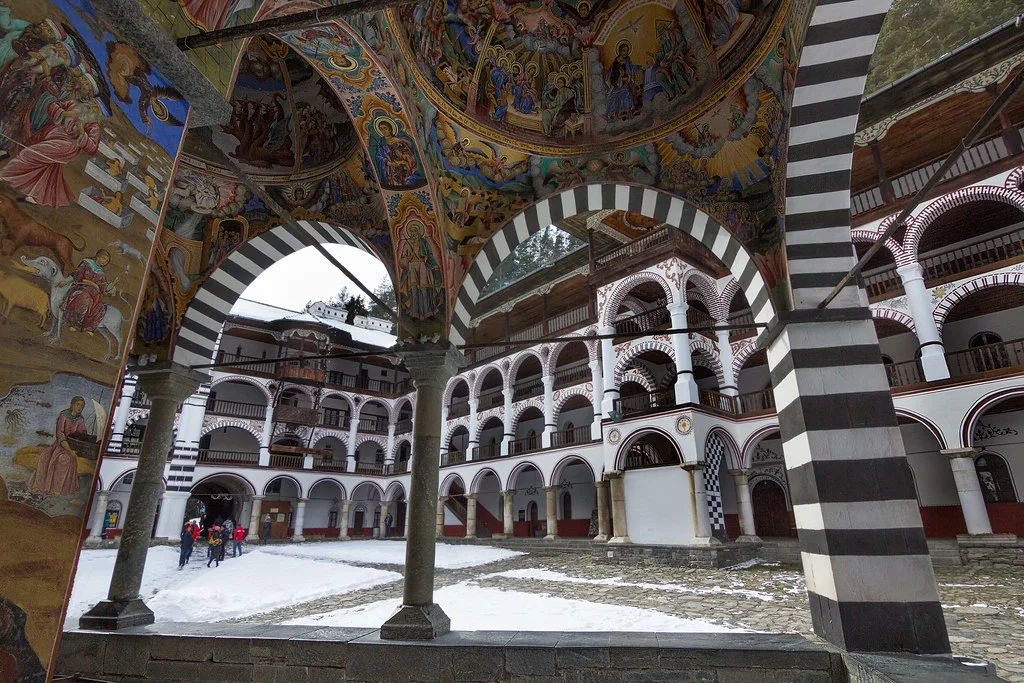
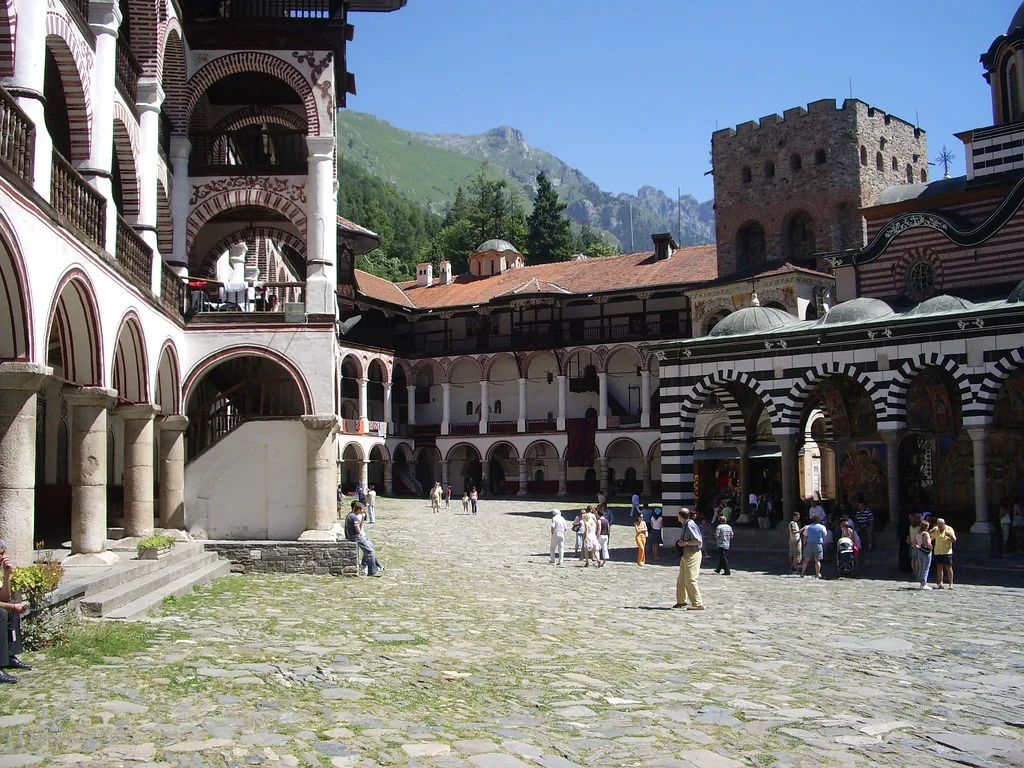
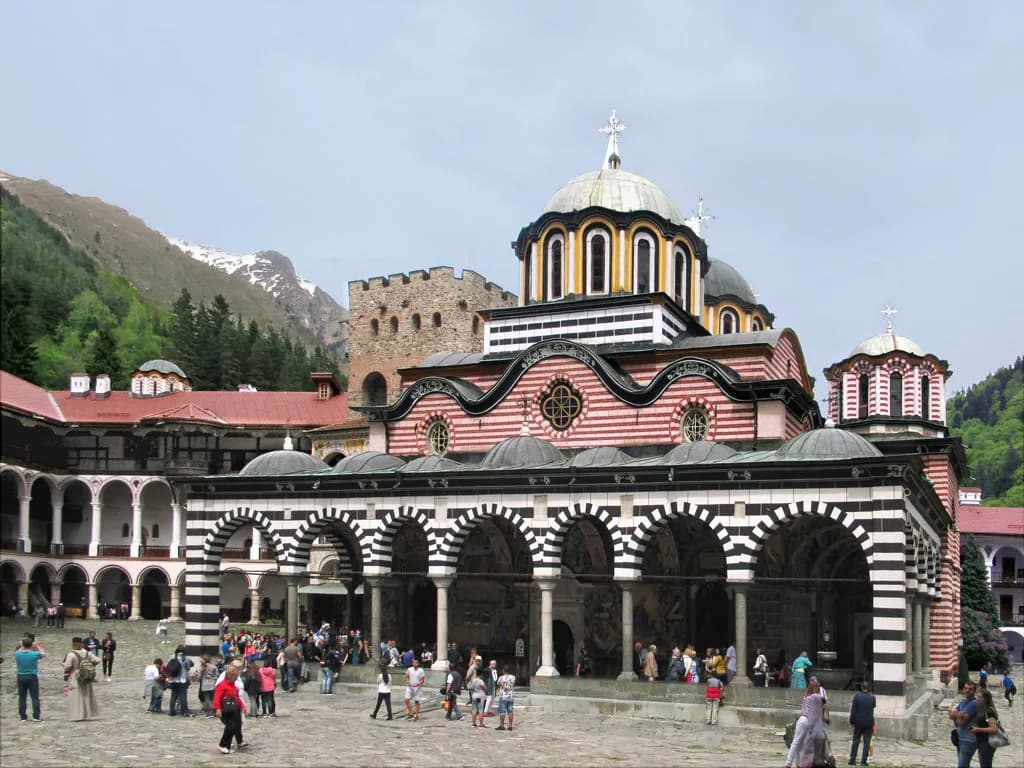
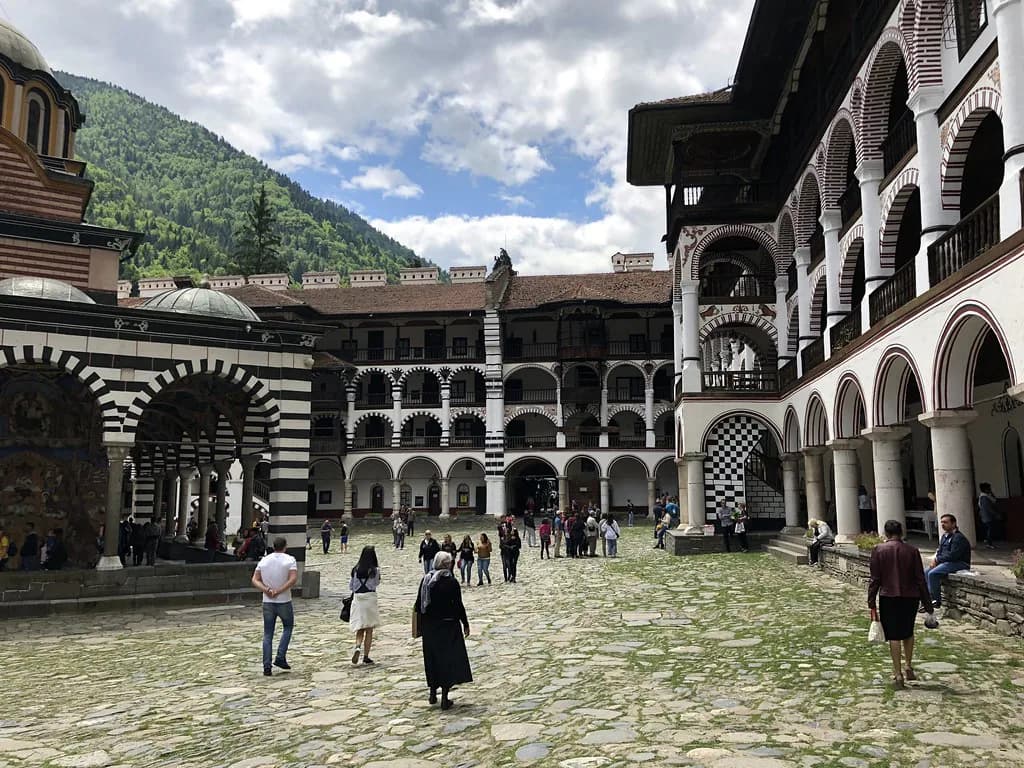
The same logic applies to the places you visit. A day trip that combines Rila Monastery with a mountain walk involves a guide, a driver and sometimes a site fee, and each is handled separately. If you are in Bulgaria in May, when the mountains are still cool and the lowlands are warming up, the guide is often the person who saves you from a washed-out afternoon, and that is exactly the kind of help a tip acknowledges.
Hotel and spa staff: porter, housekeeping and reception
Hotel tipping is light but not invisible. A porter who carries bags to the room gets a small note, and housekeeping is best handled with a note left on the desk or pillow rather than a coin on the bed, so it is clear the money is for the staff. Reception staff who arrange a taxi or a late checkout are usually thanked in words, not cash.
Spa and pool staff sit in the same category as restaurant staff when they provide a personal service, such as a massage or a treatment, and a small addition to the bill is the normal way to do it. In resort areas on the Black Sea coast, where seasonal staff work long summer hours, the gesture is more appreciated than the amount.
Paying by card versus cash and whether to say the amount out loud
Cards are accepted in most city restaurants and hotels, but tipping by card depends on the terminal. Some card machines let you add a tip before you tap, and some do not, so the reliable habit is to carry a little cash for the tip even when you pay the bill by card. Saying the amount out loud, such as asking the waiter to add a tenth, works in many places, but it relies on shared language and a clear total.
Cash for tips is worth keeping even in a mostly card-based trip. A few euro coins in a pocket cover the coffee, the taxi and the cloakroom, and they avoid the small friction of asking a waiter to run a card for a tip after the bill is already settled. Withdrawing a modest amount at the start of the trip is easier than hunting for an ATM on the last evening.
Service charges, cover charges and other line items on the bill
Some restaurant bills include a service charge, and when they do, the tip is already in the total. Check the receipt before adding anything, because paying a tenth on top of a built-in service charge means paying twice. Cover charges for bread or a table setting are a separate line item and are not a tip, so read the whole slip rather than only the bottom figure.
The printed bill in Bulgaria is rarely the final number you hand over, which is why asking for the receipt matters. If the total already includes service, a small extra is optional; if it does not, the tip is on you to add. This single distinction prevents most of the overpaying and underpaying that visitors report.
Common mistakes visitors make
The first mistake is leaving nothing because the bill felt complete. The receipt shows what the restaurant charges, not what the server keeps, and in a country where the customary share is a tenth, an empty table reads as a comment on the meal. The second is overcorrecting: dropping a large note on a coffee bill looks less generous than simply leaving the change.
The third is applying restaurant math everywhere. Taxis, cafés and hotel porters work on round-ups, and calculating a percentage of a short cab ride is more effort than it is worth. The fourth is assuming card payment covers the tip; if the terminal does not prompt for one, the tip has not been left, whatever the bill says.
Who this matters most for: budget travelers, families and business travelers
Budget travelers feel the restaurant tip most because it is the one place where a percentage applies, and a tenth of a cheap meal is still small enough to absorb. Families should budget for the group effect: a table of five or six needs a decided total rather than five separate guesses. Business travelers on an expense account are usually fine with the standard tenth, but should keep receipts that show any service charge separately.
Where you go shapes how often you reach for your wallet. A city-based trip with several restaurant meals involves more tipping decisions than a hiking week in the mountains, where the main cash moments are a mountain-hut meal and a taxi at the trailhead. If your itinerary leans toward the coast and the old towns, the frequency of small transactions goes up and the loose-change habit pays off.
Plan Your Visit
Tipping in Bulgaria is easy once you separate the settings: about a tenth in a restaurant, a round-up in a café or taxi, and a modest note for a guide or a porter. Carry small euro notes and coins, check the bill for a service charge before you add anything, and treat the printed total as the restaurant's number rather than the final one.
If you are timing a trip around the coast or the mountains, the best places to visit in Bulgaria can help you decide where the tipping moments will actually occur. For everything else, the country's practical travel overview is a sound starting point before you book, though prices and dates are worth checking closer to your trip.
Explore more Bulgaria trip-decision guides
Frequently Asked Questions
Is Bulgaria a tipping culture?
Yes. Tipping is customary rather than compulsory, and the clearest convention is in sit-down restaurants, where around a tenth of the bill is the usual gesture for good service. Elsewhere the amounts are smaller, and a round-up is generally enough.
How much do you tip in a restaurant in Bulgaria?
About 10% of the total bill is the common practice when service has been good. It is a custom, not a rule, so a slow or indifferent meal can take less, and a bill that already includes a service charge needs no further percentage.
Do you tip taxi drivers in Bulgaria?
Yes, but by rounding up rather than by percentage. A short city ride is rounded to the next convenient coin or note, and a longer airport run gets a slightly larger round-up, especially if the driver helps with luggage. Rides paid entirely through an app often involve no cash tip at all.
Is service charge included in Bulgaria?
Sometimes. Some restaurant bills add a service charge and some do not, so read the receipt before adding a tip. If service is already in the total, an extra is optional; if it is not, the usual tenth is on you to add.
Do you tip in cafés and bars in Bulgaria?
Round up or leave the loose change. A coffee or a beer does not call for a calculated percentage, and a counter-service bakery where you pay first involves no tip at all. For a long evening in a bar, leaving a few euros at the end is the normal gesture.
Should you tip in cash or by card in Bulgaria?
Cash is the safer default for tips. Many card terminals do not offer a tip prompt, and a waiter who has already run the bill may not be able to add one afterward. Carry small euro notes and coins even if you pay the bill itself by card.
Is tipping expected in Sofia?
Yes, in the same way as elsewhere in Bulgaria. Restaurant service in Sofia follows the usual tenth for good service, cafés and taxis take a round-up, and hotel porters and guides get a modest cash gesture. The capital has more card-friendly venues, but cash still covers the small moments.
Sources
Trip-decision notes
Optional updates when we publish or revise a destination verdict.
You might also like

Continue reading
More guides you'll find useful