Burgas in September: Weather and Whether to Go
Burgas in September brings average highs near 25°C and a Black Sea still warm enough to swim. See who should go now and who should wait.
On this page
Yes, September is one of the best months for Burgas. You get average daytime highs around 25°C (77°F), a Black Sea that usually still invites swimming, and a waterfront no longer bracing for peak-August volume. The catch is at the edges: nights cool down, daylight shortens noticeably by late September, and the full beach-resort atmosphere fades as the season winds down.
If you are still weighing the city itself, our take on whether Burgas is worth visiting covers what the Sea Garden, the center and the lakes deliver beyond the beach. September simply makes that case easier, because you can walk and swim in the same afternoon without the midsummer heat pushing you indoors.
The verdict
September suits travelers who want warm-but-not-brutal days, swimmable water and a city that feels lived-in rather than saturated. It is the month when Burgas works as both a beach base and a walking city, with enough light left for a late-afternoon stroll along the Sea Garden after a morning swim.
It is a weaker fit if you need guaranteed 30°C (86°F) days, a busy promenade and evening entertainment in full swing. Heat-seekers and families chasing the classic package-holiday feel should look at July and August, or at Sunny Beach a little further up the coast where the resort machine runs longer.
September weather in Burgas
Treat the figures as typical conditions, not a forecast. Averaged over the month, Burgas sees daytime highs of about 25°C (77°F) and overnight lows in the 14–16°C (57–61°F) range. The town's September outlook gives a day-by-day sense of how highs and lows move across the four weeks, which is useful for splitting early from late September.
Rain is modest rather than absent. One set of September averages for Burgas puts rainfall at roughly 34 mm across about four wet days, with around eight hours of sunshine a day and 12 hours of daylight at the start of the month. Another source counts only about two rainy days, so plan for a passing shower without building your trip around washouts.
The practical split is early versus late September. The first half holds onto summer: warmer sea, longer evenings and more reliable beach afternoons. By the final week the overnight drop is sharper and the light fades earlier, so shift your walking and sightseeing into the morning and keep the afternoon for the shore.
Sea temperature and swimming
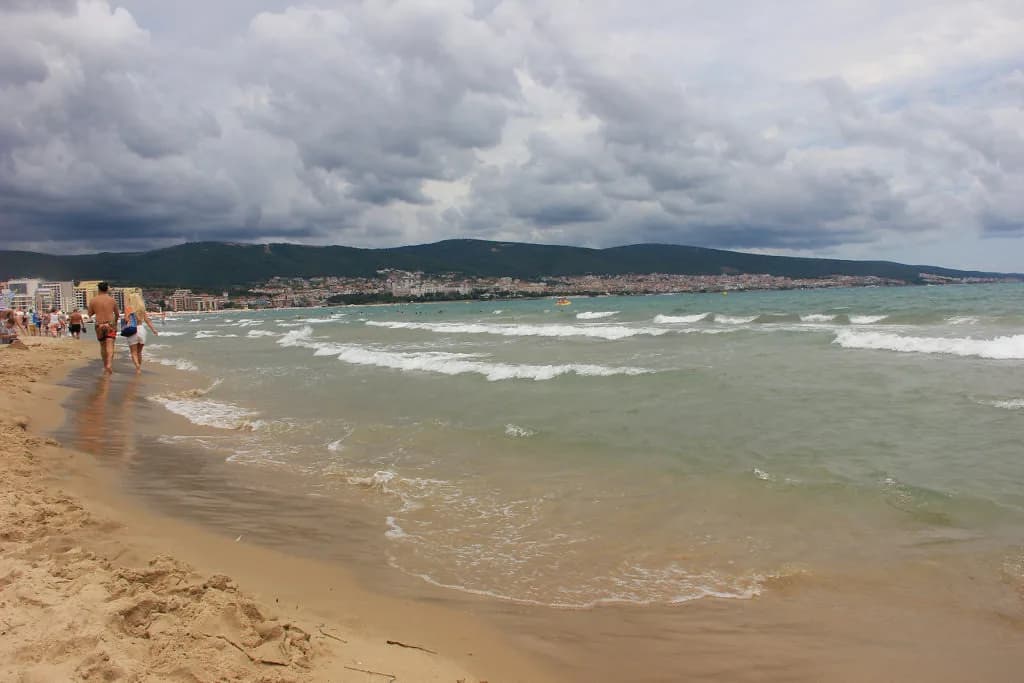
The Black Sea holds its summer heat into September, and the sea temperature sits around 22°C (72°F) in the Burgas area averages for the month. That is comfortable for most swimmers on a sunny afternoon and bracing for anyone who prefers bath-warm water. If swimming is the main reason for the trip, come in the first half of the month.
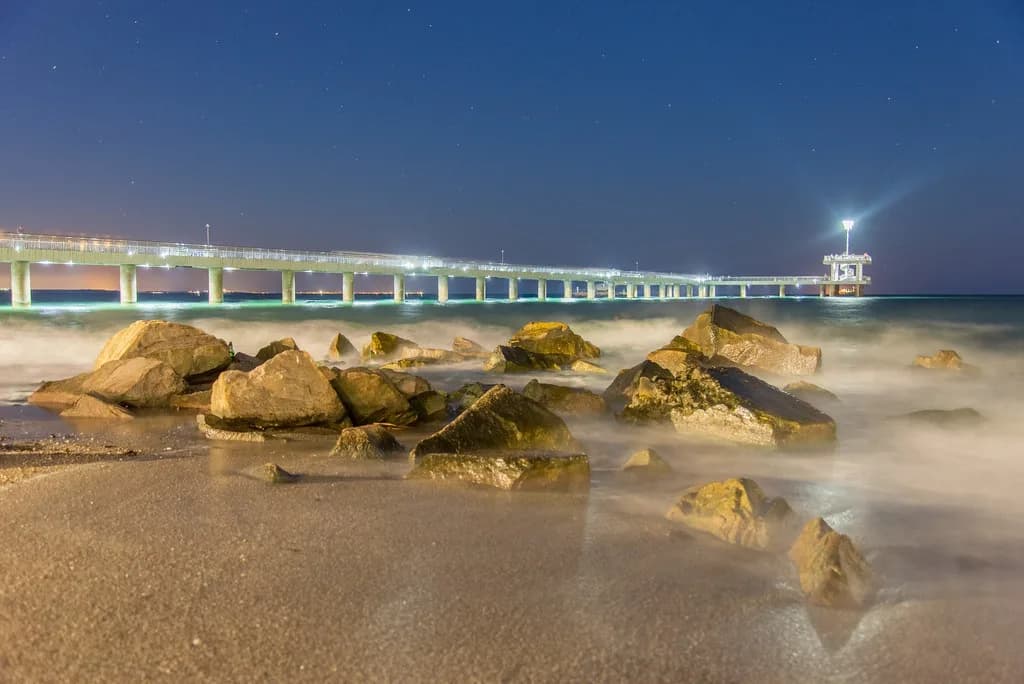
Central Beach is the obvious choice, a long sweep of sand right below the Sea Garden with the city behind it rather than a resort strip. The Sea Garden itself runs for kilometers along the clifftop, with shaded paths, benches and steps down to the water, so a swim and a walk fit naturally into one loop. For a quieter swim, head north or south of the central stretch where the sand narrows but the crowds thin.
Who will love September in Burgas
Swimmers get warm water without the August scramble for space. Walkers get days cool enough to cover the Sea Garden, the pedestrian center and the waterfront without wilting. Culture-first travelers can put in a proper museum morning at the Ethnographic Museum or the city's galleries and still have the afternoon outdoors, which is hard to manage in July.
Slow travelers do especially well. September is when Burgas feels like a working Black Sea city rather than a seasonal machine: cafes stay open, buses still run, and you can spend a morning at the coastal lakes watching birds before an afternoon on the sand. Pamporovo and the inland mountains are a different trip entirely, so keep the coast as your base.
Who should choose another month or place
Skip September if your idea of a beach holiday requires a crowded promenade, water parks at full tilt and evening entertainment every night. That version of the Bulgarian coast peaks in July and August, and late September is when resort activity starts thinning noticeably.
If you want the warmth of high summer with a longer season, June is the better call for water and daylight, while May trades swimming for wildflowers and empty paths. Both reward travelers who care more about walking and scenery than about baking on the sand, and our notes on Burgas in June explain how the early-summer version of the city differs.
What to see in and around Burgas
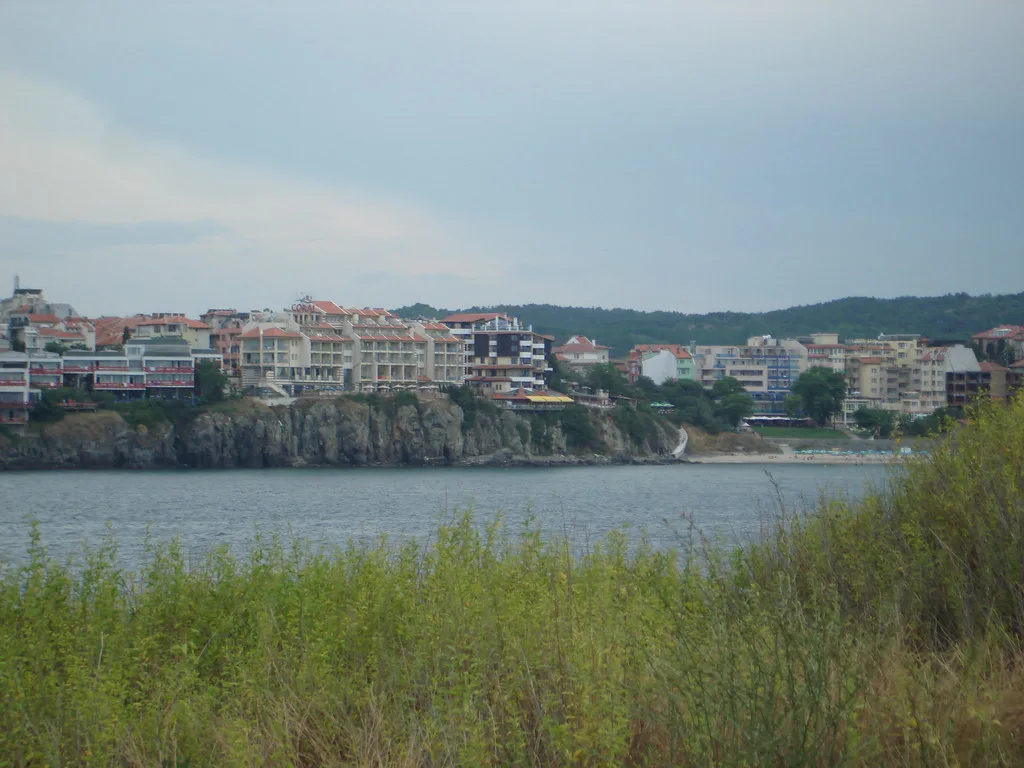
Start with the Sea Garden, the city's long clifftop park, which holds summer theatre, sculpture, cafes and the path down to Central Beach. The pedestrian center around Alexandrovska Street gives you the main shopping and cafe stretch, and the Ethnographic Museum puts the region's crafts and coastal life in context on a rainy morning.
The coastal lakes are Burgas's underrated asset. Lake Atanasovsko, just north of the city, is known for its salt pans and birdlife, and Lake Vaya and Lake Mandrensko sit on the western edge. September migration makes them more interesting than in midsummer, and a half-day with binoculars costs little beyond the bus fare.
St. Anastasia Island, a short boat ride from the port, adds a maritime stop with a small museum and views back to the city. Sailings are seasonal, so build it into a flexible day rather than a fixed itinerary, and pair it with the Sea Garden on the same afternoon.
Day trips that still work in September
Nessebar is the standout: a UNESCO-listed old town on a rocky peninsula, packed with medieval churches and timber houses, about half an hour up the coast. Go early in the day, because tour groups arrive mid-morning even in September. Sozopol, further south, offers a similar old-town charm with a more relaxed feel and good seafood on the harbor.
Pomorie sits between the two, a small town known for its salt lake and mud baths, and it makes an easy half-day by bus. Inland, the towns behind Burgas give you a completely different Bulgaria of vineyards and quiet squares, useful when a September shower rolls in off the sea.
This is also a good month for a wider loop. If you are comparing coastal bases, the same shoulder-season logic applies elsewhere on the Black Sea, and a September trip through Bulgaria works well when you pair Burgas with inland stops rather than treating it as a single beach destination.
Crowds and cruise days
The post-summer lull is real but uneven. Weekends still bring Bulgarian visitors from inland, and the old towns at Nessebar and Sozopol absorb tour groups in bursts. Cruise calls put a few hundred extra people into the center and the Sea Garden for a few hours, so plan museum visits and the island boat for the quieter parts of the day.
The upside of thinner crowds is practical: you can walk into restaurants without booking, and the promenade has room for a proper stroll. Late September can swing the other way, with some seasonal places closing for the year, so treat the last week as a quieter city break rather than a beach holiday with full services.
Days getting shorter
Sunset moves noticeably earlier through the month, and by the end of September the evenings arrive soon after dinner. In practice that means front-loading outdoor time: swim and walk in the morning and early afternoon, and keep the late afternoon for the Sea Garden or a museum. It also changes how day trips work, since a return from Sozopol or Nessebar in daylight becomes tighter as the month progresses.
The shift is not a reason to avoid September, but it does argue for choosing your dates deliberately. Early September gives you long evenings and warm water; late September gives you quieter streets and a more autumnal city. Both are good trips, just different ones.
Typical costs in words
Bulgaria has used the euro since 1 January 2026, so you will pay in euros rather than leva. Burgas remains one of the more affordable Black Sea cities: city buses and the small ferries are cheap, museum tickets are modest, and a casual lunch costs far less than in Western Europe. The Sea Garden is free to wander.
Prices for boat trips to St. Anastasia Island, museum entry and intercity buses are not fixed nationally, and they can change with the season. Check current fares at the ticket desk when you arrive rather than budgeting from older figures, and expect the last week of September to be cheaper and quieter than the first.
Getting there and around
Burgas Airport sits a short drive from the center and handles seasonal flights from across Europe, with the summer schedule thinning as autumn arrives. The city's bus and rail stations are close together on the western side of the center, and trains connect Burgas with Sofia and other Bulgarian cities.
Once in town, the center and the Sea Garden are walkable, and city buses cover the beaches, the lakes and the airport. For day trips, buses to Nessebar, Pomorie and Sozopol leave from the bus station and are frequent enough in September to plan on the day. Check the current timetable at the station when you arrive, since shoulder-season schedules thin out.
How many days you need
Two full days cover Burgas itself: one for the Sea Garden, Central Beach and the center, one for the lakes and the Ethnographic Museum. Add a third day for Nessebar and a fourth for Sozopol or Pomorie, and you have a relaxed coastal loop without rushing.
If you are combining Burgas with Varna or inland Bulgaria, three nights here is the sweet spot. Anything shorter and the day trips start to crowd out the city, which is the part September makes most pleasant.
September versus October in Burgas
October is cooler and wetter, with sea temperatures dropping and beach days becoming a gamble rather than a plan. September keeps the swimming and the long-ish evenings while shedding most of the August crowd, which is why it is the better shoulder-season month for a first visit. If swimming is not a priority, October gives you an even quieter city and lower prices.
Who Should Go in September
September is the best-value month for a first trip to Burgas: warm enough for the sea, cool enough for the Sea Garden, and quiet enough that day trips to Nessebar and Sozopol feel unhurried. Swimmers, walkers and slow travelers should book early September; heat-seekers and families wanting a full resort atmosphere should pick July or August instead.
Compare it with the early-summer version of the city before you fix dates, since Burgas in June trades some of September's calm for longer days and warmer water. Whichever you choose, the city rewards travelers who plan around daylight rather than around a fixed beach schedule.
Frequently Asked Questions
Is Burgas worth visiting in September?
Yes, for most travelers. September delivers average highs near 25°C (77°F), a Black Sea usually warm enough to swim, and a city that is busy without being packed. Choose early September for beach days and late September for quiet walking and lower prices.
What is the weather like in Burgas in September?
Expect typical daytime highs of about 25°C (77°F) and overnight lows in the 14–16°C (57–61°F) range. Rain is modest, with averages suggesting a handful of wet days across the month, and sunshine around eight hours a day. Treat these as typical conditions rather than a forecast.
Is the sea warm enough to swim in Burgas in September?
Usually yes, especially in the first half of the month. Sea temperatures around Burgas average roughly 22°C (72°F) for September, which is comfortable for most swimmers on a sunny afternoon and noticeably cooler by the end of the month.
How many days do you need in Burgas?
Two full days cover the city itself, including the Sea Garden, Central Beach and the Ethnographic Museum. Add a third day for Nessebar and a fourth for Sozopol or Pomorie if you want a relaxed coastal loop without rushing between buses.
Is September a good month to visit Bulgaria?
It is one of the better months for the Black Sea coast, with warm water, milder walking weather and thinner crowds than August. Inland areas cool faster, so plan coastal swimming for early September and save mountain time for warmer afternoons.
September or October for Burgas?
September is better if you want to swim, with warmer sea and longer daylight. October is quieter and cheaper but cooler and wetter, and beach days become unreliable. For a first visit that combines beach and sightseeing, pick September.
Do I need to book restaurants and day trips in advance in September?
Mostly no. Outside weekends and the first week of the month, you can usually walk into restaurants and buy day-trip bus tickets on the day. Late September is the exception, when some seasonal places close and shoulder-season transport schedules thin out.
Sources
Trip-decision notes
Optional updates when we publish or revise a destination verdict.
You might also like
Continue reading
More guides you'll find useful