Is Moldova Cheap? Real Trip Costs and What Your Money Buys
Moldova is one of Europe's cheapest countries for travelers, with low food, transport and wine prices. Here is what a trip costs and where the savings stop.
On this page
Yes — Moldova is one of the cheapest countries you can travel in Europe, and the savings show up fastest in food, wine and local transport. The catch is that prices are low partly because the country is poor and rural infrastructure is basic, so the money you save buys a simpler trip than you would get in Romania or Hungary.
This guide separates what a visitor actually spends from resident cost-of-living data, because the two are very different numbers. Daily budgets are described in words, specific prices are limited to what published sources give, and whether Moldova is worth visiting at all gets a straight answer rather than a sales pitch.
The verdict: yes, Moldova is cheap — but cheap in a specific way
Moldova's reputation as Europe's budget destination is deserved, but it is budget in a particular way. The country sits among Europe's poorest, with a lower GDP per capita than every EU state, and prices for everyday things have stayed low accordingly. A basic restaurant meal costs around €5 and a three-course dinner for two at a mid-range place runs about €22.
Where the arithmetic changes is getting there. Flights into Chișinău from Western Europe are not bargain-basement in the way food is, so the low on-the-ground costs reward travelers who stay long enough to amortize the airfare. A two-night stopover barely registers the savings; a week of wine cellars, markets and monastery trips does.
Treat the country's cheapness as a reason to slow down rather than a reason to add it as a rushed extra stop. The people who get the most value are those who spend several days in Chișinău and use it as a base for rural day trips, because the fixed costs of arrival are spread across more low-cost days.
What 'cheap' means here: daily spending in words, from budget to comfort
On a tight budget, Moldova is genuinely inexpensive: hostel or simple guesthouse beds, supermarket food, marshrutka minibuses and the occasional cheap restaurant meal keep daily spending very low by Western European standards. A comfortable mid-range trip — a decent hotel in Chișinău, restaurant lunches and dinners, taxis after dark and a couple of paid wine cellar tours — still costs noticeably less than the same itinerary in Romania or Poland.
At the comfort end, the ceiling is lower than in Western Europe because there are fewer high-end hotels and fine-dining rooms to spend money in. That is not a complaint about value; it means the upper tier of a Moldova trip is capped by what exists rather than by your budget.
Published resident cost-of-living summaries put a single person's monthly expenses in the tens of thousands of lei and a family of four much higher, but those numbers include rent, utilities and local salaries, so they say nothing directly about a visitor's daily spend. Use them only as a sign of how far the local price level sits below Western Europe.
Currency matters for reading any budget. Moldova uses the leu, not the euro, so prices quoted in euros in older articles are rough conversions rather than the amount on the menu. Carry a mix of cash and card and let the Moldovan leu figure be the one you compare.
Food and drink: restaurant meals, supermarket baskets and wine
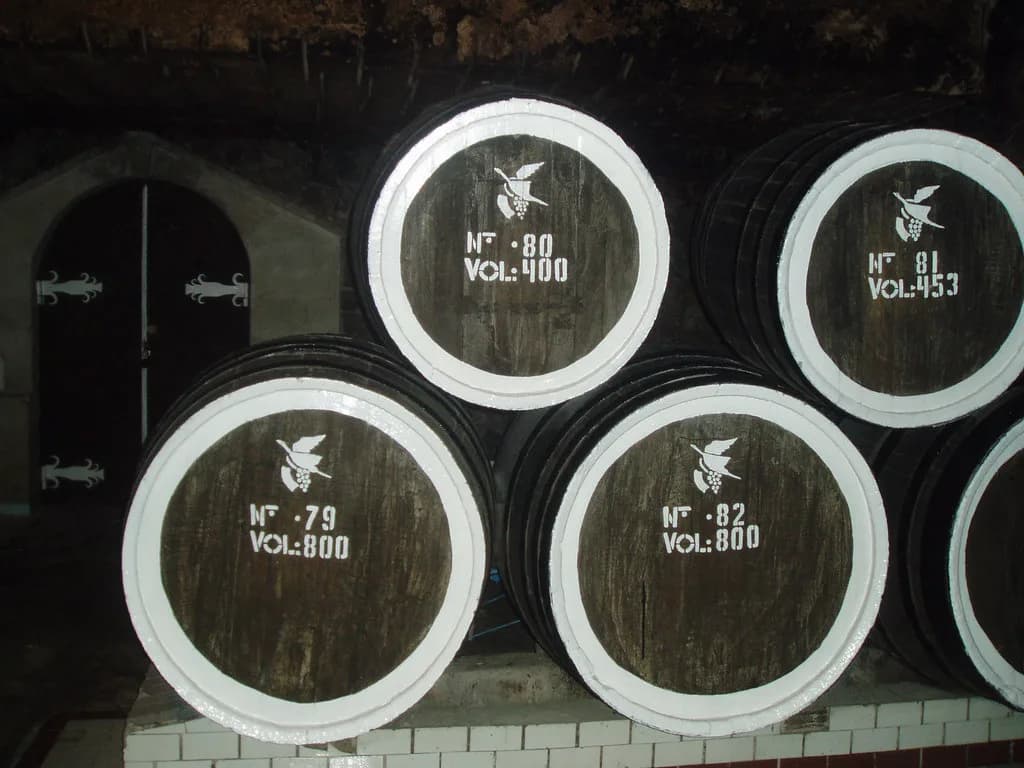
Food is where the cheap reputation is most obviously true. A basic restaurant or fast-food meal costs about €5, a three-course dinner for two at a mid-range restaurant about €22, and supermarket staples are lower still — a loaf of bread around €0.40, a litre of milk around €0.77, a kilo of potatoes around €0.60. Wine is the standout. A good-quality red table wine costs around €6 a bottle in a shop, and local beer around €0.71 for half a litre, which makes an evening in a Chișinău wine bar or a cellar tasting one of the cheapest pleasures in the region. The country's cellars, including the vast underground network at Mileștii Mici, are the main reason many travelers come at all.
Eating out cheaply does not mean eating badly: Moldovan cooking leans on vegetables, cheese, pork and placinta pastries, and the low prices mean you can try several dishes without watching the bill. Markets in Chișinău are the place to see the same prices locals pay rather than restaurant markups.
One caveat on wine: cellar tours and tastings are priced for visitors rather than locals, so they are the one food-and-drink line where Moldova feels closer to European norms than to a bargain. Budget for them as an activity rather than as a cheap meal.
Getting around: public transport, taxis and fuel
Local transport is very cheap. A monthly public transport ticket in the capital costs around €8, which tells you how low single fares sit, and taxis are inexpensive by Western standards — roughly €1.20 to start plus about €0.24 per kilometre, with pre-booked rides cheaper than hailing on the street. Fuel costs around €0.80 a litre, so driving between towns is affordable, but the road-quality caveat is real: some roads are in poor condition and rural stretches can be badly lit at night. If you plan to drive, do the long hops in daylight and expect slower average speeds than the distance suggests.
Between cities, minibuses and buses are the default and keep intercity costs low; the trade-off is frequency and comfort rather than price. For the airport run into Chișinău, arrange transport in advance rather than relying on improvisation at an unfamiliar hour.
Getting there and the vignette if you drive
The main fixed cost of a Moldova trip is the flight into Chișinău, and it is the line item least likely to feel like a bargain. Compare arrival prices against nearby Romanian airports before committing, because a cheaper flight to Iași plus a road transfer can beat a direct fare depending on the season.
If you bring or rent a car, a vignette for the year is a fairly cheap annual product rather than a short-stay one, so check with the rental company or the issuing authority what applies to your vehicle before you set off.
Renting a car only pays off if you are heading well outside the capital, since Chișinău itself is compact and cheap to cross by taxi or bus. For a short city-focused trip, skip the car and put the money into a guided day trip instead.

Where the savings stop: rural Moldova, basic infrastructure and limited English
The low prices fade as you leave Chișinău. Rural accommodation is limited and living conditions in many villages are basic, so the cheapness of the countryside is partly a function of few services rather than a hidden bargain.
Language is the other brake on easy savings. Moldovans speak Romanian and Russian, and English is uncommon outside the capital and the tourism trade, which makes independent travel in the countryside slower and more dependent on help.
Connectivity is a pleasant surprise rather than a cost: Moldova has near-world-leading superfast broadband coverage, home internet packages start low, and a prepaid mobile plan with a large data allowance costs only a few euros a month. Keeping online is not where your budget goes.
None of this is a reason to skip the country; it is a reason to travel with realistic expectations about comfort and to build in time for things to move slowly. The savings are real, but they are paid for partly in convenience.
Who will love it: budget travelers, wine lovers, slow travelers
Budget travelers who measure a trip by how far their money stretches will find Moldova hard to beat in Europe. Wine lovers get cellar tours and excellent bottles at prices that feel like a mistake, and slow travelers who enjoy markets, Soviet-era architecture and unhurried towns will settle in easily.
It also suits travelers combining several countries in the region, since the low daily costs let a Moldova leg add days rather than money. Build it into a longer trip and the cheapness compounds.
Who should choose somewhere else
Travelers who want polished infrastructure, English-speaking service everywhere and a full calendar of headline sights should look at Romania or the Baltic capitals instead; if that comparison is the deciding factor, our guide to whether Romania is worth visiting covers the trade-offs head-on. Moldova is quiet, and its appeal is exactly that — but quiet can read as empty if you are expecting a city-break experience.
Anyone with only two or three days and a tight flight budget should weigh whether the airfare is worth it. If the answer is no, spend the time in a cheaper-to-reach part of the region and come back to Moldova when you can give it a week.
Chișinău versus the countryside: two different price levels
Chișinău is the most expensive part of Moldova and still cheap by European standards. It has the country's best restaurants, its widest accommodation choice and the easiest place to manage without Romanian or Russian, which is why most visitors base themselves there.
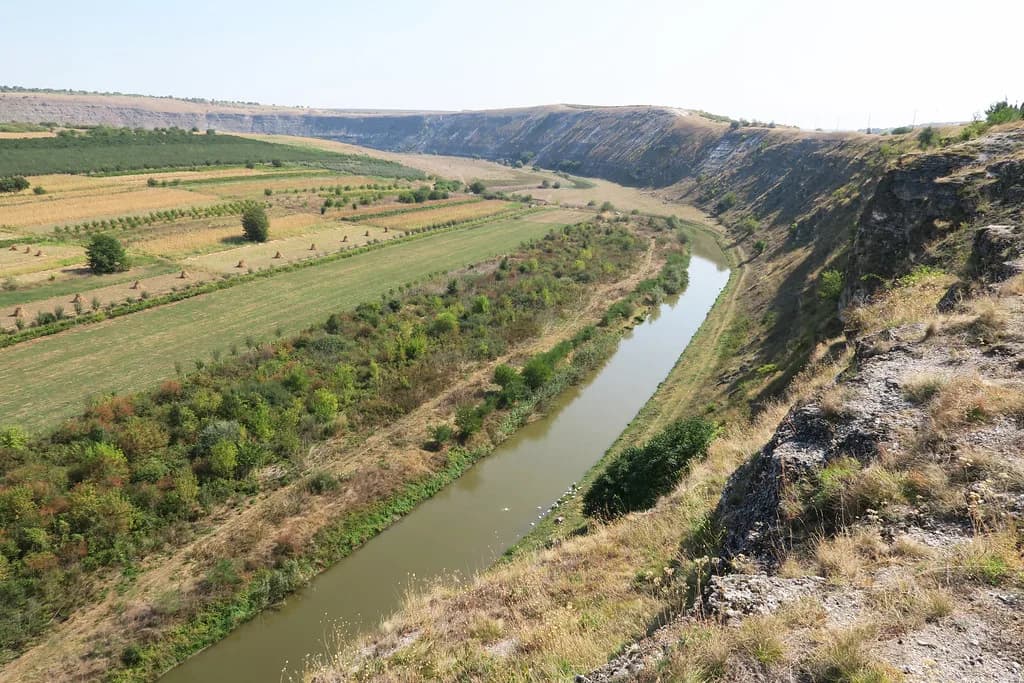
Outside the capital, prices fall further but so does choice. A rural guesthouse may be very inexpensive, yet transport is infrequent, English scarce and the range of places to eat narrow. Plan the countryside as a sequence of specific stops rather than as a region to wander.
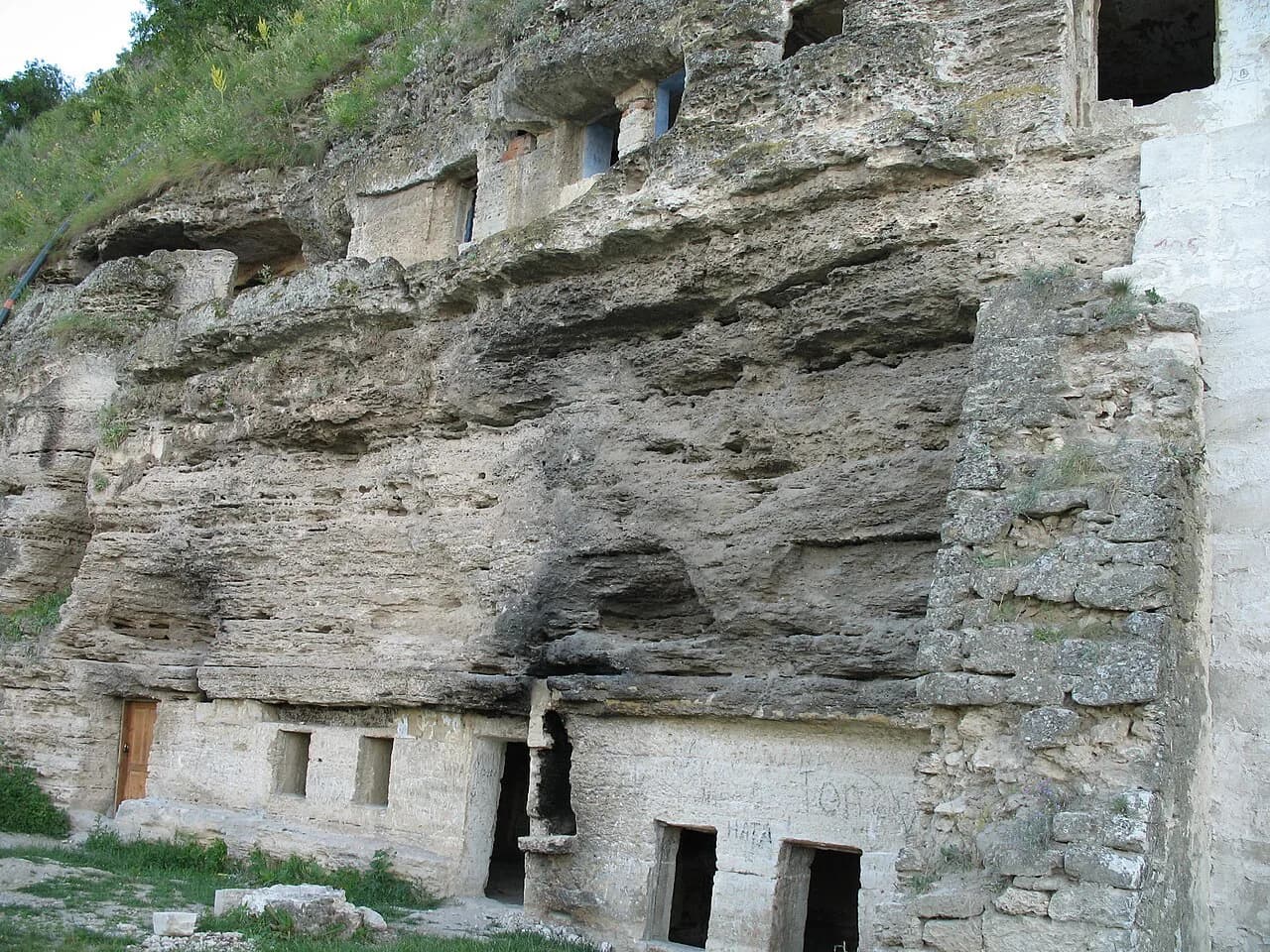
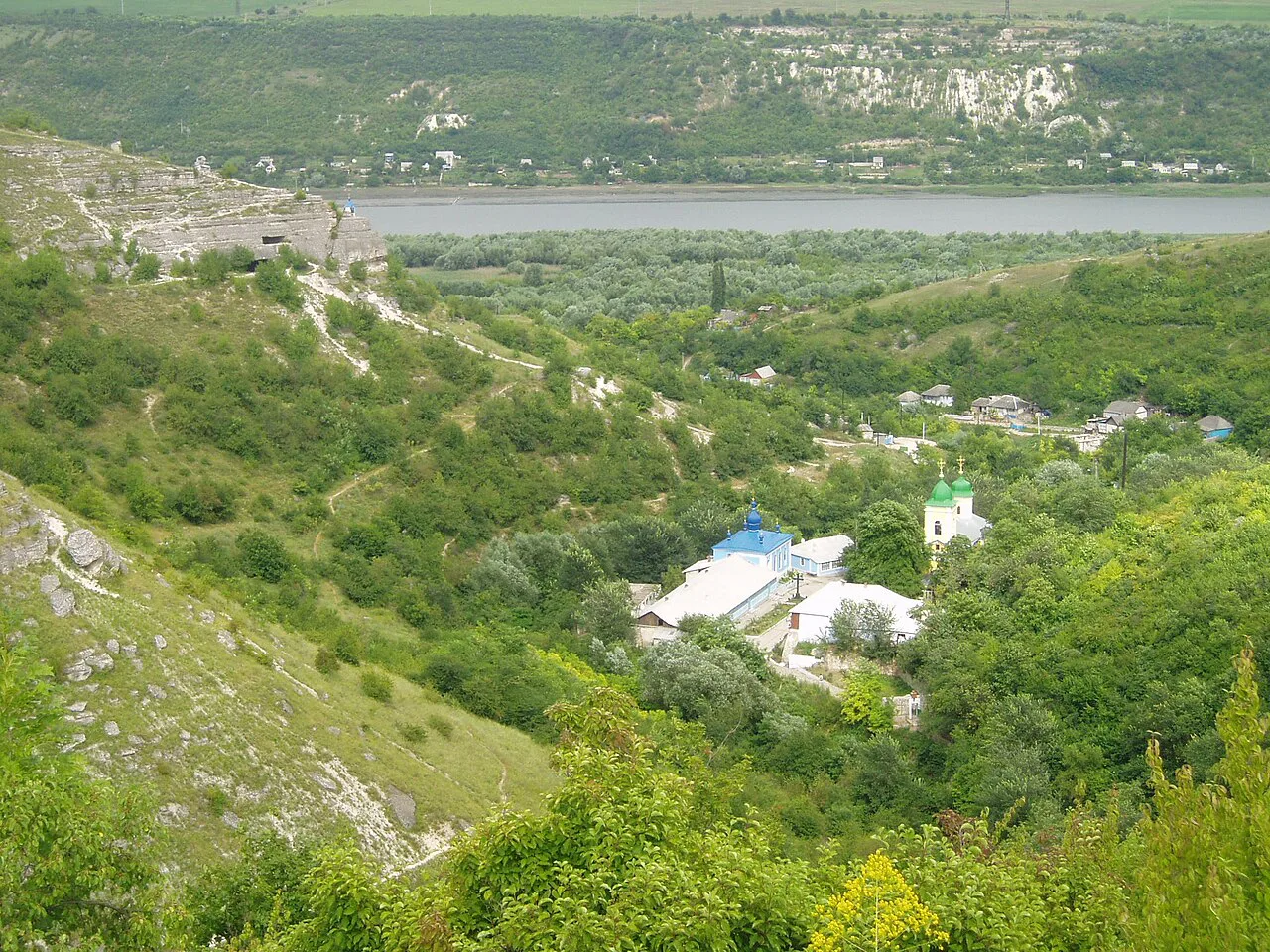
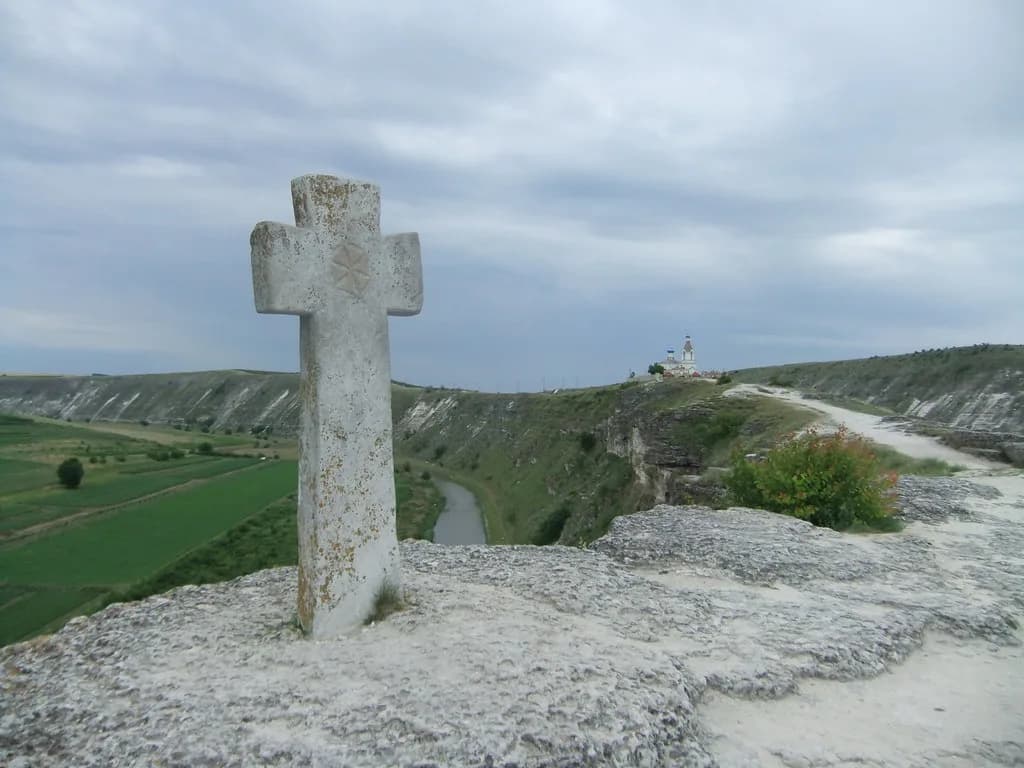
Orheiul Vechi, the cave-monastery complex and archaeological landscape, is the classic rural day trip from Chișinău and shows the pattern clearly: a low entry cost, but you need transport and a plan to get there.
How many days you need to make the low costs worth the journey
Four to five days is the sensible minimum: enough for Chișinău itself, a wine cellar visit, a rural day trip such as Orheiul Vechi and a slower day in the markets. That gives the flight cost time to dissolve into low daily spending.
If wine is the point of the trip, add two more days and go deeper into the cellar country. If you are combining Moldova with Romania, two or three nights in Chișinău is enough to sample the cheap prices without overcommitting.
Spring and early autumn are the most comfortable seasons for walking and rural travel in this part of Europe, and April in particular brings mild conditions and fewer visitors to the capital.
Typical costs at a glance
What you can bank on: a basic meal costs only a few euros, a mid-range three-course dinner for two is still modestly priced, a good local wine is cheap by regional standards, a monthly transport pass costs little, taxis start at a euro or so plus a small per-kilometre rate, and fuel is inexpensive. These are rough but representative indications of the price level.
What you cannot bank on is the exchange rate against your own currency, which moves, or the cost of flights, which varies widely by season and departure city. Check both before you fix a daily budget, because they dominate the total.
Practical notes: currency, cards and connectivity
Moldova uses the leu, and outside Chișinău cash still matters, so carry enough for small purchases and rural transport. Cards work in the capital's hotels, restaurants and supermarkets but are less reliable in villages and at markets.
Moldova is not in the EU, so EU roaming rules do not apply and international calls can be pricey on a home SIM. A local prepaid SIM, an eSIM or an inexpensive data plan solves the problem for very little money, and a Moldova eSIM set up before you fly avoids the airport markup.
Plan Your Visit
Moldova is cheap, and that is the honest verdict: food, wine, taxis and local transport are all well below Western European prices, with the biggest bargains in everyday spending rather than in getting there. Go for at least four or five days, base yourself in Chișinău and take the countryside on its own slower terms.
For the wider case, weigh the attractions against the drawbacks — quiet towns, basic rural infrastructure and scarce English — before booking flights. Entry rules for your nationality are on the official government travel page for Moldova, which is the place to start.
Explore more Moldova trip-decision guides
Frequently Asked Questions
Is Moldova cheap for travelers?
Yes. Food, wine, local transport and taxis are all far below Western European prices, so a week in Moldova costs much less on the ground than the same week in Romania or Hungary. The main fixed cost is the flight into Chișinău, which is not a bargain, so stay long enough for the low daily spending to outweigh the airfare.
How much does a meal cost in Moldova?
A basic restaurant or fast-food meal is very cheap by Western European standards, and a three-course dinner for two at a mid-range place costs a fraction of what the same meal would run in Romania or Hungary. Supermarket staples — bread, milk, potatoes and cheese — are cheaper still, and local wine is the standout bargain. Restaurant menus in Chișinău list prices in lei, so read the figure on the menu rather than converting from an old euro estimate.
Is public transport in Moldova cheap?
Very. A monthly public transport pass in Chișinău costs less than a couple of taxi rides would in Western Europe, so single fares are small change, and taxis are inexpensive with a low flagfall and a modest per-kilometre rate. Minibuses between towns keep intercity travel cheap too, though the trade-off is frequency and comfort rather than price.
Is Moldova cheaper than Romania?
On everyday spending, yes. Meals, wine, taxis and local transport sit below Romanian prices, and the gap is widest in food and drink. Flights in can cancel that advantage, so compare arrival costs before deciding whether a Moldova leg earns its place in a longer regional trip.
Is Moldova cheap to live in?
Resident costs are low by European standards: published summaries put a single person's monthly expenses in the tens of thousands of lei, covering rent, utilities and food. Those figures describe local life rather than a visitor's holiday budget, so treat them as context for the price level rather than as a trip plan.
Do I need cash in Moldova?
Carry some. Moldova uses the leu rather than the euro, and while cards work in Chișinău's hotels, restaurants and supermarkets, they are less reliable in villages and at markets. Hold enough cash for small purchases and rural transport, and compare prices in lei rather than in euro conversions.
Sources
Trip-decision notes
Optional updates when we publish or revise a destination verdict.
You might also like

Continue reading
More guides you'll find useful