Best Places to Visit in Moldova: Where to Go and Why
From Chișinău and the Cricova cellars to Orheiul Vechi and Soroca Fortress, here are the places in Moldova worth your days, with honest drawbacks.
On this page
The best places to visit in Moldova cluster around three ideas: the capital Chișinău as a base, the underground wine cellars at Cricova and Mileștii Mici, and a scattering of monasteries and fortresses in the countryside. If you want beaches, big-city polish or a packed tick-box week, this is not your country. If you like wine, Soviet-era curiosity and slow rural days, it is one of the region's better-value short trips.
The country is small enough to cross in a few hours by car, which is what makes a short list work: you can sleep in Chișinău and still reach a cave monastery, a winery and a northern fortress on separate day trips. This guide orders the stops by decision rather than a flat ranking, so you can build a route around cellars, monasteries or the north depending on your interests.
The verdict
Moldova suits wine drinkers, travelers curious about Soviet history and anyone happy to trade polish for quiet roads and low prices. It does not suit beach-seekers, travelers who need a dense sight-to-day ratio, or anyone who wants a city break with grand architecture and late-night energy. Treat it as a four-to-seven-day country built around the capital, the cellars and the monasteries, not a long weekend.
The honest trade-off is infrastructure: countryside buses are limited, some sights need a car or a booked tour, and the wineries reward planning ahead. Romania's Transylvania gives you more dramatic scenery and denser sights for the same days, so if you are choosing between them, do it deliberately rather than by default. Weighing the northern neighbour too? Read our Romania verdict before you decide. If you are still weighing the case, our guide to whether Moldova is worth visiting sets out the trade-offs in full.
Who will love it
Wine travelers are the core audience. The underground cellars at Cricova and Mileștii Mici are the headline sights, and the harvest season gives you new wines and a national wine festival in October. Slow travelers who like markets, parks and long lunches also do well here, especially in Chișinău and the countryside around Trebujeni.
Travelers interested in religious architecture get a strong monastery circuit, from the gilded iconostasis at Curchi to the cliff-side complexes at Țipova and Saharna. History-minded visitors can add Soroca Fortress in the north and decide separately whether the breakaway Transnistria region is for them.
Chișinău
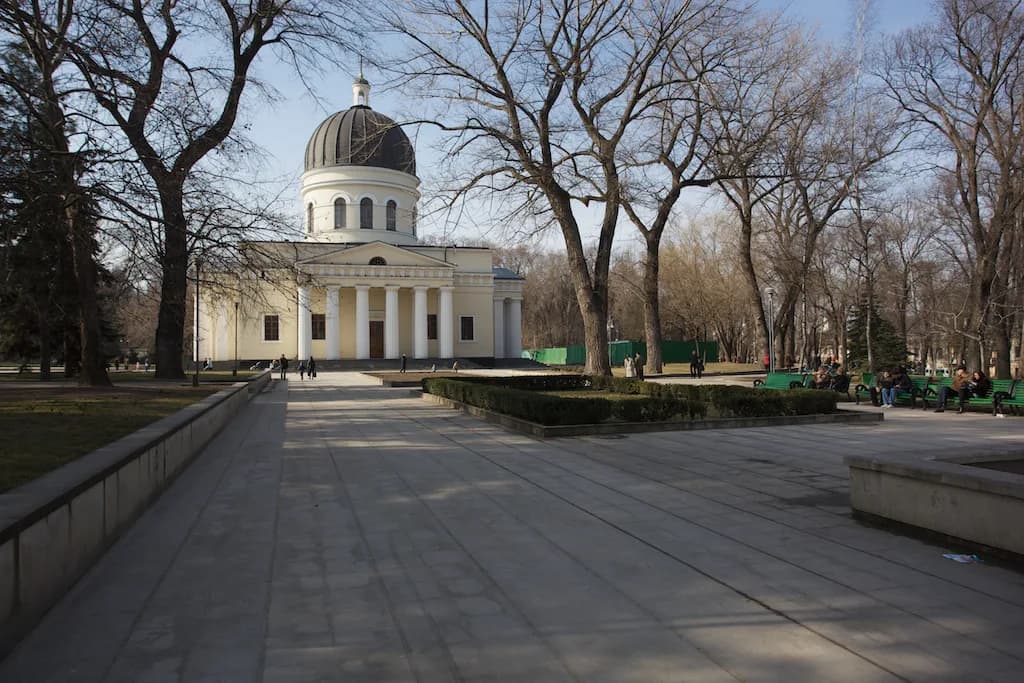
Chișinău is the transport base and worth two full days. Start at Cathedral Park and the Triumphal Arch in the center, then walk to Valea Morilor, the city's best park, with its lake and steps down to the water. Dendrariu Park is the other green escape if you have a spare afternoon.
The city is not a beauty: Soviet-era blocks, patchy sidewalks and traffic sit alongside the parks and a growing cafe scene. Its real value is logistical, since buses to Orheiul Vechi and Cricova leave from the Central Bus Station, and most day trips start and end here. Give it two days, not four.
If you are weighing costs, the capital is where you will notice how affordable Moldova is by European standards. Restaurant meals and simple hotels run well below Western European levels, and local transport is cheap. Carry the Moldovan leu; euro convenience is the exception here, so check current prices before you travel.
Cricova and Mileștii Mici
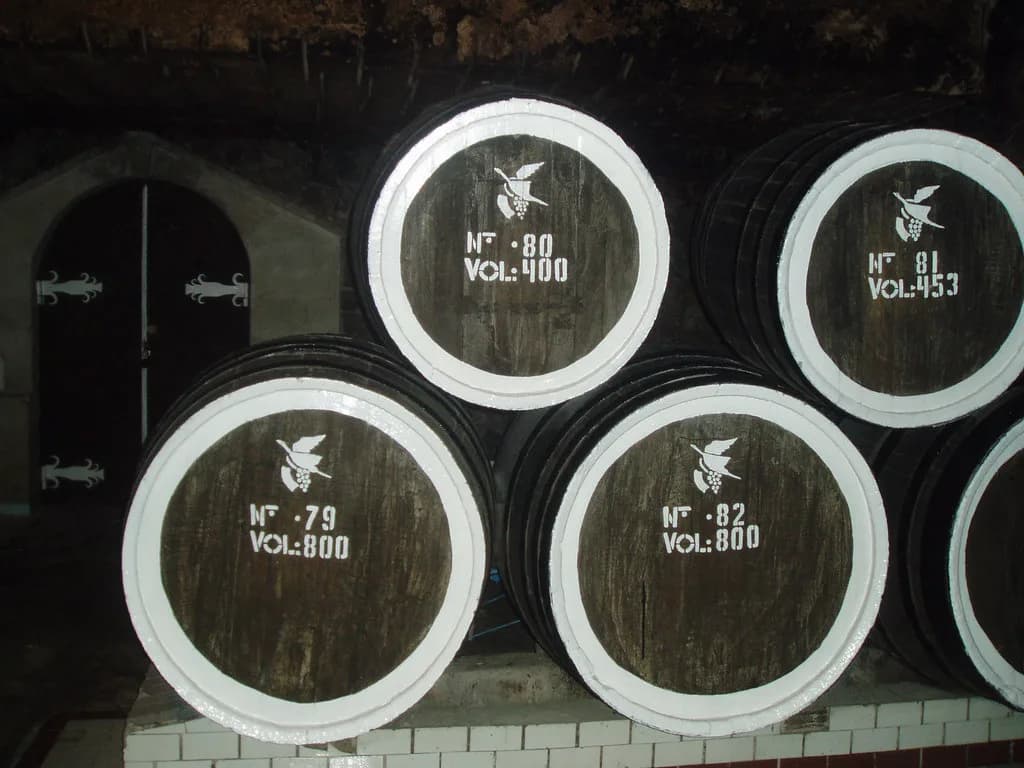
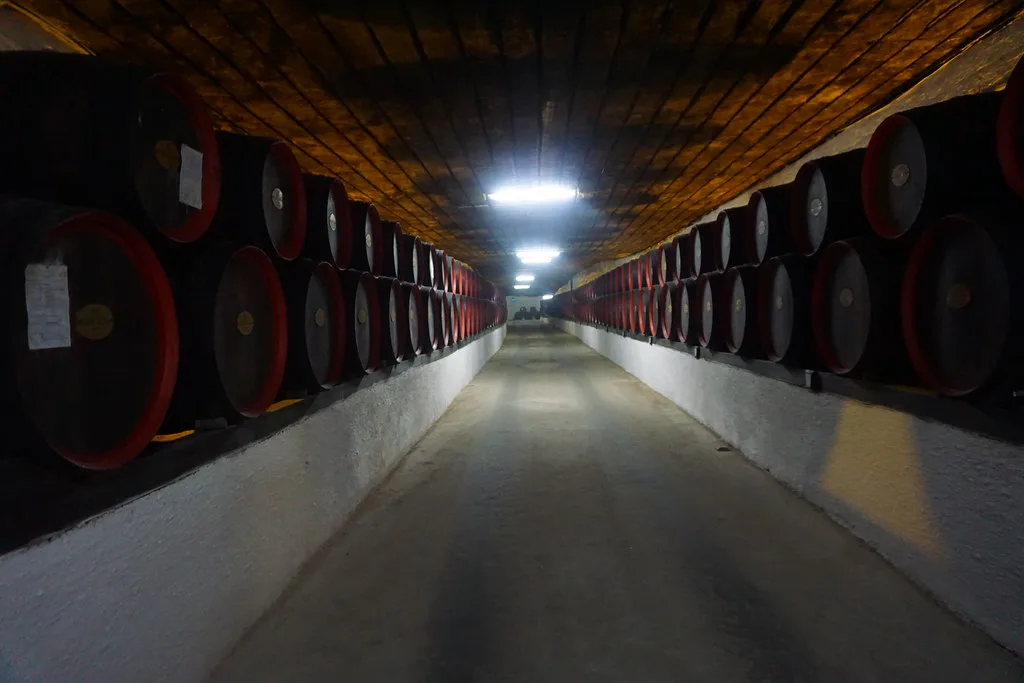
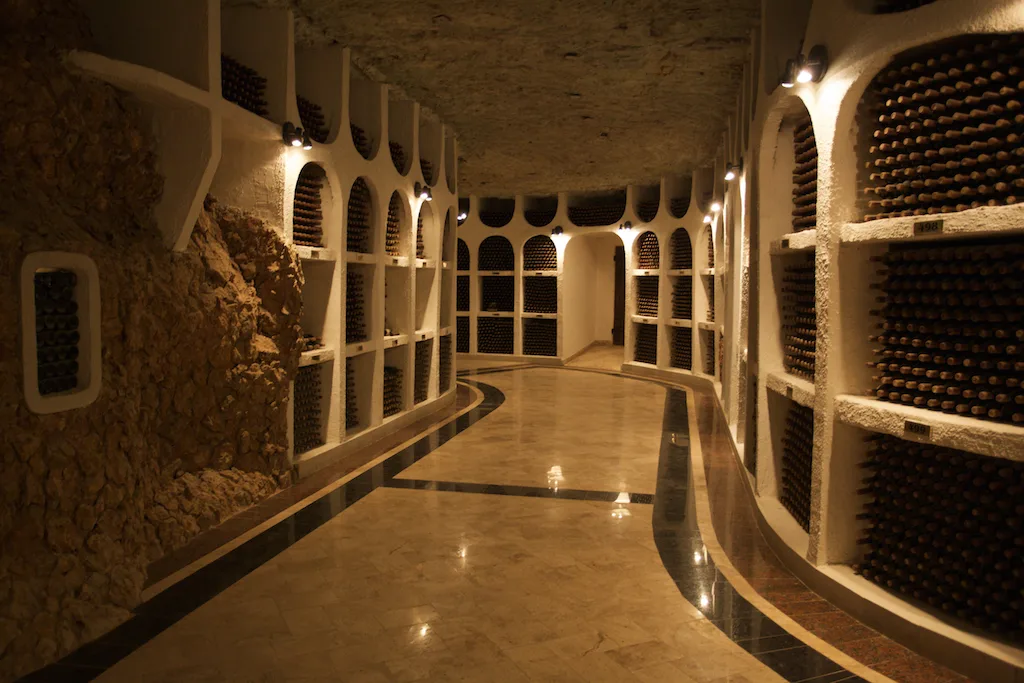
These two underground cellars are Moldova's signature experiences, and they are different enough to justify both. Cricova is the more visited, with vast limestone tunnels used for aging wine; Mileștii Mici is known for its scale and its long underground streets. A tasting is the point, so book ahead rather than turning up, and confirm the tour options and any fees with the cellar directly.
Both are close enough to Chișinău for a half-day or full-day trip, and buses from the Central Bus Station serve the Cricova and Orheiul area. The trade-off is that tours run on set schedules and the underground sections are cool, so plan the day around the booking rather than the other way round.
Orheiul Vechi and Trebujeni
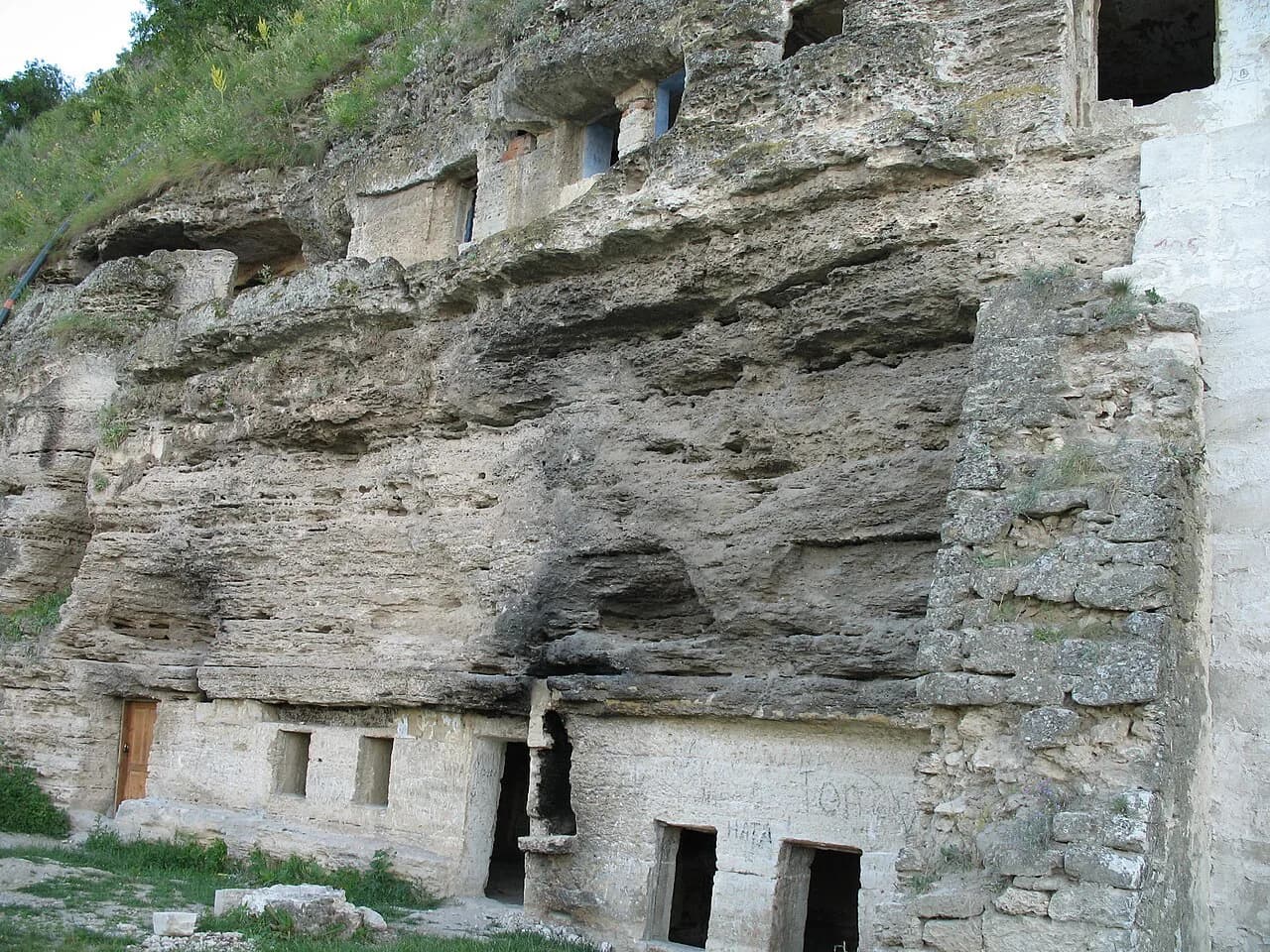
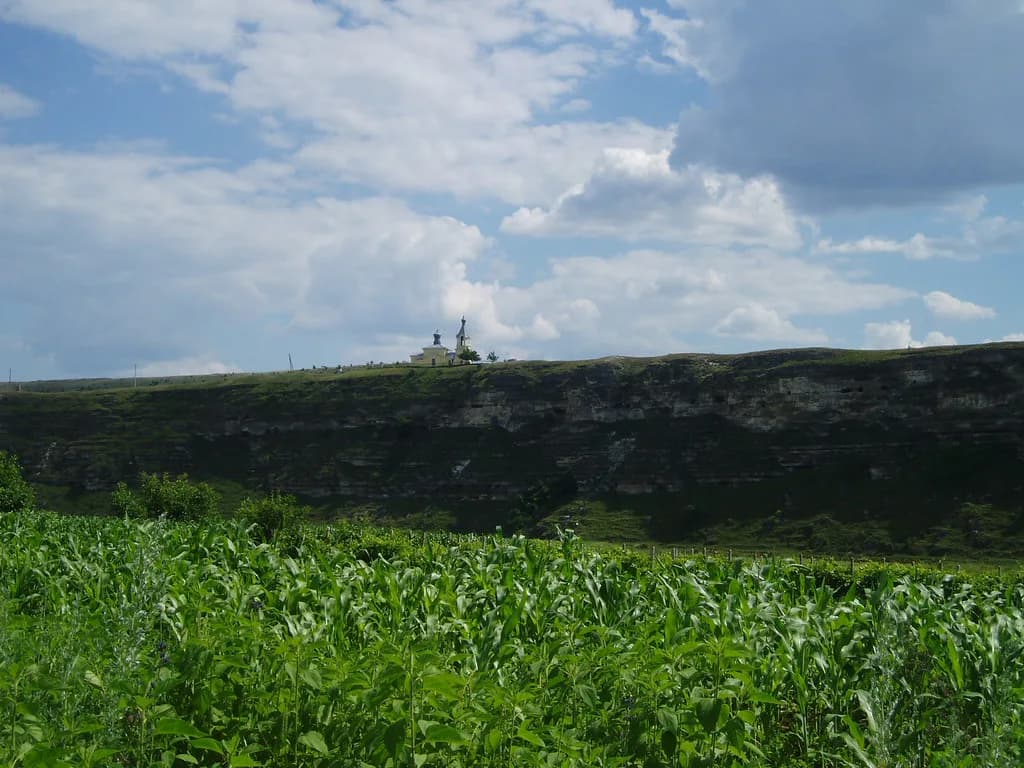
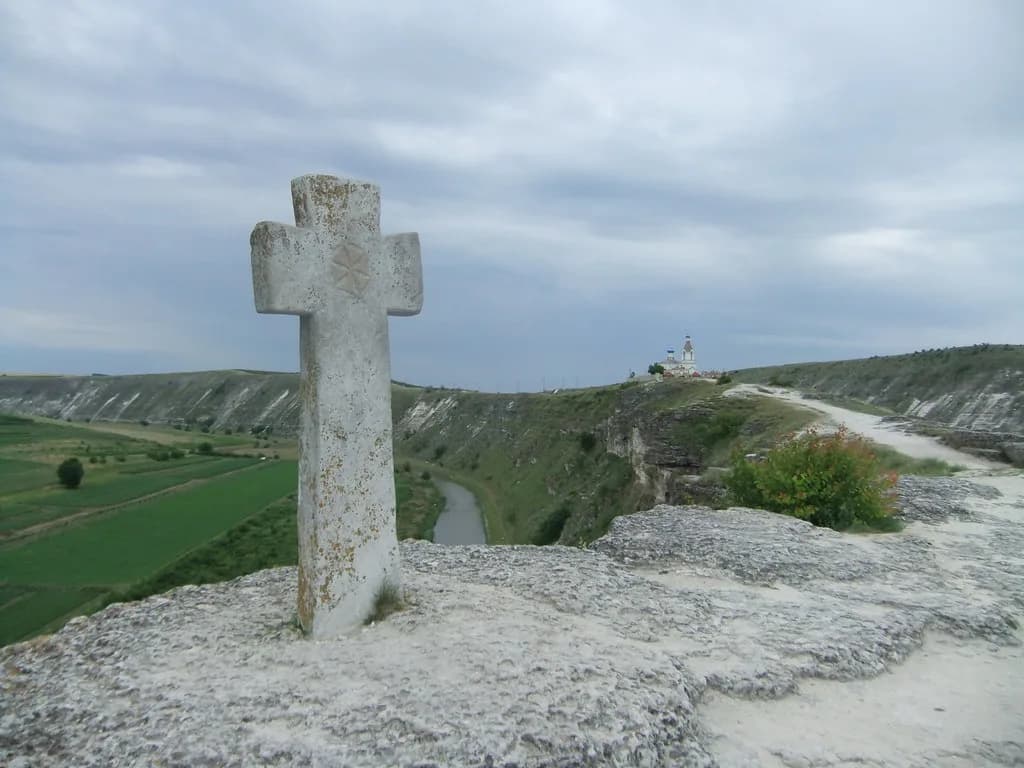
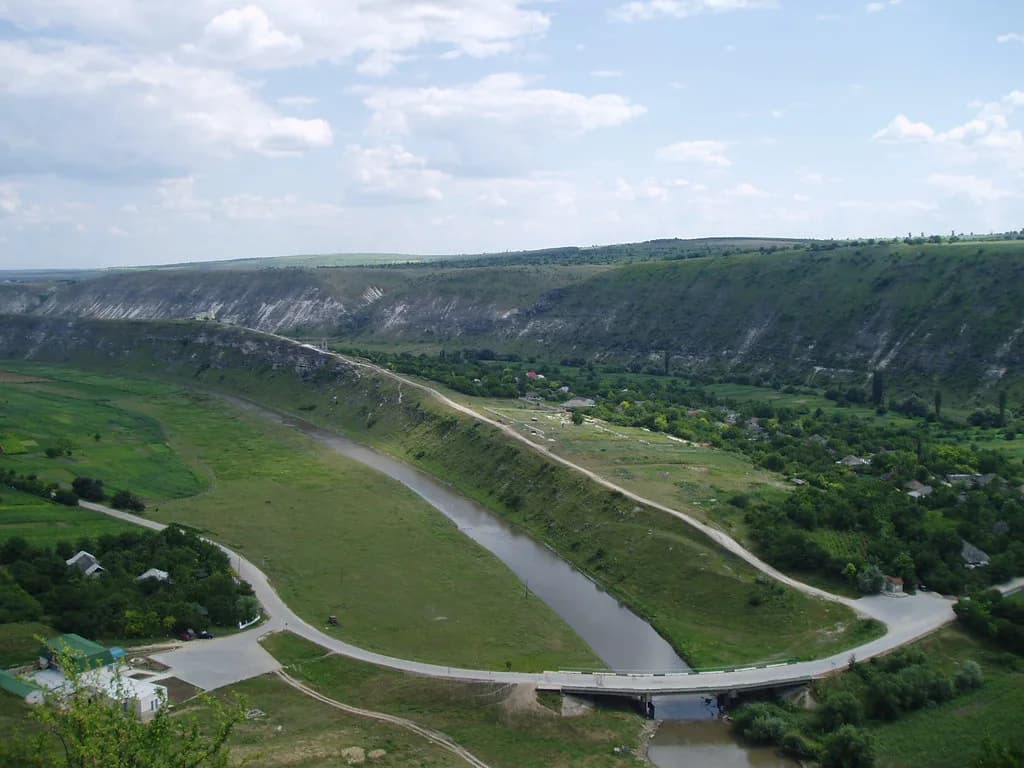
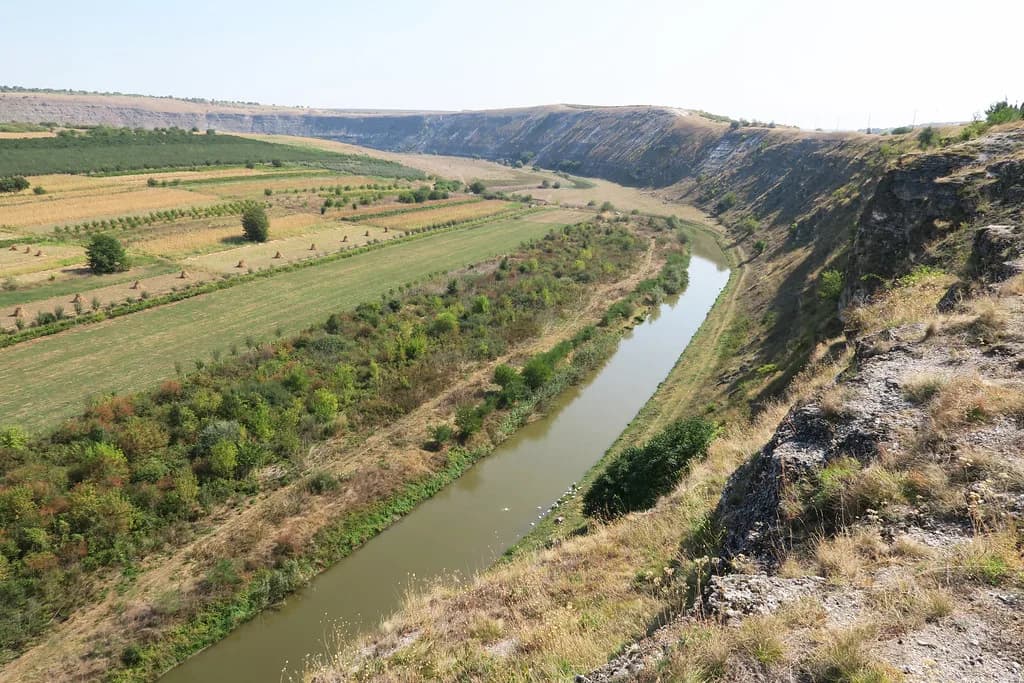
Orheiul Vechi is the countryside highlight: a cave monastery cut into limestone cliffs above the Răut river, with archaeological remains spread across the valley. The village of Trebujeni sits within the landscape and is the base for rural guesthouses and cooking experiences. This is the day trip to prioritize if you only have time for one.
Buses run from Chișinău's Central Bus Station to the Orheiul area, but the site itself involves walking between the monastery, viewpoints and village, so budget a full day and wear shoes that handle uneven ground. A car or a booked tour gives you more flexibility than the bus.
Curchi Monastery
Curchi Monastery is the most architecturally rewarding stop on the monastery circuit, thanks to its gilded iconostasis and restored ensemble. It pairs naturally with a day that includes Orheiul Vechi, since both sit in the same central region. It is a working religious site, so dress and behave accordingly.
The visit is short: an hour or two covers the main church and grounds. Its value is in what it adds to a monastery day rather than as a standalone destination, so combine it rather than making a special trip.
Saharna and Țipova
Saharna Monastery and Țipova Monastery are the dramatic monastery stops, both set in rocky river scenery in the north-central part of the country. Saharna has a waterfall and a hilltop complex; Țipova is cut into cliffs above the Dniester. They reward travelers willing to walk.
These are not drive-up sights. Expect stairs, steep paths and uneven ground, and go with proper footwear and water. Public transport to the villages is thin, so a car or an organized tour is the practical choice, and the walking is the reason to go rather than an obstacle.
Soroca Fortress
Soroca Fortress in the north is a round medieval stone fort above the Dniester, and it is the main reason to push that far north. The town around it has a distinctive Roma community and a hillside of ornate houses. Whether it justifies the drive depends on your interest in fortresses and the river landscape.
From Chișinău the trip is long enough to eat a full day, so combine it with other northern stops rather than making a return journey for the fortress alone. Buses and trains run between towns, but schedules are limited, so a car makes the north far more efficient.
Bendery Fortress and Transnistria
Bendery Fortress is a substantial Ottoman-era fort on the Dniester, and it sits in the breakaway Transnistria region, which is outside the Moldovan government's control. If you go, treat it as a deliberate decision rather than an accidental detour, and check your own government's current guidance before you travel.
The region has its own border formalities and currency arrangements, so the visit is not a simple extension of a Chișinău day. Many travelers skip it and spend the time on the wine cellars or the monastery circuit instead. There is no shame in either choice.
When to go
Spring and early summer, roughly April to June, bring warm, dry weather that suits hiking, countryside walks and vineyards in bloom. That late-spring window is the best time to visit Moldova for most travelers, when the light is good and the roads are dry.
Wine lovers should look at September and early October, when the harvest brings new wines and the National Wine Day festival in October. Late autumn is quieter with the tourist crowd, which suits slow travelers. Spring is the safer bet for walkers.
April and May are the sweet spot for combining the cellars with countryside days, before summer heat and harvest crowds. If you want the festival atmosphere, plan around October instead, but book the cellar visits early.
How many days you need
First-time visitors should set aside five to seven days. A realistic split is two days in Chișinău, one or two days of wine tasting, and two days for Orheiul Vechi, Curchi and the monastery circuit. That fills a week without rushing.
A three-day version works: one day in the capital, one day at Orheiul Vechi with Curchi, and one day at Cricova or Mileștii Mici. It skips the north and Saharna, which is a fair trade if your time is tight. Adding Romania is easy, since the border is close.
Getting around
Moldova is roughly 320 km from side to side, about two to three hours by car, so distances are short. In Chișinău, trolleybuses cover most attractions cheaply, and minibuses known as marshrutkas run set routes. Marshrutkas stop on request, so wave to signal the driver.
For intercity travel, buses and trains connect towns, and the Central Bus Station in Chișinău is the hub for Orheiul Vechi and Cricova. A car is the better choice for the north, Saharna and Țipova, where rural connections are thin and timetables are limited.
Typical costs
Moldova is affordable by European standards. A casual restaurant meal runs around 150 MDL, and a hostel or simple three-star room averages about 460 MDL per night, which gives you useful anchors for daily budgeting.
Wine tastings and cellar tours vary by winery, and the fee depends on the package, so confirm the price when you book. Budget extra for a car or tour if you plan to reach the northern monasteries, since public transport there is impractical.
Drawbacks
Visitor infrastructure is thin outside the capital. Rural transport is limited, several sights are hard to reach without a car or a tour, and the wine cellars need advance planning rather than a spontaneous visit. English is less widespread than in Western Europe, so a few Romanian phrases help.
The country is landlocked and lacks the dramatic landscapes of its neighbors, so it is not a scenery-first destination. Transnistria complicates the eastern edge of the map. And the capital's unpolished look surprises travelers expecting a showpiece old town.
Who should choose somewhere else
Beach-seekers and travelers wanting big-city polish should look elsewhere. Romania's Transylvania delivers more dramatic castles, mountains and medieval towns for a similar trip length, while a Black Sea trip in Bulgaria or Romania covers the coast.
If you want a dense tick-box week of sights, Moldova will frustrate you. If you want cellars, quiet roads and monasteries with time to linger, it rewards you. The choice comes down to whether wine and rural slow travel are your priorities.
Verdict by traveler type
Wine drinkers, slow travelers and Soviet-history enthusiasts should go, and five to seven days is the right length. Beach-seekers, city-break traditionalists and scenery-first travelers should choose Romania's Transylvania or a Black Sea trip instead.
Build the trip around Chișinău as a base, book the cellars ahead, and give Orheiul Vechi a full day. Add the north and Transnistria only if you have a car and the time, and check your government's official guidance for the breakaway region before you commit. A Moldova eSIM keeps maps and bus timetables working on rural days.
Explore more Moldova trip-decision guides
Frequently Asked Questions
What are the best places to visit in Moldova?
For most first trips the shortlist is Chișinău as a base, the underground cellars at Cricova and Mileștii Mici, and Orheiul Vechi with the nearby Curchi Monastery. Travelers with more time add Saharna and Țipova in the north-central hills and Soroca Fortress on the northern border. Bendery Fortress sits in the breakaway Transnistria region and is a separate decision.
Is Moldova worth visiting?
It is worth it if you want wine cellars, quiet countryside monasteries and a compact capital without Western European price levels. It is a poor fit for beach-seekers, travelers who need dense sightseeing days, or anyone expecting a polished historic center. Five to seven days is a realistic first visit.
How many days do you need in Moldova?
Five to seven days covers the capital, one or two cellar visits and the Orheiul Vechi monastery day without rushing. A three-day version keeps Chișinău, Orheiul Vechi with Curchi, and one winery, but drops the north entirely.
When is the best time to visit Moldova?
Late spring, roughly April to June, brings warm, dry weather that suits countryside walks and vineyard visits. Wine-focused travelers often prefer September and early October, when the harvest arrives and National Wine Day takes place, and the crowds are thinner than in high summer.
Do you need a car to get around Moldova?
You can reach Chișinău, Cricova and the Orheiul Vechi area by bus or marshrutka from the capital's Central Bus Station. A car or an organized tour makes the northern monasteries and Soroca far more practical, because rural connections are thin and timetables are limited.
Sources
Trip-decision notes
Optional updates when we publish or revise a destination verdict.
You might also like
Continue reading
More guides you'll find useful