Moldova Itinerary: How Many Days You Need
Plan a Moldova itinerary by trip length: two days in Chișinău, day trips to Orheiul Vechi and the wine cellars, and a week that reaches Soroca.
On this page
Five to seven days is the right first trip to Moldova. That is enough for two full days in Chișinău, a day at Orheiul Vechi and its villages, at least one underground wine cellar, and a run either north to Soroca or southeast to the Saharna and Tipova monasteries, without spending your holiday in a minibus.
The country is small enough that distance is rarely the problem: roughly 320 km (200 mi) end to end, or two to three hours by car, according to G Adventures. The real pace-setter is how you move between towns, and whether you build day trips around public transport timetables or rent a car.
The verdict: five to seven days is the right first trip
G Adventures suggests first-time visitors set aside at least five to seven days, split as two full days in the capital, a day or two at wine cellars, and a couple more for archaeological sites and historic monasteries. That is a sensible skeleton, and it matches what the country rewards: Chișinău's markets and Soviet-era fabric, the cliffside cave monastery at Orheiul Vechi, and the enormous cellar galleries at Cricova and Mileștii Mici.
If you are still deciding whether the country earns a slot at all, our guide to whether Moldova is worth visiting lays out who it suits. The short version for planning purposes: come for wine, monasteries, empty countryside and a capital that feels more lived-in than polished, not for beaches or big-city sightseeing.
Who a Moldova itinerary suits, and who should go elsewhere
This itinerary suits travelers who like wine cellars more than wine bars, who are happy eating at casual restaurants and pension kitchens, and who do not mind a day that starts at a Chișinău bus station. It also suits anyone combining the region with Romania, which borders Moldova and sits a short hop away by road; if you are weighing that addition, start by asking is Romania worth visiting.
Skip it if you want a compact city break with polished hotels and a walkable old town, or if you need fast, frequent public transport to every sight. Moldova's highlights are scattered across villages and countryside, and a car or a booked tour does most of the heavy lifting. Travelers weighing the two neighbors should read Moldova vs Romania before committing either way.
How many days you need: 2, 3, 5 and 7-day shapes
Two days buys you Chișinău and one day trip, realistically Orheiul Vechi or a single wine cellar, not both. Three days adds a second day trip but leaves no margin for a slow start or a missed marshrutka. Five days is the first comfortable shape: two days in the capital, two day trips and a buffer day. Seven days lets you add either a northern run to Soroca or an overnight in the monastery country to the southeast.
Do not try to bolt Soroca and the southeastern monasteries onto the same short trip. They sit in opposite directions from the capital, and each is a full day once you account for the drive and the time on site. In a week, choose one and do it properly.
Days 1–2: Chișinău, the Central Market and the opera house
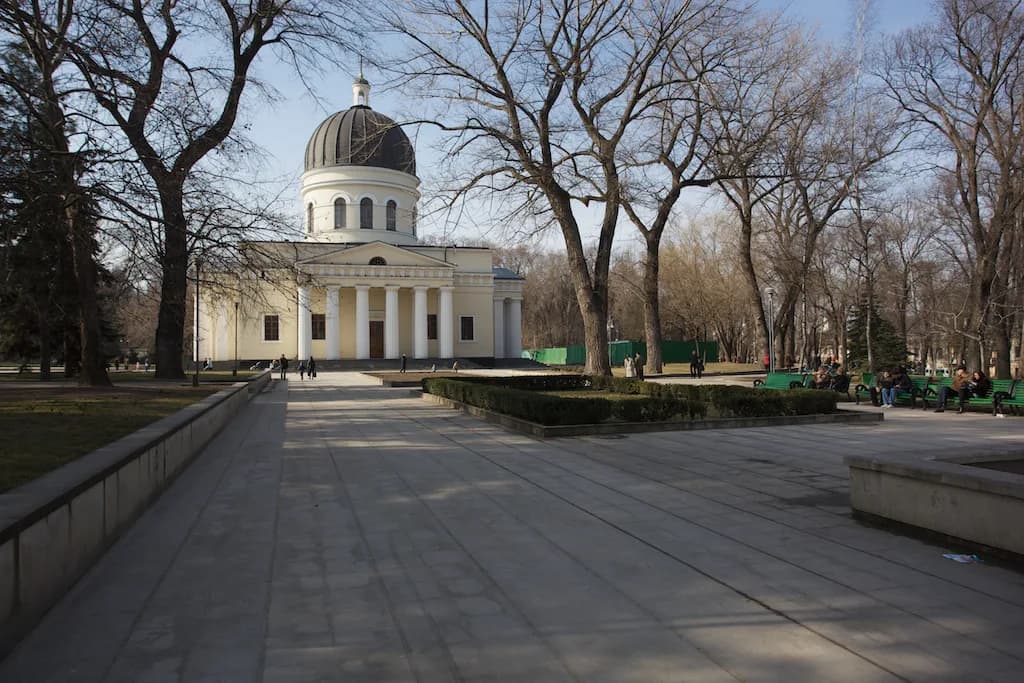
Give the capital two full days rather than treating it as a transit night. Expedia's destination guide flags the Central Market and the National Opera and Ballet Theatre as the anchors of a Chișinău stay, alongside the War Memorial and Memorial Park, and that pairing gives you a natural split: a market-and-food morning and a cultural afternoon, then a park-and-memorial walk the next day.
Use the capital's trolleybuses to reach most city attractions; they are cheap and easy to navigate, while marshrutka minibuses run on fixed routes and stop only when you wave. For day trips to Orheiul Vechi and Cricova, the buses leave from the Central Bus Station.
Day trip: Orheiul Vechi and the villages around Trebujeni
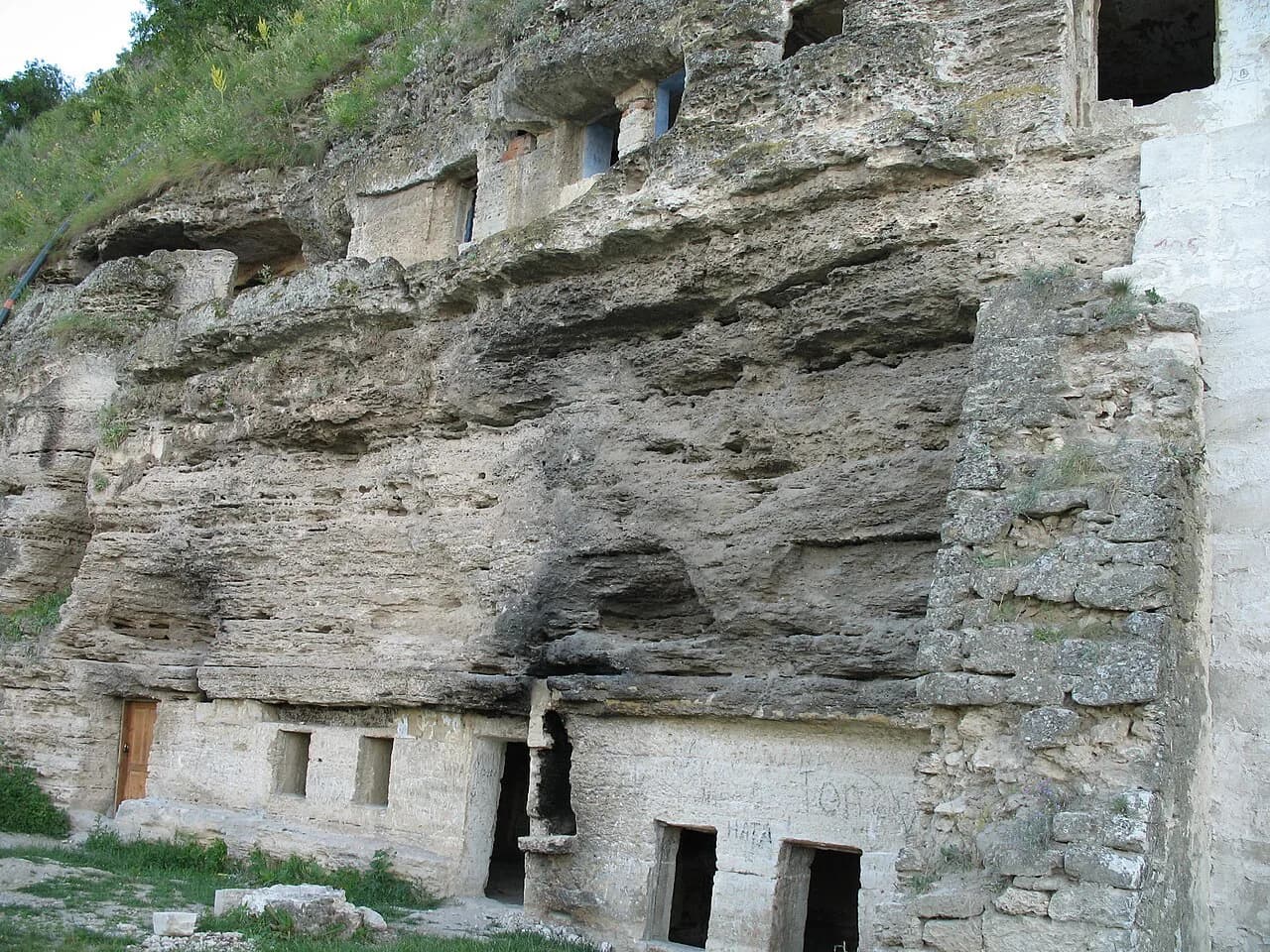
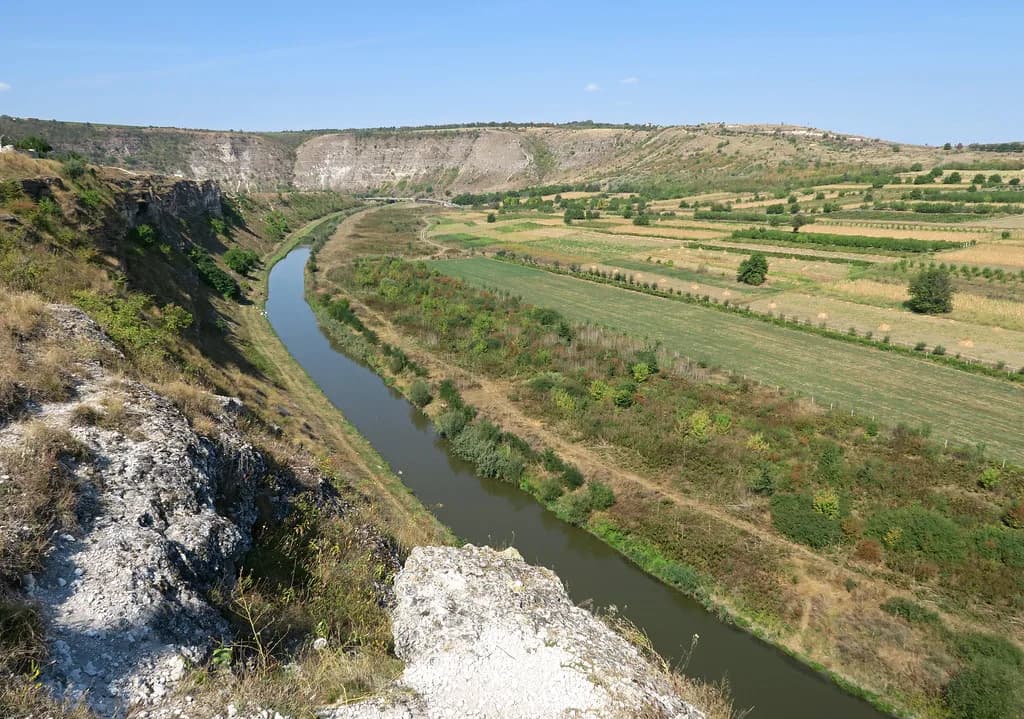
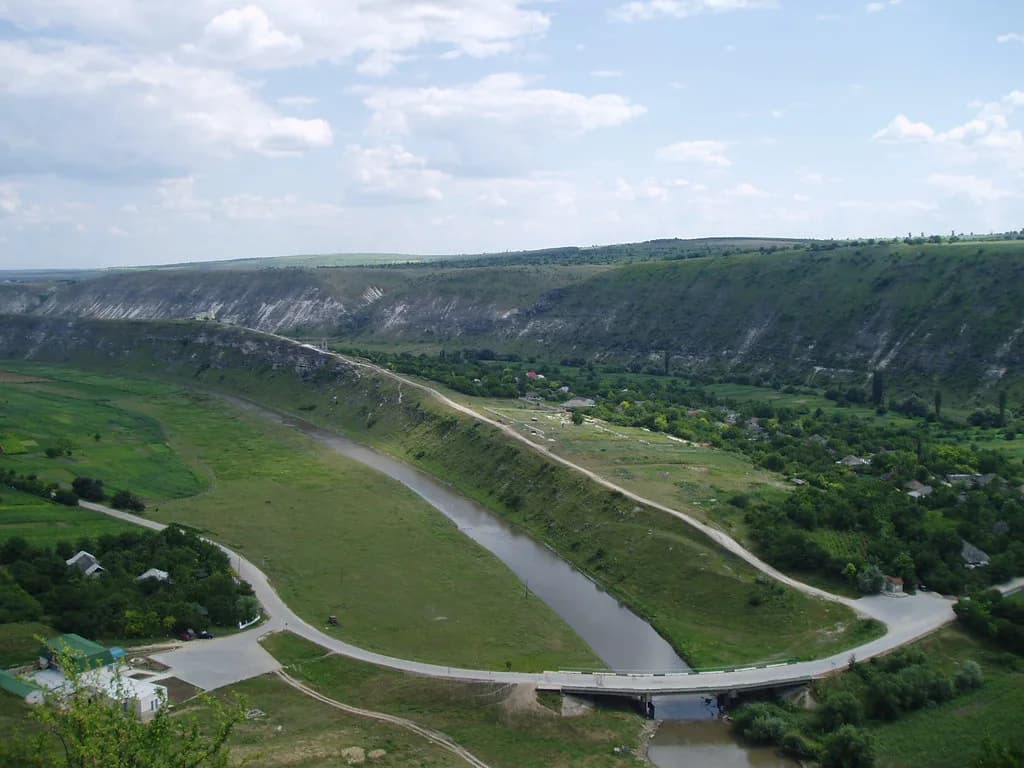
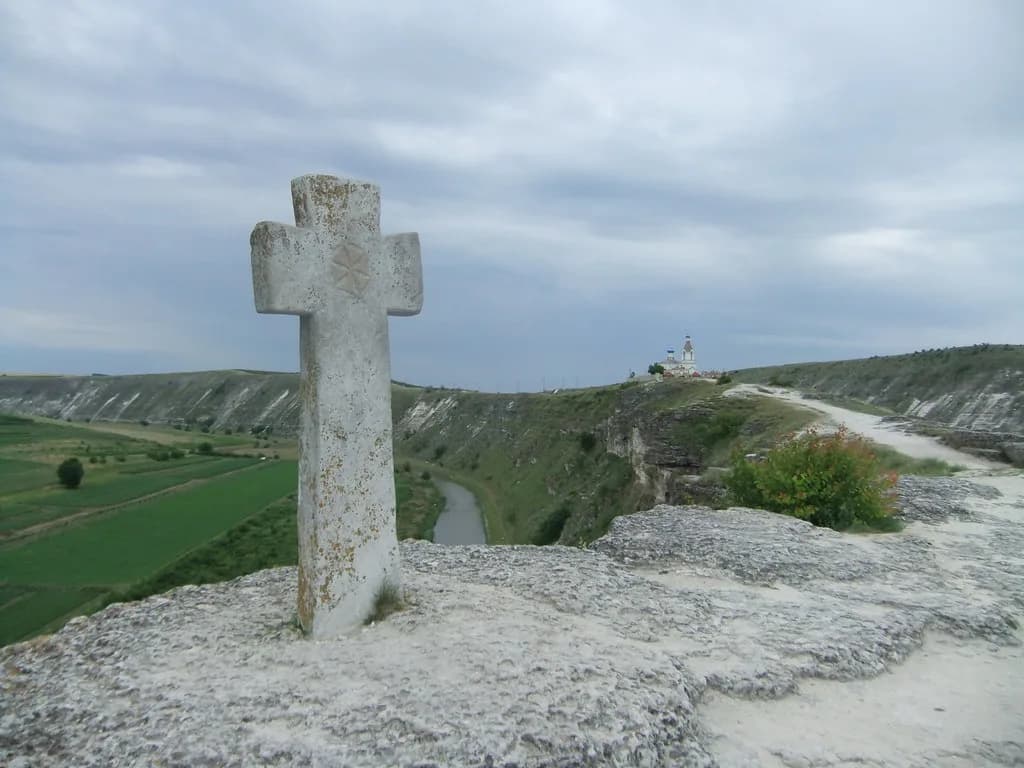
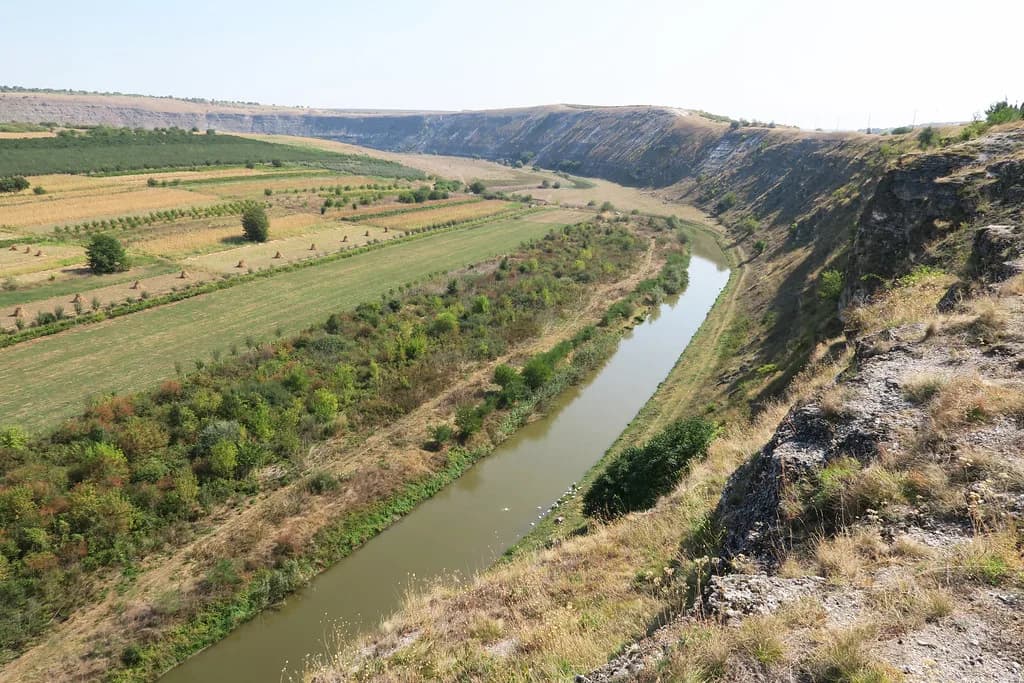
Orheiul Vechi is the single sight most people remember from Moldova: a cave monastery cut into a limestone escarpment above the Răut river, with archaeological layers spanning centuries around it. Base the day around the villages near Trebujeni, where agro-pensions run cooking classes and serve the jam, cheese and wine that make the countryside worth the drive.
This is a full day out of Chișinău, and it works best in the warm, dry spring months when the escarpment and vineyards are at their best. If your dates are flexible, read up on the best time to visit Moldova before you lock the day into the schedule.
Day trip: Cricova and Mileștii Mici wine cellars
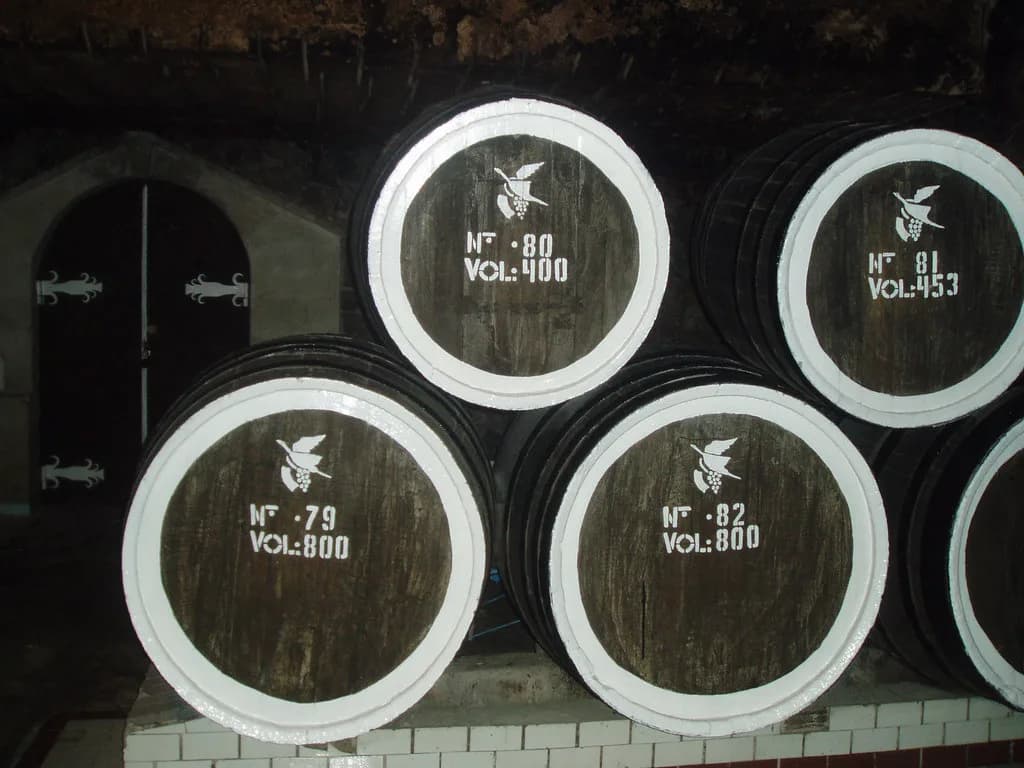
Cricova and Mileștii Mici are the two names that come up whenever Moldovan wine is discussed, and they are separate operations with separate visits, both within reach of the capital as day trips. Do not try to squeeze both into one afternoon: each is an underground excursion in its own right, and the drive, the tour and the tasting eat the better part of a day.
G Adventures treats the cellars as a distinct leg of a Moldova trip, and the practical consequence is simple: put one cellar day and one Orheiul Vechi day on separate dates rather than pretending they combine neatly. Which cellar you choose comes down to whether you want the bigger, more theatrical tour or the sprawling gallery network; the Moldova vs Romania comparison is useful if you are also weighing Romanian wine country.
Heading north: Soroca Fortress and the Dniester
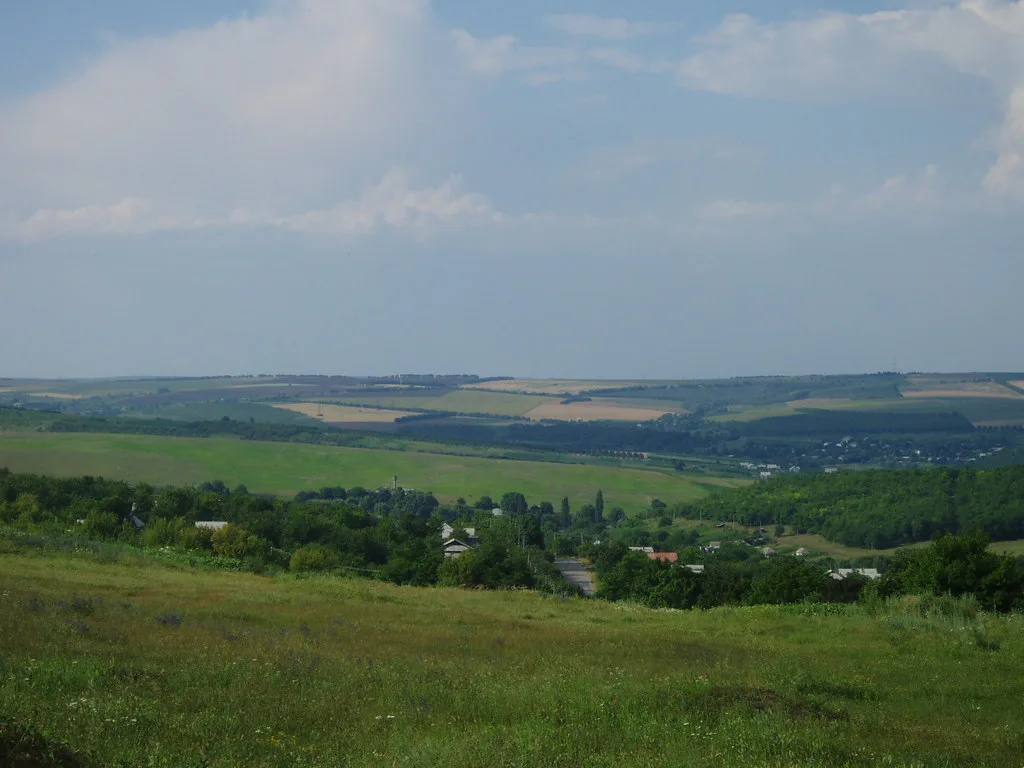
Soroca Fortress is the round medieval citadel on the Dniester in northern Moldova, and it is the anchor of a northern day or overnight. The town sits close to the river and the Ukrainian border, so a Soroca run has a different feel from the winery circuit: more history, more distance, fewer tour buses.
Treat Soroca as a full day from Chișinău, or as an overnight if you want to see the river in the evening. In a seven-day trip it competes directly with the southeastern monastery route; pick the one that matches your interests and keep the other for a return visit.
Monasteries and countryside: Saharna, Tipova and Curchi
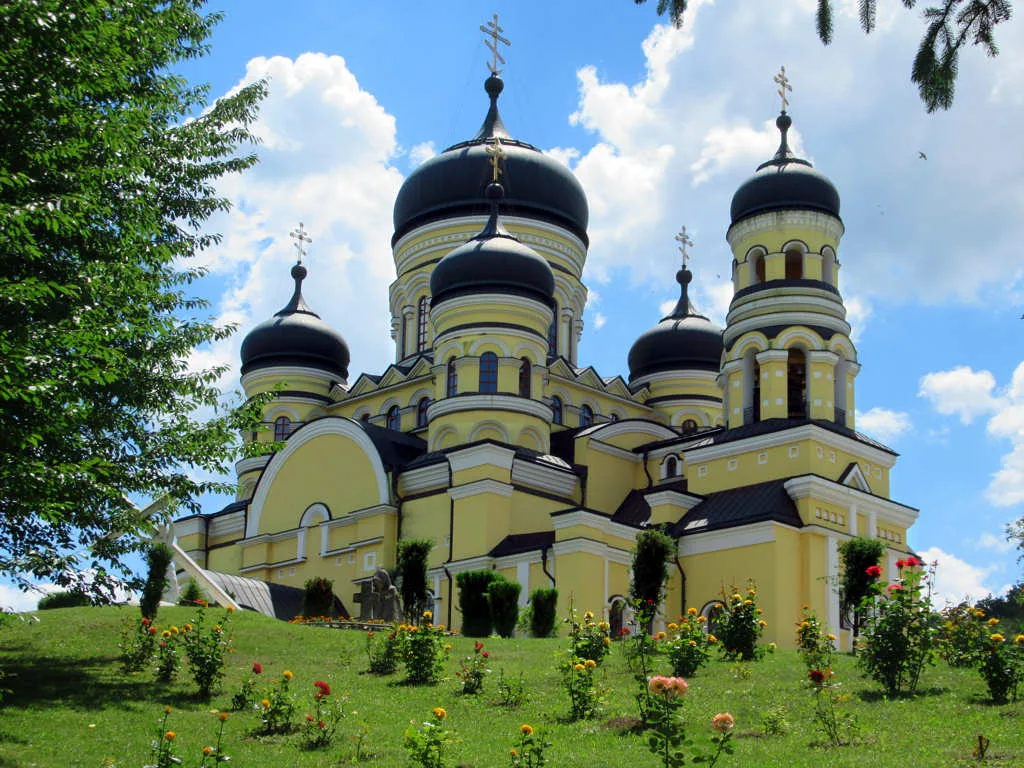
The southeastern loop takes in Saharna Monastery, the cliff-carved Tipova Monastery and Curchi Monastery with its gilded iconostasis. Saharna and Tipova sit in the same corner of the country and pair naturally; Curchi fits onto the same day if you start early and drive.
This is the part of a Moldova itinerary that most rewards a car. Public transport to villages is thin and day-trip timing is unforgiving, so if you are relying on buses you will likely see one monastery rather than three.
A three-day version for a long weekend
Day one covers Chișinău on foot: Central Market, the opera house and a park walk. Day two is Orheiul Vechi with a village lunch near Trebujeni. Day three is a single wine cellar, Cricova or Mileștii Mici, before an evening flight or a bus onward.
The trade-off is obvious: no Soroca and no monastery loop, and no slack if the weather turns. Three days also means you should pick your cellar in advance rather than deciding on the morning, because visits need to be arranged ahead.
A seven-day version with a wine-harvest autumn slot
Seven days lets the itinerary breathe. Spend two days in Chișinău, give Orheiul Vechi and Trebujeni a full day, take one cellar day, add the southeastern monasteries, and keep the seventh as a buffer or a northern run to Soroca.
Time the trip for April to June for warm, dry weather and vineyards in bloom, or for September to early October when the harvest is on and National Wine Day falls in October. The harvest window is quieter from a tourist point of view, which makes it the better fit for a cellar-heavy week.
Getting around: marshrutkas, buses, trains and the case for a car
Chișinău runs on trolleybuses and marshrutka minibuses, and larger buses and trains connect towns and cross into neighboring countries. The catchment point for day trips is the Central Bus Station, where you pick up buses toward Orheiul and Cricova.
A car turns the monastery loop and the Soroca run from ambitious into easy, and it is the difference between seeing three sights in a day and seeing one. Against that, driving in Chișinău is slow and parking is a chore, so many travelers combine city days on public transport with a rented car for the countryside.
Where an itinerary runs out of road: road conditions, day-trip timing and the Transnistria question
Moldova's small size makes it quick to cross, but day-trip logistics set the actual pace. Village buses are infrequent and a missed connection can cost you a sight, so build in buffer time whenever your plan depends on public transport rather than a car.
Transnistria, the breakaway region in eastern Moldova bordering Ukraine, is outside the Moldovan government's control, and G Adventures recommends travelers avoid it at this time. If you want to go anyway, check your own government's travel advice before you build it into the route.
When to slot your itinerary into the year
Spring and summer, April through June, bring warm, dry weather that suits hiking and countryside days. September and early October bring the grape harvest, new wines and the National Wine Day festival in October, with fewer tourists around than in high summer.
Winter narrows what a countryside itinerary can do: monastery days get short and the wine-cellars become the reliable indoor option. If your dates are fixed to a colder month, weight the plan toward Chișinău and the cellars rather than the Soroca run.
Typical costs on a Moldova itinerary
Moldova is affordable by European standards. G Adventures gives an average casual-restaurant meal at about 150 MDL and a hostel or three-star room at about 460 MDL per night, which makes a five- to seven-day trip comfortably cheaper than a comparable week in most of Central Europe.
The flights and the car are where a Moldova budget actually goes, not the day-to-day. For a fuller breakdown of what a trip costs and where the money goes, see our guide to whether Moldova is cheap, and check the money in Moldova page for how the leu works in practice.
Practical limits: currency, language and connectivity
Moldova uses the leu, so budget in MDL and expect cash to matter in villages and smaller eateries. English is common among younger Moldovans and in the capital's hospitality scene, but Russian and Romanian carry you further in markets and outside Chișinău.
Mobile data and card payment are fine in the capital and patchier in the countryside, so download offline maps before a monastery or Soroca day. Check your own government's travel advice for entry requirements once, and leave it at that.
Plan Your Visit
The shape of a good Moldova itinerary is settled: two days in Chișinău, one day at Orheiul Vechi, one day underground at a wine cellar, and the rest on whichever direction you choose, north to Soroca or southeast to the monasteries. Build in a buffer day, and decide early whether you are driving or relying on marshrutkas.
If you are still choosing between Moldova and its neighbors, start with the big question of whether it is worth visiting, then let trip length and season do the rest. Five to seven days in spring or at harvest is the version most travelers come home happy with.
Explore more Moldova trip-decision guides
Frequently Asked Questions
How many days do I need in Moldova?
Five to seven days is the right first trip. That covers two full days in Chișinău, a day at Orheiul Vechi and the villages around Trebujeni, one wine-cellar day, and either a northern run to Soroca or the southeastern monasteries. A long weekend of three days works only if you drop one of those directions.
How many days do I need in Chișinău?
Two full days is the right allowance. The Central Market, the National Opera and Ballet Theatre, the War Memorial and Memorial Park fill that time comfortably, and keeping the capital at two days leaves room for day trips instead of turning Chișinău into a transit stop.
Can you do Orheiul Vechi and a wine cellar in one day?
No, not realistically. Each is a full day from Chișinău once you account for the drive, the visit and the tasting, and Cricova and Mileștii Mici are separate operations with separate visits. Put Orheiul Vechi and a cellar on different dates.
Is Moldova worth seeing?
Yes, if you want wine cellars, cave monasteries, empty countryside and a lived-in capital rather than beaches or polished city breaks. It suits travelers who do not mind planning around bus timetables or renting a car; those who want frequent public transport to every sight should look elsewhere.
Can you combine Romania and Moldova in one itinerary?
Yes. Romania borders Moldova and pairs naturally with it, with Moldova's capital a short hop by road from the border. A common shape is a week in Moldova followed by a Romanian leg, or the reverse, using Chișinău as the hinge.
What is the best time of year for a Moldova itinerary?
April to June brings warm, dry weather and vineyards in bloom, which suits countryside and monastery days. September to early October is the harvest window, with new wines and the National Wine Day festival in October, and it is quieter from a tourist point of view.
Do you need a car in Moldova?
For Chișinău, no: trolleybuses and marshrutkas reach the city sights, and buses leave the Central Bus Station for Orheiul and Cricova. For the monastery loop and the Soroca run, a car turns an ambitious day into an easy one, because village buses are infrequent and timing is tight.
Is Transnistria part of a normal Moldova itinerary?
No. G Adventures recommends travelers avoid Transnistria at this time, since the breakaway region is outside the Moldovan government's control. Build your route around Chișinău, Orheiul Vechi, the cellars, Soroca and the monasteries instead.
Sources
Trip-decision notes
Optional updates when we publish or revise a destination verdict.
You might also like
Continue reading
More guides you'll find useful