Moldova eSIM Guide: Which Plan Fits Your Trip?
A Moldova eSIM gets you online at Chișinău airport without hunting for a SIM kiosk. Here is what to buy for a city break, a wine-country loop or Transnistria.
On this page
Yes, a Moldova eSIM is worth setting up before you fly, because it removes the first-hour problem of finding a SIM kiosk at Chișinău International Airport with luggage in hand. Install the profile on home Wi-Fi, switch the data line on after landing, and your maps, ride-hailing app and translation tools work immediately. The decision is less about whether to use one than about how much data your particular trip burns.
Moldova rewards travelers who move between the capital, cellar tours and rural monasteries, and data matters most exactly where you least expect it: underground in a wine tunnel, on a country road toward Orheiul Vechi, or mid-negotiation with a taxi driver. This guide matches plans to trip shapes, names the networks behind the coverage claims and explains the one region where you should not assume your plan behaves normally.
Do you need an eSIM for Moldova at all
No rule requires one. Moldova's mobile market is competitive, and a prepaid SIM from a local operator shop remains a perfectly good option if you are staying more than a couple of weeks or want a local phone number. What an eSIM buys you is time and convenience: activation happens before departure, you keep your main line active for bank codes and calls, and you skip the queue.
The trade-off is cost transparency. eSIM comparison sites list dozens of plans at wildly different per-gigabyte rates, and the cheapest headline price is often a tiny one-week allowance that will not survive a road trip with photo uploads. Look at the price per gigabyte and the validity period together, not the sticker price alone.
Travelers on a tight itinerary, arriving late, or routing through Chișinău and straight out to a winery gain the most. Travelers staying a month, working remotely from a rented flat, or needing a local number for deliveries and reservations should weigh a local prepaid line instead.
How eSIM works on arrival in Chișinău
The practical sequence is install at home, label the new line clearly, and set it as the mobile-data line while leaving your primary SIM enabled for calls and texts. Disable data roaming on your home SIM so it cannot quietly connect and bill you. On landing, enable the eSIM line and open a map to confirm it is live.
Hello's setup instructions for Moldova follow that pattern, and the provider recommends installing the profile while you have stable Wi-Fi rather than at the airport. If data does not work immediately, the usual culprits are the wrong line selected for mobile data or the eSIM not yet activated; restart the phone before deleting anything.
Your phone must be eSIM-capable and carrier-unlocked. Check that before you buy a plan, because an unlocked handset is the one requirement no provider can fix for you at the gate.
The verdict: who an eSIM suits and who should buy a local SIM
Buy an eSIM if your trip is one to two weeks, you want data the moment you land, and you would rather not spend a morning in a Chișinău operator shop. Buy a local prepaid SIM if you are staying longer, want a Moldovan number, or expect to use a lot of data and prefer paying in lei directly to an operator.
The middle case is the two-week road trip: an eSIM still wins on convenience, but choose a larger allowance than you think you need, because rural stretches toward Bălți and the wine villages are where you will lean on offline maps and live navigation at the same time.
Wherever you land on that choice, the rest of the trip planning matters more than the connectivity. If you are still deciding whether to come at all, start with whether Moldova is worth visiting before shopping for data. The same question applies beyond Moldova's borders, so if your itinerary may stretch further, weigh is Romania worth visiting as well.
Moldova's mobile networks and what coverage looks like outside the capital
Three names do most of the work: Orange Moldova, Moldcell and Moldtelecom's Unite brand. Orange reports 4G coverage reaching 99% of the population across 1,446 localities, with 5G in selected urban areas and a growing list of cities beyond Chișinău. Read that as population reach, not as a promise of signal on every forest track.
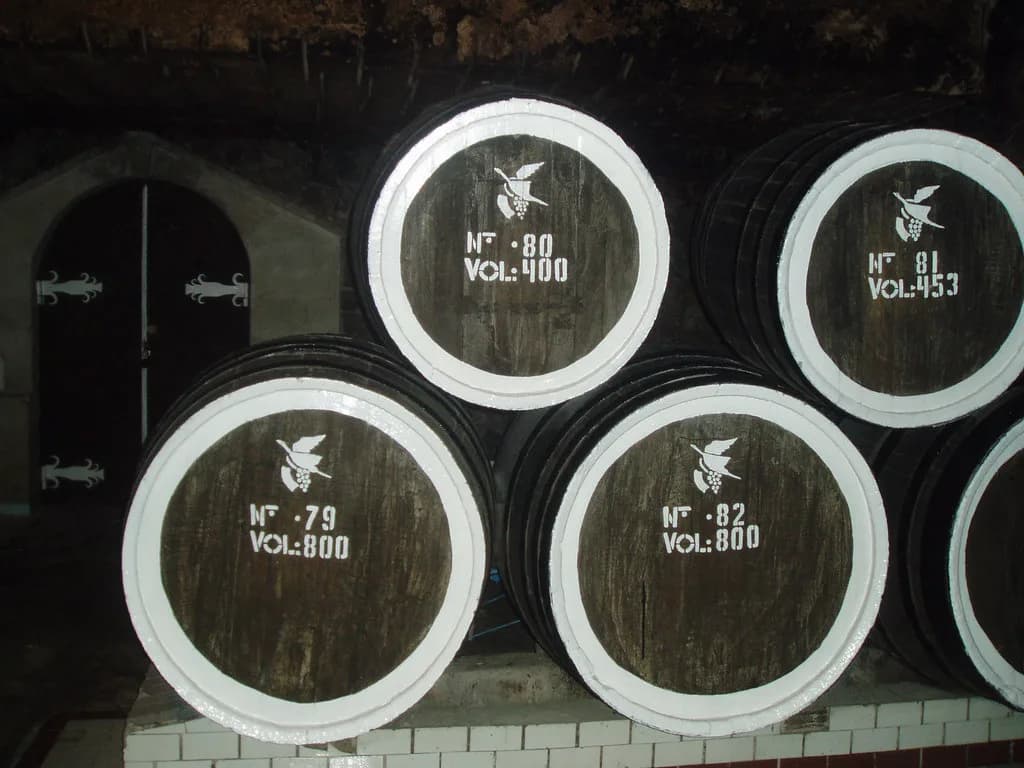
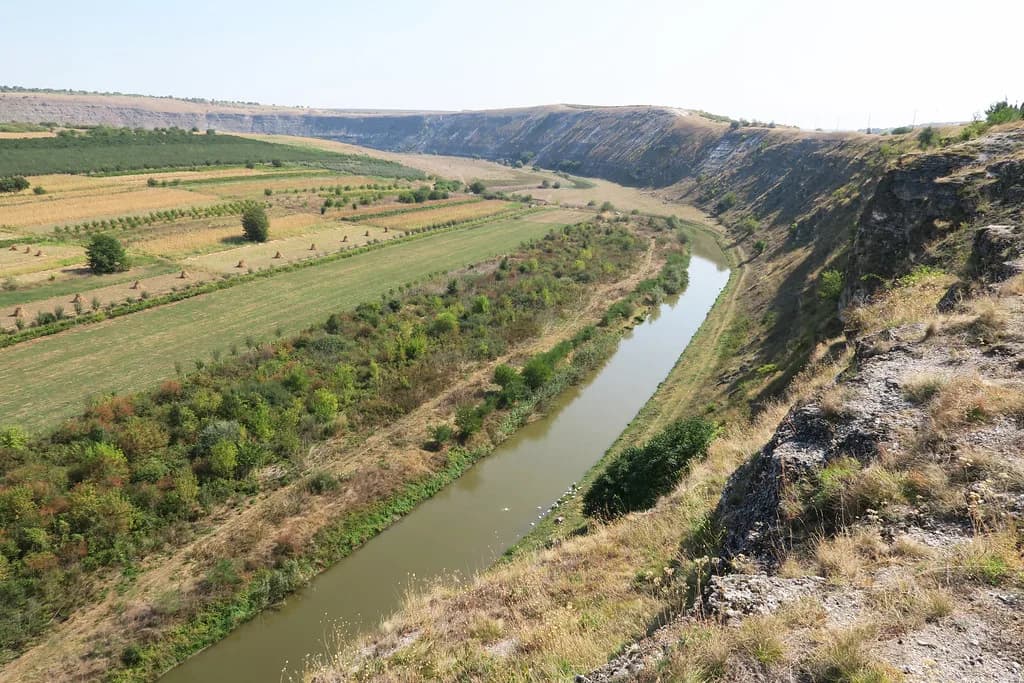
In practice, service is strongest in Chișinău, around the airport, in Bălți and along the main roads linking them. Expect useful signal around Cricova, Mileștii Mici and Orheiul Vechi, with variation at individual wineries and viewpoints. Inside thick-walled cellars and monasteries, assume you will lose it.
That last point is not a technicality. Cricova and Mileștii Mici run tours through underground tunnels, and a reservation confirmation you cannot open is a real inconvenience. Screenshot bookings, addresses and opening times before you go below.
How much data a Moldova trip actually uses
A weekend in Chișinău is light: maps, messaging, translation, a few restaurant searches and ride-hailing, comfortably inside 5GB if you stay off video. A one-week loop covering the capital, a cellar or two and Orheiul Vechi sits around 5–10GB. A two-week road trip with regular photo uploads and hotspot use should start at 10GB and go up.
Remote work changes the arithmetic. Video meetings and laptop tethering push you past 15GB, and a plan sized for a holiday will not cover a working week. If you are combining work with travel, buy the larger allowance rather than topping up mid-trip.
You can cut consumption substantially without changing plans: download offline maps for Chișinău and your wine-country route, keep automatic photo backup off until you are on Wi-Fi, and save confirmations as screenshots. That alone can halve what a week costs you in data.

Moldova eSIM plans and prices
Comparison pages show the spread clearly. As of October 2026, Simpackers listed 24 providers and 73 Moldova data plans ranging from about $1.20 to $222.50, with the best value per gigabyte at 50GB over 30 days for $24.30, or roughly $0.49 per GB. Treat those figures as a snapshot of that date, not a standing price.
The cheapest entry point is rarely the right buy: a 1GB week suits a short city break with heavy Wi-Fi use and little else. Unlimited plans exist for heavy users, but speeds can be throttled after sustained use, which matters if you plan to tether a laptop.
Prices move, and providers update allowances without notice, so compare two or three plans on per-gigabyte cost for your exact trip length shortly before you buy rather than relying on an old screenshot. Pay in the currency shown at checkout and check whether tax is included.
City break, wine-country loop or long stay: matching the plan to the trip
Four days across Chișinău, Cricova and Orheiul Vechi is the classic short trip, and it is also the easiest to provision: 5GB, offline maps downloaded in advance, and Wi-Fi at the accommodation for uploads. You will spend most of your data on navigation and translation, not streaming.
A one-week loop wants 5–10GB and a plan that covers the whole week rather than forcing a mid-trip top-up. If your week includes the northern route toward Soroca or a swing to Bălți, bias upward; those are the days when live data earns its keep.
Two weeks or more, or any trip with a laptop, belongs at 10GB and above. A long stay also makes a local prepaid SIM more attractive on price, so compare the eSIM allowance you actually need against an operator's prepaid bundle before committing.
Transnistria and the coverage caveat
Transnistria operates under separate telecommunications arrangements, and you should not assume your Moldova eSIM works normally once you cross. Coverage claims for Moldovan networks describe the rest of the country, so plan the Tiraspol leg as if you will be offline and download what you need beforehand.
Practically, that means saving your return transport details, accommodation address and any offline map of Tiraspol and Bender before you leave Chișinău. If connectivity there is essential to your plans, ask your provider directly rather than trusting a generic "works in Moldova" line.

Costs versus a local prepaid SIM
An eSIM's premium is the convenience fee: you pay in dollars before you travel, activate instantly and keep your own number. A local prepaid SIM means a shop visit, a passport check and a payment in lei, but it often gives more data per unit of money and a local number that works for local services.
Neither wins universally. For a four-day trip the difference is small enough that convenience should decide it; for a month-long stay or a working trip, the local SIM's economics usually justify the errand. Decide by trip length first, then by data appetite.
Whatever you choose, keep some cash in lei for small rural venues and market stalls, and treat card acceptance as normal in cities rather than universal in villages.
Setup before you fly
Buy the plan a few days before departure, install the profile on stable Wi-Fi, and label it so you can find it in settings under pressure. Keep your primary SIM active for incoming calls and one-time bank codes, but assign mobile data to the eSIM and turn off roaming on the home line.
Download offline maps for Chișinău and your planned rural route, screenshot winery reservations and accommodation addresses, and add a translation pack for Romanian with Russian as a backup. English is workable in the capital's visitor-facing businesses but thinner elsewhere, so a downloaded dictionary is cheap insurance.
Check your charger situation at the same time. Moldova uses European-style sockets, so a US device needs an adapter regardless of how good your data plan is.
Data, payments and language on the road
Live data earns its place at three moments: the airport transfer into Chișinău, changing transport plans between cities, and finding your accommodation after a long day. Outside those, offline maps and screenshots do the job, which is why a modest allowance often suffices.
Moldova uses the Moldovan leu, and card acceptance is common in urban businesses while smaller rural venues may prefer cash. Keep a small cash reserve and use data to check balances rather than to make payments you could make in person.
If Moldova is one stop on a wider route through Iași and Bucharest, a regional or multi-country plan can cover the whole run and spare you buying twice. Compare that against a single-country plan only when the trip really does cross borders.
Plan Your Visit
Buy a Moldova eSIM before you fly if your trip runs one to two weeks and you want data the moment you land. Size it to the trip: 5GB for a Chișinău weekend, 5–10GB for a week-long loop, 10GB or more for two weeks on the road or any working trip.
Add two habits that cost nothing: download offline maps and screenshots before you leave, and treat Transnistria as a place where your plan may not behave as expected. Those two steps prevent almost every connectivity problem a Moldova trip throws at you.
Explore more Moldova trip-decision guides
Frequently Asked Questions
Do I need an eSIM to travel in Moldova?
No. A local prepaid SIM from Orange Moldova, Moldcell or Moldtelecom's Unite works well and often gives more data for the money. An eSIM is the convenience choice: you install it before departure, activate it on arrival at Chișinău and keep your own number for calls and texts.
Which eSIM plan is best for Moldova?
Match the allowance to your trip rather than buying the cheapest headline plan. A short Chișinău break sits comfortably around 5GB, a one-week loop with a winery visit and Orheiul Vechi needs roughly 5–10GB, and a two-week road trip or any working trip should start at 10GB. Compare plans on cost per gigabyte for your exact trip length.
Will an eSIM work in rural Moldova and in wine cellars?
Service is strongest in Chișinău, around the airport, in Bălți and along main roads, with generally useful signal around Cricova, Mileștii Mici and Orheiul Vechi. Signal varies at individual wineries and viewpoints, and you should expect to lose it inside underground cellars, so screenshot reservations and download offline maps first.
Can I keep my own phone number while using a Moldova eSIM?
Usually yes. Keep your physical SIM active for calls and texts while assigning mobile data to the eSIM line, and disable data roaming on your home SIM so it cannot connect and bill you unexpectedly. Your phone must be eSIM-capable and carrier-unlocked.
Does an eSIM work in Transnistria?
Do not assume it does. Transnistria operates under separate telecommunications arrangements, and Moldovan coverage claims describe the rest of the country. Save transport details, your accommodation address and an offline map of Tiraspol and Bender before crossing, and ask your provider directly if connectivity there is essential.
Is an eSIM cheaper than a local SIM card in Moldova?
Not always. An eSIM costs more for the convenience of buying in advance and activating instantly, while a local prepaid SIM usually gives more data per unit of money and a Moldovan number in exchange for a shop visit and payment in lei. Convenience decides short trips; economics usually favor the local SIM on long stays.
How much data do I need for a week in Moldova?
Plan on 5–10GB for a typical week covering Chișinău, a wine cellar and Orheiul Vechi. Turn off automatic photo backup until you are on Wi-Fi and download offline maps before you leave; both cut consumption sharply. Remote work with video calls pushes you past 15GB.
What are the main mobile networks in Moldova?
Orange Moldova, Moldcell and Moldtelecom's Unite brand carry most mobile traffic. Orange reports 4G coverage reaching 99% of the population across 1,446 localities, with 5G in selected urban areas. Read those figures as population reach rather than a guarantee of signal on every rural road or inside historic buildings.
Sources
Trip-decision notes
Optional updates when we publish or revise a destination verdict.
You might also like


Continue reading
More guides you'll find useful