Moldova in April: Weather, Crowds and Whether It's Worth It
Moldova in April brings mild days, blooming countryside and low prices, but changeable rain and cool evenings. Here's who April suits and who should wait.
On this page
Yes, April is a good time to visit Moldova, provided you pack for rain and do not expect beach weather. Days are mild, the countryside is coming into leaf, and you will share the wine cellars and monasteries with far fewer people than in midsummer. If your priority is guaranteed sunshine and long warm evenings, choose a later month instead.
The trade-off is simple: April gives you low prices, green landscapes and elbow room, but rain can interrupt any day and the wind across the open steppe still bites after dark. Travelers who build slack into their plans and treat a wet afternoon as a reason to go underground into a cellar will get far more out of the month.
The verdict on Moldova in April
April sits in the sweet spot between a cold, dry winter and a hot, busy summer, which makes it one of the most practical months for a first trip. It suits walkers, birdwatchers, wine drinkers and anyone who prefers uncrowded monasteries to coach parties. It does not suit travelers who want reliable sun, outdoor swimming or a holiday where every day can be planned around dry weather.
Treat April as a spring city-and-country month rather than a holiday month. You will spend most of your time in Chișinău, underground in the wineries, and on day trips to the Orheiul Vechi complex and the northern monasteries, with a rain jacket in your day bag. If that sounds like a fair exchange for quiet sites and cheap beds, April works well; if you are still weighing the country itself, the case for it is set out in our verdict on whether Moldova is worth visiting.
April weather: typical highs, lows and rain
Expect mild afternoons and genuinely cold nights. Country-wide April normals sit around 6°C (43°F) at night and 16°C (61°F) by day with roughly 40 mm of rain, so a light jacket is not enough after sunset. These are typical conditions averaged over years, not a forecast for your dates.
Chișinău runs slightly warmer, with average lows near 6°C (43°F) and highs near 17°C (63°F), about 32 mm of precipitation and around seven wet days across the month. That is a meaningful amount of rain: plan on at least one washed-out afternoon in a week-long trip. Recorded extremes in the capital have ranged from about -3°C (27°F) to 30°C (86°F), which tells you how variable April can be.
The two sets of figures differ slightly because they cover different areas and periods, so use them as a range rather than a precise prediction. Practically, that means layers, a waterproof shell and shoes that cope with wet grass and unpaved tracks. Mornings can start clear and cold and turn showery by mid-afternoon.
Why spring suits walkers, birdwatchers and wine country
April is when the countryside starts to bloom, and late April into May is the prime window for wildflowers and birdwatching. Days are comfortable for hiking rather than hot, and the vines are waking up across the wine regions. The catch is that heavy showers can be frequent in this period, so a raincoat belongs in the day pack.
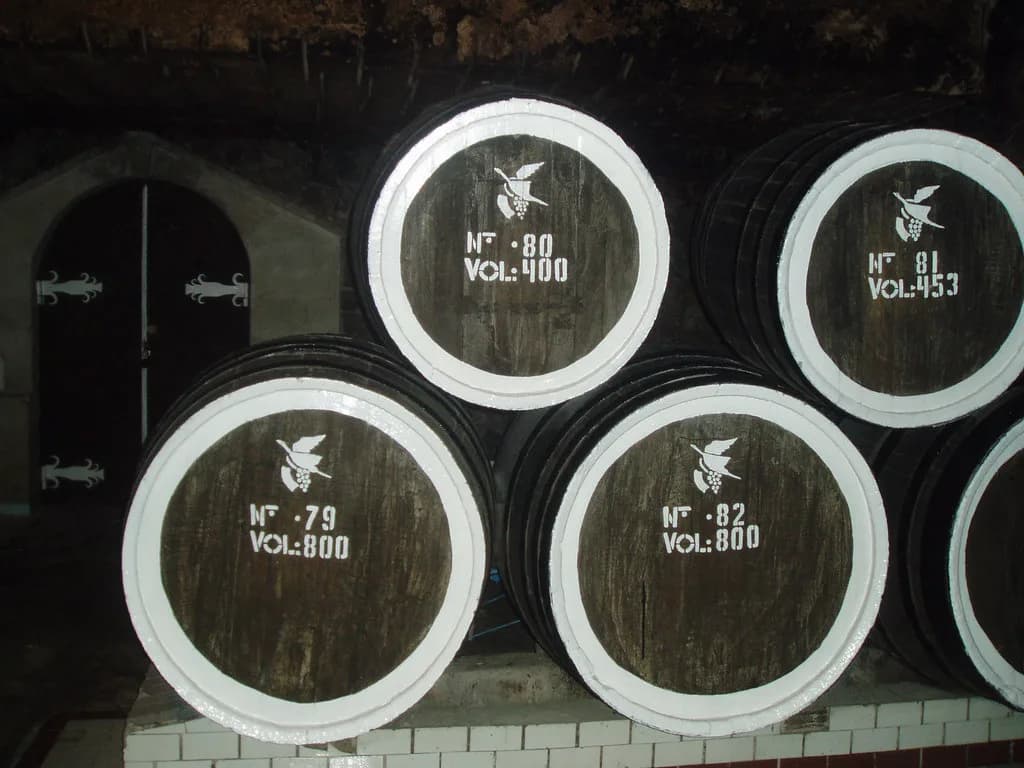
This is also a strong month for wine. You are too early for the grape harvest and the autumn wine celebrations, but cellar tours run year-round and the underground galleries stay cool whatever the weather above. An April shower is a good excuse to spend two hours among the barrels.
Birdwatchers and walkers should aim their days at the open landscapes around Orheiul Vechi and the wooded slopes near the northern monasteries. Spring growth makes the valleys greener than in high summer, when the grass has already burned off.
What April does not give you
It does not give you guaranteed dry weather. Seven wet days a month sounds manageable until you remember that Moldovan rain often arrives as short, heavy showers that soak the ground and make rural tracks muddy. Build one indoor option into each day rather than booking a strict outdoor schedule.
It also does not give you the harvest atmosphere. If you came for new wine, vineyard activity and the big autumn wine celebrations, April is the wrong end of the year; plan September or early October instead. And warm evenings on a terrace are a summer pleasure, not an April one.
One practical caution: G Adventures' Moldova travel guide recommends avoiding the Transnistria region, which lies outside the Moldovan government's control. That is G Adventures' own guidance rather than a general safety verdict, so decide your own itinerary around it and check current advice on your own government's travel page before booking anything that crosses that boundary.
Chișinău in April
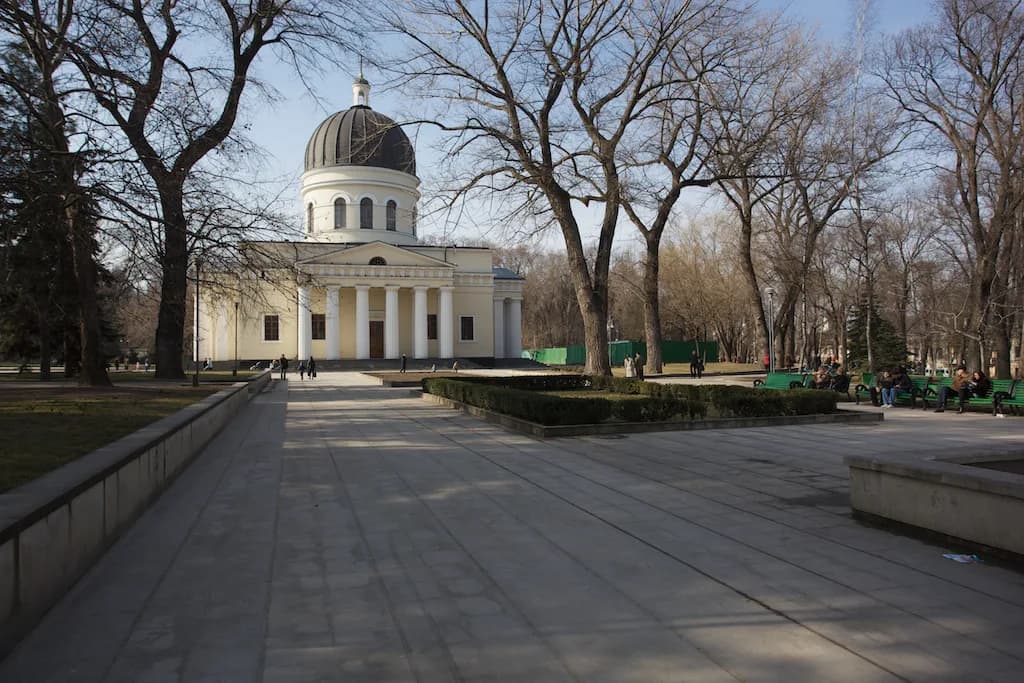
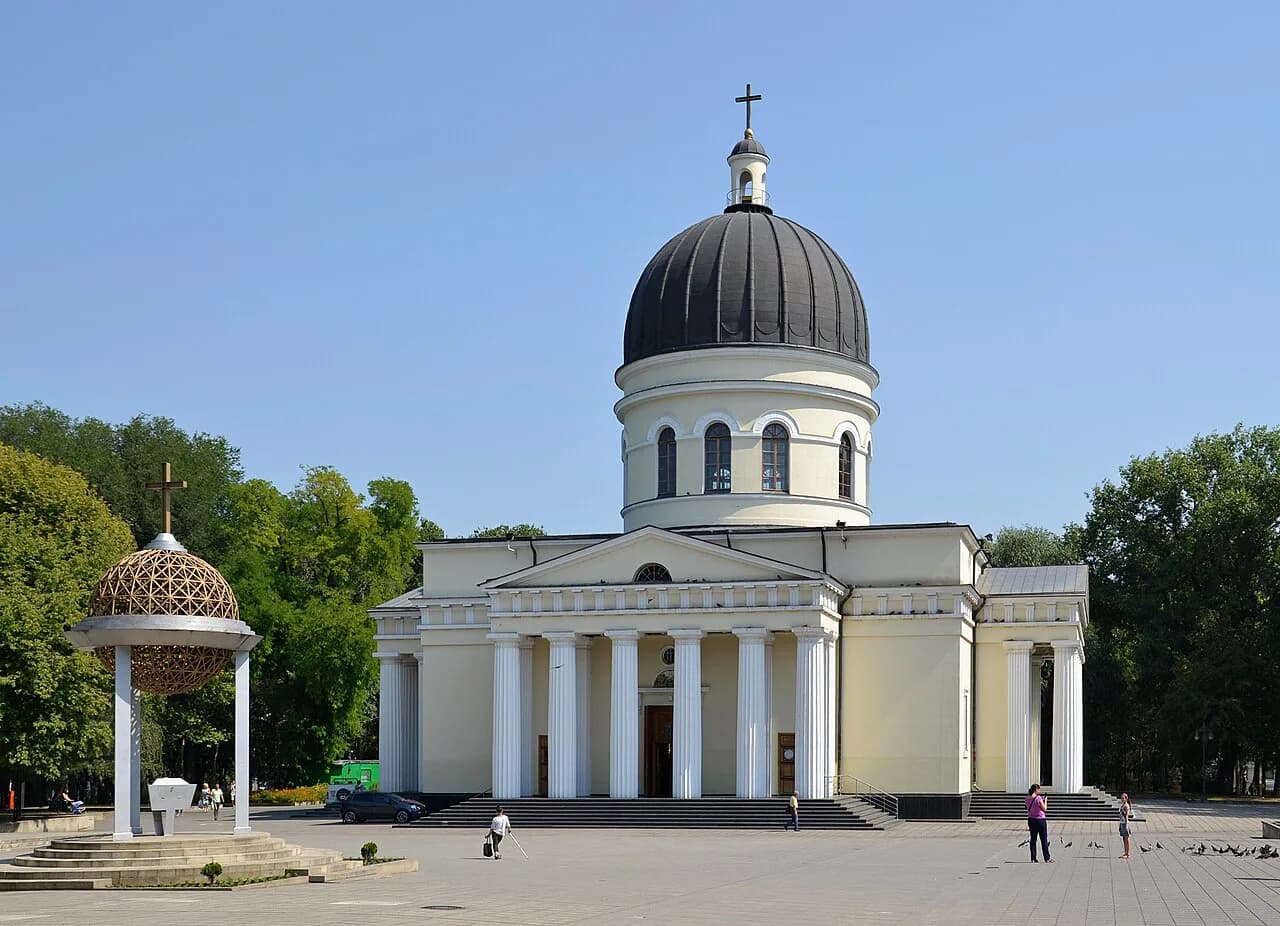
The capital is a good April base: compact, green and easy to cross on foot and by trolleybus. Spend a morning on the wide boulevards lined with mulberry and acacia trees, then drift through the central parks when the sun comes out and retreat to a museum when it does not. The city's mix of Soviet-era architecture and open green space is the reason to linger a day longer than you might expect.
Two full days is a sensible allowance for Chișinău, enough for the central sights, a market, and a slow afternoon in a café when the rain sets in. Use the trolleybus network for longer hops; it reaches most of the sights you will want at a modest fare.
Evenings are cool in April, so plan dinner indoors and keep the walking for daylight. That rhythm suits the month better than trying to treat Chișinău like a late-summer city.
Orheiul Vechi and the countryside
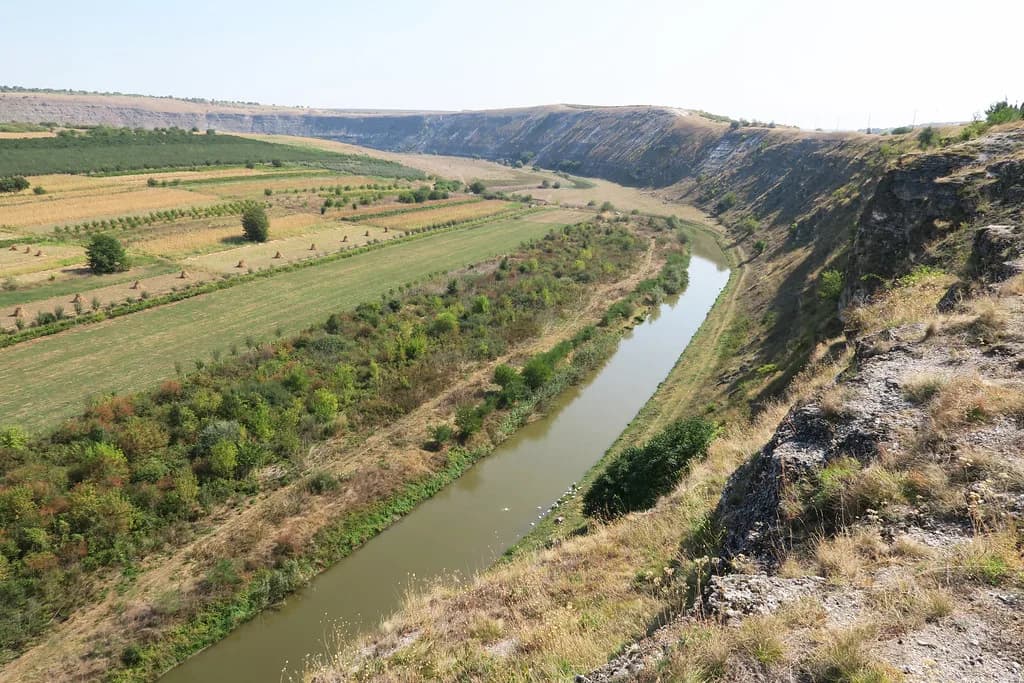
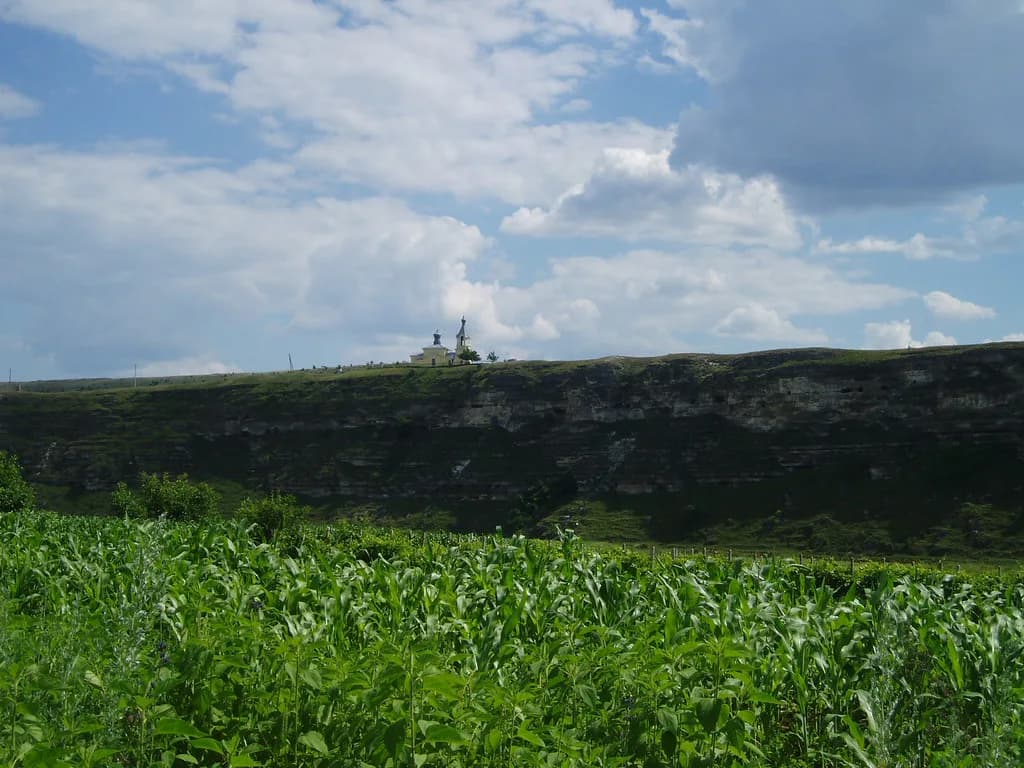
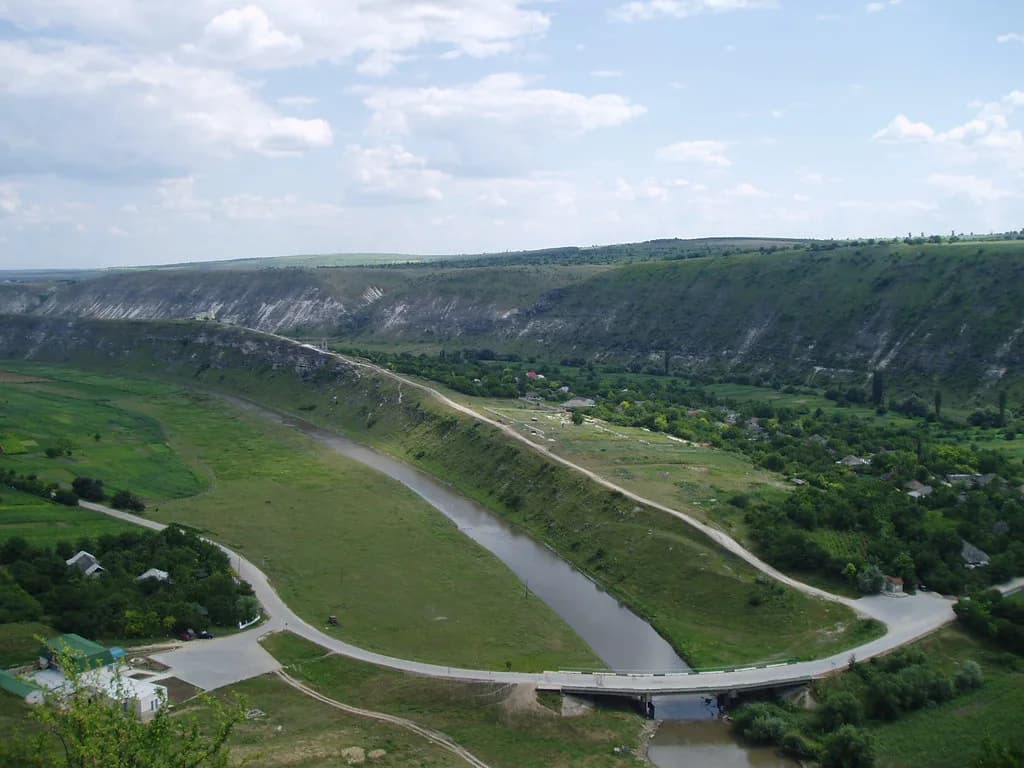
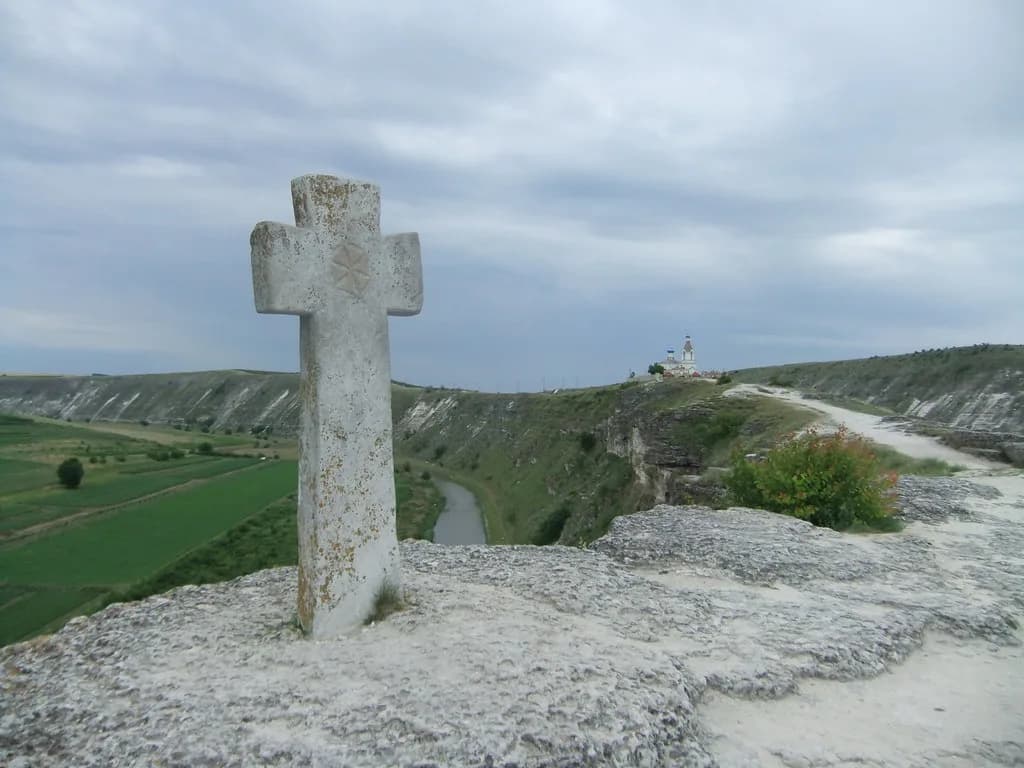
Orheiul Vechi is the day trip that justifies April on its own: a limestone gorge with a cave monastery carved into the cliff, archaeological remains and rolling green valleys that are at their freshest in spring. The walking is gentle but the ground can be muddy after rain, so wear shoes with grip rather than white trainers.
Buses to the Orheiul Vechi area leave from Chișinău's Central Bus Station, and the surrounding village of Trebujeni is where cooking classes and rural lunches are typically arranged. Allow a full day rather than squeezing it into a half.
This is the part of Moldova where spring pays off most visibly. The countryside is blooming, the light is long, and you will meet few other visitors midweek. If you are weighing months, the same landscapes in May are warmer but wetter, which is why our guide to the best time to visit weighs both rather than picking one. Travelers comparing neighboring options often ask is Romania worth visiting, and the answer helps frame whether Moldova's quieter spring is the right trade.
Cricova, Mileștii Mici and the wine cellars
Cricova and Mileștii Mici are the two underground wine complexes most travelers build a trip around, and both are ideal in April: the temperature below ground does not care about the showers outside. Tours run on fixed schedules with limited places, so reserve ahead rather than turning up on the day.
Buses to Cricova leave from the Central Bus Station in Chișinău, which makes a cellar visit easy to combine with a half-day in the city. Mileștii Mici is a longer excursion and usually needs a taxi or a pre-arranged transfer.
April is not harvest season, so you will not see grapes coming in, but you will get the cellars without the autumn crowds. If tasting new wine and vineyard activity matter more than quiet, move your trip later in the year.
Monasteries worth the day trip: Saharna, Tipova, Curchi
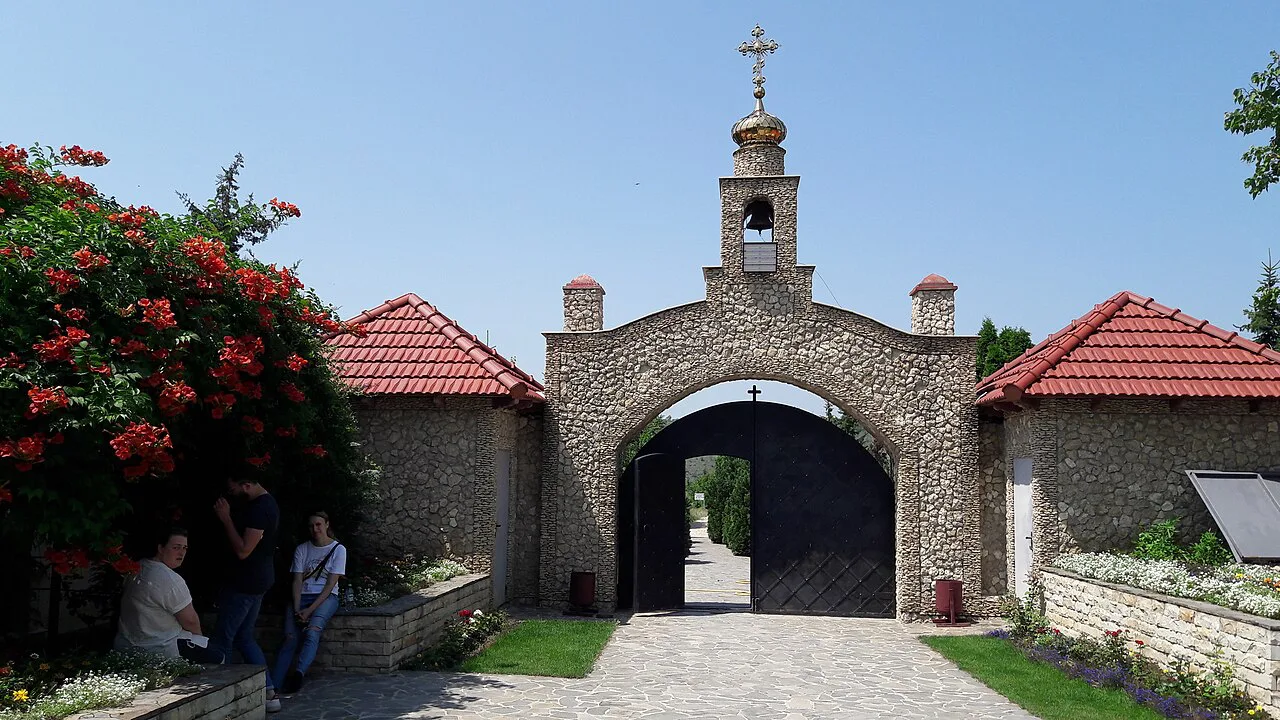
Saharna, Tipova and Curchi are the classic monastery circuit, and each rewards a different kind of day. Saharna offers a gorge and pilgrimage site, Tipova is a cave monastery set above the Dniester, and Curchi is known for its gilded iconostasis and restored church. Spring makes the approach walks greener and the viewpoints clearer than in high summer haze.
These are long days from Chișinău and best done with a car and driver or as an organized excursion, since public transport connections are slow and indirect. Group the monasteries geographically rather than trying to see all three in one outing.
Expect unpaved paths and steps; after April rain, some sections are slippery. That is the main reason to keep the monastery days flexible and to swap one for a cellar if the weather turns.
Soroca and the north
Soroca, in the north, is home to a fortress on the Dniester and a Roma community known for its distinctive hilltop houses. It is a long haul from the capital, so treat it as an overnight or a very full day rather than a casual detour. Moldova stretches roughly 320 km (200 mi) from one side to the other, about two to three hours by car end to end, which makes distance deceptive.
Northern Moldova is cooler and slower to green up in April than the center, so if Soroca is your priority, late April is better than early April. The fortress and river views are the draw; the town itself does not need more than half a day.
How many days you need in April
Give Moldova five to seven days for a first trip, as most operators recommend. Two days in Chișinău, a day at Orheiul Vechi, a day for the cellars and two for monasteries or the north is a comfortable shape. April rain makes the slack in that plan valuable rather than wasted.
With only three days, pick Chișinău plus one day trip and one cellar visit. With a week, add the monasteries and the north. Trying to cover everything in four days in April means spending most of your time in a bus and dodging showers at each stop.

Typical costs and what April saves you
Moldova is affordable by European standards, and April is a low-season month for demand, which keeps room rates soft. As a reference point, a three-course meal in a decent restaurant in the capital runs around €20, and everyday food and drink cost much less.
The local currency is the Moldovan leu, and you will get better value by paying attention to exchange rates than by chasing discounts. For a fuller breakdown of daily spending, our guide to whether Moldova is cheap sets out what a trip actually costs.
April's saving is less about headline prices than about availability: you can book later, stay flexible and still find space at the cellars and monasteries. Do not expect dramatic discounts at the famous wineries, where demand stays steady.
Getting around and getting there
Within Chișinău, trolleybuses cover most sights cheaply and are easy to use. Between towns, buses and minibuses known as marshrutkas do the work, and they stop on request, so signal the driver clearly. Trains connect the main cities but are slower and less frequent.
For the cellars, monasteries and Soroca, a hired car with a driver buys you hours you would otherwise lose waiting for connections. In April, that also means you can retreat to the car when a shower hits.
For entry formalities, use the official Moldovan government page rather than secondhand advice. For language expectations in the cities and countryside, our guide on whether they speak English in Moldova sets out where a few phrases will help.
April versus May and September
May is warmer and the wildflowers are at their best, but showers get heavier and the month is busier. April is cooler and quieter, with the same green countryside and fewer people at the monasteries. If you want warmth without summer heat, May edges it; if you want space and lower demand, April wins.
September and early October bring the grape harvest, new wine and the autumn celebrations, plus settled weather. That is the better choice for wine-focused travelers, while April is better for walkers and anyone wanting the country to themselves.
Who should pick a different month
Sun-seekers, families wanting guaranteed outdoor days and anyone planning around the wine harvest should look at May to October instead. Travelers who need predictable weather for a tightly scheduled trip should also choose late summer.
April suits independent travelers, walkers, birdwatchers, wine drinkers who care more about cellars than harvest, and anyone traveling on a modest budget who values quiet sights over hot afternoons. If that describes you, book it, pack a rain shell and leave room in the plan for a wet day underground.
Plan Your Trip Around April Weather
April rewards travelers who treat Moldova as a spring destination rather than a summer one: mild days, fresh landscapes, low demand and cellars that work in any weather. Accept the showers, keep one indoor option per day, and the month delivers more than it costs you.
If you are still deciding whether the country deserves the trip at all, start with the case for visiting and then match the month to your priorities. April is the quiet, green, affordable choice; just do not expect it to be dry.
Explore more Moldova trip-decision guides
Frequently Asked Questions
What is the weather like in Moldova in April?
Mild and changeable. Typical April conditions run around 6°C (43°F) at night and 16°C (61°F) by day, with roughly 40 mm of rain across the month. Chișinău is slightly warmer, with highs near 17°C (63°F) and about seven wet days. Treat these as averages, not a forecast, and pack a waterproof layer and warm evening clothes.
Is April a good time to visit Moldova?
Yes, if you want mild days, green countryside, few tourists and soft room rates. It is not the month for guaranteed sunshine, long warm evenings or the grape harvest. Travelers who build flexibility into their plans and use wet afternoons for cellar tours or museums get the most out of it.
How many days do you need in Moldova in April?
Five to seven days covers a first trip comfortably: two in Chișinău, one at Orheiul Vechi, one for the wine cellars and a couple for monasteries or the north. April rain makes that spare time useful, since you can swap an outdoor day for an indoor one without losing the trip.
Is Moldova expensive in April?
Moldova is affordable by European standards, and April is a lower-demand month, which helps with availability more than with headline prices. Restaurant, cellar tour and transport rates are best confirmed directly with the venue or operator, and the local currency is the Moldovan leu.
Should I visit Moldova in April or May?
April is cooler, quieter and cheaper, with fresh green landscapes and fewer visitors at the monasteries. May is warmer and better for wildflowers, but showers get heavier and demand rises. Choose April for space and lower costs, May if warmth matters more than solitude.
What is there to do in Moldova in April?
Spend time in Chișinău's parks and boulevards, day-trip to the Orheiul Vechi gorge and cave monastery, tour the Cricova and Mileștii Mici cellars, and visit Saharna, Tipova and Curchi monasteries. Soroca in the north works as an overnight. Wet days are best spent underground in the wine cellars.
Sources
Trip-decision notes
Optional updates when we publish or revise a destination verdict.
You might also like
Continue reading
More guides you'll find useful