Moldova vs Romania: Which Should You Visit First?
Moldova vs Romania compared on wine cellars, monasteries, cities, cost level, transport and crowds, with a clear verdict on which country suits your trip.
On this page
Pick Moldova if you want a small, quiet, low-cost country where the headline sights are enormous underground wine cellars, a cliff-carved monastery at Orheiul Vechi and a capital that wears its Soviet past openly. Pick Romania if you want variety and ease: a Latin-influenced culture, walkable medieval towns such as Brașov and Sibiu, the painted monasteries of Bucovina, and a transport network that lets you string a two-week trip together without a car.
The two countries share a language, a border along the Prut and a tangled history, which is exactly why travelers compare them. They are not interchangeable trips: Moldova rewards curiosity and patience with a short list of genuinely unusual sights, while Romania rewards time with a much longer one. The practical gap is transport, and it is the single biggest factor in which one you choose.
The verdict: who should pick Moldova, who should pick Romania
Choose Moldova if you have three or four days, want wine cellars as the main event, and are comfortable with minibuses, limited rail and a capital where English thins out away from the center. Choose Romania if you have a week or more, want medieval towns and mountain scenery on the same trip, and would rather book trains than negotiate marshrutka timetables. Travelers who want a first taste of the region should start with Romania; travelers who have already done Prague, Budapest and Bucharest and want somewhere genuinely off the standard circuit should go to Moldova.
The honest trade-off is depth against variety. Moldova's sights are concentrated and memorable, but after Cricova, Mileștii Mici, Orheiul Vechi and Chișinău you have seen most of what draws visitors. Romania can absorb two weeks without repeating itself, at the cost of longer distances, busier honeypots and a more expensive day rate.
Two very different trips at a glance
Moldova is small and rural, with Chișinău as the only real city, wine cellars as the signature experience and a tourist infrastructure that is thin outside the capital. Romania is roughly eight times the size, with a capital of comparable scale to Chișinău's entire urban pull, plus Transylvania's fortified towns, the Bucovina monasteries and the Black Sea coast. Moldova's currency is the leu, and so is Romania's, but they are separate currencies with separate exchange rates, so do not carry one expecting to spend it in the other.
Crowds are the other clean split. Romania's Brașov, Sibiu and Bran see heavy summer and weekend traffic, while Moldova's sights stay comparatively uncrowded even in July. If your priority is escaping other travelers, Moldova wins on volume alone; if your priority is having plenty to do, Romania wins.
Character: Soviet-era Chișinău and rural Moldova vs Romania's Latin-influenced cities
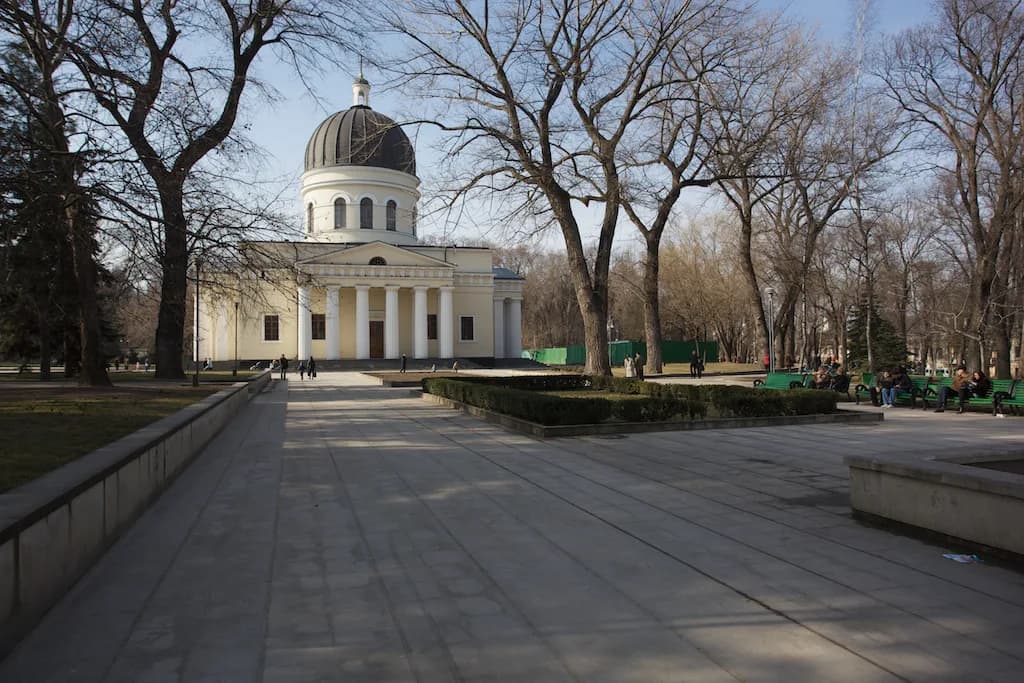
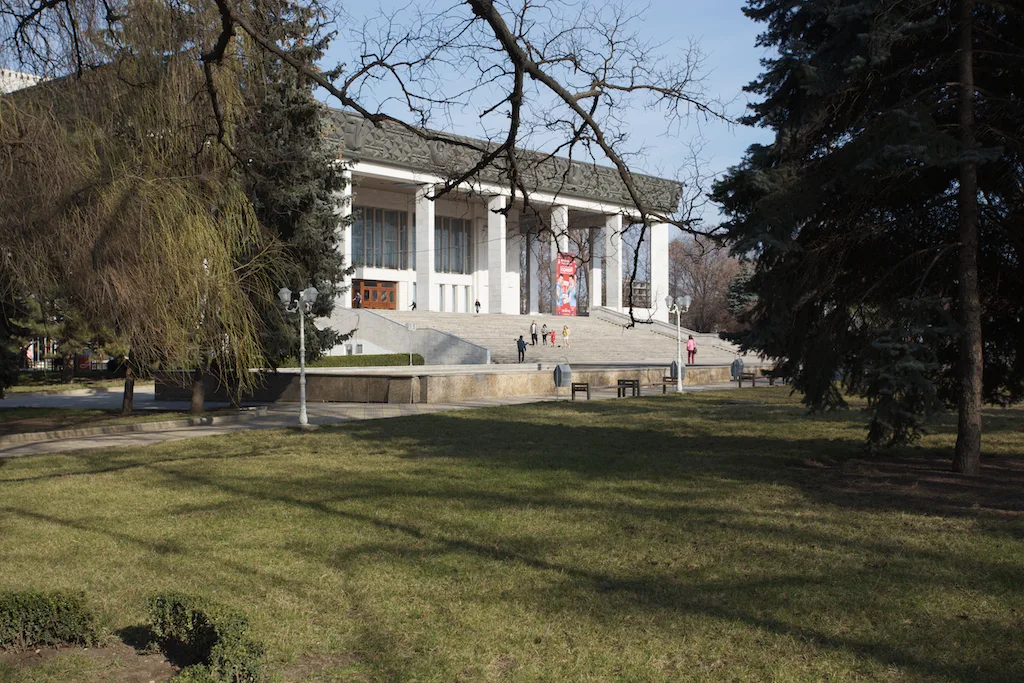
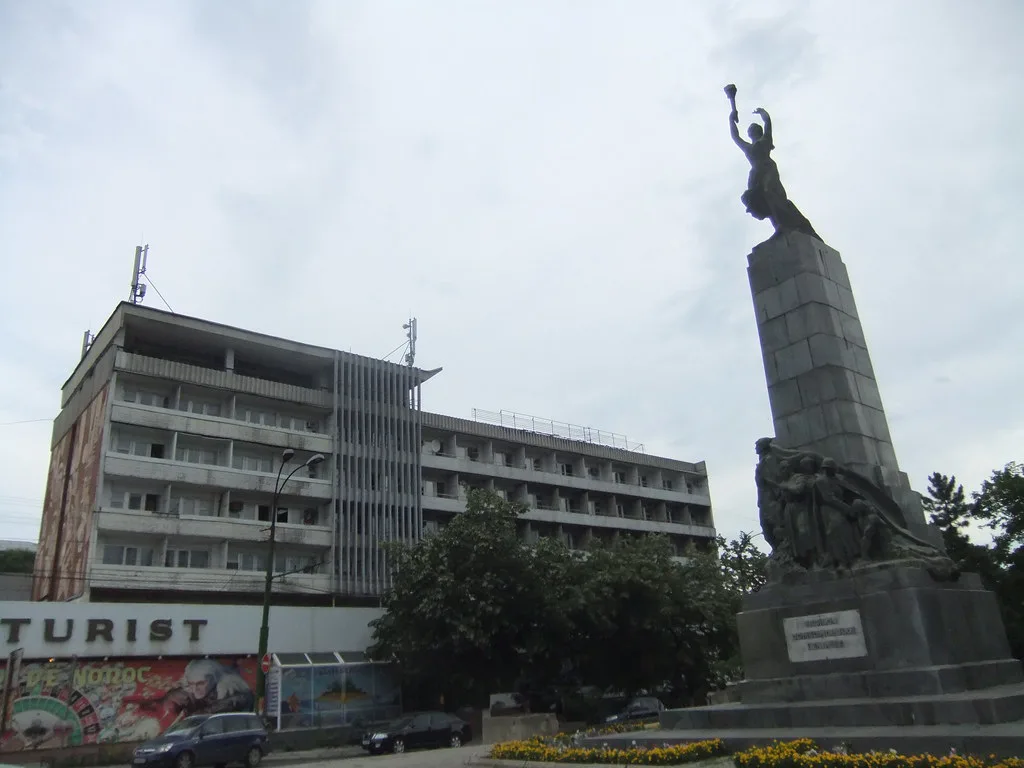
Chișinău is a low-rise, green, unhurried city rebuilt after wartime destruction, with a strong Soviet modernist layer, a large central market and a park-lined main boulevard. It is not a pretty capital in the Prague sense, and that is part of the appeal: you come for the texture, the wine bars and the easy day trips, not for a preserved old town. Outside the capital, Moldova is farmland, villages and a handful of monastery complexes such as Căpriana, with long empty roads between them.
Romania's cities read differently: Bucharest has a Parisian-influenced core and a monumental communist-era civic center, while Brașov, Sibiu and Timișoara offer walkable historic centers with Saxon, Habsburg and Ottoman layers. The result is that Romania delivers more conventional sightseeing per day, and Moldova delivers more of a sense of a place that tourism has not yet reshaped.
Wine: Cricova and Mileștii Mici vs Romania's Dealu Mare and Cotnari
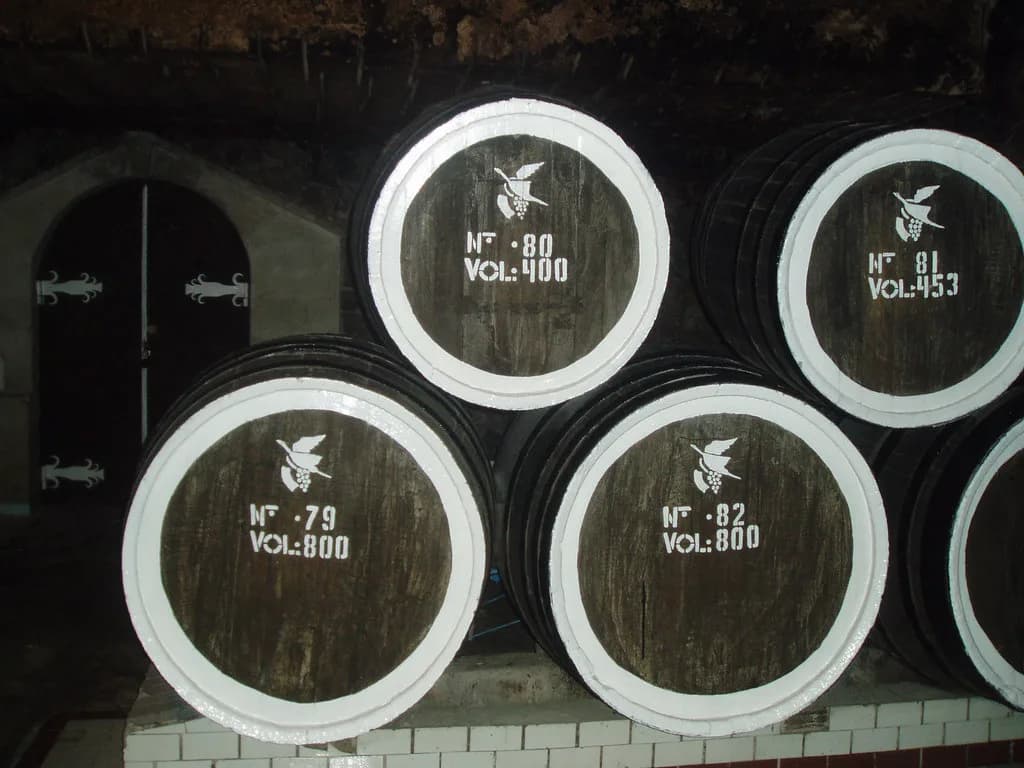
Moldova's wine is the reason many travelers come. Cricova and Mileștii Mici are working cellars cut into limestone, with underground streets you tour by vehicle, and Mileștii Mici holds a vast collection of bottles in cool galleries. These are structured visits rather than casual tastings, so book ahead and expect to spend a couple of hours underground. If a cellar tour is your priority, plan it into your days rather than treating it as a rainy-day filler.
Romania's wine regions are more spread out and less theatrical. Dealu Mare, north of Bucharest toward Ploiești, is the easiest premium region to reach from the capital, and Cotnari in the northeast is known for sweet white wines in a landscape of rolling hills. Romania rewards travelers who want to combine tasting with village stays and driving; Moldova rewards travelers who want the cellar-as-monument experience in a compact radius of the capital.
Churches and landscapes: Orheiul Vechi and Căpriana vs Bucovina's painted monasteries
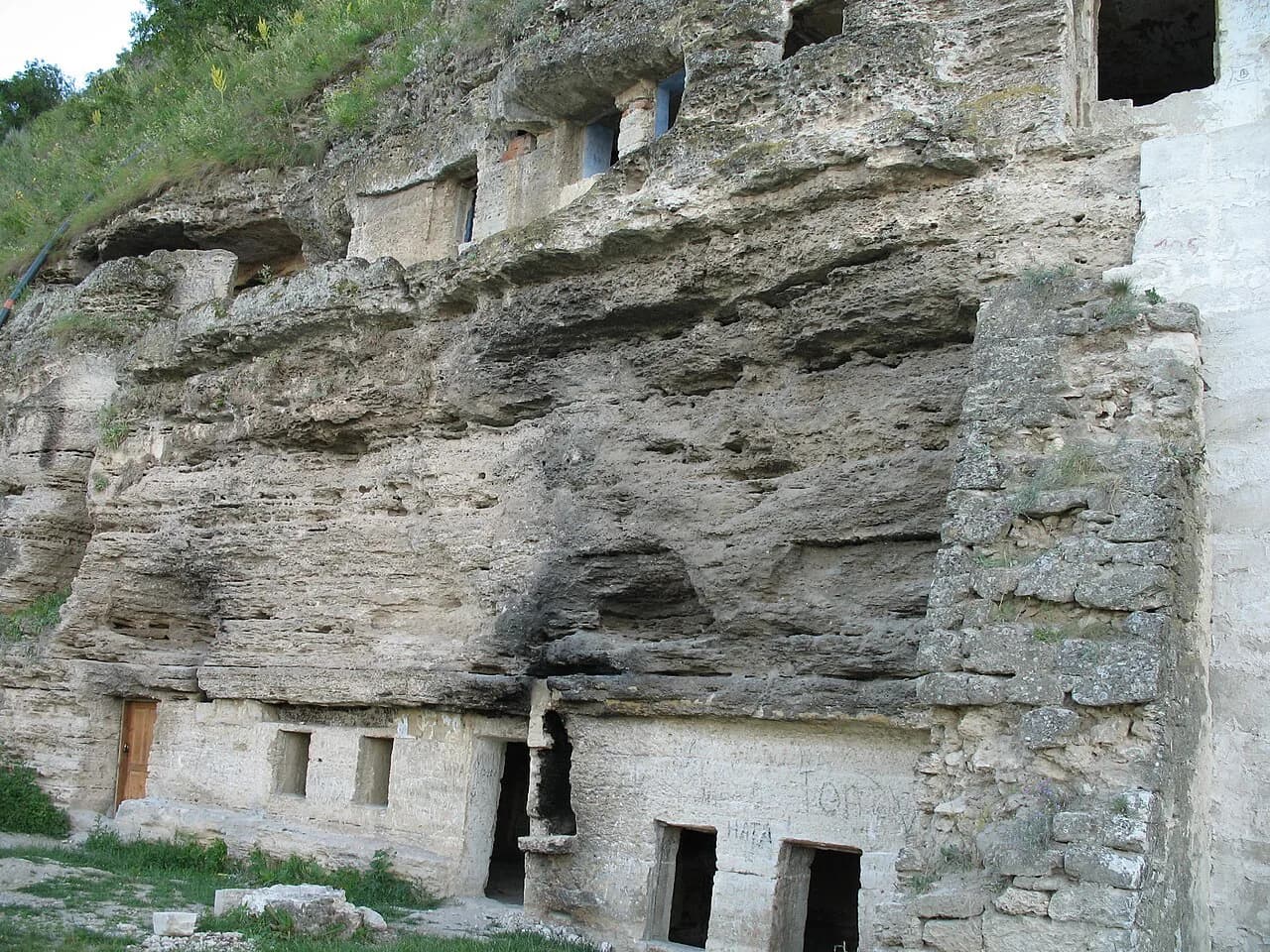
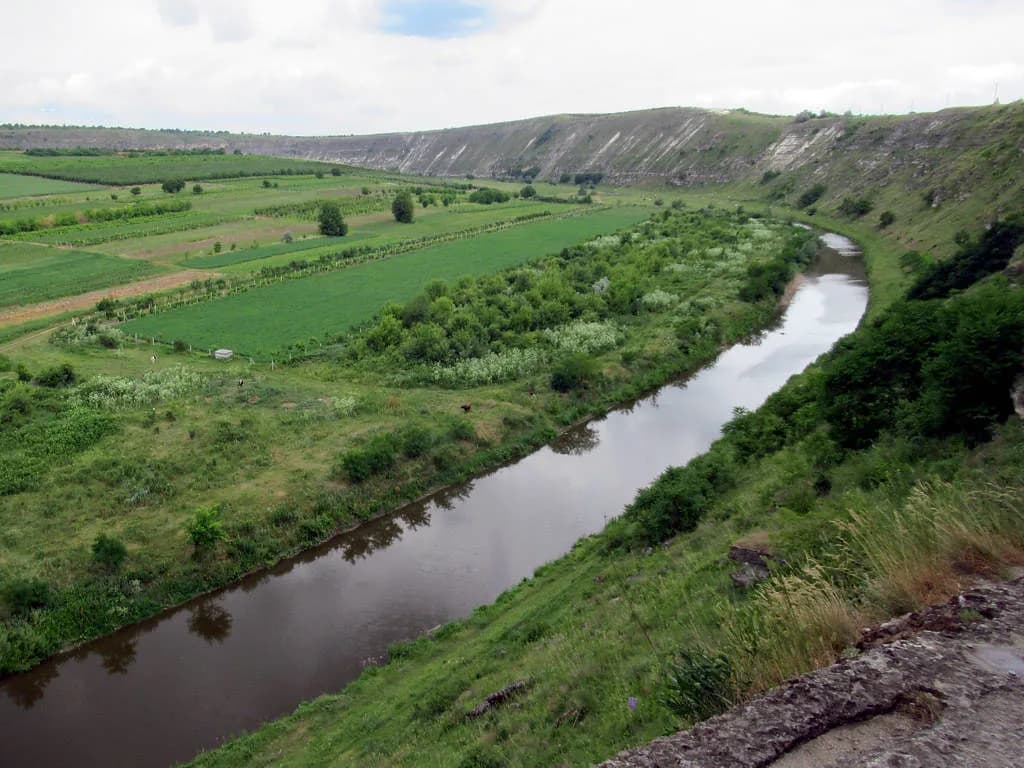
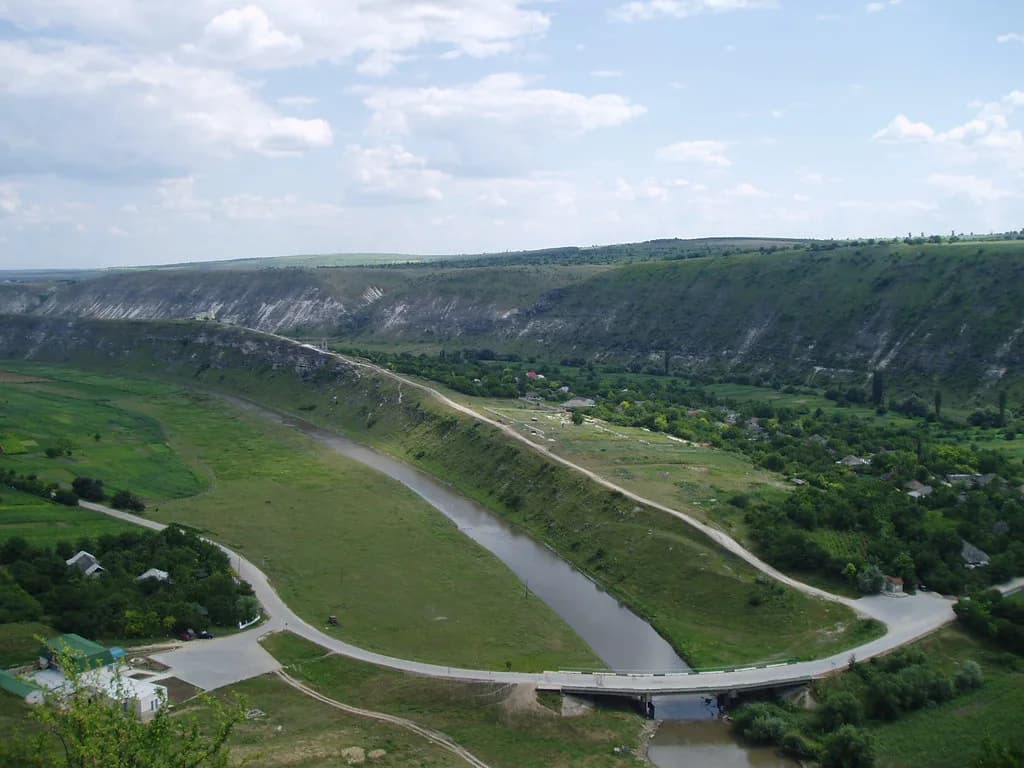
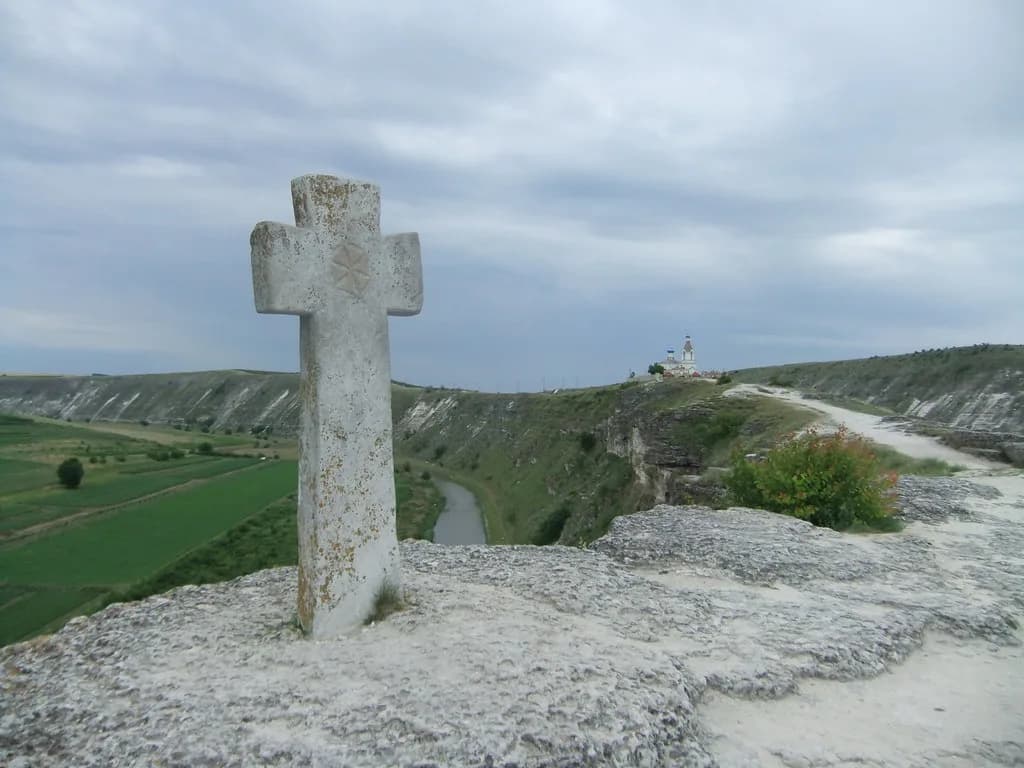
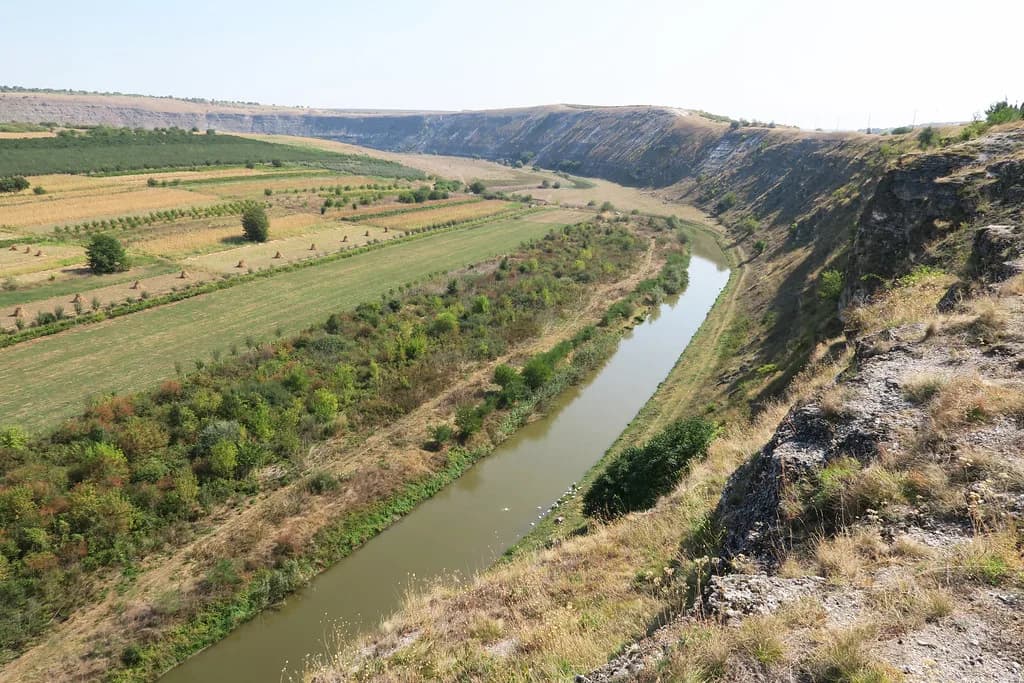
Orheiul Vechi is Moldova's signature landscape: a limestone gorge above the Răut river with a cave monastery cut into the cliff, open views and a village below. It is a half-day trip from Chișinău and pairs well with Căpriana monastery, one of the country's oldest religious sites. Spring and early autumn are the most comfortable seasons for walking the site, since summer heat on the exposed limestone is punishing.
Romania's Bucovina painted monasteries, including Voroneț, Sucevița and Moldovița, are a UNESCO-listed ensemble with exterior frescoes that are the equal of anything in the region. They are farther apart and require a car or a tour, but the combination of painted churches, wooded hills and traditional villages gives Bucovina more to fill several days. If religious art and architecture are your main interest, Romania is the stronger choice; if you want one dramatic gorge and one quiet monastery in a single day, Moldova delivers it more cheaply.
Cities: Chișinău vs Bucharest, Brașov, Sibiu and Timișoara
Chișinău works as a base: compact enough to walk the center, with markets, wine bars and a good day-trip radius for the cellars and Orheiul Vechi. It does not have the sight density to occupy a week, so treat it as a two-day city within a longer Moldova loop. Bucharest, by contrast, can hold three or four days between its museums, parks and the Palace of the Parliament, and it functions as a transport hub for the rest of Romania.
Brașov and Sibiu are the towns most travelers picture when they imagine Romania: Saxon squares, fortified churches nearby and the Carpathians on the horizon. Timișoara, in the west, has a handsome Habsburg core and a strong cafe culture. Romania wins the city comparison outright on quantity and variety, while Chișinău wins on the specific pleasure of a capital that feels untouched by mass tourism.
Costs: two leu currencies and what they mean for your budget
Both countries use a currency called the leu, but Moldova's leu and Romania's leu are different and not interchangeable, so budget separately and change money on arrival rather than expecting leftover cash to work across the border. In practice Moldova is the cheaper of the two for food, wine tastings, transport and everyday spending, while Romania's prices rise steeply in Brașov and Sibiu in high season. Set your expectations by looking up current rates and which cards are widely accepted before you go.
The cost gap matters most for travelers on a tight budget or planning a long trip: Moldova stretches a daily allowance further, especially on wine and meals, while Romania offers more free sightseeing in the form of old towns, parks and hiking. Travelers who want maximum variety per euro will usually find Romania the better value despite the higher day rate.
Getting around: minibuses and a small rail network vs trains and long-distance buses
Moldova's transport runs on minibuses from Chișinău's bus stations, with a small and slow rail network that most visitors use only for the novelty. Connections to wine cellars and Orheiul Vechi are feasible by bus and taxi but eat time, so many travelers hire a driver for a day or two. Romania's rail network reaches most of the towns visitors want, and long-distance buses fill the gaps, which makes car-free itineraries far easier there.
If you plan to move between the two, the bus is the practical link, with services running from Chișinău toward Iași and Bucharest. Cross-border journeys are slower than the map suggests because of the Prut crossing, so build in a half day rather than squeezing it between sights. Travelers with a car should carry documents for both countries and allow extra time at the border.
Getting there: Chișinău airport and overland crossings from Iași vs Romanian airports
Chișinău International Airport is the main gateway to Moldova, with direct flights from several European hubs and a short ride into the city. From Romania's side, Iași is the natural launch point for overland entry into Moldova, with buses continuing across the Prut. Romania itself is much easier to reach, with Bucharest, Cluj-Napoca, Timișoara and Iași all handling international traffic.
The trade-off is convenience against cost. Flying into Bucharest or Iași and crossing overland is often the cheapest way to combine the two, while flying directly to Chișinău saves time if Moldova is your main destination. Check entry requirements with your own government's official travel page before booking, as rules differ by nationality.
Crowds and seasonality: quiet Moldova vs peak-season Romania
Moldova stays quiet year-round, and even Cricova and Orheiul Vechi rarely feel crowded, though tour groups can fill the cellars at weekends. Romania's honeypots, especially Brașov and Bran, are busy in July and August and on weekends, and the painted monasteries draw coach traffic in summer. Late spring and early autumn give both countries mild weather and fewer visitors, and in Moldova those months are the most comfortable for walking the gorge at Orheiul Vechi.
Winter shuts down much of Moldova's rural tourism and makes the cellars the main draw, while Romania's cities stay lively and its mountain resorts get busy. If quiet is the point of your trip, Moldova delivers it almost any month; if you want good weather and open sights, aim for May, June, September or early October in either country.
Language: Romanian in both, plus Russian and Ukrainian in Moldova
Romanian is the official language in both countries, so a few phrases carry you a long way in either. Moldova adds Russian as a widely used second language, especially in Chișinău and in business settings, and Ukrainian is spoken in some border areas. English is common among younger people and in tourist-facing businesses in Chișinău, but thinner in villages and at rural monasteries.
In Romania, English is widely understood in cities and tourist towns, and Italian and French help with older speakers. The practical consequence is that Romania is easier for a first-time visitor with no Romanian, while Moldova rewards a little preparation with Russian or Romanian phrases.
Drawbacks worth knowing
Moldova's drawbacks are real: a short sight list, patchy public transport outside the capital, limited English in rural areas, and a tourism infrastructure that assumes you will arrange your own tours. Road surfaces on minor routes are rough, and the wine cellars require pre-booking rather than walk-up visits. Romania's drawbacks are the opposite: long distances between highlights, crowded summer honeypots, and prices that climb sharply in Brașov and Sibiu during peak season.
Neither country is a beach-first destination in the way Croatia is, and Romania's Black Sea coast is seasonal and resort-heavy. Travelers wanting guaranteed sunshine and swimming should look elsewhere; travelers wanting wine, monasteries, mountains and cities will find plenty in both.
Combining both: a Moldova-plus-corners-of-Romania route
The natural pairing is Moldova plus Romanian Moldavia and Bucovina. Fly into Chișinău, spend three days on the capital, the cellars and Orheiul Vechi, then cross by bus toward Iași, which gives you a base for the painted monasteries and the northern Moldavian towns. From there, trains and buses run onward to Brașov and Bucharest, so you can end in Transylvania or the capital without backtracking.
Allow at least ten days for that combination, and more if you want a wine region in Romania as well. The reverse route, starting in Bucharest and ending in Chișinău, works equally well and puts the quieter country at the end of the trip, which many travelers prefer.
Verdict by traveler type
Wine travelers should pick Moldova first for the cellar scale, then add Dealu Mare or Cotnari on a Romanian leg. History and architecture travelers should pick Romania, where the Bucovina monasteries and Transylvania's fortified churches offer far more depth. Budget travelers and slow travelers will get more days for their money in Moldova, while families and first-time visitors to the region will find Romania's transport, English and sight density much easier to manage.
Travelers with a week or less should choose one country rather than splitting the time, and Romania wins that call unless the wine cellars are the whole point of the trip. Travelers with two weeks or a taste for the unusual should do both, Moldova first. For a fuller picture of what the smaller country offers, weigh the Moldova verdict on its own terms before booking, and if the larger one is in doubt, check whether Romania is worth visiting before committing.
Plan Your Visit
Decide by trip length and appetite for effort. A short, wine-led trip with a tolerance for minibuses points to Moldova; a week or more of towns, mountains and monasteries with easier logistics points to Romania. Combining the two works best as Moldova plus Iași and Bucovina, with a train onward into Transylvania.
Check current exchange rates for both leu currencies, pre-book cellar tours in Moldova, and confirm opening times for the monasteries you plan to visit. Then commit: the worst version of this trip is a rushed dash through both countries rather than a proper look at either.
Explore more Moldova trip-decision guides
Frequently Asked Questions
Is Moldova worth visiting compared with Romania?
Yes, if you want wine cellars, a quiet capital and a dramatic gorge at Orheiul Vechi in a compact, low-cost country. Romania offers much more variety and easier transport, so Moldova suits travelers who have already seen the region's headline cities and want somewhere off the standard circuit.
Is Moldova cheaper than Romania?
Generally yes for food, wine tastings, transport and daily spending, though Romania can be good value outside its peak-season tourist towns. Both countries use a currency called the leu, but they are separate currencies, so budget for each and change money locally.
Do Moldovans consider themselves Romanian?
This is a contested identity question rather than a travel fact, and views vary widely inside Moldova. For a visitor, the practical point is that Romanian is the official language in both countries and the shared history is visible in the language, cuisine and church architecture.
Why do Moldova and Romania have similar flags?
Both flags use the same blue, yellow and red vertical tricolor, reflecting the shared Romanian heritage, with Moldova adding its own coat of arms. The similarity is a useful reminder that the two countries are culturally close even though they are separate states with separate currencies and borders.
How do you travel between Romania and Moldova overland?
Buses connect Chișinău with Iași and Bucharest, crossing the Prut at the border, and the journey is slower than the distance suggests. Iași is the most convenient Romanian launch point for the crossing, and travelers with a car should allow extra time at the border.
How many days do you need in Moldova?
Three or four days covers Chișinău, Cricova and Mileștii Mici, and Orheiul Vechi with Căpriana. Add a day or two if you want a rural monastery or a second wine region, and allow more time if you are relying on public transport rather than a driver.
Can you visit Moldova and Romania in one trip?
Yes, and the natural route pairs Moldova with Romanian Moldavia and Bucovina before continuing to Transylvania or Bucharest. Allow at least ten days, fly into Chișinău, and cross toward Iași so you do not backtrack.
Sources
Trip-decision notes
Optional updates when we publish or revise a destination verdict.
You might also like
Continue reading
More guides you'll find useful