Money in Moldova: Currency, Cards and Cash for Travelers
Moldova uses the leu, not the euro. Here is how much cash to carry, where cards work, how to change money and what everyday costs look like on a trip.
On this page
Moldova uses the Moldovan leu, so euros and dollars are foreign currency here. Plan on lei in your pocket and a card for Chisinau hotels and restaurants.
The practical split is simple: cards work in the capital and at bigger wineries, cash covers villages, rural guesthouses and most smaller businesses. A trip built around Chisinau, Orheiul Vechi and a couple of wineries needs far less cash than one that wanders north or into the south.
The verdict: carry lei in cash, use cards in Chisinau
Bring a card for hotels, car rental and city restaurants, and withdraw lei for everything else. Major hotels, rental agencies and many Chisinau stores and restaurants take Visa, Mastercard and American Express, but plenty of businesses inside and outside the capital are cash only.
If your itinerary leans on wineries, villages and rural guesthouses, treat cards as a backup rather than a plan. Credit card use in rural areas is still almost non-existent apart from wineries and larger establishments.
Weigh the whole trip before you commit to the cash-heavy version; is Moldova worth visiting comes down to whether wine, Soviet-era history and quiet countryside appeal more than a polished city break.
What currency Moldova uses: the leu, divided into 100 bani
The currency is the leu, plural lei, with the international code MDL, and one leu contains 100 bani. Prices in shops and tickets are quoted in lei, so convert in your head rather than handing over euros and hoping.
Rates move, so check the official exchange rate on the Moldova National Bank website before you travel rather than fixing a number in your head. The tourism board's indicative figures, roughly 19 lei to the euro and about 17.50 lei to the dollar, are a rough orientation only.
Euro, dollars or lei: what to bring
Euros are not the local currency in Moldova, so arriving with a wallet of euro notes means changing them first. Bring euros or dollars as backup cash to exchange, but plan to spend lei.
Exchange offices handle the euro, dollar, British pound, Swiss franc, Russian ruble, Turkish lira and neighboring currencies such as the Romanian leu and Ukrainian hryvnia. That makes a mix of euro and dollar notes easy to convert at banks or street exchange offices in most cities.
If you enter or leave with less than 10,000 euros in Moldovan or foreign currency, you do not need to declare it to customs; larger amounts must be declared. Keep that threshold in mind if you are carrying a lot of cash for a long regional trip.
Changing money: exchange offices, banks and Chisinau airport
Getting lei is straightforward: banks and currency exchange offices will swap foreign cash, and you will find exchange counters at the airport, in hotels and on the streets of most cities. Airport counters are the convenient option on arrival; town offices usually give you more choice of currencies.
For a mid-trip top-up, change a modest amount at a bank in Chisinau and keep the receipt. Compare the rate you are offered against the Moldova National Bank reference rate for that day, since the tourism board's rough figures are not a quote.
ATMs and card acceptance: strong in the capital, thin in villages
ATMs sit in hotels, banks and shopping centers in Moldova's major cities and at Chisinau International Airport, and most offer Romanian, Russian and English menus. Withdraw a reasonable amount in Chisinau before heading out.
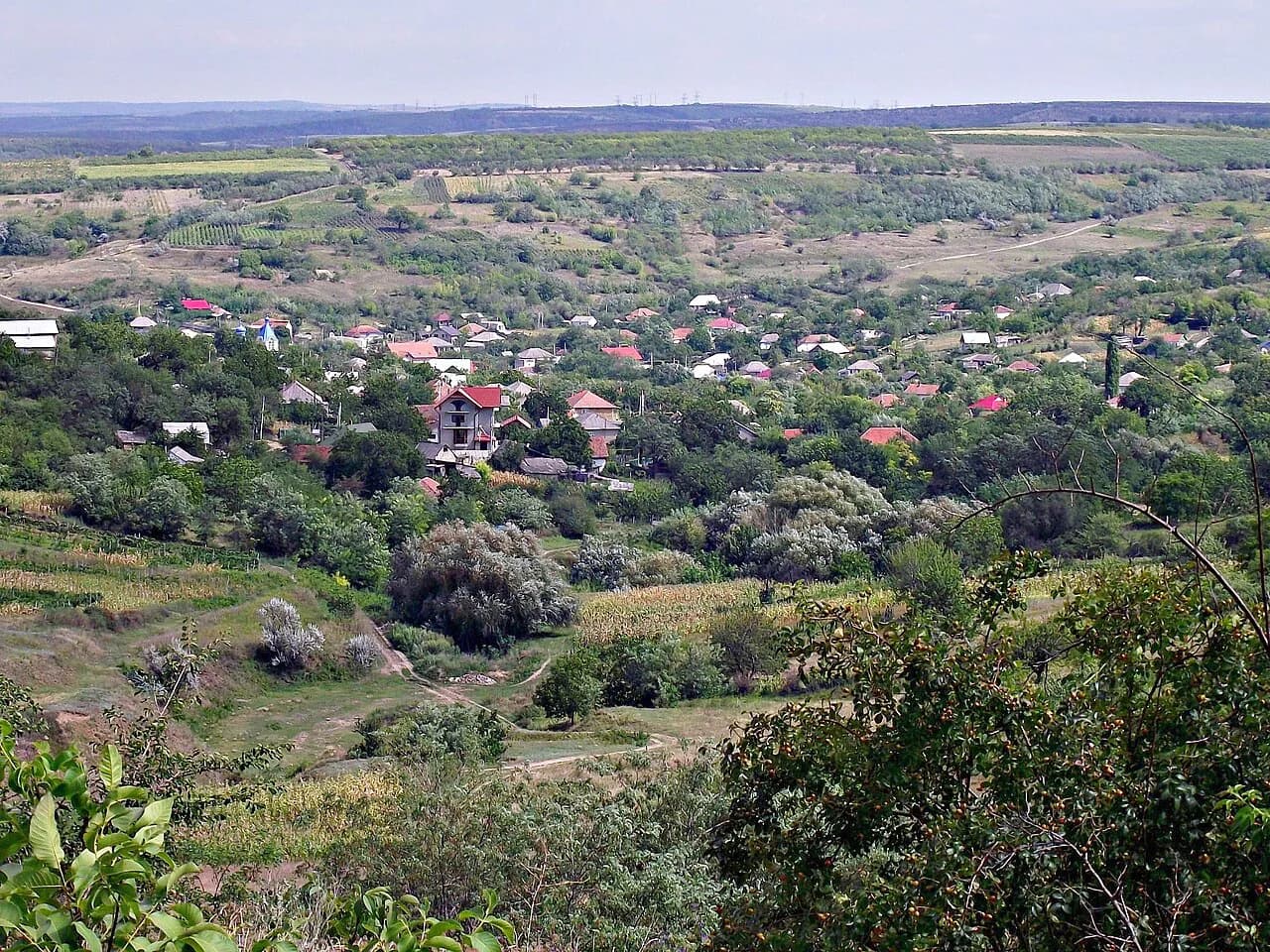
Smaller cities and villages have limited numbers of ATMs, so bring cash for rural areas rather than planning to top up on the way. This matters on wine routes and rural hiking and cycling itineraries, where the nearest machine may be a detour.
Tell your bank you are traveling to Moldova and ask it not to flag transactions simply because they originate in an Eastern European country. A blocked card in a cash-only village is an avoidable problem.
How much cash to carry: a day-by-day rule of thumb
For a Chisinau-based day of museums, a trolleybus and lunch, a modest amount of lei covers the small purchases that cards miss, with an extra buffer for markets and cabs. Outside the capital, plan for a full day's spending in cash plus a reserve.
Village stays, rural guesthouses and wine tastings are where the buffer earns its keep. Carry enough lei to settle a meal, a tasting fee and a taxi without hunting for a machine, and top up each time you pass through Chisinau.
Typical costs in Moldova: hotels, meals, wine, museums, transport
Moldova is one of the cheapest countries in the region, with prices below Western Europe and below large regional cities such as Kyiv and Bucharest. The tourism board's own examples: a five-star room around 150 euros and a two-star around 30 euros, dinner for two with drinks about 50 euros in a luxury restaurant, a bottle of good Moldovan wine around 12 euros, brandy about 20 euros and a local beer 2 euros. Culture is cheap: a museum visit costs 1 to 2 euros, a theater ticket 5 to 10 euros and top seats at the national opera around 15 euros. Those entry-level prices make a city day of museums and an evening performance easy on the budget.
For a fuller picture of what a trip adds up to, is Moldova cheap is the right question — the answer depends on how much of your time goes to wine tastings and how much to city museums.
Trolleybus, taxi and fuel prices in Chisinau
In the capital, a trolleybus ride costs around a third of a euro, and a taxi from one end of Chisinau to the other usually runs 3 to 5 euros. A liter of regular gasoline is about 1 euro, which matters if you plan to drive between wineries.
Fuel is cheap by regional standards, but rural roads and long detours between wine cellars make a rental car a time saver rather than a money saver. Compare the daily rental against a driver for a day before deciding.
Tipping: what's expected and when
Moldova has no fixed service charge culture, so treat a tip as a small extra rather than a calculated percentage and leave it in cash. A few lei on a small bill and a rounder sum at a sit-down restaurant in Chisinau are the usual pattern.
Keep small notes for tips, since breaking a large lei note for a small bill is awkward in a taxi or a village cafe. Cash tips also work where the card machine is out of action or the business only takes cash.
Paying at wineries and rural guesthouses
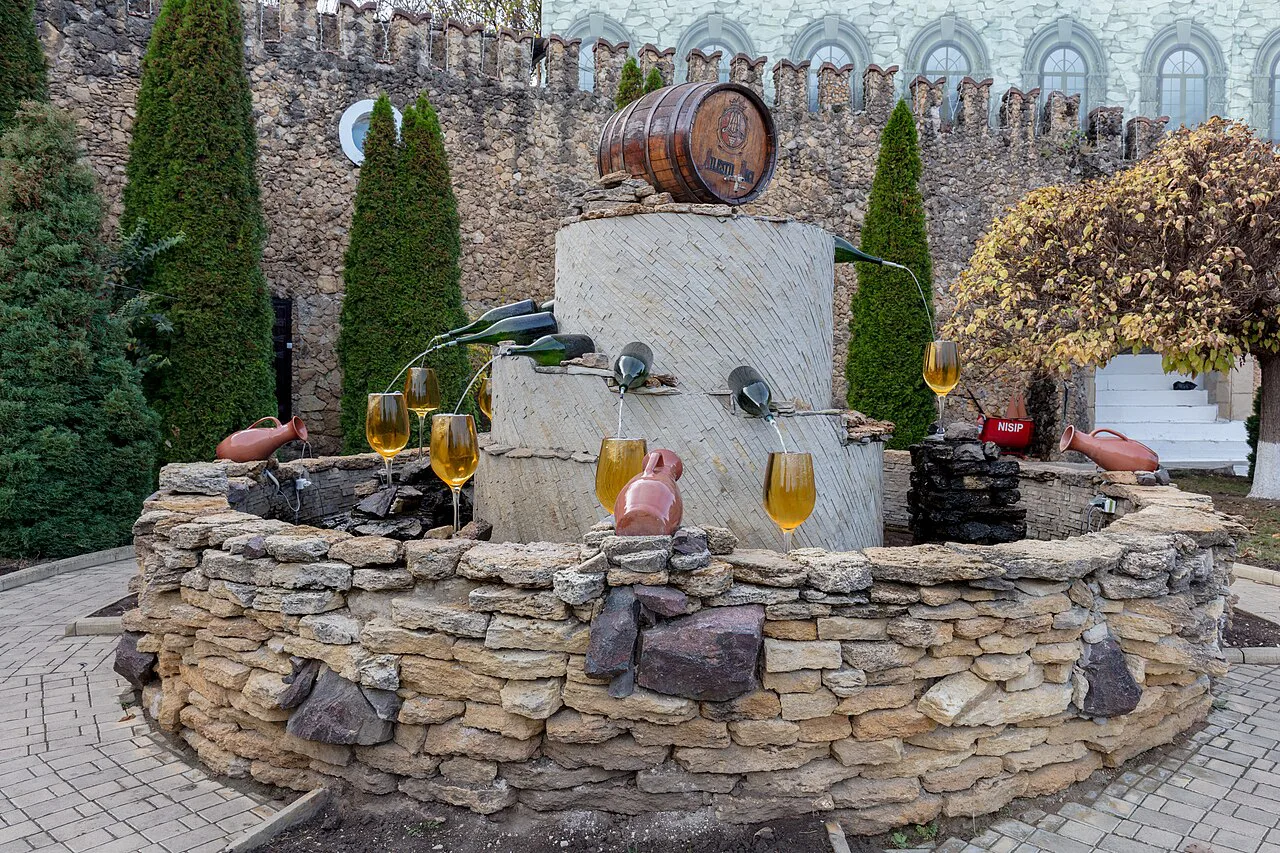
Wineries are among the establishments outside Chisinau most likely to accept cards, but cash is the safer default for rural guesthouses and small producers. Confirm the payment method when you book a tasting so you arrive with the right money.
Moldova vs Romania matters here for money as well as for wine: the two countries use different currencies, so a cross-border trip needs two currencies or a card that handles both. If you are still deciding whether to cross the border at all, our Romania verdict weighs the same wine-and-countryside trade-offs from the other side.
Transnistria: a separate currency and cash-only reality
Transnistria sits outside the capital's banking mainstream and operates on its own currency, so plan on cash for the region rather than relying on Moldovan lei or cards. If you enter Moldova through the Transnistrian region, you must register within 72 hours of arrival at the Ministry of Information Technology and Communications on M. Kogalniceanu Street in Chisinau.
Treat a Transnistria day trip as a cash-first outing: change what you need, spend it, and return to Chisinau with lei for the rest of the trip. Keep the visit short if money logistics are not part of the appeal.
Budgeting by traveler type: backpacker, mid-range, wine-focused
A backpacker using trolleybuses, cheap museums and simple meals can keep daily spending very low, with the main costs being a bed and wine. A mid-range traveler staying in central Chisinau, eating well and visiting one winery a day spends more but still well below Western European levels.
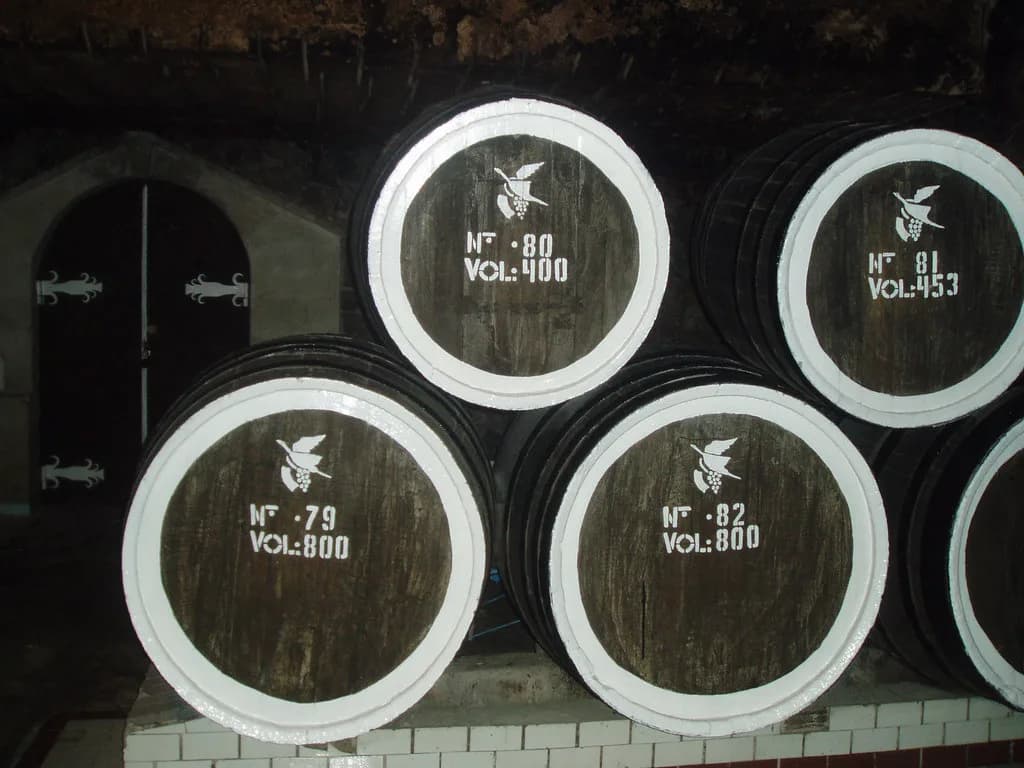
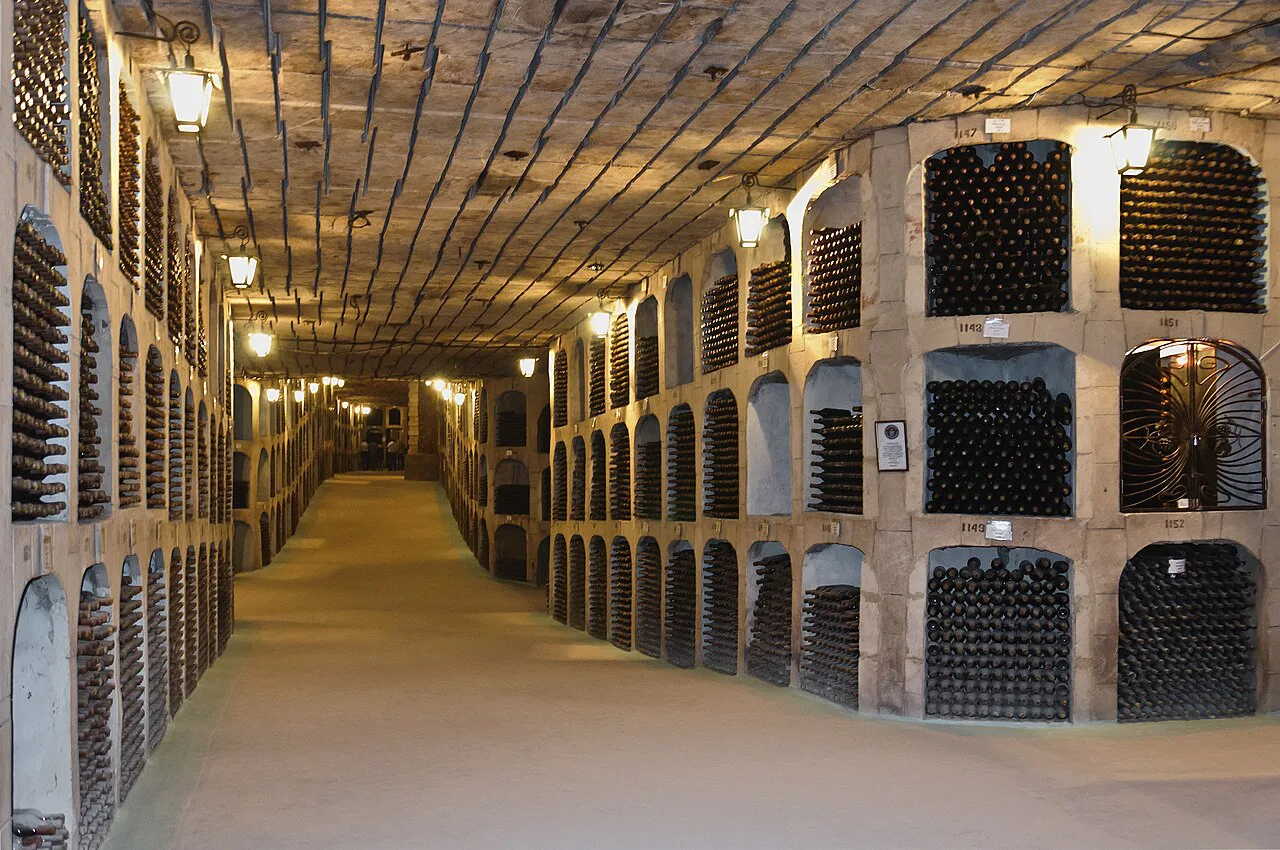
The wine-focused traveler spends the most, on tastings, transport between cellars and bottles to take home, with bottles of good wine and brandy costing modest sums by regional standards. Budget for a driver or rental car if you plan to combine Mileștii Mici with other cellars in a single day.
If your dates are flexible, the best time to visit Moldova shapes the money question too: wine country is busier around harvest and quieter in deep winter, when rural options thin out.
Common money mistakes to avoid
The classic error is arriving with a wallet of euros and assuming they will be accepted, when the local currency is the leu. The second is depending on cards outside Chisinau, where rural areas are overwhelmingly cash based apart from wineries and larger establishments.
Also avoid leaving Chisinau without lei, since smaller cities and villages have few ATMs. And tell your bank about the trip so a routine security block does not strand you.
Language is a smaller practical snag when dealing with exchange counters and taxi drivers; do they speak English in Moldova is a fair question for rural stops, where a translation app helps more than in the capital.
FAQ: cash, cards and costs
The answers below cover the money questions travelers ask most often before booking a trip to Moldova.
Verdict: who should plan cash-heavy and who can rely on cards
If your trip is a Chisinau city break with a couple of winery visits, a card plus a few hundred lei covers you comfortably. If you are heading north, into the south, to rural guesthouses or across to Transnistria, plan cash-heavy and top up in the capital.
Either way, budget for a cheap trip by regional standards and spend the savings on wine and a driver rather than on upgrades. The currency is the leu, the costs are low, and the main planning task is making sure your cash reaches the places where cards do not.
Explore more Moldova trip-decision guides
Frequently Asked Questions
Does Moldova use the euro?
No. Moldova's currency is the Moldovan leu, divided into 100 bani, even though neighboring Romania uses the euro. Euros and dollars can be exchanged at banks and exchange offices, but prices and day-to-day spending are in lei.
Should I bring euros or dollars to Moldova?
Bring a mix of euro or dollar notes as backup cash and change them into lei on arrival or in Chisinau. Exchange offices handle major currencies and several regional ones, so either works, but you will spend lei.
Can I use my US credit card in Moldova?
Visa, Mastercard and American Express are accepted at major hotels, car rental agencies and many Chisinau stores and restaurants. Outside the capital, many businesses are cash only, and card use in rural areas is largely limited to wineries and larger establishments. Tell your bank you are traveling so transactions are not blocked.
How much cash should I carry in Moldova?
Carry enough lei for a full day's spending plus a buffer whenever you leave Chisinau, and top up in the capital, where ATMs are plentiful. Smaller cities and villages have few machines, so cash is essential for rural areas.
Are there ATMs outside Chisinau?
ATMs are common in major cities and at Chisinau International Airport, with menus in Romanian, Russian and English. Smaller cities and villages have limited numbers, so withdraw before heading into the countryside.
Can I pay by card at Moldovan wineries?
Wineries and larger establishments outside Chisinau are the rural places most likely to accept cards, while most other rural businesses are cash only. Ask about payment when you book a tasting so you arrive prepared.
What currency do I need for Transnistria?
Transnistria operates on its own currency, so plan on cash for the region rather than relying on Moldovan lei or cards. Travelers entering Moldova through the Transnistrian region must register within 72 hours in Chisinau.
Is Moldova expensive for travelers?
No. Prices are lower than in Western Europe and below large regional cities, and everyday spending is modest by regional standards. The tourism board sets out sample costs for museum tickets, wine, meals and city transport on its practical travel information page, while wine tastings and private transport are the main variables in a trip budget.
Sources
Trip-decision notes
Optional updates when we publish or revise a destination verdict.
You might also like
Continue reading
More guides you'll find useful