Moldova in May: Weather, Crowds and Whether It's Worth It
May in Moldova brings mild spring weather, green countryside and few tourists. See who the month suits, what to do, and how many days you need.
On this page
May is the month Moldova looks its best and asks the least of you: mild spring weather, green hills, and so few visitors that you often have winery tours and rural sites nearly to yourself. For travelers weighing whether to commit a week to one of Europe's least-visited countries, May is a strong argument. The trade-offs are rain and thin rural transport, both covered below.
This guide sticks to what May actually delivers and where the month gets awkward, so you can decide between a spring trip and a September one.
The verdict: is Moldova worth visiting in May?
Yes, for a specific kind of traveler. May gives you the country's greenest landscapes, comfortable walking weather and low visitor numbers at the sites that define a Moldovan trip: the underground cellars at Cricova and Mileștii Mici, the cave monastery at Orheiul Vechi, and Chișinău's parks and museums. If your reason for coming is wine, Soviet-era history and slow rural days, May is close to ideal.
Skip May if you want a beach-and-nightlife trip or expect seamless public transport to every village. Moldova has no coastline, and outside Chișinău the transport network thins quickly. If you need reliable, frequent connections and polished tourist infrastructure, this is not your month or your country.
The strongest case for May is timing against the calendar: you are ahead of summer heat and behind the muddier shoulder months, and the countryside is at its greenest. Against that, spring showers can wash out a day and rural sites stay quiet enough that some services run on request.
Who May suits and who should pick another month
May suits wine travelers, history-minded visitors curious about Transnistria and the Soviet legacy, and anyone who prefers small towns and villages to capital-city bustle. It also suits photographers, since long spring days and green hills make the countryside photogenic.
May suits less well if you have limited mobility, rely on public transport to reach rural sights, or need English spoken everywhere. Outside Chișinău, English is patchy, so a few phrases or a local guide go a long way on rural days.
The month is also a gamble for anyone planning a schedule around fixed opening hours or guaranteed group tours. Spring is quiet enough that some cellars and rural guesthouses prefer advance booking, so build a day of slack into your plan or arrange visits before you arrive.
Weather in May: typical highs, lows and rain
May in Moldova is late spring: mild to warm days, cool evenings and a real chance of showers. Expect conditions closer to a European spring than to summer heat, and pack a light rain layer and something warm for evenings.
Treat any forecast you see as a snapshot, not a plan. For the month you are traveling, the national weather service's climate normals are the figures to check, since they tell you what May typically brings rather than what next week will do.
The practical consequence is flexibility: keep rural days like Orheiul Vechi or the northern countryside movable so a wet day lands on a museum or cellar visit in Chișinău instead. That single adjustment makes a May trip far more comfortable.
Why May works for wineries and Orheiul Vechi
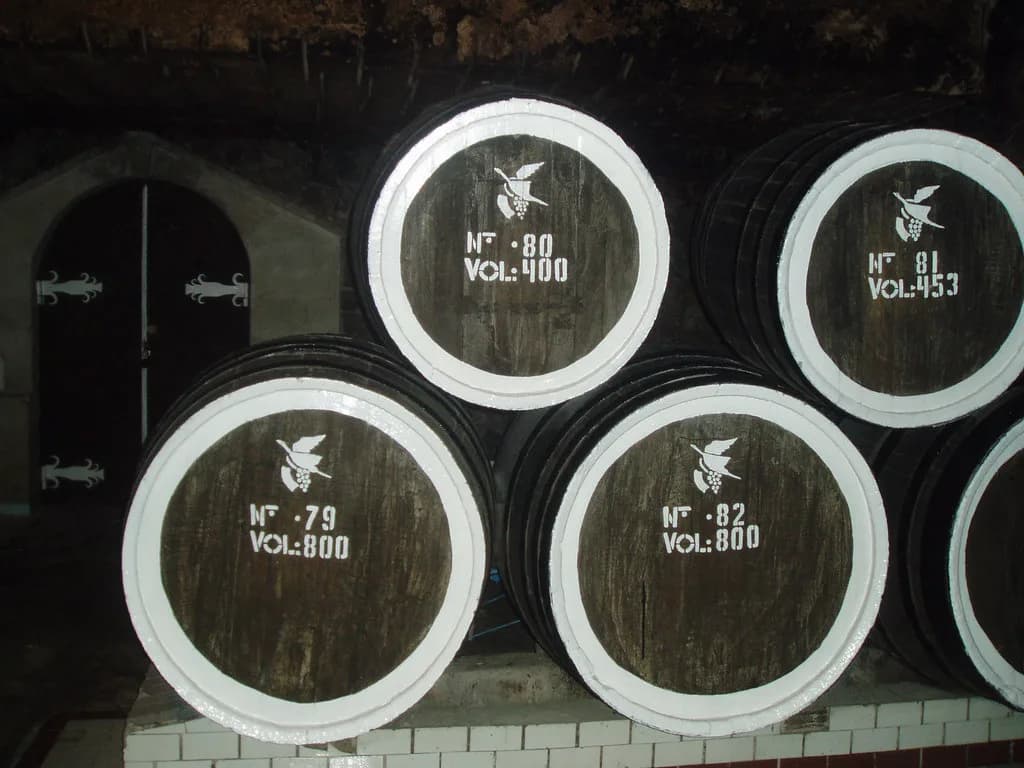
Wine is Moldova's signature draw, and May is a good month for it: the cellars hold steady underground temperatures year-round, and spring is a calmer time to join a tasting than high summer. Cricova and Mileștii Mici are the two names that come up most, both vast limestone cellars reached from the capital.
Some wineries pair a tasting with an overnight stay, which turns a cellar visit into a slower rural experience. Book ahead in spring if you want a specific tour or an overnight, since tours often run on set slots rather than on demand.
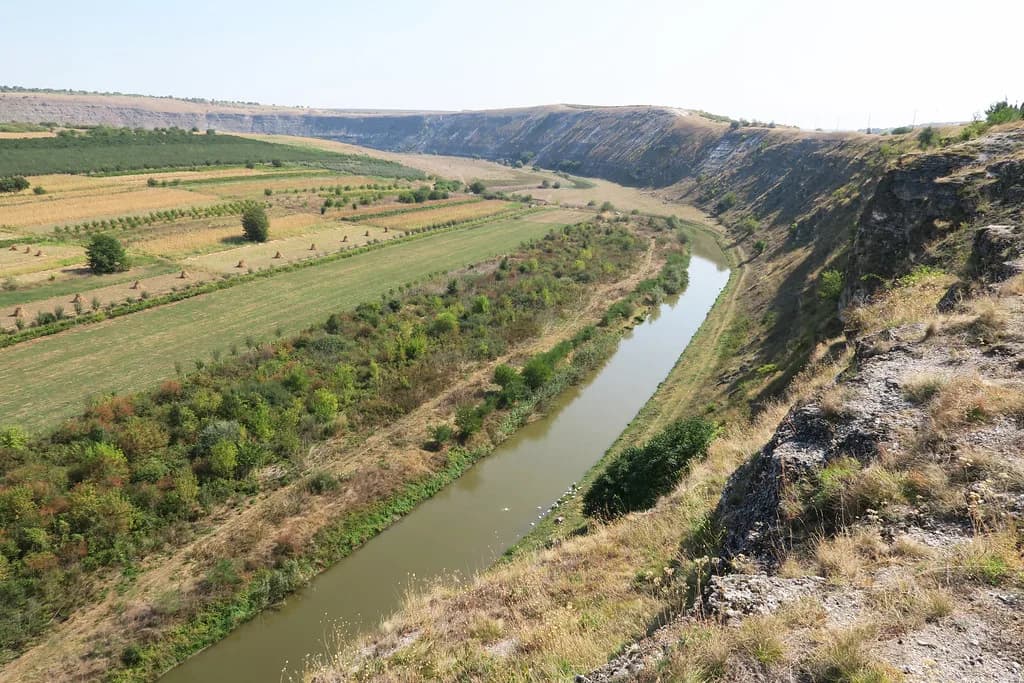
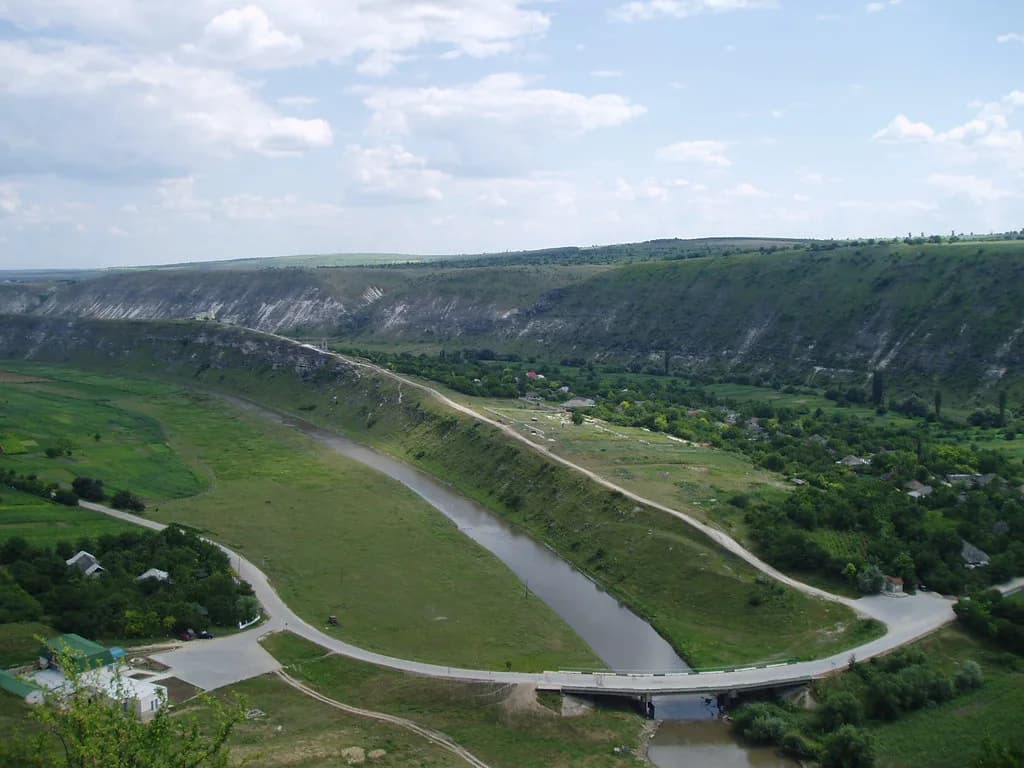
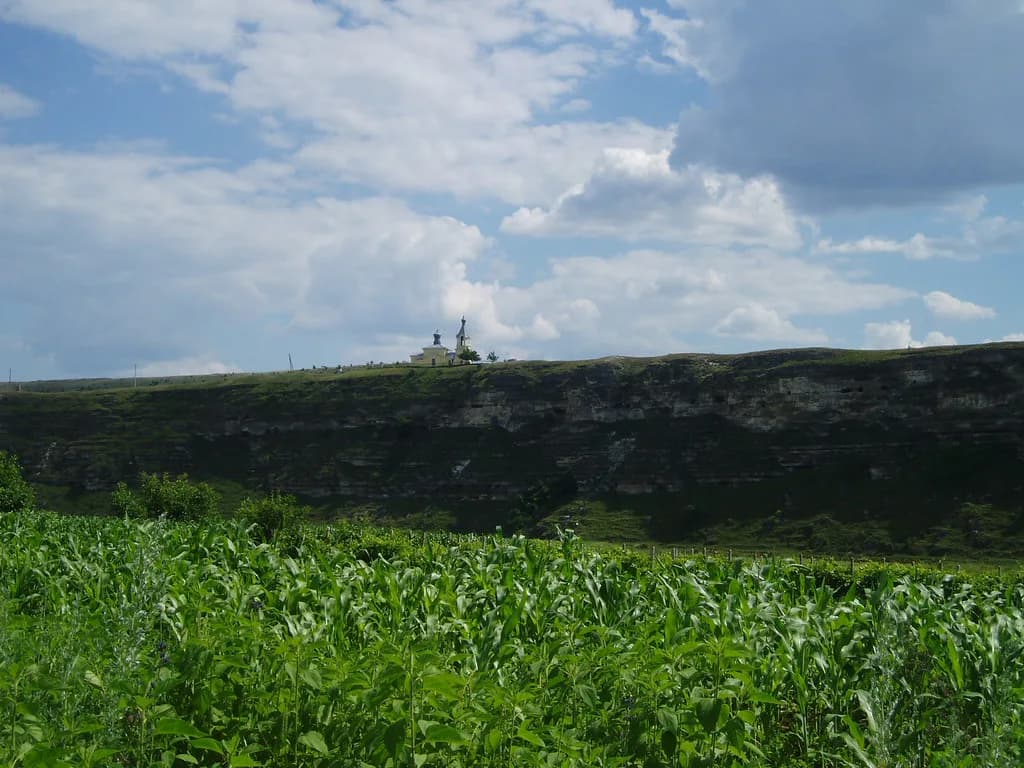
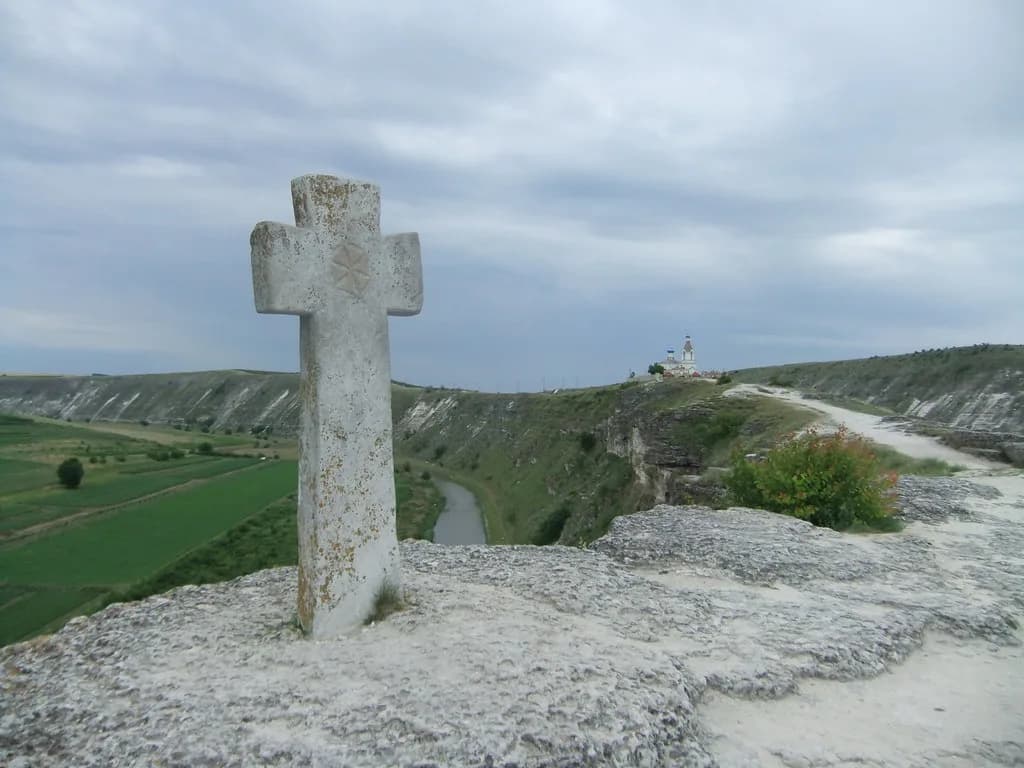
Orheiul Vechi, about an hour's drive north of Chișinău, combines a Paleolithic-era archaeological site, an exhibition center and a cave monastery with a resident monk, all set above the River Raut. In May the surrounding countryside is green and walking there is pleasant rather than punishing.
Nearby Butuceni has rural guesthouses that make a natural base for the area, letting you see the site early or late without a long drive back to the capital. That is the version of May that works best: one or two nights in the countryside instead of day-tripping everything from Chișinău.
Chișinău in May: parks, museums and the city's pace
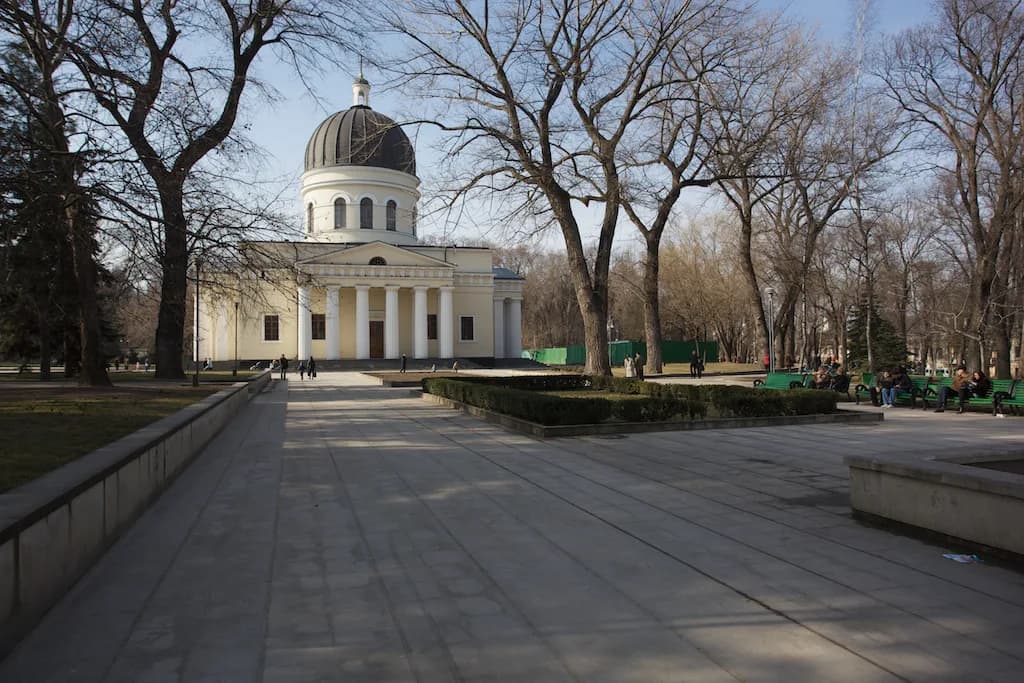
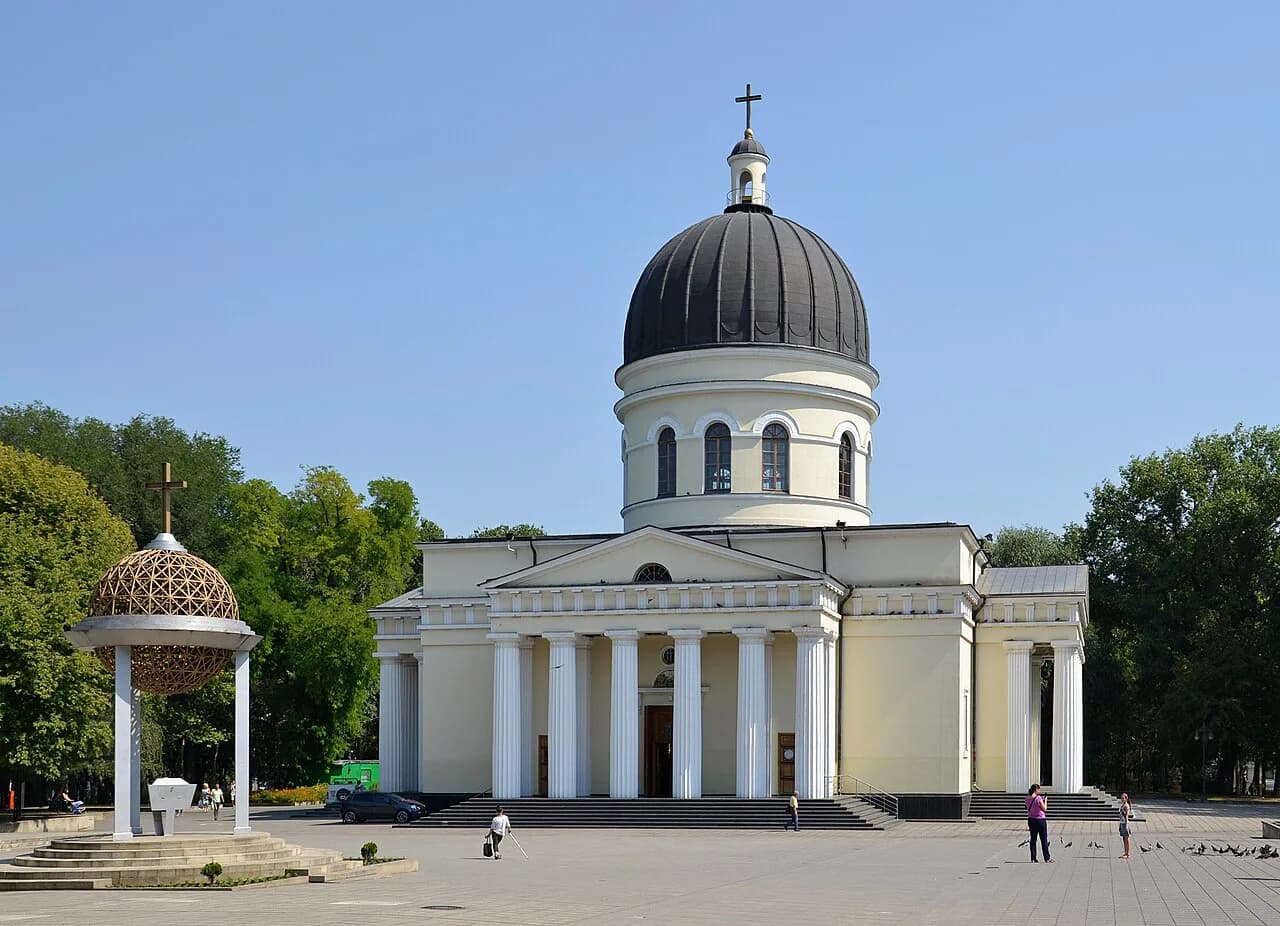
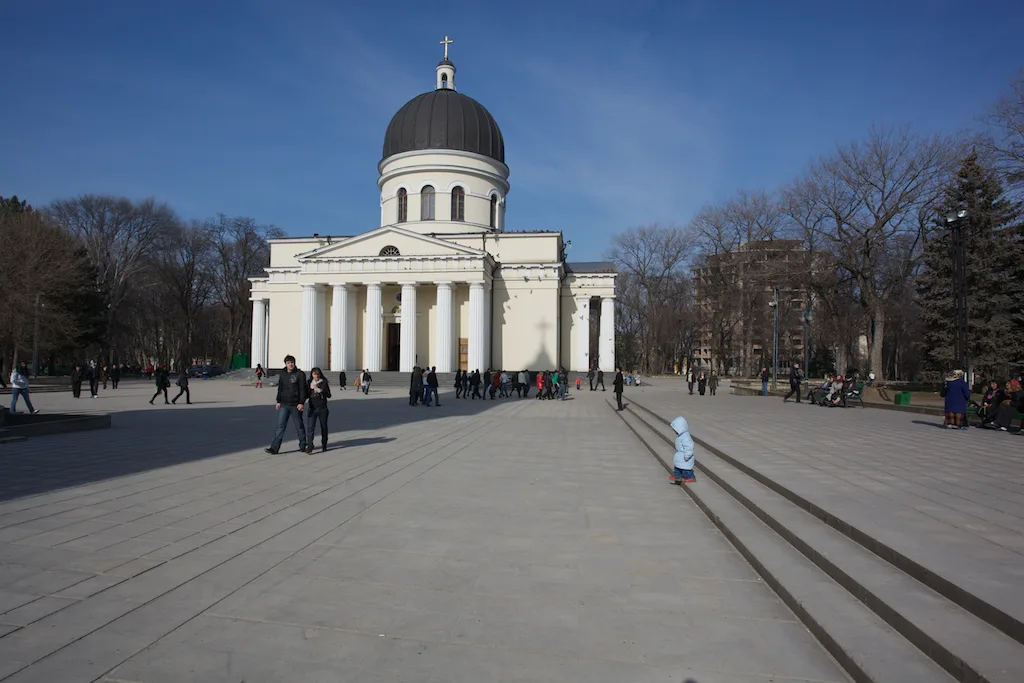
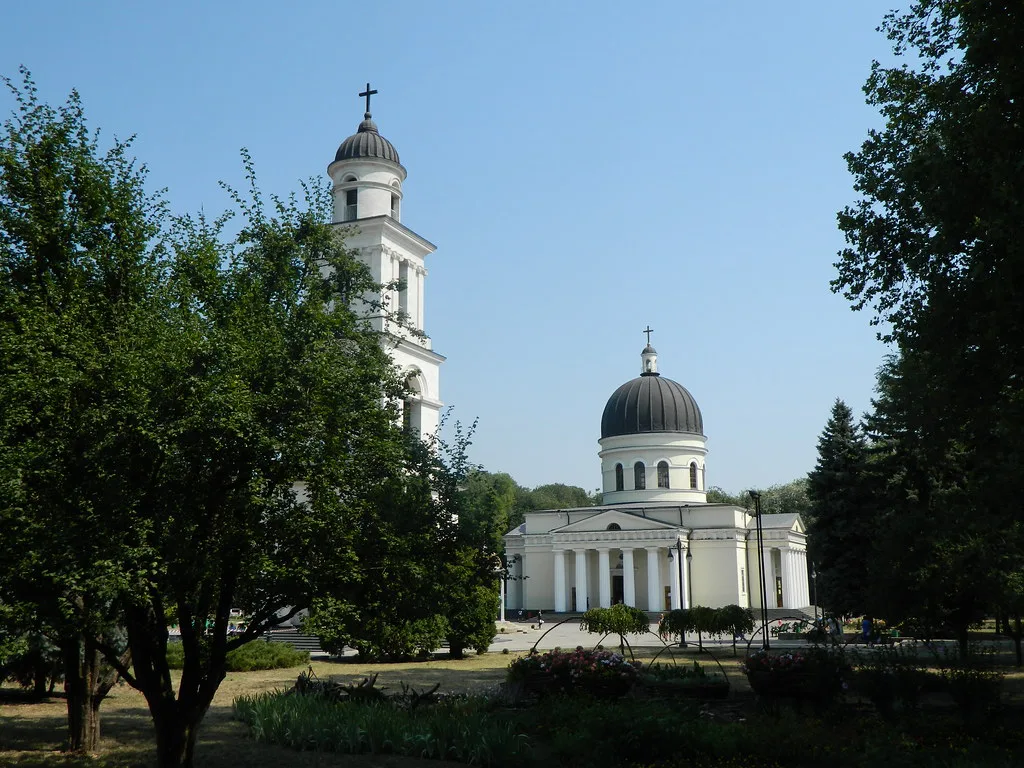
Chișinău is a low-rise, green capital built on the Bic river, with an unusually dense set of Orthodox churches, including the neoclassical Cathedral of Christ's Nativity, plus the Triumphal Arch and the Eternity memorial. Its museums range from Pushkin to pop art, and the parks and lake at Valea Morilor give the city an easy, unhurried feel in spring.
Two days is enough for the center at a relaxed pace: churches and the main squares, one or two museums, and a wander through the parks. May makes that pleasant rather than sweaty, and the city's cafe culture is easier to enjoy when the weather cooperates.
The capital is also where you will find the widest choice of restaurants and the most English spoken, so use it to orient yourself before heading into the countryside. It is not a city of grand monuments; its appeal is pace, greenery and Soviet-era layers.
Day trips: Cricova and Mileștii Mici cellars
Cricova's cellars grew out of the limestone quarries that supplied Chișinău's building stone, and they have stored wine at a steady year-round temperature since the 1950s. The underground train ride through the tunnels is the highlight for many visitors, and it is an easy half-day from the capital.
Mileștii Mici is the other major cellar network, and the two are often compared by which tour and tasting style suits you. Both need a booking rather than a walk-in, especially in spring when group slots are fewer, so settle your cellar choice before you fix your Chișinău days.
Because both are close to the capital, they work as day trips rather than destinations in their own right, leaving the rest of your time for Orheiul Vechi and the north. If a tasting and an overnight stay appeal, choose one cellar for depth rather than trying to do both in a day.
Orheiul Vechi and rural guesthouses in Butuceni
Orheiul Vechi justifies a full day, not a rushed stop: the archaeological site, the cave monastery carved into the limestone and the views over the Raut valley reward slow walking. May's green landscape and mild temperatures are exactly when the site is most enjoyable.
Staying in Butuceni turns that day into a more textured visit, with a rural guesthouse, local food and the chance to walk the area in the evening after day-trippers leave. It is the single best argument for going beyond Chișinău on a May trip.
Plan the logistics around the fact that rural transport is limited: a hired car, a driver or an organized tour makes the area far easier than trying to piece together buses. If you are traveling without a car, book the transfer as part of your stay rather than leaving it to the morning.
Transnistria and Tiraspol on a May day trip
Transnistria, the self-proclaimed republic east of the Dniester, is one of Moldova's most distinctive day trips: Tiraspol, its capital, is full of Soviet monuments, including Suvorov, Lenin, a T-34 tank and a Soviet jet around Kirov Square. Bender (Tighina) adds a 16th-century Ottoman fortress with red-tiled turrets and thick stone walls, plus a memorial park that makes the region's unresolved history plain.
Go as a curious observer rather than a trophy hunter. Political and ethnic sensitivities are real, and photography is restricted at some sites and official buildings, so ask before photographing people or institutions and keep opinions to yourself in conversation.
May is a comfortable month for the trip, since you will be walking between monuments rather than sheltering from summer heat. Check entry formalities with the official Moldovan government page before you go, and treat the border formalities as part of the day's schedule rather than an afterthought.
Northern Moldova: Bălți and the countryside
Bălți, Moldova's northern powerhouse, rises from hills and lakes around the River Răut and mixes the Saint Constantine and Elena Cathedral with the Soviet-era Vasile Alecsandri National Theatre. Its central market gives an authentic slice of daily life and is a good reason to spend a half day in the city.
The north is also where Moldova's gentle countryside is at its most appealing in May, with green fields and quiet roads. It works best as a slow loop by car rather than a checklist of sights, and it rewards travelers who build in unplanned stops.
If time is short, choose between the north and Orheiul Vechi rather than trying to do both. The latter is closer to the capital and easier without a car, while the north rewards independent transport and a night or two in the countryside.
How many days you need in May
Four to five days covers the essentials comfortably: two in Chișinău, one for Orheiul Vechi and Butuceni, and one for a cellar visit, with a spare day for weather or Transnistria. A week lets you add the north or a second winery without rushing.
Build slack into a May plan specifically. Spring showers can wipe out a rural day, and tours and tastings run on fixed slots, so a flexible spare day saves you from losing a highlight.
If you only have three days, pick Chișinău plus one excursion, either Orheiul Vechi or a cellar, and accept that you are sampling rather than seeing the country. Moldova rewards depth over coverage.
Typical costs and the price level in spring
Moldova is generally an affordable country for travelers from Western Europe and North America, with the currency being the Moldovan leu. May sits before the summer peak, so you are not paying high-season prices, and the low visitor numbers keep competition for rooms and tours gentle.
For a clear picture of what a trip costs, from meals to wine tastings, work from a current cost guide rather than a rough guess. Cellar tours and tastings vary by venue and package, so confirm prices with the winery when you book.
Budget more for transport than for food and drink: a car and driver for rural days is the main variable cost, and it is what makes Orheiul Vechi and the north practical in spring. Travelers relying on public transport will spend less but see less.
Getting there and around without a car
Chișinău International Airport is the main gateway, and the capital is the transport hub for the country. From there, buses and minibuses reach major towns, but services to villages and rural sites are infrequent and often poorly timed for a day trip.
Without a car, plan around a small number of bases rather than trying to cover the country: Chișinău for the capital and cellars, and Butuceni for Orheiul Vechi. Organized tours fill the gap for Transnistria and the north, though they lock you into a fixed schedule.
Mobile data makes the difference on rural days, since timetables and maps are easier to manage online. If you are relying on your phone for navigation, sort out a data plan before you leave the airport.
Power is not a planning problem: Moldova uses the standard European plug type, so travelers from the US or UK need an adapter. Pack one; hotel loaners are not guaranteed.
Drawbacks: rain, thin transport and quiet towns
Rain is the honest weak point of May. A wet day can close off the rural experiences that make the month worthwhile, and spring weather shifts quickly, so a rigid schedule is a liability. Keep one flexible day and a museum or cellar as your fallback.
Rural transport is the second limit. Outside the capital and major towns, buses are infrequent and poorly aligned with sightseeing, which pushes many travelers toward hiring a car or joining a tour. That adds cost and reduces spontaneity.
Quiet towns are a trade-off rather than a fault. Low visitor numbers mean you get sites almost to yourself, but some restaurants, guesthouses and tour operators run reduced schedules in spring. Confirm your key bookings before you travel rather than assuming everything is open.
May versus September: which month to choose
May and September are the two strongest months for Moldova, and the choice comes down to what you want from the landscape and the calendar. May gives you the greenest countryside, longer days and the sense of a country waking up; September brings harvest energy and the wine season's buzz.
May edges ahead for walkers and photographers, since the countryside is at its most photogenic and temperatures are mild. September suits wine-focused travelers who want to be there around harvest, when cellars and vineyards are busiest with activity.
If your dates are flexible and you care most about comfort and green scenery, take May. If you are building the trip around wine and do not mind slightly shorter days, September is the better fit.
Verdict by traveler type
Wine travelers and history-minded visitors should go in May: the cellars and Orheiul Vechi are at their most comfortable, and low crowds make the sites feel personal. Independent travelers with a car get the most out of the month, since rural Moldova opens up without the hassle of peak-season bookings.
Travelers who need polished infrastructure, frequent public transport or guaranteed English should choose another destination or month, and anyone who wants a beach holiday is in the wrong country entirely. Families with young children will find the cities easy but the rural days long.
If you are still weighing whether Moldova deserves a slot in your Balkans or Eastern Europe trip, treat May as a low-risk test: short flights, low costs and a country that rewards curiosity. The honest verdict is that it suits specific tastes rather than everyone, much like the question of whether Romania is worth visiting just across the border.
Plan Your May Trip
May is the month to see Moldova green, quiet and affordable, provided you accept spring rain and limited rural transport. Base yourself in Chișinău and Butuceni, book your cellar tour and rural stay in advance, and keep one day flexible for weather.
If wine and Soviet-era history are your reasons for coming, May delivers. If you need smooth logistics and guaranteed sunshine, look elsewhere or shift to September.
Explore more Moldova trip-decision guides
Frequently Asked Questions
Is Moldova worth visiting in May?
Yes, for wine and history travelers. May brings mild spring weather, green countryside and thin crowds at the cellars, Orheiul Vechi and Chișinău's museums. It suits independent travelers with a car or a taste for organized tours more than those who need frequent public transport.
What is the weather like in Moldova in May?
May is late spring, with mild to warm days, cool evenings and a real chance of showers. It feels closer to a European spring than to summer heat. Check the national weather service's climate normals for the month you are traveling rather than relying on a weekly forecast.
How many days do you need in Moldova in May?
Four to five days covers Chișinău, Orheiul Vechi and Butuceni, and one wine cellar, with a spare day for weather. A week lets you add northern Moldova or a second cellar without rushing.
Is May a good time to visit Moldova's wine cellars?
Yes. The cellars hold steady underground temperatures year-round, and spring is calmer than high summer for tours and tastings. Book ahead for a specific slot, since tours run on set schedules rather than on demand.
How do you get around Moldova without a car?
Use Chișinău as your hub for the capital and nearby cellars, and book a rural guesthouse in Butuceni for Orheiul Vechi. Buses and minibuses reach major towns, but services to villages are infrequent, so organized tours fill the gap for Transnistria and the north.
Should you visit Moldova in May or September?
Choose May for the greenest countryside, longer days and mild walking weather. Choose September for harvest energy and wine-season activity. Both are strong months, so let your reason for traveling decide.
Sources
Trip-decision notes
Optional updates when we publish or revise a destination verdict.
You might also like
Continue reading
More guides you'll find useful