Best Time to Visit Moldova: Month-by-Month Verdict
Late April to June and September to early October are the best times to visit Moldova, with mild days, working wineries and thinner crowds.
On this page
The best time to visit Moldova is late April to June or September to early October. Those two windows give you mild walking weather for Orheiul Vechi and the Codru forest, working wineries, and thinner crowds than July and August.
The key to timing a Moldova trip is knowing that its headline sights are largely weather-proof. The big underground cellars at Mileștii Mici and Cricova stay cool and busy whatever the sky does, so the season decision really comes down to how much countryside you want.
This guide runs season by season, then names the trade-offs — rain on rural roads, daylight, harvest crowds and cost — so you can pick a window rather than gamble on one.
The verdict
Book late spring or early autumn. Spring gives you blossoming countryside and temperatures that suit long walks; early autumn gives you the grape harvest, warm afternoons and the best light of the year. Both keep you out of the July–August heat and away from the busiest weekends.
Summer works if wine cellars and city time are the point. Chișinău's parks are at their liveliest and the underground cellars are a refuge from the heat, but you pay for it in crowds and in the effort of rural day trips under a strong sun.
Winter is for travelers who want cheap, quiet and cellar-focused days. Expect grey skies, short daylight and a countryside that is not at its best, and plan rural outings with slack.
Who each season suits
Wine travelers should aim for late September and early October, when the harvest is in and the cellars are at their most active. For the format and scale of the big cellars, see the Moldova vs Romania comparison, which puts Moldova's wine tourism against its larger neighbor.
Hikers and countryside travelers get the best of it in May and June, when the Codru forest is green and the trails around Orheiul Vechi and Tipova are dry enough to enjoy. Autumn is the close second for the same reasons, with added color.
City-only visitors have the most flexibility, because Chișinău works in any month. Even so, April to June and September to October give you outdoor cafés and park time without the summer heat.
Spring (April to June)
Spring is the season that makes the case for Moldova. Days are mild, the countryside is blossoming, and the wineries are gearing up rather than packed. It is the single best window for combining Chișinău with day trips to Orheiul Vechi and the Codru forest.
April is the most variable of the spring months, with a real chance of cool, wet spells, so it suits travelers who build flexibility into a rural itinerary. If you want a fuller picture of that month, Moldova in April sets out what to expect.
By May the odds improve markedly: warmer afternoons, longer evenings and a countryside at its greenest. It is the month most travelers should target, and Moldova in May explains how it plays out across the country.
June is the last of the mild months before summer sets in. It is a good compromise for travelers who want reliable warmth without August's crowds, and it pairs well with a few days in the capital and a couple of countryside outings.
Summer (July to August)
Summer is the warmest stretch and the busiest at Chișinău's parks and the big wine cellars. Days are long, which helps if you want to combine a city morning with an afternoon at a cellar or a short countryside loop.
The trade-off is heat and company. Rural day trips demand an early start, and the harvest is still weeks away, so you miss the vineyard activity that makes autumn special. Travelers who dislike heat should choose spring or autumn instead.
August is a popular month for domestic holidays, so expect more Moldovan visitors at the classic sights and around Chișinău. Book cellar tours ahead rather than relying on walk-in space, especially at weekends.
Autumn (September to October)
Autumn is the strongest single argument for choosing Moldova. The grape harvest is underway, days stay warm, and the countryside turns gold. If you can only pick one window, this is it.
September blends summer warmth with autumn light and thinner crowds. October brings cooler evenings and the peak of harvest activity, which is exactly when the wine country is at its most interesting; Moldova in October covers the month's character in more detail.
The one caution is rain. Wet weather can make rural roads and tracks slower, so leave slack for day trips to Orheiul Vechi, Tipova and the Codru forest rather than chaining them tightly.
Winter (November to March)
Winter is grey, cold and quiet. Daylight is short, the countryside is dormant, and many travelers will find the outdoors less rewarding than in the other three seasons. If you come, make the cellars and Chișinău's museums the core of the trip.
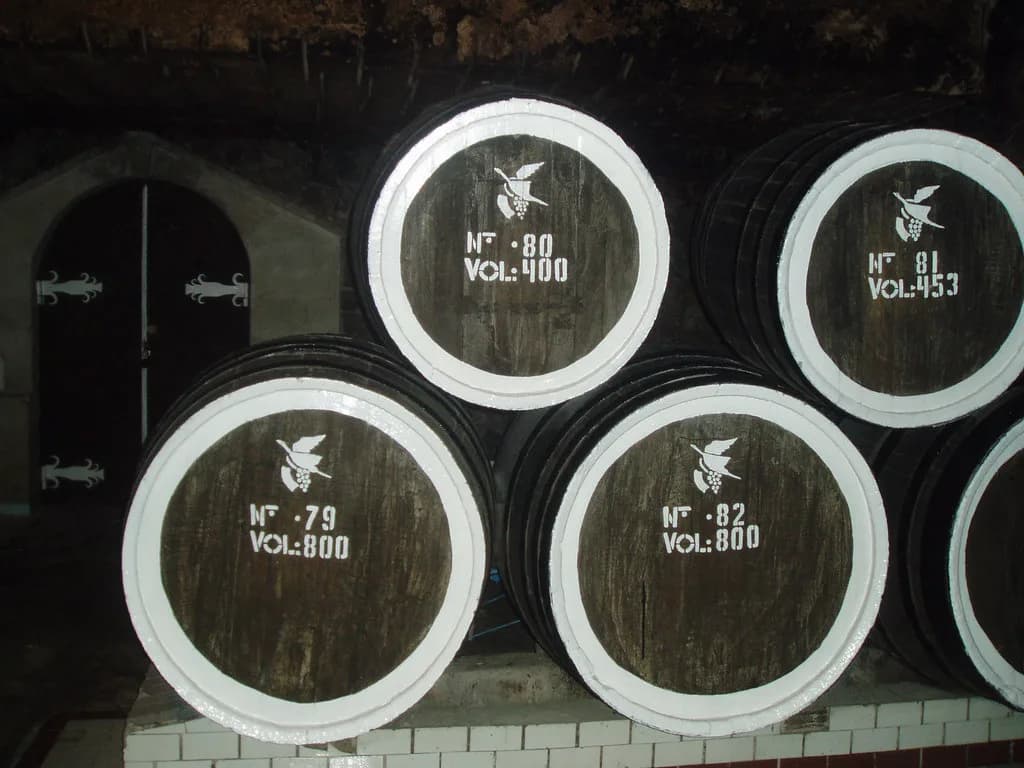
The wine cellars still work underground, which makes Mileștii Mici and Cricova a sensible winter anchor. Their constant cool temperature is a feature, not a problem: bring a layer and treat the cellar tour as the day's main event.
November and March are the shoulder edges, with unpredictable conditions and low tourist traffic. Winter suits budget-focused travelers and repeat visitors who have already seen the countryside in better weather.
Weather by month
Present the numbers as typical conditions, not forecasts, and check a national weather service before you commit. Moldova has a continental climate with cold winters and warm summers; the Canadian government's Moldova travel advice notes the country's climate risks in passing but is not a weather source. Official climate normals for Chișinău are the figures to use, and they are best consulted directly rather than through secondhand summaries.
Broadly, expect cold winters with temperatures around freezing and warm summers in the high twenties Celsius, with spring and autumn sitting pleasantly in between. Rather than quote precise highs and lows I cannot source, treat the seasons above as your guide and check the State Hydrometeorological Service's figures before booking.
Rain and what it does to rural roads
Rain matters more in Moldova than in many European destinations because so much of the appeal is rural. Wet weather degrades unpaved roads and tracks, slowing day trips to Orheiul Vechi, Tipova and the Codru forest and occasionally making them impractical.
The official travel advisory is blunt about roads: they are poorly maintained, most are not well lit, and poor signage and a lack of maintenance pose risks. It also warns that farm vehicles, livestock and other hazards regularly disrupt traffic, so plan rural days with slack.
The practical answer is to keep a flexible countryside day and a city day that you can swap. Chișinău's parks, cafés and museums absorb a wet afternoon far better than a muddy track does.
Seasonal rhythm of the wine cellars
Mileștii Mici and Cricova are the two names that anchor Moldovan wine tourism, and both are largely weather-proof because they are underground. That makes them a reliable choice in any season, from a hot August afternoon to a grey February day.
Moldova has a long wine-growing history, and it is now among the world's larger wine producers, with Mileștii Mici holding one of the largest cellars anywhere. That scale means tours run on a schedule rather than on the weather, so book ahead in any season.
Autumn is the most interesting time to visit because the harvest adds activity above ground. If your trip is mainly about the cellars, though, you can visit comfortably in spring, summer or winter and let other factors decide the month.
Orheiul Vechi and the Codru forest across the seasons
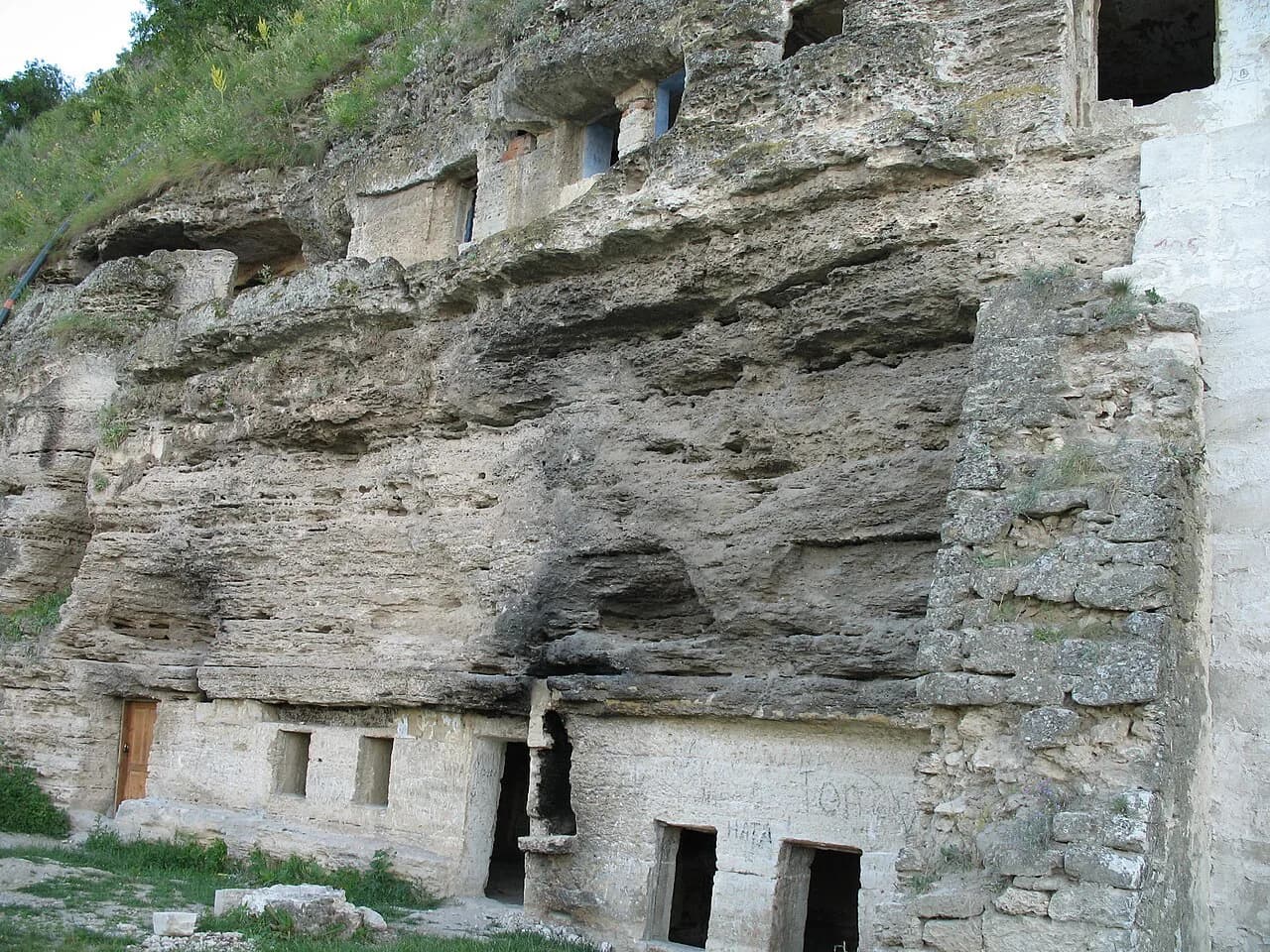
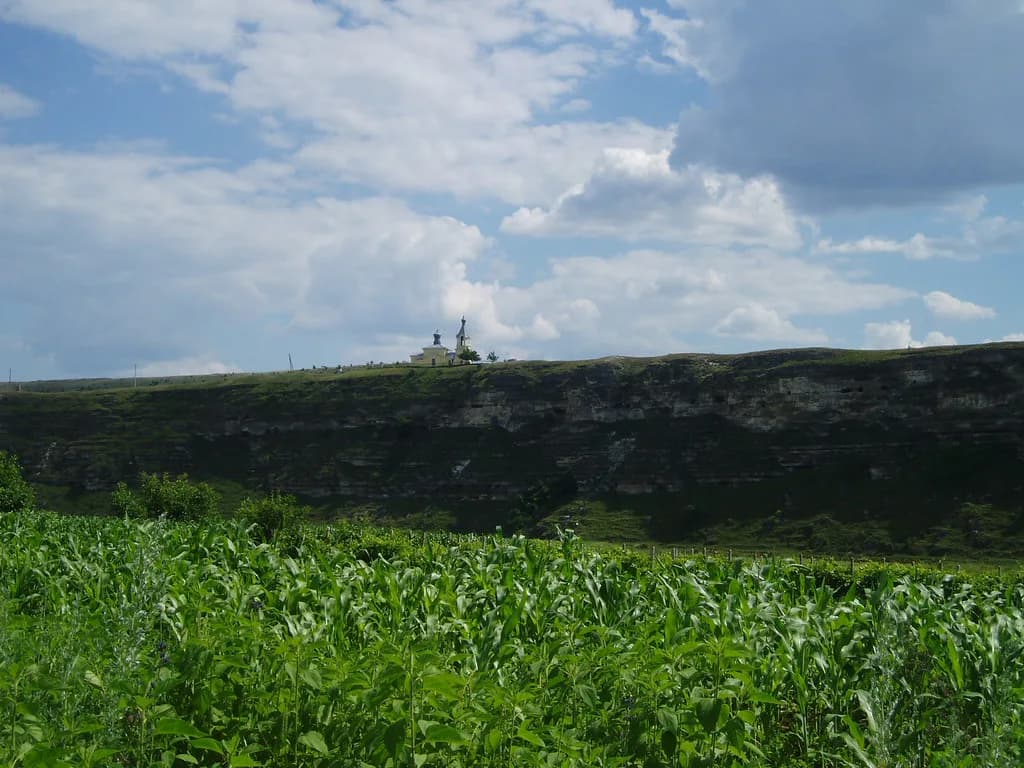
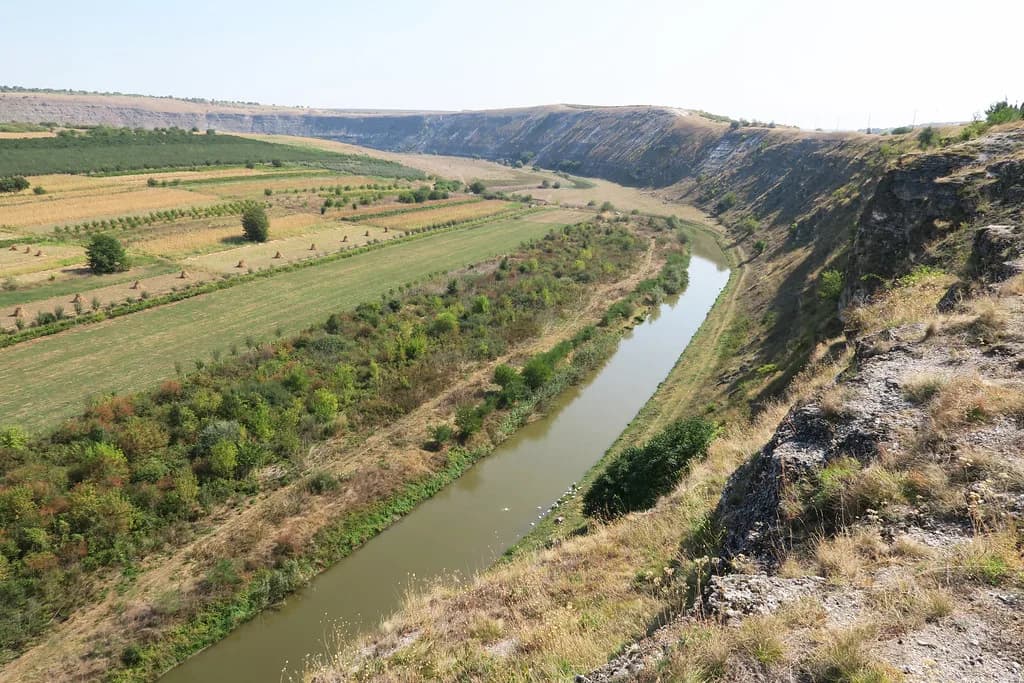
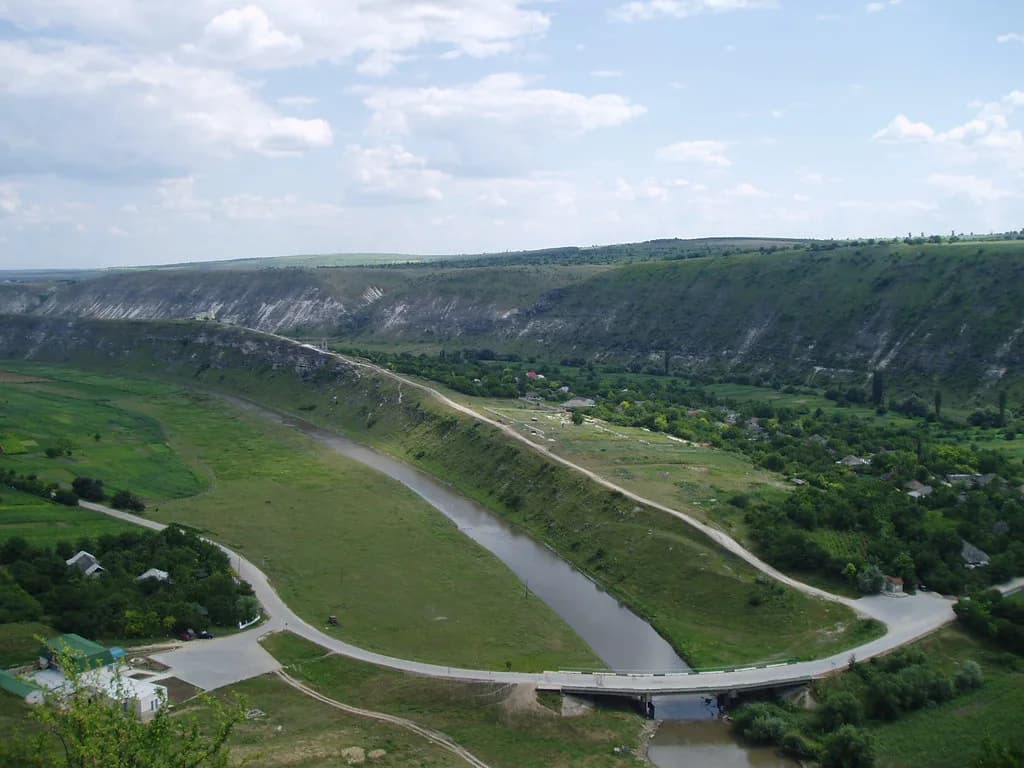
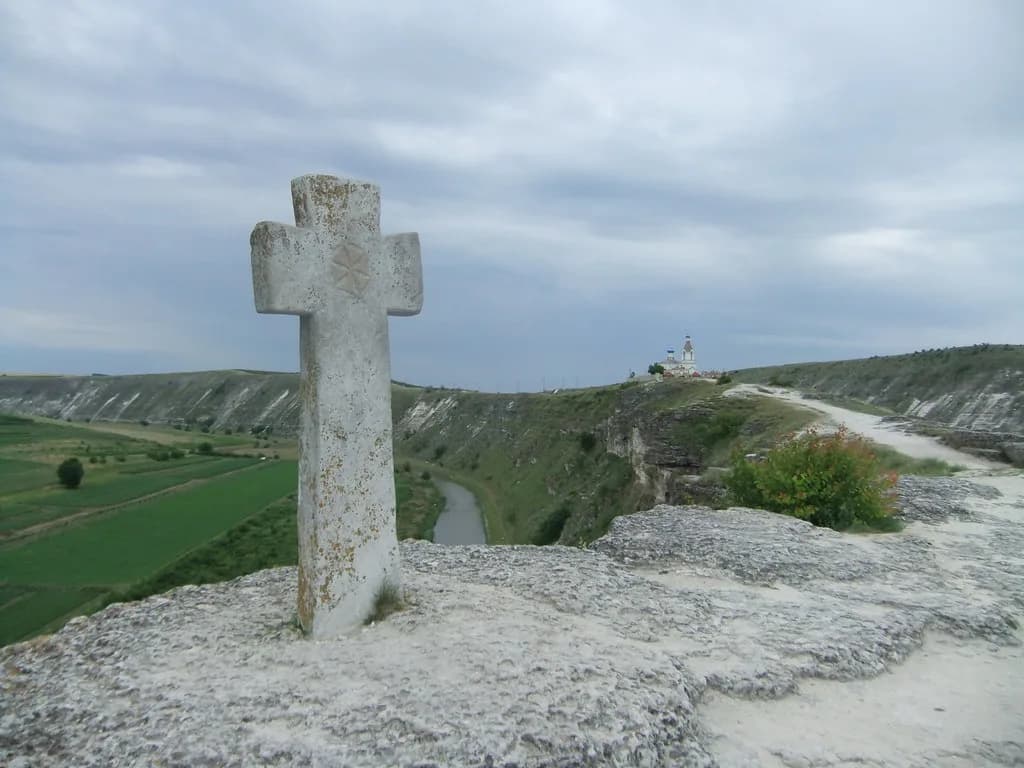
Orheiul Vechi is Moldova's signature countryside sight: a cliff-top monastery complex with views over the Răut valley and villages below. It is best in dry, mild weather, which points you toward late spring and early autumn for the walking and photography.
The nearby Codru forest and the cave churches at Tipova reward the same windows. Spring brings green woodland and wildflowers; autumn brings color and clear air. Summer works if you start early, and winter is for the hardy.
If you are shaping a trip around these sights, the best places to visit in Moldova ranks the countryside destinations against Chișinău. A sensible Moldova itinerary will pair the capital with one or two rural days rather than trying to cover everything.
Events and holidays that shift prices and bookings
Moldova's calendar includes national holidays and wine festivals that fill hotels and cellar tours. I am not able to give exact dates here, so check the national tourism board and the wineries' own booking pages before you commit to a specific week.
The safe rule is to book cellar tours and city accommodation early for harvest season and around major holidays, and to leave flexibility outside those windows. Prices in words: Moldova is generally a budget-friendly destination compared with Western Europe, with low costs for food, transport and museum entry.
Some travelers will want to know about money before they go: the currency is the Moldovan leu, and cash still matters in rural areas. Money in Moldova explains the practical side without guesswork about exchange rates.
Shoulder-season trade-offs: daylight, opening hours and transport
Shoulder season gives you milder weather but shorter daylight and thinner public transport in rural areas. Buses and trains can be slow and infrequent outside the capital, and the official advisory warns that trains are often delayed or cancelled without warning.
If you are relying on public transport, stay flexible: leave a spare day, and confirm departure times with the carrier rather than trusting a stale timetable. In summer, longer daylight gives you more room to absorb delays.
How many days you need whatever season you pick
Four to six days covers the essentials: two or three in Chișinău, a day at a big cellar such as Mileștii Mici or Cricova, and a countryside day at Orheiul Vechi or the Codru forest. In winter, plan more indoor time and fewer rural outings.
If you want to add Soroca, Beleu Lake or Duruitoarea, add two or three days and a car or driver, because these are not day trips from the capital. Rural roads and slow transport are the constraint, not distance.
Typical costs by season
Costs are low by Western European standards, and the season moves them less than in beach destinations. Summer and harvest weekends are the priciest for accommodation; winter is the cheapest but offers the least outdoors.
Moldova is one of Europe's least-visited countries, and its museums, transport and food are correspondingly inexpensive. I am not quoting specific figures because they change; check current prices with the museum, station or restaurant directly.
Getting there and getting around in each season
Chișinău International Airport is the main gateway, and the capital is the transport hub for buses and trains to the regions. In summer, more services run and daylight is longer; in winter, expect cancellations and delays, as the advisory warns.
A car or a driver makes rural sights far easier, especially in rain. If you drive, be cautious: the advisory notes poorly maintained roads, aggressive driving and the presence of livestock and farm vehicles, and recommends avoiding driving after dark.
Verdict by traveller type
Wine travelers: go in late September or early October for the harvest, or any month for the cellars. Hikers: choose May or June, with September as a close second. City visitors: April to June or September to October for the best balance of weather and crowds.
Budget travelers: winter is cheapest and quietest, but you sacrifice the countryside. First-timers: late spring. Anyone unsure whether Moldova is the right trip at all should start with the wider verdict before picking a month — our Romania verdict applies the same test to its larger neighbor if you are weighing the two.
Pick Your Window
Late April to June and September to early October are the best windows for Moldova, and autumn edges it if you care about wine. The big cellars work in any season, so let the countryside decide your month.
Build slack into rural days, book cellar tours ahead in harvest season, and check weather and transport with official sources before you go.
Explore more Moldova trip-decision guides
Frequently Asked Questions
What is the best month to visit Moldova?
May and September are the strongest single months. May gives mild days, green countryside and long evenings; September brings the grape harvest, warm afternoons and thinner crowds than midsummer.
Is Moldova worth seeing?
Yes, if you want wine cellars, countryside monasteries and an inexpensive, low-crowd European trip. It is less compelling for travelers seeking beaches or big-city nightlife.
What is the weather like in Moldova in November?
November is a shoulder month with grey skies, short daylight and a real chance of cold, wet weather. The countryside is past its best, so make the wine cellars and Chișinău's museums the core of the trip.
How many days do you need in Moldova?
Four to six days covers Chișinău, one big cellar and a countryside day. Add two or three more if you want Soroca, Beleu Lake or Duruitoarea, which need a car or driver.
Is Moldova expensive to visit?
No, Moldova is one of Europe's cheaper destinations for food, transport and museum entry. Accommodation costs rise in summer and around the harvest.
Sources
Trip-decision notes
Optional updates when we publish or revise a destination verdict.
You might also like
Continue reading
More guides you'll find useful