Moldova in October: Weather, Wine Season and Whether to Go
Moldova in October brings mild, cooling days, turning vineyards and fewer visitors. See typical temperatures, rain and who should pick another month.
On this page
October is a good month to visit Moldova if you want vineyard country, city sightseeing and cellar tours without summer heat, and a weaker month if you want long daylight and reliable dry days. Typical conditions in Chișinău are mild rather than warm, with roughly six hours of sunshine a day and rain arriving in short spells rather than all-day soakings.
The trade-off is straightforward: you lose the long evenings and the hottest weather of July and August, and you gain quieter streets, harvest-season countryside and comfortably cool walking conditions. Travelers weighing up whether Moldova is worth visiting should treat October as the shoulder month that rewards planning around the light and the showers.
The verdict
October is one of the better months for a first Moldova trip built around Chișinău, the wine cellars and Orheiul Vechi. Conditions are mild for sightseeing and you are past the summer heat, while the countryside is turning and the harvest is in full swing. Moldova's headline season is late April and early May, when temperatures are moderate and the countryside is blooming, so October competes as a second-best shoulder window rather than the top pick.
Plan on shorter days than in summer: daylight shrinks noticeably as the month progresses, so a day trip needs an early start. If your trip is mainly about outdoor hiking or long countryside drives, September gives you more usable light; if you want cool cellar tours and empty parks, October is the better fit.
Who will love October in Moldova and who should choose another month
Wine travelers are the clearest winners. October is crush season in Moldova's cellar towns and wine villages, and the cool air makes a long tasting and cellar tour more comfortable than in midsummer. City sightseers also do well, because Chișinău's parks and boulevards are pleasant at mild temperatures and the main sights are less crowded than in high summer.
Travelers who should look elsewhere are beach-first visitors (Moldova has no coast), long-day hikers who need maximum light, and anyone who dislikes variable weather. If you need dry, settled days for photography or outdoor work, book earlier in the season. For a broader read on which months suit which trips, see the best time to visit.
Typical October weather in Chisinau and the rest of the country
In Chișinău, October averages a high of about 15 °C (59 °F) and a low of about 6 °C (43 °F), with roughly 40 mm of rain spread over about nine rain days and about six hours of sunshine a day. Treat these as typical conditions, not a forecast: a given week can be warmer or wetter.
Across the rest of Moldova, expect cooler and wetter conditions than summer, with rural areas and higher ground feeling chillier than the capital. Across the month, daily highs in Moldova fall sharply from around 66 °F to around 53 °F, so an early-October trip is noticeably milder than a late-October one and clothing should account for both.
What October means for vineyards, markets and the countryside
October is harvest time in Moldova's wine regions, which makes the cellar towns and village wineries the strongest reason to come this month. The countryside turns gold and russet, and produce markets in Chișinău and regional towns are full of late-season fruit and vegetables. Build at least one full day around wine rather than treating it as an add-on.
Wine Day and other harvest events are usually announced close to the date, so treat any specific event you see advertised as provisional and check current dates with the organiser. For the shoulder-season picture in spring, Moldova in May shows what the same countryside looks like earlier in the year.
Chisinau in October: parks, boulevards and Soviet-era architecture
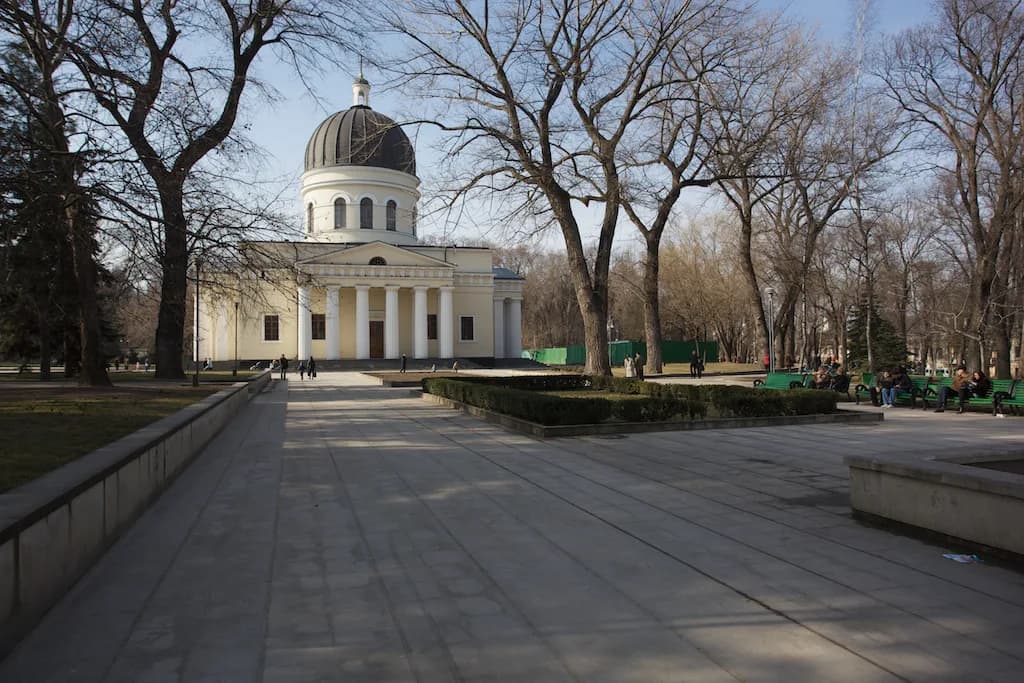
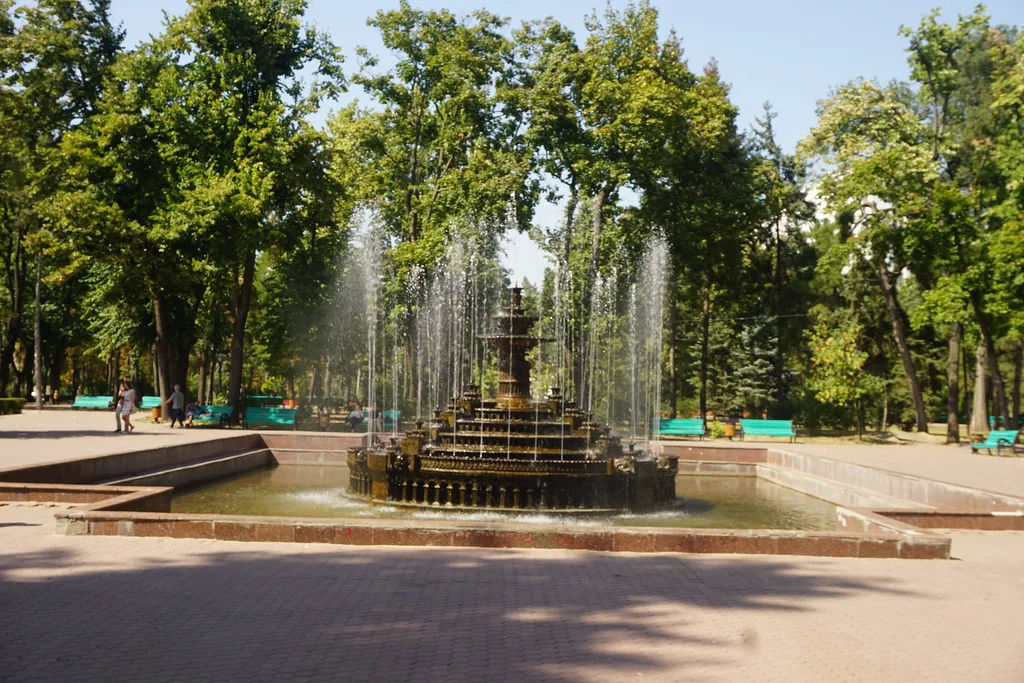
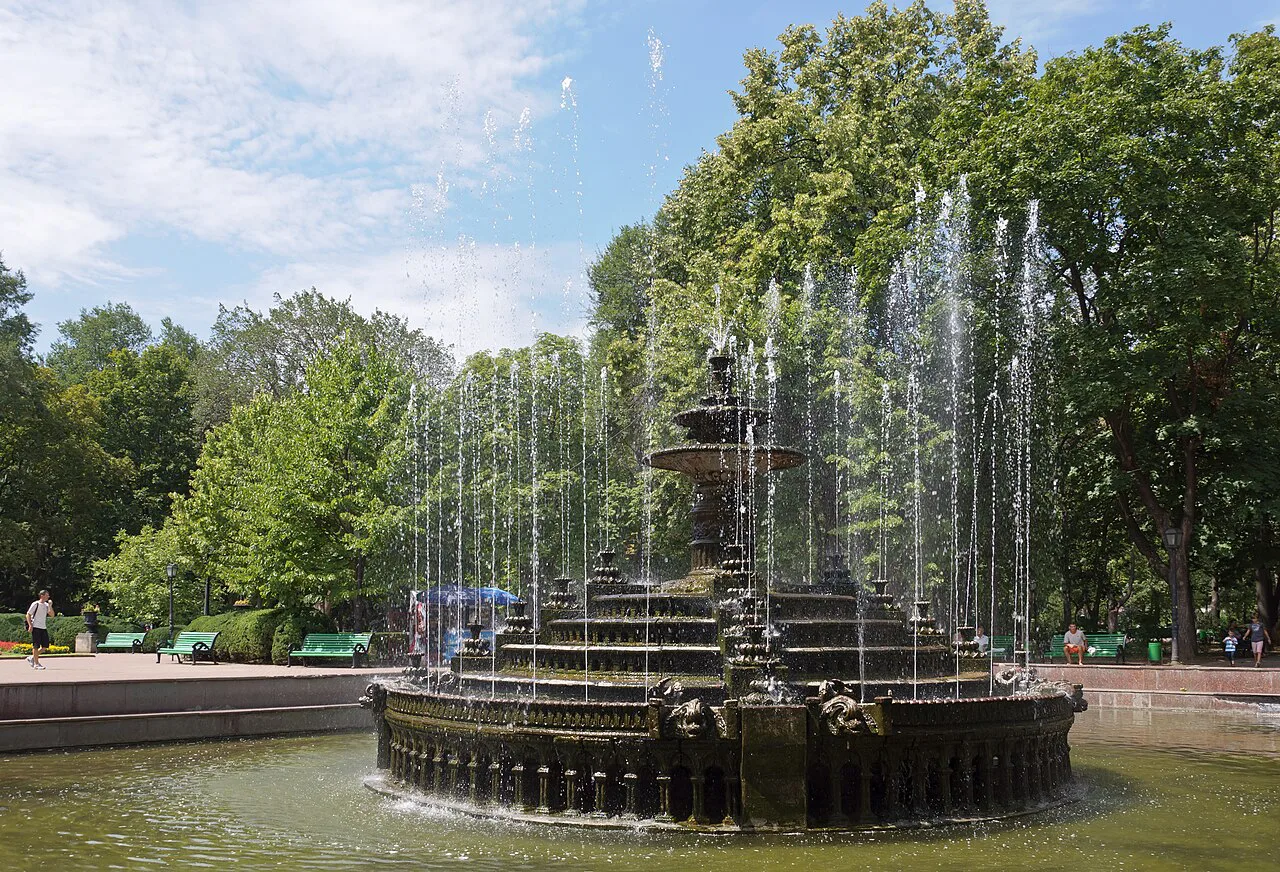
Chișinău is a walkable city of wide boulevards, parks and Soviet-era architecture, and October's mild temperatures suit exactly that kind of day. The central parks, the main squares and the older residential streets are the places to wander, with the city's markets giving a good sense of everyday life. The capital's public transport is decent, so you can combine a central walk with a ride out to a further district.
Rain is the main thing to plan around here: keep an indoor backup such as a museum or a long lunch, and time your walking for the brighter part of the day. If you want a full plan rather than a single city day, cross-check a Moldova itinerary.
Day trips that still work in October: Orheiul Vechi, Cricova and Milestii Mici
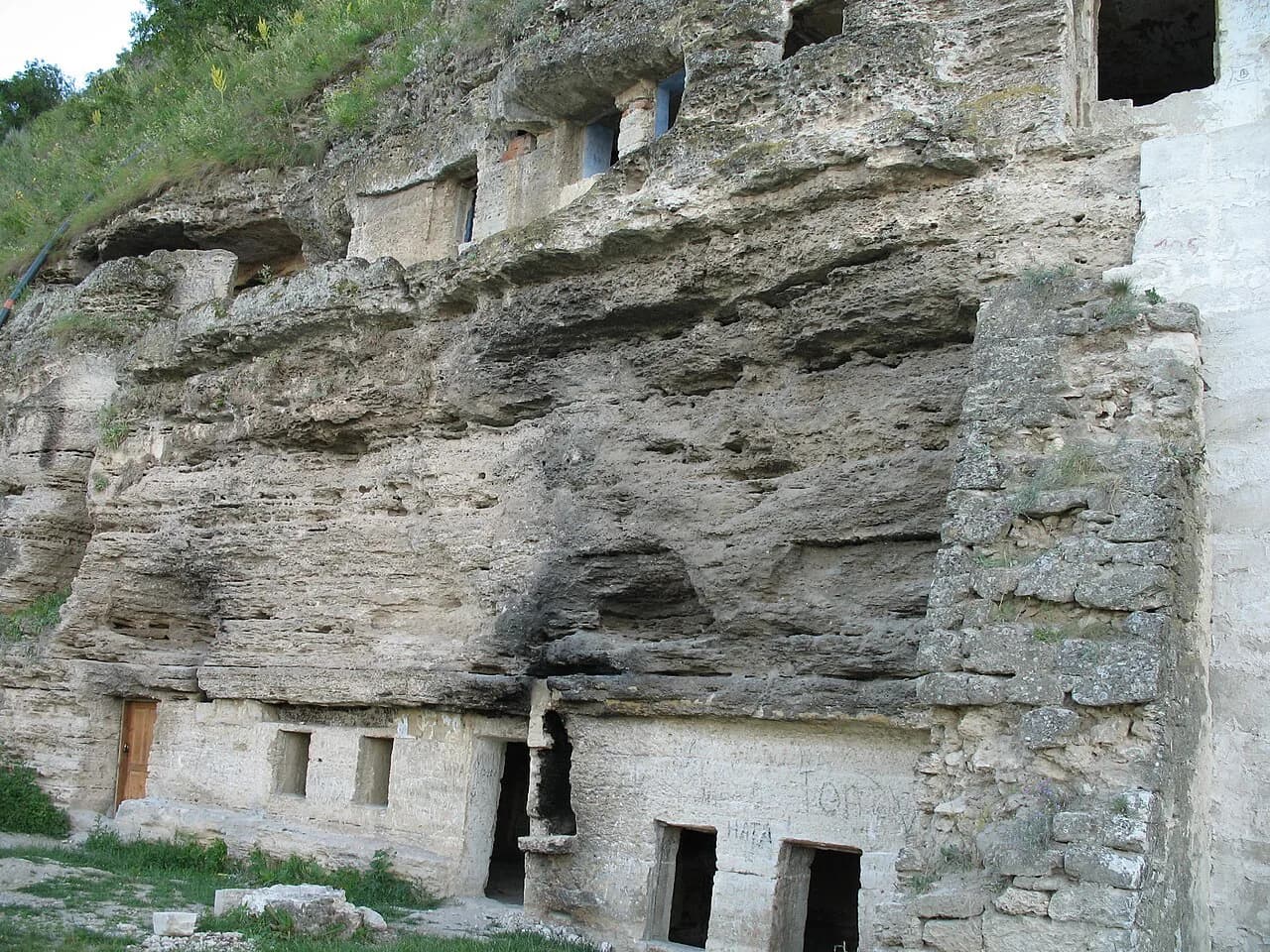
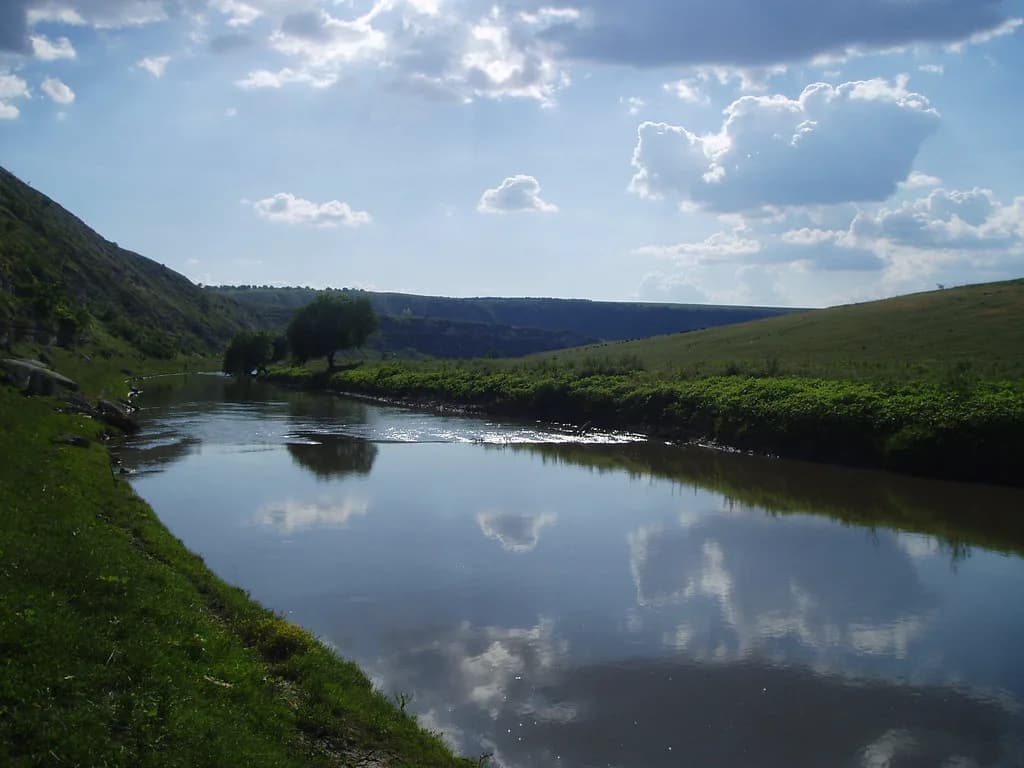
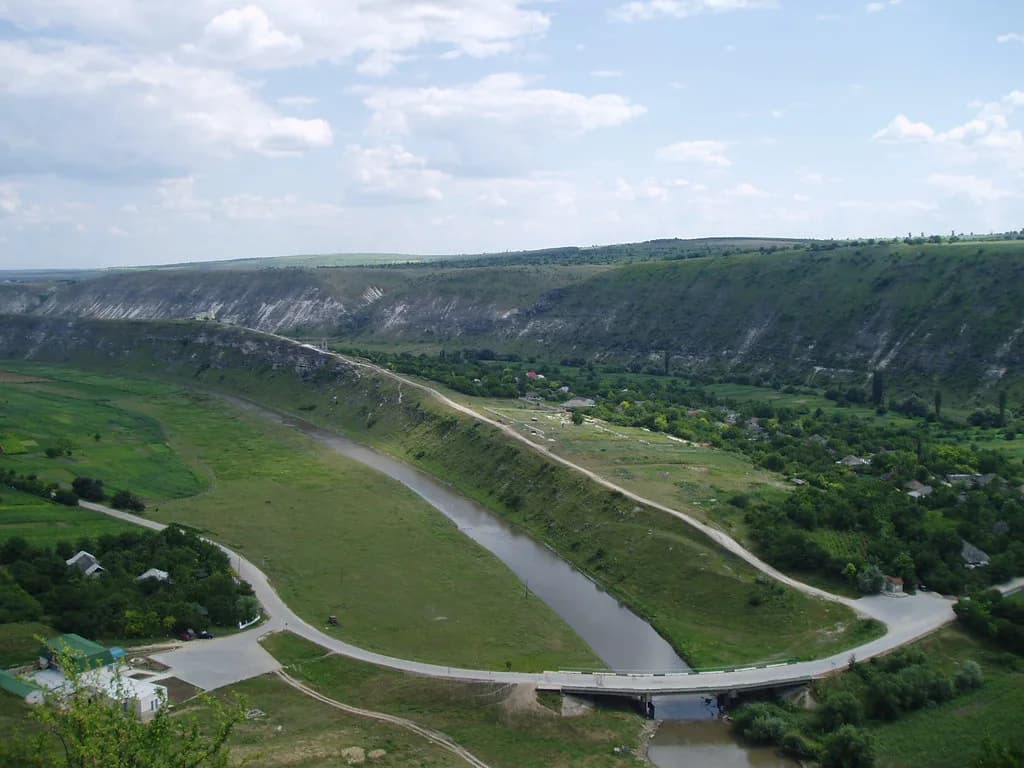
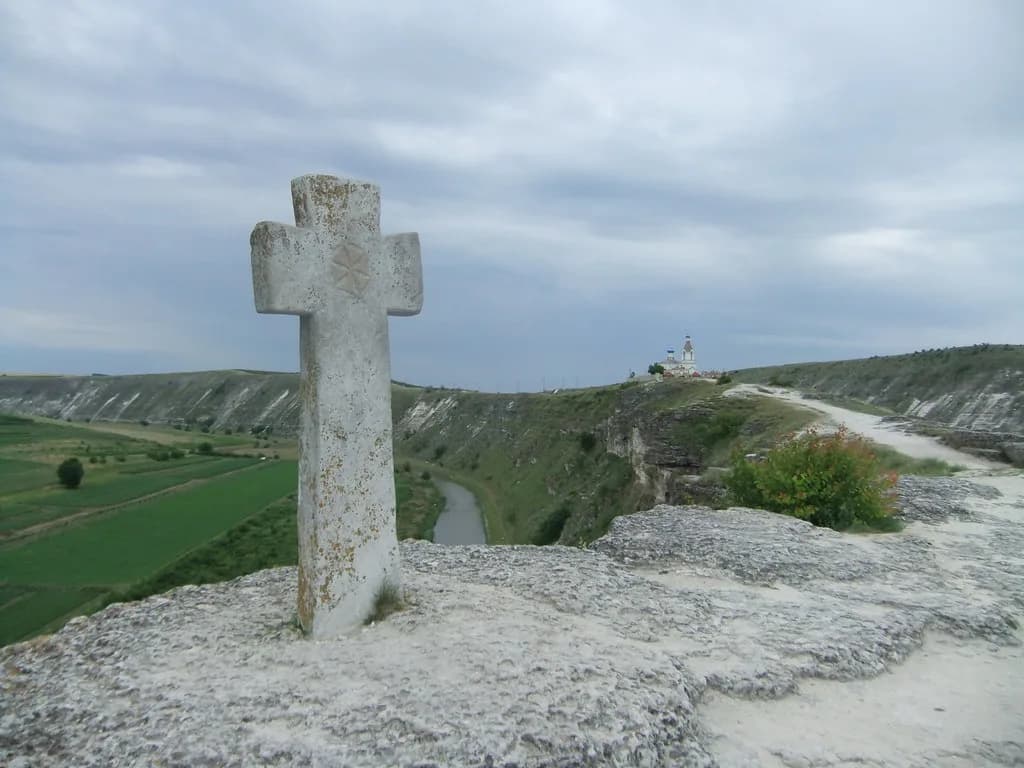
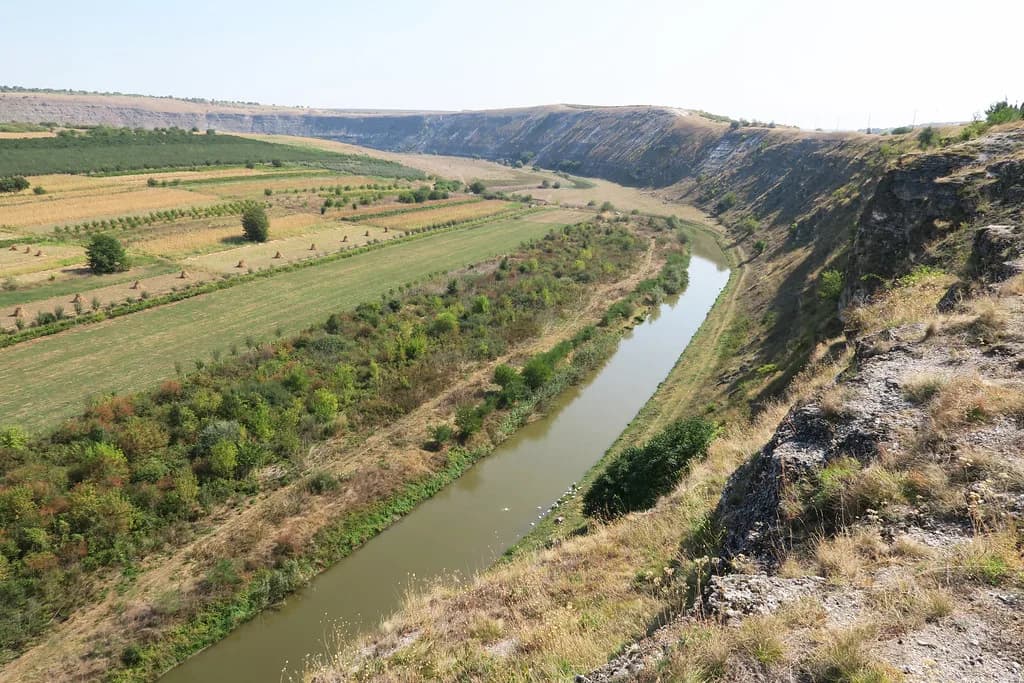
Orheiul Vechi, the cave monastery and archaeological complex cut into a limestone bend of the Răut river, remains one of the country's best day trips in October thanks to cooler walking weather. The landscape is at its most photogenic as the trees turn, but the site is exposed, so check the day's forecast and take rain protection.
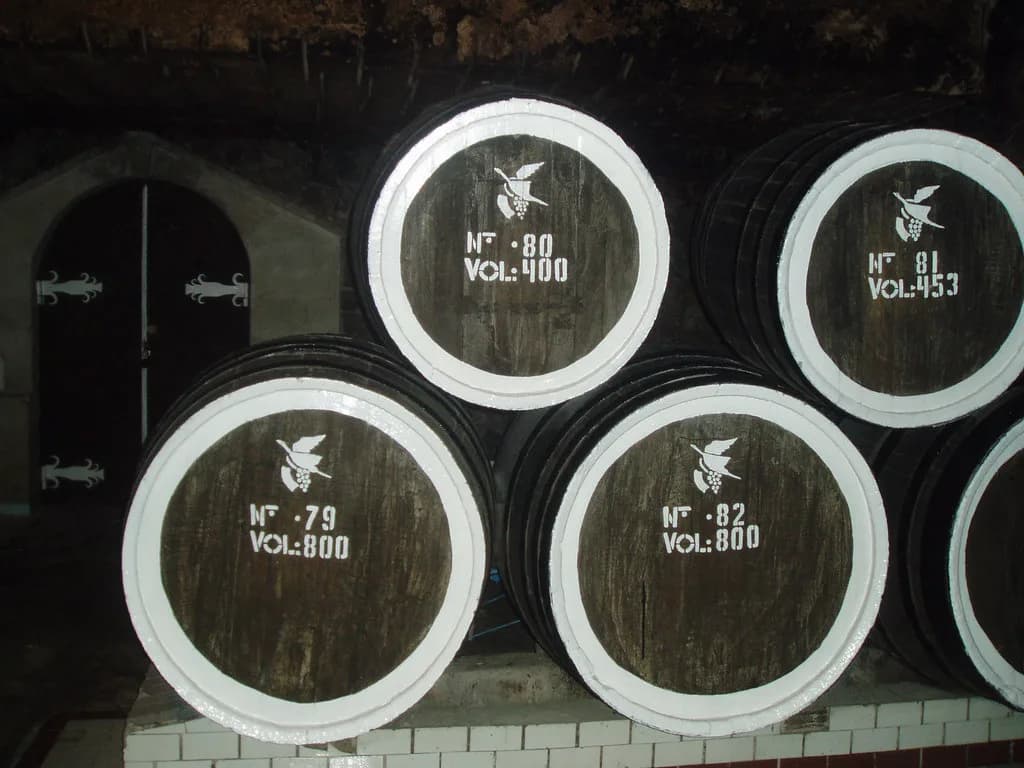
Cricova and Mileștii Mici, Moldova's two best-known underground wine cities, are ideal in October because the cellars stay cool whatever the weather above. They are the natural centrepiece of a wine-focused October trip, and booking ahead is sensible because tours run on a schedule rather than on demand. If you are also considering the Romanian side of the border, Moldova vs Romania sets out the differences.
Transnistria and Tiraspol as an October side trip
Transnistria is a breakaway republic with its own border controls, and the self-declared capital, Tiraspol, is a common day trip from Chișinău for travelers interested in Soviet-era monuments and a distinctly different atmosphere. Travelers describe the region as Russian-speaking, with English also spoken, and homestays in the countryside offering a different view of rural life.
In October the shorter days matter here, because a day trip from Chișinău leaves you less usable daylight for wandering after the journey. Start early, keep the itinerary tight and do not plan a late return and a second activity on the same day. Entry formalities are a matter for official channels rather than for a travel article.
Drawbacks: shorter daylight, rain showers and thinner rural transport
The honest drawback of October is that daylight shrinks through the month, which compresses day trips and pushes you indoors earlier. Rain days are common enough that a rigid outdoor itinerary will eventually get wet, so build in flexibility rather than cramming every day with a long excursion.
Rural transport thins out outside the main routes, and village connections can be slow or infrequent, so basing yourself in Chișinău and using organised trips or a hired car is more efficient than stringing together local buses. If you use your phone for maps, tickets and translation, a Moldova eSIM is the simplest way to stay connected without hunting for a local SIM.
How many days you need in October
Four to five full days is the right allowance for an October trip: two days for Chișinău, one for Orheiul Vechi, and one or two for the wine cellars, with Transnistria as an optional extra. Because daylight is shorter, do not try to compress that list into three days or you will spend most of the trip in transit.
If wine is your priority, add a day and spread the cellar visits across two different days rather than doing both in a single marathon. Whatever the length, a structured Moldova itinerary keeps the road time under control and leaves room for a wet-day swap.
Typical costs and what the price level feels like
Moldova is a low-cost destination by European standards, with reasonable prices even in the capital; one travel consultant puts a three-course meal at a decent restaurant at around 20 euros. Treat that as an illustrative figure rather than a fixed budget, because restaurant prices vary by venue and by what you order.
The currency is the Moldovan leu, and cash remains useful in markets, villages and smaller guesthouses. If you want a fuller cost breakdown before committing, is Moldova cheap covers real trip spending, and money in Moldova explains cash versus cards.
What to wear and how to plan around the rain
Pack for a cool autumn range rather than for summer: a light waterproof layer, a warm mid-layer for evenings and shoes that cope with wet ground. The day-to-night swing between roughly 15 °C and 6 °C means a jacket earns its place even on a bright afternoon, and cellars stay cool enough that a layer is welcome underground.
Check the forecast the evening before any outdoor day and be willing to swap the order of your plans; a rainy day is better spent in a cellar, a museum or a long lunch than on a limestone ridge. If you want a comparison with a milder month, Moldova in April shows the spring equivalent.
Getting there and getting around in October
Most travelers arrive at Chișinău International Airport, which connects the capital to a range of European cities, and from there the city centre is a short transfer. For onward travel, the capital is the natural base for day trips rather than a place to move between hotels every night.
Within Chișinău, public transport is good enough to skip a rental car, but for Orheiul Vechi, the cellars and Tiraspol you will do better with organised excursions or a hired car and driver. Check departure times with your hotel or operator the day before, and remember that your chargers will need a plug type that fits Moldovan sockets.
October versus September and November
September is warmer and brighter than October, with more usable daylight for long day trips, so it wins for hikers and photographers who need reliable outdoor hours. October is cooler and more changeable but coincides with the crush and the turning countryside, which makes it the stronger choice for a wine-led trip.
November is a step down again: colder, darker and less appealing for rural excursions, with the harvest finished and outdoor sights less comfortable. October sits in the sweet spot between the two, provided you accept showers and early dusk as part of the deal.
Verdict by traveler type
Wine travelers: go in October, and make Cricova or Mileștii Mici the anchor of the trip. City sightseers: October works well for Chișinău, with mild days and thinner crowds. First-time visitors who want the classic view of the country should look at the spring window instead and compare it with late April and early May before booking; if you are weighing the region as a whole, our Romania verdict applies the same seasonal logic across the border.
Outdoor hikers and photographers who need long, dry days should choose September, and anyone who dislikes variable weather should avoid the back half of October. If you are still deciding whether the country justifies the flight, the best places to visit in Moldova shows what a realistic short trip covers.
Plan Your October Trip
October suits Moldova well if you are chasing wine cellars, turning countryside and a walkable capital in mild weather, and it suits you less if you need maximum daylight and settled skies. Build your days around the light, keep one indoor option per day, and anchor the trip in Chișinău with Orheiul Vechi and a cellar town as the two fixed outings.
Frequently Asked Questions
What is the weather like in Moldova in October?
In Chișinău, October typically averages about 15 °C (59 °F) by day and 6 °C (43 °F) at night, with around 40 mm of rain over roughly nine rain days and about six hours of sunshine a day. These are typical conditions rather than a forecast, and the rest of the country is generally cooler and wetter than the capital.
Is October a good time to visit Moldova?
Yes, for wine travel, city sightseeing and the main day trips, because conditions are mild and the harvest is underway. It is a weaker choice for long hiking days or anyone who needs guaranteed dry weather, since showers are common and daylight shortens through the month.
Is Moldova in October rainy?
Expect rain on a handful of days rather than constant drizzle. Chișinău averages around nine rain days in October, which usually means short spells you can plan around by keeping a cellar tour, museum or long lunch as a wet-day alternative.
How many days do you need in Moldova in October?
Four to five full days covers Chișinău, Orheiul Vechi and one or two wine cellars without rushing, and Transnistria can be added as an optional day. Shorter daylight means cramming that list into three days leaves too much time in transit.
Should I visit Moldova in September or October?
September is warmer and brighter, which suits hikers and photographers who need long outdoor days. October is cooler and more changeable but lines up with the grape harvest and the turning countryside, so pick it if wine is the reason for your trip.
Do I need a visa or special entry rules for Moldova?
Entry requirements depend on your nationality and change over time, so use your own government's official travel page for Moldova as the single authoritative source before booking. For Transnistria, follow the same principle and check the current border formalities with official channels.
What should I budget for food and drink in Moldova in October?
Moldova is inexpensive by European standards, and restaurant bills sit well below Western European levels, especially outside the capital. The currency is the Moldovan leu, and the full cost picture is worth working out before you set a daily budget, since prices vary by venue and by what you order.
Is English widely spoken in Moldova?
Russian is widely used alongside Romanian, and English is common among younger people and in tourism and hospitality, but less so in villages and among older residents. Learning a few basic phrases helps in markets and rural areas.
Sources
Trip-decision notes
Optional updates when we publish or revise a destination verdict.
You might also like
Continue reading
More guides you'll find useful