Do They Speak English in Moldova? Travel Guide to Decide
English works in Chisinau hotels, cafes and wine tours, but Romanian and Russian carry everyday life in markets, buses and villages.
On this page
Yes, you can visit Moldova speaking only English, as long as you keep expectations calibrated: the capital and the tourism trade handle English, while markets, minibuses and village shops often do not. The practical answer is that English is a city and hospitality-sector language here, not a national one. Plan around that split and Moldova is straightforward; ignore it and small moments become needlessly hard.
If you are still weighing the trip itself, is Moldova worth visiting comes down to whether wine cellars, Soviet-era history and a low-key capital appeal more than polished infrastructure. The language question is part of that same judgment call, not a separate hurdle. This guide separates where English genuinely works from the situations where it thins out, so you can decide how much preparation the trip deserves.
The verdict
Treat English as your backup language rather than your default. In Chisinau hotels, hostels, cafes and wine-tourism bookings you will usually find someone who can help, and younger Moldovans increasingly pick up English in the capital and in hospitality work. Outside those settings, Romanian and Russian do the everyday work and English becomes a matter of luck.
That makes Moldova comfortable for a short capital-based break with a booked winery tour, and harder for independent travel into villages, rural bus routes and older-generation shops. It is not a reason to skip the country; it is a reason to arrive with a translation app, screenshots of addresses and a handful of phrases. Travelers who expect English everywhere will be frustrated, and travelers who plan for the gap rarely are.
What the languages of Moldova actually are
Romanian is the official language, used in government, education and media, and it is written in the Latin alphabet. You will also see and hear the term Moldovan, which historically referred to the same language; linguistically it is identical to Romanian, so a Romanian phrasebook is the right one to bring. The naming debate is political and historical, not a practical obstacle for a visitor.
Russian is widely spoken and understood, especially in cities, among older generations and in areas with mixed ethnic populations. It is not an official state language of Moldova, but it functions as the practical second language in many daily transactions. For a visitor, that means Russian phrases and a Russian-capable translation app often rescue situations where Romanian fails and English is absent.
Where English works: Chisinau and the tourism trade
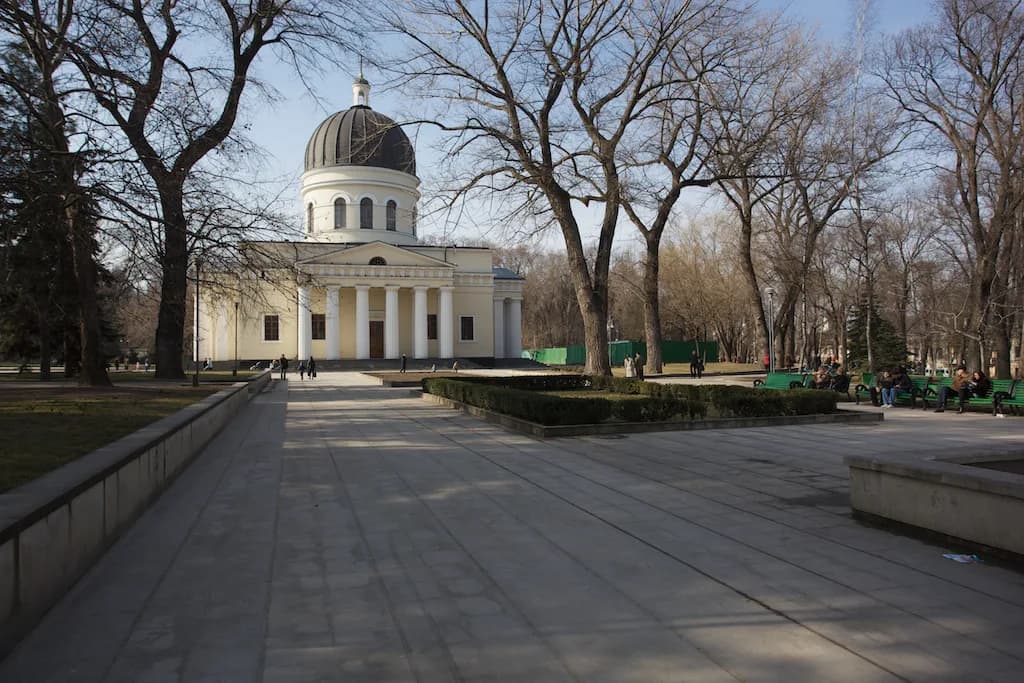
The capital is where English is most reliable. Hotel and hostel reception, cafe counters in the center, and wine-tourism operators handling advance bookings generally have someone who can switch to English, and younger staff in the hospitality sector are the most likely to do so. If your trip is a Chisinau city break with a couple of organized excursions, you can reasonably expect to manage.
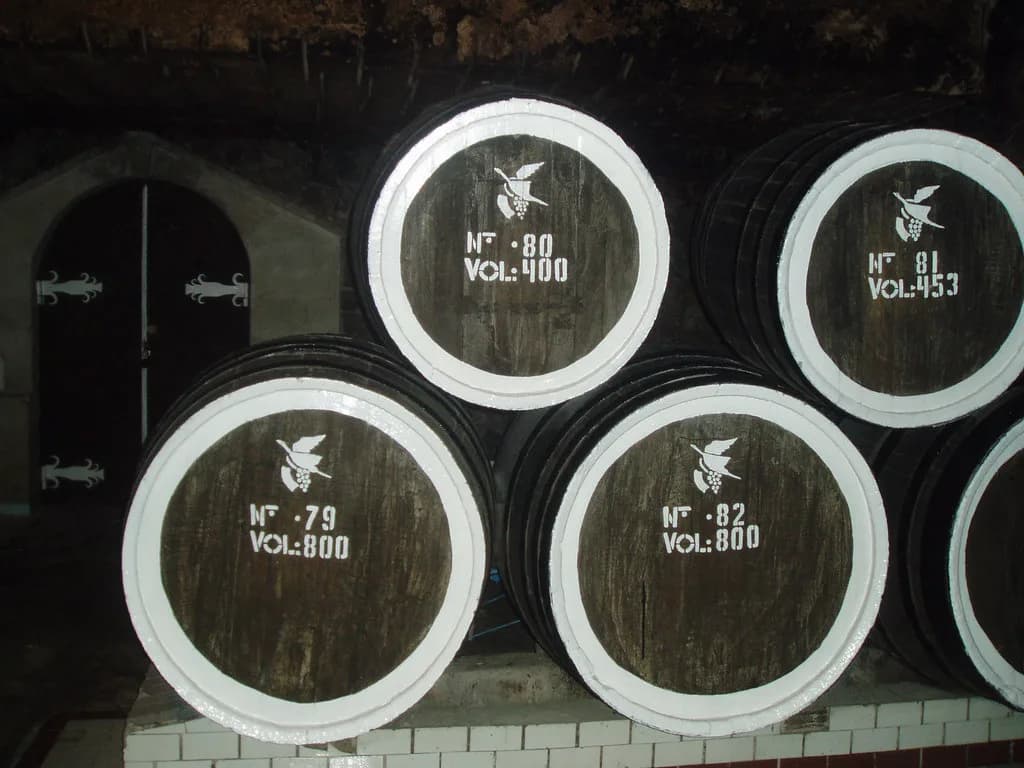
Wineries and guided tours are the other dependable zone, precisely because they sell to international visitors. Booking ahead by email or through an operator gives you a written English confirmation and a contact who expects English-speaking guests, which removes most of the uncertainty. A day trip to Mileștii Mici, with its vast underground cellars and Guinness-recognized collection, is exactly the kind of visit where the language gap is smallest.
Where English thins out: markets, buses and villages
Outside the capital's tourism-facing venues, English becomes patchy fast. Market stalls, rural shops, bus and minibus drivers, and older shopkeepers are the classic failure points, and even in Chisinau a small neighborhood store may have nobody who speaks it. This is not hostility; it is simply a country where English has not yet spread into everyday commerce. Expect to point, show written text and use a translation app for anything more complicated than a number.
Public transport is the situation to prepare for, because you cannot rely on a driver explaining a route in English. Have your destination written in Romanian or Russian, keep the address as a screenshot, and confirm the stop visually rather than through conversation. The same applies at ticket windows and when asking about connections between towns.
Transnistria: Russian dominates and English is rarer
The breakaway region of Transnistria, which operates with its own government, currency and symbols and is not recognized as a sovereign state by the United Nations, is a distinct language environment. Russian is especially dominant there and is often the primary language of communication. English is correspondingly rarer than in Chisinau, and Romanian is less useful than it is elsewhere in Moldova.
If Tiraspol or Bender is on your route, treat it as a Russian-language day rather than an English one. Written Russian addresses, basic Cyrillic reading for signs, and a translation app with offline Russian downloaded cover most traveler needs. Decide in advance whether the region is essential to your trip, since it adds a language layer that the rest of Moldova does not demand.
How to get by without Romanian or Russian
The realistic toolkit is small: a translation app with offline Romanian and Russian, screenshots of addresses, and a notebook or phone screen for showing written phrases. Numbers you can write down, and prices you can confirm on a calculator or a phone. Voice translation is less reliable in noisy markets, so typed text and gestures do more work than you might expect.
Learn a few courtesies and they will carry you further than vocabulary. A greeting in Romanian, a thank-you, and a polite attempt at pronunciation signal respect, and people will often meet you halfway with a word of English or by slowing down. Carry cash in the Moldovan leu for small purchases, since card machines and English-speaking staff are not guaranteed in the same places. For how the currency works in practice, money in Moldova is the piece to read before you go.
Greetings and courtesy: what a few phrases buy you
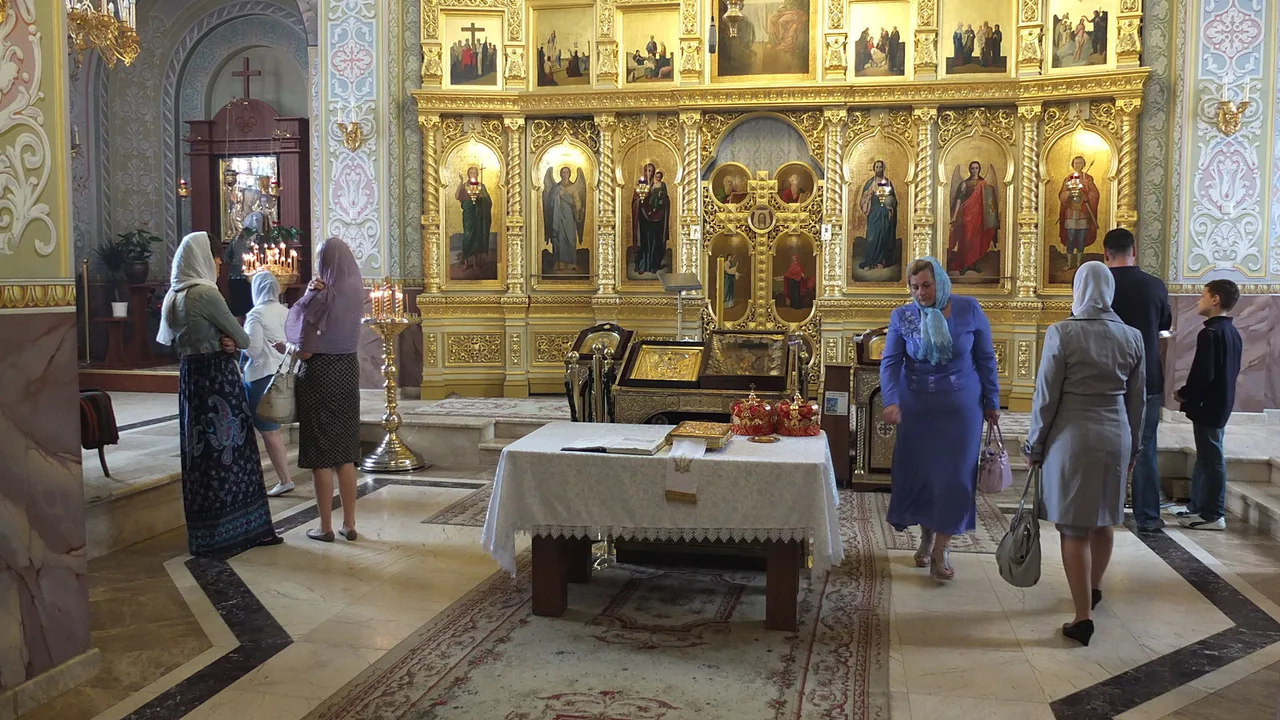
Greetings matter in Moldova, and a handshake is common in formal or professional settings. Visitors invited into a home are often offered food and drink, and accepting at least a small amount is considered polite. Modest dress and respectful behavior are expected in churches and monasteries, particularly during services.
Language and courtesy intertwine at religious sites and in rural areas, where asking before photographing people is the norm. Avoid photographing military installations, police, border areas and official buildings. A short Romanian greeting, delivered with a smile, often does more for the interaction than a fluent sentence.
Romanian versus Russian in daily use
In practice you will encounter both, sometimes in the same conversation. Romanian is the safer choice in official settings, in signage and in the capital's younger, tourism-facing venues. Russian is the more reliable fallback with older Moldovans and in Transnistria. Carrying phrases in both is not overkill; it is the realistic way to cover a country where the two languages split by generation and region.
English is the third option. It is increasingly spoken among younger Moldovans, especially in Chisinau and in the hospitality sector, but it is not widespread across the country. Building a small phrase set in Romanian and Russian is a better investment than assuming English will appear when you need it.
English in wineries and on guided tours
Wine is one of Moldova's strongest travel draws, and the tourism-facing side of the industry is used to international guests. Book tours in advance and confirm the language of the tour in writing; that single step eliminates the main source of uncertainty. Mileștii Mici is the headline cellar, but the broader point is that organized wine visits tend to be the most English-friendly part of a Moldovan itinerary.
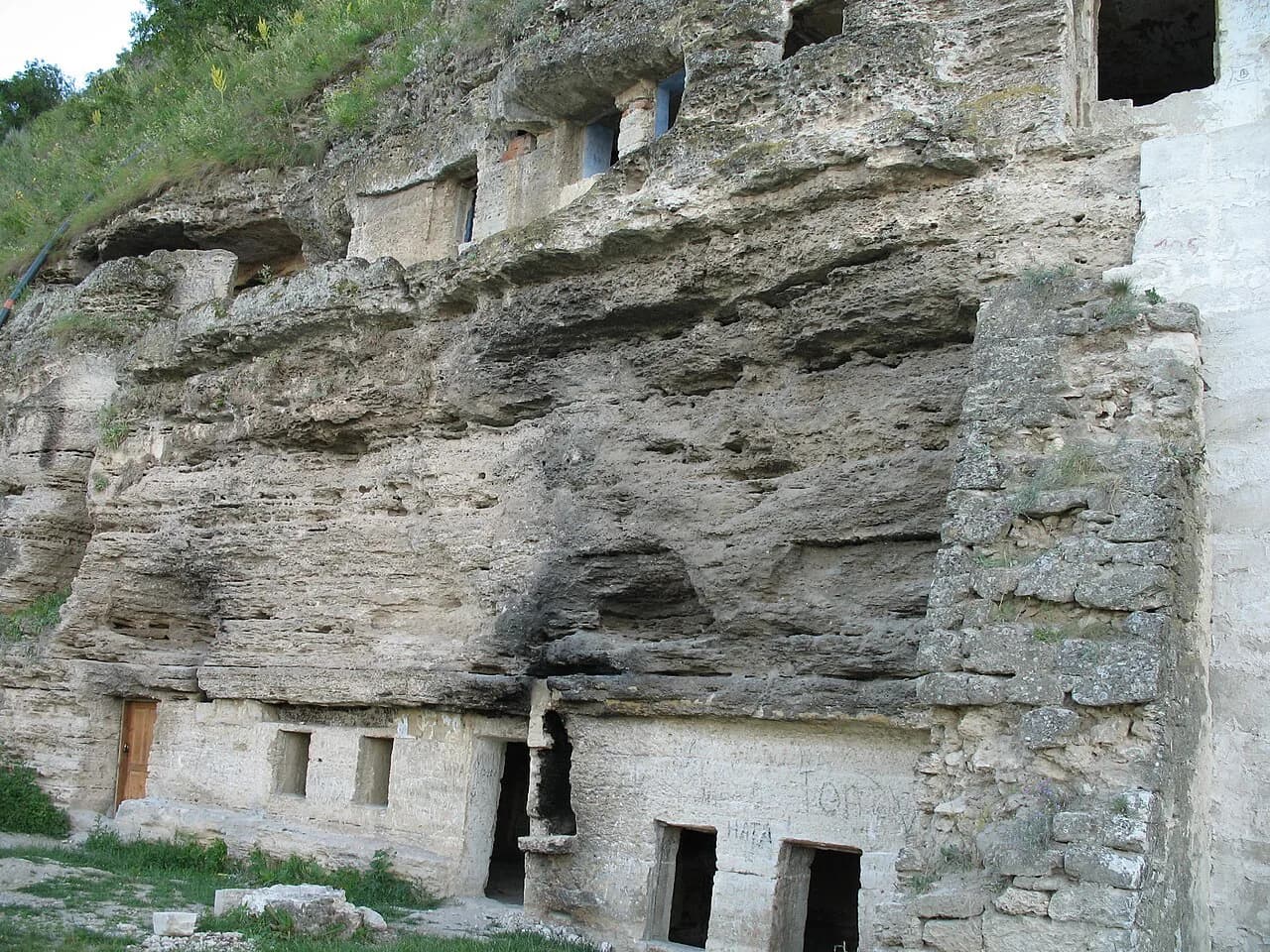
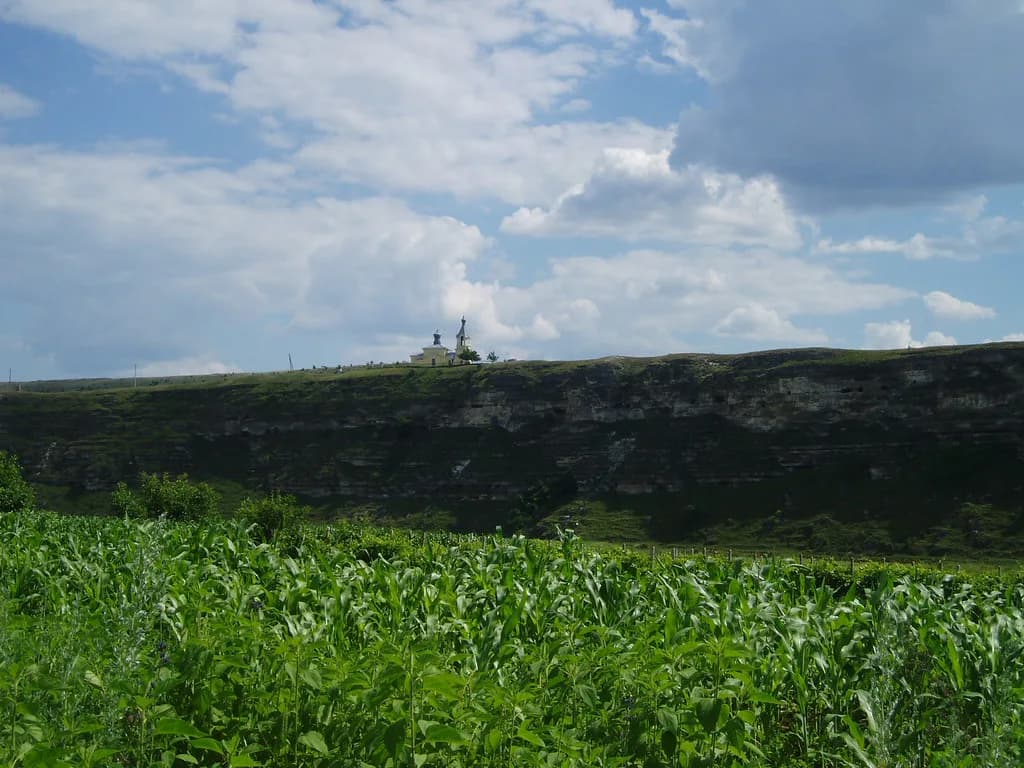
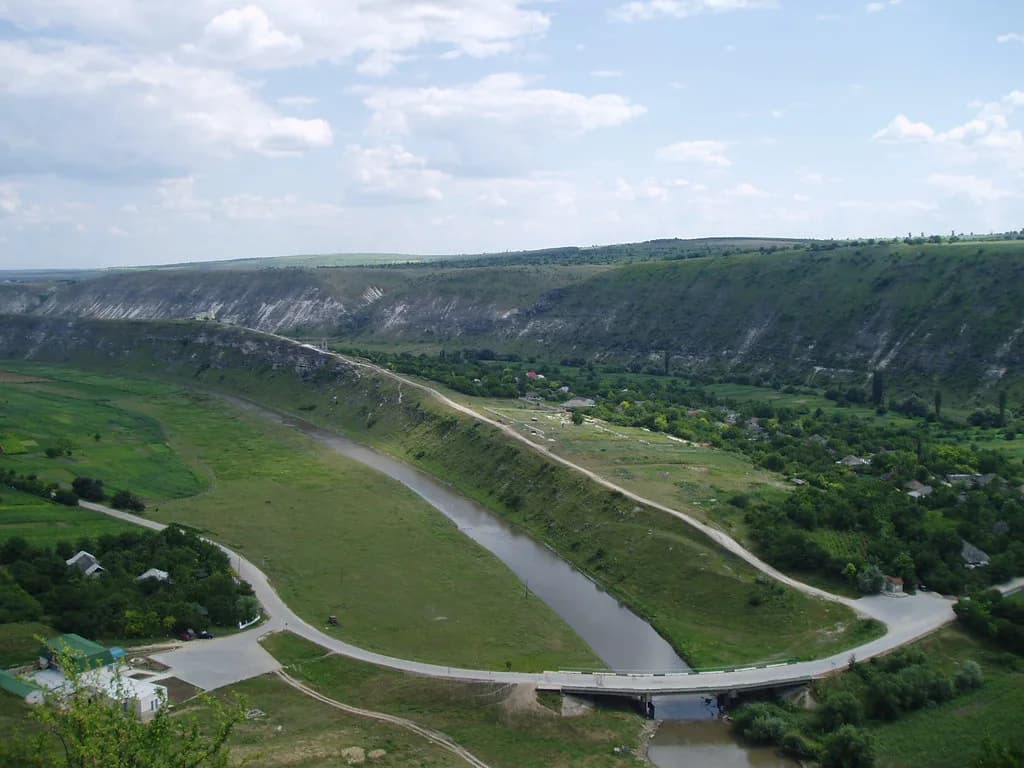
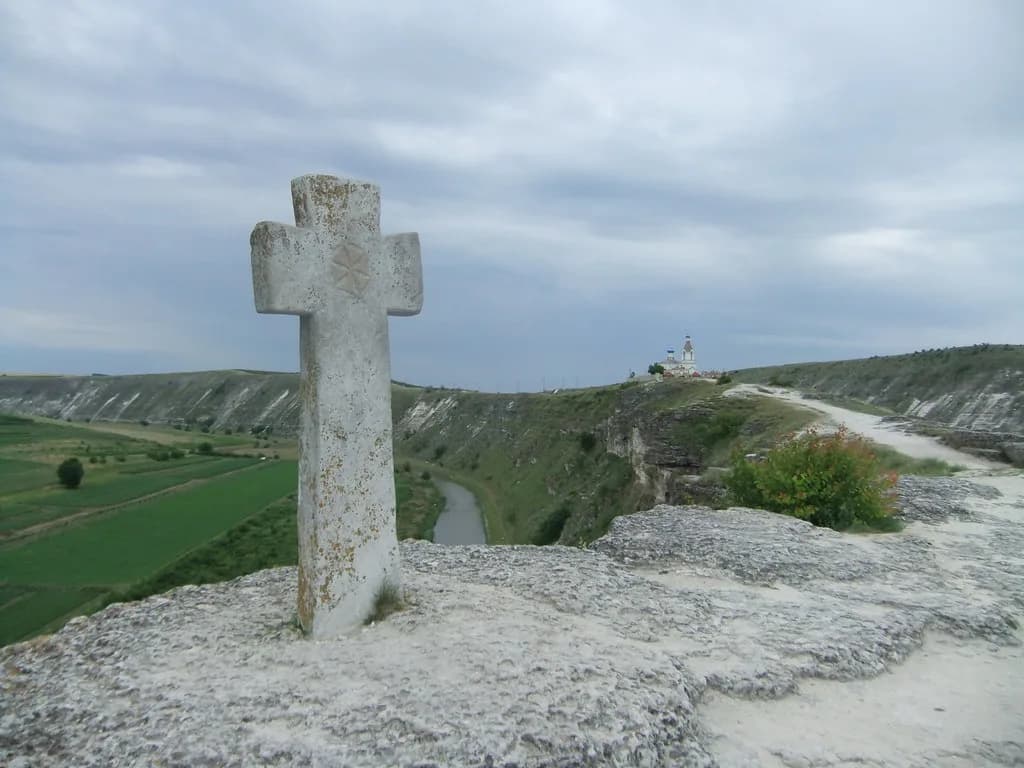
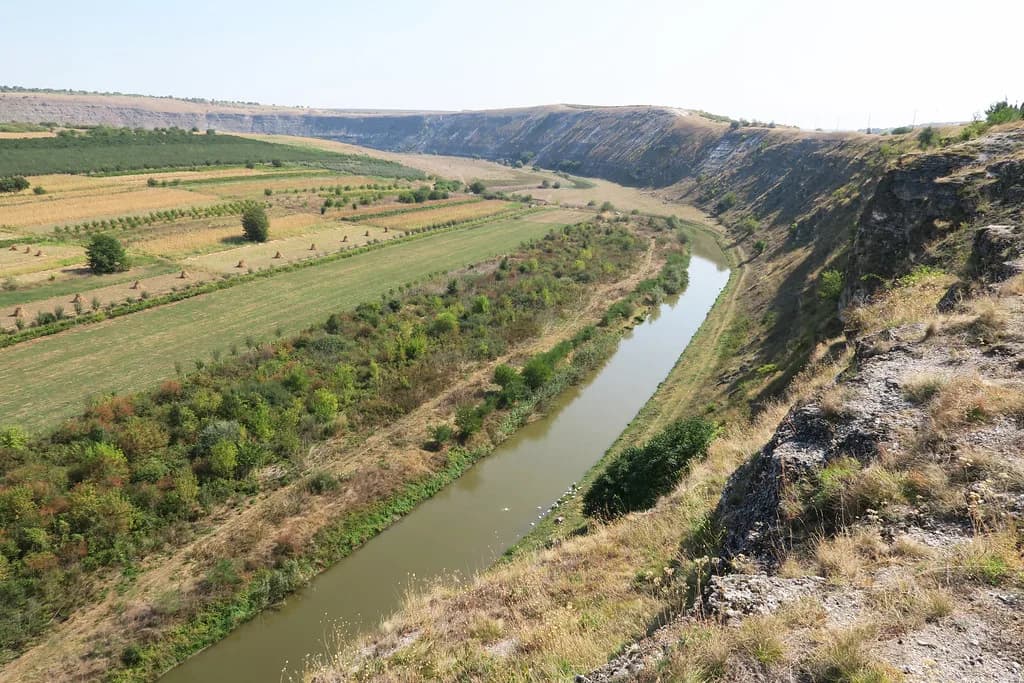
The same logic applies to guided day trips out of Chisinau, including the cave monastery at Orheiul Vechi. Booked tours come with an English-speaking guide and a fixed itinerary, which lets you see the countryside without negotiating rural transport yourself. If you want those landscapes without the language work, this is the format to choose; best time to visit Moldova covers when those trips are most comfortable weather-wise.
Menus, signs and transport tickets
Menus in central Chisinau often carry English, but outside the capital expect Romanian, sometimes Russian. Photograph the menu and translate it, or point at what a neighboring table is eating. Signs and tickets are usually in Romanian; station departure boards are the place to read carefully rather than ask, since staff may not have English.
Keep transport simple where language is thin: buy tickets at the window with your destination written down, and use a translation app for anything involving a change or a return. If you are comparing a Moldova trip with a Romania one, note that Romania uses the same Romanian language but a different travel scene; Moldova vs Romania sets out the trade-offs, and if you are leaning toward the larger neighbour, is Romania worth visiting weighs whether it earns the extra miles. For what a trip here actually costs, is Moldova cheap is the companion read.
Tipping and thin-language service moments
Tipping is customary but modest. Around 10% is appreciated in restaurants and cafes when service is good, though it is not always expected in small or informal establishments; in bars, rounding up or leaving small change is sufficient, and taxi drivers do not expect a tip though rounding up the fare is common. None of this requires much language, since the amount can be shown or written.
When language is thin, the tipping moment is also the moment to confirm what you are paying for. Show the bill, count the cash visibly, and use a calculator if there is any doubt about the total. Small, clear transactions build goodwill and avoid the awkwardness that comes with a conversation neither side can finish.
Who will find Moldova easy and who should plan more carefully
Travelers on a short Chisinau break with pre-booked hotels, winery tours and a guided day trip will find English sufficient and the trip easy to manage. So will anyone comfortable with translation apps and pointing at menus. The people who need to prepare more are independent travelers heading to villages, rural bus routes and Transnistria, and anyone expecting to chat with older shopkeepers or market vendors in English.
None of this should read as a warning. Moldova is a country where a little preparation buys a lot of freedom, and the language mix is part of what makes it feel unlike the packaged parts of Europe. Travelers who treat Romanian and Russian as tools rather than barriers tend to get the most out of it.
Language and the Moldova Decision
English is enough for a Chisinau city break, a booked winery tour and a guided day trip, and it is increasingly common among younger Moldovans in the capital and the hospitality trade. It is not enough to assume for markets, rural buses, older shopkeepers or Transnistria, where Russian dominates and English is rarer.
Plan accordingly: download offline Romanian and Russian, keep addresses written down, book tours in advance, and learn a greeting and a thank-you. For American and British travelers weighing the trip, the language gap is manageable and predictable rather than a reason to stay away. Decide based on how much of the country you want to see beyond the capital, and prepare to that level.
Explore more Moldova trip-decision guides
Frequently Asked Questions
Is English widely spoken in Moldova?
Not widely across the country. English is most reliable in Chisinau's hotels, hostels, cafes and the wine-tourism trade, and among younger Moldovans in the capital and in hospitality. In markets, rural buses, small shops and older-generation settings, Romanian and Russian do the work and English is hit or miss.
Do young people speak English in Chisinau?
English is increasingly spoken among younger Moldovans, especially in Chisinau and in the hospitality sector, though it is not yet widespread. Younger staff in hotels, cafes and tour operators are the most likely to switch to English. Outside tourism-facing venues in the capital, do not count on it.
Can I visit Moldova speaking only English?
Yes, if your trip is capital-based with pre-booked hotels and tours. Chisinau's hospitality venues and organized winery or day-trip bookings usually have English-speaking staff. Independent travel to villages, rural transport and Transnistria needs a translation app and written addresses, because English thins out quickly there.
Is Russian or Romanian more useful in Moldova?
Both help, and they split by setting. Romanian is the official language and is used in government, education, signage and media. Russian is widely spoken and understood, especially in cities, among older generations and in Transnistria, where it is dominant. Carrying phrases in both covers more situations than relying on either alone.
Is English spoken in Transnistria?
Less than in Chisinau. Russian is especially dominant in Transnistria and is often the primary language of communication, and English is correspondingly rarer. Treat a visit there as a Russian-language day: carry written Cyrillic addresses, download offline Russian for your translation app, and keep transactions simple.
How do you say hello in Moldova?
A Romanian greeting is the standard courtesy, and a handshake is common in formal or professional settings. Beyond the greeting, a thank-you and a polite attempt at pronunciation go a long way. Learning a few phrases in both Romanian and Russian signals respect and often prompts people to meet you halfway with a word of English.
Do I need a guide to manage the language gap?
Not for Chisinau, where hotels, cafes and tour operators usually have English-speaking staff. A guide or organized tour helps for wine cellars, the Orheiul Vechi monastery and rural day trips, since it removes the need to negotiate transport in Romanian or Russian. For independent travel, a translation app and written addresses cover most needs.
Sources
Trip-decision notes
Optional updates when we publish or revise a destination verdict.
You might also like
Continue reading
More guides you'll find useful