Latvia in June: Weather, Crowds and Whether It's Worth Going
June gives Latvia its longest days, mild weather and a lively Riga. See the typical temperatures, the rain risk and who should pick a different month.
On this page
For most first-time visitors, June is the best month to see Latvia: days are long, the cities have opened up outdoors and the whole country feels awake, though you should expect showers and cool evenings rather than a Mediterranean beach holiday. If your priority is warm sea swimming or a guarantee of dry weather, June will frustrate you.
The trade-off is straightforward. You gain daylight that lasts well into the evening and mild, walkable days; you lose certainty about rain and you pay more than in spring or autumn. Whether that exchange is worth it is the question this guide answers.
The verdict
Choose June if you want long evenings, outdoor cafes and a country that is fully open, and you accept that a few wet days are part of the deal. It is the most balanced month for a first Latvia trip that combines Riga with a shorter run out to the coast or the Gauja valley.
Skip June if you need reliable beach weather or you are travelling on a tight budget, since late June is among the busiest and priciest periods of the year. May and September give you quieter streets and cheaper rooms at the cost of shorter days and cooler evenings.
If you are still weighing up whether the country deserves a slot on your itinerary at all, our Latvia verdict sets out the appeal and the drawbacks before you commit dates.
Who will love June in Latvia
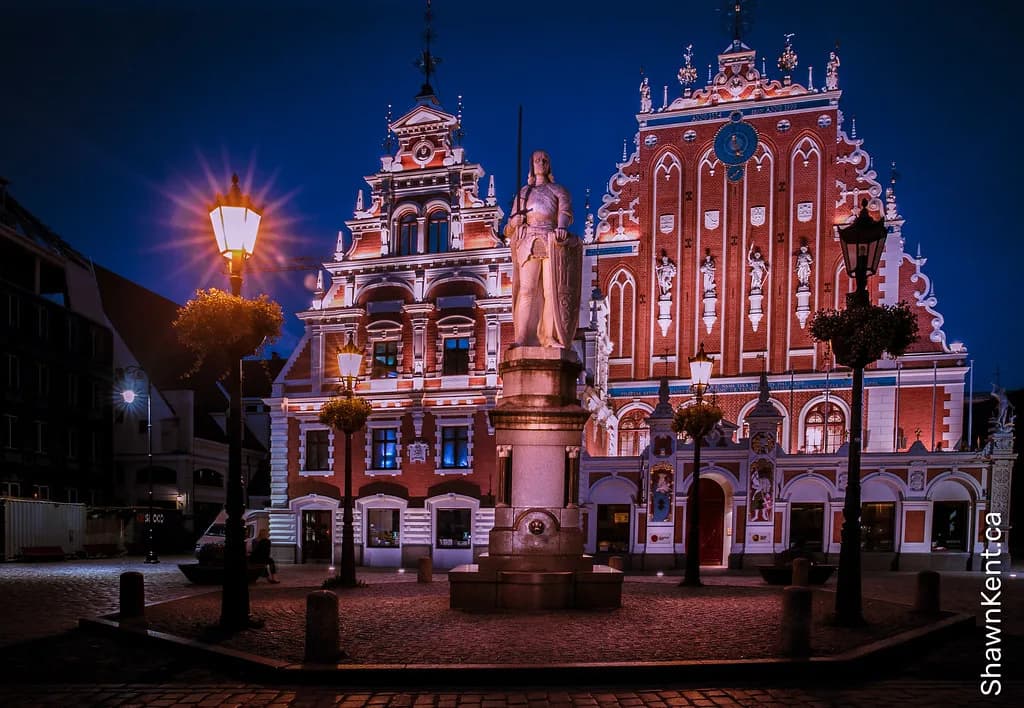
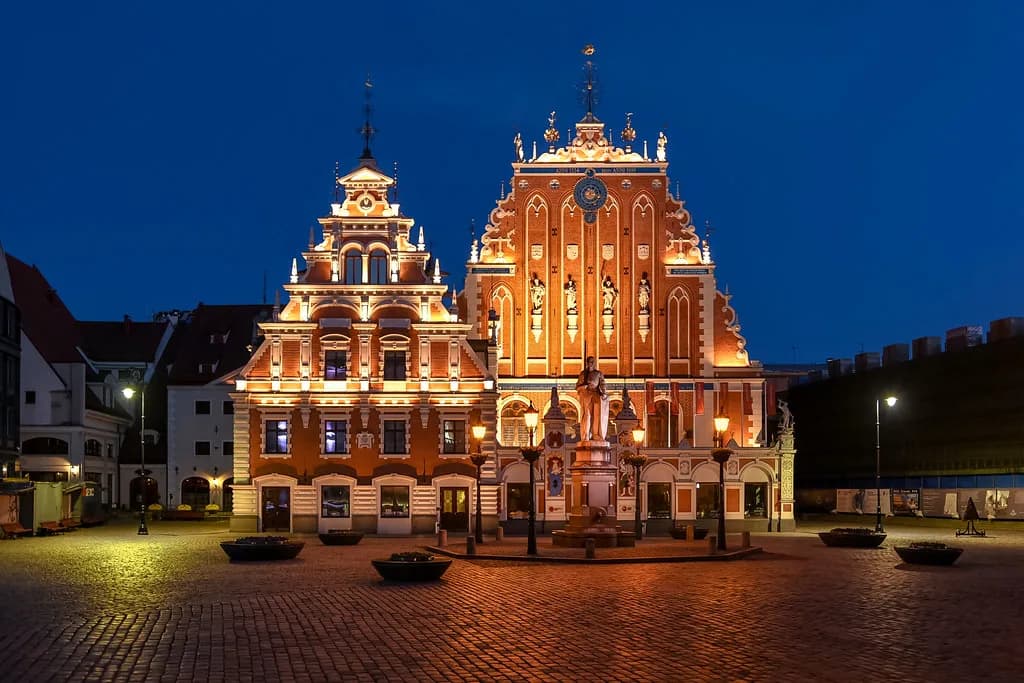
City travellers do well in June. Riga's old town, its park belt and the riverside paths are all pleasant on foot, and the outdoor terraces along the edge of the old town fill up from late afternoon.
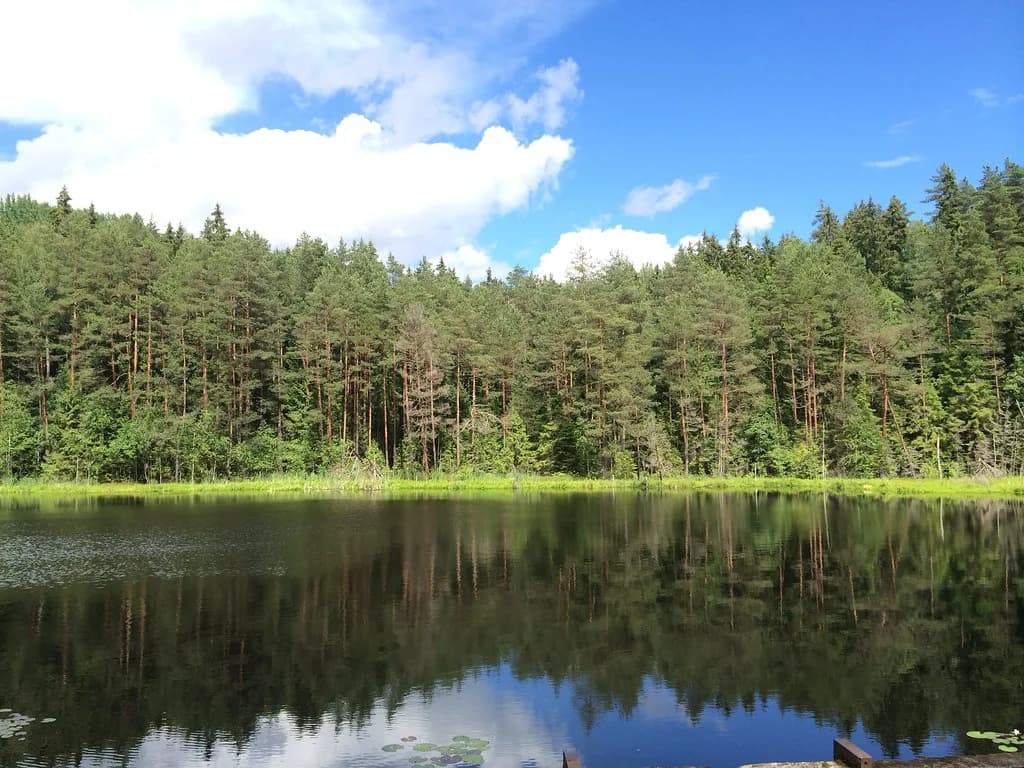
Walkers and nature lovers also get a good deal, because the Gauja valley around Sigulda offers forest trails and sandstone cliffs at their most accessible, and daylight stretches far enough to fit a long hike after breakfast.
Photographers and anyone who dislikes eating dinner in darkness will notice the difference most. Sunsets arrive late and the sky stays bright long after, which effectively adds usable hours to every day of the trip.
Who should pick another month
Travelers who want to swim in the sea should look later in the summer, since the Baltic warms slowly and June water is still bracing for most people. The beaches are lovely for walking; they are not reliably for swimming.
Anyone hoping for hot, dry, predictable weather should also reconsider. Latvia sits in a changeable climate zone where a warm spell can be followed by a cool, wet one within days.
Budget travellers tied to school holidays will find late June noticeably more expensive than early June, so shifting dates by a fortnight can make a real difference to what you pay for accommodation. Our guide to whether Latvia is expensive breaks down where the money actually goes.
June weather in Latvia: typical highs, cool nights and rain
June is a mild summer month rather than a hot one. Daytime temperatures commonly sit in the high teens to low twenties Celsius, with the warmest spells pushing above that, while nights stay cool enough to need a layer.
Forecasters described a warm air mass lifting readings above 20 °C (68 °F) across most of the country at the start of June, which is a fair picture of a good June spell rather than a promise for the whole month.
Rain is the honest caveat. Showers and longer wet spells pass through regularly, often briefly, so a waterproof layer and a flexible daily plan matter more than a detailed forecast.
Late spring and early summer across the Baltics are usually described as the warmest, sunniest stretch, with June to August the core of it, which is why the month is popular. Treat any published figures as typical conditions rather than a forecast for your dates.
How much daylight you get in June and why it matters for sightseeing
Latvia sits far enough north that June evenings stay bright until very late. This is the single strongest practical argument for June over July or August: you can sightsee, eat and walk home in daylight that would already have gone in most of Europe.
Use it. Schedule museums and indoor sights for the middle of the day, when rain is least disruptive to your mood, and keep the old town lanes and riverside walks for the evening, when the light is at its best and the day-trippers have gone.
Riga in June: the old town, the parks and the outdoor cafe season
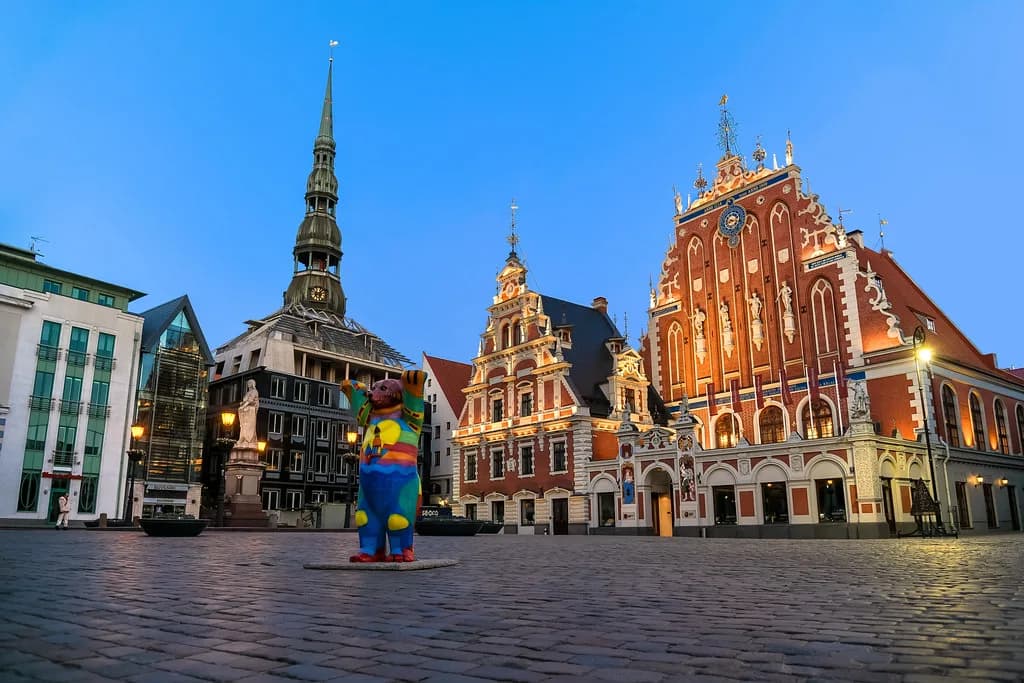
Riga rewards a slow day. The old town's medieval core, the Art Nouveau streets east of the centre and the broad park belt with its canal are all close enough to link on foot, and June's weather makes that realistic.
The city also has a strong food and cafe culture that spills outdoors once the weather settles, with terraces in the old town and around the central market area filling on dry evenings. It is worth booking popular restaurants toward the end of the month.
English is widely spoken in central Riga and among younger Latvians, so language is rarely the obstacle travelers worry it will be; outside the cities and in older generations, Latvian and Russian dominate.
For a wider list of what deserves your time in the capital and beyond, the best places to visit in Latvia covers the standout stops and the ones you can leave out.
Beyond Riga: Jurmala, Sigulda and the Gauja valley, and the coast
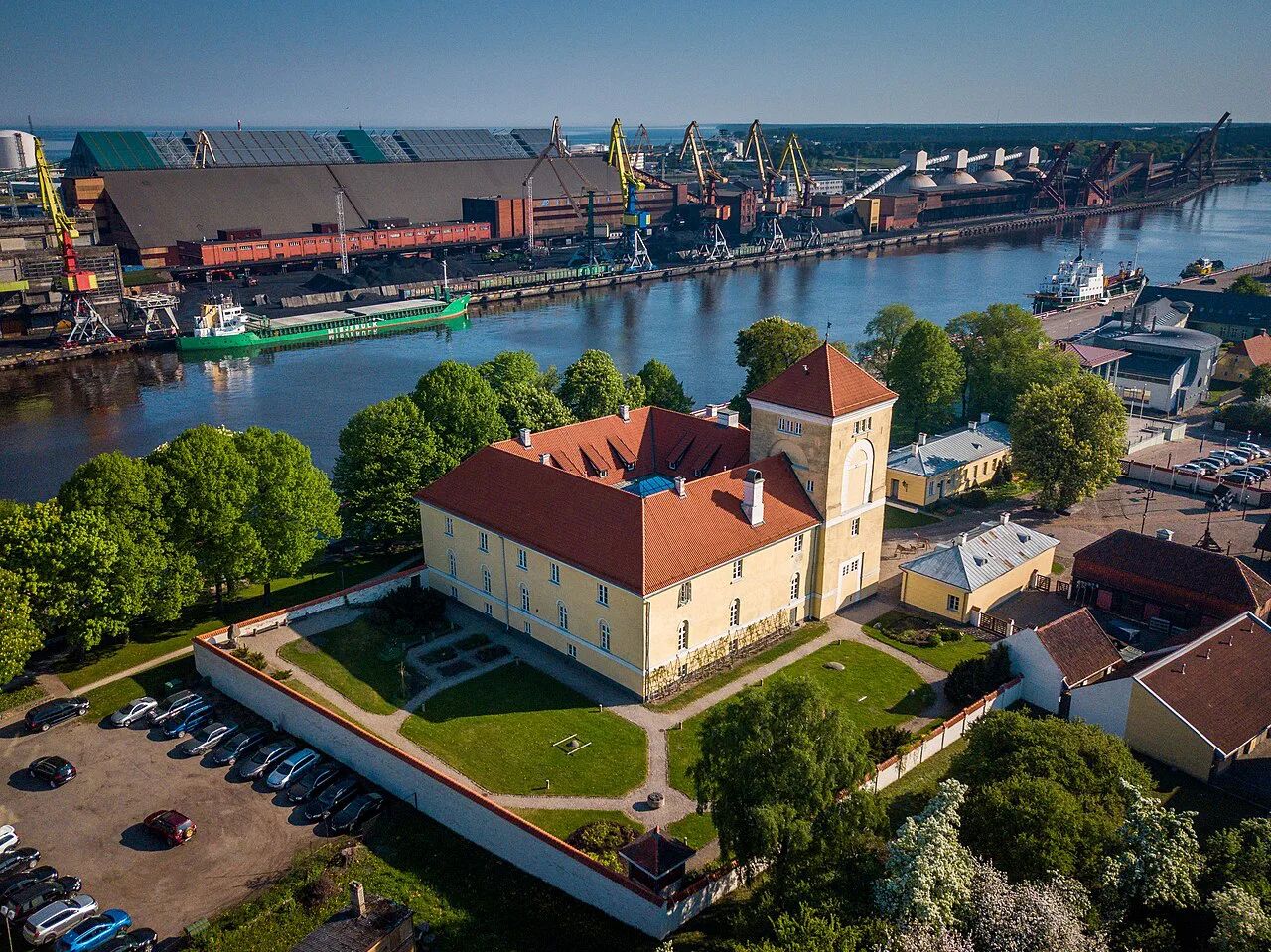
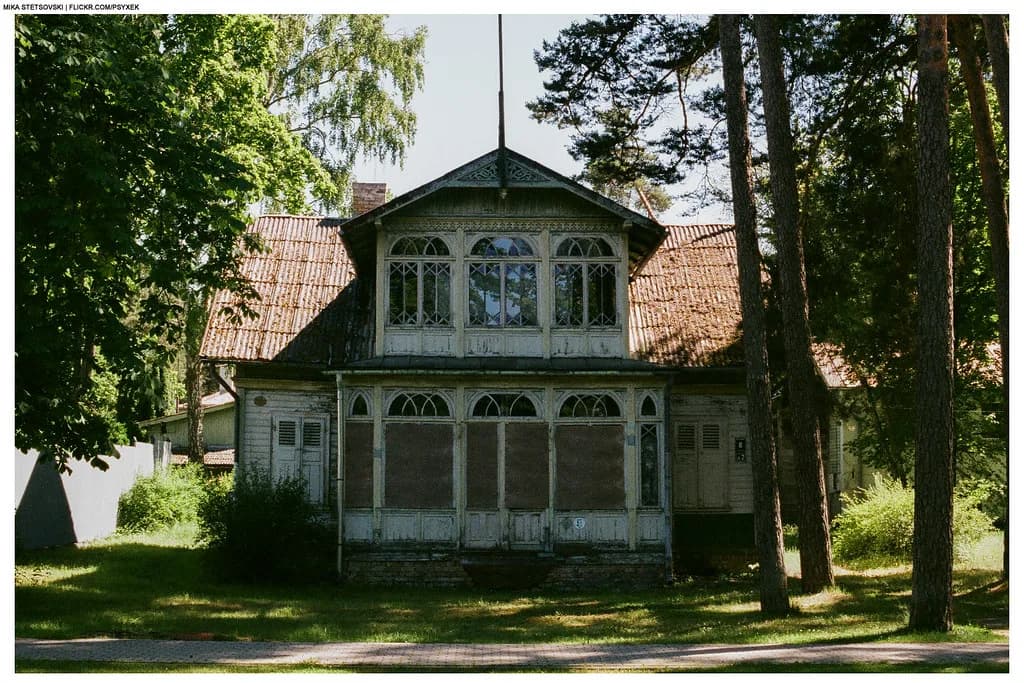
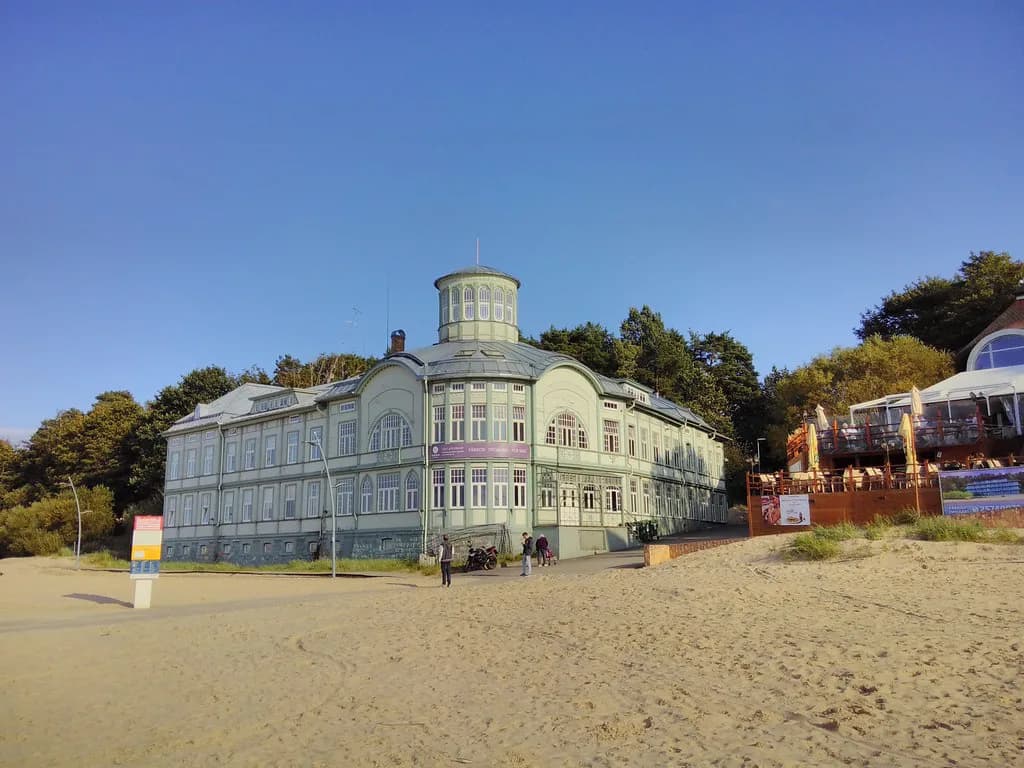
Jurmala, the long resort town on the Gulf of Riga, is an easy day trip from the capital and is at its best in June before the full holiday crowd arrives. Its wooden villas and pine-backed beach are the draw rather than nightlife.
Inland, Sigulda and the Gauja National Park offer the country's most accessible hiking, with river bluffs, castle ruins and cable-car views over the valley. Trails here dry out as the month goes on, which makes June better than the spring mud.
The Baltic coast beyond Jurmala is quieter and more rural, with fishing villages and long empty sands. Distances are longer and public transport thins out, so a car helps if you want to string together several stops.
Jurmala and the Baltic beaches: sea temperatures and beach weather in June
Beach weather in June is pleasant for sitting, walking and paddling, but the water itself stays cold. The Gulf of Riga and the open Baltic both warm slowly, and locals generally wait until well into July before swimming properly.
Treat a June beach day as a picnic-and-stroll day. Pack for wind and shade, use the long evenings for a walk along the shore, and save the real swimming for a later trip if cold water is not your idea of a holiday.
Events and the midsummer buildup: Jani on 23-24 June
Midsummer is the biggest date in the Latvian calendar, celebrated on the night of 23 to 24 June with bonfires, wreaths, singing and food outdoors. It is a genuine cultural event rather than a tourist show.
That means two things for planning. The atmosphere builds through the preceding week, and travel and accommodation around the actual holiday get tight, so decide early whether you want to be in the middle of it or well away from the crowds.
If you want the celebration, book transport and rooms well ahead and expect many venues to run holiday hours. If you would rather avoid it, plan to be in a quiet rural area or shift your dates.
Crowds, prices and booking pressure in June
Early June is calm; late June is not. Once schools finish and midsummer approaches, Riga's old town and Jurmala fill, prices climb and the most appealing central rooms go first.
Latvia is not an expensive country by Western European standards, but June is high season, so accommodation and car hire sit at their yearly peak. Food, local transport and museum tickets remain reasonable compared with Western Europe.
Booking three to four months out is a sensible compromise: enough lead time for choice, without paying the premium that comes with last-minute scarcity around the holiday.
Practical logistics: getting there, getting around, and the currency
Riga International Airport is the main gateway, with direct flights from a range of European hubs, and the city centre is a short bus or taxi ride away. Latvia uses the euro, so there is no currency exchange to plan for if you are arriving from the eurozone or carrying euros.
Within the country, trains and buses link the main towns reliably and cheaply, while a car is worth it only if you plan to reach rural coast or national park trailheads. Riga itself is a walking and tram city.
For the official position on entry requirements, use your own government's travel advice page rather than secondhand summaries, since the rules depend on your nationality and change without much warning.
How many days you need in June
Give Riga three full days, which is enough for the old town, the Art Nouveau district, the central market and a relaxed evening or two. Add day trips rather than more city days if you have time spare.
A week lets you add Jurmala and a two-night stay around Sigulda or the Gauja valley. Ten days opens up the coast and a slower pace, and takes advantage of the long evenings better than a rushed long weekend.
For a first visit, five to six nights is the sweet spot: enough to see the capital properly and one contrasting region without spending half the trip in transit.
Typical costs in words
Expect high-season pricing for beds and cars in June, with mid-range hotels and apartments costing noticeably more than in May or October. Restaurants, museums and local transport stay moderate by Western European standards.
The cheapest way to keep costs down is to travel in the first half of June, stay slightly outside the old town and use the efficient public transport instead of taxis.
Drawbacks: rain days, mosquitoes and the gap between coast and inland weather
Rain is the main risk, and it can arrive as a short heavy shower or a grey drizzly day. Build in indoor options and treat a wet morning as a cue to swap plans rather than a ruined day.
Mosquitoes become noticeable in June, especially near water, forests and the Gauja valley. Rural stays need repellent, and evenings outdoors near lakes or rivers are the time you notice them most.
Coastal and inland weather also diverge: the sea breeze keeps Jurmala cooler and breezier while inland areas around Sigulda can be warmer and stiller. Pack for both if you plan to combine them in one trip.
Latvia in June versus July and August
July and August are warmer, the sea becomes genuinely swimmable and the festival calendar is fuller, but they are also the busiest and priciest weeks of the year and the daylight advantage shrinks.
June wins on value and light; July and August win on warmth and swimming. For a city-and-country trip, June is the better call. For a beach-focused holiday, wait a month. Our Latvia in August guide covers the later-summer trade-offs.
Latvia versus Lithuania for a June trip
The two countries share a coastline, a similar climate and easy bus and rail links, so a June trip can comfortably include both. Vilnius has the more ornate baroque old town; Riga has the stronger Art Nouveau architecture and the bigger range of day trips to coast and forest. If you are unsure whether to add Estonia to the loop as well, our Estonia verdict helps you decide.
If you only have a week, pick one as a base rather than splitting it. Our Latvia vs Lithuania comparison weighs the cities, the coast and the costs for travelers deciding between them.
Plan Your Visit
June suits travelers who value long daylight, walkable cities and a country in full swing, and who can shrug off a wet afternoon. It is the best all-round month for a first Latvia trip provided you book early and keep plans flexible.
If warm sea swimming is the point of your holiday, wait until later in the summer; if you want the same landscapes with fewer people and lower prices, the best time to visit Latvia lays out the alternatives month by month.
Explore more Latvia trip-decision guides
Frequently Asked Questions
What is the weather like in Latvia in June?
Mild rather than hot, with daytime temperatures often in the high teens to low twenties Celsius (roughly the mid-60s to mid-70s Fahrenheit) and cool nights. Warm spells can push higher, but rain comes regularly, so plan for short wet periods rather than a dry month.
Is June a good time to visit Latvia?
Yes, for most first-time visitors. Days are long, the cities are outdoors, and the country is fully open, but you should accept changeable rain and rising prices toward the end of the month.
How many hours of daylight does Latvia get in June?
Very long days with late sunsets, because the country sits far enough north that the evening light lingers until close to midnight. This is the main practical advantage of June over July and August for sightseeing.
Is it warm enough to swim in Latvia in June?
The air is pleasant but the Baltic Sea and the Gulf of Riga stay cold through June. Most visitors find the water bracing and wait for July before swimming seriously; June is better for beach walks and picnics.
Is Latvia in June better than July or August?
June is quieter, cheaper and lighter in the evenings; July and August are warmer, better for swimming and busier. Choose June for a city-and-country trip and later summer for a beach holiday.
Is Latvia or Lithuania better in June?
They are close. Riga offers strong Art Nouveau architecture and better access to coast and forest, while Vilnius has the more ornate baroque old town. A week is best spent in one, not split between them.
Sources
Trip-decision notes
Optional updates when we publish or revise a destination verdict.
You might also like
Continue reading
More guides you'll find useful