Latvia in July: Weather, Crowds and Whether It's Worth It
July is Latvia's warmest and busiest month, with mild days, long light evenings and the year's highest Baltic water temperatures.
On this page
Yes, July is a strong month for a first trip to Latvia, provided you want long daylight, mild walking weather and a full calendar of outdoor days rather than a hot beach holiday. It is also the busiest and most expensive stretch of the year, and Riga takes most of the pressure.
The catch is water and rain. Baltic Sea temperatures in the Gulf of Riga climb only into the high teens in midsummer, and the capital's wettest month of the year falls right in the middle of the season. Plan around both and July rewards you with long daylight of close to eighteen hours at the start of the month.
The verdict on July
July suits travelers who want to walk, cycle and explore towns and national parks in comfortable temperatures, and who value evenings that stay light until late. It is the single best month for a first trip built around Riga, the Gauja valley and the coast.
Choose another month if your priority is a swimming holiday, cheap rooms or quiet streets. The Baltic is bracing rather than balmy, accommodation in central Riga is at its yearly high, and the most popular sights fill up on weekends. June is drier and calmer; August holds the warmth with slightly warmer water but noticeably shorter evenings.
What July weather actually feels like
In Riga, July normals run to an average low of 13 °C (55 °F) and an average high of 24 °C (75 °F), with around 80 mm of precipitation — the highest monthly total in the city's climate tables. Rain often arrives as afternoon thunderstorms rather than all-day drizzle, so mornings tend to be the more reliable window for sightseeing.
Liepaja on the west coast is milder and windier, averaging 14 °C (57 °F) at night and 22 °C (72 °F) by day with about 65 mm of rain, while Daugavpils in the east is slightly more continental at 12 °C (54 °F) and 24 °C (75 °F) with roughly 75 mm. Those figures are typical conditions compiled from long-term records, not a forecast for your dates.
Coastal highs sit near 21.5 °C (70.5 °F) in midsummer while interior maxima reach about 23.5 °C (74 °F), which means a sea breeze can make a beach day feel cooler than the same day inland. Pack for layers rather than heat, and treat a short spell above 30 °C (86 °F) as a possibility rather than the norm.
How hot Latvia gets in July
Think pleasant rather than hot. Daytime highs generally sit in the low to mid twenties Celsius (low to mid seventies Fahrenheit), and nights stay cool enough that a jacket is useful after dark. Warm air from the southeast occasionally pushes temperatures toward or past 30 °C (86 °F) for a few days, but those are exceptions.
The practical consequence is that July works for long walks and cycling without the heat fatigue of southern Europe, and you rarely need air conditioning. It also means castles, bog trails and forest paths stay comfortable through the middle of the day.
Rain and sunshine in July
July is Riga's wettest month, partly because afternoon thunderstorms build over the interior, and rain falls on roughly one day in three across the summer as a whole. Sunshine hours are still decent — the capital logs about nine hours a day in July — because the long days compensate for frequent cloud.
Build flexibility into the itinerary rather than a rigid schedule: keep one indoor option per day, such as the Riga Art Nouveau district or a museum in Cesis, and swap it in when the sky turns. A light rain shell earns its place more than an umbrella in coastal wind.
Swimming in the Baltic in July
Water temperatures in the Gulf of Riga peak at about 17.5 °C (63 °F) in July and 18.5 °C (65 °F) in August, and the open west coast stays similarly cold. Locals swim happily; visitors expecting Mediterranean warmth will find it bracing.
Treat swimming as a short, invigorating dip rather than a day in the water, best done on a sunny afternoon with the wind offshore. The wide, sandy beaches at Jurmala and around Liepaja are excellent for walking, sunbathing and shallow paddling even when the water itself is cold.
Long days and the White Nights effect
Day length in Riga runs about seventeen hours at the start of July and falls closer to sixteen by the end of the month, and the sky stays light well into the evening. That extra daylight is the real luxury of a Latvian summer: you can sightsee after dinner, walk the beach at nine at night, or take a late train and still arrive in daylight.
Use it deliberately. Put the long outdoor days — a Gauja National Park walk, a coastal cycle, a bog boardwalk — early in the trip when energy is highest, and keep city days for when rain interrupts.
Crowds and prices in July
Latvia is at its busiest from June through August, and July sits at the heart of that window, so expect the highest room rates and the tightest availability in central Riga. Book the Riga leg well ahead and treat the rest of the country as the release valve: outside the capital, prices and crowds drop sharply.
The cost picture is straightforward: Latvia is a moderate-value destination overall, but July premiums in the capital can make it feel noticeably pricier than in spring or autumn. Shifting a few nights to Cesis, Sigulda or Liepaja lowers the average and gives you a better trip.
Riga in July
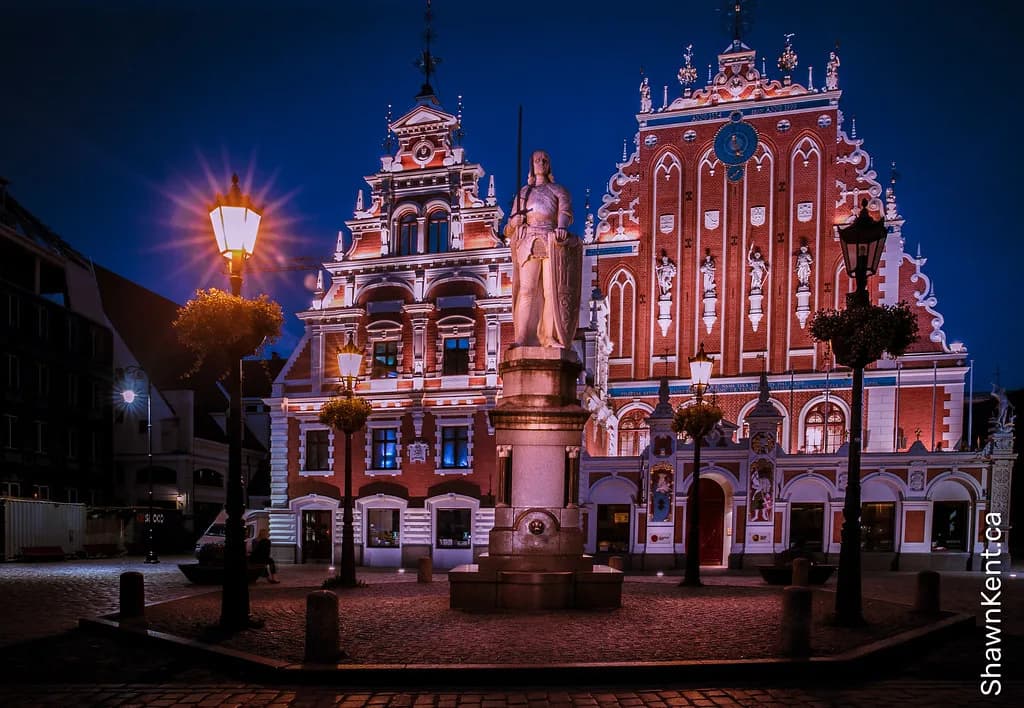
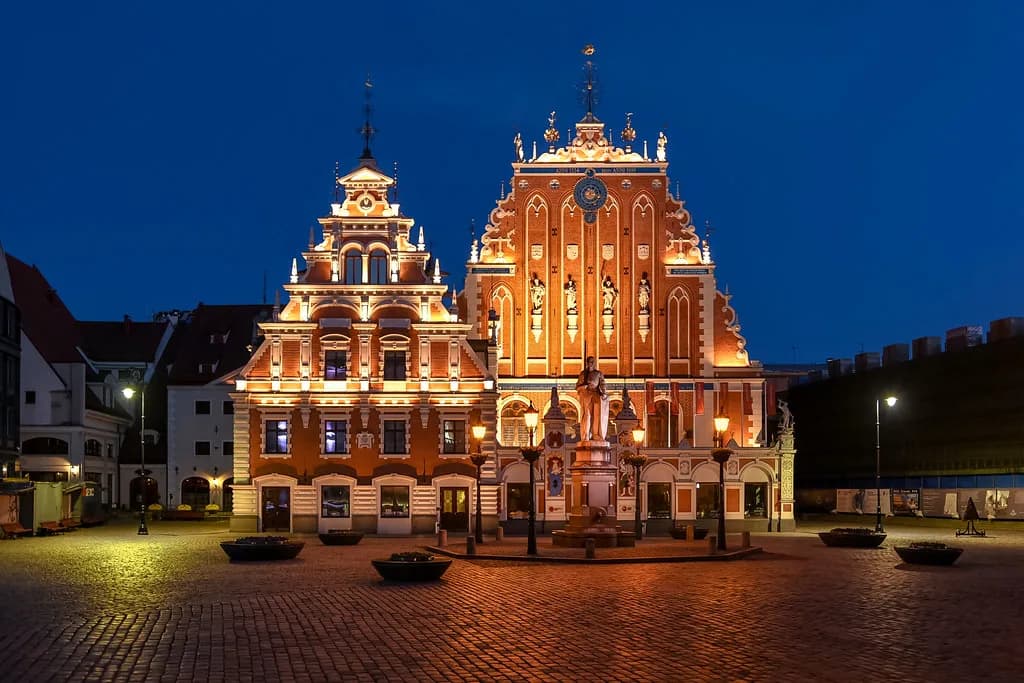
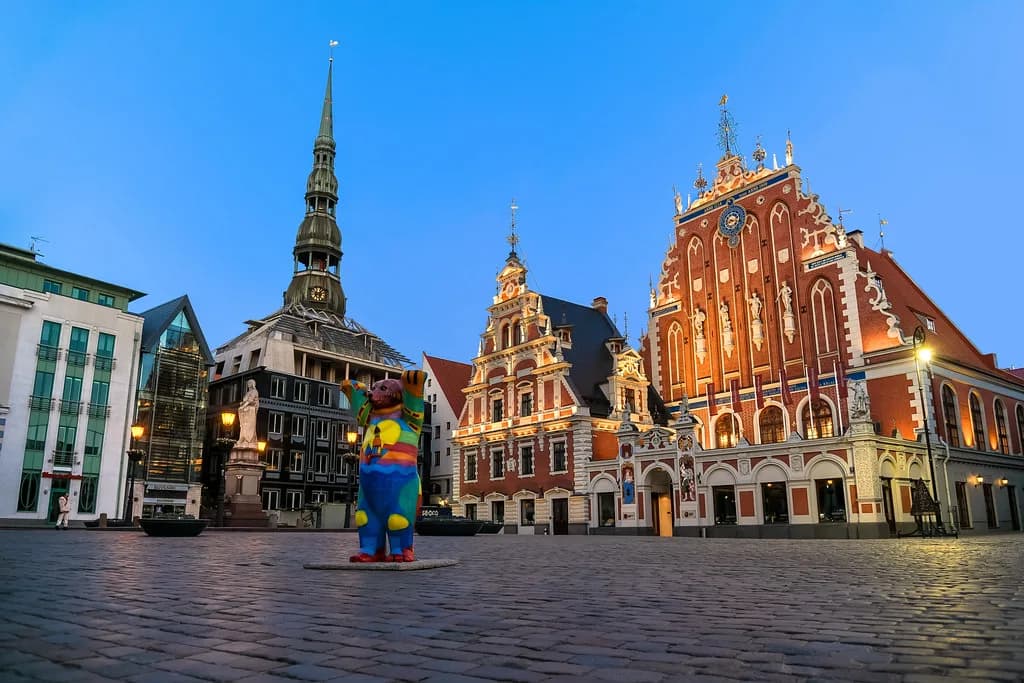
Riga carries the season's crowds, but it handles them well if you start early. The Old Town's medieval lanes, the Art Nouveau quarter along Alberta iela and the Central Market halls fill the first day; the riverside parks and the Daugava embankment give you breathing room.
Pace it over two full days and avoid trying to see everything in one. Mornings are calmer before tour groups arrive, and the long evenings mean you can revisit your favourite square after dinner without losing daylight.
The coast in July: Jurmala, Liepaja and Cape Kolka
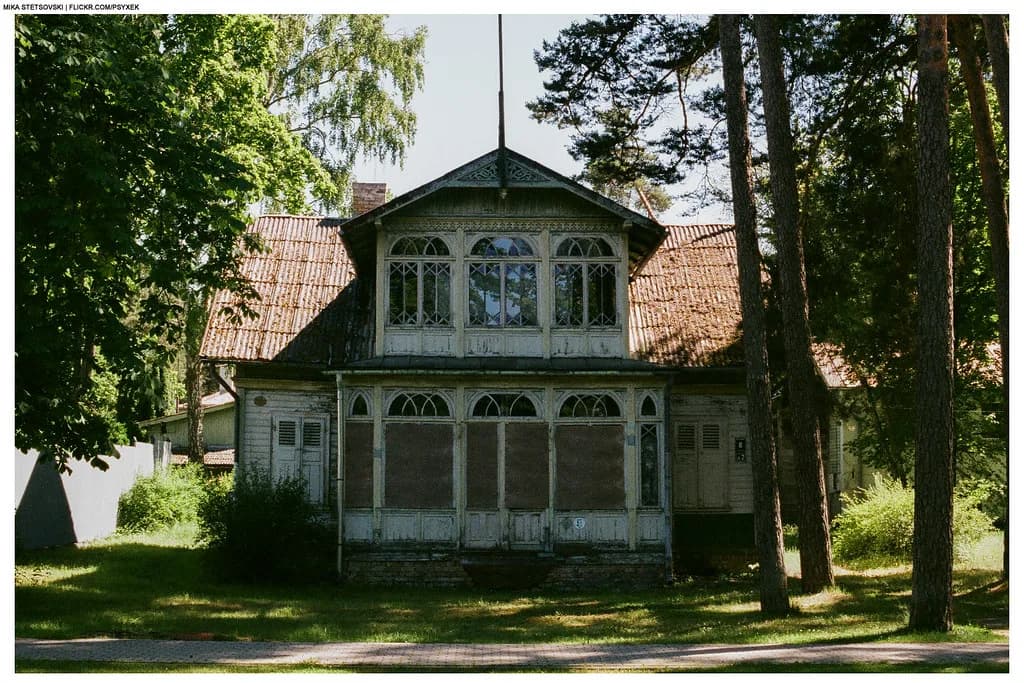
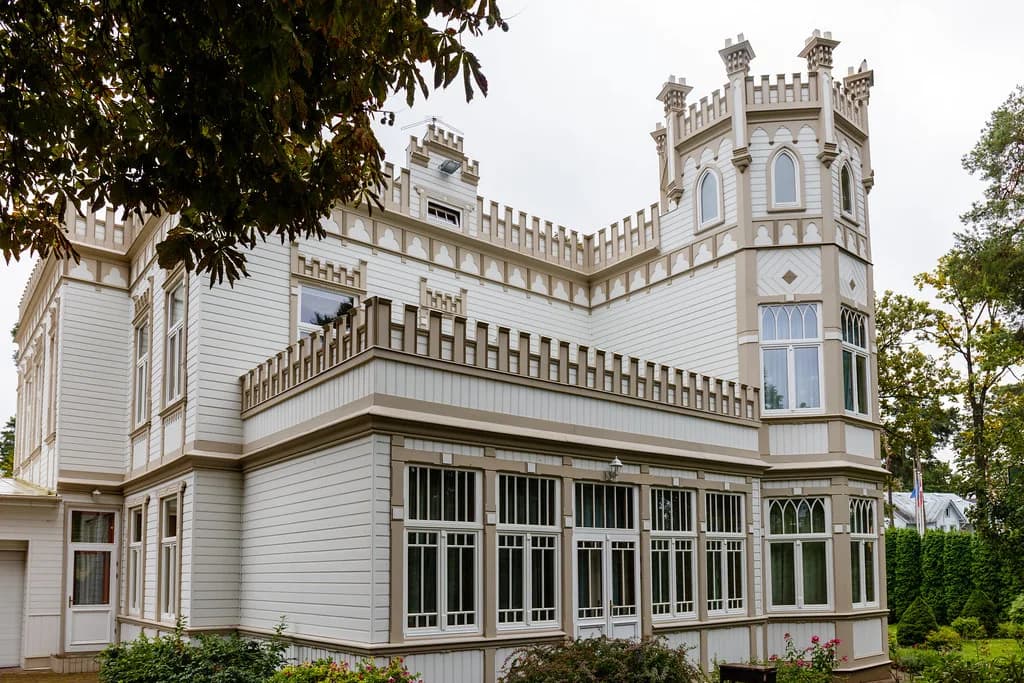
Jurmala, half an hour from Riga, is the easiest beach escape, with a long sandy strand, pine forest and wooden villas. It gets busy on warm weekends, so go on a weekday if you can, and accept that the water will be brisk.
Liepaja has a characterful former military quarter at Karosta, a lively beach and reliably breezy weather. Further north, Cape Kolka marks the meeting point of the open Baltic and the Gulf of Riga, with wilder shorelines and far fewer people — a good choice if you want space rather than amenities.
Inland and the east in July
The Gauja valley around Sigulda and Cesis is Latvia's best inland summer base: castle ruins, sandstone cliffs, forest trails and the cable car across the river valley. Cesis adds a compact old town and a castle that rewards an unhurried half day. July's warmth and long light make this the ideal month for the valley's walking.
Daugavpils and the Latgale region to the east feel quieter and more distinctly local, with a striking brick fortress and a strong lakeside culture. It is a longer haul from Riga, so commit two nights if you want to see it properly rather than in passing.
If you are weighing the region more broadly, the choice often comes down to where you base yourself rather than which country to skip; the same question is worth asking of the neighbors, so compare this with whether Estonia is worth visiting before you commit.
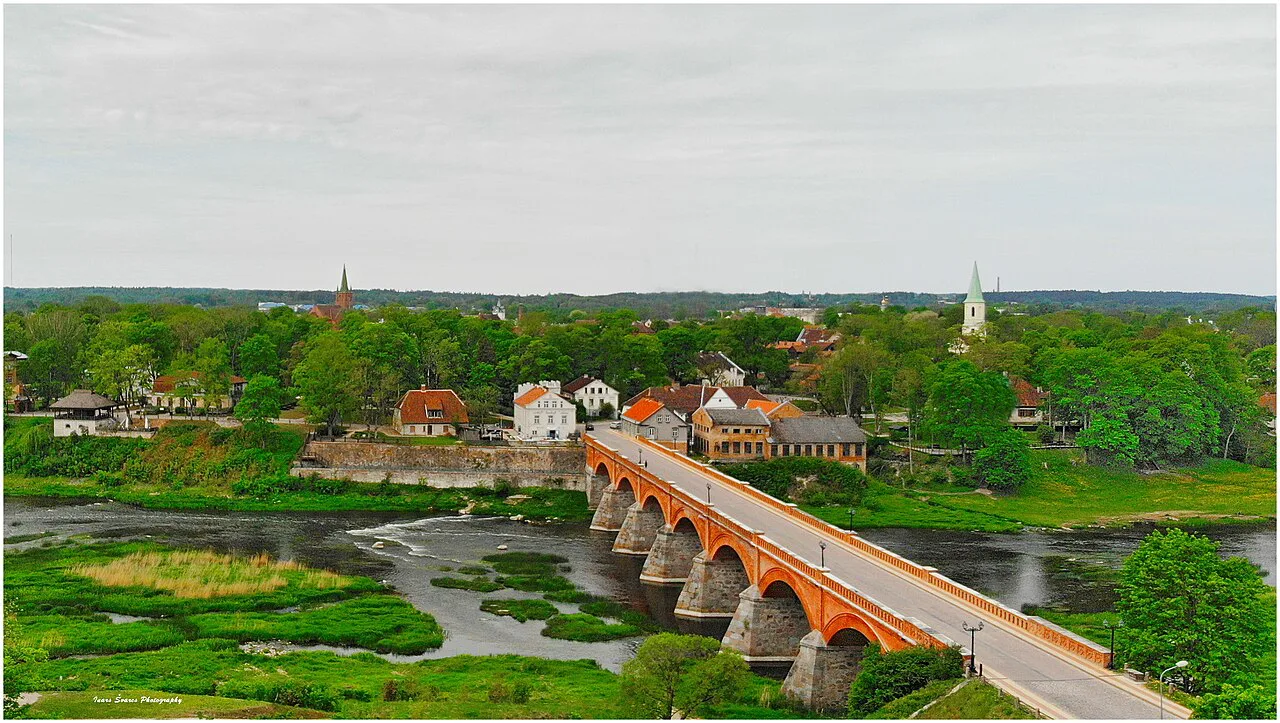
How many days you need in July
Allow four to five days for Riga plus the Gauja valley, which covers the essential city sights and a full day or two of national park walking. Add two or three days for the coast, or two for Latgale, if you want the trip to feel unhurried rather than a checklist.
Because July days are long, a five-day trip delivers more usable hours than the same length in spring or autumn. Use that to your advantage by keeping one day unplanned for weather, rather than booking every slot in advance.
Getting around Latvia in July
Riga is the hub, with buses and trains radiating to Sigulda, Cesis, Jurmala, Liepaja and Daugavpils; intercity buses generally cover the country more thoroughly than rail. Book popular coastal and Gauja services ahead for summer weekends, since July demand is high.
A car opens up the coast and Latgale far more effectively than public transport, especially for Cape Kolka and rural stops where services are sparse. Driving is straightforward and roads are quiet outside the capital, though you will want to plan fuel stops in remote areas.
Travelers arriving from the UK or US should bring a European plug adapter; Latvia uses standard European sockets. English is widely spoken in Riga and among younger Latvians, less so in rural areas and among older residents.
Who July suits and who should wait
July is right for walkers, cyclists, city-breakers and anyone who values long evenings over hot weather. It is also the best month for combining Riga with the Gauja valley and the coast in one trip, since every outdoor element is at its most accessible.
Skip July if you want warm sea swimming, low prices or empty streets, or if you dislike crowds in compact old towns. Late spring and early autumn offer much of the same scenery with fewer people, while August keeps the warmth and adds slightly warmer water at the cost of shorter days.
For a broader comparison of when to come, our verdict on whether Latvia is worth visiting lays out the trade-offs across the year.
Drawbacks worth knowing
Rain is the main one: July is the wettest month in Riga, and thunderstorms can interrupt an afternoon with little warning. Peak prices in the capital are the second, and the Baltic's cool water is the third for beach-focused travelers.
Rural transport is limited, some coastal and countryside services wind down after the high season, and English thins out away from the cities. None of these should put you off, but plan around them rather than being surprised.
Plan Your Visit
July is the best month for a first trip to Latvia if mild weather, long light and outdoor days matter more to you than warm water or low prices. Base yourself in Riga for the city, add the Gauja valley for walking, and give the coast a couple of nights.
Book Riga early, keep one flexible day for rain, and set expectations for the Baltic accordingly. Do that and July delivers the version of Latvia most travelers hope for.
Explore more Latvia trip-decision guides
Frequently Asked Questions
How hot is Latvia in July?
Daytime highs typically sit in the low to mid twenties Celsius (low to mid seventies Fahrenheit), with nights around 12 to 14 °C (54 to 57 °F). Short spells can push past 30 °C (86 °F), but they are the exception rather than the pattern.
Does it rain a lot in Latvia in July?
July is Riga's wettest month, with about 80 mm and rain on roughly one day in three across the summer. Much of it comes as afternoon thunderstorms, so mornings are generally the better bet for outdoor plans.
Can you swim in the Baltic Sea in Latvia in July?
You can, but expect it to be bracing. Water in the Gulf of Riga reaches around 17.5 °C (63 °F) in July, warming slightly in August, so most visitors treat it as a short dip rather than a long swim.
Is July a good time to visit Latvia?
Yes, for a first trip focused on cities, national parks and the coast. It is the warmest month with the longest days, but also the busiest and most expensive in Riga.
Is July or August better for Latvia?
July gives the longest evenings, while August keeps similar warmth and slightly warmer sea water but loses daylight. Choose July for light and outdoor time, August for swimming.
How many days do you need in Latvia in July?
Four to five days covers Riga and the Gauja valley comfortably, and a week lets you add the coast or Latgale without rushing. Long daylight means those days go further than in spring or autumn.
Sources
Trip-decision notes
Optional updates when we publish or revise a destination verdict.
You might also like
Continue reading
More guides you'll find useful