Latvia in October: Weather, Autumn Colours & Should You Go
Latvia in October means peak autumn colour, quiet cities and cold nights. See typical weather, the best foliage spots and who should wait for summer.
On this page
October is worth it in Latvia if autumn colour is the reason you are traveling, and it is a poor choice if you want beaches, long evenings or reliable sunshine. The country turns gold and copper in the forests around Riga, along the Gauja valley and in the far east, while crowds thin out and prices soften from summer levels. The catch is weather that swings from mild afternoons to frost after dark within the same week.
Treat mid-October as a target rather than a fixed date. Colour depends on how wet the spring was and how sunny and cool the autumn turns out, so the peak shifts from year to year, as Latvia's official travel site notes when it puts the best foliage around the middle of the month. Build a few days of flexibility into your booking and you will catch the landscape at its best.
The verdict
Go in October for landscapes, not for city sightseeing in comfort. Latvia is more than half forest, with a further slice of it bog, so the seasonal change is not a decorative detail but the main event, which the country's travel board leans on when it markets the season. Riga remains the natural base, but the reason to come now is what lies outside the capital.
If you are still weighing the country against its neighbours, our take on whether Latvia is worth visiting sets out the trade-offs and costs plainly, and October only sharpens the argument: thinner crowds, lower prices, and a genuine reason to leave the capital.
The honest drawback is daylight. Early October still gives you usable afternoons; by the end of the month the light fades early and the damp chill settles in, which matters if you planned long days of walking between towns. Plan outdoor days for the first half of the month and keep the last week for cities and museums.
Who will love Latvia in October
Photographers, hikers and anyone who prefers a national park to a queue will get the most from this month. Latvians themselves know the Gauja valley is spectacular in autumn, and they turn out in force at weekends, which tells you how good it gets. Travelers who want to combine architecture with nature in a single trip also do well here, since Riga's parks sit minutes from the Old Town.
Choose May or June instead if you want warm evenings, terrace dinners and the long northern twilight. Spring gives you fresh green woodland, the Gauja valley opening up and plenty of daylight; our guide to the best time to visit Latvia maps out what each season actually delivers before you commit.
Families with small children and travelers who feel the cold should think hard about late October, when nights dip below freezing and the daylight is short. If your trip can shift a month earlier, Latvia in September keeps much of the warmth and still catches the first colour.
What mid-October colour actually looks like
Expect a landscape rather than a single viewpoint: birch and maple turning yellow and orange, mosses shifting colour on the bogs, heather still in bloom and cranberries ready to pick. Latvia's travel board pitches the season on exactly this combination of weather and foliage, and the effect is strongest in mixed forest, which covers most of the country.
The colour is not guaranteed on a given date. A wet spring and a dry, sunny autumn with cool nights and warm days produce the most vivid display, so a year that runs warm and grey can push the peak later or mute it. Check the state weather service's outlook for the week before you lock in day trips.
October weather, early and late
Typical October conditions in Latvia run roughly 10°C (about 18°F) cooler than summer, with nights that can drop below freezing, according to the national travel board's seasonal summary. That is a description of normal conditions, not a forecast: a mild October afternoon near 20°C (68°F) is possible, and so is frost before the middle of the month.
Split the month in your planning. Early October usually means changeable but walkable days, some sun, and colour just building; late October brings cold nights, damp air and darkness arriving early, with the foliage past its best in many spots. Pack layers you can shed on a sunny afternoon and a waterproof layer you will actually use.
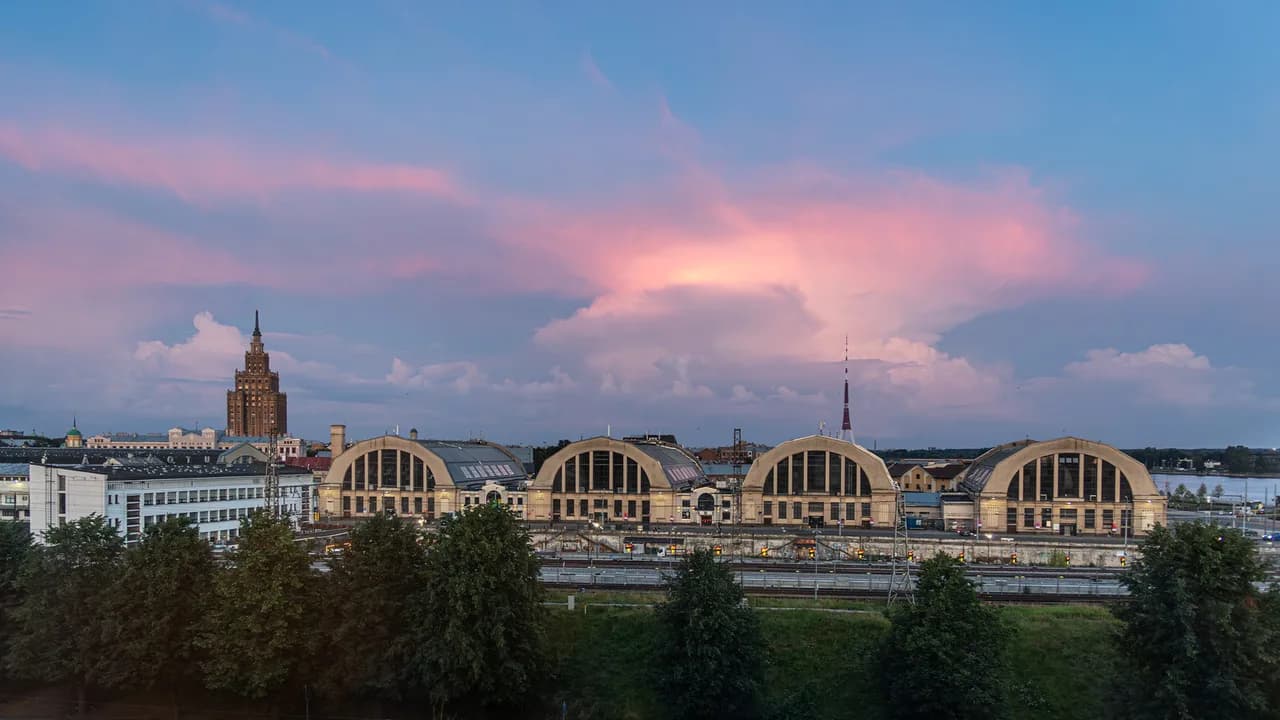
Rain is the constant across the whole month, and it falls on more days than not in a typical October, so build indoor alternatives into each day: Riga's museums, the Central Market halls, or a cafe stop between park visits.
Riga in October
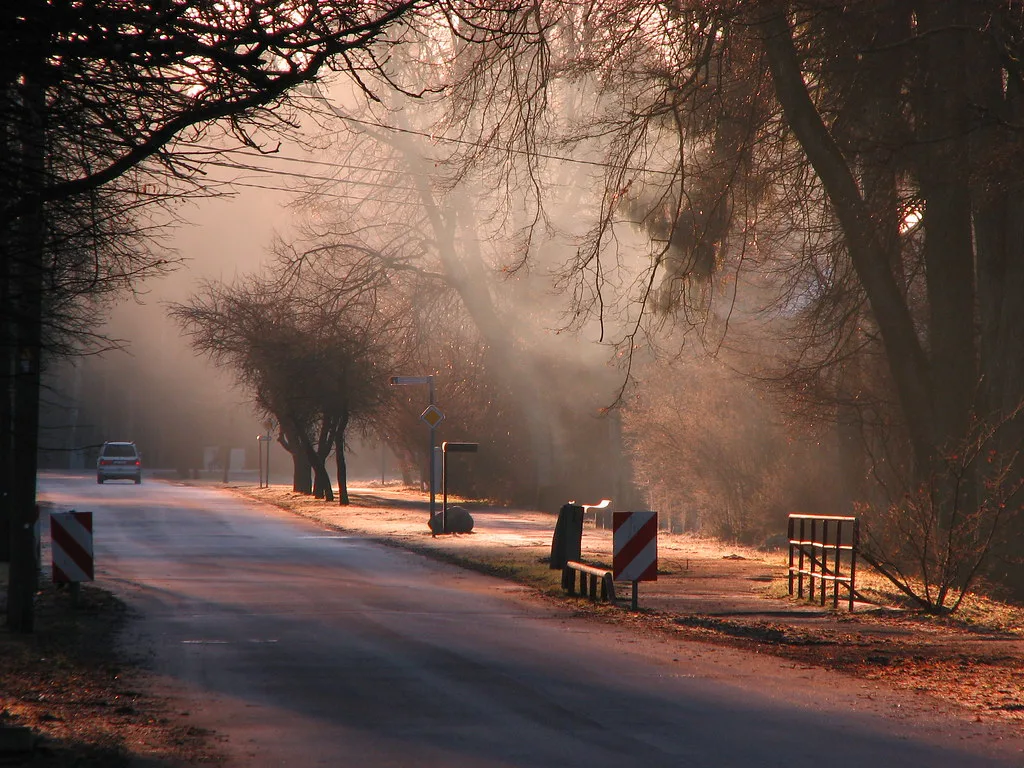
Riga is the easiest place to start, and the city itself rewards a slow October morning. Bastejkalns Park, laid out on the former fortifications west of the Freedom Monument, has narrow paths along the Pilsetas Canal, small bridges and a raised vantage point over the water, and the trees along the canal turn gold for several weeks.
Walk five minutes north to the Esplanade for the Orthodox cathedral's domes framed by colour and the Latvian National Museum of Art nearby. For the best overview, climb St Peter's Church spire in the late afternoon: the ticket covers the church and the viewing platform, and the ticket office closes at 5pm in the autumn season, so go early rather than late.
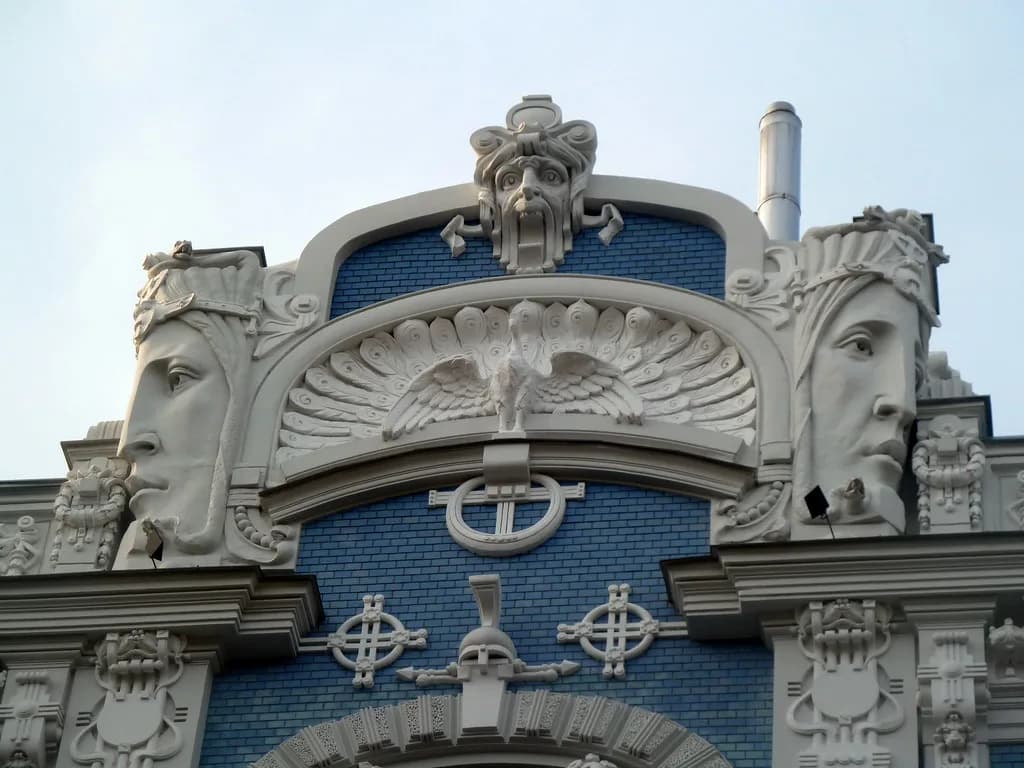
Beyond the parks, the Kalnciema Quarter Saturday market brings farmers' produce, honey, bread and knitwear into a cluster of restored wooden buildings, and it is a good wet-weather plan. Riga's Art Nouveau streets and the Central Market fill the rest of a rainy afternoon without a car.
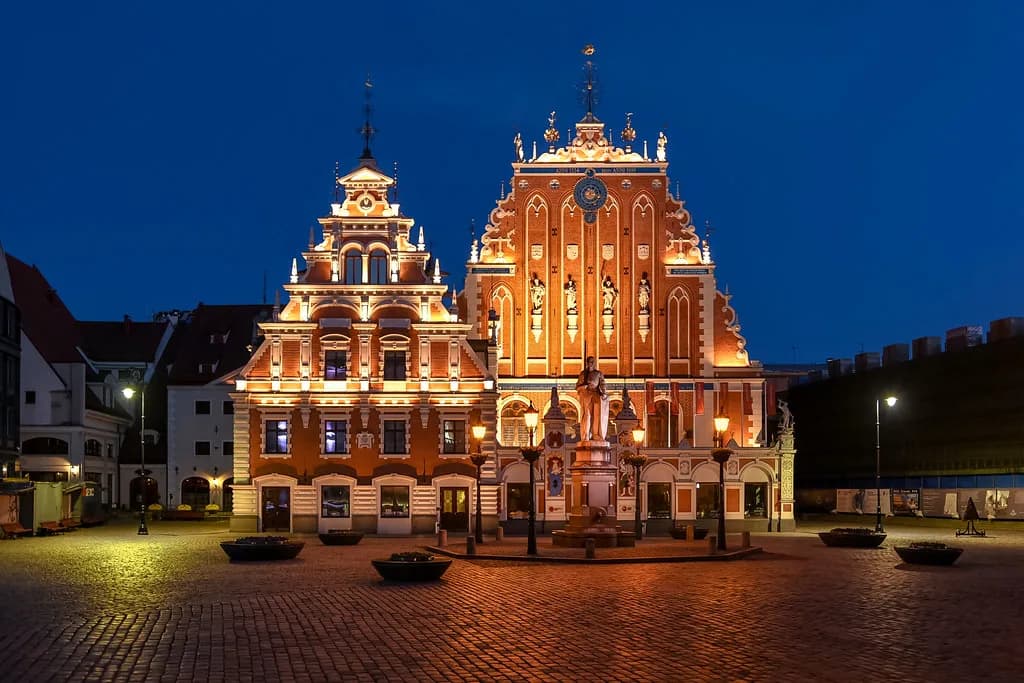
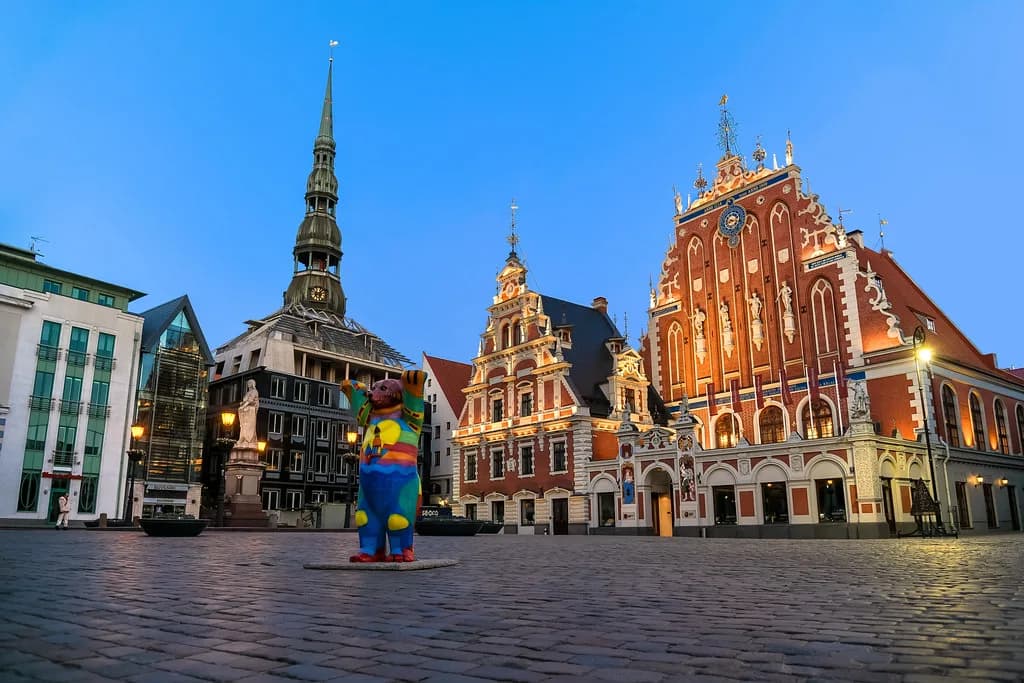
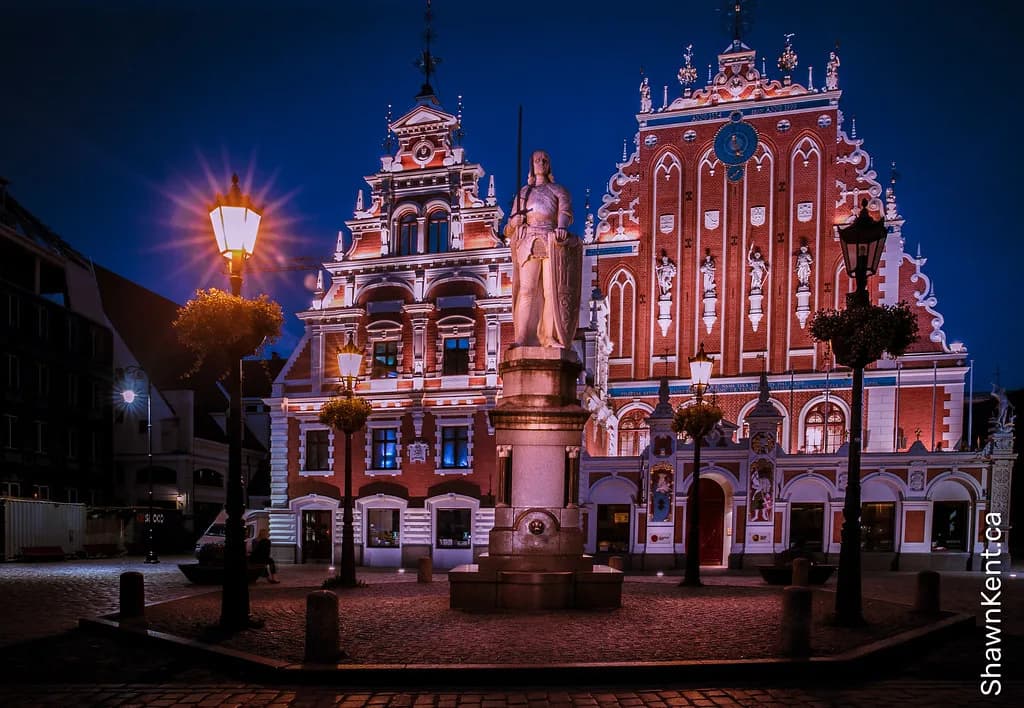
If Riga is the anchor of your trip, our Riga Old Town notes cover what the historic core is actually like to walk, including how much of it you can see in a day. Give the city two or three days and use it as a base for the surrounding countryside.
Sigulda and Turaida: the Gauja valley
Sigulda is Latvia's autumn showcase, and the Gauja River valley is the reason. A small cable car crosses the valley to Krimulda, giving you the classic view over the turning forest; you can ride it both ways or take it one way and walk back along the river. Paradise Hill, also called Painters Hill, offers another wide view, with Peter's Cave a short walk away through the sandstone valley.
Plan Sigulda for a weekday. Latvians know their own country is at its best in autumn, and Sigulda is one of the few places with real hills, so weekend day-trippers from Riga fill the roads and car parks. A Tuesday or Wednesday visit gives you the same valley with a fraction of the traffic.
Cross to Turaida on the same day and give the castle a few hours rather than a quick stop. The medieval red-brick fortress, its surviving tower, the Folk Song Park with its oversized sculptures and the Rose of Turaida monument sit inside wooded grounds that are as good as the view from the tower.
Sigulda sits inside Gauja National Park, which is the single strongest argument for October, and our guide to Gauja National Park explains what else the protected valley holds beyond the castle circuit.
Jūrmala once the resort goes quiet
Jūrmala, 25 km from Riga on the Gulf of Riga, is a seaside town that empties out in October and is all the better for it. The beach runs for 33 km of fine quartz sand backed by pines and dunes, and the resort's wooden villas and eclectic architecture are best seen on a quiet walk rather than in a summer crowd.
Walk the Ragakapa nature park boardwalks on the edge of town and you get pine forest, dunes and colour without needing a car once you arrive. Swimming is out of the question by October, so treat Jūrmala as a half-day of coastal walking rather than a beach day.
Beyond the centre: Tērvete, Cena Bog and Alūksne
Tērvete, about an hour south of Riga, is a forest nature park with two fantasy villages of miniature wooden houses and winding paths, plus an observation tower that rises above the treetops. It works well for families and for anyone who wants a forest walk with a destination; the sculptures are the draw for children, the tower for the view.
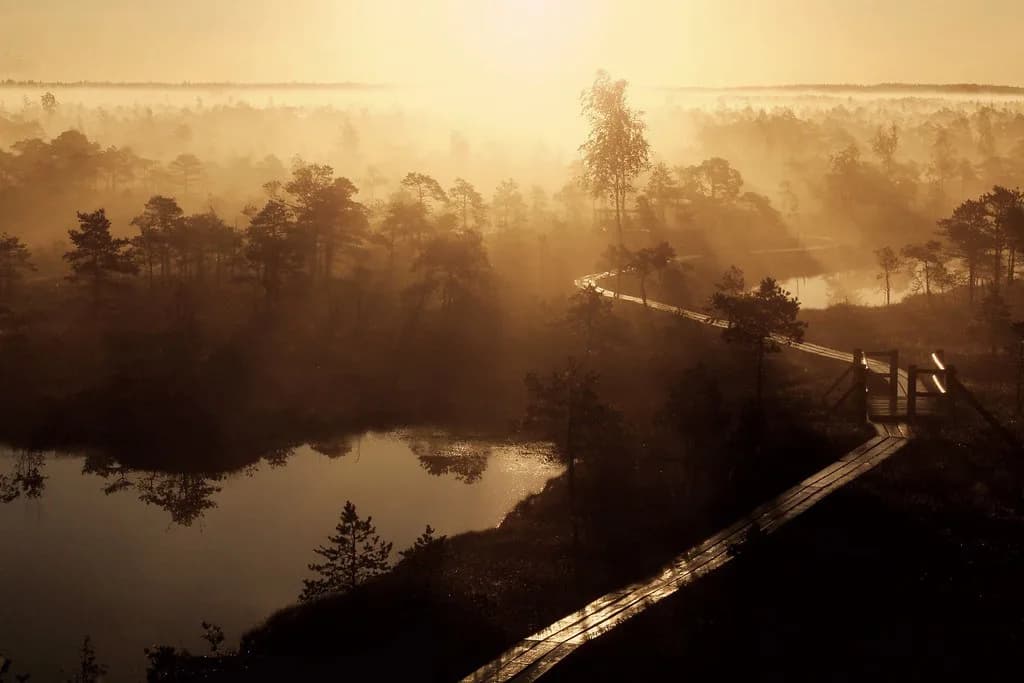
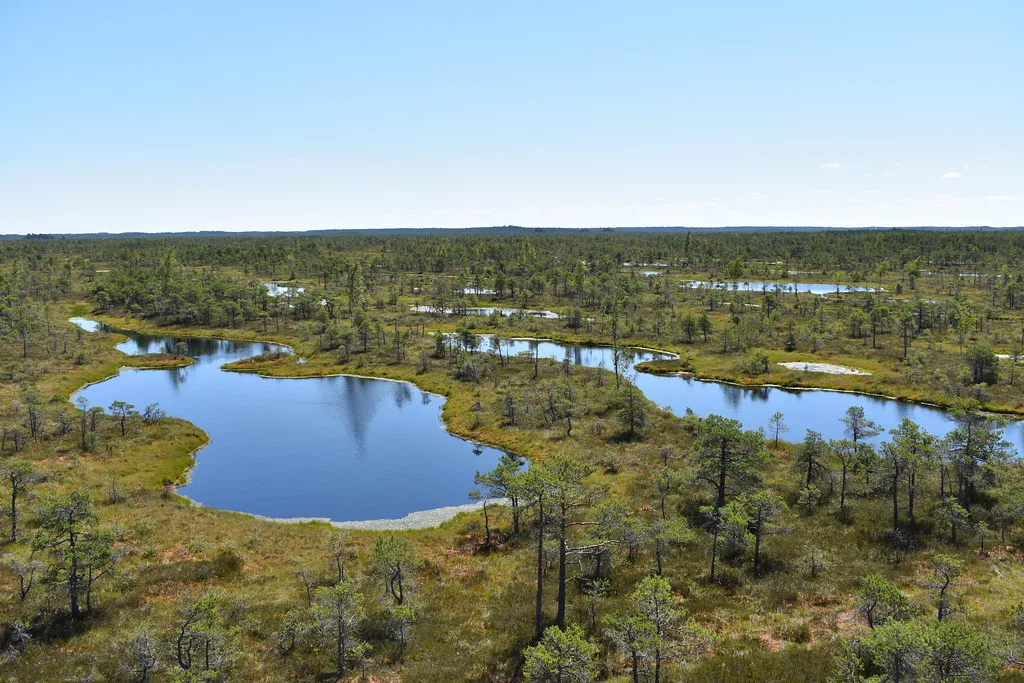
Cena Bog between Riga and Jūrmala gives you the other face of the Latvian landscape, with moss turning colour, heather in bloom and dark bog pools. A boardwalk lets you visit independently, but the wild bog around it is genuinely hard to navigate, so a guided walk is the sensible choice if you want to go further.
Alūksne in the far east is the long-haul option, reached after hours on a road that is not always smooth, and it rewards that effort with lakeside views, a manor park that turns gold and an observation tower over the water and forest. Only add it if you have a week and a car.
October events worth planning around
Riga Restaurant Week falls in the second week of October, when participating kitchens serve a three-course tasting menu built on seasonal ingredients such as forest mushrooms, autumn berries and freshwater fish. The set menu price of €15 is the figure the event has been reported at, and many of the restaurants taking part sit well above the everyday price bracket, so it is one of the better-value meals of the Latvian year.
Later in the month, the Kalnciema Quarter market continues through autumn, and Riga's cultural calendar fills out toward the end of October with design and music events. Confirm dates with the organisers before you schedule a trip around a specific event.
How many days you need
A long weekend gives you Riga plus one day in Sigulda, which is the minimum viable October trip: two days in the capital for parks, the spire and the market, one weekday in the Gauja valley. Add a half day for Jūrmala if the weather holds.
A full week lets you add Tērvete or Cena Bog and still keep a buffer day for rain, and it is the amount of time Alūksne demands. A car makes the eastern and forest stops markedly easier; without one, base yourself in Riga and pick the day trips that run from there.
Typical costs in October
October sits in the shoulder season, so accommodation and flights cost less than in July or August, and Riga's restaurants are easier to book. Latvia uses the euro, which simplifies budgeting for American travelers, and the short version is that the country is cheaper than Western Europe without being a bargain destination.
For a proper breakdown of daily spending, from museum tickets to meals, our guide to how expensive Latvia is sets out the realistic range and where the money actually goes.
Two known costs are worth budgeting for: the St Peter's Church spire ticket, which includes the church itself and is one of the better-value viewpoints in the city, and the Restaurant Week set menu if your dates line up. Everything else — transport, entry fees, guided bog walks — should be checked before you travel, since prices change.
Getting there and around without a car
Riga International Airport is the main gateway, with direct flights from a range of European cities and connections from North America. From the airport, buses and taxis reach the center quickly, and the city itself is walkable once you are in the Old Town or the park belt.
For Sigulda, trains from Riga are the simplest option and drop you in the town, but check the timetable for the day you travel, since services thin out later in the year. Jūrmala is reachable by suburban train as well, which makes both day trips possible without renting a car.
A car only pays off for Tērvete, Cena Bog and Alūksne, where public transport is slow or infrequent. If you rent one, remember Latvia drives on the right like the rest of continental Europe, and rural roads are slower than the distances suggest.
Drawbacks
Rain, mud and short daylight are the three things that will dent an October trip. Trails in the Gauja valley and around the bogs turn soft after wet days, and the sun sets early enough by late October that a late start costs you a whole outdoor afternoon.
Weekend crowding in Sigulda is the other trap, since it is the one place where Latvians themselves head in numbers. Book around weekdays and you avoid both the traffic and the full car parks.
October against September and November
September is warmer, brighter and still green, but the colour has not arrived; November has the dark, the cold and the pre-holiday mood but loses the leaves. October sits between them as the only month that combines usable temperatures with peak foliage, which is the whole case for going now.
If you are comparing countries as much as months, Latvia vs Lithuania weighs the two Baltic neighbours on cities, coast and countryside, and the autumn case for Latvia is the depth of its forest and bog landscape. If your shortlist runs wider, it is also worth asking is Estonia worth visiting for the northernmost of the Baltic trio.
Finally, if language is on your mind, do they speak English in Latvia answers it plainly for the towns you will actually visit.
The verdict by traveler type
Photographers, walkers and anyone who wants a national park without a crowd should book October, aim for the middle of the month, and put Sigulda on a weekday. Beach travelers, families with young children and anyone who needs reliable sunshine should choose June instead.
City-first travelers should still come: Riga's parks, markets and museums carry a rainy week, and Jūrmala's empty coast is a half-day well spent. Just plan the outdoor days early in the month and leave the short, dark evenings for restaurant week and the Kalnciema Quarter.
Explore more Latvia trip-decision guides
Frequently Asked Questions
Is Latvia worth visiting in October?
Yes, if autumn colour and quiet trails are what you want. October gives you turning forests, thinner crowds and shoulder-season prices, but the weather is changeable, nights can drop below freezing and daylight shortens sharply by the end of the month. Travelers who want warm beach days should pick June or July instead.
When are the autumn colours best in Latvia?
Mid-October is the usual target, according to the national travel board, but the peak shifts from year to year depending on spring rain and autumn sun. A warm, grey autumn can push the colour later or mute it. Keep a few flexible days in your plan and pick your outdoor days once you can see the week's weather.
How cold is Latvia in October?
Typical October temperatures run about 10°C cooler than summer, with nights that can fall below freezing. In Fahrenheit, that means cool afternoons and genuinely cold evenings, so bring layers you can add and remove, plus a waterproof outer layer. These are normal conditions rather than a forecast, and a mild afternoon near 20°C does happen.
Is October a good time to visit Riga?
It is a good month for Riga if you accept rain. Bastejkalns Park and the canal turn gold, the Kalnciema Quarter market runs on Saturdays, and museums and the Central Market cover wet afternoons. The St Peter's Church spire gives the best view, though its ticket office closes at 5pm in the autumn season.
Should I visit Sigulda on a weekend in October?
No. Sigulda is the country's most popular autumn destination and Riga day-trippers fill it at weekends, with heavy traffic and full car parks. Go on a weekday, take the cable car across the Gauja valley, and combine it with Turaida Castle on the same day.
How many days do you need in Latvia in October?
A long weekend covers Riga and one weekday in Sigulda, which is the minimum. A week lets you add Jūrmala, Tērvete or Cena Bog and keep a buffer for rain. Alūksne in the east needs a car and several extra days.
Is Latvia cheaper in October than in summer?
Yes, October is shoulder season, so accommodation and flights generally cost less than in July and August and restaurants are easier to book. Latvia uses the euro, which makes budgeting simple for American travelers. Shoulder-season discounts vary by property and date, so check rates when you book.
Do I need a car to see Latvia in October?
Not for the classic trip. Trains reach Sigulda and Jūrmala from Riga, and the capital is walkable. A car only pays off for Tērvete, Cena Bog and Alūksne, where public transport is slow or infrequent. If you drive, rural roads take longer than the map suggests.
Sources
Trip-decision notes
Optional updates when we publish or revise a destination verdict.
You might also like
Continue reading
More guides you'll find useful