Latvia in August: Weather, Crowds and Whether It's Worth It
August is Latvia's warmest, busiest month, with long days in Riga, Jurmala beaches and Gauja trails. Here is who should go and what to expect.
On this page
August is the month to go to Latvia if you want the warmest weather of the year, daylight stretching deep into the evening, and a coast that finally feels like a coast. It is the strongest first-trip month for most travelers, and the weakest for anyone who hates crowds, peak-season rates and a Riga Old Town packed with tour groups. The decision comes down to which of those two you weight more.
The geography makes planning simple. Riga is the base for almost everyone, Jurmala sits twenty-odd minutes away by train on the Gulf of Riga, and Sigulda and the Gauja valley are an easy day trip inland. That means August in Latvia is less about touring the country and more about choosing how to split your days between a capital, a beach resort and a forested river valley.
The verdict
Go in August if this is your first trip to the Baltics and you want warm days, long evenings and the option of a beach afternoon without committing your whole trip to the coast. The month carries the country's peak travel season, and Riga's old town, Central Market and riverside all operate at full capacity, which is exactly what a first visit needs.
Skip August if you are traveling on a tight budget, dislike queues and crowded squares, or want a quiet nature trip. Late June and early July give you nearly the same daylight with slightly thinner crowds, while September trades a few degrees for emptier streets and lower rates; both are covered in our month-by-month look at the best time to visit Latvia.
The honest framing is that August is a good month with a real cost. You get the best odds of pleasant weather and the fullest event calendar, and you pay for it in accommodation prices and in the company of everyone else who made the same calculation.
What August weather actually feels like
Treat August as reliably mild rather than hot. Latvia's summer warmth is modest by Mediterranean standards, so plan for days that feel pleasant in the sun and cool once it clouds over or the evening sets in, with a light layer useful even in the middle of the month. The national broadcaster reported that Latvia's August mean temperature reached 19.8 C (about 67.6 F) in one exceptional year, some 2.9 C above the long-term norm, which shows what a warm August looks like rather than what every August delivers.
For planning purposes, use climate averages rather than any forecast: Riga's August conditions are commonly summarized around 18 C (64 F) with modest monthly rainfall of roughly 15 mm, according to Goway's Latvia weather guide. That rainfall figure understates how often the sky turns grey, because Baltic summer rain tends to arrive in short showers rather than long soaking days.
Inland runs a little warmer by day and cooler at night than the coast. Sigulda and the Gauja valley are where you notice this most: mornings start fresh, afternoons are the comfortable window for hiking, and evenings cool quickly once the sun drops behind the treeline.
Rain, sunshine and the sea in August
Expect changeable skies rather than a settled blue. A typical August week in Riga mixes bright, warm afternoons with cloudier, showery days, and the practical response is to keep your plan flexible: save the beach and the long forest walks for the clearer days and use the wetter ones for the Central Market, museums and the covered arcades of the old town.
For live conditions and monthly comparisons, AccuWeather's Riga monthly weather page tracks daily highs and lows through August, which is more useful than a single average when you are deciding which week to book.
The Gulf of Riga is shallow, which means it warms faster than open Baltic water and cools faster when the weather turns. August is the month when swimming at Jurmala is most plausible, but the sea still reads as bracing rather than bath-warm, and a windy day can push cold water back in. Check the water temperature on the day rather than assuming a warm sea.
Riga in August
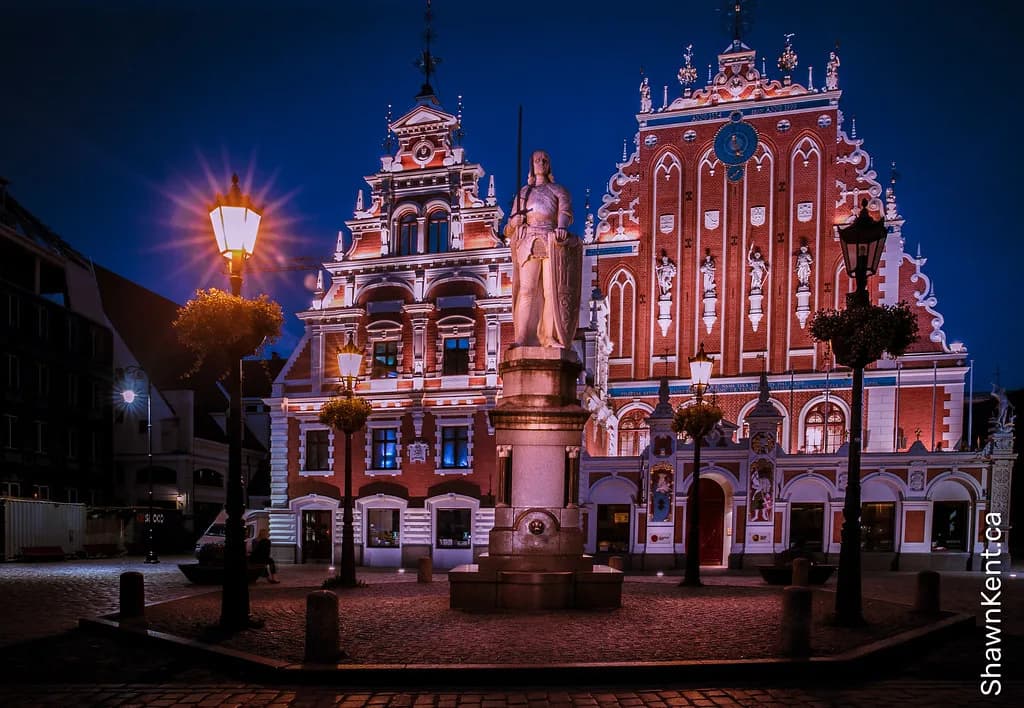
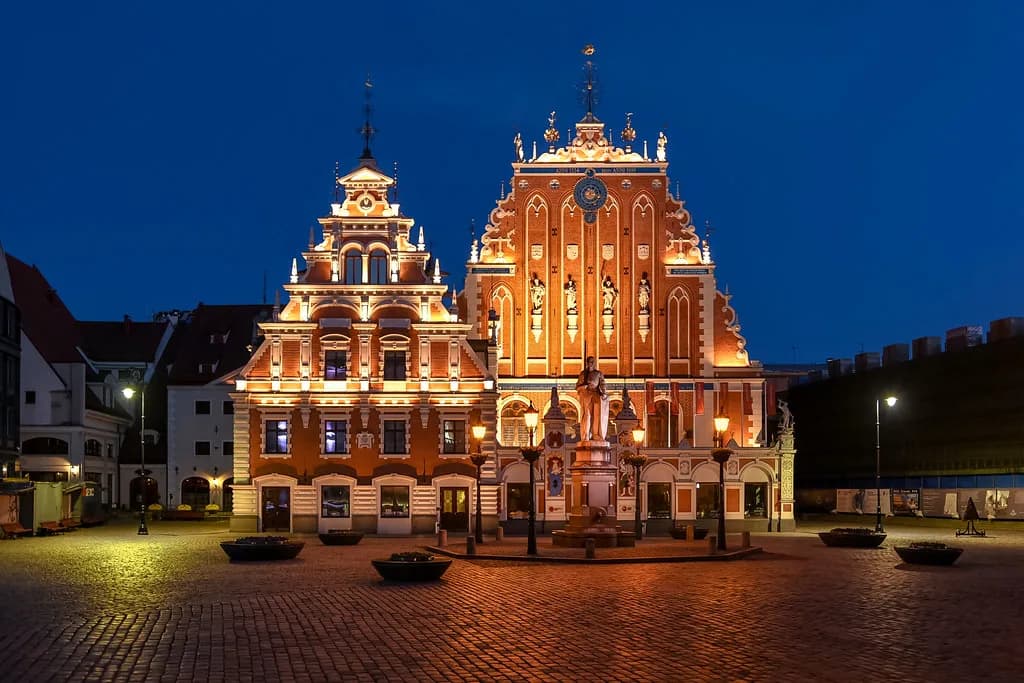
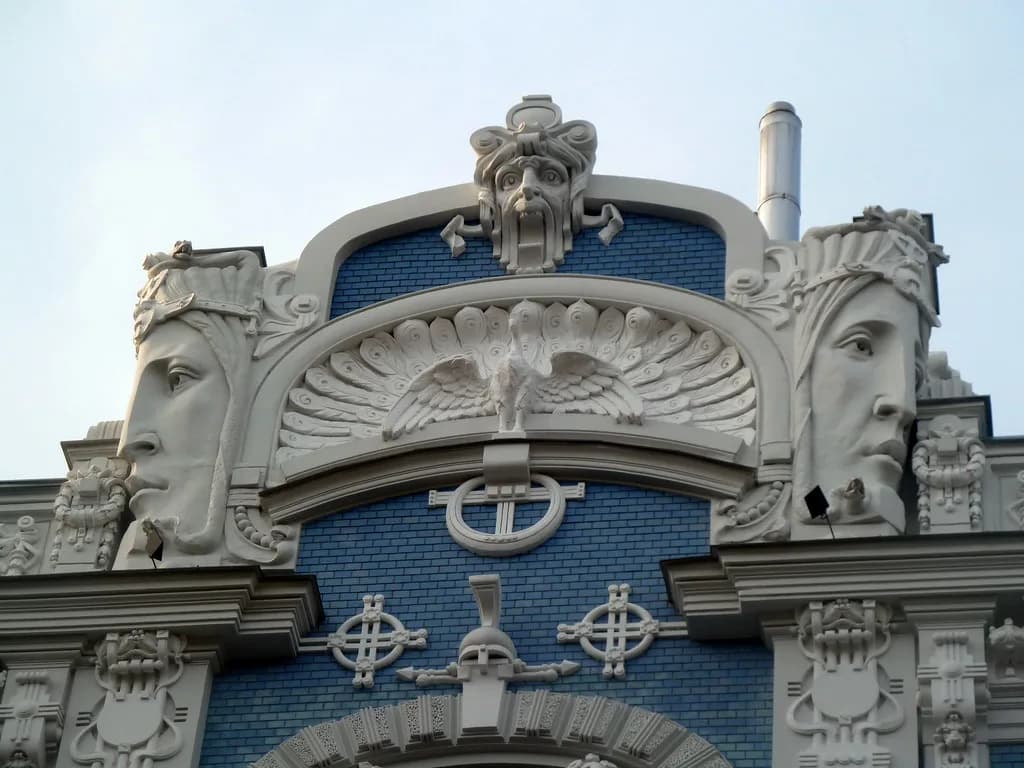
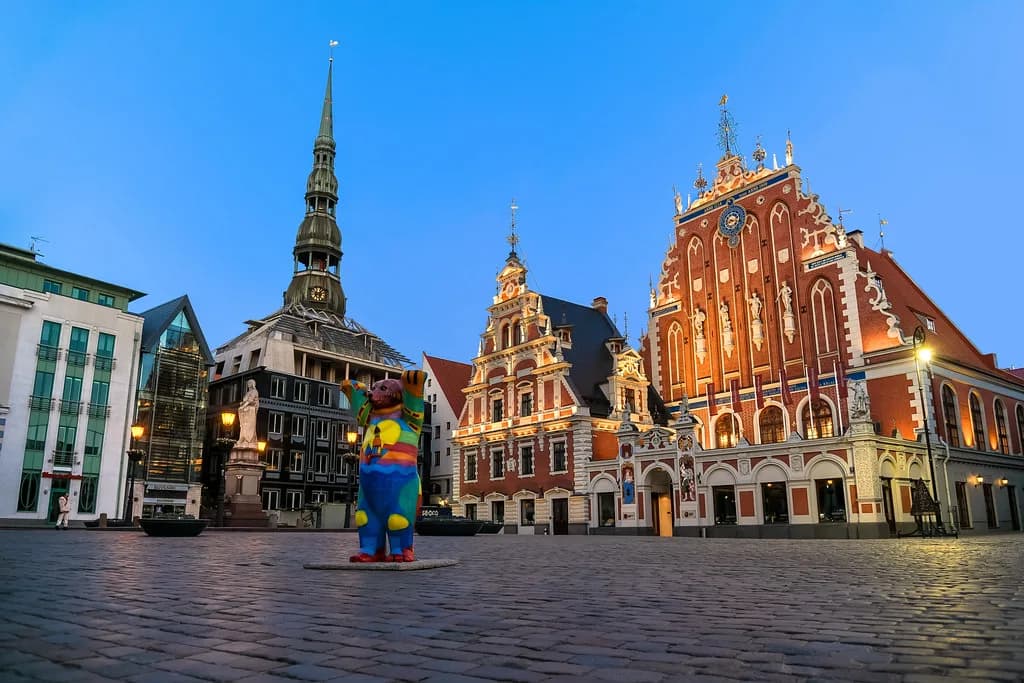
Riga is the reason most people come, and in August it is at its most animated. The Old Town's cobbled lanes around the Dome Cathedral and St Peter's Church fill early, so walk them before mid-morning and save the quieter streets for later; the Art Nouveau quarter around Alberta iela is a calmer alternative and one of the city's genuine highlights.
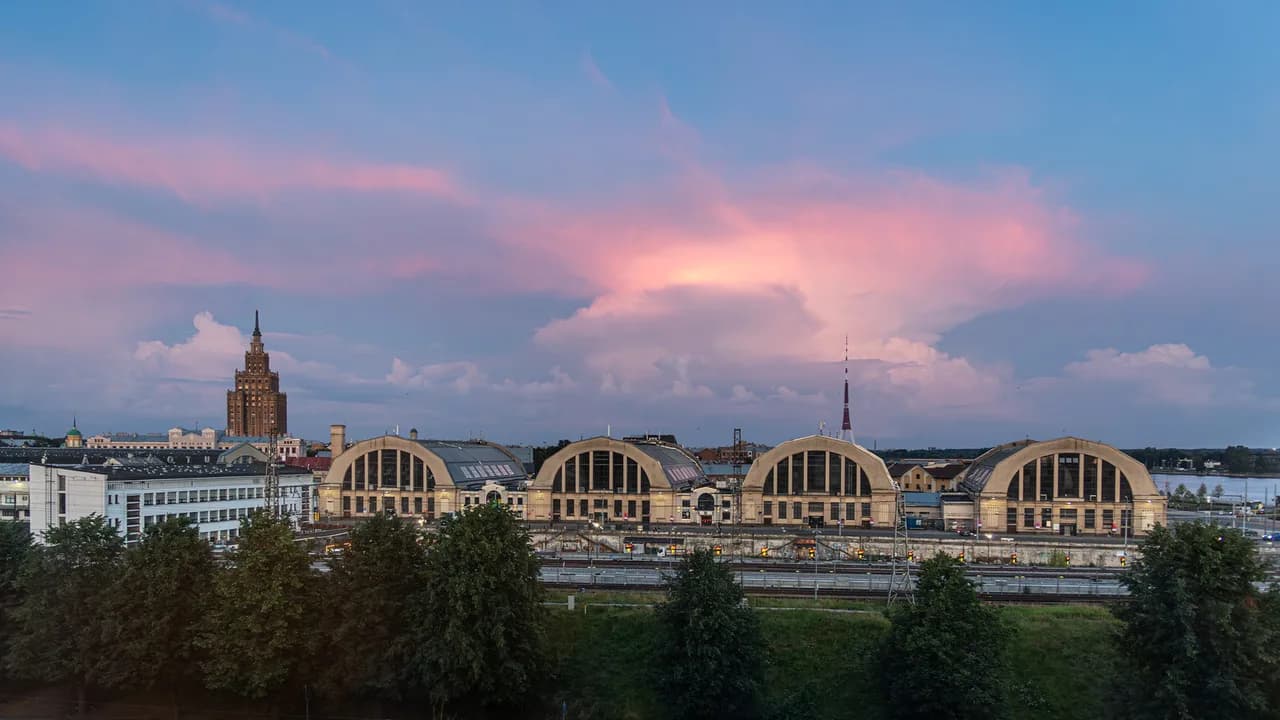
The Central Market, housed in converted Zeppelin hangars near the river, is where August shows its best face: strawberries, wild berries, smoked fish and pickles at the height of the season. Go hungry and treat it as lunch rather than a photo stop.
Cruise traffic shapes the rhythm of the old town. On days when ships are in, the squares and the main arteries feel considerably busier between mid-morning and late afternoon; you cannot control that, but you can plan your Old Town wandering for early morning or evening and spend the middle of the day at the market, in the parks along the canal, or out at Jurmala.
Jurmala and the coast
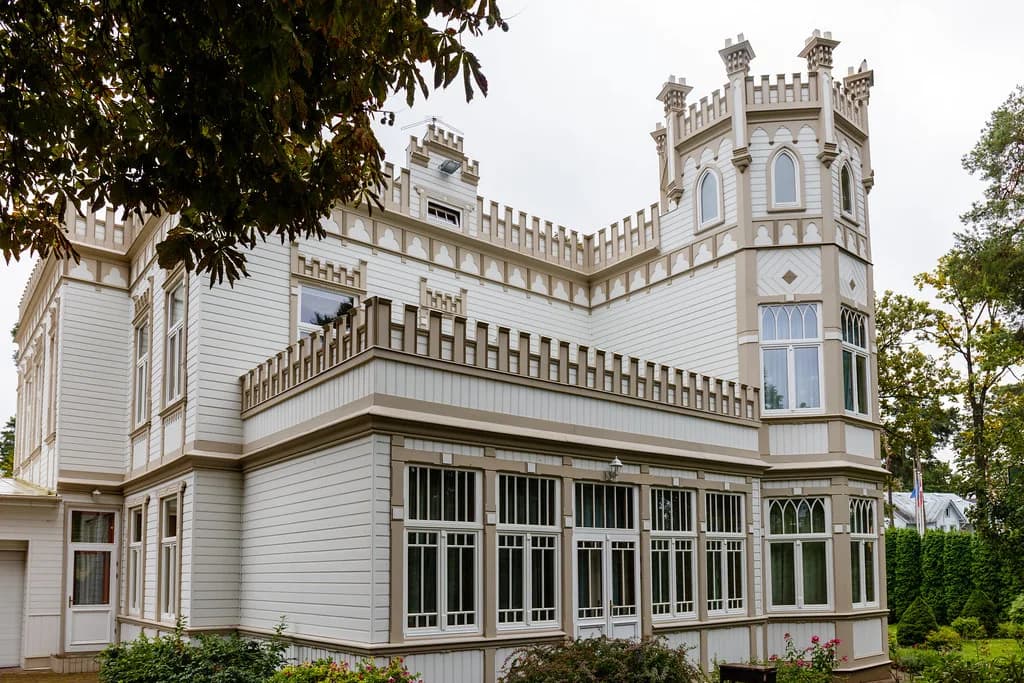
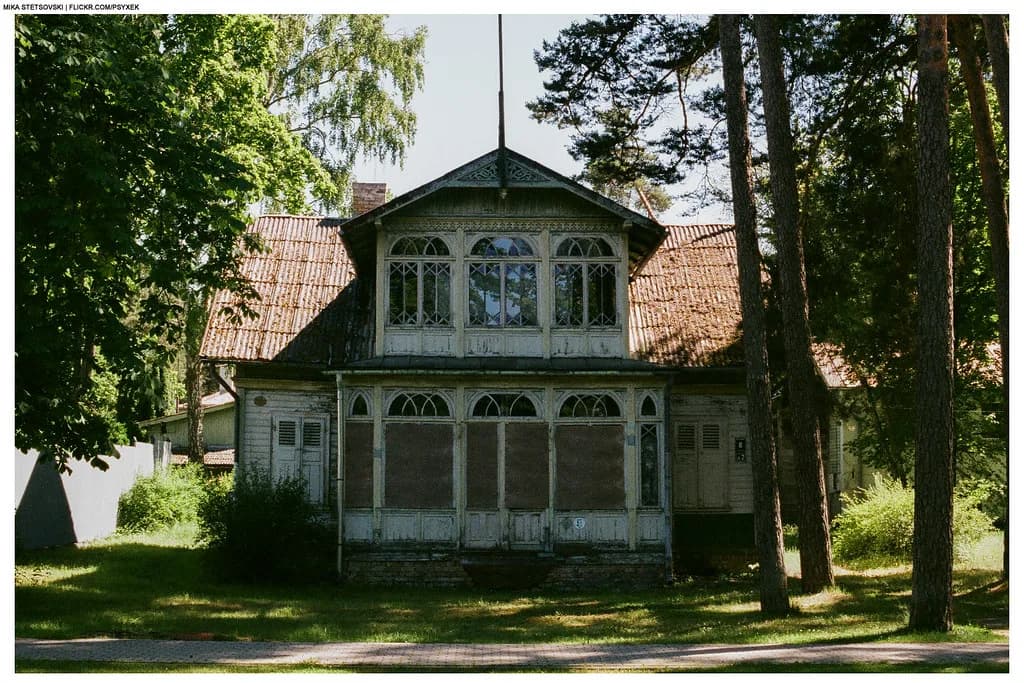
Jurmala is the classic Riga day trip and the reason many people choose August in the first place. The resort town stretches along the Gulf of Riga in a line of districts, with Majori as the liveliest center for cafés and Dzintari as the quieter, wooded stretch behind the beach; the sand is fine, pale and wide, backed by pine forest.
The beach and the forest are the point, not the town's built attractions. A good August day here is a morning swim, a walk through the pine belt between Majori and Dzintari, and a slow lunch, then an evening train back to Riga.
Be realistic about pricing pressure: Jurmala is Latvia's most expensive seaside address in high summer, and short-notice rooms in August are the toughest booking of the year. If Jurmala is central to your plan, treat accommodation there as the first thing to settle rather than the last.
Gauja National Park and Sigulda
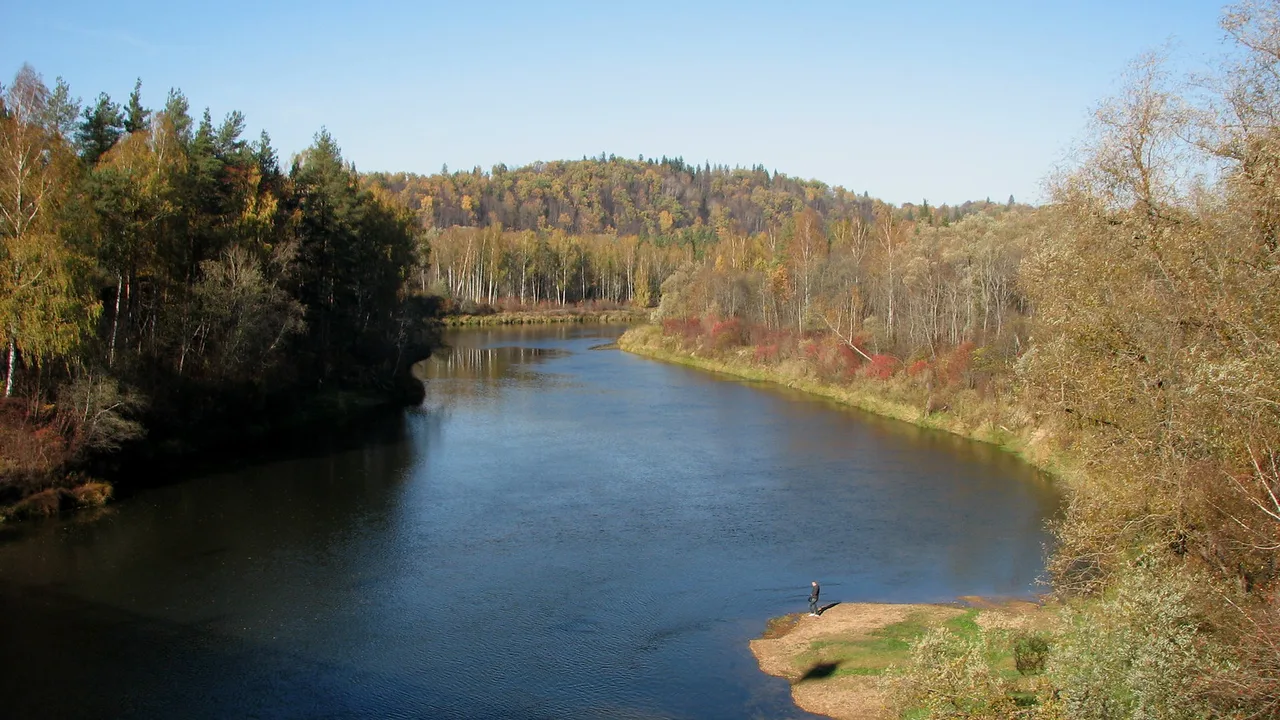
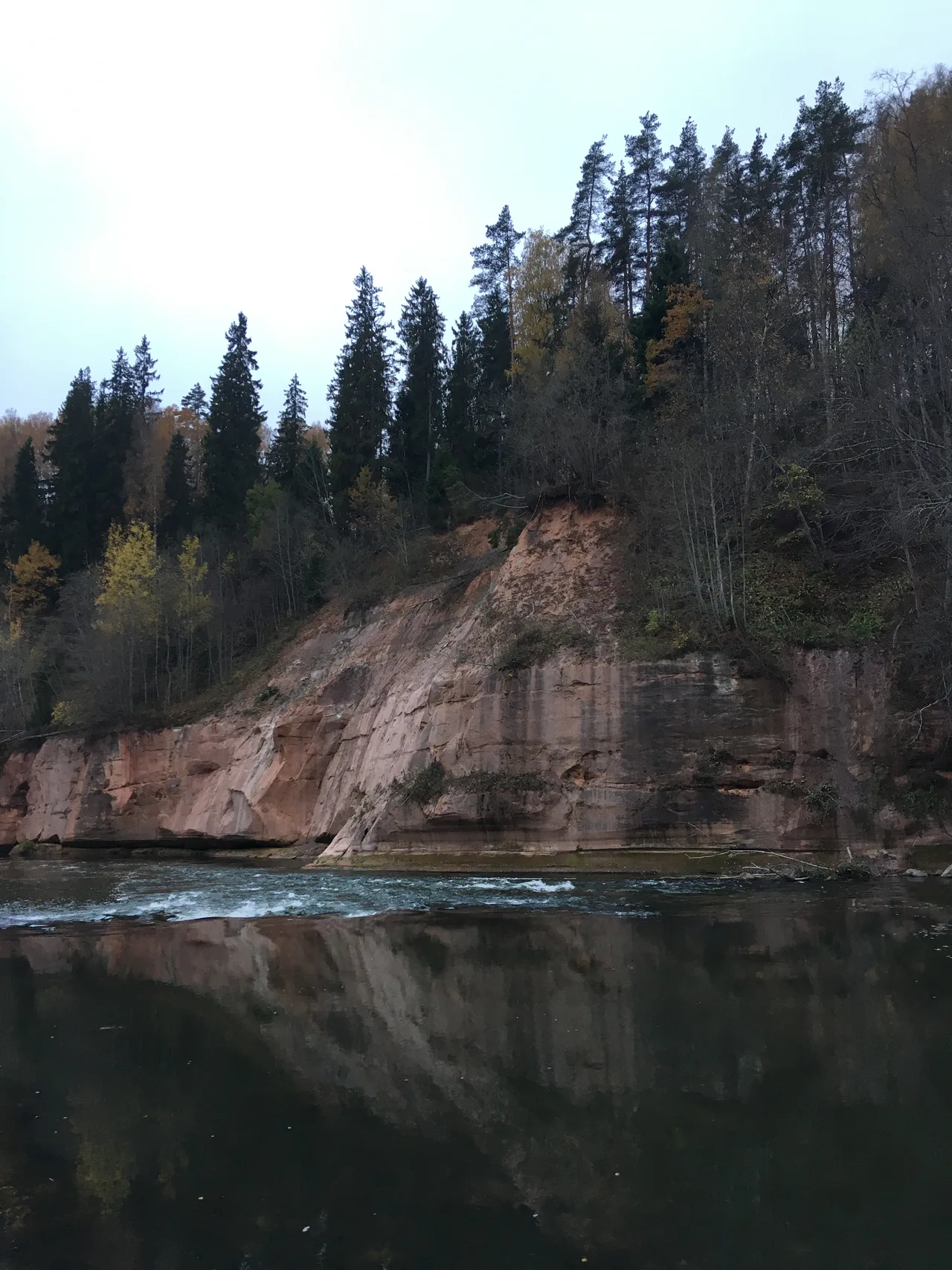
August is prime trail season in Gauja National Park, the forested river valley an hour or so from Riga around Sigulda. Turaida Castle, the medieval stone keep above the Gauja, is the signature sight, and the surrounding paths along the river bluffs give you the best half-day of walking within easy reach of the capital.
Sigulda also has the bobsleigh track, which runs visitor rides and is a genuinely unusual way to spend an hour, and the Gutmanis Cave and Krimulda manor side of the valley adds a second day if you want it. Because both Jurmala and Gauja work as day trips, the real planning decision is how many nights you keep in Riga versus how many you spend out in the valley.
Beyond Riga: Kuldiga, Cesis and Liepaja
If you have more than a few days, August rewards a wider loop. Cesis pairs a compact old town with a castle ruin and sits close enough to Sigulda to combine; Kuldiga, in the west, is known for its broad waterfall across the Venta and a well-preserved wooden center; Liepaja, on the Baltic coast, offers a different, windier seaside and a musical reputation.
These are slower, quieter places than Jurmala and they are where August crowds thin out. They also demand more time on buses and trains, so budget an extra day rather than trying to bolt one on as an afternoon.
Daylight and the August calendar
Long daylight is August's secret weapon. Even as evenings close in compared with June, you still get light well into the evening, which means a full day of sightseeing followed by a late dinner without feeling like the day is over.
August is also when Riga City Festival and Jurmala's summer season fill the calendar with concerts, markets and street events. Dates shift year to year, so check the organizer's own listings for your week rather than booking around a specific date you saw quoted elsewhere.
Crowds, prices and booking pressure
Peak season in Latvia is real but manageable. This is not Barcelona in August: the crowds are concentrated in Riga's Old Town and in Jurmala on warm weekends, and outside those pockets the country stays calm. The bigger pressure is on accommodation, where August is the year's most expensive and most fully booked month, especially on the coast.
Book Riga and Jurmala lodging well ahead if your dates are fixed, and be flexible on the rest. Food, drink and transport in Latvia remain moderate by Western European standards, and the seasonal premium lands mostly on rooms rather than on daily spending.
Drawbacks of August
Rain is the obvious one, and it arrives as showers rather than as all-day downpours, which makes it annoying rather than trip-ruining. Mosquitoes are the second: the Gauja valley and the forest belt behind Jurmala both bite in August, particularly in the evening near water, so take repellent seriously on any overnight inland.
Transport and accommodation tighten at short notice. Trains to Jurmala and buses toward Sigulda are frequent, but popular departures on warm weekends fill, and arriving without a plan for where to sleep is a worse idea in August than in any other month.
How many days you need
Three full days is the minimum for a satisfying August trip: two in Riga and one out at Jurmala or Sigulda. Five days lets you do both day trips properly and slow the city down. A week or more justifies adding Cesis, Kuldiga or Liepaja and staying a night in the Gauja valley rather than day-tripping.
If you have only a long weekend, base yourself in Riga and pick one day trip. Trying to combine Jurmala and Sigulda in a two-night stay means spending most of it in transit.
Getting there and around
Riga Airport is the gateway, with direct flights from major European hubs and connections onward from North America. From the airport, buses and taxis reach the center quickly, and Riga's compact core means you rarely need a car in the city.
For the coast and the Gauja valley, trains and buses do the job: Jurmala is served by frequent suburban trains from Riga, and Sigulda by both train and bus. Car hire makes sense only if you plan to loop through Kuldiga, Liepaja and Cesis, where public transport connections are thinner and slower.
Who should choose a different month
Budget travelers and anyone allergic to crowds should look at September, which keeps much of the warmth and daylight with noticeably thinner demand, or at late June for the longest days of the year. Hikers who want dry trails and fewer people will also prefer early autumn. Our comparison of Latvia vs Lithuania is useful if you are still choosing between the two for a Baltic trip. If you are weighing the wider region, our verdict on whether Estonia is worth visiting covers the same month-by-month trade-offs for its neighbour to the north.
Travelers whose priority is a hot beach holiday should reconsider the destination altogether: the Gulf of Riga is a bracing northern sea, and August here is a pleasant coastal month rather than a guaranteed sunbathing one.
Verdict by traveler type
First-time visitors and city-breakers: go in August. The capital is at its best, the day trips work, and the long evenings make a short trip feel longer than it is.
Families: August is the easiest month, with warm days, shallow water at Jurmala and short train rides that children tolerate. Hikers and nature travelers: August is excellent in Gauja, so long as you accept shower risk and bring repellent.
Budget travelers and crowd-averse travelers: shift to September, or accept that you are paying a premium for the best weather of the year. Beach-focused travelers: come for the coast but keep expectations at northern-sea level.
Plan Your Visit
August is the right month for a first Latvia trip built around Riga with Jurmala and Gauja as day trips, and it is the wrong month if you want quiet streets and low-season prices. Decide which of those you want before you plan, because the answer changes everything from your base to your budget.
For the bigger picture on whether the country earns a place on your Baltic itinerary, read the broader Latvia verdict before you lock in dates.
Explore more Latvia trip-decision guides
- Best Places to Visit in Latvia
- Do They Speak English in Latvia? A Candid Answer for Travelers
- Is Latvia Expensive? A Candid Guide to What a Trip Costs
- Latvia in April
- Latvia in June
- Latvia in May
- Latvia in October
- Latvia Plug Type
- Money in Latvia
- Renting a Car in Latvia
- Latvia eSIM
- Latvia Itinerary
- Latvia Travel Tips
- Riga vs Vilnius
Frequently Asked Questions
What is the weather like in Latvia in August?
August is Latvia's warmest month on average, but mild rather than hot. Riga's August conditions are commonly summarized around 18 C (64 F) with modest monthly rainfall, and inland areas such as Sigulda run a little warmer by day and cooler at night. Use these as typical conditions from climate averages, not as a forecast for your week.
Is August a good time to visit Latvia?
Yes for a first trip. August brings the warmest weather, the longest usable evenings of the summer and the fullest event calendar, with Riga, Jurmala and Gauja National Park all at their best. It is a weaker choice for budget travelers and anyone who dislikes crowds, since it is also the most expensive and busiest month.
Is Riga crowded in August?
Riga is busy but not overwhelming. Crowds concentrate in the Old Town, and cruise-ship days push the squares and main streets to their fullest between mid-morning and late afternoon. You can work around it by walking the Old Town early or late and spending the middle of the day at the Central Market, in the canal-side parks or out at Jurmala.
Is Latvia rainy in August?
Rain is common but usually arrives as short showers rather than all-day downpours. Monthly rainfall totals look modest, but grey skies are frequent, so plan flexible days: keep the beach and long forest walks for clearer weather and use wetter days for markets, museums and the old town.
How many days do you need in Latvia in August?
Three full days covers Riga plus one day trip, either Jurmala or Sigulda. Five days lets you do both properly and slow down in the capital, and a week or more justifies adding Cesis, Kuldiga or Liepaja, or spending a night in the Gauja valley instead of day-tripping.
Can you swim at Jurmala in August?
August is the most plausible month for swimming on the Gulf of Riga, because the shallow coastal water warms faster than the open Baltic. It still feels bracing rather than warm, and a windy day can push colder water in, so check the water temperature on the day.
Sources
Trip-decision notes
Optional updates when we publish or revise a destination verdict.
You might also like
Continue reading
More guides you'll find useful