Riga vs Vilnius: Which Baltic Capital Fits Your Trip?
Riga wins on Art Nouveau architecture and its Zeppelin-hangar market; Vilnius wins on Baroque old town, cafe culture and walkability. Choose by travel style.
On this page
Pick Riga if Art Nouveau architecture is the reason you are flying to the Baltics, and pick Vilnius if you want a wider, easier city break with churches, coffee and a bohemian quarter within walking distance of each other. That is the short version. The longer one comes down to character, crowds and how much walking between sights you are willing to plan.
The two capitals are often lumped together as a single Baltic circuit, but they reward different travelers. Riga is a larger, quieter city with one world-class obsession; Vilnius is smaller in population but sprawls into a Baroque old town that is bigger by area than Riga's medieval core. If you are still weighing the wider country picture, our guide to whether Latvia is worth visiting sets Riga in the context of the coast, the countryside and the national parks before you commit.
The verdict: pick Riga for architecture, Vilnius for a rounded city break
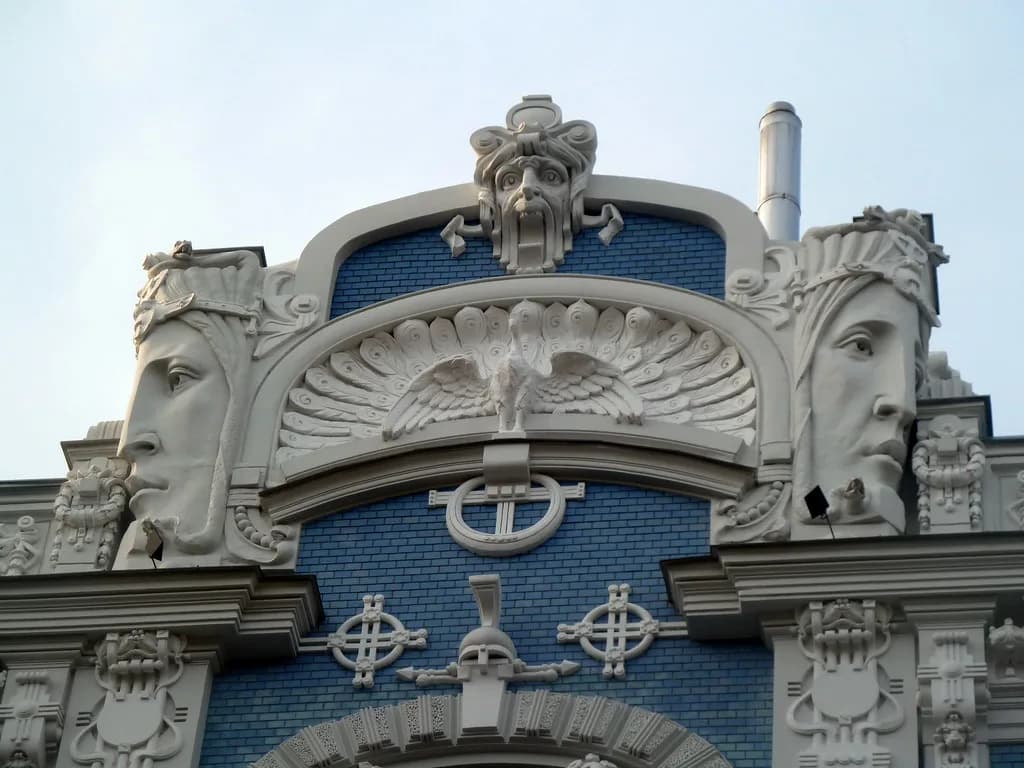
Riga is a one-note city in the best sense, and the note is Art Nouveau. The district around Alberta iela and Elizabetes iela holds roughly 750 facades in a handful of streets, still functioning as apartment blocks with pharmacies and florists at ground level. Nothing else in the region delivers that concentration of Jugendstil buildings in a single walkable grid, and it is the reason architecture photographers keep returning.
Vilnius is the more complete package. Its old town is Europe's largest Baroque old town by area, the cafe culture is a genuine local institution rather than a tourist convenience, and the city's sights connect on foot without much planning. If you want one unforgettable street of buildings, choose Riga. If you want a city that keeps giving across four or five days, choose Vilnius.
Two capitals four hours apart
The geography is the most underrated factor in this comparison. Vilnius to Riga takes about four hours by bus or car, or around 50 minutes on a direct flight, so the two cities are a comfortable one-hop pairing rather than an either-or decision. If you have four days or more, splitting them is usually better than choosing.
Riga sits between Lithuania and Estonia, which makes it the natural base for a Baltic loop: Vilnius to the south, Tallinn to the north, roughly four hours by bus in either direction. It is also the bigger city of the two, with a population well over 600,000, so it feels busier and has more restaurants, malls and late-evening foot traffic. If you are extending the loop north, our Estonia verdict weighs whether the northern leg earns the extra days.
Bus is the economical option and the one most travelers use for the Vilnius leg. Fares vary by operator and how far ahead you book, so compare departures directly with the carriers rather than relying on an old figure. For the wider Latvia-versus-Lithuania decision, including the coast and the national parks on each side, our Latvia vs Lithuania comparison covers the ground beyond the two capitals.
Character: Hanseatic and understated vs Baroque and openly charming
Riga does not try to charm you. It has a Hanseatic weight, wide grey river, Gothic spires and a medieval core that once powered the trading network, and its appeal is cumulative rather than immediate. Visitors who expect instant prettiness often underrate it on day one and love it by day three.
Vilnius performs its charms more openly: terracotta domes above Gediminas Hill, courtyards hiding behind archways off Pilies gatve, and gilded church spires stacked across the skyline. The centre has a younger, warmer register and a visible cafe culture, and the effect is easier to enjoy on a short trip.
You leave Riga with photographs of facades and a respect for its seriousness. You leave Vilnius remembering a specific cafe, square or conversation. Neither is objectively better; they simply suit different temperaments, and the honest trade-off is grandeur versus ease.
What Riga does better
Art Nouveau is the headline. Walk Alberta iela first, then Elizabetes iela, then wander the Centrs grid looking up; the Riga Art Nouveau Museum supplies the context the facades need, and the surrounding streets are ordinary neighbourhoods rather than a staged attraction. Budget a half day minimum, more if you photograph buildings seriously.
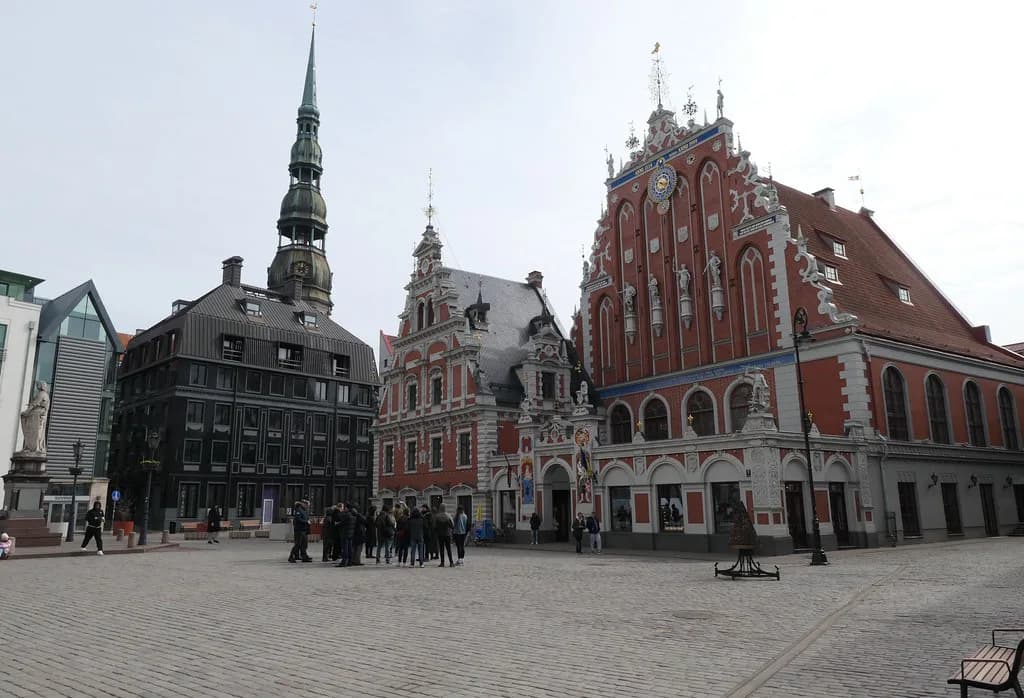
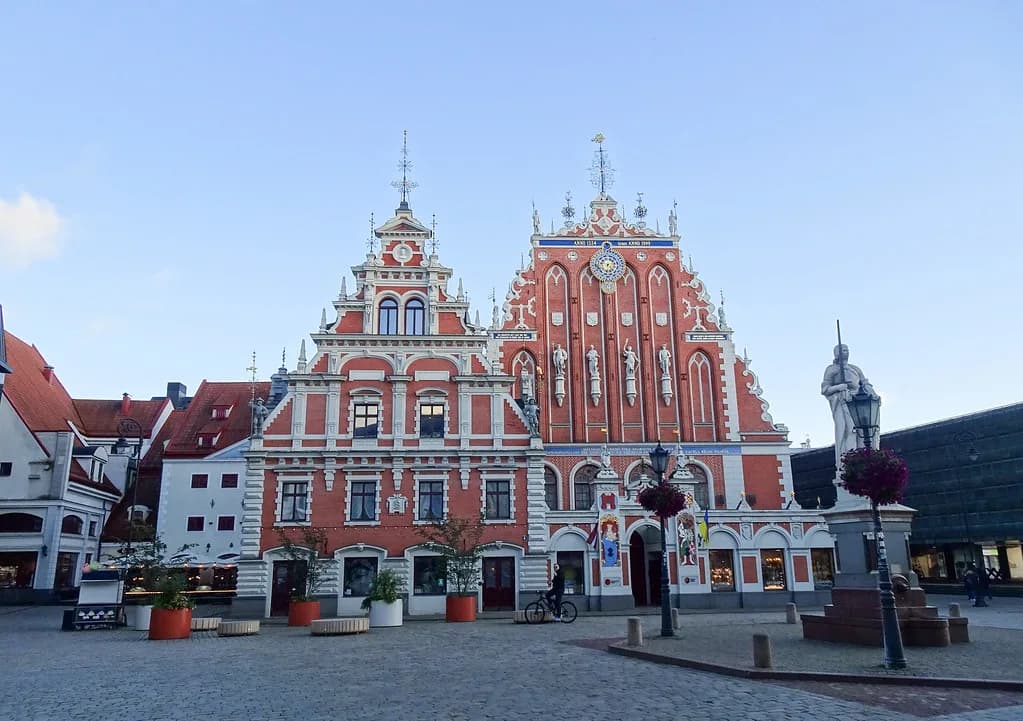
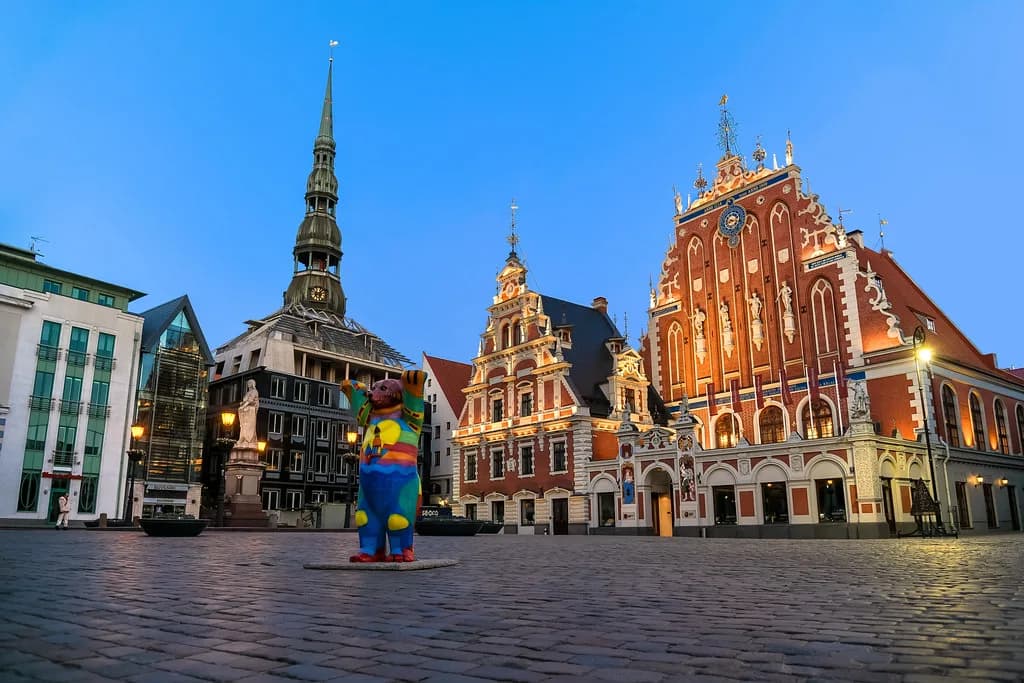
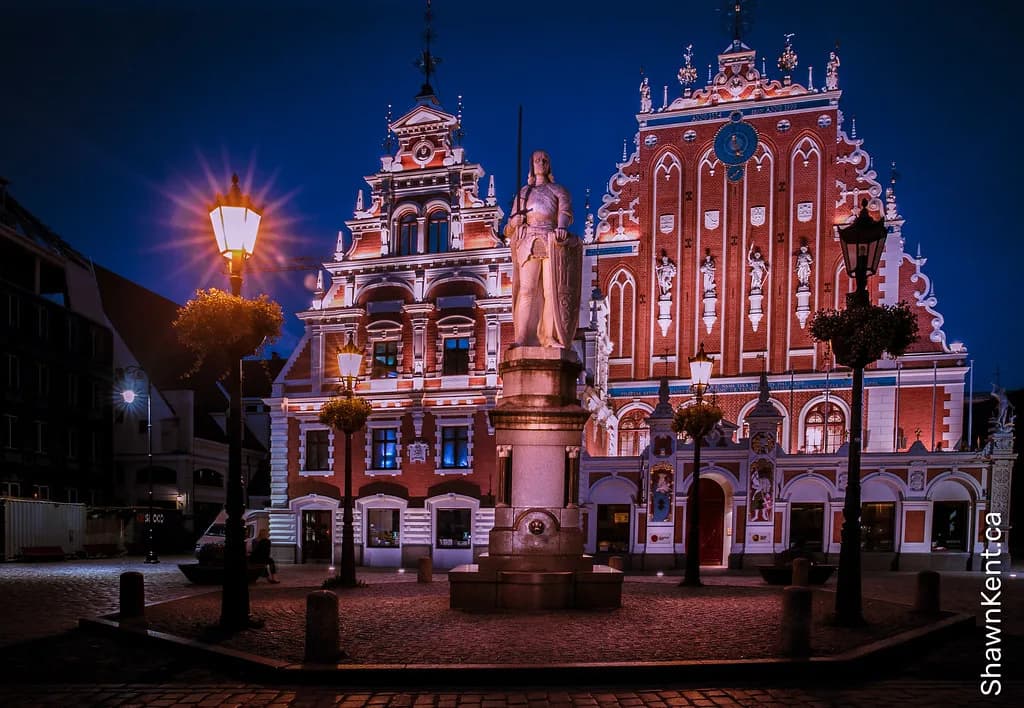
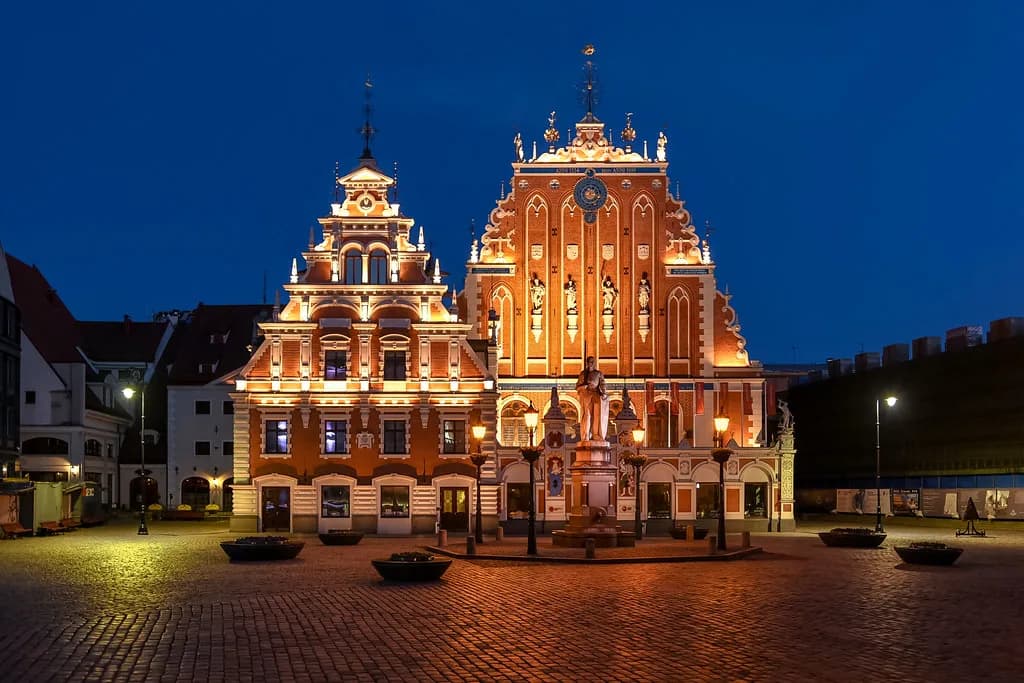
The Central Market is Riga's second ace: five Zeppelin hangars converted into food halls, with smoked fish, rye bread and produce at prices locals pay. It is genuinely unlike anything else in Europe and worth a lunch, not just a look. Historic sights concentrate around the House of the Blackheads, St Peter's Church and the Three Brothers in the Old Town, all within a short walk of each other.
Riga also has the better day-trip spread for a short stay. Jurmala's beach is about 25 minutes by train, and the Latvian Ethnographic Open-Air Museum gives you timber churches and farmsteads without leaving the city edge. Both work as half days rather than full ones, which leaves the evening free for Miera iela's craft beer strip.
What Vilnius does better
Vilnius wins on walkability in practice. The old town, Uzupis and the New Town connect on foot without planning, whereas Riga's Art Nouveau grid sits about 20 minutes north of its medieval core and needs a deliberate walk. On a two-night trip that difference matters more than any single sight.
The Baroque old town is broader and more varied, with Cathedral Square and its bell tower as the anchor and a dense cluster of churches within minutes: St Anne's, the Bernardine church, St Johns and the Orthodox Church of the Holy Spirit among them. Literatu Street, the wall of small artworks honouring local writers, is a five-minute detour worth taking.
Uzupis supplies the personality that architecture alone cannot. Cross the Vilnia river and the constitution plaques on the wall, 41 articles in dozens of languages, announce a self-declared artist republic that still has working artists behind the murals. Pair it with the climb to the Three Crosses Monument for the skyline view back over the roofs.
Food and coffee are where the gap becomes concrete. Cepelinai, the forearm-sized potato dumplings stuffed with pork and served with sour cream, are the signature dish, and the specialty coffee scene is serious enough that a cafe is a destination rather than a stop. Vilnius's day trips are stronger too: Trakai Island Castle is a 45-minute train or bus ride away, and the Hill of Crosses at Siauliai works as a longer round trip.
Head-to-head table: which city fits which trip
Architecture: Riga, clearly, for the Art Nouveau density; Vilnius's Baroque old town is excellent but not singular in the same way. Walkability: Vilnius, because its quarters link directly. Food and cafes: Vilnius, by a narrower margin than its reputation suggests, though Riga's Central Market is the best single food venue of the two. Crowds: neither city suffers Tallinn-level cruise pressure, and Riga's size absorbs visitors better. Cost level: similar enough that money should not decide it. Day trips: Riga for Jurmala and the open-air museum, Vilnius for Trakai and the Hill of Crosses.
The pattern is straightforward. Riga wins the categories where depth in one thing matters; Vilnius wins the categories that shape a four-day trip. If you are traveling with someone who does not want to plan walks between districts, Vilnius is the lower-friction choice.
Riga's Art Nouveau district and Central Market in practice
Start on Alberta iela in the morning, when low light catches the stucco reliefs, then work south through Elizabetes iela into the residential grid. The buildings are lived-in, so you are walking a neighbourhood rather than a museum, and the effect is strongest on a weekday when the streets are not full of tour groups. The Art Nouveau Museum fills in the interiors you cannot see from outside.
For the Old Town, anchor at the House of the Blackheads, climb St Peter's Church tower for the overview, and walk the Three Brothers for the oldest streetscape. Then walk north to the market for lunch. Do not try to reverse the order; the market is better at midday and the facades are better before it.
Vilnius's old town, Uzupis and Cathedral Square in practice
Begin at Cathedral Square, where the bell tower and cathedral set the scale, then walk up Pilies gatve into the old town and let yourself turn into courtyards. Climb Gediminas Hill for the skyline, or take the Three Crosses path if you want the view back across the roofs. Both are short climbs rather than hikes.
Cross into Uzupis in the afternoon, when the murals and the constitution wall read best and the cafes are full. Literatu Street and the former Jewish quarter sit on the way back, and the whole loop is comfortable on foot in a single day. Vilnius rewards lingering, so leave the second day loose rather than scheduling a third church.
Day trips: Jurmala and the open-air museum vs Trakai and the Hill of Crosses
From Riga, Jurmala is the easy beach escape, about 25 minutes by train, with wooden villas behind a long sand strand; it is a summer trip and loses its point in cold rain. The Latvian Ethnographic Open-Air Museum, on the city's edge in a pine forest, works in any season and suits anyone interested in how the countryside actually lived.
From Vilnius, Trakai Island Castle is the classic, a 45-minute train or bus ride to a red-brick castle on an island in a lake, and it earns the trip. The Hill of Crosses near Siauliai is a longer day and a more sobering one, best combined with a stop in Siauliai itself. Both are reachable without a car, though a car widens the options if you are comfortable driving.
Crowds, seasonality and timing
Summer is peak for both cities, with long daylight and outdoor cafe season in Vilnius and canal-park evenings in Riga. That is also when prices and hotel demand peak. Late spring and early autumn give you most of the daylight with fewer visitors and better rates, and Riga's architecture walks are more pleasant without a crowd on the pavement.
Winter changes the calculation rather than ruining it. Days are short, the Art Nouveau facades are still there but the light is flat, and the Central Market and museums become the anchors. Vilnius's cafe culture holds up better in cold weather because so much of the appeal is indoors. Pack for wet and cold, and bring layers you can shed indoors rather than counting on snow.
Typical costs: what each city feels like on a mid-range day
Both capitals sit in the same bracket: you can eat and travel well without the prices of Western Europe, and the difference between them is small enough that it should not decide your trip. Riga feels marginally cheaper on accommodation and Vilnius marginally cheaper on food and coffee, but neither gap is dramatic. Our guide to whether Latvia is expensive breaks down the cost of a Riga trip in more detail.
Currency is the same on both sides of the border: Latvia and Lithuania both use the euro, so you are not changing money or losing on exchange between the two cities. Note that the roughly $15 bus fare often quoted for the Riga to Vilnius route is an approximation, so compare live fares with carriers such as Eurolines and Ecolines before you build a budget around it.
Getting there: flights and the bus between the two
Both cities have their own airports with direct connections to European hubs and, from the US, one-stop routings through major European airports. Riga's airport is the larger of the two and the more common entry point for a Baltic circuit. From either airport, a bus or tram gets you into the centre for a few euros; taxis cost more and should be booked through an app or an official rank.
Between the cities, the bus is the sensible choice: about four hours, city centre to city centre, with no airport transfer at either end. Flying saves time on paper but adds two airport transfers, so the door-to-door difference is smaller than the flight time suggests. If you plan to explore beyond the capitals, renting a car in Latvia opens up the coast and the national parks, and the same car can be driven south into Lithuania.
Who should choose Riga, and who should choose Vilnius
Choose Riga if you are an architecture photographer, an Art Nouveau obsessive, or a traveler drawn to Hanseatic history and market culture. It also suits anyone wanting a bigger city with day trips in three directions and a slightly more serious, less curated atmosphere. Choose Vilnius if this is your first Baltic trip, if you are traveling solo and want everything within walking distance, or if cafe culture and a varied old town matter more than one architectural set piece.
Choose Vilnius over Riga if you have only two nights and want to feel a city rather than study it. Choose Riga if you have three or more days in one place and want the depth. And if you are deciding between countries rather than cities, compare Latvia and Lithuania as wholes before narrowing to the capitals.
For anyone weighing the region, Tallinn is the third capital and the most visually dramatic of the three, with a medieval old town that draws heavy cruise traffic. It is not part of this comparison, but it belongs on the same trip if you have the days. Our broader Latvia coverage, including the best places to visit in Latvia beyond Riga, helps if you want to add the coast or Gauja National Park to the itinerary.
Doing both in one trip
With four days, spend two nights in each: Vilnius first for the old town, Uzupis and Trakai, then the bus north to Riga for the Art Nouveau grid and the Central Market. With six days, add Tallinn on the northern leg or Jurmala and the open-air museum outside Riga. Book the bus in advance for the best fares and travel mid-morning to keep both ends of the day free.
The one mistake to avoid is treating the bus day as lost time. The four-hour ride is comfortable, city centre to city centre, and leaves the afternoon open at the far end. Sequence the trip Vilnius to Riga to Tallinn so you move steadily north rather than doubling back.
Which One Wins
There is no overall winner, only a winner for your trip. Riga takes it for architecture, market food and Hanseatic atmosphere; Vilnius takes it for walkability, cafe culture, a more varied old town and easier day trips. If you have four days or more, stop choosing and take the bus between them.
Decide by what you would regret missing: a street of extraordinary facades, or a city you can wander without a plan. Book the bus early, keep the middle of the day free for the transfer, and leave yourself an unscheduled afternoon in whichever city you choose second.
Explore more Latvia trip-decision guides
Frequently Asked Questions
Is Riga or Vilnius better for a first Baltic trip?
Vilnius is the easier first Baltic city. Its old town, Uzupis and the New Town connect on foot, the cafe culture gives you plenty of places to pause, and the city is small enough to feel familiar within a day. Riga suits a first trip too, but its main architectural draw, the Art Nouveau district, sits about 20 minutes north of the medieval core, so you need to plan that walk. If you have three or more days, Riga's depth rewards the extra time.
Can you day trip from Riga to Vilnius?
Not comfortably. The journey is about four hours each way by bus or car, or around 50 minutes on a direct flight, which makes it a transfer rather than a day trip. Treat it as a one-way leg in a longer itinerary and spend at least two nights in each city instead of doubling back in a single day.
How long does the bus from Riga to Vilnius take?
Around four hours, city centre to city centre. Compare departures with the operators before you book, because fares and timetables change by season and by how far ahead you reserve. The bus is generally the most economical way to move between the two capitals, and it avoids airport transfers at both ends.
Which city has the better old town, Riga or Vilnius?
Vilnius has the larger old town by area and the more varied one, with a dense cluster of Baroque churches, Cathedral Square and the courtyards off Pilies gatve. Riga's medieval core is smaller but anchored by strong individual sights: the House of the Blackheads, St Peter's Church and the Three Brothers. If you want to wander for hours, Vilnius wins; if you want a compact set of landmarks, Riga holds its own.
Is Riga cheaper than Vilnius?
They sit in the same bracket. Riga tends to feel marginally cheaper on accommodation and Vilnius marginally cheaper on food and coffee, but the gap is not large enough to base your decision on. Both countries use the euro, so you avoid exchange costs when moving between them. Build your budget around mid-range eating and public transport rather than either city's reputation.
How many days do you need in Riga and Vilnius?
Two full days in each is the minimum for a combined trip, plus a travel day for the four-hour bus. Three days per city lets you add a day trip: Jurmala or the Latvian Ethnographic Open-Air Museum from Riga, Trakai Island Castle or the Hill of Crosses from Vilnius. If you only have three days total, pick one city rather than splitting them.
Do Latvia and Lithuania use the euro?
Yes, both countries use the euro, so you can move between Riga and Vilnius without changing money. That makes a two-city trip simpler to budget than a route through countries with separate currencies. Card payment is widely accepted in both capitals, though carrying some cash is useful at markets.
Should I add Tallinn to a Riga and Vilnius trip?
Add Tallinn if you have six days or more. It is about four hours by bus north of Riga and has the most dramatic medieval old town of the three capitals, though it also draws the heaviest cruise-ship crowds. Sequence the trip Vilnius to Riga to Tallinn so you travel steadily north instead of doubling back.
Sources
Trip-decision notes
Optional updates when we publish or revise a destination verdict.
You might also like
Continue reading
More guides you'll find useful