Best Cities in Latvia: 9 Towns Worth Your Time
Riga, Cēsis, Sigulda, Liepāja and more: a candid ranking of Latvia's best cities and towns, who each one suits, and how many days to give it.
On this page
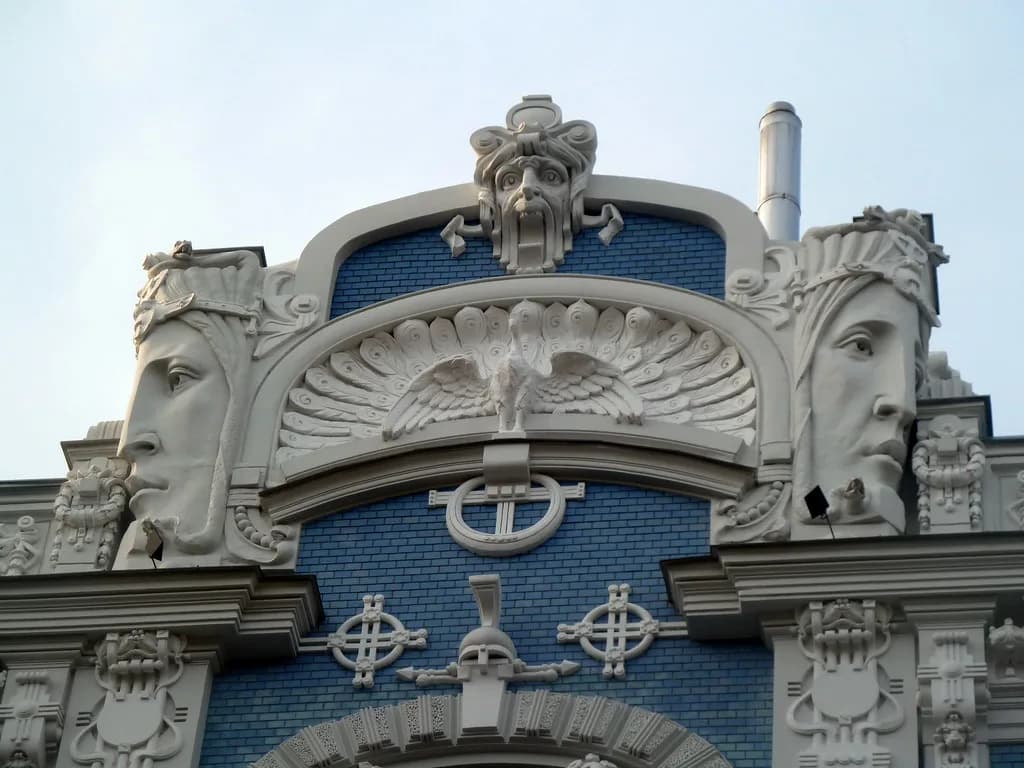
Riga is the answer to the question most travelers actually ask, and it deserves the time: a Gothic old town, an art nouveau district on Alberta Iela that ranks among the finest of its kind anywhere, and a Central Market big enough to eat your way through. But if Riga is the whole trip, you miss the reason Latvia rewards a few extra days — a small-town castle at Cēsis, the Gauja valley around Sigulda, and a windy, musical coast at Liepāja.
This is an editorial pick, not a ranking of population or prestige. Each entry below names what the place is good at, who should choose it, how many days to give it, and which traveler should pick a different base. Latvia uses the euro, and the country joined the EU in 2004. If you are still weighing the country against its neighbors, our Latvia vs Lithuania comparison sets the two side by side, and if your itinerary may stretch further north, is Estonia worth visiting covers the third Baltic state in the same candid style.
The verdict: which Latvian city suits which trip
First-timers with three or four days should base in Riga and take one day out to Sigulda or Cēsis; the capital is walkable, has the deepest sightseeing, and works without a car. Travelers with a week or more should split the trip: two or three nights in Riga, then two nights in the Gauja valley, or a westward loop to Liepāja and Kuldīga for a slower, less crowded version of Latvia.
Choose Riga and the Gauja valley if you want castles, forests and a compact old town, and Liepāja or Kuldīga if you want the coast and a quieter pace. Skip the resort town of Jūrmala as a base if your interests run to architecture and museums — it is a beach add-on to Riga, not a substitute for it. Readers comparing the Baltic states more broadly should read the Latvia vs Lithuania case before booking flights.
Riga: the capital that earns its place
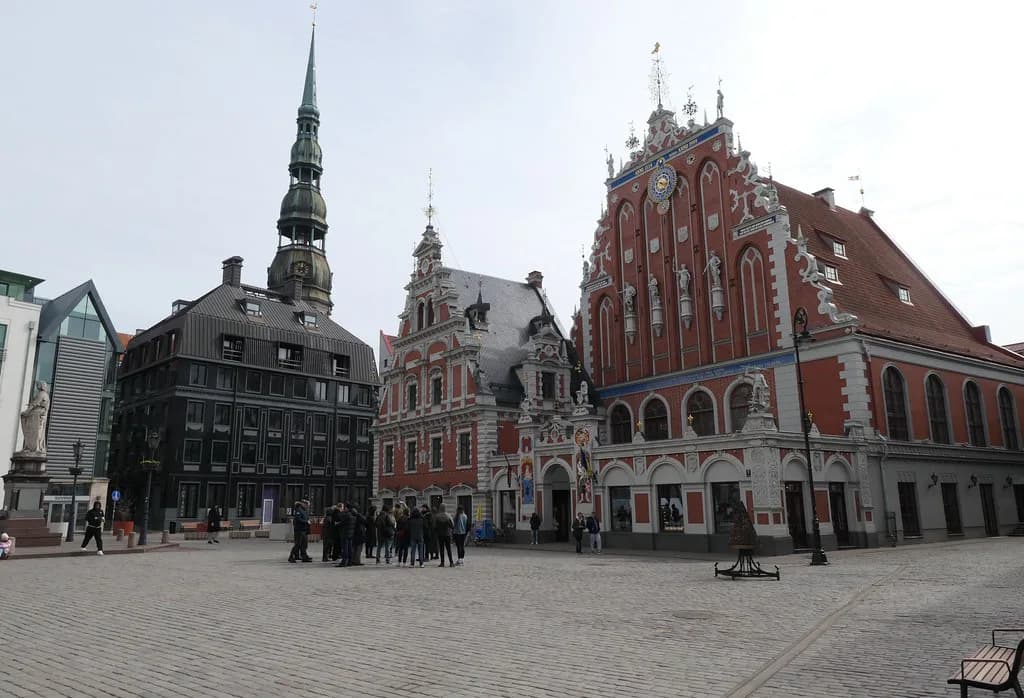
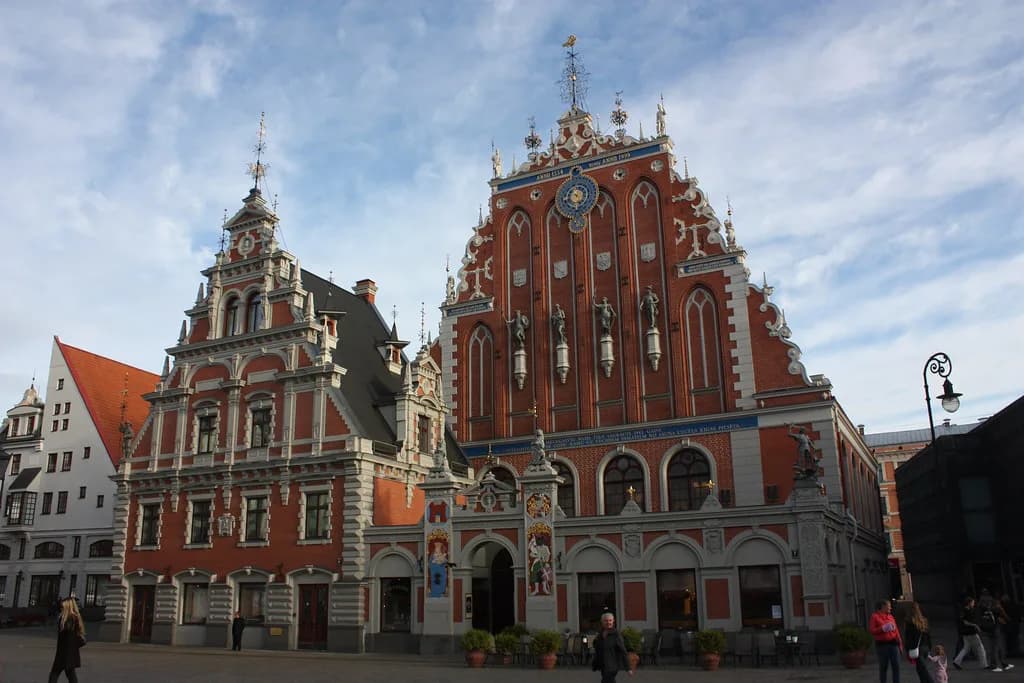
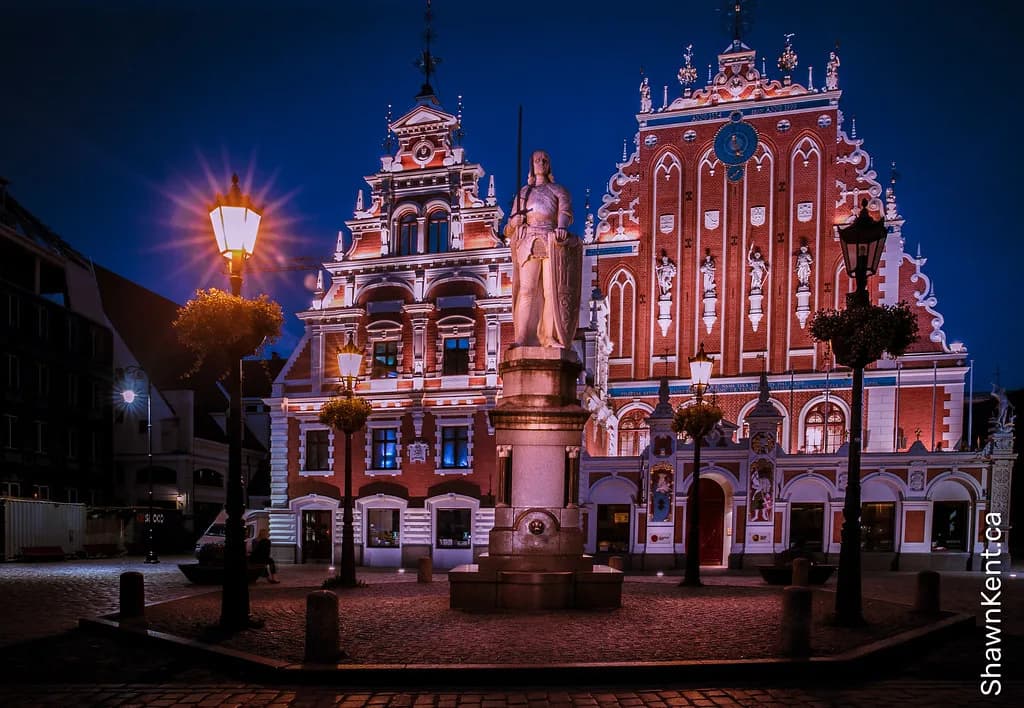
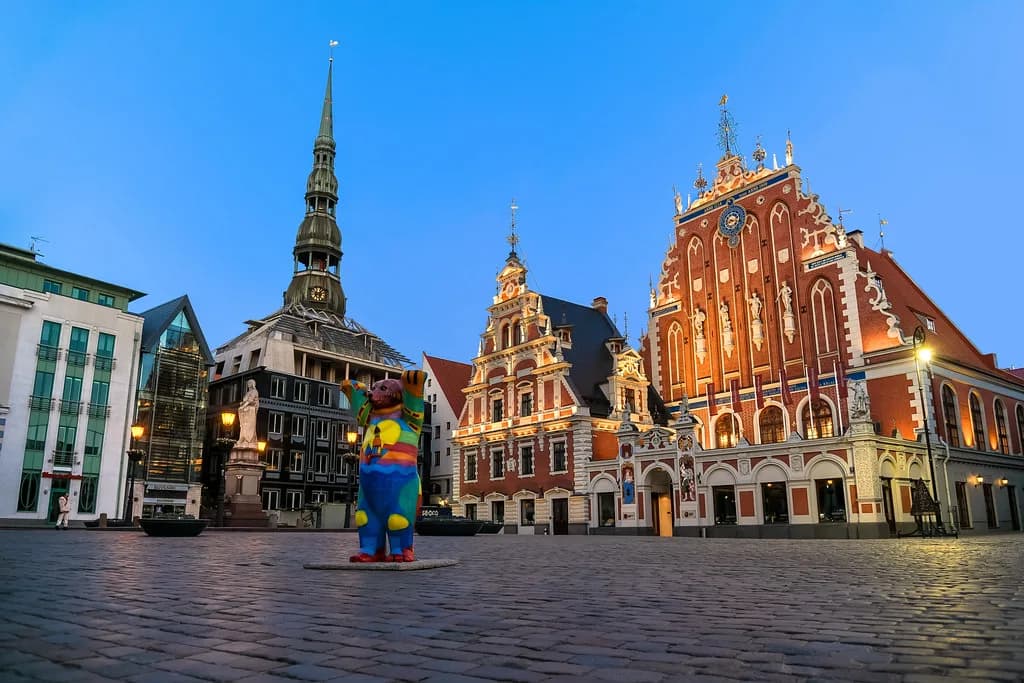
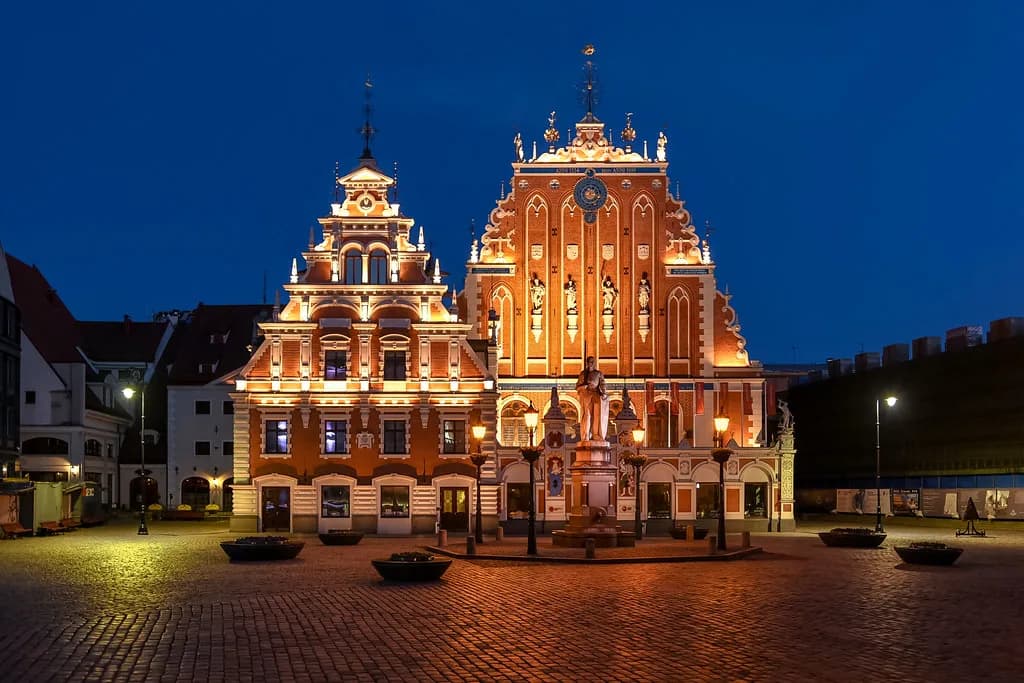
Riga's case rests on density. The Old Town's cobbled lanes hold the Gothic old town core, while a short walk away the Riga Art Nouveau Centre on Alberta Iela preserves furnished rooms from the early 1900s and explains how the city's art nouveau architecture became one of the world's great concentrations of the style. The Museum of the Occupation of Latvia is the other essential stop; the country's 20th-century occupations are documented through photographs, letters and film, and it reframes everything you see afterward.
Give Riga two full days at minimum and three if museums matter to you. The Central Market and the Old Town's cafés and bars fill a wet afternoon easily, and the art nouveau streets reward a slow wander rather than a checklist. Riga Old Town is also the most obvious starting point if you are mapping out the best places to visit in Latvia more widely.
Riga is also the transport hinge for the rest of the country: trains and buses to Sigulda, Cēsis, Jūrmala and Liepāja leave from the capital, which makes it the sensible first and last stop on almost any Latvian itinerary. If you are deciding when to come, the best time to visit Latvia explains how the seasons shift the balance between city time and countryside.
Jūrmala: resort town on the Gulf of Riga
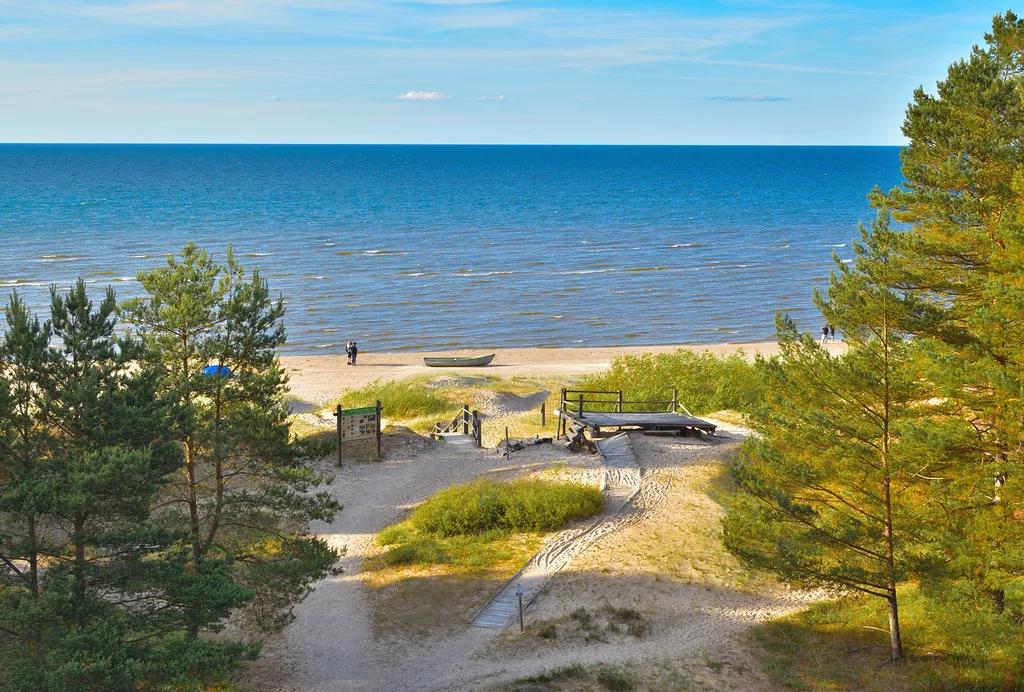
Jūrmala is Latvia's best-known seaside destination, a strip of wooden villas and pine forest along the Gulf of Riga about half an hour from central Riga by train. It is a beach day, not a sightseeing day: a long sand shoreline, quiet residential streets and a resort atmosphere that swells in July and empties outside the warm months. Come for the swim and the walk, then return to the capital for dinner.
Treat it as a half-day or a full day, and only when the weather cooperates — the Baltic summer is short and the water is bracing. Travelers who want a coastal stay with more substance should look west to Liepāja. Latvia in July covers what the coast is like at peak season, when the Gulf of Riga beaches are at their busiest.
Cēsis: medieval castle and a small-town concert hall
Cēsis is the small town that surprises people. It holds one of the oldest medieval castles in Latvia, a cobbled old town, and an 800-seat concert hall that packs out on Saturday nights in a town of roughly 15,000 — an oddity that speaks to how seriously Latvia takes culture. The surrounding birch forest country is the reason to linger rather than pass through.
Give Cēsis a full day, or two nights if you want to use it as a countryside base. It suits travelers who prefer small towns, castle ruins and forest walks to city nightlife, and who are willing to rent a car or lean on buses. If your priority is a concentrated old town with more restaurants and museums, Riga serves you better. Our Latvia in May guide is a useful read if you are aiming at the green spring weeks.
Sigulda: castles, caves and the Gauja valley
Sigulda sits at the heart of the Gauja valley, where medieval castle remains, sandstone outcrops and forest trails sit close enough together to cover on foot and by short taxi hops. The Sigulda cable car across the valley is the signature ride, popular with Latvian families on autumn weekends when the leaves turn, and the surrounding Gauja National Park holds caves and folk markets selling embroidered socks and local crafts.
Two nights in Sigulda buys you a castle day, a valley walk and a sauna evening; one night feels rushed. This is the better base for active travelers who want trails, and the worse base for anyone without a car who wants a walkable town center with evening options. Latvia in October is the month to consider if foliage is the draw.
Liepāja: Baltic coast, wind and music
Liepāja is Latvia's third city and its most distinctive coastal one: a long Baltic beach, a compact center with a mix of architectural styles, and a musical reputation that runs from its conservatory to its summer festivals. It feels less polished than Riga and more lived-in, which is exactly why some travelers prefer it.
Give Liepāja two nights, and treat it as a stop on a western loop with Kuldīga rather than a day trip from the capital — the distance is real. It suits travelers who want a genuine Baltic port city and beach time in one place. Latvia in June is a good fit for this stretch of coast, when the Baltic Sea warms enough for the brave.
The trade-off is access: Liepāja rewards those who drive, and bus connections from Riga are the fallback rather than the highlight. If you plan to string together the coast and the interior, renting a car in Latvia is the decision that shapes the whole route.
Kuldīga: the Venta waterfall town
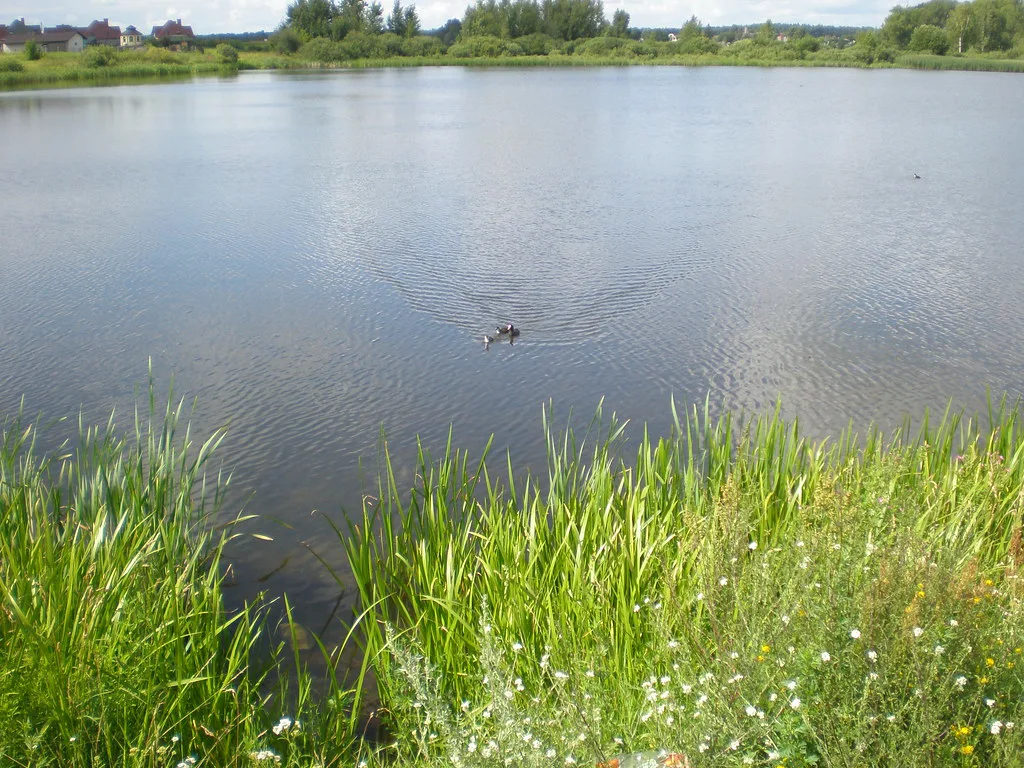
Kuldīga is the smallest town on this list and one of the most rewarding, built around the Venta waterfall — a wide, low ledge that is one of Latvia's signature natural sights — and a well-preserved old town of wooden and brick houses. It is a place for wandering, not ticking off attractions, and it pairs naturally with a western Latvia road trip.
Give Kuldīga one night, two if you like small towns. It suits couples and slow travelers, and it is the wrong choice for anyone who needs a dense restaurant and nightlife scene. Because the town is small, book ahead in summer rather than assuming you can decide on arrival.
Ventspils: the tidy port city on the west coast
Ventspils is a working port with an unusually well-kept center, a beach and a family-friendly feel; it is the kind of Latvian city that gets overlooked because Riga hogs the attention. It works best as a stop on a Kurzeme coast route rather than a destination in its own right.
One day is enough for most travelers unless you are traveling with children and want beach time. Ventspils suits families and road-trippers, and is a poor fit for anyone relying on public transport for a quick visit. Latvia in August is the month to consider if you want the sea to be the point.
Rēzekne and Latgale: the east's blue lakes
Latgale, the eastern region, is promoted as the land of blue lakes, and Rēzekne is its practical hub for exploring them. Latgale is rural, lake-heavy and culturally distinct from the rest of Latvia, and its draws are spread out: a coffee roastery at KUUP, the Mežsetas deer garden with a safari through the grounds, and the Pertnieki dolomite quarry with swimming, picnic sites and tent pitches in the warm season.
Give Latgale two or three nights and accept that you will be driving. It suits travelers who have already seen Riga and the Gauja valley and want the quieter, more agricultural Latvia, and it is a poor choice for a first trip with only a few days. The official Latvia travel site lists these Latgale places to visit in Latvia to escape crowds, which is a fair description of the region's appeal.
Cēsis and Sigulda compared: which to base yourself in
Cēsis wins on town: a compact old town, the castle, a concert hall and a more coherent center for an evening walk. Sigulda wins on landscape: the Gauja valley, the cable car and trail access right at the edge of town. If you have two nights, pick one and day-trip to the other; the two are close enough that you do not need to split your stay.
The trade-off is evening atmosphere versus daytime access. Travelers without a car should base in Cēsis, where the town itself is the attraction, and use buses for Sigulda. Travelers with a car and a taste for hiking should reverse it. Gauja National Park is the reason both exist as tourist towns, and both work as a gateway to it.
Smaller places worth a stop: Pāvilosta, Līgatne, Iecava
Pāvilosta on the Kurzeme coast has a recently opened promenade for watching fishing boats and yachts in the harbor, with easy access to the piers and the local history museum; it is a good lunch stop on a coastal drive rather than a base. Līgatne, near Sigulda, is known for its caves and a cottage restaurant, Pavāru māja, that draws on produce from Gauja National Park and the Slow Food network.
Iecava in Zemgale holds Dievdārziņš, a riverside site with a 210-meter wooden footbridge, dolomite outcrops and springs, and is regarded as the burial place of Napoleon's officers from the 1812 battle. These are half-day stops that reward a car and a flexible schedule. The official Latvia travel site rounds up more of these quieter corners under places to visit in Latvia to escape crowds.
How many days you need
For Riga alone, two to three days. For Riga plus the Gauja valley, four to five. For a full loop taking in the capital, the Gauja towns and the western coast at Liepāja and Kuldīga, seven to nine days is realistic, and Latgale adds another two or three if you want the east.
The most common mistake is over-scheduling: Latvia's towns are small, and travel between them eats more of the day than the map suggests. If you are choosing a single time of year, the best time to visit Latvia explains how the seasons shape both city and countryside plans. And if budget is the deciding factor, is Latvia expensive sets expectations in plain terms.
Getting around Latvia's cities
Riga is the hub: trains and buses connect the capital with Jūrmala, Sigulda, Cēsis and Liepāja, and the network is reliable for those corridors. Outside them, services thin out quickly, and places like Kuldīga, Ventspils, Pāvilosta and the Latgale lakes are far easier with a car. Riga International Airport is the main arrival point for most travelers.
Decide early between rail-and-bus and a rental car. A car buys you the west coast and Latgale, but adds parking and alcohol-free driving rules; public transport keeps you on the Riga–Gauja spine with far less planning. Renting a car in Latvia covers the paperwork and the practical questions, and Latvia in April is worth reading if you plan a spring road trip before the season fills in.
Drawbacks: crowds, seasons and transport gaps
Riga's Old Town absorbs cruise-ship and weekend crowds in summer, and Jūrmala's beaches are busiest in July; the rest of the country stays comparatively calm. The bigger issue is seasonal: coastal and countryside businesses thin out outside the warm months, and some rural attractions close or shorten their seasons. Latvia is a summer-and-early-autumn country for a first trip.
Transport is the second real limit. Without a car, you can do Riga, Jūrmala, Sigulda, Cēsis and Liepāja comfortably, but Kuldīga, Ventspils, Pāvilosta and Latgale become logistics projects. The country has also lost roughly a fifth of its population to emigration since joining the EU in 2004, and that shows in quieter towns and thinner rural services. Latvia in September is a good compromise month if you want fewer crowds without losing the season.
Who should skip which cities
Skip Riga as your only stop if you have a week and want nature — the capital is a gateway, not the whole trip. Skip Jūrmala if you are traveling for architecture and museums, or if you are visiting outside the warm months when the resort's appeal fades. Skip Ventspils and Latgale if you have no car and only a few days.
Skip Liepāja if you want a compact trip built around Riga and the Gauja valley; the detour is worth it only if the coast is part of the plan. Skip Kuldīga only if you dislike small towns — otherwise it is one of the best-value stops on a western route. Travelers comparing the region's cities should read how Latvia is worth visiting against its Baltic neighbors before locking an itinerary.
Plan Your Visit
The short answer is Riga plus one rural region. Two or three nights in the capital, then two nights in the Gauja valley at Cēsis or Sigulda, gives you the best of Latvia without a car; add the west coast at Liepāja and Kuldīga if you have a week and will drive. Latgale rewards a second trip rather than a squeezed first one.
Book the transport spine before the accommodation, since the train and bus corridors dictate what is realistic. If you are still deciding between countries, our Latvia vs Lithuania breakdown is the next read, and Latvia in June covers the start of the warm season on the Baltic Sea. Then pick your base, keep one day unplanned, and let the small towns set the pace.
Explore more Latvia trip-decision guides
Frequently Asked Questions
What are the major cities in Latvia?
Riga is the capital and by far the largest city, and it is the country's cultural and transport hub. Liepāja is the principal coastal city on the west coast, and Rēzekne is the main town of the eastern Latgale region. Beyond those, Latvia is a country of small towns, and places such as Cēsis, Sigulda, Kuldīga and Ventspils are the ones most travelers actually build itineraries around.
Is Riga worth visiting on its own, or should I add other Latvian cities?
Riga justifies two or three days on its own, with the Old Town, the art nouveau streets around Alberta Iela and the Museum of the Occupation of Latvia. But if you have four days or more, add the Gauja valley towns of Sigulda or Cēsis — the contrast between capital and countryside is the point of a Latvian trip. Riga alone with a week to spend would be a waste of the country.
How many days do you need for Riga and the Gauja valley?
Four to five days covers it comfortably: two or three nights in Riga, then two nights based in Cēsis or Sigulda. That gives you the capital's museums and markets plus a castle day, a valley walk and a sauna evening. Adding both Cēsis and Sigulda as separate bases is usually unnecessary, since they are close enough to visit from one another.
Should I base in Cēsis or Sigulda?
Base in Cēsis if you want a walkable town with an old town, a castle and evening options, especially if you are relying on buses. Base in Sigulda if the Gauja valley landscape, the cable car and trail access matter more to you than town atmosphere, and if you have a car. Either way, day-trip to the other rather than splitting your stay.
Do I need a car to visit Latvian cities outside Riga?
No for the main corridor: trains and buses link Riga with Jūrmala, Sigulda, Cēsis and Liepāja. Yes for the rest: Kuldīga, Ventspils, Pāvilosta and the Latgale lakes are much easier with a car, and public transport there turns a short hop into a planning exercise. Decide based on whether the west coast and the east are in your plan.
Is Jūrmala worth a day trip from Riga?
Yes in warm weather, when the Gulf of Riga beach and the pine-backed streets make a good half-day or full-day break from the capital. It is a resort, not a sightseeing destination, so it earns the trip for the beach and the walk rather than for museums or architecture. Outside the summer months, its appeal drops sharply.
What is Latvia known for beyond Riga?
Castles and forest country in the Gauja valley around Cēsis and Sigulda, the Baltic coast at Liepāja and Jūrmala, the Venta waterfall at Kuldīga, and the lake district of Latgale in the east. Latvia is also known for its sauna tradition, its choral and classical music culture, and a rural food scene built on local produce. Most of these are small-town and countryside draws rather than city attractions.
Does Latvia use the euro?
Yes, Latvia uses the euro, and it has been an EU member since 2004. Cards are widely accepted in cities, but carry some cash for rural markets, small cafés and countryside stops. For a full cost picture, check current prices directly with the venues and operators you plan to use.
Sources
Trip-decision notes
Optional updates when we publish or revise a destination verdict.
You might also like
Continue reading
More guides you'll find useful