Best Time to Visit Latvia: Month-by-Month Guide
June to August is the best time to visit Latvia for long days and warm weather, while winter suits snow, spas and lower prices. Here is the month-by-month trade-off.
On this page
The best time to visit Latvia is late June through August, when daylight stretches deep into the evening and the coast, the Gauja valley and Riga's terraces all work at once. That is also the busiest and most expensive window. If you want lower prices, fewer tour groups and city culture rather than beach weather, September and early October beat summer on value.
Latvia has four clearly separated seasons rather than a mild maritime blur, and winter temperatures there can fall as far as -30°C, so the month you pick genuinely changes what the trip is. Treat the choice as a fork: a warm-weather trip or a cold-weather trip, not a compromise between them.
The verdict
Go in summer for a first trip and for anything involving the coast, the rivers or long days outdoors. Go in September or early October for cities, palaces and lower costs. Go in winter only if snow, spa time and indoor culture are the point, and spring if you want Riga without crowds and accept bare trees and slow-to-warm countryside.
Latvia earns a place on a Baltic itinerary if you want a compact country with a strong capital, a walkable resort coast and a castle-and-river valley within day-trip range of Riga. It is less compelling if your idea of a Baltic trip is a beach holiday: the sea is cold even in August, and Jūrmala is a strolling and spa resort rather than a swimmer's paradise. For the wider case, our Latvia verdict lays out the trade-offs, and if you are weighing a second stop, our Estonia verdict applies the same test to the northern neighbor.
What Latvia's four seasons actually feel like
Summer is warm and famously light, with evenings that stay usable until late; autumn turns golden, then wet and grey; winter is cold, dark and variable, with the sea, rivers and lakes freezing in cold spells; spring arrives slowly and is often the least predictable month-to-month. The country sits in a temperate zone with four distinct seasons, and the snowfall varies sharply from year to year.
That variability is the planning problem. A January trip can deliver deep snow and bright, crisp days, or thaw, slush and flat grey light, and you cannot tell which months in advance. Build winter plans around things that work either way, such as Riga's museums, concert halls and spa hotels, and treat snow as a bonus rather than a guarantee.
Summer (June to August): long days, warm coast and peak prices
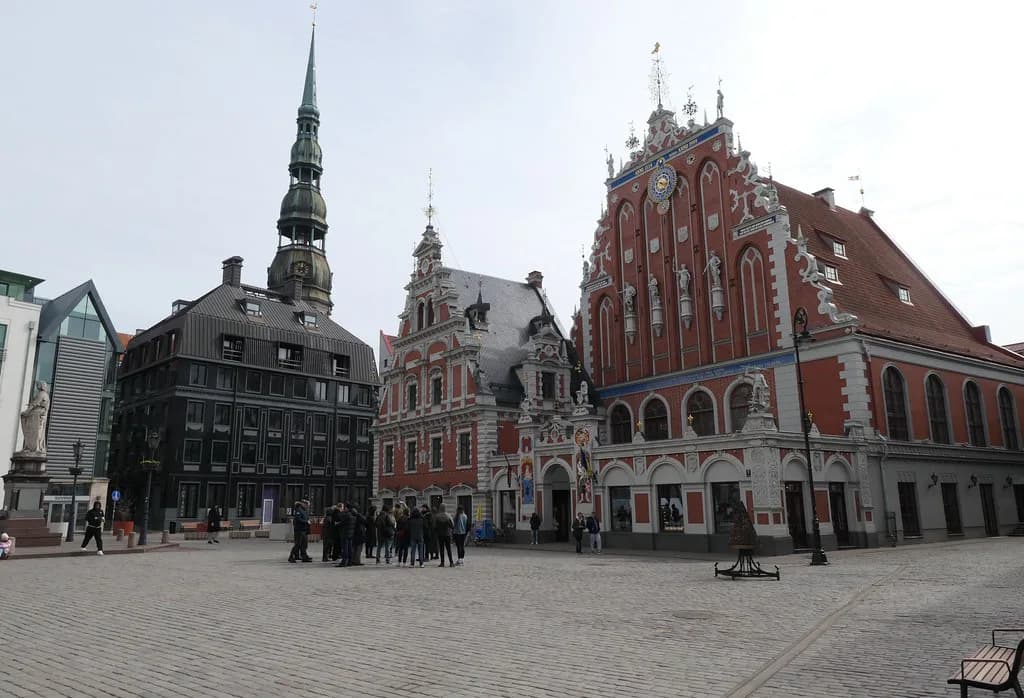
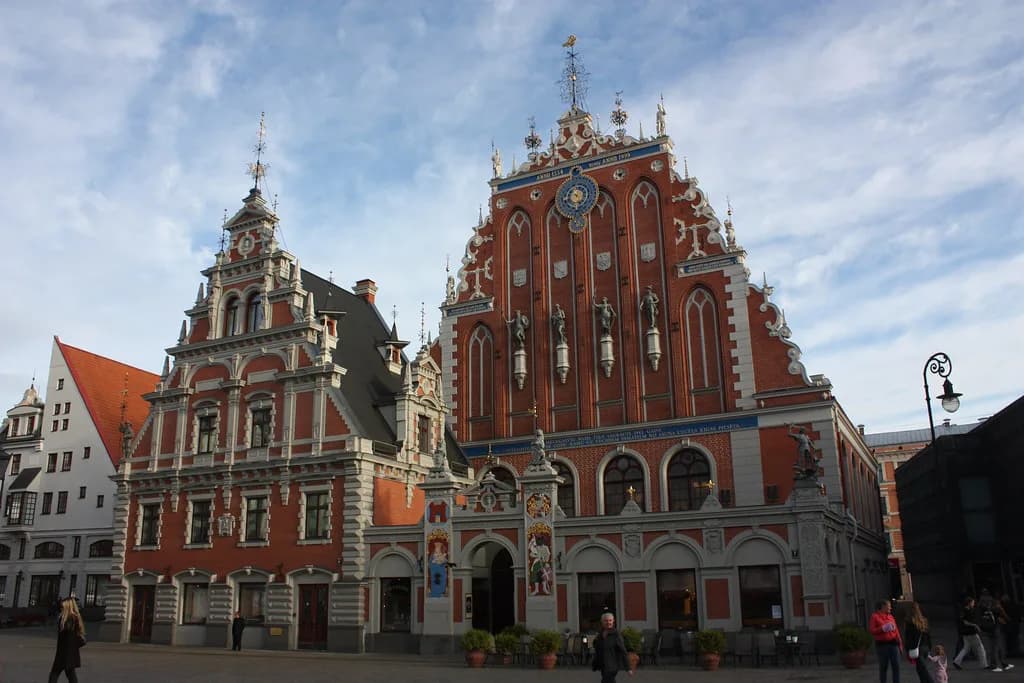
June, July and August are when Latvia is at its easiest. The Gauja valley around Sigulda and Cēsis is walkable and green, the Baltic Sea coast at Jūrmala is at its most pleasant for strolling, and Riga's Old Town works late into the light evening. This is the season to book a mixed city-and-country trip rather than a single base.
The cost is crowds and higher room rates, especially in Riga and Jūrmala, and the most popular stretches of the coast fill on warm weekends. Book accommodation and any car hire well ahead for July and August, and expect the busiest conditions around Riga's big outdoor events. For a closer read on the warmest month, see Latvia in July.
Early summer is the underrated half of the season: June has the longest days and softer demand than July or August, and the Gauja National Park is lush without the full holiday crush. If your dates are flexible, take the second half of June over the first half of August.
Early autumn (September to October): the editor's pick for value
September into early October is the best overall compromise: Riga's cultural season restarts, museums and concert halls are in full swing, and the flow of visitors thins out noticeably. Flight tickets and hotel occupancy generally drop outside the peak, which makes the total trip cost noticeably friendlier. The trade-off is weather that slides from mild to damp.
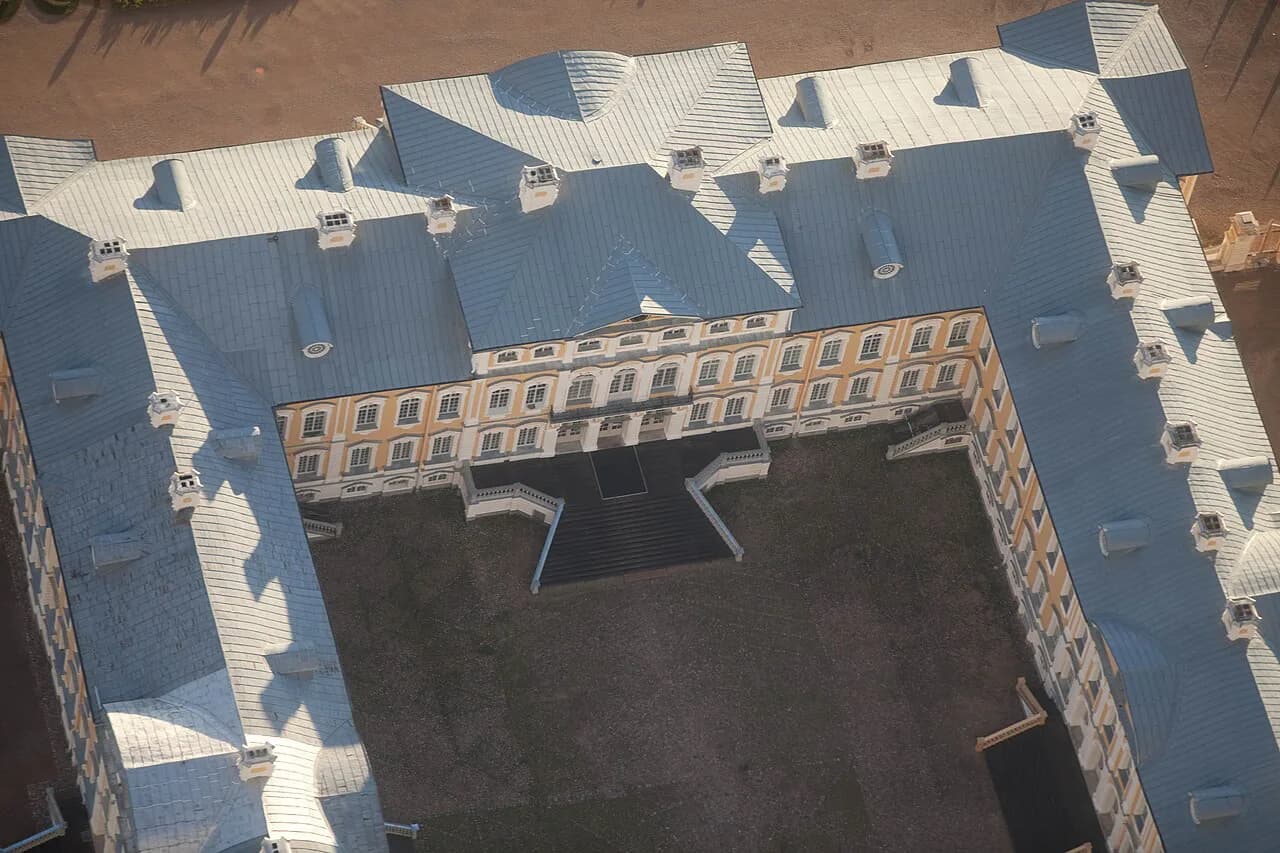
Use this window for Rundāle Palace and its gardens, for Kuldīga's old town on the Venta, and for a quieter Gauja National Park and Sigulda, which is arguably better on foot without summer crowds. Take rain layers seriously; the season is not reliably dry, and daylight shortens quickly through October.
Winter (December to February): snow, spas and short daylight
Winter is a genuine trip if you build it correctly. Riga's concert halls host world-class performers more affordably than in many other European capitals, and Jūrmala has the widest choice of spa and resort facilities in the Baltics, with a quieter season and winter-only offers.
Outdoors, the options run from cross-country ski tracks in and around Riga to the bobsleigh and luge track at Sigulda. Nature trails, particularly those with steep sections in the Gauja valley, are considerably harder in winter conditions, so choose lower-level walks unless you are equipped and experienced.
The real drawback is light. Daylight is short, the weather is unpredictable, and -30°C readings are possible, which rules out a lot of standing around outdoors. Winter is a strong pick for city culture and spa stays and a poor pick for a first trip built around landscapes.
Spring (March to May): quiet cities and slow nature
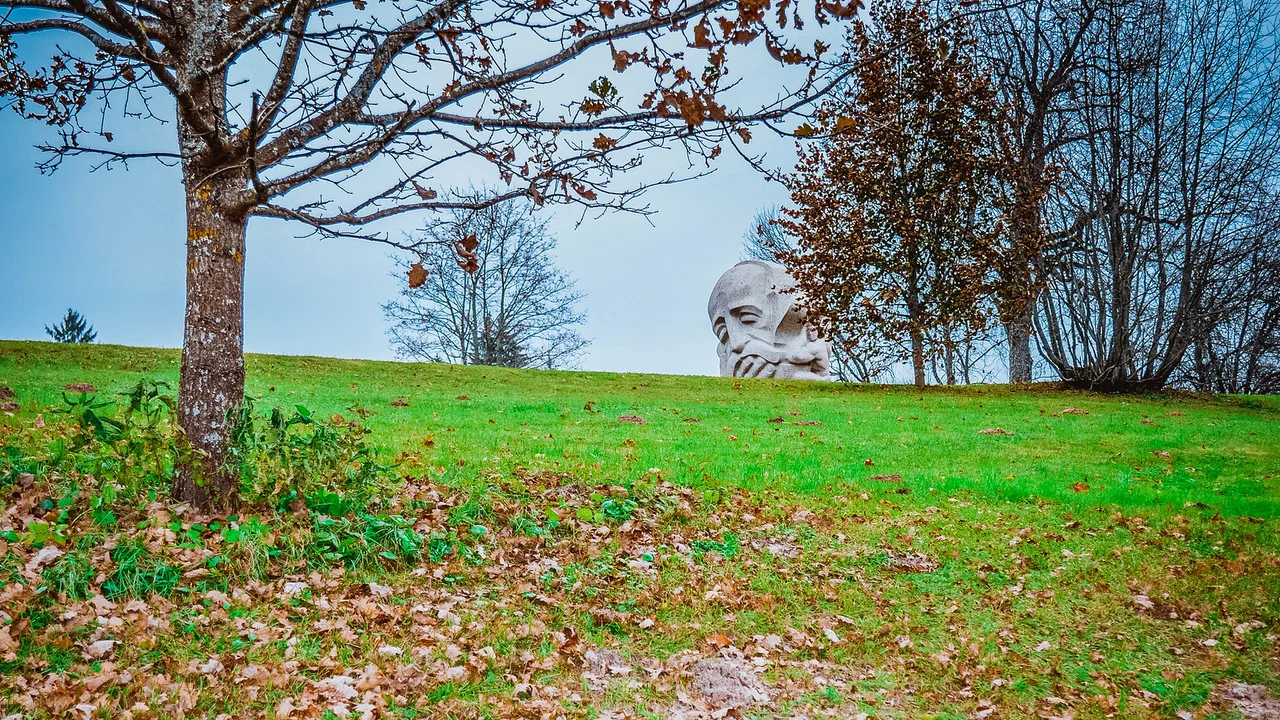
Spring arrives unevenly. March and early April are often grey and cold, while late April and May bring the first genuinely usable outdoors days, long light and low prices. It is the best time for Riga's museums, architecture and cafés without a queue, and a good time for Sigulda before the summer rush.
Treat spring as an indoor-first trip with outdoor afternoons rather than a nature holiday. Paths in the Gauja valley can be muddy, and lakes and coastal areas stay raw. If you accept that trade, you get the calmest version of the country's main sights.
Comparing the seasons by traveler type
First-time visitors on a week or less should pick late June to August, or September if they care more about cities than coast. Families with children do best in July, when light, warm weather and short travel distances inside Latvia make everything simpler. Budget travelers get the best value in November and in the March-to-April gap, when flights and rooms are at their quietest.
Spa and culture travelers should pick winter deliberately, arriving for the concert season and using Jūrmala as a base for the resort's quieter months. Hikers should pick June or September to avoid heat and the worst wet weather. Anyone tempted by the neighbor should read Latvia vs Lithuania before locking dates, since Vilnius and Riga reward slightly different seasons.
Main sights, and the season each one rewards
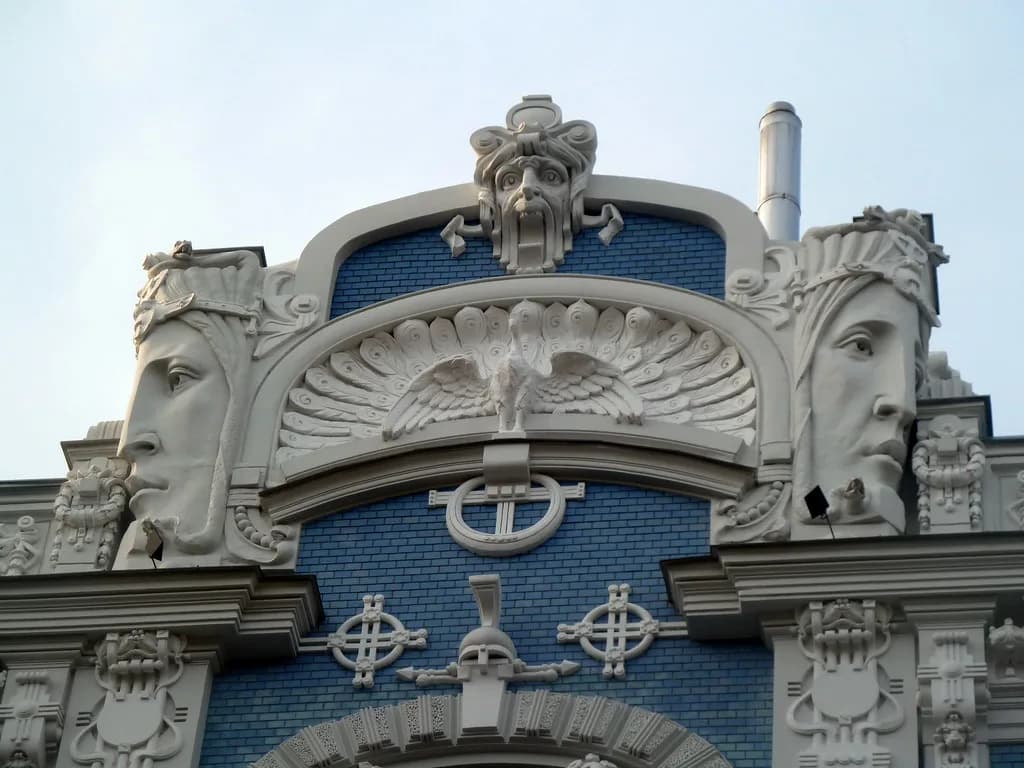
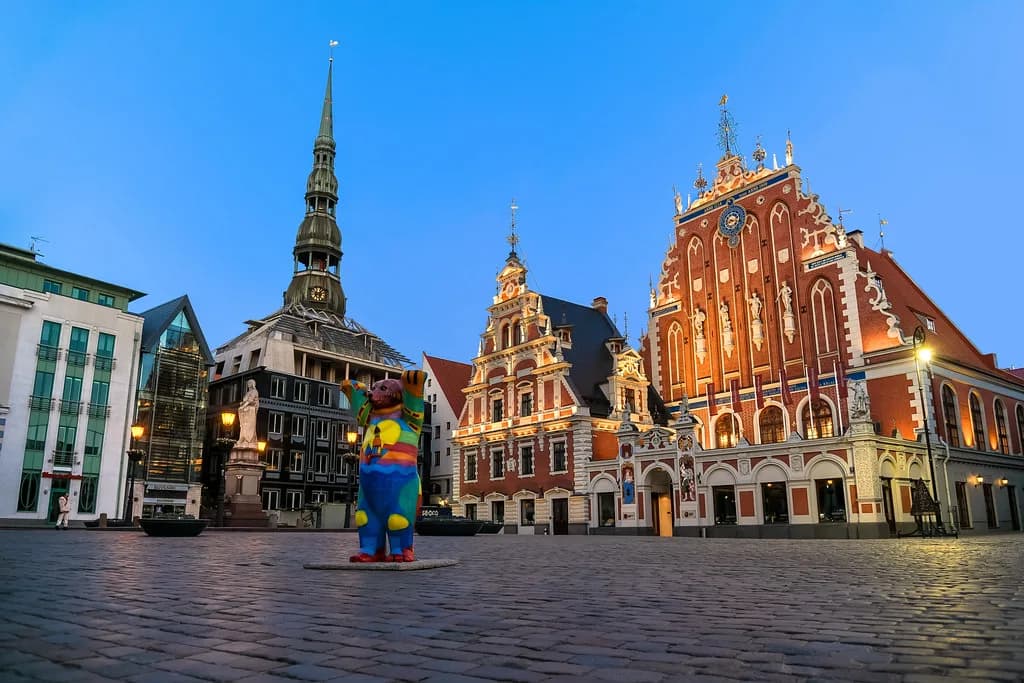
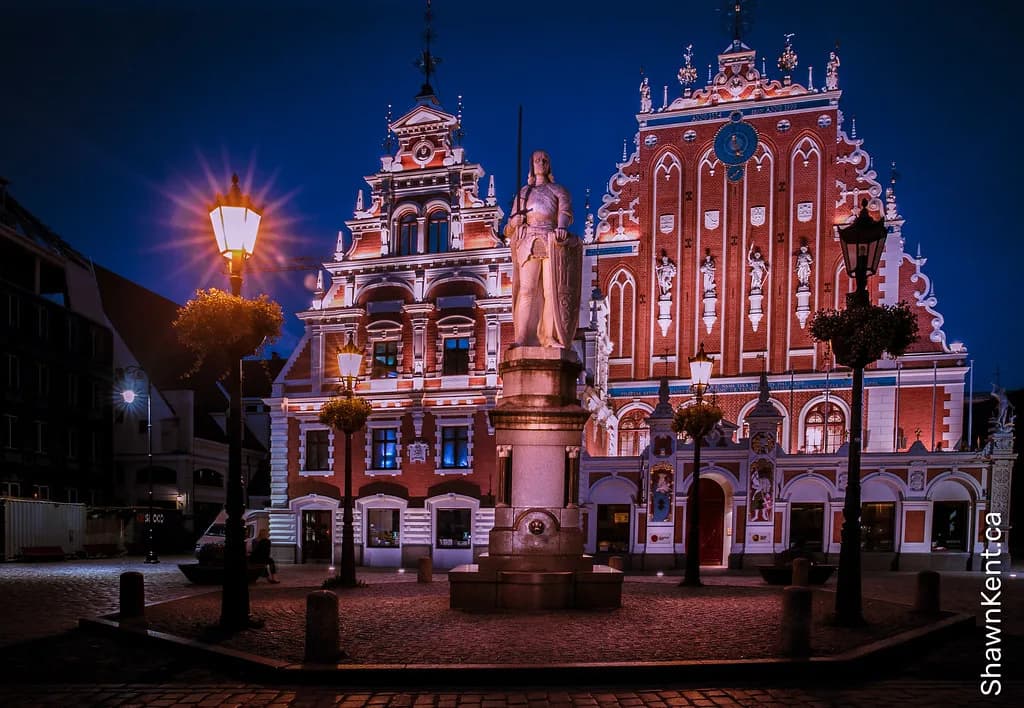
Riga works in any month but is best in late spring and early autumn, when the Old Town's streets, the Art Nouveau district and the Central Market are pleasant without the peak-season crush. Jūrmala is a warm-season resort: come from June to September for the walk to the beach and the Lielupe riverfront, and in winter only for spa stays.
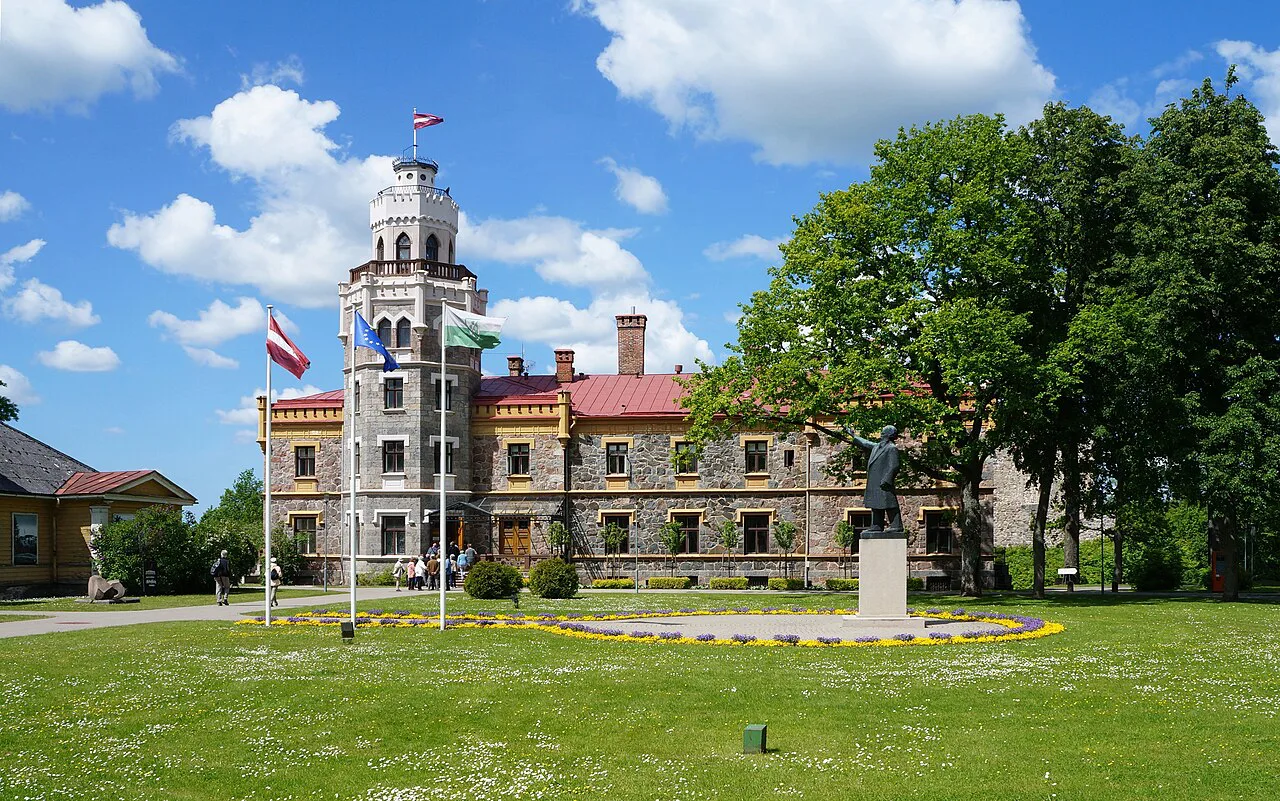
Gauja National Park and Sigulda, with its castles, are summer and early-autumn territory, and the bobsleigh track adds a winter option unavailable elsewhere in the Baltics. Kuldīga, with its old town and the Venta rapid, is at its best in summer and early autumn. Rundāle Palace near Bauska is a spring-to-autumn visit, when its formal gardens can be walked as part of the day.
Lake Alūksne, in the country's northeast, hosts ice skating when it freezes hard, making it a cold-season day out rather than a summer one. The Latvian Open-Air Museum outside Riga is a fair-weather stop for most visitors, since its buildings and grounds are largely visited on foot.
How many days you need, by season
Give Riga three nights and the country a week in summer: two days for the capital, a day or two in Jūrmala, a day in Sigulda and the Gauja valley, and a day trip to Rundāle Palace or Kuldīga. Latvia is small enough that a week covers the highlights without rushing, and almost everything sits within driving distance of Riga.
In winter, cut the country time and add city time: three or four days in Riga and Jūrmala with one snow-dependent outing is realistic. Carry more days than you think you need in November and March, when weather can cancel outdoor plans. Fewer than four nights total makes the travel time disproportionate for most overseas visitors.
Getting there and around in the low and high seasons
Riga is the hub: an international airport, a bus station with services across the country and a rail network serving Jūrmala and Sigulda among others. A car is the fastest way to reach Rundāle, Kuldīga and the Gauja valley trails, though Riga itself is walkable and does not need one; see renting a car in Latvia if you plan to leave the capital.
Peak-season transport and accommodation book up in July and August, while winter schedules thin out and daylight limits how much you can see in a day. Public transport is well organized and the country's fast internet makes remote work viable from Riga's cafés, which helps travelers staying a month.
Shoulder-season trade-offs and what to book ahead
The shoulders win on price and space, but lose on certainty: September and May can be lovely or raw, and November is dark with little to recommend it beyond cheap rooms. Decide which failure mode you can tolerate, then book the flexible parts of the trip around it.
Book accommodation and any car early for July and August, and lock in concert or theatre tickets early for winter city trips since Riga's best halls fill for headline performances. Cities and parks are generally open to wander, but individual venues, museums and palaces set their own admission and hours; check each venue's own page before you commit a day to one.
Currency is straightforward: Latvia uses the euro, and cards are widely accepted in cities. Tipping is customary but modest in restaurants and cafés, and English is common in Riga and among younger Latvians outside it, though less so in rural areas.
Pick Your Season, Then Your Route
If you want one recommendation: late June to early July or September for a first trip, winter only if you are building it around Riga's culture and Jūrmala's spas, and spring for quiet cities. Latvia does not reward a vague any-time plan, because the seasons pull the trip in different directions.
Match the route to the month. Warm months take Riga, Jūrmala, Sigulda and Kuldīga; cold months concentrate on Riga's concert halls, museums and resort spa time. That single decision does more for your trip than any list of sights.
Explore more Latvia trip-decision guides
Frequently Asked Questions
What is the best month to visit Latvia?
Late June through August gives the longest days, the warmest usable weather and the coast at its best, which makes it the easiest first trip. September and early October offer a quieter city-focused alternative with lower prices, at the cost of more rain and shorter days.
Is Latvia worth visiting in winter?
Yes, if you plan around cities and resorts rather than landscapes. Riga's concert season and museum scene and Jūrmala's spa facilities work well in the cold months, and demand is lower. Daylight is short and snow is unpredictable, so do not build a winter itinerary around guaranteed snow.
How cold are Latvian winters?
Winters are genuinely cold and variable, with temperatures that can drop to around -30°C in cold spells and many days hovering around freezing or below. Expect ice, snow or thaw depending on the year, and plan indoor options for the conditions.
Does it snow in Latvia?
Every winter brings snow at some point, but the depth and duration vary a lot from year to year, and coastal areas differ from inland ones. Treat a white landscape as a bonus rather than a certainty, and keep indoor or city plans that work if a thaw arrives.
What is Latvia like in summer?
Summer is warm, very light in the evenings and the easiest season for combining Riga with Jūrmala, Sigulda and the Gauja valley. It is also the busiest and most expensive period, so book accommodation and any car well ahead if you travel in July or August.
When is the best time to visit Riga and Jūrmala together?
June through September is the practical window for pairing them: Riga's Old Town and markets work in any month, while Jūrmala is a resort coast best used for strolling and spa time in the warm season. Early autumn is the value compromise if you want both without peak crowds.
How many days do you need in Latvia?
A week is a sensible minimum for a summer trip that includes Riga, Jūrmala, Sigulda and one palace or old-town day trip. In winter, three or four nights based in Riga with one spa or snow-dependent outing is realistic. Overseas travelers should not plan fewer than four nights in total.
Is Latvia expensive for tourists?
Latvia is moderate by Western European standards, and it is cheapest in winter and the shoulder months, when flights and hotel occupancy fall. Prices rise in July and August along the coast and in Riga. Latvia uses the euro, so no currency exchange is needed if you arrive with euros.
Sources
Trip-decision notes
Optional updates when we publish or revise a destination verdict.
You might also like
Continue reading
More guides you'll find useful