Renting a Car in Latvia: Worth It, Costs and What to Know
Decide whether renting a car in Latvia suits your trip: when a car beats buses and trains, what rentals cost, pickup options and the rules that catch drivers out.
On this page
Renting a car in Latvia is worth it if your trip goes beyond Riga and the beach belt around Jūrmala. The country's best stretches, from Gauja National Park to the Kurzeme coast and Latgale, are awkward by bus and slow by rail. If you are staying in Riga, a car is a liability rather than a liberation.
The decision comes down to one question: how much time do you plan to spend outside the capital? Two or three days of driving pays for the rental; a five-day city break does not. Before booking, it is worth settling whether Latvia is worth visiting, because the answer shapes how far you should roam.
The verdict
Rent a car if you are leaving Riga and the coast, and skip it if your trip is city-only. The rental earns its cost on the open road between small towns, where frequencies thin out and a missed connection eats an afternoon. In Riga itself, trams, trolleybuses and walking cover more than a car ever will, and the old town's lanes are not designed for visitors in a hatchback.
Who should rent: travelers doing Sigulda and Cēsis, the Kurzeme coast, or a loop through Latgale, and anyone carrying camera gear, bikes or children. Who should not: solo city-breakers, anyone with a two-night Riga itinerary, and drivers uneasy about winter surfaces. The rest of this guide is about making the rental work.
When a car beats buses and trains in Latvia
Latvia's rail network radiates from Riga, which is fine for Jūrmala and Sigulda but poor for getting between secondary towns. Buses fill more gaps, yet rural services thin out badly at weekends and on public holidays. If your plan involves three or more stops outside the capital, the car usually wins on time alone.
The trade-off is that a car only pays off when you actually drive it. A rental parked near the old town while you walk for three days is pure overhead. Build the itinerary first, mark the days you will be moving between towns, and hire for those days rather than the full length of the trip.
Where a car pays off
Gauja National Park is the classic case: Sigulda, Cēsis and the river valley sit close enough for a day loop, but spreading across them by public transport costs hours. Cēsis rewards the drive with its medieval castle ruins and old town, and Sigulda gives you the river gorge, cable car and forest trails. If you are weighing the two Baltic neighbors, our Latvia vs Lithuania comparison explains where each country rewards a car more.
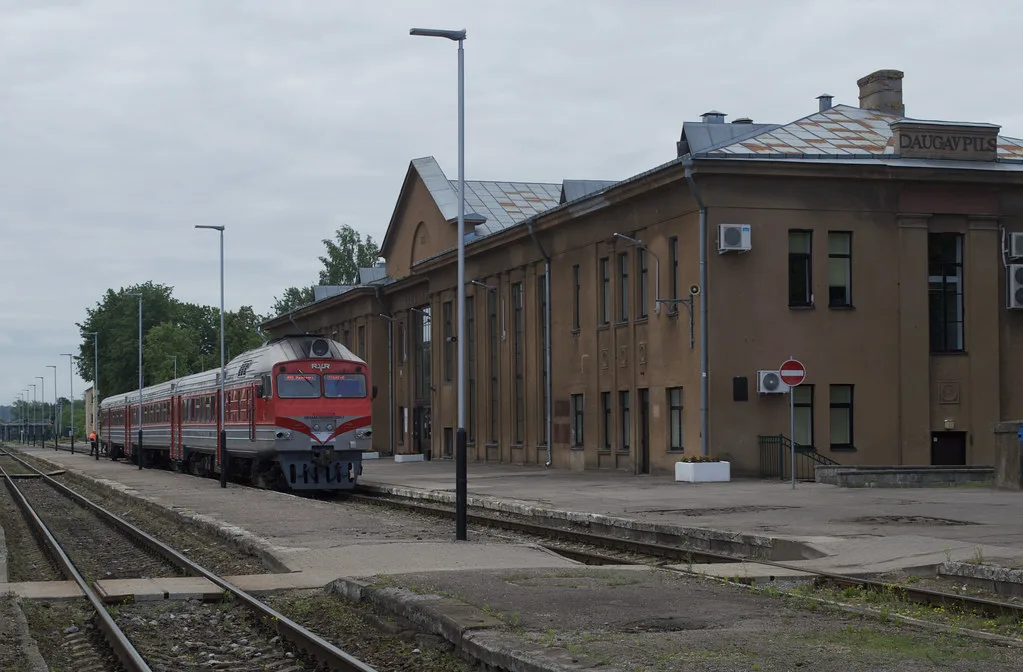
The Kurzeme coast is the other big win. Liepāja has a strong arts and music scene and a long beach, Ventspils is a tidy port town with a well-kept waterfront, and the drive between them passes fishing villages that are hopeless without wheels. Latgale, in the east, is the country's quietest corner: Daugavpils has a striking fortress and Rēzekne is a natural overnight stop. The Baltic shore around Cape Kolka and the Gulf of Riga is another stretch where a car turns a long day into an easy one, especially in Latvia in July when coastal roads are busy with local traffic.
Where a car is a liability
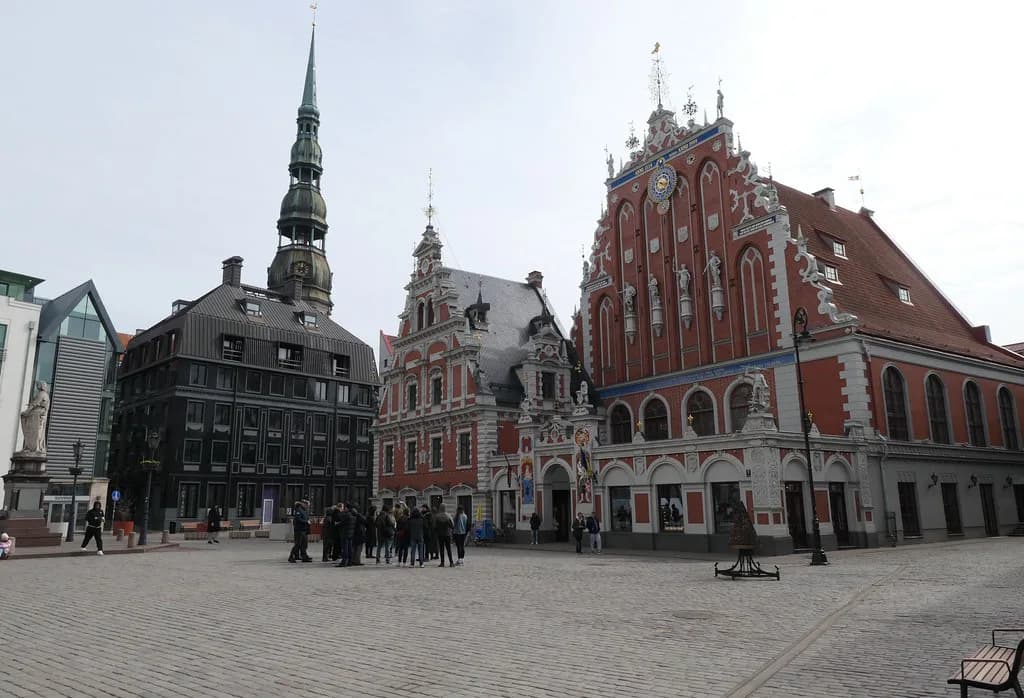
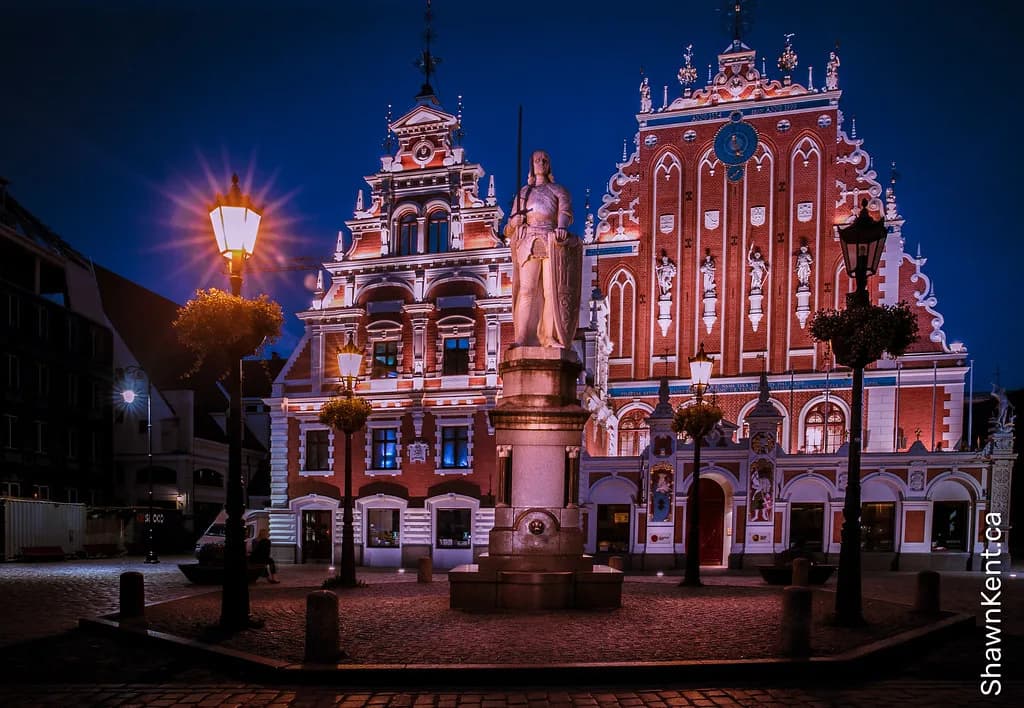
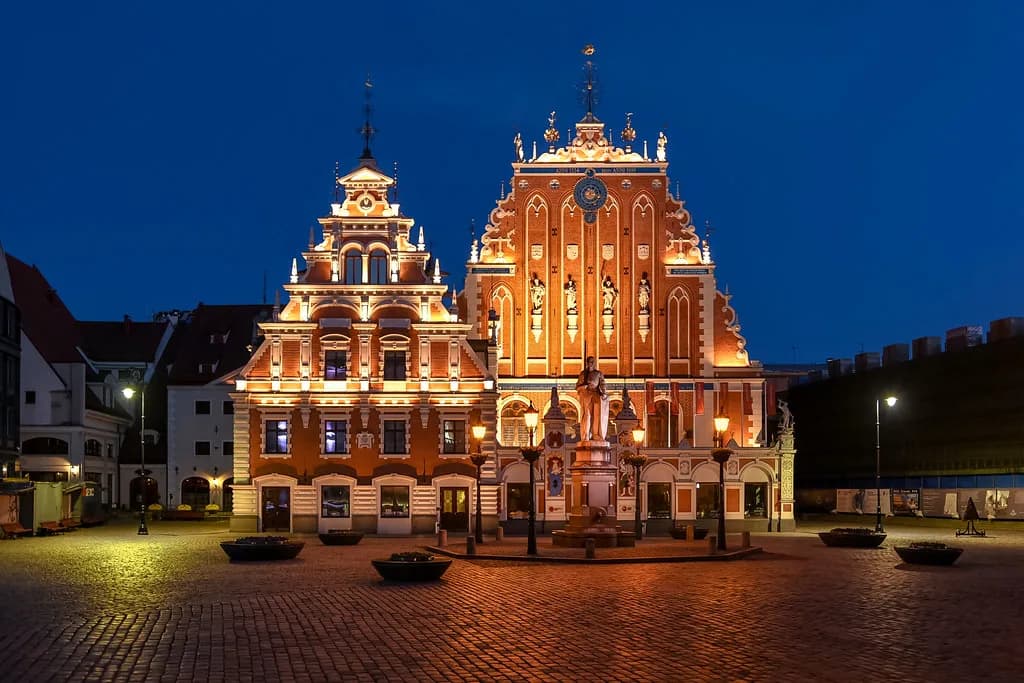
Riga's old town and the central districts are a car's worst habitat. Parking is scarce and expensive near the centre, streets are one-way and cobbled, and the tram network is quicker than hunting for a space. If Riga is your base for two or three nights, pick up the car on the way out of town rather than on arrival. The best places to visit in Latvia include Riga Old Town, but that is a walking day, not a driving one.
Short city stays also expose the rental's fixed costs: airport surcharges, young-driver fees and the deposit hold all apply whether you drive 20 km or 400 km. For a two-day trip centred on the capital, buses, trams and ride-hailing are cheaper and less stressful.
Picking up: Riga Airport versus city and port locations
Riga Airport is the most convenient pickup if you arrive by air: the rental desks sit at the terminal, and you can be on the road to Jūrmala or Sigulda within the hour. Comparison sites list Riga International Airport as the most popular rental location in the city, and bookings typically come with free cancellation up to 48 hours before pickup.
City and port desks suit travelers arriving by ferry or bus. addCar Rental lists six locations in Latvia, including the airport, the bus station, the ferry terminal and several addresses in Riga's centre, so you can collect a car when it actually suits your itinerary. Picking up downtown on a weekday morning avoids airport surcharges but means navigating city traffic first; weigh the saving against the stress.
What you need to rent: age, licence and driving experience
Requirements vary by company, so treat any single figure as that operator's rule, not Latvian law. addCar Rental requires drivers to be at least 21 with two years of driving experience; other companies set higher minimums or charge extra for drivers under 25. Comparison sites quote a standard driver band as 30 to 65, with additional fees possible outside it.
Bring a valid driving licence, and carry your passport or ID. EU licence holders do not need an international driving permit; other visitors may be asked for one, so confirm with the company you book. For entry and visa questions, go straight to the official government page for Latvia.
Automatic versus manual, and which car suits Latvian roads
Most rental fleets in Latvia lean manual, and automatic models cost more and sell out first in summer. If you cannot drive a manual, reserve an automatic early and accept the premium rather than hoping one is free at the desk. Compact cars make sense for city errands and parking; a slightly larger estate or SUV is more comfortable on the long, straight roads toward Latgale and the coast.
For family trips or groups of four with luggage, a station wagon or small SUV is the practical pick. addCar Rental runs compact, family, van, SUV and luxury classes across a fleet of 26 vehicles, which is a fair picture of what the market offers. The cars that handle winter best are the slightly higher ones with proper seasonal tires.
What it costs: daily, weekly and monthly rates
Latvia uses the euro, and quoted rates swing widely with season, model and pickup point. addCar Rental publishes starting rates of about €31 a day for a compact up to around €67 for a van, from about €224 a week, and around €810 a month for a compact or €1,900 for an SUV. Treat these as that operator's published examples, not the going rate everywhere.
Comparison sites show similar spreads: EasyTerra lists Riga offers from a few euros a day for the smallest cars through the twenties and forties a day for mid-size sedans and SUVs, with many companies represented. Rates like these usually exclude extras, so line up the total before booking. In words, Latvia's rental prices sit mid-range for the Baltics: cheaper than Western Europe, more than Poland. The rest of your budget is covered in our Latvia costs guide.
Fuel, tolls and what you pay beyond the rental rate
Latvia has no general motorway toll for cars, so your main variable costs are fuel and parking. Fuel prices change weekly and vary by station, so check the pump rather than budgeting from an old figure. Parking in central Riga and Jūrmala is paid and enforced, and the fine for an unpaid ticket is far worse than the fee.
Deposits, insurance upgrades and young-driver fees are the items that surprise people at the desk. Rental companies hold a credit-card deposit and offer excess-reduction policies; comparison sites list insurance and deductible guides as part of the booking. Read the excess figure before you choose the cheapest headline rate, because the lowest price often carries the biggest deductible.
Driving rules and habits that surprise American drivers
Latvia drives on the right, so American drivers need to recalibrate habits at junctions and roundabouts. Headlights must be on at all times, and the blood-alcohol limit is far stricter than in the US: none at all for drivers in their first two years, and very low for everyone else. Speed cameras are common on the main roads out of Riga.
Roads vary sharply: the main corridors to Sigulda, Liepāja and Daugavpils are fast and well surfaced, while minor rural roads narrow and turn to gravel. Navigation apps work well, but rural coverage can be patchy in Latgale. Do not plan overtakes on two-lane roads on a deadline; the drive times are usually longer than the map suggests.
Winter driving: snow, ice and dark afternoons
Winter turns the rental into a serious decision. Latvian winters are long and cold, with snow, ice and dark afternoons that curtail sightseeing; addCar Rental describes a strong, long winter and advises preparing before you go. Winter tires are required in the cold months, and companies fit them.
If you rent between November and March, choose a car with proper winter tires, allow daylight driving only and build in slack for slower roads. Any weather planning should rest on climate normals rather than forecasts: the best time to visit Latvia explains what to expect by month. If you cannot drive confidently on snow and ice, a winter rental is the wrong choice.
Crossing into Estonia and Lithuania with a Latvian rental
Driving to Tallinn or Vilnius with a Latvian rental is possible but not automatic. Cross-border use depends on the company and the contract, and some rentals restrict it or charge a fee. Ask before booking, and get the permission in writing on your agreement. If Estonia is on your route, our Estonia trip guide covers whether the northern neighbour justifies the extra miles.
The distances are manageable: Riga to Tallinn and Riga to Vilnius are both comfortable day drives on good roads. The constraint is paperwork, not geography. If a one-way hire between capitals is your plan, expect a drop-off fee and confirm the car is allowed to leave Latvia before you commit.
Renting versus buses, trains and ride-hailing for common Latvian routes
For Riga to Jūrmala, the train wins: frequent, cheap and faster than parking at the beach. For Riga to Sigulda, trains and buses are both workable; the car only pays off once you add Cēsis and the national park in the same day. For long hauls to Liepāja or Daugavpils, the bus is a reasonable, low-stress option if you do not need to stop along the way.
Ride-hailing works in Riga but is thin outside it. The car makes most sense on loops: Riga to Sigulda, Cēsis and back; Riga along the Kurzeme coast to Liepāja; or a Latgale circuit. For a single city-to-city hop, the bus or train is cheaper and simpler.
Verdict by traveler type
Couples and small groups touring for a week or more should rent, especially if the route includes Gauja National Park and the Kurzeme coast. Families with children benefit even more, since car seats and flexibility matter on rural days. Budget travelers doing a single city-to-city move should take the bus.
Solo city-breakers, winter-averse drivers and anyone with a Riga-only itinerary should skip the car entirely. If you are still deciding whether the country justifies the trip, our guide to whether Latvia is worth visiting sets the scene; the short version is that Latvia rewards movement, and movement is what a rental buys you.
Plan Your Rental Around Your Route
Decide your route first, then rent for the days you actually drive. Riga is a walking city, the coast and the national parks are car country, and mixing the two is how you get value from the rental. Book an automatic early if you need one, and confirm cross-border permission in writing if you plan to leave Latvia.
Budget from the total, not the headline rate: fuel, parking, deposit and excess cover all count. Choose the smallest car that fits your luggage and the winter tires your dates require, and you will get Latvia's best landscapes without the city-centre headaches. For a wider cost picture, see is Latvia expensive.
Frequently Asked Questions
Is renting a car in Latvia worth it?
Yes, if you are leaving Riga: Gauja National Park, the Kurzeme coast and Latgale are far easier by car. For a city-only trip in Riga, buses, trams and walking are cheaper and quicker than parking.
How much does it cost to rent a car in Latvia?
Rates depend on season, model and pickup point; operators publish current starting rates on their own booking pages. Compare totals including insurance and deposit, not just the daily headline.
Can I rent a car in Riga and drive to Estonia or Lithuania?
It depends on the company and your contract. Some rentals allow cross-border driving, others restrict it or charge a fee, so confirm before booking and have the permission written on your agreement. One-way hires between capitals usually carry a drop-off fee.
What age do you need to be to rent a car in Latvia?
Age rules are set by the company. addCar Rental requires drivers to be at least 21 with two years of experience, and many companies charge extra for drivers under 25. Comparison sites quote a standard driver band of 30 to 65.
Do I need an international driving licence to rent a car in Latvia?
EU licence holders do not need an international driving permit. Visitors from outside the EU may be asked for one, so check current details with the company you book and carry your passport or ID alongside your licence.
Is it better to rent a car or take buses and trains in Latvia?
Trains and buses are better for single hops, such as Riga to Jūrmala or Riga to Sigulda. A car wins on loops with several stops, like Sigulda and Cēsis in one day, or the Kurzeme coast.
Can you rent a car for one day in Riga?
Yes, city and airport desks offer short hires, but fixed costs such as airport surcharges and deposit holds apply regardless of distance. A one-day rental makes sense for a Gauja National Park loop, not for driving around central Riga.
Is driving in Latvia in winter a good idea?
Only if you are comfortable on snow and ice. Winters are long and cold, with snow, ice and dark afternoons, and winter tires are required in season. If you cannot drive confidently in those conditions, plan around buses and trains instead.
Sources
Trip-decision notes
Optional updates when we publish or revise a destination verdict.
You might also like
Continue reading
More guides you'll find useful