Do They Speak English in Latvia? What Travelers Will Find
English works well in Riga and with younger Latvians, while Latvian and Russian matter more in regional towns. Here is what to expect on a Latvia trip.
On this page
Yes, English is enough for a normal Latvia trip built around Riga and the main sights, but it is not universal. Official statistics show English is the second most common foreign language after Russian, and proficiency skews young and urban, so the further you go from the capital and the tourist circuit, the more you will lean on gestures, translation apps and a few words of Latvian.
The practical consequence for planning is simple: a city break needs no language preparation beyond courtesy, while a road trip through Latgale or rural Kurzeme rewards a downloaded offline dictionary and patience at counters and bus stations. If you are still deciding on the trip itself, is Latvia worth visiting covers what the country delivers and where it falls short.
The verdict: English gets you through a Latvia trip, with limits
Treat English as your default in Riga, in hotels, at major museums and on intercity buses and trains, where staff deal with foreign visitors daily. Outside those settings, expect English to be a coin flip: a shop assistant in a small town may manage basic phrases, or may not, and the encounter will go smoother if you have the Latvian words for numbers and thank you ready.
The honest framing is that English is a convenience, not a guarantee. Travelers who plan on English alone and stay flexible will be fine; travelers who expect to chat with everyone they meet, or who need detailed explanations in rural areas, should budget for more effort. That divide matters most if you are weighing the trip against its southern neighbor, as our comparison of Latvia vs Lithuania shows similar language patterns on both sides of the border, and it is equally relevant if you are also asking is Estonia worth visiting for a longer Baltic loop.
How widely English is spoken, in numbers
The Central Statistical Bureau of Latvia's Adult Education Survey 2022 found that 64.0 percent of people aged 25 to 64 speak or understand English even if only a little, up 6.8 percentage points since 2016. Among those who named English as their best-known foreign language, 45.6 percent rated themselves advanced and 40.0 percent intermediate, which means most English speakers you meet can hold a real conversation rather than just point at a menu.
Those figures place English behind Russian, which 91.3 percent of the same age group speak or understand, and behind Latvian, known as an additional language by 89.3 percent. English is nonetheless the fastest-growing foreign language in the country, and shifting the survey to 25- to 34-year-olds lifts Latvian knowledge to 93.4 percent. Read the numbers as a picture of a bilingual region adding a third language, not of a country where everyone is fluent in English.
Where English works easily: Riga, younger Latvians, tourism and hospitality
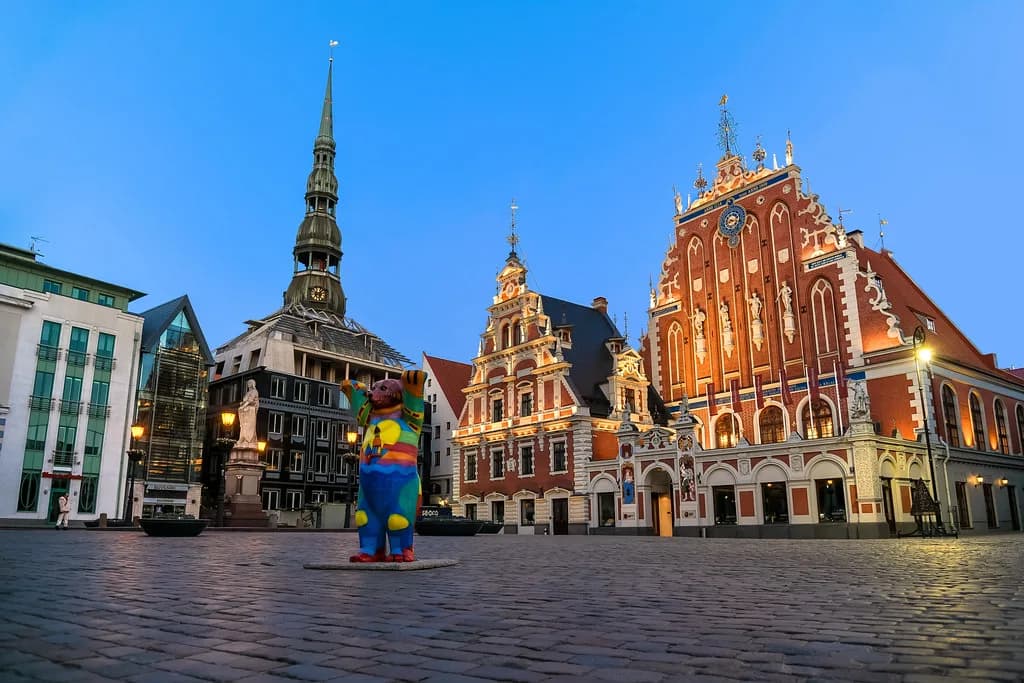
Riga is where English is most reliable: hotel desks, guided walking tours, museum ticket offices, cafes in the Old Town and the central station all run on it routinely. Younger Latvians in the capital often switch to English the moment they hear an accent, and service staff in tourist-facing jobs treat it as part of the job. If your trip is mostly the capital, language will barely register as an issue.
Beyond the capital, the same holds in Gauja National Park's visitor-facing spots around Sigulda and Cēsis, in Jūrmala's resort strip and on the mainstream intercity bus and train routes, where announcements and ticket staff typically handle English. These are the places where a foreign visitor is a routine sight rather than an event, and English follows from that.
Where it thins out: regional towns, older residents, markets and rural areas
Head into smaller towns in Latgale or rural Kurzeme and English becomes patchy, especially with people over 60. The survey's age pattern bears this out: Latvian as an additional language is known by 81.4 percent of people aged 65 to 69, the lowest of any group, while the highest share, 93.4 percent, is among 25- to 34-year-olds. Markets, post offices, local bus ticket windows and small hardware-type shops are where you will most often need a phrasebook or a translation app.
None of this is hostility; it is simply a matter of what people use day to day. A polite opening in Latvian, even a clumsy one, usually buys goodwill and often produces someone nearby who does speak English. If you are traveling by car to these areas, renting a car in Latvia makes the logistics easier but does not change the language situation at the counter.
Latvian, Russian and English: which language to try first and when
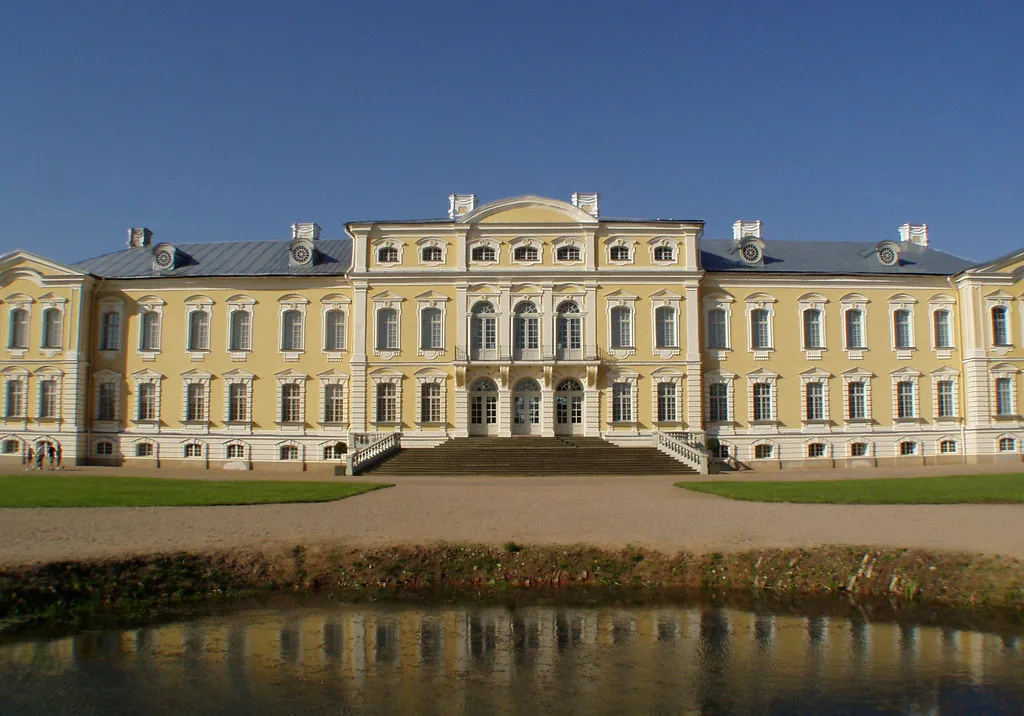
Start in Latvian whenever you can: sveiki for hello and paldies for thank you cover most casual encounters, and Latvian is the state language, so it is the safe default in official settings. If that fails, English is the better second attempt with younger people, while Russian is more likely to work with older residents in Riga and the eastern regions, where the Russian-speaking population is larger.
The choice between Russian and English carries history, and some Latvians would rather struggle through English than switch to Russian. You do not need to navigate that in detail; simply offer English after Latvian, accept whatever comes back, and do not press the point when someone prefers one over the other. That approach keeps encounters easy without requiring you to read the room perfectly.
Practical phrases and habits that smooth things over
A handful of words go a long way: labdien for a general hello, lūdzu for please, paldies for thanks, and vai jūs runājat angliski to ask whether English is spoken. Numbers matter at markets and ticket windows, so learn one through ten or keep a translation app open for the exchange. Write place names down rather than relying on pronunciation, since Latvian spelling is phonetic and locals will read a written name instantly.
Habits matter as much as vocabulary: speak slowly, avoid idioms, and use the phone to show a map pin or a written address when speaking fails. In restaurants, menus in English are common in cities but rare in small-town canteens, so pointing at a dish on a neighbor's table is a perfectly acceptable move. Keep expectations modest and the trip stays frictionless.
Language in the regions: Riga and Pierīga versus Latgale
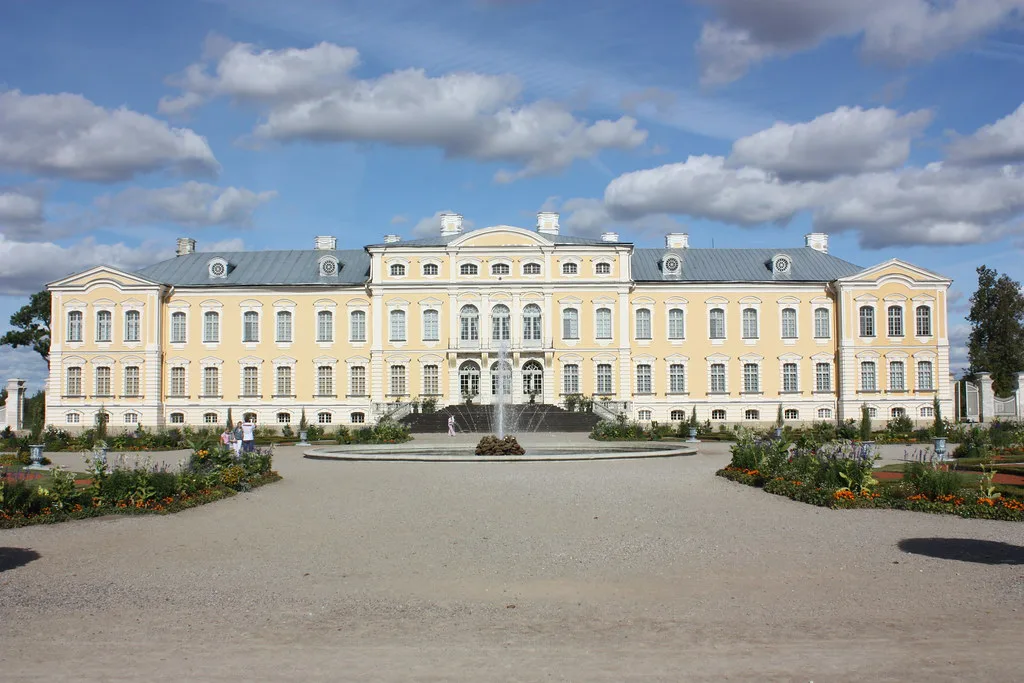
Regional language data is published for Latvian, not English, but it still tells you where multilingual life is densest. Latvian as an additional language reaches 92.1 percent in Riga and 88.4 percent in Pierīga, the ring around the capital, compared with 82.1 percent in Latgale in the east; Kurzeme, Zemgale and Vidzeme sit between 90 and 93 percent, with Kurzeme at the top on 93.0 percent. The practical read is that the capital region and Kurzeme have the deepest pool of people who switch languages easily, while Latgale has the lowest share and is where English is least likely to be a fallback.
For a short trip this regional nuance rarely bites, since most itineraries loop Riga, Jūrmala, Sigulda and perhaps Kuldīga or Liepāja, all in the better-covered west and center. It matters if you plan to spend time in Rēzekne, Daugavpils or villages along the eastern border, where you should expect to rely on Russian or a translation app. Build that into the day rather than discovering it at a bus window.
Getting around Latvia without fluent Latvian
Buses and trains are manageable with English: buy tickets online or at the station counter, and use the operator apps where route names are in Latvian and English. The main risk is not language but coverage, since rural services are sparse and some stops are request-only. If you are planning a summer trip with national park walks, Latvia in August lays out the transport and weather picture and how far English carries you along the way.
Driving removes most language friction, because signage is standardized and fuel stations are self-service, though parking machines and rural ticket kiosks may be Latvian-only. Carry a card that works in unmanned terminals and photograph your parking ticket, since clarifying a mistake by phone in English is not guaranteed. For shoulder-season travel, Latvia in April explains what is open before the summer rush.
Budget-wise, language has no direct cost, but the places where English is thinnest are also the cheapest, which shapes how far your money goes. If cost is the deciding factor for your trip, is Latvia expensive breaks down what a Riga visit and a regional loop actually run to.
Who Should Worry About the Language and Who Should Not
City-based visitors, younger travelers and anyone sticking to Riga, Jūrmala and the Gauja National Park area should not worry: English handles hotels, museums, restaurants and transport without drama. Road-trippers heading to Latgale, rural Kurzeme or small-town markets should prepare a little, with a translation app and a few Latvian phrases, and will find the effort repaid.
Long-stay travelers and anyone hoping to make local friends will get more out of learning basic Latvian than out of any other single preparation, since English is a bridge rather than a doorway. Either way, language is a minor consideration next to the bigger question of whether the country suits you, which our Latvia verdict answers directly.
Explore more Latvia trip-decision guides
Frequently Asked Questions
Do they speak English in Latvia?
Enough for a normal trip, but not everywhere. The Central Statistical Bureau of Latvia found that 64.0 percent of people aged 25 to 64 speak or understand English, with most of those rating themselves intermediate or advanced. In practice that means English works reliably in Riga, at hotels, museums and on intercity transport, and becomes unreliable in small towns and with older residents.
Is English enough to travel in Latvia?
For a trip built around Riga, Jūrmala, Sigulda and the Gauja National Park, yes. Hotels, restaurants, guided tours and bus and train ticket desks handle English routinely. You only need more than English if you plan to spend time in rural areas, small-town markets or the eastern border towns, where a translation app and a few Latvian words make the day much easier.
Should I speak English or Russian in Latvia?
Try Latvian first for greetings and thanks, then English with younger people and Russian with older residents, particularly in Riga and the eastern regions. Russian is the most widely known foreign language in the country at 91.3 percent of the 25 to 64 age group, but the choice carries history and some Latvians prefer to continue in English. Offer, accept whatever comes back, and do not insist.
Do older people in Latvia speak English?
Less often than younger people. English knowledge is concentrated in the 25 to 34 age group, while residents over 60 grew up before English became the default second language at school. Latvian language knowledge among people aged 65 to 69 sits at 81.4 percent, the lowest of any age group, and English is thinner still. Expect to use written place names, numbers on a phone screen or a few Russian words.
Is English widely spoken outside Riga?
It is reliable in tourist-facing places such as Jūrmala, Sigulda and Cēsis and on main intercity routes, and patchier in smaller towns. Regional data on Latvian as an additional language shows the capital region and the west are the most multilingual, while Latgale in the east has the lowest share at 82.1 percent and the largest Russian-speaking population. In Rēzekne, Daugavpils and border villages, plan on Russian or a translation app.
Sources
Trip-decision notes
Optional updates when we publish or revise a destination verdict.
You might also like
Continue reading
More guides you'll find useful