Latvia in September: Is It Worth Visiting?
Latvia in September brings mild days, cool nights and about 10 rain days a month. See what that means for Riga, Sigulda and the coast, and who should wait.
On this page
September is worth it in Latvia if you want a city-and-forest trip with fewer people than July or August, and it is the wrong month if you are chasing beach weather. Typical daytime temperatures average about 16 °C (61 °F) and nights about 9 °C (49 °F), with rain on roughly 10 days and around 5 hours of sunshine a day. That combination suits Riga's Old Town, the Gauja valley around Sigulda and long walks in the parks far better than it suits sunbathing on the Gulf of Riga.
The month also has a direction: it cools as it goes. Daytime highs run around 19 °C (66 °F) at the start of September and slide toward 13 °C (56 °F) by the end, so early September and late September are genuinely different trips. If you want the milder end of the range, book the first half; if you want empty trails and do not mind a jacket, the second half rewards you with quieter days.
The verdict
Go in September for Riga, for Sigulda and Gauja National Park, and for the smaller towns of Kurzeme and Latgale. Skip it if your idea of a Baltic trip is swimming, sunbathing and long evenings outdoors, because the sea is cool and the light fades noticeably by the end of the month. September rewards travelers who treat Latvia as a walking, eating and architecture destination and keep the coast as scenery rather than a beach club.
The month sits in the shoulder season the country's own travel calendar describes as quieter, with spring and autumn named as the periods for fewer tourists and landscapes at their best. That is the honest pitch: you trade a few degrees and some rain for smaller crowds and a more local-feeling Riga. If your dates are flexible, read the best time to visit Latvia before locking in a week.
Who will love Latvia in September
City travelers do well here. Riga's compact Old Town, the Central Market halls and the park belt along the canal are all comfortable at 16 °C (61 °F), and you will not be queuing in heat. The same goes for anyone who wants to combine a capital with a national park: Sigulda and the Gauja valley are an easy day trip, and September is arguably the better month for the walking itself.
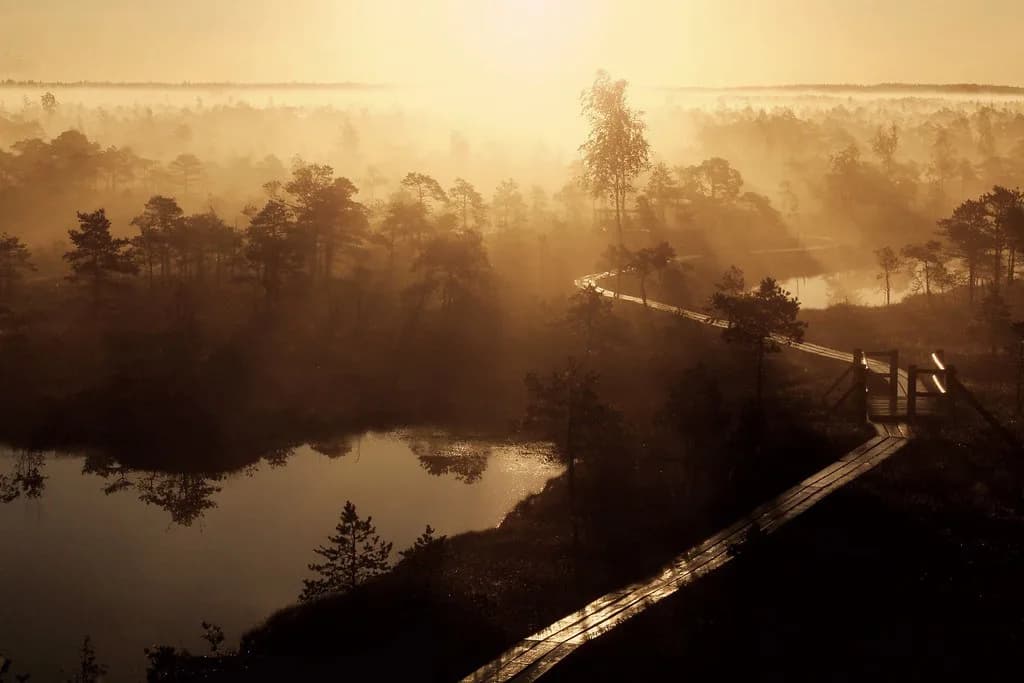
Hikers and forest lovers get the best of the month. The Gauja River Valley around Sigulda and Cesis is at its most walkable when summer heat has gone and the woods are turning, and the trails are quieter than in July. Photographers also benefit from the softer light and the misty mornings that a cooling month brings.
Who should pick another month
Swimmers and beach-first travelers should look at July or August instead. The Baltic and the Gulf of Riga sit around 15 °C (59 °F) in September, which is water for the resilient rather than for most people, and Jurmala's beach is better for a bracing walk than a swim. If the point of your trip is sand and sea, this is not your month.
Travelers who want long, warm evenings and open-air terraces at 10 pm should also wait. Daylight averages about 13 hours across the month but shrinks steadily, and nights at 9 °C (49 °F) push dinners indoors. Families with small children who need reliable dry weather may prefer the summer school holidays, when the odds of a sunny day are better even if the crowds are worse.
September weather by region: Riga, Sigulda, Kurzeme and Latgale
Riga is the reference point for September conditions, with average daytime highs near 16 °C (61 °F), overnight lows near 9 °C (49 °F), roughly 65 mm (2.56 in) of rain over about 10 rain days and around 5 hours of sunshine daily. AccuWeather's Riga monthly page tracks the city's day-by-day September temperatures, with highs swinging from the low twenties Celsius at the start of the month to the mid-teens by its end.
Inland, Sigulda and the Gauja National Park run a touch cooler than the capital, especially in the river valley in the mornings, so a layer matters on early hikes. Kurzeme, with Liepaja and Ventspils on the open Baltic, feels the wind more and cools faster in the afternoons; Latgale around Daugavpils and Rezekne is the most continental and can serve up the warmest afternoons and the coldest nights in the same week.
Treat all of these as typical conditions from climate averages rather than a forecast. Countrywide September figures put the daytime average at about 16 °C (61 °F) and the night average at about 9 °C (49 °F), with roughly 10 rainy days and 81 percent humidity, which is why a rain shell earns its place in your bag more than shorts do.
Riga in September: Old Town, Central Market and the park belt
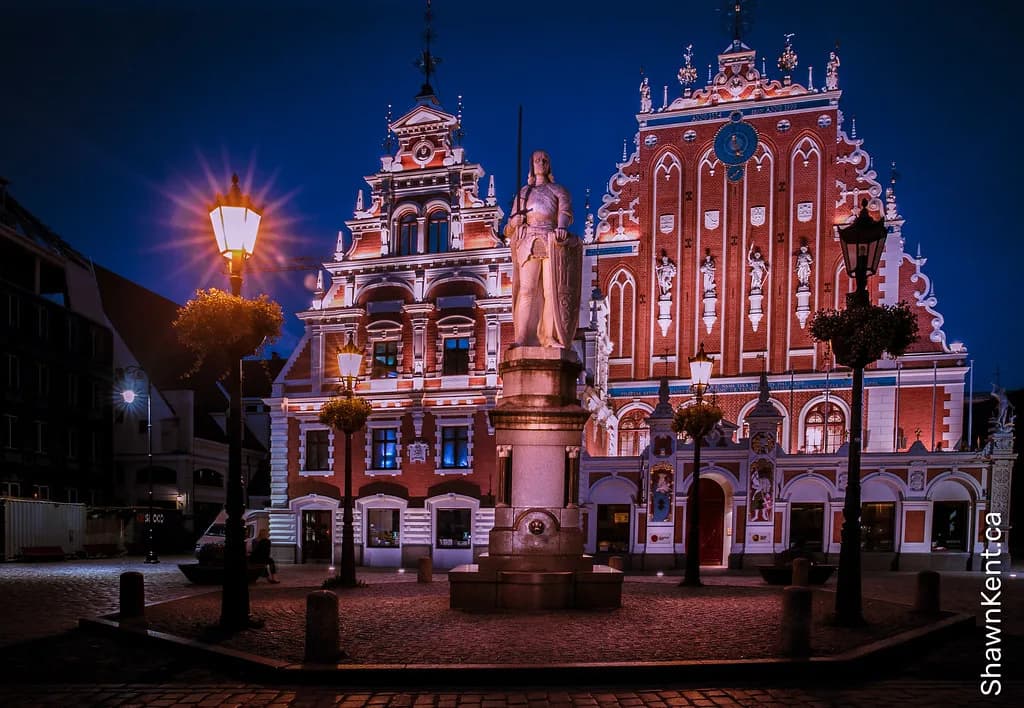
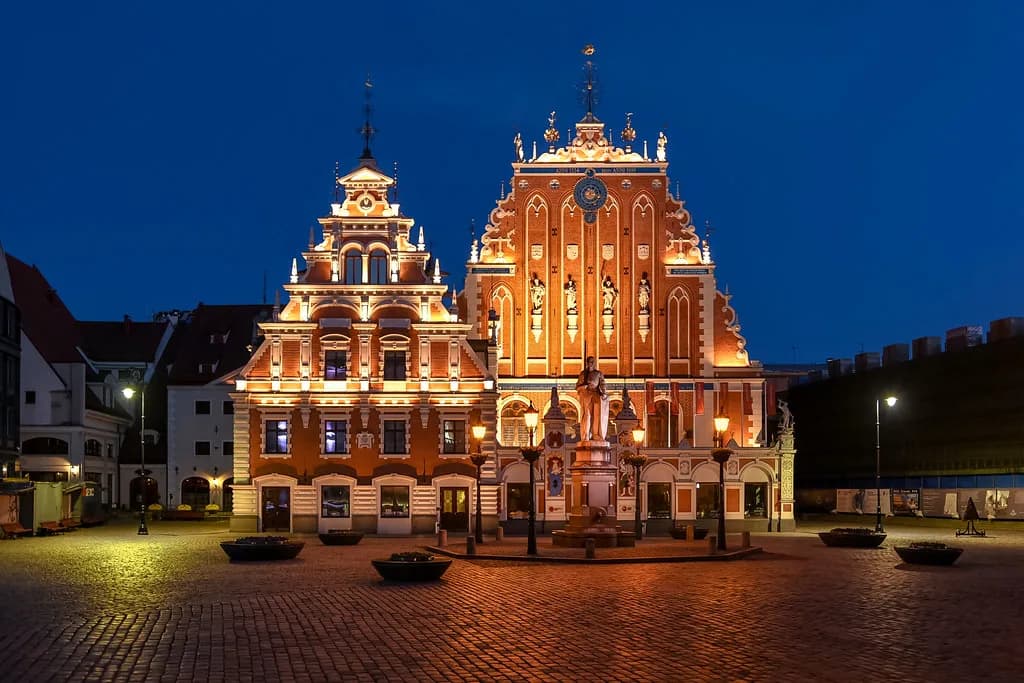
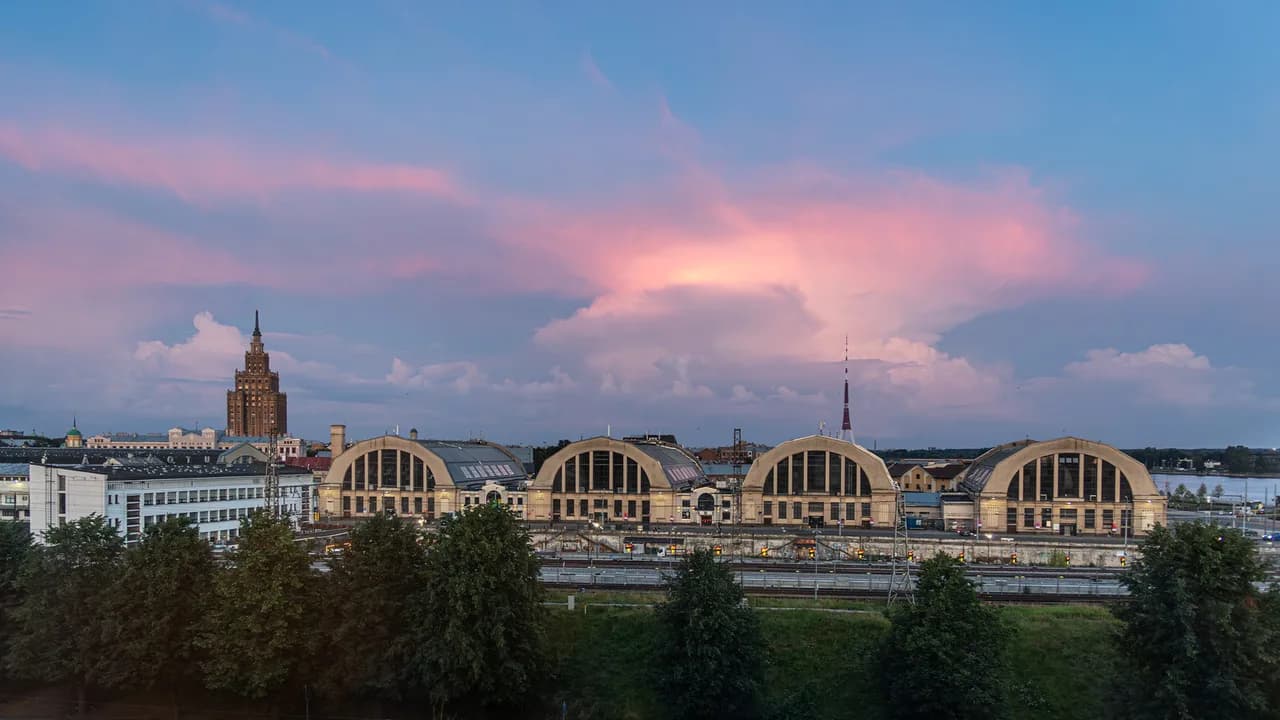
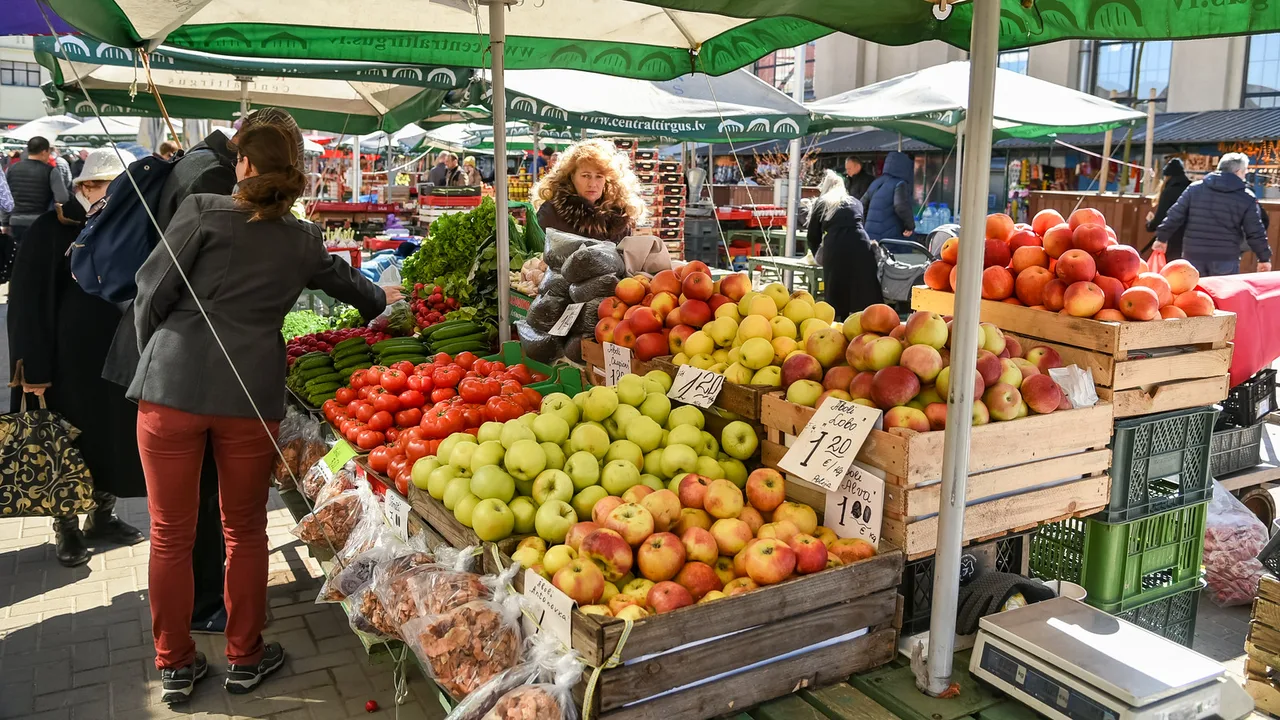
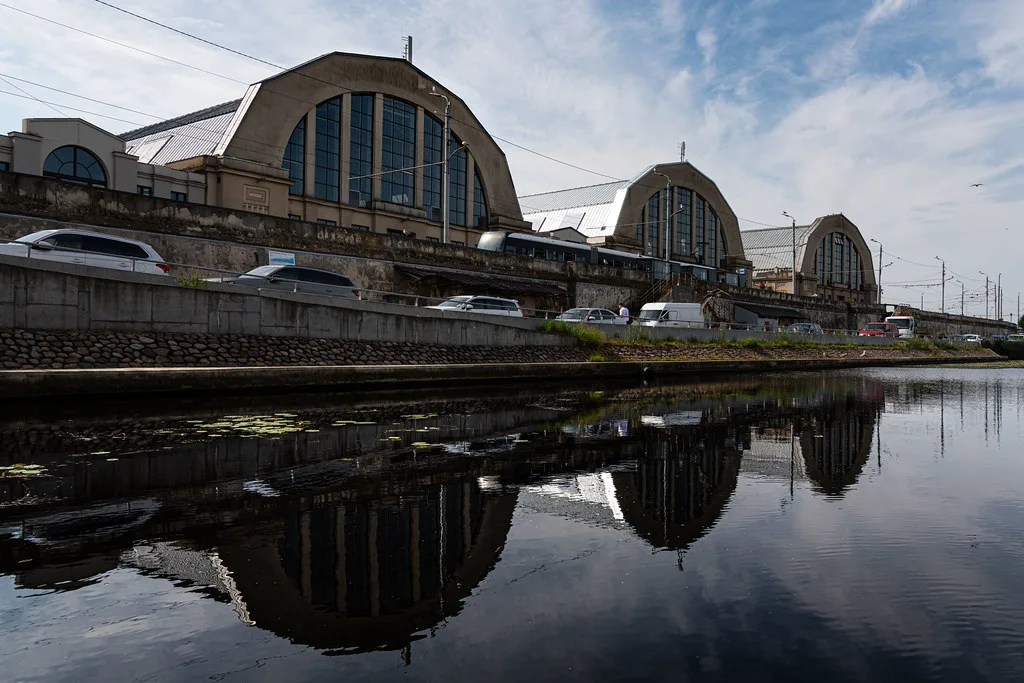
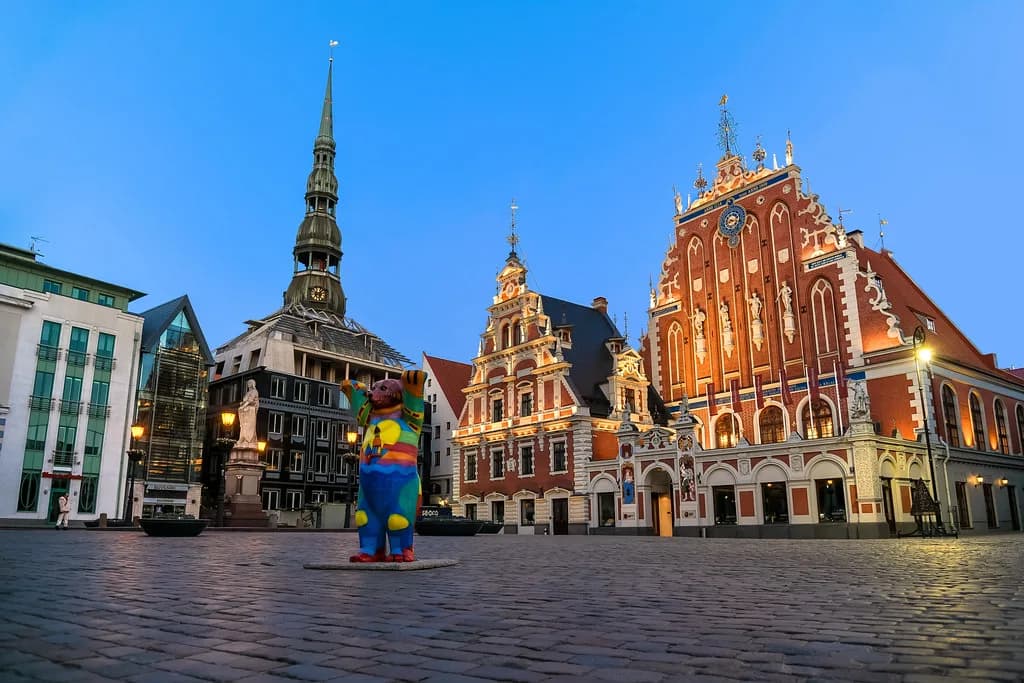
Riga is the reason most people come, and September flatters it. The Old Town's church spires, the Three Brothers and the Swedish Gate are close enough to walk between without overheating, and the Central Market's five converted zeppelin hangars are a good rainy-hour stop for smoked fish, rye bread and berries. Combine the two on foot and you have a full day that works in almost any weather.
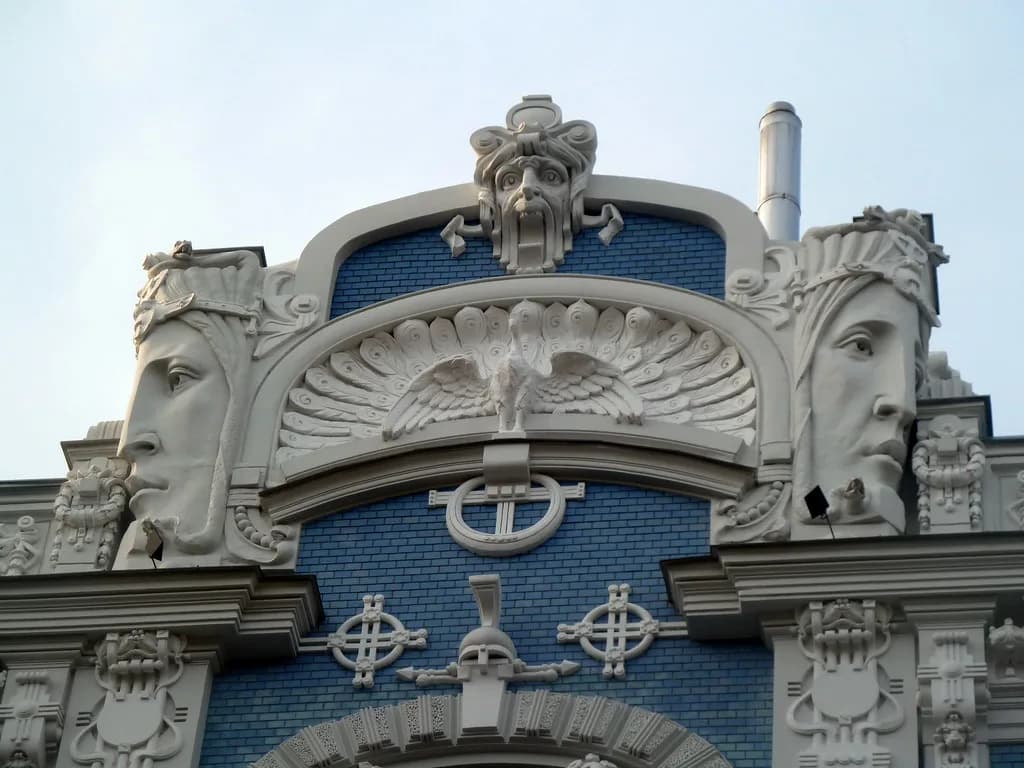
The park belt along the city canal, from the Freedom Monument toward the Art Nouveau district, is the underrated part of a September visit: the trees turn, the light softens and the embankment paths are quieter than in high summer. The Art Nouveau streets around Alberta iela are a short walk away, so you can build a half-day loop of architecture, canal-side benches and coffee stops.
Day trips that work in September: Sigulda, Gauja National Park and Jurmala
Sigulda is the classic day trip from Riga and arguably better in September than in July. The Gauja National Park around it offers river-valley trails, the Turaida Museum Reserve and castle ruins, and the cooler air makes the walking pleasant rather than sweaty. The country's seasonal guides single out Sigulda and the Gauja valley for active travelers, which is exactly the use September suits.
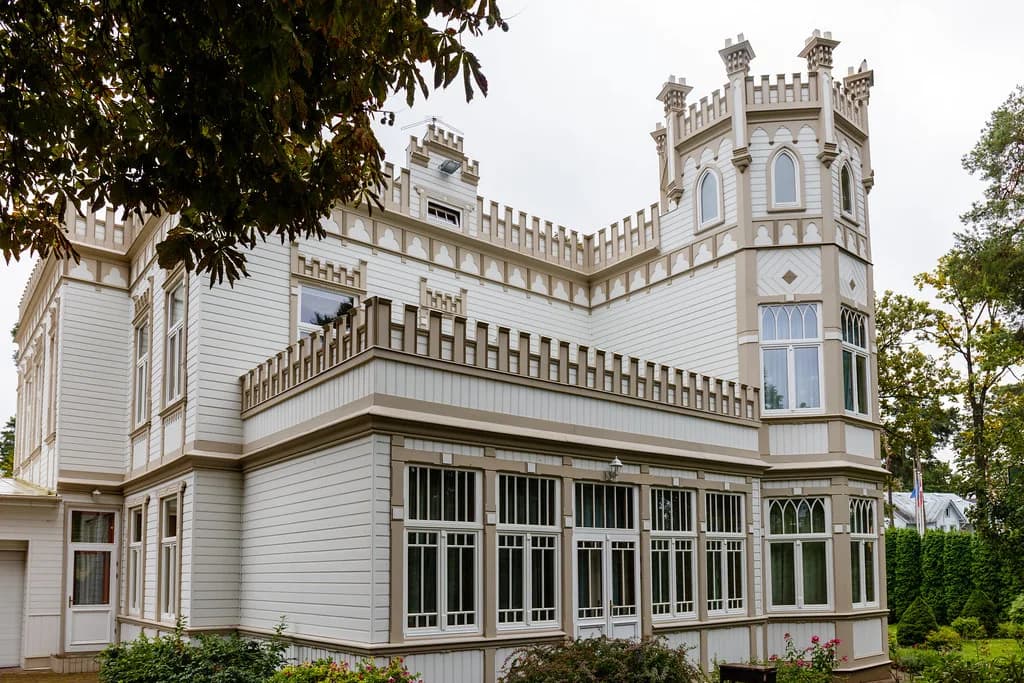
Cesis, further up the Gauja valley, pairs a small medieval core with castle ruins and makes a good second day if you want to stay overnight in the region rather than dash back. Jurmala, 30 to 40 minutes from Riga by train, is the coastal counterpoint: the beach walk and the wooden villas of the Dzintari district are the draw, not the water, at this time of year. For a broader menu of where to go around the country, see the best places to visit in Latvia.
The coast in September: what sea temperatures mean for swimming
Sea temperatures around 15 °C (59 °F) are the deciding fact for the Latvian coast in September. That is fine for a quick dip if you are used to cold water, but it is not swimming weather for most travelers, and the beach at Jurmala or Liepaja is better used for walking, kite-flying and watching the light than for lying out. Bring a windproof layer for the coast even when Riga feels mild.
The upside is that the sand is quieter and the resort towns feel like themselves again. If you want a coastal base without the summer crush, Jurmala in September gives you the villas and the pine-backed beach with room to move, and Kurzeme's fishing towns along the open Baltic are at their most atmospheric when the wind picks up.
Shore days versus rain days: how to structure a week around the weather
With roughly 10 rain days a month, assume two or three wet days in any given week and plan to swap rather than cancel. Keep Riga's indoor anchors in reserve for the wettest hours: the Central Market, the Museum of the Occupation of Latvia and the Art Nouveau interiors reward a rainy afternoon. Save Sigulda and the Gauja trails for the driest forecast window, because a river-valley hike in steady rain is a slog rather than a highlight.
A flexible structure works better than a fixed itinerary. Book Riga days loosely, keep one full day free for the best-forecast day and move it to Sigulda or Jurmala at short notice; trains from Riga to both are frequent enough that you can decide the evening before. AccuWeather's Riga monthly page is a reasonable place to watch the trend as your dates approach.
Crowds, prices and the end-of-season feel
September is quieter than the June-to-August peak, and you will notice it most in Riga's Old Town and on the Jurmala train. The trade-off is that a handful of seasonal places, especially along the coast, wind down as the month progresses, so a beach cafe that was open in August may not be by late September. Prices generally sit below high summer, though exact hotel and tour rates vary by date; our Latvia costs guide sets out what a trip realistically costs.
Latvia uses the euro, so budgeting is straightforward for travelers from the eurozone and easy to compare for everyone else. Ticket prices for museums, trains and the Sigulda sights change, so check current prices and dates with the venue or carrier when you book rather than relying on older figures. If you are weighing the country against its neighbors, our Latvia vs Lithuania comparison covers the main trade-offs.
How many days you need in Latvia in September
Four to five nights is the right amount for a first September trip. That gives you two full Riga days, one for the Old Town and Central Market and one for the parks and Art Nouveau district, plus a day in Sigulda and the Gauja National Park, with a spare day held for the coast or the weather. Shorter than four nights and the rain risk starts to eat your trip; longer than six and you will want to add Kurzeme or Latgale rather than stretch Riga.
If you are combining the Baltics, September is a good month to do it, with Riga as a natural middle stop between Tallinn and Vilnius. It is also worth reading whether Estonia is worth visiting before you fix your northern stop. Keep at least three nights in Riga itself so a wet day does not wipe out the city entirely. If your dates are stuck to the late-September end, add a day of slack rather than booking a tight transfer chain.
Getting there and getting around in September
Riga International Airport is the main gateway, with direct flights from across Europe and connections from North America via the big hubs. From the airport, bus 22 runs into the city center, and the journey is short enough that a taxi is a convenience rather than a necessity. Trains and buses link Riga with Sigulda, Jurmala and other Latvian towns, and the national operator's timetable is where you check times before traveling.
Within Riga, the Old Town, Central Market and park belt are all walkable, so you can skip public transport on most days. For regional travel, buses often reach smaller towns that trains do not, and September schedules are generally still at summer frequency rather than the thinner winter pattern. For an overview of the country's regions and bases, the Latvia worth visiting guide maps out where each fits.
Drawbacks: rain, shortening daylight and seasonal closures
The honest drawbacks are rain, cool nights and a shrinking day. Ten rain days a month does not mean constant downpours, but it does mean you should build in flexibility and carry a shell; 9 °C (49 °F) nights mean evenings are for indoor plans. Daylight averages around 13 hours across September and their length shrinks as the month wears on, so late September sightseeing needs a slightly earlier start.
The end-of-season effect is real on the coast and in resort towns, where some seasonal businesses close as the month wears on. You will not find the country shut, but a few seaside cafes and attractions wind down, and the further you get from Riga the more you should check before making a detour. None of this is a reason to skip September; it is a reason to plan for it.
Latvia in September compared with August and October
August is warmer and busier: better for swimming and long evenings, worse for crowds and prices, and the sea is at its most usable. September splits the difference, with mild days, a cooler sea and noticeably thinner crowds. Latvia in August is the choice if you want the beach and the festival atmosphere; September is the choice if you want the cities and forests without the crush.
October is cooler and wetter again, with shorter days, though it can bring crisp, clear autumn light and even lower prices. September is the sweet spot between the two: warm enough for full days outdoors, quiet enough to feel local. Latvia in October suits travelers who prioritize empty streets and low costs over comfortable temperatures.
The verdict by traveler type
City breakers should go in September: Riga is at its most comfortable and least crowded, and the parks and Central Market shine. Hikers and nature travelers should also go, because Sigulda and the Gauja valley are better walked in cool air, and the trails are quiet. Families with school-age children can make September work if they accept some rain days and skip the beach, while families who need guaranteed sunshine should look at July instead.
Swimmers and sunbathers should pick August or early July, when the Baltic is more inviting. Budget travelers get a good deal in September, with prices easing below peak and no sacrifice in what is open in Riga. If you are still weighing the country as a whole, our Latvia verdict covers whether it is worth the trip; if you want the month-by-month view, the best time to visit Latvia lays out the alternatives.
Plan Your September Trip
September is a strong, slightly underrated month for Latvia as long as you plan around its weather rather than against it. Aim for early to mid-September if you want the mild end of the range, keep one day flexible for a rainy Riga and one for a dry Sigulda, and treat the coast as a walk rather than a swim. That structure gives you the best of a shoulder-season trip.
Book Riga and the Gauja valley first, add a coastal day only if the forecast allows, and leave the beach ambitions for another year. For entry formalities, use your own government's official travel page once and then focus on the trip itself. Latvia in September rewards the traveler who comes for the cities and forests, not the sand.
Explore more Latvia trip-decision guides
Frequently Asked Questions
What is the weather like in Latvia in September?
Typical September conditions are mild days and cool nights: the daytime average is about 16 °C (61 °F), nights average about 9 °C (49 °F), rain falls on roughly 10 days and there are around 5 hours of sunshine a day. Daytime highs fall from about 19 °C (66 °F) early in the month to about 13 °C (56 °F) late, so the first half is noticeably warmer.
Is September a good time to visit Latvia?
Yes, for cities and forests. Riga, Sigulda and the Gauja National Park are comfortable and quieter than in July or August, and prices ease below the peak. It is a weaker month for beaches, because the Baltic is cool and some coastal places wind down as the month progresses.
Is Riga warm in September?
Pleasant rather than hot. Daytime highs average around 16 °C (61 °F), with the warmest days in the low twenties Celsius at the start of the month, and nights around 9 °C (49 °F). A light jacket and a rain layer cover most days, and the Old Town, Central Market and park belt are all comfortable on foot.
Can you swim in the Baltic in Latvia in September?
Only if you are comfortable with cold water. Sea temperatures around 15 °C (59 °F) are bracing for most people, and the beach at Jurmala or Liepaja is better for walking and scenery. Swimmers should aim for July or August instead.
How many days do you need in Latvia in September?
Four to five nights covers a first trip well: two full days in Riga, a day in Sigulda and the Gauja National Park and a spare day for the coast or bad weather. If you are combining the Baltic capitals, keep at least three nights in Riga so a wet day does not wipe out the city.
Is Latvia in September better than August or October?
September is the middle option. August is warmer and better for swimming but busier and pricier; October is cooler, wetter and cheaper with shorter days. September gives you mild walking weather, thinner crowds and a usable balance between the two.
Sources
Trip-decision notes
Optional updates when we publish or revise a destination verdict.
You might also like
Continue reading
More guides you'll find useful