Latvia Itinerary: How Many Days You Need and Where to Go
A practical Latvia itinerary for 3, 4 and 7 days, with Riga, Sigulda, Ķemeri and Kurzeme, honest transport limits and a clear verdict on where to spend time.
On this page
Three to four days in Latvia gives you Riga properly, a castle-and-cable-car day in Sigulda and, if you move fast, the forest trails of Ķemeri National Park. A full week adds the baroque palaces around Bauska and the Courland coast, which is where the country stops feeling like a stopover between Vilnius and Tallinn.
The important decision is not whether Riga deserves two days, because it does, but how far you want to push into Kurzeme, the western region where public transport thins out and a car changes the arithmetic. Travelers who treat Latvia as a quick city break usually leave satisfied; travelers who want Kuldīga and Ventspils need to plan the transport legs carefully.
This plan is built for people deciding how many days to commit, so each version names what you gain and what you give up. Before you lock dates, our verdict on whether Latvia is worth visiting sets out who the country suits and who should not bother.
The verdict: how long Latvia deserves
Give Latvia three days based in Riga if you want a compact city break with one countryside excursion, or four days if you add Ķemeri and the Barefoot Trail at Valguma Pasaule. Only commit a week if you genuinely want small towns, manor houses and the Baltic coast rather than more capital time.
Riga earns a full day of walking in the Old Town and a second for the Art Nouveau streets and the central market halls, so squeezing the capital into one day defeats the point of coming. The reverse mistake is spending a week in Riga and treating the rest of the country as decoration; the strongest itineraries pair the capital with two or three clearly different landscapes.
The Baltic capitals compete for the same short-haul long weekend, and Latvia's advantage is variety within short distances: medieval castles, a national park of bogs and lakes, and a coastal resort all within a couple of hours of Riga. If you are still weighing the two southern neighbors, the comparison of Latvia vs Lithuania helps frame which country suits a slower, greener trip.
How many days you need: 3 days, 4 days or a full week
Three days is the minimum that works: two days in Riga and one day trip to Sigulda for Turaida Castle and the Gauja valley. You will not see the coast, the palaces or the national park, but you will come away with a real sense of the country.
Four days adds the day trip that most short plans miss: Ķemeri National Park, where a barefoot nature trail runs through forest and bog near Valguma lake. It is a slow, tactile experience rather than a sightseeing checklist, and it suits travelers who would rather walk than queue.
A week changes the trip into a loop: Bauska and Rundāle Palace southward, then Kuldīga, Ventspils and Jūrmala on the western and coastal legs. Note that this version needs either a rental car or a tolerance for infrequent rural buses, and that the palace and museum stops are daytime activities that structure each day.
The 3-day plan: Riga plus Sigulda
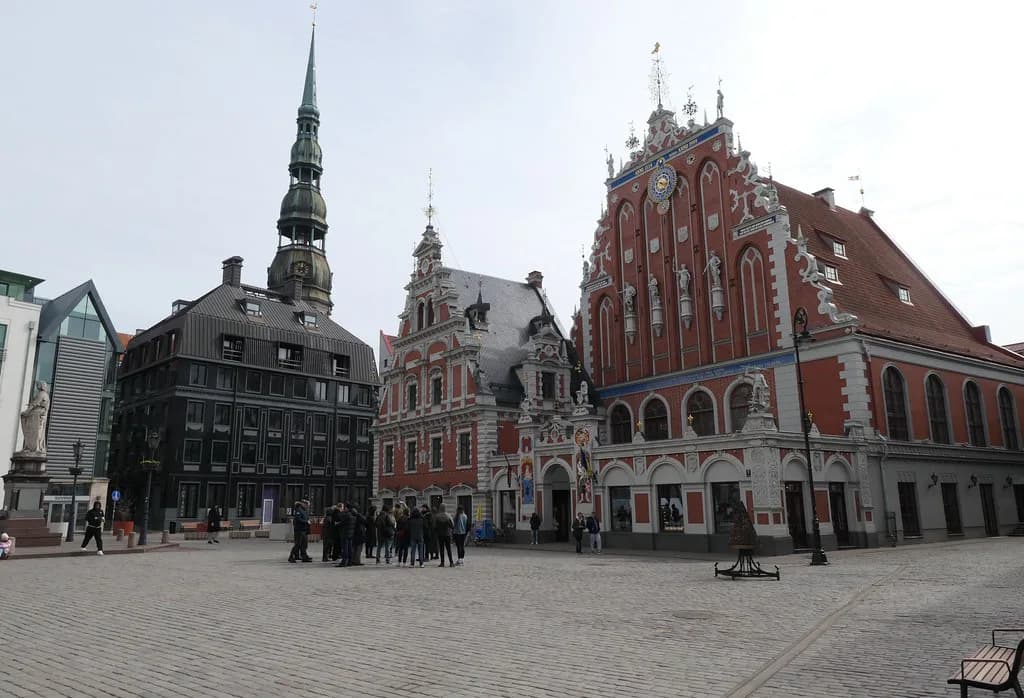
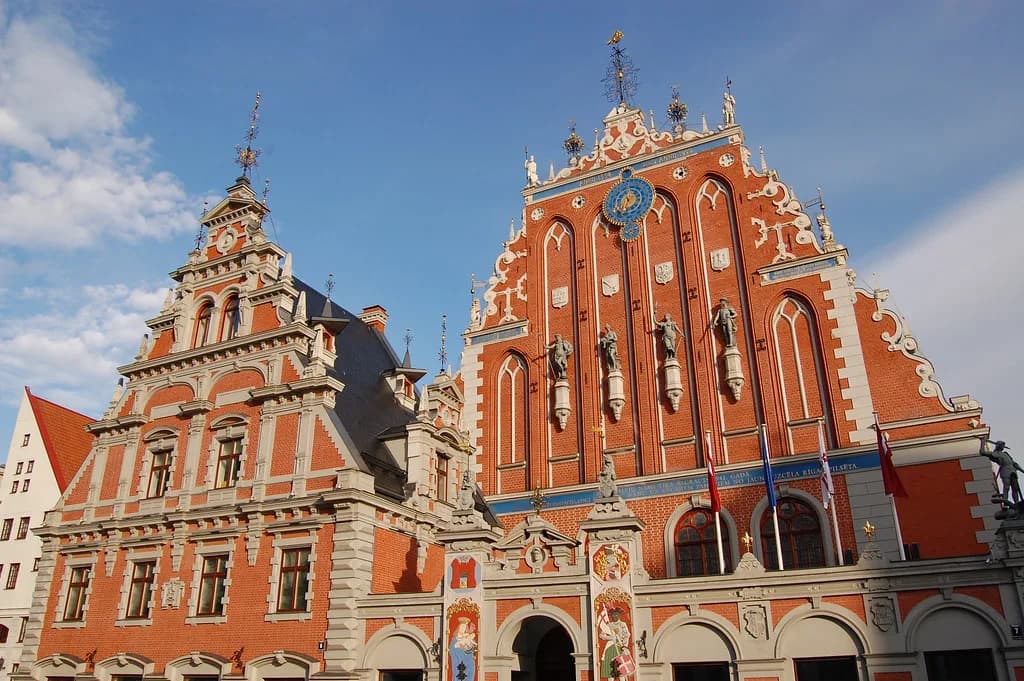
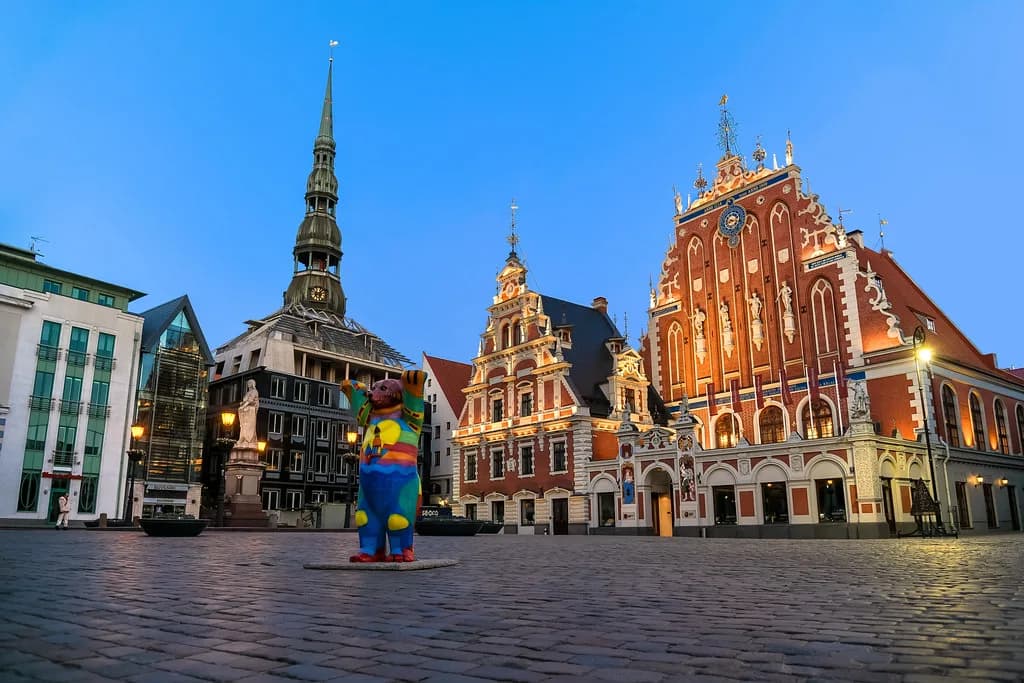
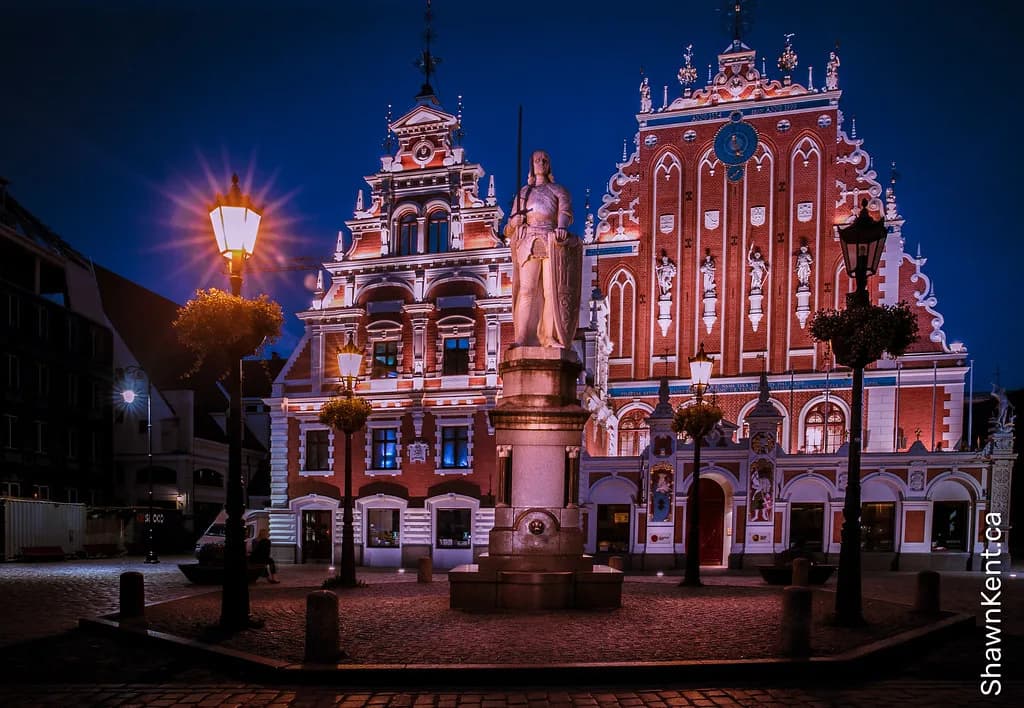
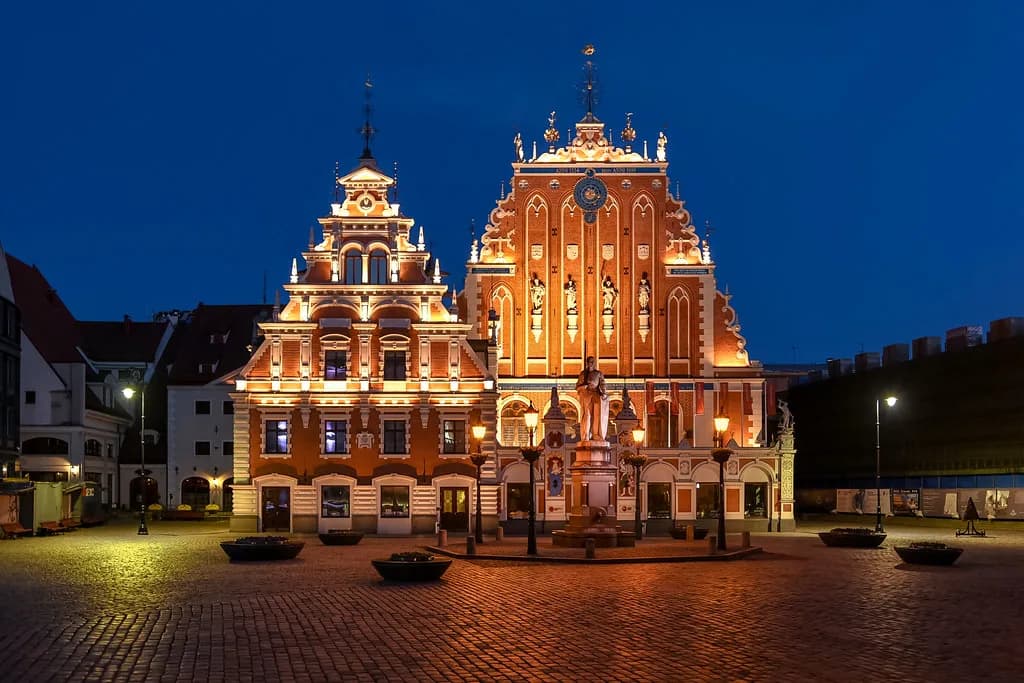
Day one belongs to Riga Old Town, a UNESCO-listed cluster of cobbled lanes around Dome Square and the cathedral, with the Freedom Monument and the canal-side parks a short walk away. Keep the pace easy: the Old Town is compact, and the reward is atmosphere rather than an endless tick list.
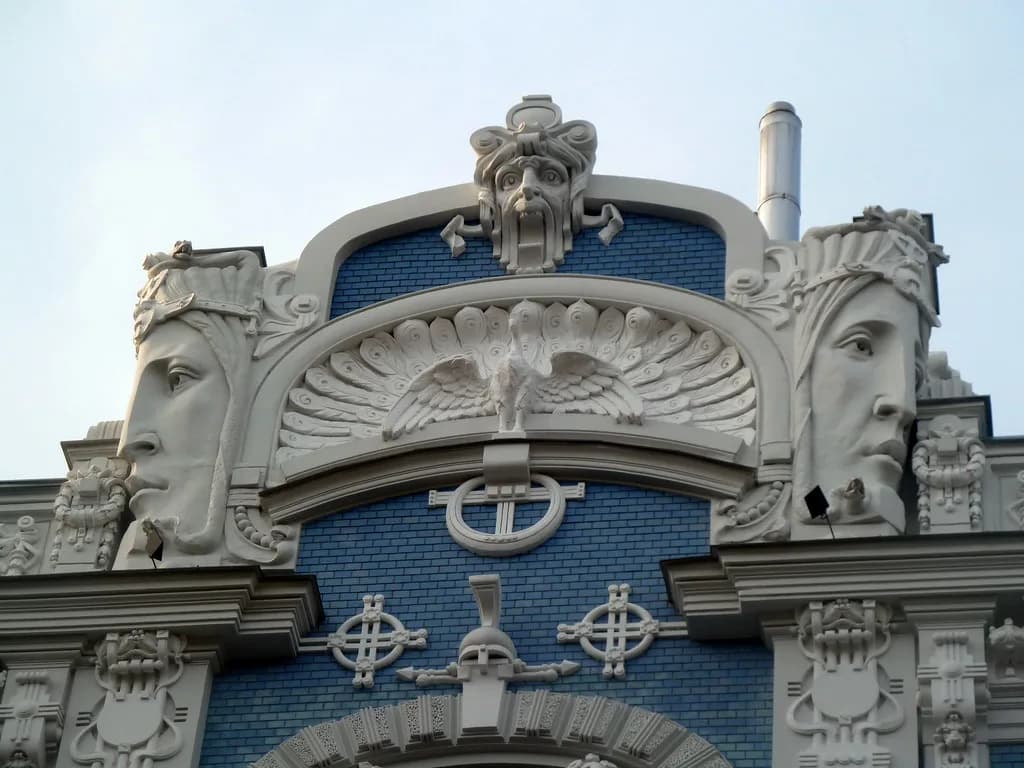
Day two covers the Art Nouveau district, where several streets of ornate facades sit within a few blocks of the center, then the market halls and a long lunch. This is also the day to wander across the river for skyline views back toward the spires.
Day three goes to Sigulda, under an hour from Riga by road, where Turaida Castle and the wooded Gauja valley give you the medieval landscape the capital lacks. Trains and buses from Riga serve the town, though the castle and trailheads sit a walk or short local ride from the station.
The 4-day plan: add Ķemeri and the Barefoot Trail
The fourth day is a delicate detour west of Riga to Ķemeri National Park, a wetland landscape of bogs, boardwalks and pine forest. The headline attraction for many visitors is the barefoot nature trail at Valguma Pasaule, a long path walked without shoes that takes you over moss, cones and mud.
Treat the logistics as the constraint, not the walk itself: the trail sits away from the main rail line, and travelers without a car often rely on local transfers or a taxi from the nearest station. Build the day around daylight and bring a towel, because you finish with muddy feet.
If barefoot forest walks sound gimmicky, swap this day for Cēsis, a small town with a Livonian Order castle and a walkable old center beyond Sigulda. Either choice keeps you within comfortable reach of Riga for the evening.
The 7-day plan: palaces, Kuldīga and the coast
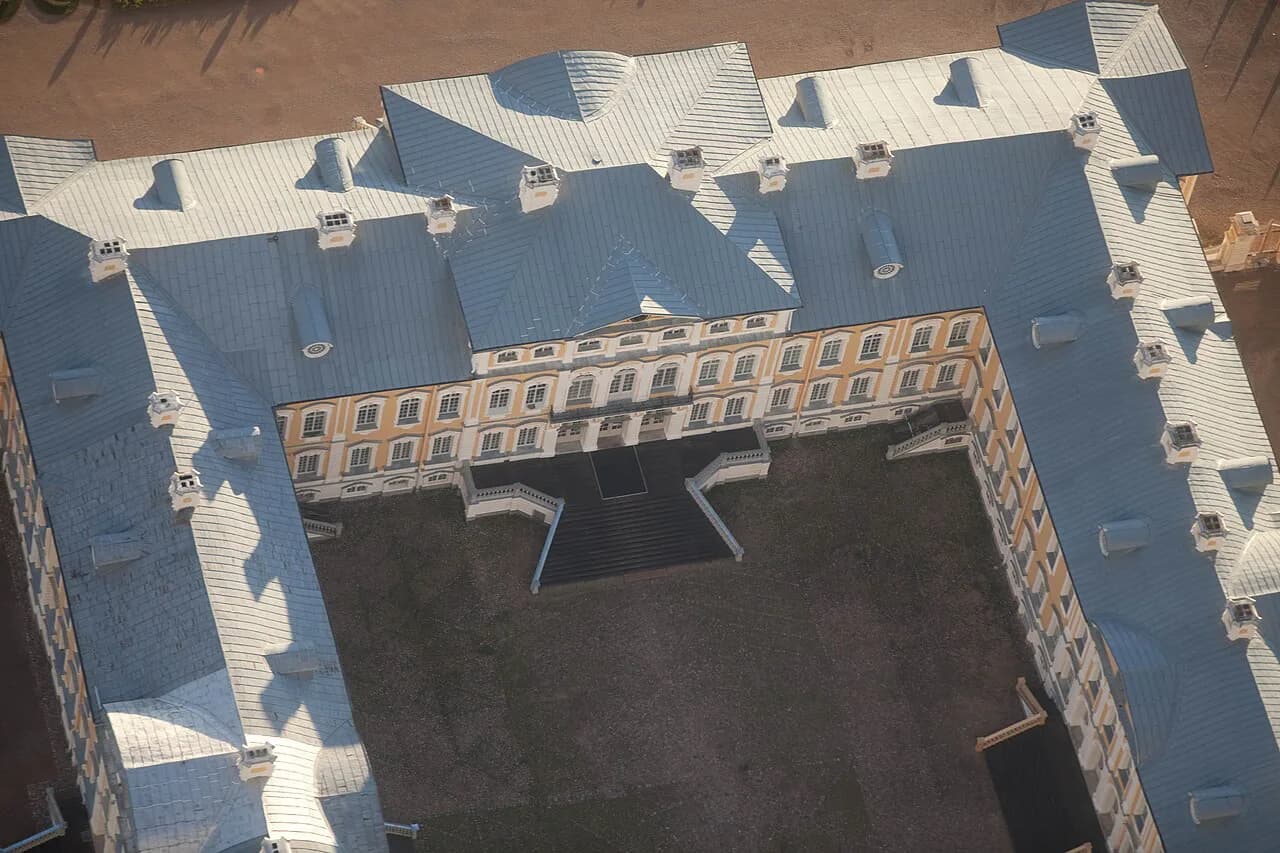
A week opens the historic circuit south and west of Riga. Start with the Ethnographic Open-Air Museum outside the capital, then head to Bauska Castle and Rundāle Palace, the baroque country residence with formal gardens that justifies the drive on its own.
Continue via Jelgava Palace and Kuldīga, a town of 18th- and 19th-century streets and a famous wide waterfall on the Venta river. Kuldīga is the kind of place that rewards an unhurried afternoon rather than a rushed photo stop.
From there, Ventspils gives you a working port with a seafront promenade and a run of painted cow sculptures along the shore, and Tukums works as a lunch stop on the way back east. Finish with Jūrmala, the pine-backed resort town on the Gulf of Riga, before returning to the capital.
Riga: what earns your time and what you can skip
The Old Town, the Art Nouveau ensemble and the central market halls are the three things worth structuring a day around. Dome Cathedral and St. Peter's Church anchor the skyline, and the Freedom Monument marks the seam between the old center and the greener, grander streets beyond.
What you can skip without regret: the souvenir stretch of the old town and any attraction that exists mainly to sell a photo. Riga's pleasure is walking between things, and the compact center makes that easy even on a short visit.
English is widely spoken in the capital's tourism and hospitality businesses, though less so in smaller towns and among older residents, so a translation app helps outside Riga. Our piece on whether they speak English in Latvia sets expectations honestly.
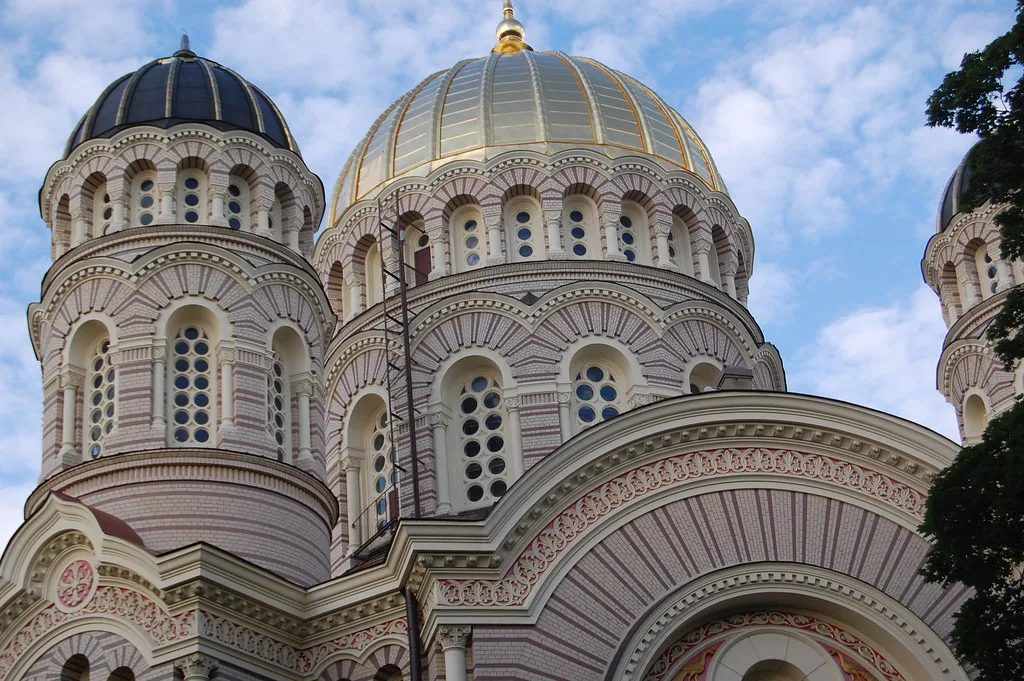
Day trips from Riga: Sigulda, Turaida Castle and Cēsis
Sigulda is the default day trip because it delivers castles, forest and the Gauja river valley in one compact area. Turaida Castle, a restored brick fortress with a tower over the treetops, is the centerpiece, and the surrounding trails suit an easy half day on foot.
Push on to Cēsis and you trade some convenience for a quieter town with its own castle ruins and a center that feels lived in rather than staged. Combined with Sigulda, it makes a long but rewarding day, and a rental car makes the sequencing simpler than stacked bus connections.
If you are planning a spring trip, the Gauja valley is one of the reasons Latvia in May reads so well: the forests leaf out, the days are long, and the towns are not yet at summer capacity.
Ķemeri National Park and the Barefoot Trail
Ķemeri is Latvia's wetland park, a flat landscape of raised bogs, birdlife and forest paths where the walking is gentle and the distances short. The boardwalk across the bog is the classic route, and it pairs naturally with the barefoot trail at Valguma Pasaule nearby.
The barefoot experience is not a gimmick for everyone: the surface shifts between soft moss, sharp cones and cold mud, and you need to be steady on your feet. Families tend to enjoy it more than travelers chasing architecture, so slot it in only if the idea appeals.
Getting there without a car means combining a train to the nearest station with a short taxi or prearranged transfer, and the arrangement is easier to fix before you arrive than on the day. Expect to spend most of a half day on the trail and the return.
Beyond Riga: Bauska Castle, Rundāle Palace and Mežotne Palace
The southern loop is the strongest palace day in Latvia. Bauska Castle, a restored Livonian Order stronghold with a small museum of period dress and weaponry, sits at the confluence of two rivers, and Rundāle Palace, designed by Rastrelli, is the grand baroque statement with gardens to match.
Mežotne Palace and Jelgava Palace extend the same theme of Baltic German and Courland ducal ambition, and together they make a logical overnight route rather than a day trip from Riga. On a short itinerary, choose Rundāle over the rest: it is the one that repays the detour most.
These are daytime sights, so plan transport around a morning start and an afternoon return rather than treating them as evening stops.
Kurzeme: Kuldīga, Ventspils and Tukums
Kurzeme is where the seven-day plan distinguishes itself, and where the transport trade-off bites. Kuldīga's old streets and Venta waterfall reward a night's stay, Ventspils offers a breezy port promenade and its row of cow sculptures, and Tukums, the gateway to Courland, makes a convenient pause between the two.
Rural buses run these routes, but connections can be sparse and slow, so a car is the pragmatic choice for a two-day western loop. Renting at Riga Airport and returning there keeps the logistics simple if your flight home is from the capital.
If your dates fall in early autumn, Latvia in October is a reasonable window for this region: the light is low and golden, the towns are quiet, and the coast is bracing rather than beach-ready.
Jūrmala and the Gulf of Riga coast
Jūrmala is Riga's summer escape, a long strip of pine forest and sandy beach backed by wooden villas, reached easily by suburban train from the capital. Outside high summer it is a walking and cycling destination rather than a swimming one, and the beach is wide enough to absorb crowds.
The coast is best treated as a half day on the way back into Riga rather than a separate stop, and it slots neatly into the final day of the week-long loop. If you are choosing a summer month, Latvia in July gives you the warmth and the long evenings that make a coastal stop worthwhile.
Swimming season is short and the water stays cool even in the warmest weeks, so pack for wind and changeable skies rather than guaranteed sun.
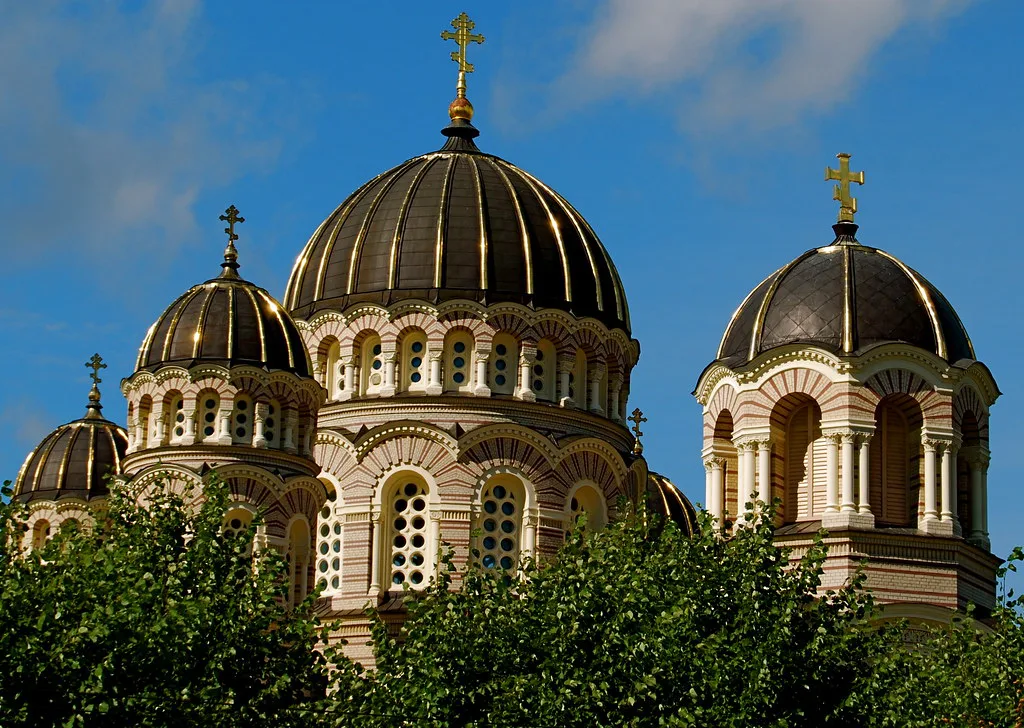
Getting around Latvia: trains, buses and when a car pays off
Riga is the hub: national trains and buses leave from the central stations, and short hops such as Sigulda or Jūrmala work well on public transport. Fares and timetables change by season, so buy at the station or through the carrier's own site rather than relying on third-party summaries.
For the western and southern loops, a car wins on time and flexibility, especially if you are two or more travelers splitting the cost. The trade-off is city parking in Riga and rural roads that slow you down more than the map suggests.
Most arrivals come through Riga International Airport, which sits a short bus or taxi ride from the center and connects to the national network. Check the airport's own transport page for the current bus and train options if you're planning a late arrival.
Where the itinerary strains: pace, seasons and rural transport
The main failure mode is overreach: trying to add Kurzeme to a four-day trip means spending most of a day in transit for a short visit. Choose either the palaces or the coast, not both, unless you have five or more days.
Season matters more than most visitors expect. Winters are dark and cold, spring is muddy underfoot, and the warmest weeks bring the crowds to Jūrmala and Sigulda, so shoulder months often give the best balance of light and space; our guide to the best time to visit Latvia lays out the trade-offs by month.
Rural transport is the other weak point: buses to smaller towns may run only a few times a day, and Sunday services are thinner still. Fix your return leg before you set out, and treat any itinerary that depends on same-day connections as fragile.
Typical costs and what shapes your budget
Latvia uses the euro, and costs in Riga sit below the Scandinavian capitals but above the cheapest parts of Eastern Europe, with accommodation and restaurant bills rising sharply in July and August. Attraction entry fees, transport tickets and car hire rates change with the season, so prices quoted in advance are worth rechecking when you book.
Your biggest levers are timing and transport: a shoulder-season week in Riga with day trips by train will cost far less than a summer road trip with a rental car and nightly hotel changes. Our guide to whether Latvia is expensive breaks down where the money actually goes.
For budgeting, separate the fixed costs (flights, car hire, palace tickets) from the daily ones (meals, local transport), because the first group varies most with when you book.
Who this itinerary suits and who should choose differently
City-first travelers should take the three-day version: Riga and Sigulda give the best return per day, and the compact center means little wasted transit. Nature-first travelers should take four days and give Ķemeri a full half day rather than squeezing it in around the capital.
Road-trippers with a week should do the full loop through Bauska, Kuldīga and Ventspils, which shows the country's range better than any single base. Travelers with only two days, or those who want beaches and nightlife above all, will get more from a focused Riga stay or from comparing options in Latvia vs Lithuania before committing, and our Lithuania trip guide works through the same days-versus-distance question for the neighbor to the south.
If you are still deciding whether the country belongs on your trip at all, start with whether Latvia is worth visiting and let the answer shape how many days you allocate.
Plan Your Visit
The simple version: three days for Riga and Sigulda, four if you want the barefoot forest at Ķemeri, and a week only if you will drive the palace route and the Kurzeme coast. Match the plan to your transport, not the other way around.
Book the long-distance legs and any car hire before you arrive, confirm current opening times with the venues you care about, and leave slack for weather. That is enough planning for a country this compact.
Explore more Latvia trip-decision guides
Frequently Asked Questions
How many days do you need in Latvia?
Three days is enough for Riga and a Sigulda day trip, and four days lets you add Ķemeri National Park and the Barefoot Trail. A full week is worth it only if you want the palaces around Bauska and the western towns of Kuldīga and Ventspils, which need a car or careful bus planning.
Is 3 days in Latvia enough?
Yes, if you concentrate on Riga and one countryside excursion. Three days gives you the Old Town, the Art Nouveau district and Sigulda with Turaida Castle, but leaves out the coast and the national park. Travelers who want nature as well as the city should add a fourth day.
What is the best time to visit Latvia?
Late spring through early autumn gives the longest days and the best walking conditions, with July the warmest and busiest month on the coast. Shoulder months are quieter and cheaper, while winter is dark and cold and suits city visits rather than countryside itineraries. Check month-by-month detail before booking.
Is Latvia expensive for tourists?
Latvia uses the euro and sits below the Scandinavian capitals but above the cheapest parts of Eastern Europe. Accommodation and restaurant prices rise in high summer, and a rental car plus nightly hotel changes is the biggest budget driver. Check current prices with venues when you book.
Should you rent a car in Latvia?
For Riga and Sigulda, public transport is sufficient and parking is a hassle. For the western loop through Kuldīga and Ventspils or the southern palace route, a car saves hours, especially for two or more travelers. Rural buses exist but run infrequently, particularly at weekends.
What are the top places to visit in Latvia?
Riga for its Old Town and Art Nouveau streets, Sigulda for Turaida Castle and the Gauja valley, Ķemeri National Park for bogs and the barefoot trail, Rundāle Palace for baroque grandeur, Kuldīga for its old streets and waterfall, and Jūrmala for the pine-backed beach on the Gulf of Riga.
Do they speak English in Latvia?
English is widely spoken in Riga's tourism and hospitality businesses and among younger residents. Smaller towns and older Latvians are less likely to speak it, so a translation app or a few polite phrases help outside the capital.
How do you get around Latvia without a car?
Use trains and buses from Riga's central stations for Sigulda, Jūrmala and other short hops, and buy tickets direct from the operator rather than a reseller. For Ķemeri and the western towns, combine rail with a taxi or prearranged transfer, and fix your return leg before setting out.
Sources
Trip-decision notes
Optional updates when we publish or revise a destination verdict.
You might also like
Continue reading
More guides you'll find useful