Latvia Travel Tips: Practical Advice for First-Time Visitors
Practical Latvia travel tips: when to go, how many days you need, transport between Riga and the regions, typical costs, language, tipping and the real drawbacks.
On this page
Latvia is worth visiting if you want one strong capital and a compact, walkable countryside within an hour or two of it; it suits slow travelers, architecture buffs and anyone touring the Baltics by bus or train. It suits you less if you want big mountains, beach-resort polish or a dense checklist of sights, because Latvia's pleasures are quieter and more spread out. The tips below are the ones that actually change how a first trip goes.
The decision that shapes everything is length. Most first-timers give Riga two or three nights and leave, which is a fine city break but not really Latvia. Add one day for Gauja National Park or Kuldīga and the trip starts to feel like a country rather than a capital with an airport.
The verdict: who Latvia suits and who should go elsewhere
Come for Riga's art nouveau quarter, a medieval old town that is small enough to cross on foot, and a rural hinterland of river valleys, manor houses and wooden towns. Skip it if your ideal Baltic trip is defined by long sandy resort beaches or dramatic scenery, or if you only have two nights and want maximum monument density — Tallinn's walled core is tighter and more immediately photogenic, and if you are still choosing between the three Baltic capitals, it is worth reading our Estonia verdict first.
Latvia is also easy in the practical sense: the euro is the currency, cards are widely accepted in cities and towns, and the main sights outside Riga are reachable by public transport. That combination makes it a low-friction first stop in the Baltics, especially for travelers arriving at Riga International Airport and heading onward by bus or rail.
When to go: the months that make the trip work
Late spring through August is the window most travelers aim for, when the days are long and the temperatures are at their most forgiving. June and July give you the longest evenings, which matters more than raw heat in a country where so much of the appeal is walking a river valley or an old town after dinner.
May and September are the value months: cooler, quieter, and still bright enough for full days outdoors, with fewer people on the Gauja trails and in Kuldīga's streets. Spring arrives late this far north, so early May can still feel like a northern March, while September holds onto mild days before the light shortens quickly.
October is the pivot point. The birch and maple colour is genuinely good in the Gauja River Valley, but daylight drops fast, boat trips and rural attractions wind down, and you should plan on spending more of each day indoors in Riga. November through March is a city-break season, not a touring season.
How many days you need: three versions of the trip
Two to three days buys you Riga: the old town, the art nouveau streets around Alberta iela, the Central Market and one museum. That is a satisfying city break and a fair introduction, but it is the version of Latvia that most short-haul visitors see, and it barely touches the country.
Four to five days lets you add one region: either Gauja National Park, with Sigulda, Turaida and Cēsis, or Kuldīga in the west with its Ventas rumba waterfall and cobbled old town. Doing both in that timeframe means a lot of time in transit, so pick one and give it a full day rather than squeezing two half-days.
A week or more opens up the full loop: Riga, Gauja, the Vidzeme countryside, Rundāle Palace near Bauska, and Kuldīga before heading back. This is the version that justifies the journey from North America, and it pairs naturally with onward travel to Vilnius or Tallinn rather than doubling back to Riga.
Getting in: Riga airport, buses and rail links
Riga International Airport sits a short ride from the city center, with public transport and taxis doing the run into town; the airport's own transport page lists the current route numbers and departure points. Arriving late is common on discount-carrier schedules, so work out how you will reach your accommodation from the terminal before picking a flight that lands after dark.
Overland, Riga is the hub of the Baltics: buses connect it to Tallinn, Vilnius and the regional towns, and the international coach operators publish timetables and fares on their own sites. The train network is thinner internationally, so for cross-border legs the bus is usually the more flexible choice — the coach company's timetable for your date is the one to trust, since seasonal schedules change.
Getting around: trains and buses between Riga and the regions
You do not need a car for the headline sights. Trains from Riga reach Sigulda and Cēsis in Vidzeme, and buses cover Kuldīga, Bauska for Rundāle and the coast, all at modest fares by western European standards. Buy tickets at the station or through the national carrier Pasažieru vilciens app; rural services thin out on weekends and holidays, so build your day around a mid-afternoon return rather than the last departure. If you are travelling on a public holiday, check current timetables before setting out.
A rental car earns its keep if you want the small stuff: manor houses, coastal villages, the long empty beaches of the Gulf of Riga, or Cape Kolka at the tip of the Kurzeme coast. Roads are generally good, traffic outside Riga is light, and parking in the capital is the main annoyance. Weigh the freedom against the fact that most of what you came to see is on a bus line.
For a Baltic-wide trip, the practical pattern is train or bus between capitals and buses for the rural spokes. Latvia's compact size means no internal flight is worth the hassle — you can cross the country by road in half a day.
Where the time goes: Riga's architecture and old town
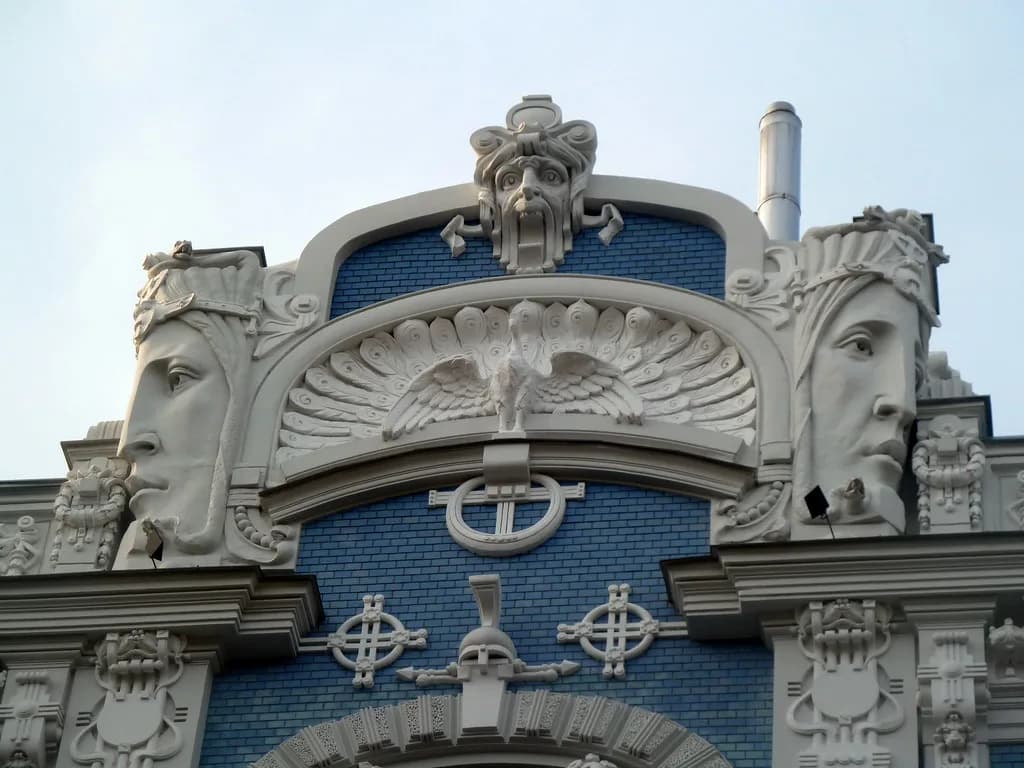
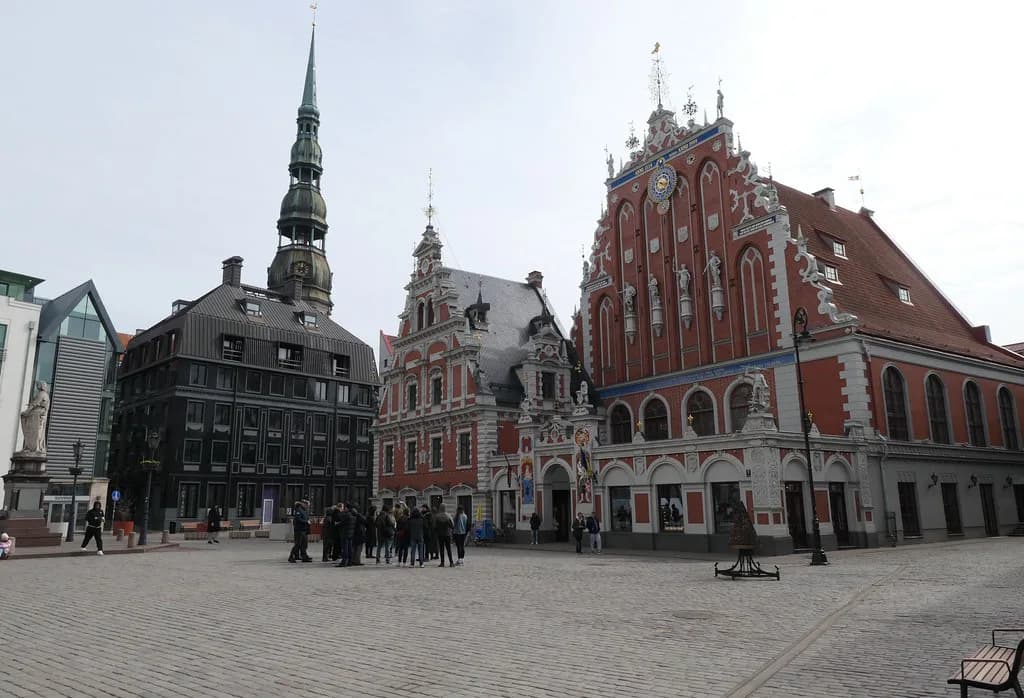
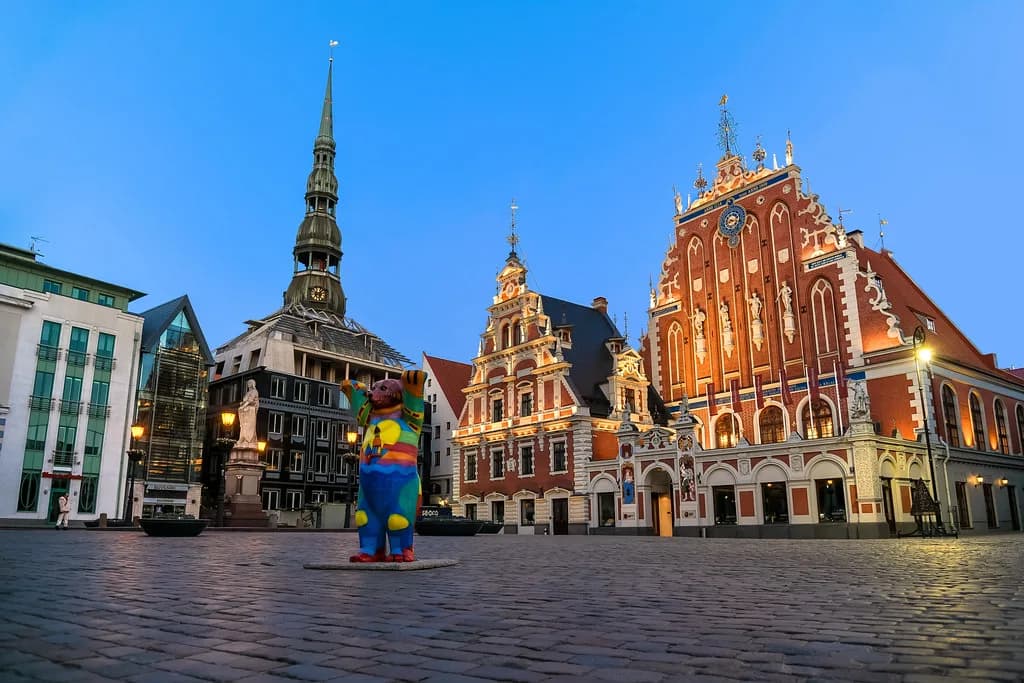
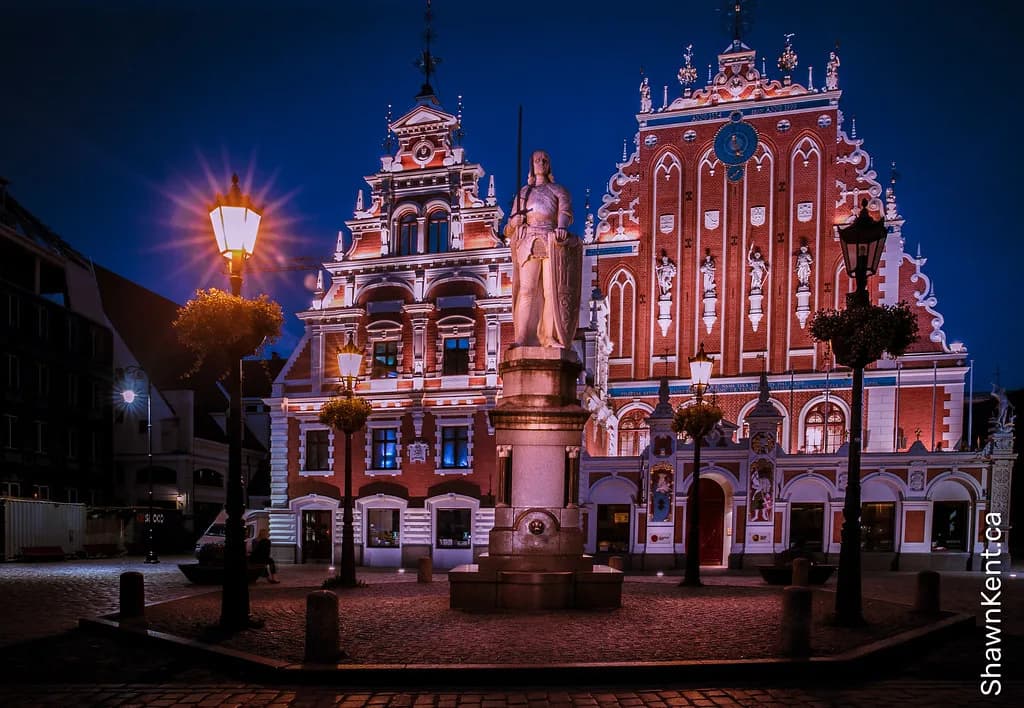
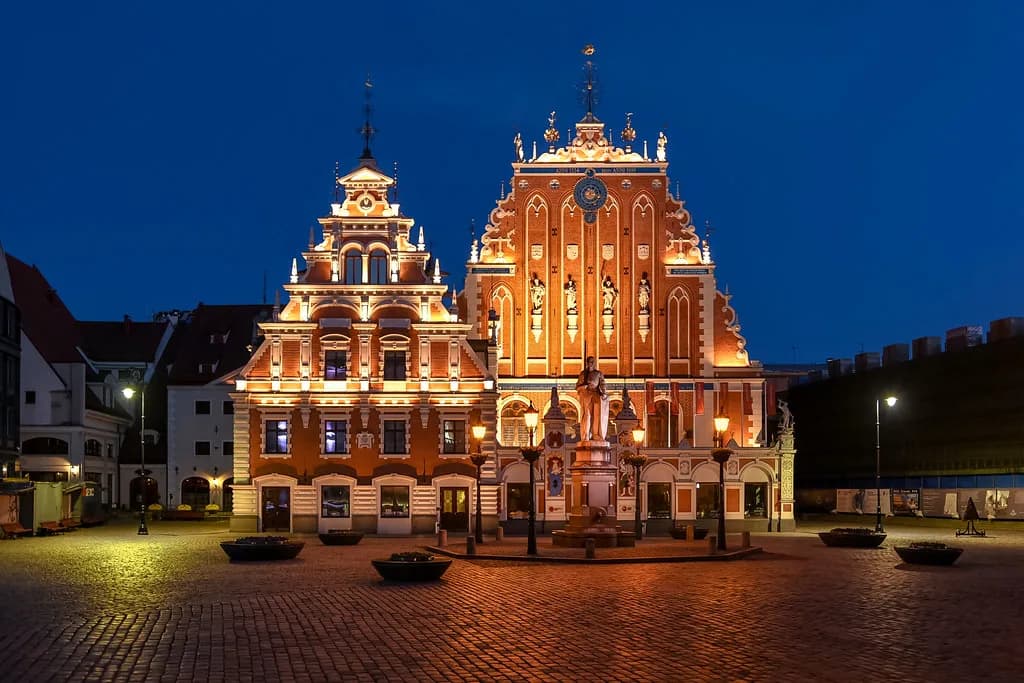
Riga's center splits into two pleasures. The old town is a dense knot of medieval lanes, guild houses and church towers, best walked early before the tour groups arrive from the cruise berths and coaches. North of the center, the art nouveau district around Alberta iela and Elizabetes iela is the reason many travelers rate Riga above its Baltic rivals, with whole facades of sculpted faces and flowing lines.
Do not skip the Central Market, a set of converted zeppelin hangars where stallholders sell smoked fish, rye bread, berries and cheese at prices that undercut any restaurant meal. It is also the most efficient place to assemble a picnic for a day trip. Allow two hours and go hungry.
Gauja National Park and its three castles
An hour or so from Riga by train, the Gauja River Valley packs three castles into a short stretch: Sigulda's restored medieval castle, the red-brick ruins of Turaida with its sculpture park and viewing tower, and Cēsis castle with its compact old town. The valley itself is the point — sandstone bluffs, forest trails and a river you can paddle in summer.
You can do Sigulda and Turaida as a long day trip from Riga, walking between them through the valley, but Cēsis deserves its own stop or an overnight. In August the trails carry holiday crowds and the cable car across the valley draws queues, so start early and walk the far bank to escape the main flow.
Kuldīga and its World Heritage old town
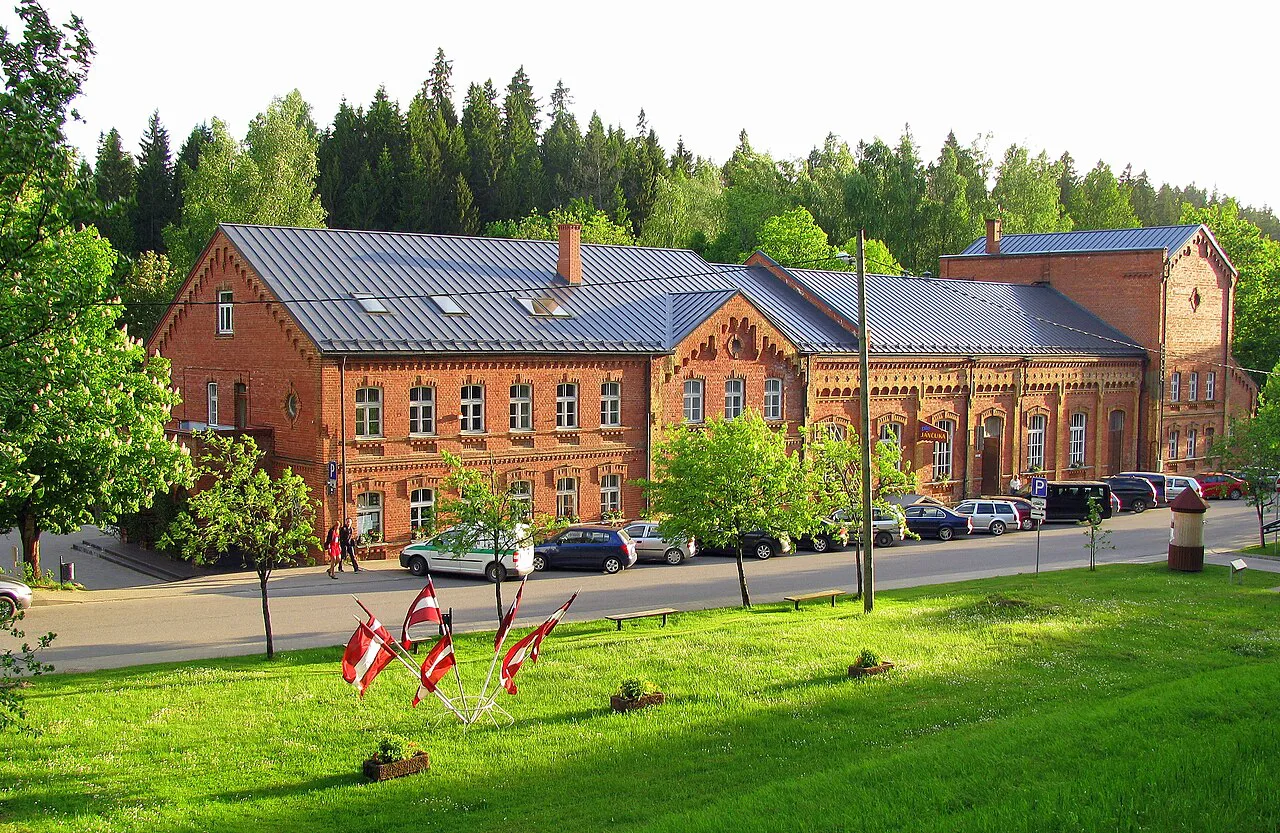
Kuldīga is the antidote to Riga: a small western town of wooden houses, a brick bridge over the Venta and the wide Ventas rumba waterfall, which is walkable across at low water. The old town was inscribed on the World Heritage list, and its scale is genuinely human — an afternoon on foot covers the river, the lanes and the synagogue building.
It works as a long day trip by bus from Riga, but the town is at its best in the evening once the day visitors leave. That argues for a night here rather than a rushed return, and the extra night costs you little in a trip of five days or more.
Rundāle Palace and its gardens
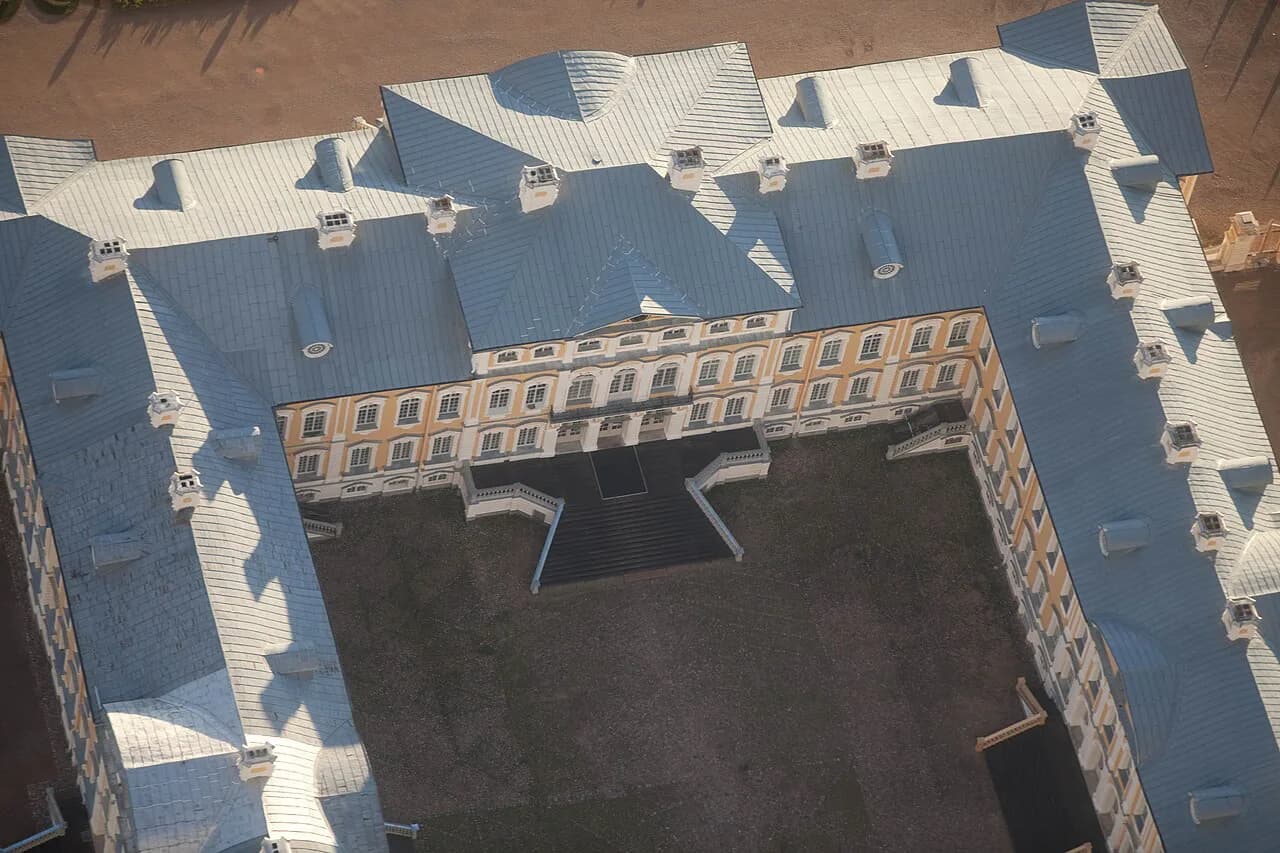
Rundāle Palace, an hour or so south of Riga near Bauska, is a baroque palace with a formal garden of clipped hedges, fountains and long axes that takes a half day to do properly. The interiors are the draw on a wet day; the gardens are the draw in June and July. Combine it with Bauska castle on the same run rather than making a separate trip.
What a trip costs: transport, entry tickets and daily price levels
Latvia sits in the middle of the European price range: cheaper than Scandinavia or Germany for food and transport, more expensive than Poland or Romania. Riga's old town restaurants charge a premium for the postcode — walk ten minutes outward for the same cooking at lower prices. Budget travelers can keep daily costs low by using the Central Market for lunch and public transport for day trips.
Travelers weighing the budget in detail will find that Riga's mid-range hotels and restaurant meals drive most of the spend, while intercity bus and train fares stay low, as the country's cost breakdown sets out. Tickets for castles, palaces and museums vary and are often tiered by season, so check the venue's own site for the current entry fee before you commit to a day plan.
Money and cards: the euro
Latvia uses the euro. Cards and contactless payments are standard in cities, supermarkets and most rural businesses, and you can travel for days without cash. Keep a small amount of coins for markets, rural bus tickets and the odd cash-only stall, and use bank ATMs rather than currency exchange desks for the best rates.
Language: what Latvians speak and how to greet them
Latvian is the national language, a Baltic language unrelated to its Slavic neighbours, and Russian is widely spoken in Riga and the east. Outside the capital, younger people and hospitality staff generally switch to English without fuss, but rural shops and older residents may not. Learning 'labdien' for hello and 'paldies' for thanks goes a long way.
Greetings are reserved by American standards: a handshake on introduction, direct eye contact, and no small talk with strangers on the street. That is not unfriendliness — it is a cultural norm, and once you are in a conversation Latvians are candid and helpful.
Tipping in Latvia
Tipping is modest and discretionary. In restaurants a small round-up or roughly a tenth is appreciated but not expected, and many card terminals now offer a tip prompt; bar and café staff generally receive loose change rather than a calculation. Check whether service is already included before adding anything on top.
Wild camping and rural etiquette
Latvia's right to roam allows wild camping on state land with conditions, which is one reason the countryside attracts hikers and cyclists on a budget. The rules are specific about private land, protected areas and campfires, so read the official forestry or nature-conservation guidance before pitching. In practice, most travelers base themselves in towns and use the trails as day walks.
Opening hours and seasonal closures
City attractions typically run six or seven days a week in summer, with Monday closures common in smaller museums. Outside June to August, rural sights shorten their hours and manor houses may open only for booked groups — a real constraint for a November or February visit. Plan the indoor stops first and let the weather fill the rest.
Shops in Riga keep long hours, but smaller towns shut down early, and Sunday can be quiet away from the capital. If you are relying on a specific museum or palace as your day's anchor, confirm the opening day on its own site before arranging transport around it.
Drawbacks worth knowing before you book
The main drawbacks are weather and scale. Skies are frequently grey, summer rain is common, and the shoulder months are genuinely cool; there are no mountains, and the coastline is often pine-backed sand rather than dramatic cliffs. Riga's old town in high season also fills with stag parties and coach groups, which changes the atmosphere after dark.
Transport is the other constraint. Buses and trains reach the highlights, but rural services are sparse, and a car brings its own costs and parking headaches in the capital. Political coverage of the region does not translate into everyday risk for visitors; the US State Department's Latvia page is the place to check official advice.
Verdict by traveler type
First-time Baltic travelers should go, with four or five days and one countryside region added to Riga. Architecture and design lovers should go for the art nouveau district alone. Budget travelers will find it comfortable and affordable on the euro, and train-and-bus travelers can do it without a car.
Beach-resort seekers and mountain chasers should look elsewhere in Europe, and travelers with only two nights should treat Riga as a city break rather than a country trip. Families with small children will find the cities easy but the rural days long, and anyone visiting in December or January should come for the old town and the markets, not for touring.
Plan Your Visit
Treat Riga as the anchor, choose one region beyond it, and let bus and train schedules shape your days rather than forcing a car. The travelers who enjoy Latvia most are the ones who slow down: a long lunch at the market, a valley walk between two castles, an evening in Kuldīga once the day trippers have gone.
Explore more Latvia trip-decision guides
Frequently Asked Questions
Is Latvia worth visiting for a first trip to the Baltics?
Yes, if you give it time beyond Riga. The capital has one of Europe's best art nouveau districts and a compact medieval core, and the countryside adds river valleys, castles and World Heritage towns within easy bus or train reach. Travelers who only want two nights of sightseeing may get more immediate impact from Tallinn, so weigh how much value you place on the rural day trips.
How many days do you need in Latvia?
Two to three days covers Riga. Four to five days lets you add Gauja National Park or Kuldīga and do it properly. A full week allows Riga, Gauja with Cēsis, Rundāle Palace and Kuldīga without rushing, and is the length that justifies a long-haul flight.
When is the best time to visit Latvia?
Late May through August gives the warmest weather and the longest days, with June and July the peak for outdoor plans. May and September are quieter and cheaper, though cooler and with a real chance of rain. October is beautiful in the Gauja valley but daylight shortens quickly, and November to March is better suited to a city break than touring.
How much does a trip to Latvia cost?
Latvia sits mid-range for Europe: more affordable than Scandinavia, more expensive than Poland. Riga's old town carries a tourist premium on food, so eating a few streets out lowers daily costs noticeably. Castle and museum tickets are tiered by season, so check the venue's site for current entry fees rather than relying on old budget posts.
Is it easy to get around Latvia without a car?
Yes for the headline sights. Trains from Riga serve Sigulda and Cēsis, and buses reach Kuldīga, Bauska for Rundāle and the coast at modest fares. Rural services thin out at weekends, so plan around a mid-afternoon return. A rental car is worth it only if you want small manor houses, quiet coastal villages or Cape Kolka.
Do you tip in Latvia?
Tipping is modest and discretionary. A small round-up or about a tenth in restaurants is appreciated, and card terminals often offer a prompt. Check whether service is included before adding more, and in bars and cafés loose change is usually enough.
What language do they speak in Latvia?
Latvian is the official language, with Russian widely spoken in Riga and the east. English is common among younger people and hospitality staff, but rural shops and older residents may not speak it. Learning labdien for hello and paldies for thanks is genuinely appreciated.
Is Latvia cashless?
Largely, yes. Cards and contactless are standard in cities, supermarkets and most rural businesses. Carry a little cash for markets, small stalls and rural transport, and use bank ATMs rather than exchange desks for better rates.
Sources
Trip-decision notes
Optional updates when we publish or revise a destination verdict.
You might also like
Continue reading
More guides you'll find useful