Best Places to Visit in Latvia: 10 Worth-It Stops
A candid pick of Latvia's best places to visit, from Riga's Art Nouveau streets to Rundāle Palace, Kuldīga and the empty Baltic coast, with honest trade-offs.
On this page
The best places to visit in Latvia cluster around two poles: Riga, which anchors nearly every itinerary, and a loose ring of countryside and coastal stops that reward anyone willing to leave the capital. If you have five to seven days you can see the highlights without rushing; with three days, stay close to Riga and accept that the west will have to wait.
Latvia suits travelers who want peace, forests and beaches rather than a packed sight checklist. It uses the euro, and the country's own tourism board keeps a short list of headline attractions that is a sensible starting filter.
The verdict: who Latvia suits and who should go elsewhere
Latvia is a strong choice for slow travelers, nature lovers, architecture fans and anyone traveling with children who need space to run. It is a weaker fit if you want nightlife, a dense city-break schedule or guaranteed beach weather.
The country's tourism board picks out Riga, Jūrmala, Kuldīga, Rundāle Palace, Liepāja and East Latvia among its headline attractions, which tells you the appeal is spread out rather than concentrated in one city. If you are weighing the wider region, our Latvia vs Lithuania comparison sets out where each country wins, and you can read the same case for the northern neighbor in our guide on whether Estonia is worth visiting.
Riga base versus coast and countryside
Most first trips split into two shapes. The Riga-based version uses the capital as a hotel base and takes day trips to Jūrmala, Rundāle and Gauja National Park; the loop version heads west to Kuldīga and Liepāja and needs either a car or patience with buses and trains.
If you want one decision to make first, it is whether you are renting a car in Latvia. Without one, Riga, Jūrmala and Gauja are comfortable; Kuldīga and Liepāja become longer journeys that eat into your days.
Riga: the capital that anchors almost every itinerary
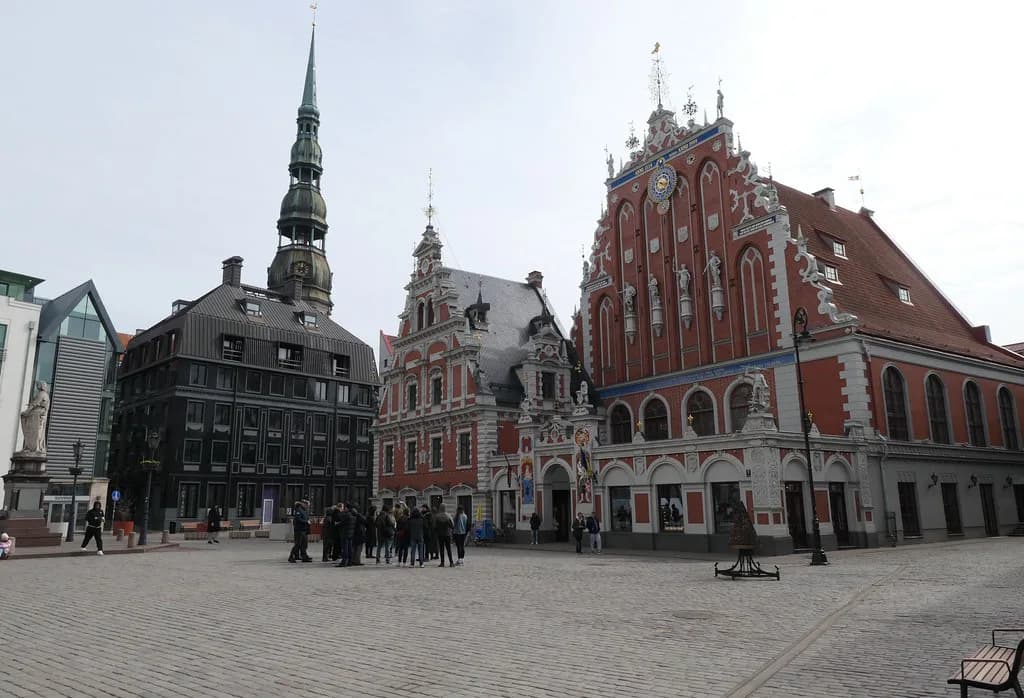
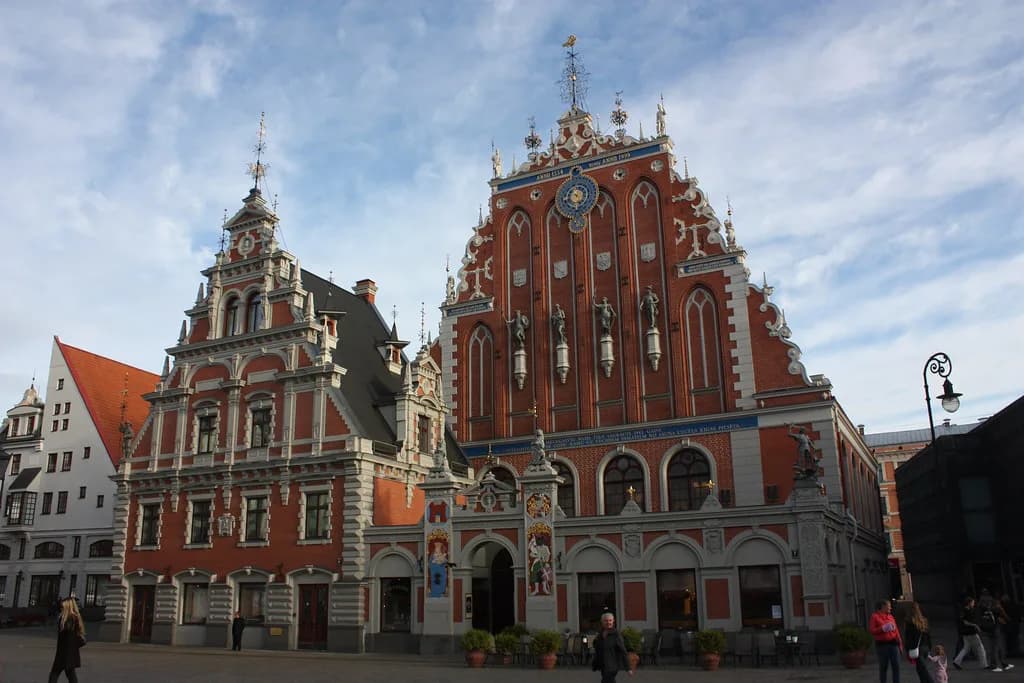
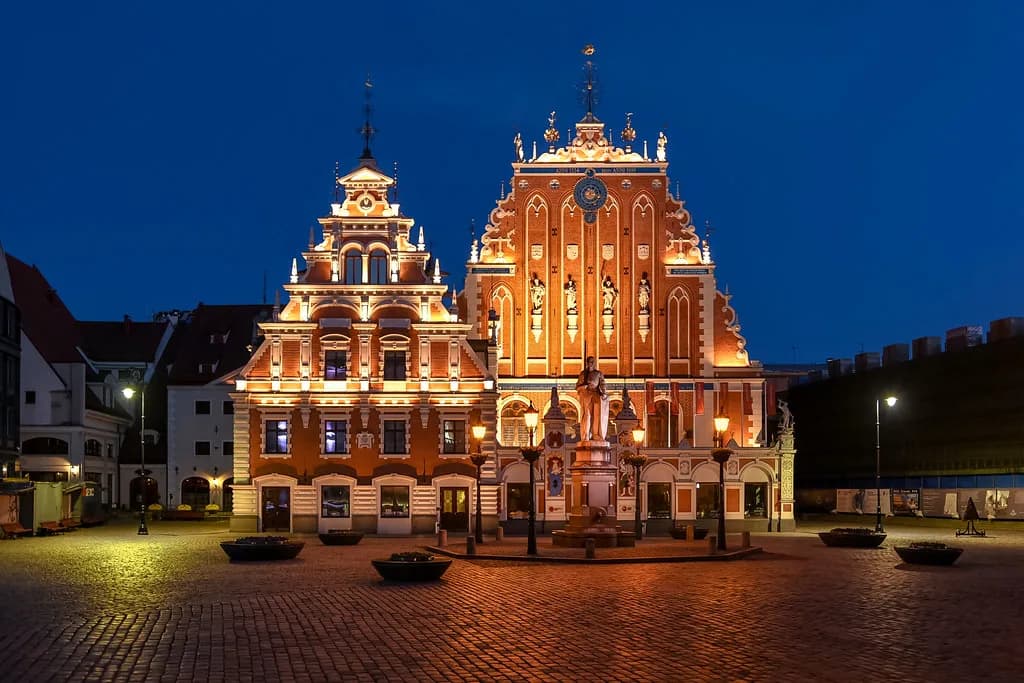
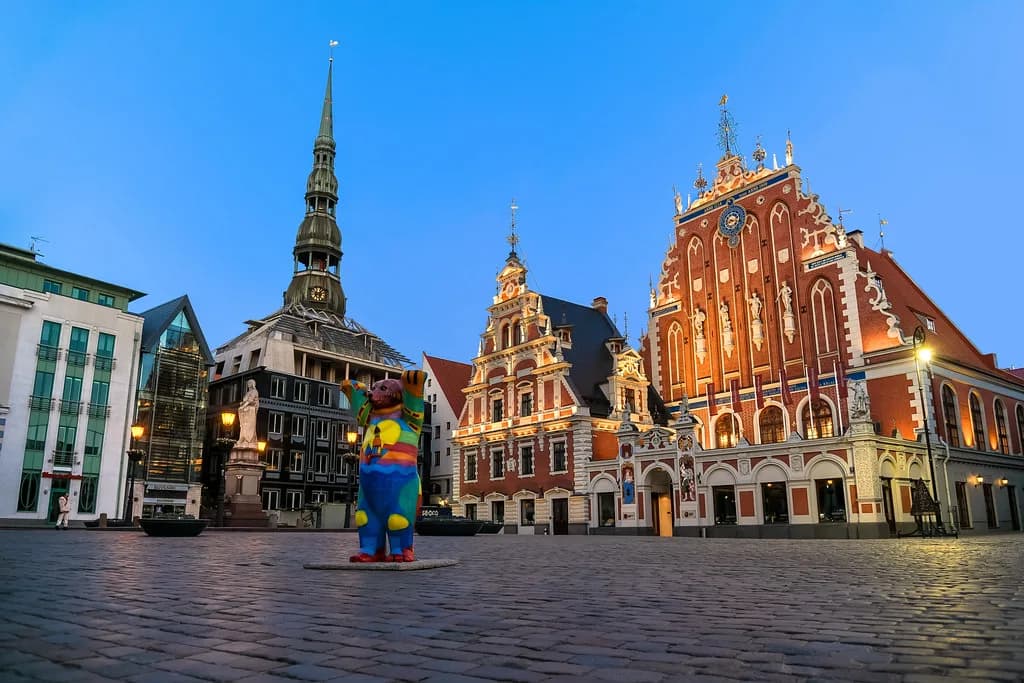
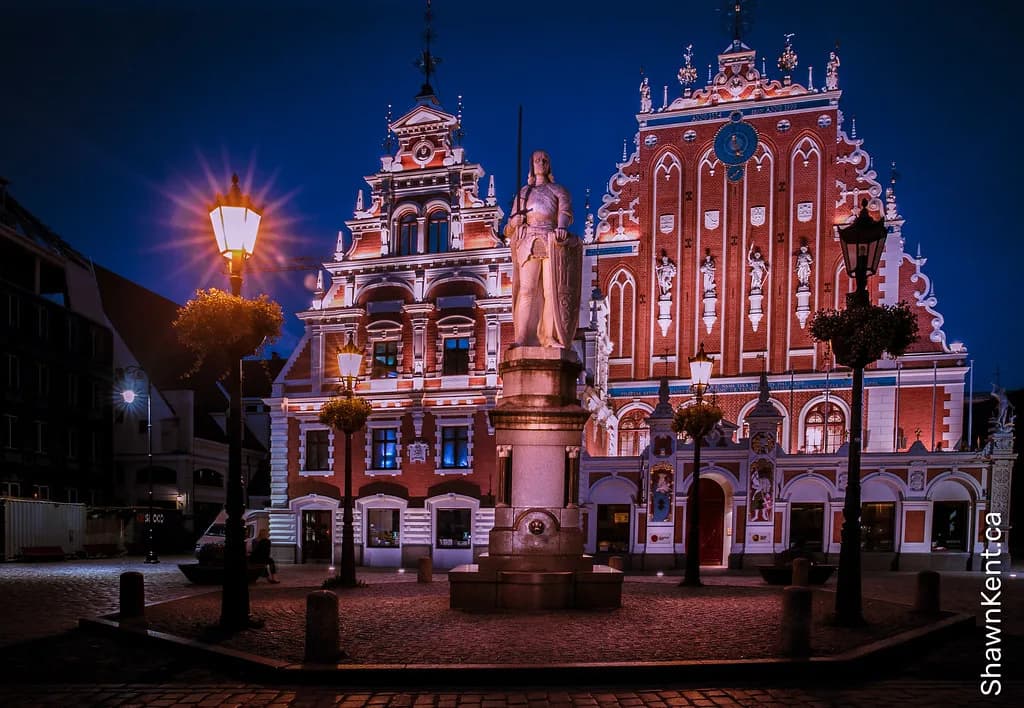
Riga is where most trips begin and end, and it earns more than a transit night. The Old Town is a UNESCO World Heritage Site of colorful houses, small alleys and churches, and St. Peter's Church gives you the classic view across the rooftops and the Daugava river.
The church charges 9 euros per person for the tower, and an elevator takes you up, which makes it one of the few big views in the city that does not require stairs. Across the river, the National Library of Latvia is worth an hour for its architecture and its exhibits on books and writing.
Riga is also the cheapest place in the country to be a pedestrian: the old town, the riverfront and the market halls sit within walking distance of each other. If cost is your main worry, our guide to whether Latvia is expensive breaks down what a trip actually runs.
The Art Nouveau district and the Old Town
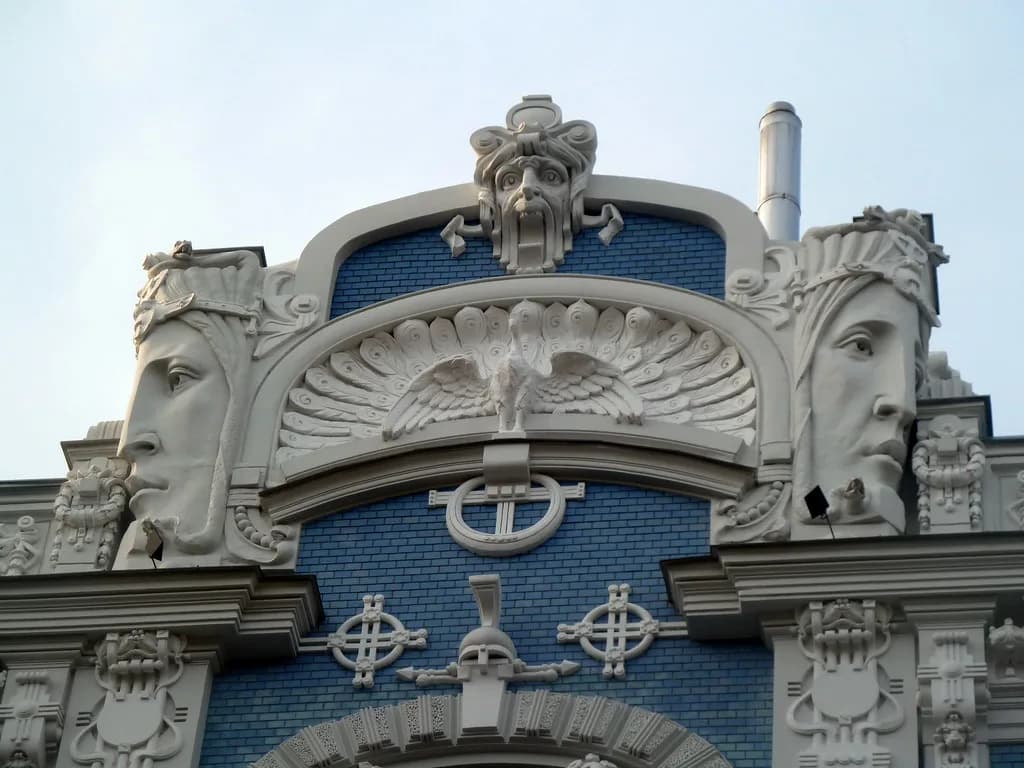
These two neighborhoods do different jobs, so give them separate half-days. The Art Nouveau district is about facades built between 1904 and 1914, decorated with frescoes and sculpture; walk from there past the National Theater to the Freedom Monument and into the Old Town.
The Old Town is for wandering, churches and coffee stops rather than ticking off sights. If you only have one full day in Riga, do the Art Nouveau walk in the morning and the Old Town and St. Peter's tower in the afternoon.
Gauja National Park and Turaida: the best inland day
Gauja National Park is Latvia's largest and oldest national park, and it packs forests, sandstone outcrops and rivers into a day trip from Riga. Turaida Museum Reserve and Gutmans Cave are the standard stops, and the cave is the easy win if you are short on time.
This is the inland day to choose if you want walking without committing to the far west. It also pairs naturally with Cēsis, a small town with castle ruins that sits in the same green belt.
Rundāle Palace: the showpiece and its trade-off
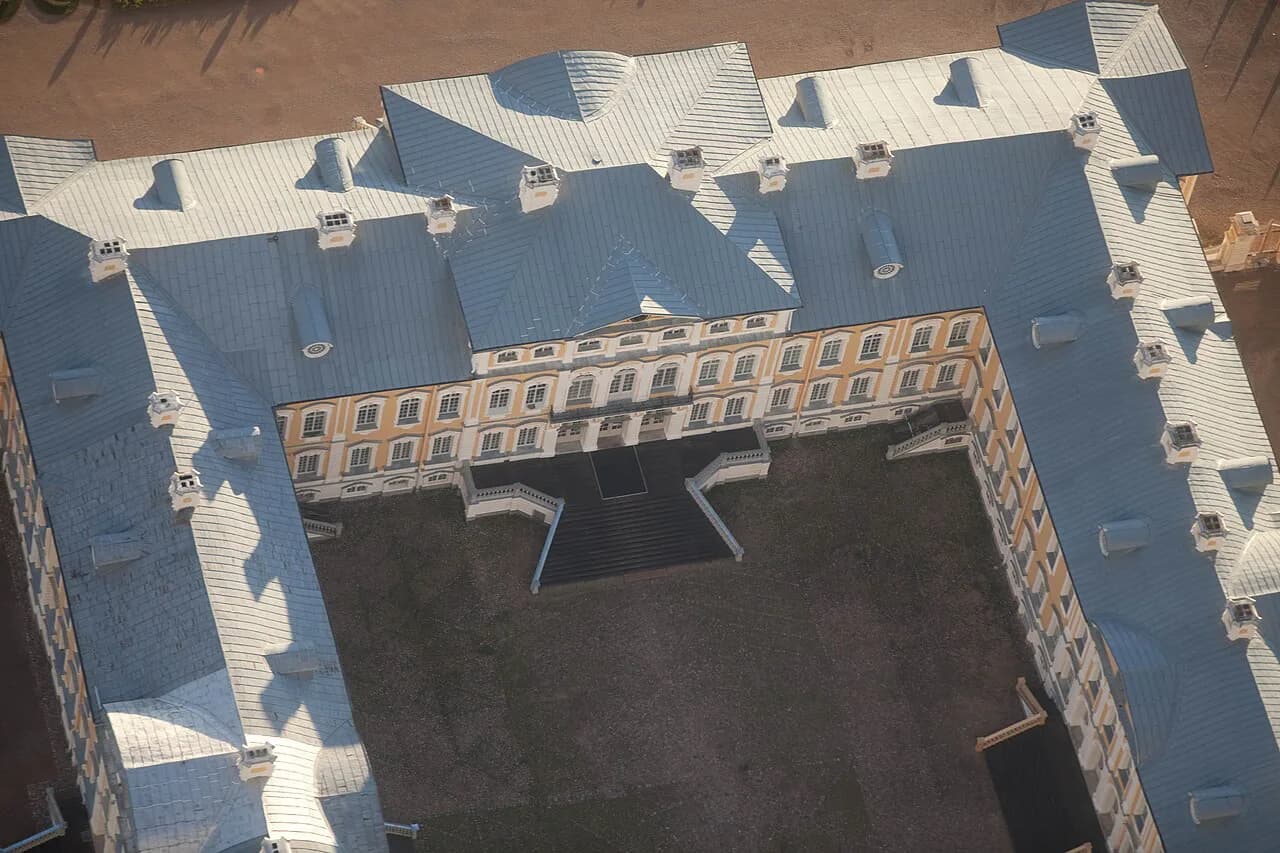
Rundāle Palace is the country's single most impressive sight: an 18th-century baroque palace with restored rooms, furniture and a formal garden that draws comparisons with Versailles. Adults pay 8 euros for both the interior and the gardens, which makes it one of the best-value big sights in the Baltics.
The trade-off is distance. Rundāle sits near Bauska in the south, so it works as a half-day or full-day trip from Riga rather than an afternoon stroll; in summer the rose garden is the reason to linger.
Bauska Castle: a short southern stop
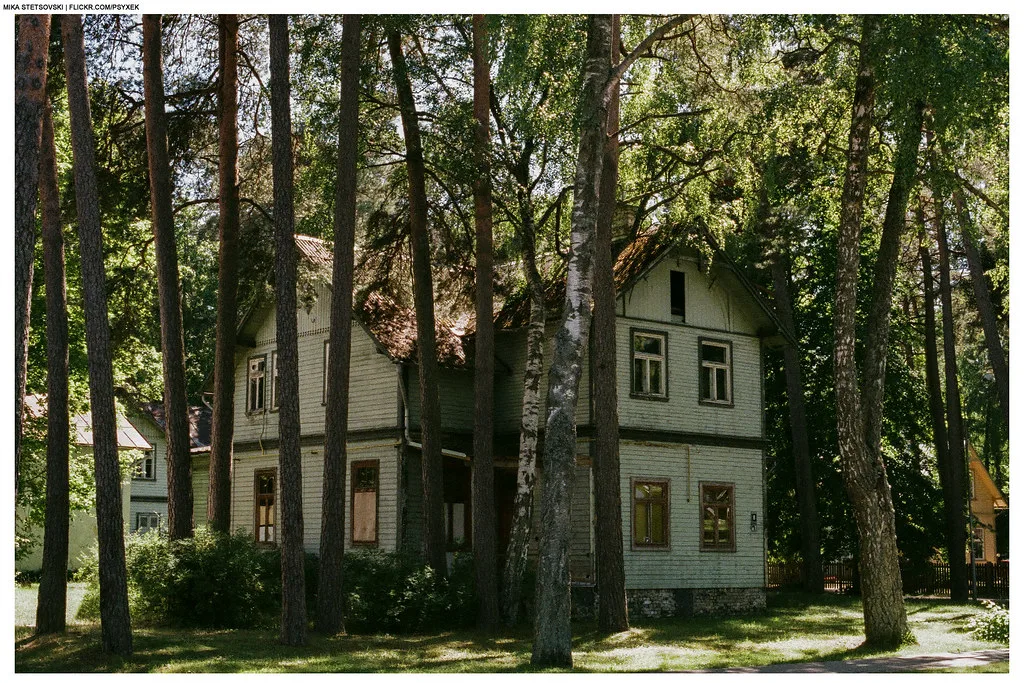
Bauska Castle is less than an hour south of Riga, set where two rivers meet and wind around the ruins. The interior houses a museum on castle life and Latvian history, so it rewards an hour even if you came mostly for the setting.
Pair it with Rundāle on the same day rather than making a separate journey. That combination is the most efficient way to see southern Latvia without a long drive.
Kuldīga and the Ventas Rumba waterfall
Kuldīga is a small town with one big draw: Ventas Rumba, a waterfall about 2 meters high and 110 meters wide that is often described as the widest in Europe. The brick bridge gives the best view, and in spring and summer you can watch fish jump upstream to spawn.
The old town itself is quiet and full of artists' studios, which suits a slow afternoon more than a checklist. Kuldīga is a long way west of Riga, so treat it as an overnight stop on a loop rather than a day trip.
Liepāja: the Baltic coast and Karosta
Liepāja is Latvia's third-largest city, on the western coast, and its beaches stay notably emptier than comparable stretches on the German or Polish Baltic. The ruins of the old Russian fortress, built between 1894 and 1903, now sink into the sand and make a striking walk at sunset.
Karosta, the former military prison, runs interactive tours and is the city's other unusual stop. Liepāja is far enough west that it works best as the end point of a loop, not a day trip from Riga.
Jūrmala: the seaside resort closest to Riga
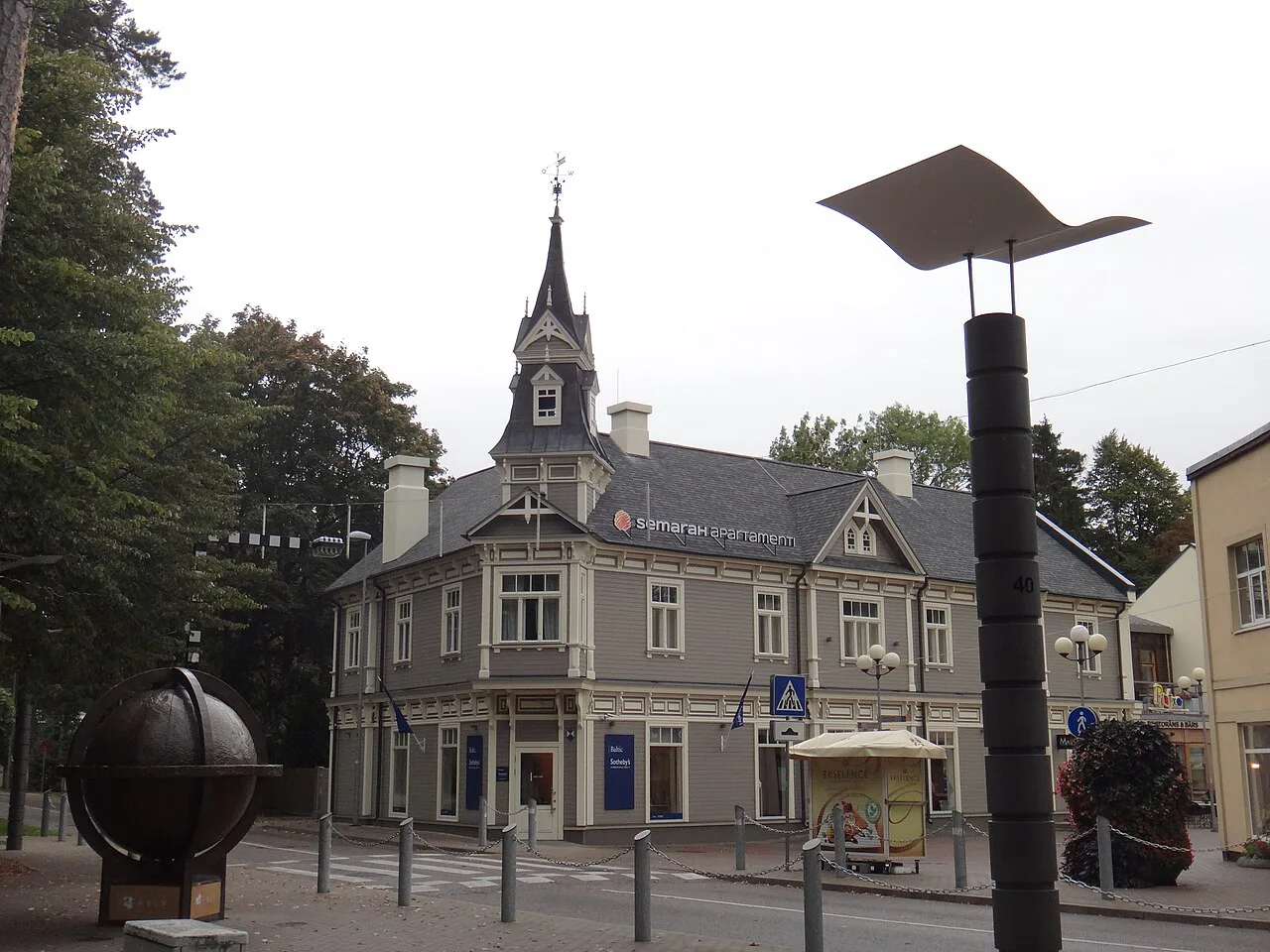
Jūrmala is the easiest Baltic beach from the capital and the obvious choice if you want sand without a long transfer. It is a resort town of wooden houses and long beaches, and it appears on the national tourism board's headline list for good reason.
The trade-off is that it is popular and close, so it fills up on warm weekends. Go on a weekday morning if you want the empty-beach version of Latvia.
Kemeri National Park: bogs, boardwalks and an early start
Kemeri National Park is mostly forest and bog, with a footbridge trail over the water and an observation tower signposted from the path. Sunrise is when the mist and still water make it memorable, though the walk is worthwhile at any hour.
It sits close enough to Jūrmala to combine the two in one day: bog walk in the morning, beach in the afternoon. Bring insect protection in summer, because this is wetland.
Cēsis and the Gauja towns versus the west
Cēsis is a small town with castle ruins in the Gauja belt, and it makes a natural second stop on an inland day. Choosing between this loop and the western coast is really a choice between walking and beaches.
If you have a week, do both: Gauja first from Riga, then a western loop through Kuldīga to Liepāja. If you have three or four days, pick one and do it properly rather than spending the trip in transit.
Best places for kids, winter and slower travel
Families do best with Jūrmala, Kemeri and the Gauja park, where beaches, boardwalks and short trails replace museums. Winter changes the equation: the countryside is quiet and the coast is cold, so Riga's Old Town and the palaces carry more of the trip.
Slow travelers should choose fewer bases and stay longer, especially in Kuldīga and on the coast. The country rewards lingering rather than coverage, and the best moments are often the empty ones.
How many days you need and how to sequence them
Three days gives you Riga plus one day trip, usually Jūrmala or Rundāle. Five days adds Gauja and a second capital day; seven days lets you add the west with an overnight in Kuldīga and one in Liepāja.
Sequence the loop clockwise from Riga: Bauska and Rundāle south, then west to Kuldīga and Liepāja, then back. That order keeps driving days reasonable and puts the long stretches early.
Typical costs and price level by stop
Latvia uses the euro, and the country's big sights are modestly priced by western European standards: St. Peter's Church is 9 euros and Rundāle Palace is 8 euros per adult for the interior and gardens. Everything else depends on season and how you travel, so compare your dates rather than relying on averages.
Riga and Jūrmala carry the highest accommodation prices in summer, while Kuldīga, Liepāja and the countryside are cheaper and quieter. Budget more for transport if you skip the car, since the western towns are far apart.
Getting there and getting around
Riga is the entry point for almost every trip, and the city is compact enough to explore on foot once you arrive. From there, buses and trains reach Jūrmala easily, while Rundāle, Gauja and the west need either a car or a longer commitment.
English is widely spoken in Latvia, including by older residents, which makes independent travel straightforward. Our guide to whether they speak English in Latvia explains where that holds and where it does not.
Plan Your Visit
The best places to visit in Latvia depend on how much time you have: Riga, Jūrmala and Rundāle give you a solid short trip, while Kuldīga, Liepāja and Kemeri reward a longer loop. Pick your shape first, then your stops.
If you are still deciding whether the country fits your travel style, our Latvia verdict sets out the drawbacks alongside the appeal. Then choose your dates with the best time to visit Latvia in mind, since the coast and the countryside behave very differently across the year.
Explore more Latvia trip-decision guides
Frequently Asked Questions
What is the most beautiful place in Latvia?
Rundāle Palace is the most impressive single sight, with its restored baroque rooms and formal gardens. For landscape, the bog boardwalks of Kemeri National Park and the empty beaches around Liepāja are the places people remember.
Is Latvia worth visiting for tourists?
Yes, if you want architecture, forests and quiet coast rather than nightlife or a packed city break. Riga anchors the trip, and the countryside and western coast reward anyone with five days or more.
Which city in Latvia is the best to visit?
Riga is the essential city, with the Old Town, the Art Nouveau district and St. Peter's Church tower. Kuldīga and Liepāja are the best smaller cities, each worth an overnight rather than a rushed day trip.
How many days in Latvia is enough?
Three days covers Riga and one day trip, typically Jūrmala or Rundāle. Five days adds Gauja National Park and a second day in the capital, and seven days lets you loop west through Kuldīga to Liepāja.
Do you need a car to get around Latvia?
No for Riga, Jūrmala and Gauja, which work by train, bus or organized day trip. A car makes Kuldīga, Rundāle and Liepāja much easier, because public transport between the western towns is slow.
Sources
Trip-decision notes
Optional updates when we publish or revise a destination verdict.
You might also like
Continue reading
More guides you'll find useful