Best Time to Visit Lithuania: Weather and Crowds Guide
June to early September is the best time to visit Lithuania for warm days, long Baltic evenings and open coastal resorts, with quieter spring and autumn edges.
On this page
The best time to visit Lithuania is June to early September, when days are long, the Baltic coast at Palanga and Nida is fully open and evenings stretch late enough to walk Vilnius Old Town after dinner. Late May and September are the smarter choice if you want those same places with thinner crowds and lower prices, accepting cooler water and a higher chance of rain.
Lithuania's weather does not behave as one country. The coast around Klaipėda and the Curonian Spit is windier and more changeable than Vilnius and the southeast, and the lake country of Aukštaitija has its own short summer rhythm.
A calm, quiet atmosphere and slower service are part of the appeal in summer, and the trade-off is that this is when the country is busiest.
The verdict: who should go when
Pick June to early September for a first trip built around cities and the Curonian Spit, because that is when everything from resort ferries to outdoor cafés is running and daylight is at its longest. Choose late May or September for walking holidays in Trakai, Kernavė and the national parks, when paths are quieter and you still get usable daylight.
Winter works only for travelers who actively want snow, short days and cold, and who plan around museums and indoor time rather than coast and forest. If you are still deciding whether the country suits you at all, our honest verdict on whether Lithuania is worth visiting lays out the case before you commit to a month, and you can run the same comparison with is Estonia worth visiting while you weigh the Baltic options.
Why Lithuania's weather splits four ways
Treat Lithuania as four separate climates for planning purposes: the Baltic coast, Vilnius and the southeast, the lake country around Aukštaitija National Park, and the short daylight window that shapes all of them. The coast gets sudden downpours and fast changes, while winters inland can be dangerously cold, so the same week can feel like two different countries depending on where you are.
Daylight matters as much as temperature. June evenings stay bright late enough for a second walk after dinner, while December daylight is short enough that sightseeing has to be compressed into the middle of the day.
Spring (March to May): cold starts and the first warm weeks
March and early April are cold, muddy and unreliable, and many outdoor sights are better saved for later in the season. By late April and May the country warms quickly, trees leaf out and the first genuinely pleasant walking weeks arrive, with Vilnius Old Town and Trakai becoming comfortable again.
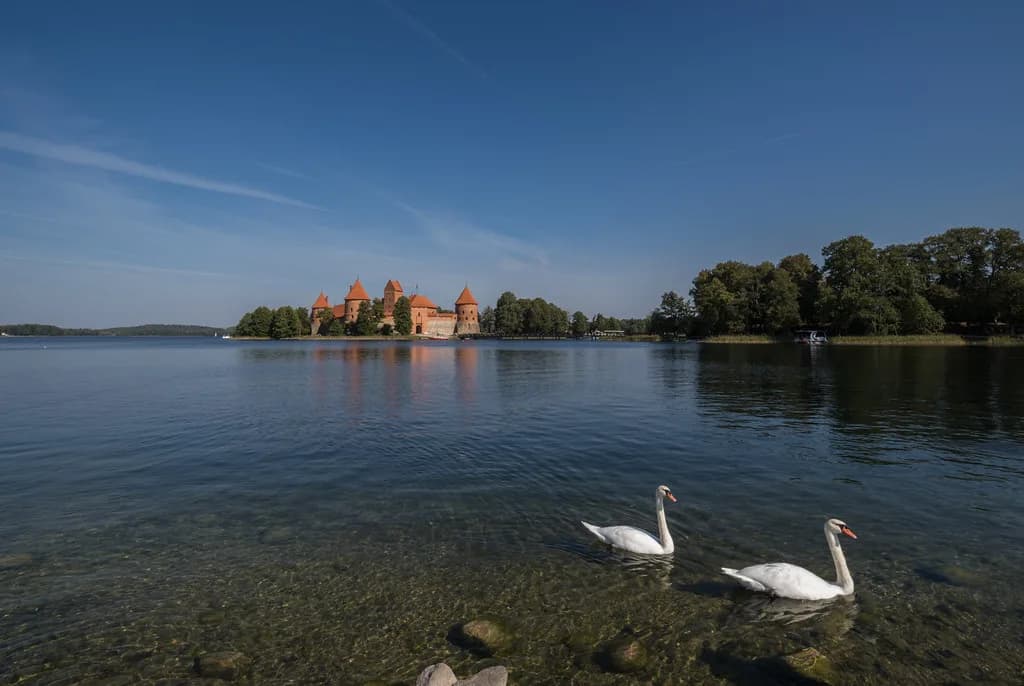
Spring is the moment to see the Hill of Crosses near Šiauliai and the Trakai Island Castle without summer coach groups, though you should expect changeable weather and pack for wind.
Summer (June to August): the peak
June to August is peak season, with the warmest temperatures, the longest days and the coastal resorts at Palanga and Nida at full operation. This is also when Lithuanian families take their own holidays, so the Curonian Spit, the ferry crossings and the popular stretches of coast fill up, and booking ahead matters far more than in spring.
July is the hottest month and the busiest, and it is also when mosquitoes and other bugs are most active around the lakes and forests. Plan countryside days with repellent and long sleeves, or shift your outdoor time to the coast where the wind keeps insects down.
If you want the warmest sea and the liveliest town squares, August delivers both; if you want the same weather without the crush, aim for the last week of August or the first days of September. A local voice on the Vilnius forum makes the same point about July and August being the months for a slower, quieter rhythm.
Autumn (September to November): the sweet spot, then a rapid decline
September is the best-value month of the year: the Baltic is still at its warmest after a summer of heating, the light is soft and long, and Vilnius, Kaunas and Trakai are pleasant without the July crowds. October remains workable for cities and museums but the coast becomes a walking destination rather than a beach one.
November is the month to avoid unless you have a specific reason to be indoors, because days shorten sharply and grey, damp weather sets in across most of the country. If you are weighing a city break against a coast trip, this is the month that decides it in favor of museums and Old Town streets.
Winter (December to February): snow, short days and cold
Winter brings snow in many years, short daylight and genuinely cold temperatures, and it rewards travelers who plan around indoor sights and accept that outdoor time is brief. Vilnius museums, Kaunas and the larger towns remain open, but the Curonian Spit and the resort towns are quiet and the wind off the Baltic is raw.
Only commit to a winter trip if cold and quiet is what you are after, and watch the forecast close to departure because conditions vary sharply from year to year.
Month-by-month conditions at a glance
Typical conditions rather than forecasts are the right way to choose a month: spring starts cold and turns mild, summer peaks in July, autumn cools fast after September and winter is cold with short days. Coastal areas are windier and more changeable than Vilnius and the southeast throughout the year.
Daylight is the other column worth tracking: June evenings are long enough for late walks along the Neris River, while December daylight is short enough that sightseeing fits into a narrow window.
Sea and lakes: when the Baltic is actually swimmable
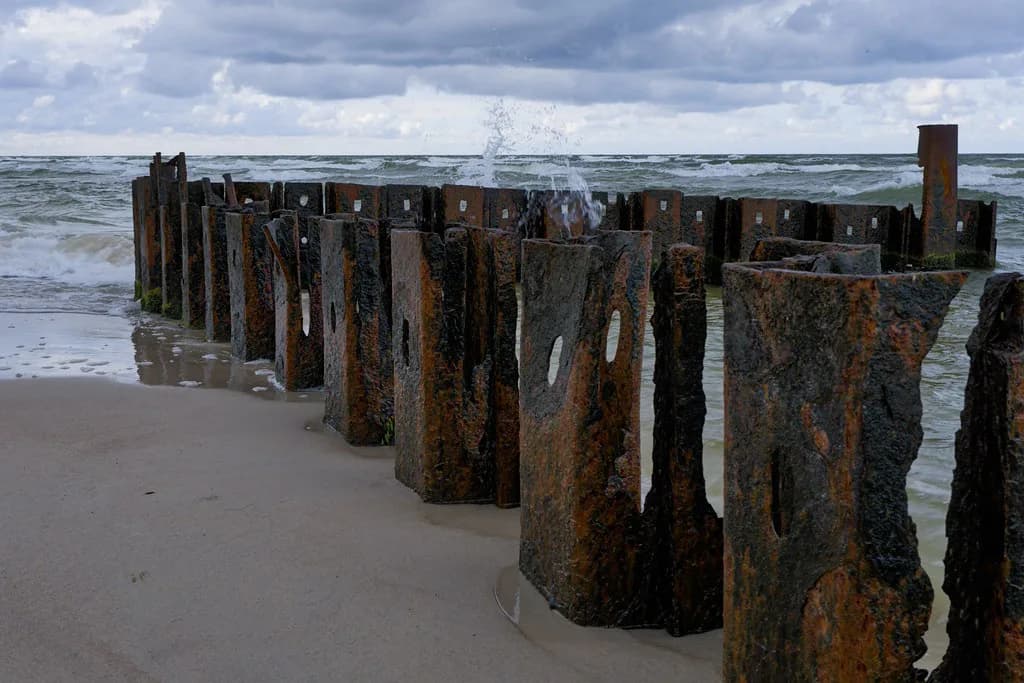
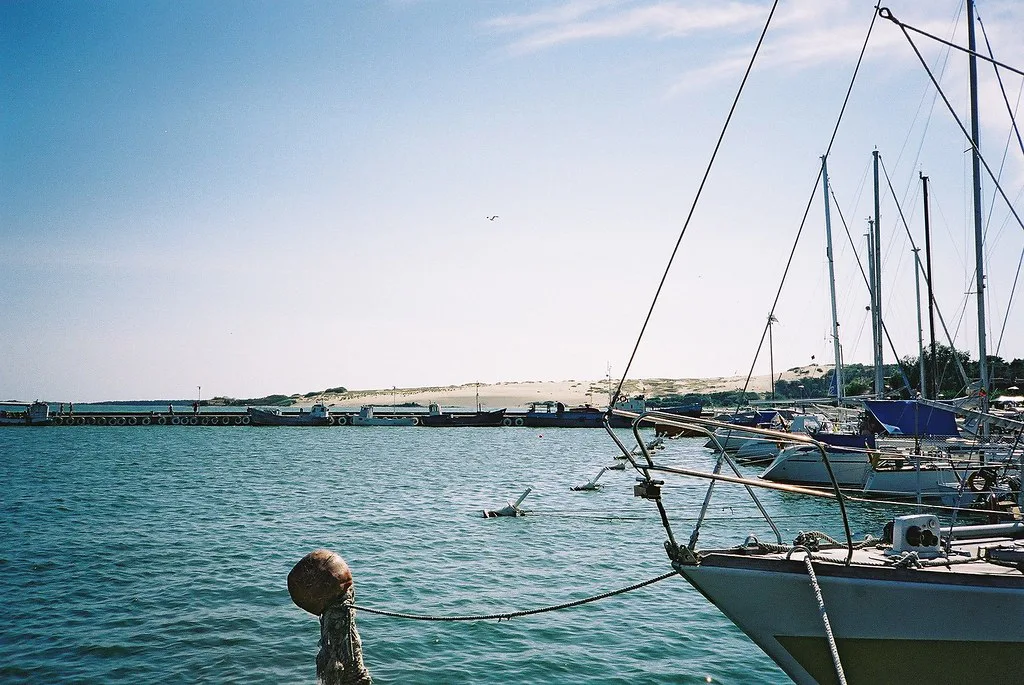
The Baltic at Palanga and Nida is at its most swimmable in late July and August, after weeks of sun have warmed the shallow water; June and early July are pleasant on the sand but bracing in the sea. The Curonian Spit's dunes and pine forests are at their best in the same window, when the ferry from Klaipėda runs frequently and the wind is warm rather than raw.
Inland, the roughly 6,000 lakes are warm enough for swimming in July and August, and the lake country around Aukštaitija National Park is at its liveliest then. Spring and autumn suit walkers and photographers but not swimmers.
Vilnius, Kaunas and Klaipėda by season
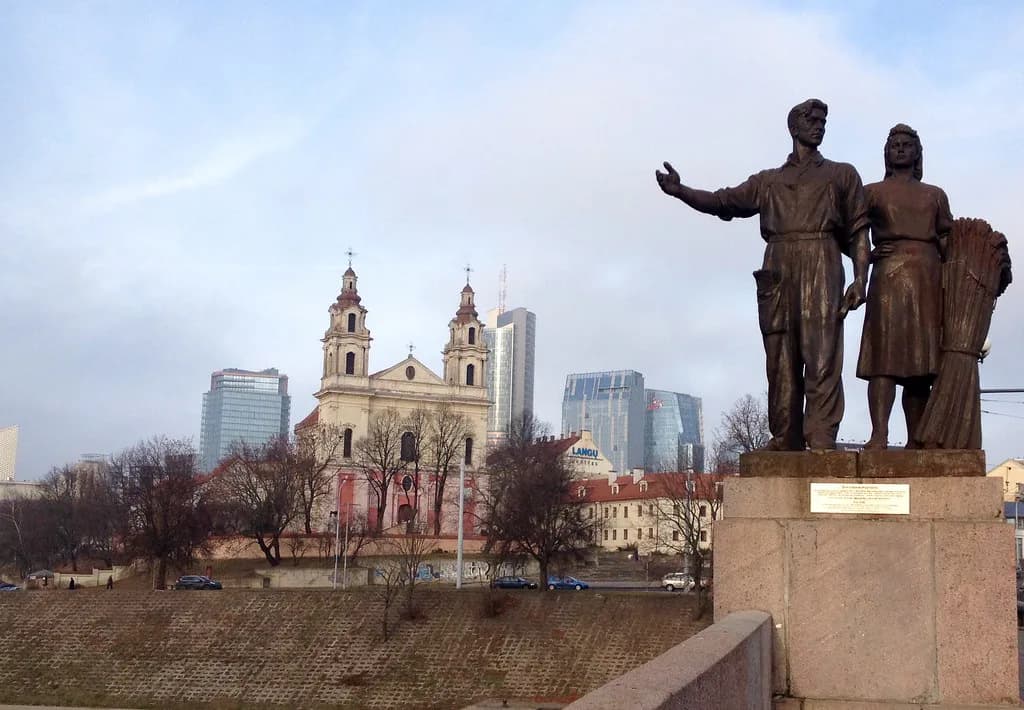
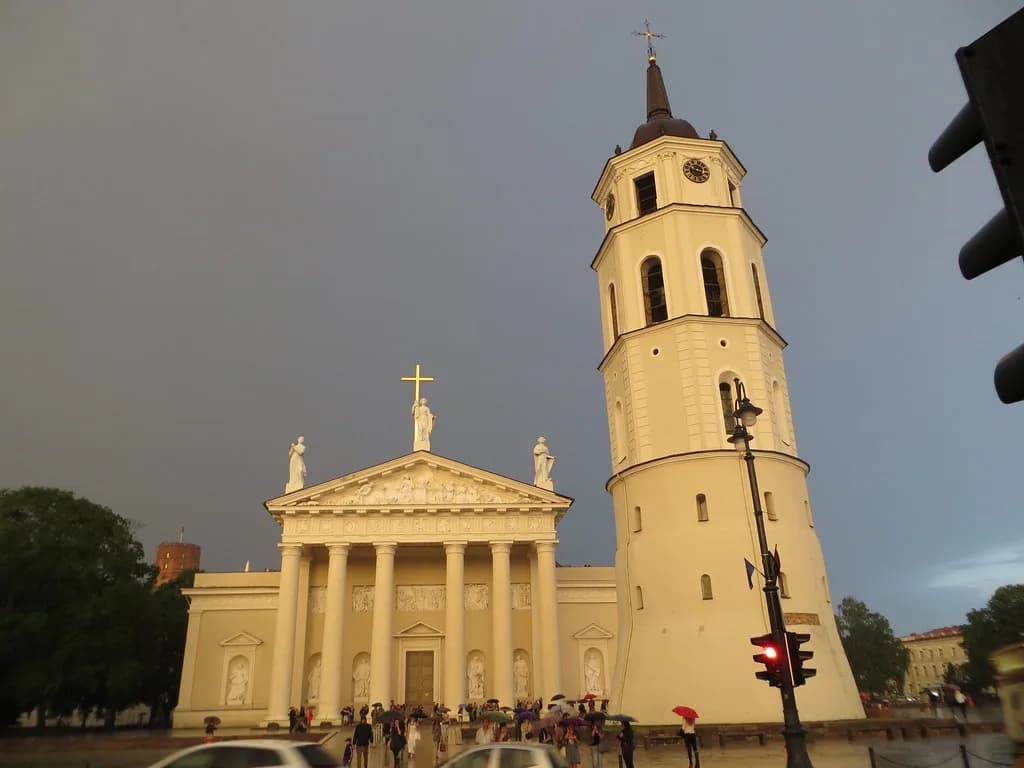
Vilnius is a year-round city, but its Old Town, the Gediminas Castle Tower viewpoint and the riverside walks are most enjoyable from May to September, when café terraces and long evenings do the heavy lifting. Kaunas rewards spring and autumn with museum time and architecture walks, while Klaipėda is best in summer as a base for the Curonian Spit ferry.
Christmas-market crowds and winter lights are a brief seasonal draw in the cities, but they are a reason for a short city break rather than a whole trip.
The Curonian Spit and Neringa: the narrow window
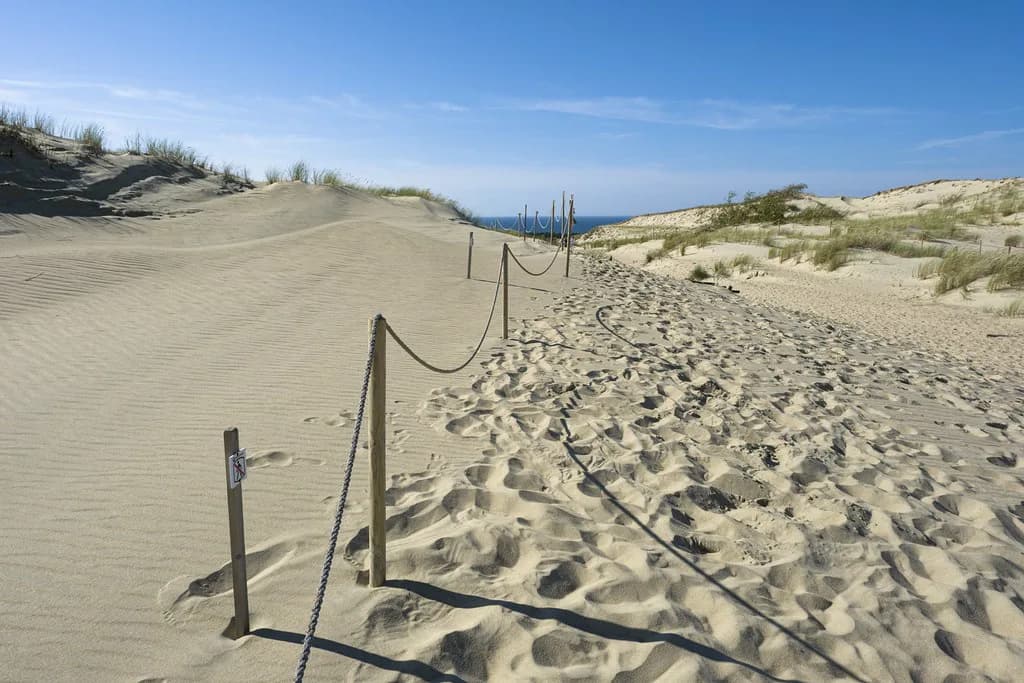
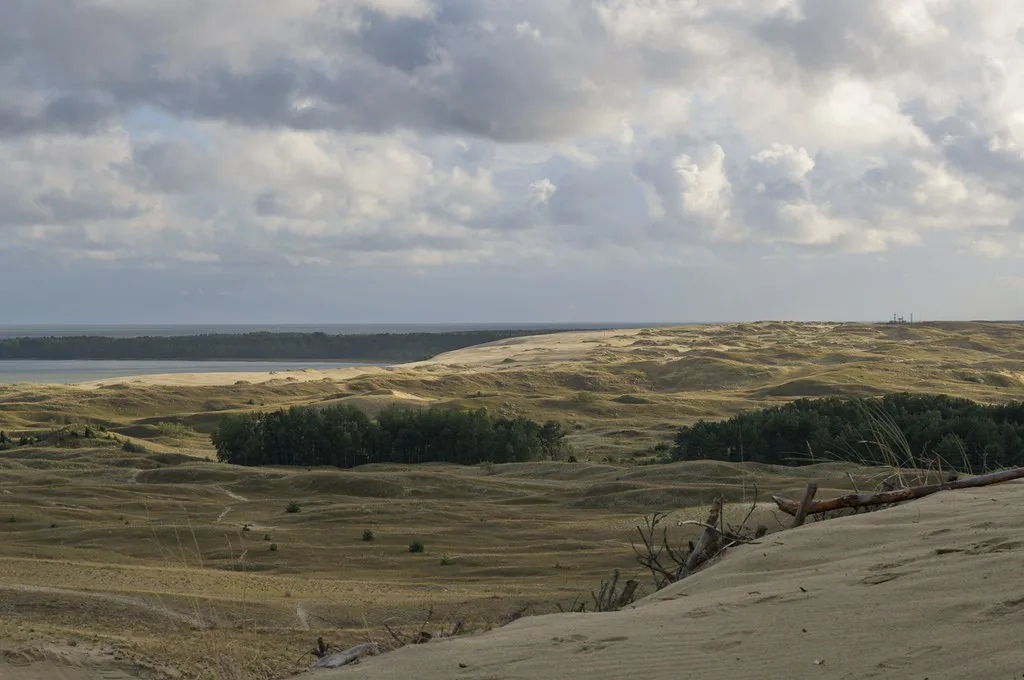
The Curonian Spit has its own seasonal logic: the dunes at Nida are best from June to September, when the ferry from Klaipėda is frequent, the resorts are open and the light lasts into the evening. Outside that window the spit is quiet and atmospheric but many services wind down, and wind and rain make the dunes a short visit rather than a long one.
If the spit is the anchor of your trip, build the itinerary around July and August and keep a flexible day for weather.
Hill of Crosses, Trakai and Kernavė: day trips that depend on weather
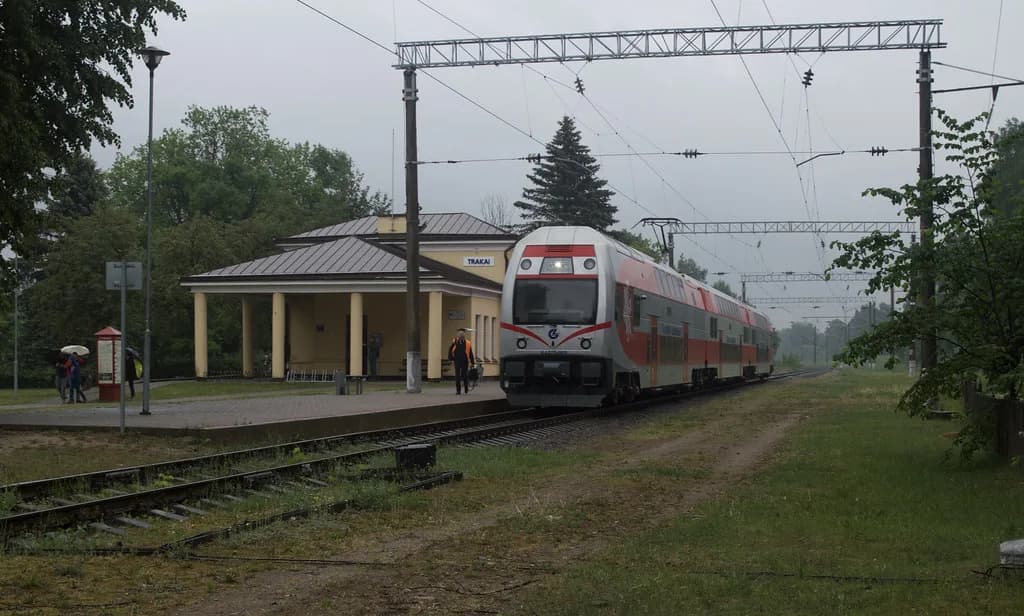
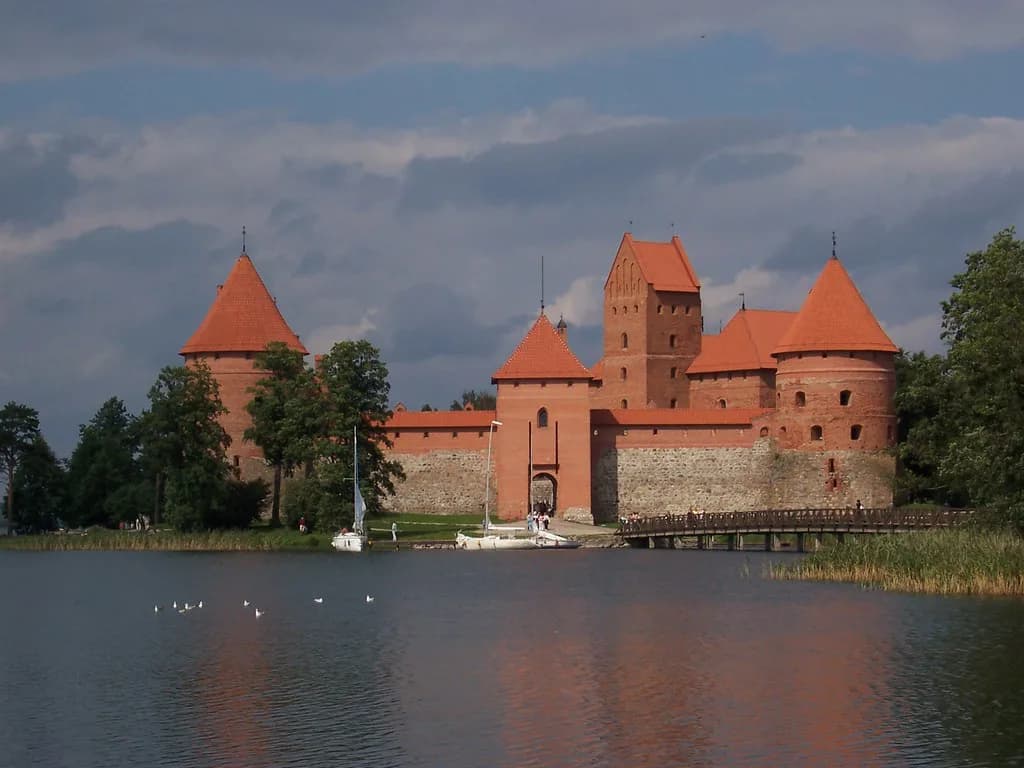
Trakai and Kernavė are walking destinations, so late spring to early autumn is when they work best, with Trakai Island Castle and the lake paths comfortable from May through September. The Hill of Crosses near Šiauliai is exposed and bleak in winter but striking in snow, and spring and autumn give you the site without summer coach traffic.
For a day-trip base outside Vilnius, renting a car makes Trakai and Kernavė far easier than stringing together buses, especially in shoulder season when timetables thin out.
Bugs, forests and the lakes: why July needs a plan
July in the countryside means mosquitoes, and with so many lakes and forests the country is ideal bug habitat in high summer. If you plan forest walks or lake swimming, bring repellent and long sleeves, and consider shifting deep-woods days to late August when the worst of the season has passed.
The upside is that summer forests and lakes are the reason many travelers come, so a little preparation buys you the best of the country.
Prices and crowds by season, in words
Lithuania is affordable by Western European standards, but July and August are the most expensive months for accommodation and the coast fills first. May, June and September give you a noticeably better balance of price and weather, while winter is cheapest and quietest outside the cities.
If you want the numbers behind that judgment, our breakdown of whether Lithuania is expensive sets out what a trip really costs by season.
Getting there in different seasons
Flights to Vilnius are the main route in, with budget carriers serving the city, but not every route runs daily and direct flights from the US are not part of the picture. Buses and trains from Poland are an option if you are already traveling through the region, though they are slower and less frequent than flying.
Once you are in the country, a car opens up the coast, the Curonian Spit and the lake country far more efficiently than public transport, particularly outside summer. Our guide to renting a car in Lithuania covers the practical side of picking one up.
Verdict by traveler type
Families should aim for late July or early August, when the Baltic is warmest, resorts at Palanga are fully open and daylight allows long beach days. City-breakers get the best of Vilnius and Kaunas in May, June or September, when streets are walkable without summer heat or winter dark.
Hikers and walkers should target May, June and September for the national parks and day trips, accepting cooler water in exchange for quiet trails. Photographers get the strongest light in September and early October, while budget travelers should look at late spring and early autumn for the best value before the summer peak.
Choosing Your Month
For most travelers the answer is June to early September, with July and August best for the coast and the Curonian Spit and June or September best for cities and walking. Build your trip around daylight as much as temperature, and keep a weather-flexible day if the spit or the dunes are the reason you are coming.
If you want the warmest sea and liveliest towns, book early for August; if you want value and space, choose September. Winter is for travelers who want cold and quiet, not for a first trip built around beaches and forests.
Explore more Lithuania trip-decision guides
Frequently Asked Questions
What is the best month to visit Lithuania?
June, July and August give you the warmest weather, the longest days and the full coastal season, with July the hottest and busiest. Late May and September are better value and quieter, with cooler water but good walking conditions in Vilnius, Trakai and the national parks.
Does Lithuania get a lot of snow?
Snow is common in winter, especially inland, but the amount varies from year to year. Winter days are short and cold, so plan indoor sights and check conditions close to departure; a guaranteed snow cover is not something you can count on.
How hot is Lithuania in July?
July is the warmest month of the year, with temperatures high enough for beach days on the Baltic and lake swimming inland. Coastal areas are cooler and windier than Vilnius, so pack for changeable weather even in high summer.
What is the weather like in Lithuania in April?
April starts cold and muddy and warms through the month, with the first genuinely pleasant walking weeks usually arriving late in the month. Expect changeable conditions, wind and rain, and save exposed sites like the Hill of Crosses for a dry day.
Is Lithuania worth visiting in winter?
Winter suits travelers who want snow, short days and quiet cities, and who plan around museums and indoor time. The coast and the Curonian Spit wind down, so a winter trip works best as a city break in Vilnius or Kaunas rather than a beach or forest holiday.
When is the Baltic Sea warm enough to swim at Palanga and Nida?
The Baltic is at its most swimmable in late July and August, after weeks of summer sun. June and early July are pleasant on the sand but bracing in the water, so swimmers should aim for the second half of the season.
How many days do you need in Lithuania?
Three to four days covers Vilnius and a Trakai day trip, and a week lets you add Kaunas, the Curonian Spit and the coast. Add two or three more days for the lake country or the Hill of Crosses if you are renting a car.
What should I know about money and plugs in Lithuania?
Lithuania uses the euro, and card payments are widely accepted in cities and resorts. The country uses European-style plugs, and our Lithuania plug type guide explains what to bring for your devices.
Sources
Trip-decision notes
Optional updates when we publish or revise a destination verdict.
You might also like
Continue reading
More guides you'll find useful