Best Cities in Lithuania: Vilnius, Kaunas, Klaipėda and More
The best cities in Lithuania for a city break, a coast stop or a castle day trip, with honest trade-offs on crowds, distances and how long each deserves.
On this page
Lithuania is worth visiting for two genuine city breaks and a handful of stops that pair with them. Vilnius gives you the largest medieval Old Town in eastern and central Europe, while Kaunas brings interwar history and a Modernist streak; almost everything else in the country is a day trip or an overnight, not a city to linger in.
The trade-off is time and distance. A two-day driving route that strings Vilnius, Šiauliai, Klaipėda and Nida into one day means four to five hours behind the wheel, and the castles along the Neman River get the same treatment on day two. Spread the same list over four or five days and the country becomes relaxed instead of relentless.
Lithuania uses the euro, and prices sit at the lower end of the eurozone, which makes a city break here easier on the budget than in Western Europe. For anything tied to entry fees, transport or seasons, it pays to look up the museum or venue website directly before you commit.
What Makes a Lithuanian City Worth Your Time
Lithuania's urban list is short. The recognised cities run from Vilnius and Kaunas to Klaipėda, Šiauliai and Panevėžys, and only the first three carry enough of their own weight to anchor a trip. That matters for planning: a name on a map is not the same as a place that rewards two nights.
The test is what a city gives you after the main sight. Vilnius has an Old Town you can walk for days, Kaunas has a compact centre layered with occupation history, and Klaipėda has a beach and a ferry terminal. Smaller places such as Trakai, Nida and the castle towns along the Neman River give you one strong reason to come and little reason to stay long.
Think in trip types rather than a flat ranking. City-break travelers should put Vilnius and Kaunas first; coast and summer travelers should build around Klaipėda and Nida; castle chasers should use Vilnius or Kaunas as a base and drive out. Getting this order right saves more time than any micro-optimisation of a daily schedule.
The Short Verdict: Which City Suits Which Trip
Pick Vilnius for a first trip, a long weekend or any itinerary where you want museums, churches and restaurants within walking distance. Pick Kaunas if you have already seen Vilnius or want a second city with heavier 20th-century history and a younger food and design scene.
Pick Klaipėda if you want sea air without giving up a proper town, and accept that its best days out — the Curonian Spit, Nida — depend on a ferry crossing. Skip all three, or treat them as a quick stop, if your interest is castles and landscapes rather than streets and cafés.
Towns to bolt on rather than base in: Trakai for the island castle, Šiauliai for the Hill of Crosses, Nida for the spit, and Panemunė and Raudonė for the Neman River castles. Each is a half day to a full day, and none needs a hotel booking to justify itself.
Vilnius: The Capital's Medieval Old Town and Where It Strains
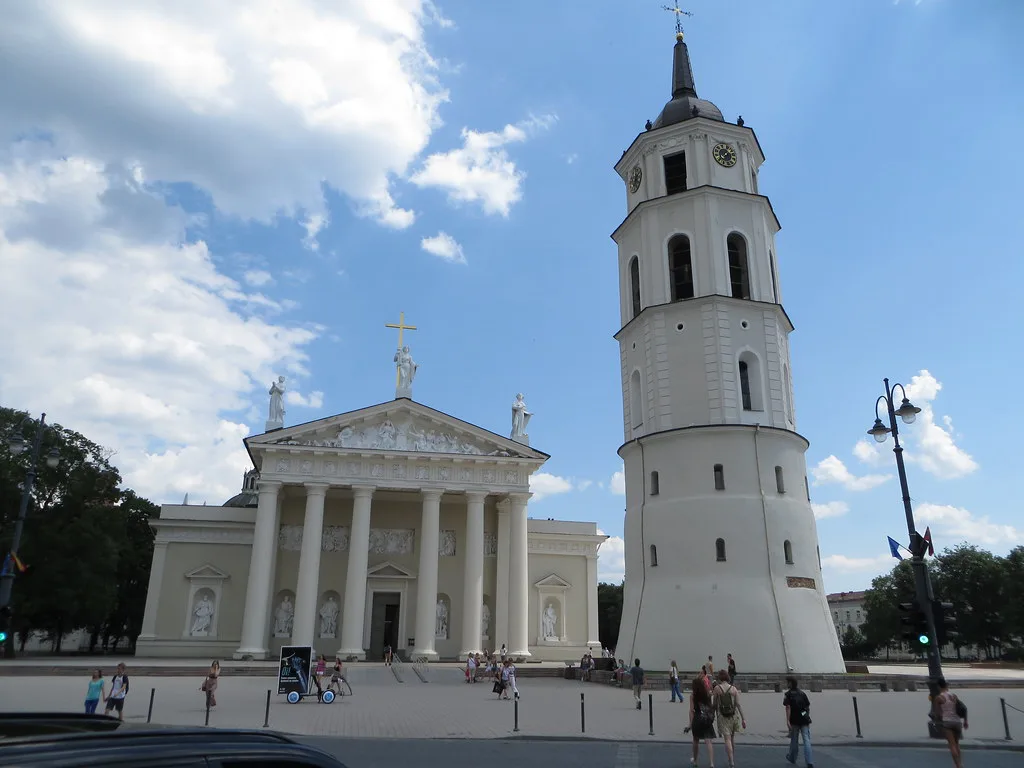
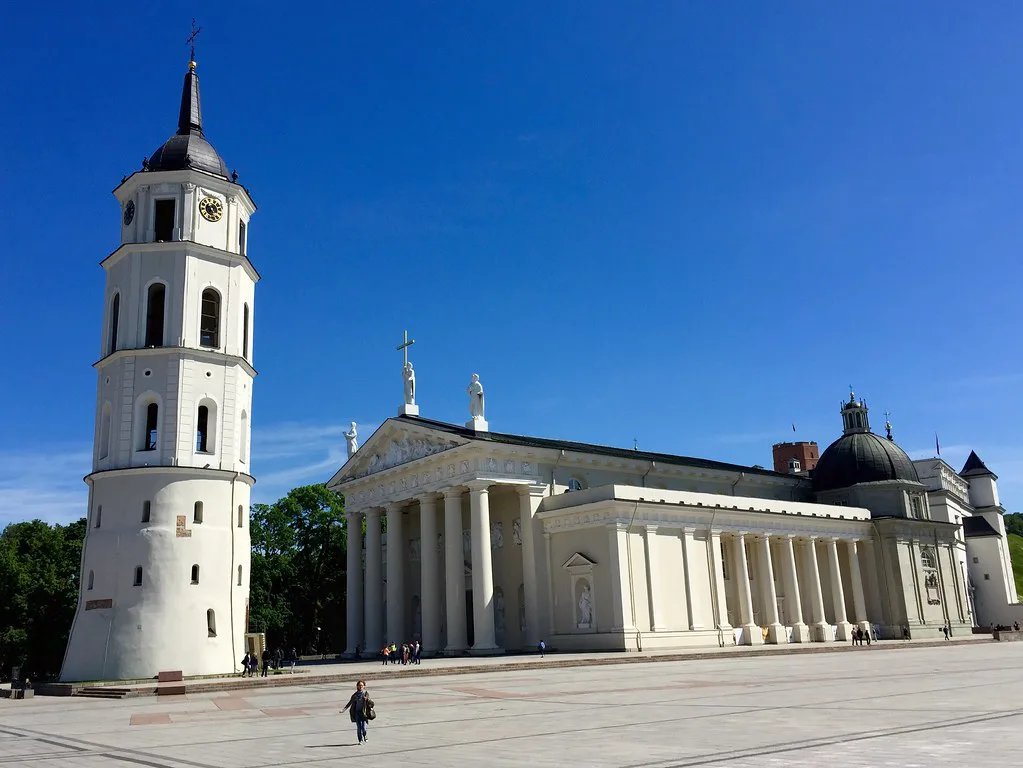
Vilnius is the country's strongest single base. Its UNESCO-listed Old Town is the largest medieval one in eastern and central Europe, a dense grid of cobbled lanes, churches and courtyards where the headline sights — the Cathedral, Gediminas Castle Tower — sit within a twenty-minute walk of each other.
The city also has a modern layer that most visitors underestimate: shared electric cars and scooters booked through an app are widespread, and the bar and café scene spills onto the streets on warm evenings. Climb Gediminas Castle Tower for the view over the rooftops, walk the Cathedral square, and take a guided walk early in your stay to get the street layout straight. That layout is worth learning before July and August, when the Old Town fills and restaurant terraces become the only comfortable place to sit.
The strain is seasonal, not structural. Vilnius rewards a slow visit in spring and autumn and becomes a queue-and-reservation city in high summer; a May trip gets you long days and thinner crowds for the same streets.
Kaunas: Interwar Capital, Ninth Fort and a Modernist Streak
Kaunas was the country's capital in the interwar years and has the architecture and institutions to prove it. The Old Town, Kaunas Castle and the Vytautas the Great Church and Cathedral of St. Peter and Paul give you a compact historic core, and the Modernist buildings of the interwar period give the city a look that Vilnius does not have.
The essential stop is Ninth Fort, a memorial and sculpture ground beside the burial site of roughly 50,000 Jews and other Lithuanians killed during the Second World War. It is a sobering, humbling visit rather than a scenic one, and it deserves unhurried time rather than a photo stop on the way somewhere else.
Kaunas suits travelers who have already done Vilnius, or who want a smaller, cheaper, less touristed city with a serious story to tell. It is not a substitute for the capital on a first visit, but it is the only other Lithuanian city that holds a two-night stay without effort.
Klaipėda: The Coast's Port City and Its Day-Trip Logic
Klaipėda is a working port that has turned itself into a summer town. The long sandy beach runs out past old battery forts, the Sculpture Park and Dane Park are easy walks, and the ruins of Memel Castle anchor the older quarter. It is the natural base for the Lithuanian coast.
Its day-trip logic runs through the ferry to Smiltynė, the gateway to the Curonian Spit and on to Nida. Ferries cross in about fifteen minutes and run frequently, but the queue back from Smiltynė to Klaipėda can be long and congested in peak season, so leave slack if you have a fixed onward booking or a flight.
Treat Klaipėda as a two-night coast base rather than a city-break destination in its own right. Travelers who want museums and restaurants should put their nights in Vilnius and take the train here for the beach instead.
Nida and the Curonian Spit: A Resort Town, Not a City
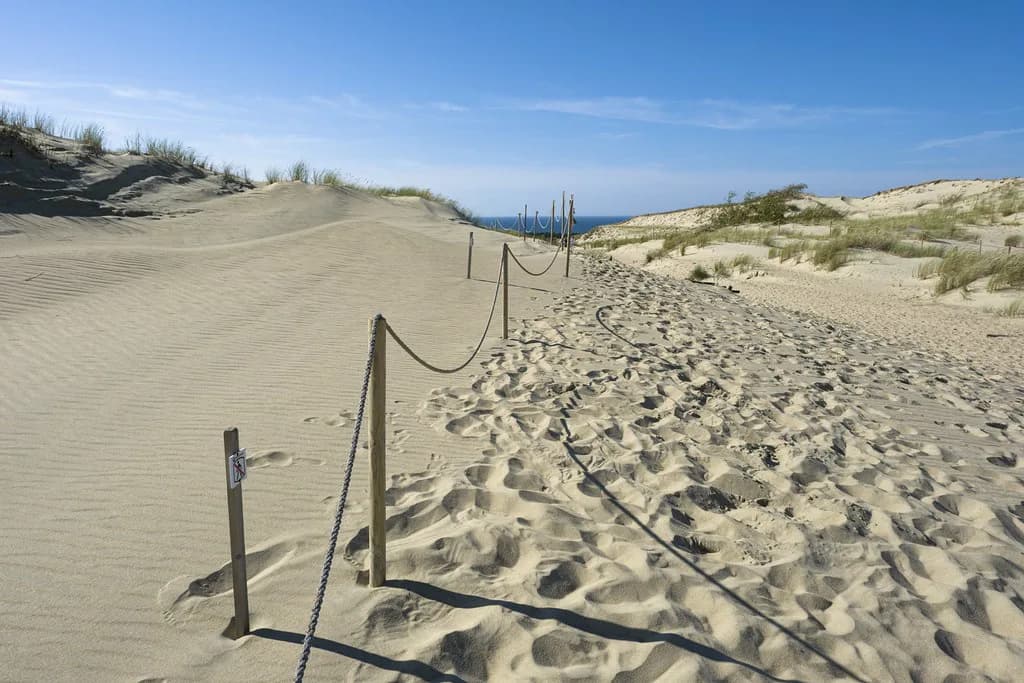
Nida sits at the far end of the Curonian Spit, with sea views on both sides, a small farmers market, and beachside restaurants that exist for the summer. It is one of the most rewarding places in the country to spend a day, and it is not a city in any sense that matters for planning.
The route matters more than the map suggests. You reach Nida by ferry from Klaipėda to Smiltynė and then by road down the spit, so a day trip is realistic but leaves little margin for slow lunches. If your priority is the landscape rather than the town, stay on the spit rather than commuting from Klaipėda twice.
Summer is the only season that makes sense for a beach-first visit; outside it, Nida becomes a quiet walking and photography stop. Small resort businesses keep their own calendars, so check opening dates with the individual hotels and restaurants you plan to use before setting out.
Trakai: The Island Castle and How It Fits a Vilnius Base
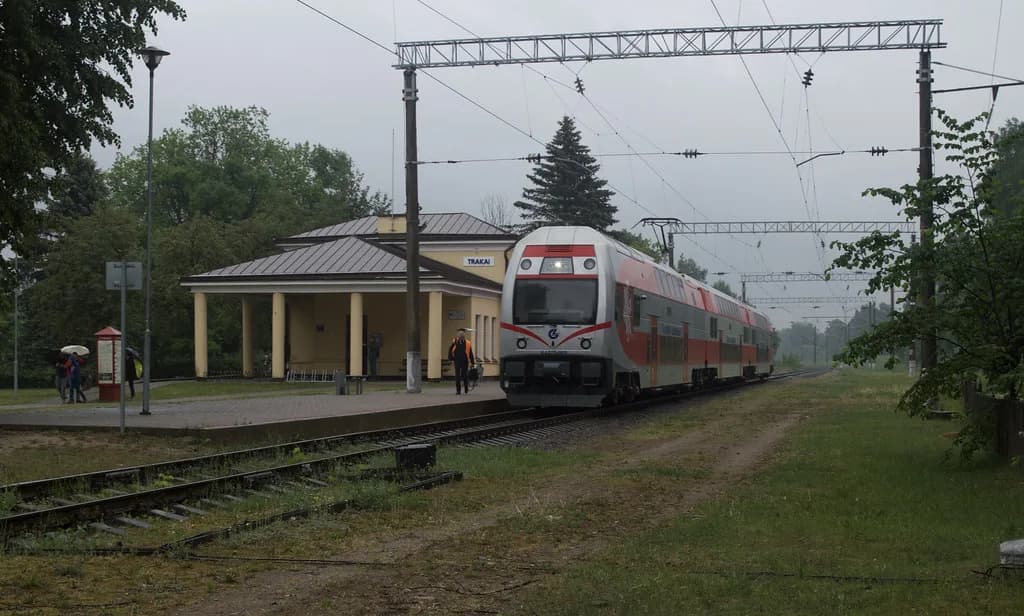
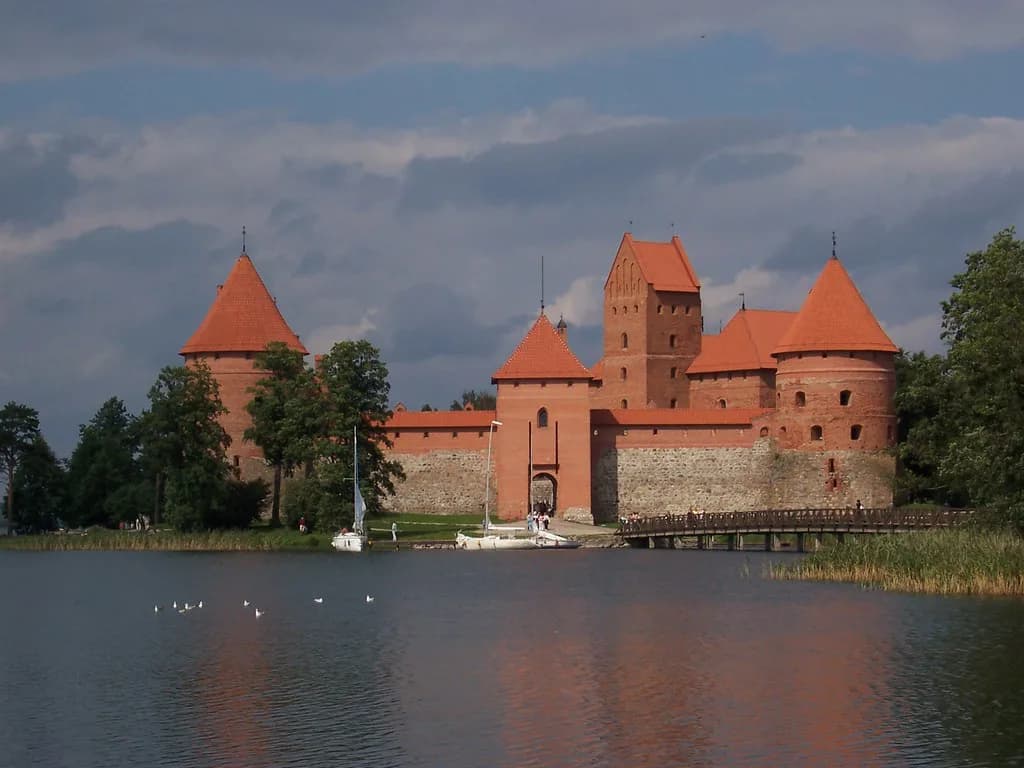
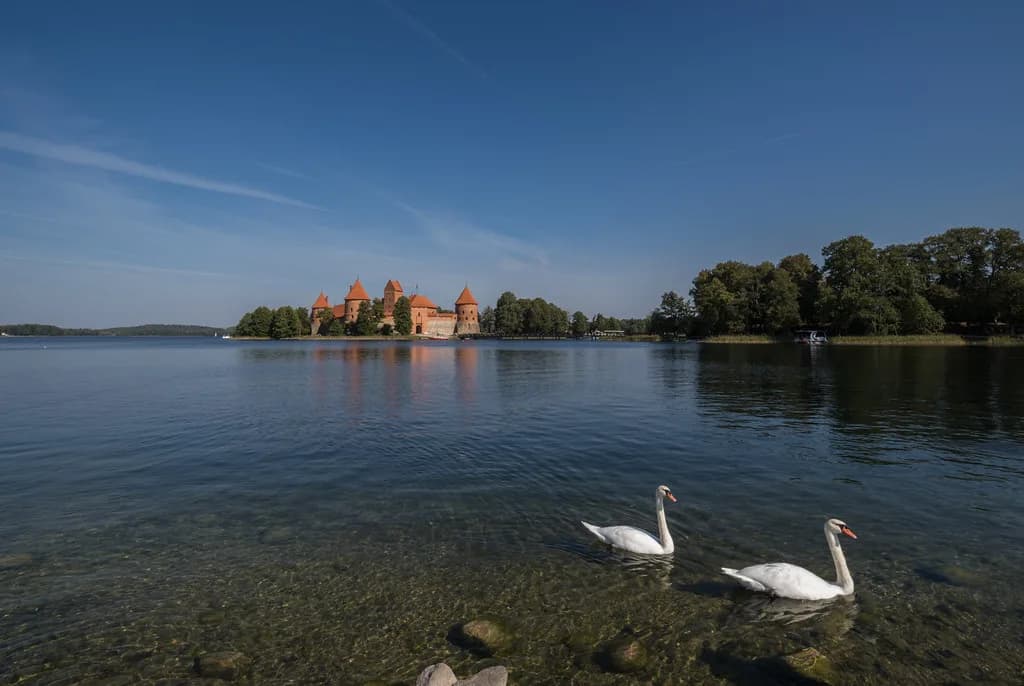
Trakai Island Castle is the best-known castle in Lithuania: a fourteenth-century fortress on an island in a lake, roughly an hour's drive from Vilnius and in remarkably good condition. Boats run out around the lake, and you can rent a kayak to see the castle walls from the water.
It works best as a half-day or full-day add-on from the capital rather than a base of its own. The town is small, the lake and castle are the reason you came, and an evening back in Vilnius costs you nothing. Families and castle-first travelers should give it a full day; everyone else can be back for dinner.
If you are stringing Trakai together with Šiauliai, Klaipėda and the Neman castles, a car turns a chain of awkward connections into a single loop. Read up on renting a car in Lithuania, because one-way fees and cross-border rules vary by supplier.
Šiauliai and the Hill of Crosses: A Short, Sobering Stop
Šiauliai is a northern city whose name most travelers learn because of a hill outside it. The Hill of Crosses is exactly that: thousands of crosses, large and small, wooden and metal, piled across a rise that has become a pilgrimage site; Pope John Paul II visited in 1993.
You do not need long there. An hour or two covers the hill and its paths, and the city itself — the Cathedral of Saint Peter and Saint Paul, a walk around Rėkyva Lake — fills the rest of a half day if you are already in town. It is a worthwhile stop on a north-south drive and a poor reason to cross the country on its own.
Travelers with limited time should weigh the detour honestly: the Hill of Crosses is a place of atmosphere and memory, not spectacle. If your trip is a Vilnius long weekend, spend the hours on Trakai instead.
Panemunė and Raudonė Castles Along the Neman River
The road along the Neman River is one of the country's best drives, with castles and small towns set back from the water. Panemunė Castle, built in the early 1600s and recently restored, sits just above the riverbank with wooded gardens, two small lakes and a climb to the top of a spire for the view.
Raudonė Castle is about ten minutes from Panemunė. The building is less spectacular than its neighbour, but the grounds are the draw and you can climb one of the towers. Pair the two in a single day and you have a satisfying castle loop without repeating yourself.
These castles make the strongest case for a car. Rail and bus services connect the cities, but the two Neman castles are not served that way, so a driver turns a scattered pair of sights into a coherent day and a non-driver should choose between them rather than attempt both.
How Many Days Each City Needs
Vilnius deserves two to three nights: one for the Old Town and Cathedral area, one for Gediminas Castle Tower and the museums, and a third if you want a day trip to Trakai. Kaunas needs two nights if Ninth Fort is a priority, one if you only want the Old Town and castle.
Klaipėda takes one to two nights depending on whether you add the Curonian Spit. Nida is a day trip or one night, Šiauliai half a day standing alone, and Trakai a half day from Vilnius. Add the Neman castles as a full driving day or fold them into a route between Kaunas and Vilnius.
The temptation is to compress all of it into a short break. Four to five days of unhurried driving covers the country's main stops comfortably; anything less and you spend the trip in the car rather than in the places you came to see.
Getting Between the Cities: Rail, Bus and Car
Rail and bus cover the cities well. Trains link Vilnius, Kaunas, Klaipėda and Šiauliai, and buses add smaller towns and give you a cheaper, if slower, option. Both are the sensible choice for a Vilnius–Kaunas–Klaipėda line, where you gain nothing from driving.
A car earns its keep for Trakai, the Curonian Spit and the Neman castles, where connections thin out and timetables constrain your day. It costs you flexibility in the cities, where parking is the main friction, and it is worth checking what your supplier allows before committing.
The airport at Vilnius handles most arrivals, with Kaunas and Klaipėda as secondary entry points; check current routes with the airlines. Entry rules change, so read the official Lithuanian government page once before you book and then stop worrying about it.
Drawbacks Worth Planning Around
The first drawback is distance disguised as proximity. Lithuania is small on the map but the stops are spread, and a route that looks like three short hops can fill a day; the source's own itinerary puts four or five hours of driving into each day, which is not a recommendation.
The second is season. Summer brings the best coast weather and the largest crowds in Vilnius and on the spit; May and September give you cooler, quieter streets. In October, Vilnius settles into a colder, moodier version of itself that suits some travelers and disappoints beach planners.
The third is the ferry bottleneck at Smiltynė, where the return queue can eat an afternoon. The fourth is cultural: Lithuanian reserve with strangers can read as unfriendliness to visitors from chattier countries, though younger Lithuanians in tourist-facing jobs typically switch to fluent English without prompting.
Who Should Skip Which City
Skip Klaipėda if you are traveling outside the warm months and your priority is urban sightseeing; the beach is the reason to be there. Skip Šiauliai if your trip is a short city break, and see the Hill of Crosses only if you are passing between north and south anyway.
Skip Kaunas on a first visit if you have three days or fewer, and give the time to Vilnius and Trakai instead. Skip Vilnius only if you have seen it before and want a quieter, cheaper base for the interwar architecture and Ninth Fort.
Skip Nida if you cannot spare a full day for the round trip. The spit is a landscape destination, and a rushed dash from Klaipėda and back leaves you with ferry queues and little else.
Verdict by Traveler Type
First-time visitors on a long weekend: Vilnius, with Trakai as a day trip. The capital is walkable, dense and gives you the largest medieval Old Town in the region, and two nights is enough to feel you have seen it.
History-focused travelers with four or five days: Vilnius for two nights, Kaunas for two, Ninth Fort as the centerpiece, and the Neman castles on the drive between them. Drivers should add Trakai on the way out; non-drivers should take the train and choose one castle.
Families and summer travelers: Klaipėda for the beach, Nida for a day on the spit, and Vilnius only if you want a city element. Anyone who wants castles, crosses and river views in one loop should rent a car and accept the extra driving.
Plan Your Visit
The best cities in Lithuania are two: Vilnius for a city break and Kaunas for a second one. Klaipėda, Nida, Trakai, Šiauliai and the Neman castles are stops that make those two cities better — as day trips, overnight breaks or a driving loop — and treating them as destinations in their own right is how itineraries get rushed. If you are weighing the wider region while you plan, it is also worth asking whether Estonia is Estonia worth visiting for the same kind of short Baltic city break.
Decide on your season first, then your cities, then your transport. Lithuania uses the euro, sits at the affordable end of the eurozone, and rewards travelers who book fewer places and stay longer in each one.
Explore more Lithuania trip-decision guides
Frequently Asked Questions
What is the nicest city in Lithuania?
Vilnius, for most travelers. It has the largest medieval Old Town in eastern and central Europe, the Cathedral and Gediminas Castle Tower within walking distance, and enough restaurants and bars to fill an evening. Kaunas is the closest rival, with interwar architecture and Ninth Fort, but it works better as a second city than a first.
Which is better, Vilnius or Kaunas?
Vilnius is better for a first trip, a long weekend and anyone who wants a walkable historic center with plenty to do. Kaunas is better for travelers who have already seen the capital and want a smaller city with heavier 20th-century history, especially Ninth Fort. If you have four days, do both; if you have two, choose Vilnius.
How many days do you need in Vilnius?
Two to three nights covers the Old Town, the Cathedral, Gediminas Castle Tower and a museum or two without rushing. Add a third night if you want a day trip to Trakai Island Castle, which is about an hour away by road. Longer stays suit travelers who want to use the capital as a base for the rest of the country.
Do you need a car to visit Lithuania's cities?
No for Vilnius, Kaunas, Klaipėda and Šiauliai, which are connected by rail and bus. Yes in practice for the Neman River castles, the Curonian Spit and the most convenient version of Trakai, where services are thinner and a timetable limits your day. Many travelers combine the two, using trains between cities and hiring a car for a day or two.
Is the Hill of Crosses worth a stop?
Yes if you are passing through northern Lithuania, and no if it means a long detour on a short trip. The hill itself takes an hour or two, and the city of Šiauliai fills out a half day with its cathedral and Rėkyva Lake. It is a place of atmosphere and memory rather than spectacle.
How do you get to Nida from Klaipėda?
Take the ferry from Klaipėda to Smiltynė, then continue by road down the Curonian Spit to Nida. The crossing takes about fifteen minutes and ferries run frequently, but the return queue from Smiltynė can be long in peak season, so leave slack if you have an evening booking or a flight.
Is Lithuania a good destination for a first trip to the Baltics?
Yes. Vilnius is an easy, compact introduction with a large historic center, and the distances between the main cities are short by rail. Travelers who want a coast element add Klaipėda and the Curonian Spit; those who want castles add Trakai and the Neman River drive.
Sources
Trip-decision notes
Optional updates when we publish or revise a destination verdict.
You might also like
Continue reading
More guides you'll find useful