Best Places to Visit in Lithuania: 10 Stops Worth the Trip
The best places to visit in Lithuania, from Vilnius and Kaunas to the Curonian Spit and Trakai, with why each earns the detour and what to skip.
On this page
The best places to visit in Lithuania cluster into three zones: the baroque capital, the northern castle-and-crosses road, and the Baltic coast with its dunes. Pick three or four bases rather than ten, because the driving distances look short on paper and eat whole afternoons in practice. This list names what earns a stop, how long it absorbs, and where the trade-offs bite.
Lithuania uses the euro, and the country is compact: Vilnius to Klaipėda is a cross-country run, while Trakai sits barely outside the capital. That geography shapes the choices below more than any ranking does. If you are still weighing the trip itself, work out whether Lithuania is worth visiting before committing days to a route.
The verdict
Lithuania suits travelers who want an old-city break with genuinely odd sights appended to it — a hill of crosses, a hill of witches, dunes that swallowed villages. It does not suit anyone hunting beach weather for a week or expecting every highlight to sit on a train line. The pay-off comes from combining a city or two with the coast and a rural detour by car.
Three or four bases is the honest ceiling for a week. Trying to see Vilnius, Kaunas, the coast, the Hill of Crosses and the river castles in four days means several hours behind the wheel daily, as a two-day cross-country route covering Vilnius, Šiauliai, Klaipėda, Nida and both Neman castles demonstrates. Give the country five days at minimum, and more if you want the Curonian Spit to feel like a holiday. If you are also weighing the neighbours on a longer Baltic loop, see our Estonia verdict for how the same base-hopping math plays out there.
Vilnius: the Old Town, Užupis and the KGB museum
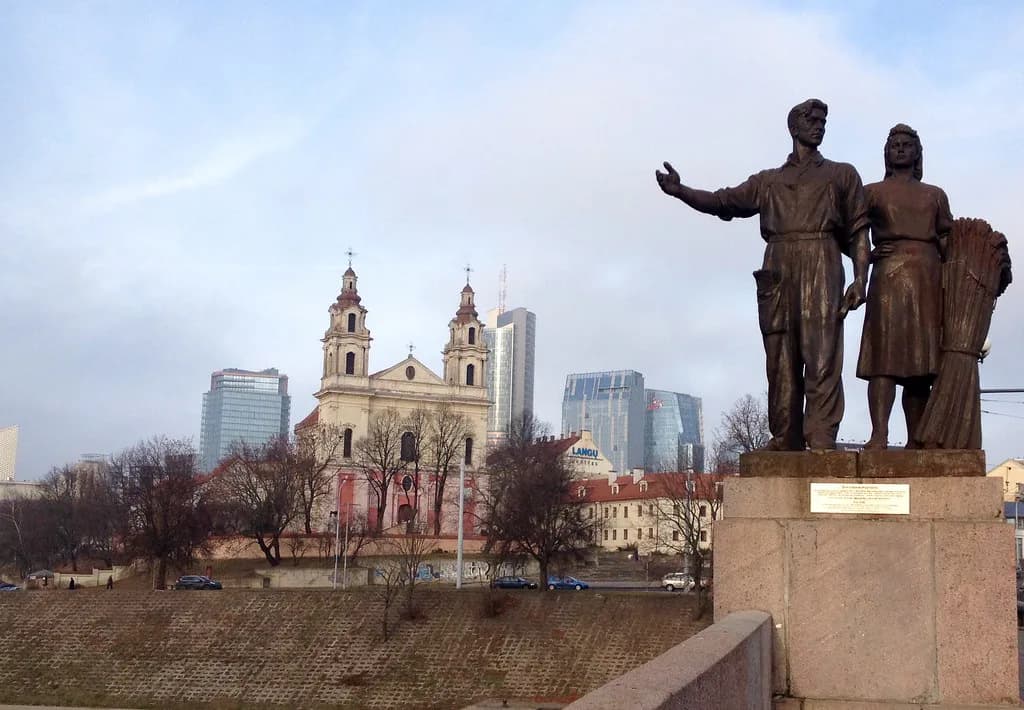
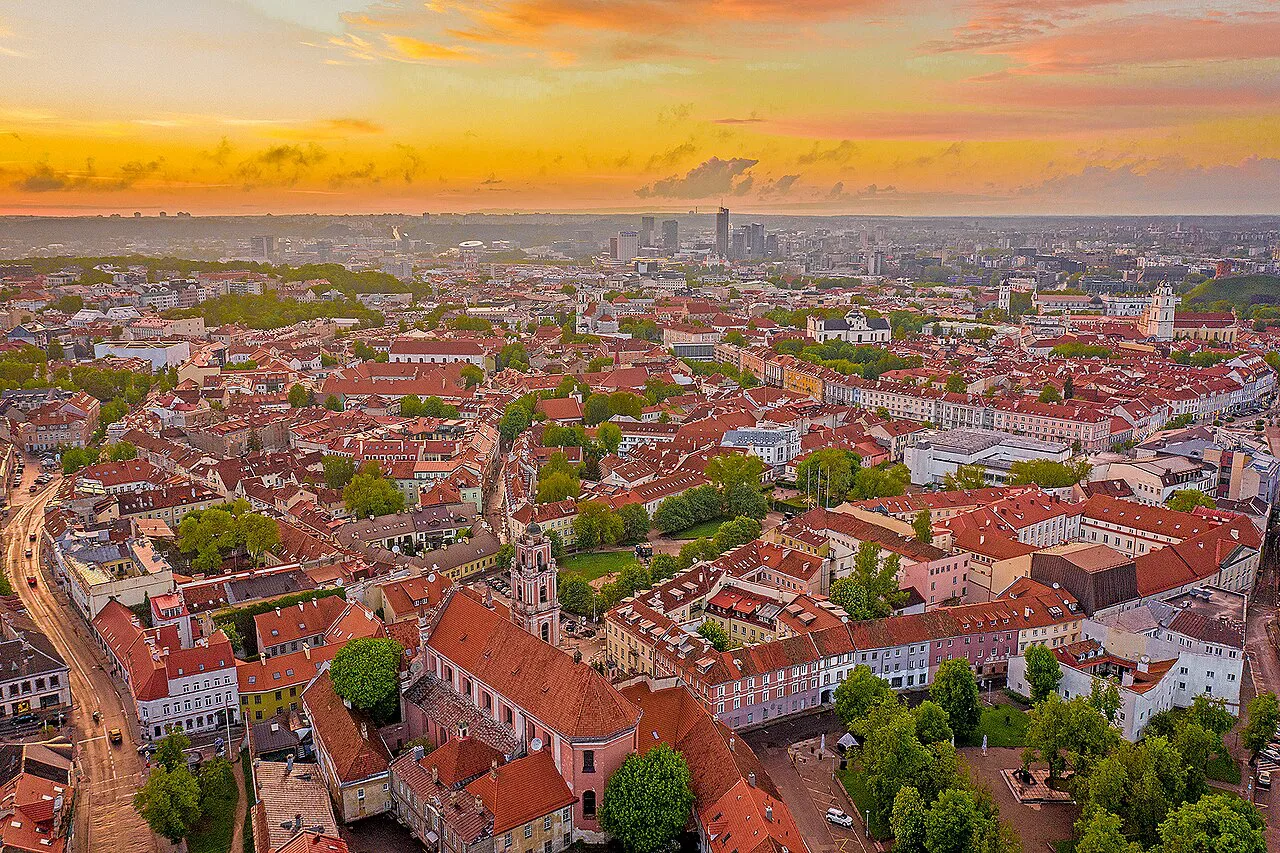
Vilnius is the obvious first base and justifies two full days. Its Old Town is one of the largest surviving medieval cores in Northern Europe, packed with pastel façades, cobbled lanes and church spires. Start with the sweep of the streets, then climb Gediminas Castle Tower for the rooftops and walk to the Hill of Three Crosses for sunset over the same view from the opposite bank.
Across the river, Užupis declared itself a republic on April Fools' Day in 1997, and its galleries, murals and tongue-in-cheek constitution make a half-day of slow wandering. The former KGB prison that now holds the Museum of Occupations and Freedom Fights is sobering but essential for understanding the country's 20th century. Add St. Anne's Church and the Gate of Dawn, the last surviving entrance to the old city walls.
For one elevated view with a ticket, the bell tower of St. John's Church at Vilnius University charges €5 for adults and €3 for students. Vilnius in June brings long evenings by the river and warmer wandering weather.
Trakai: the island castle 28 km from Vilnius
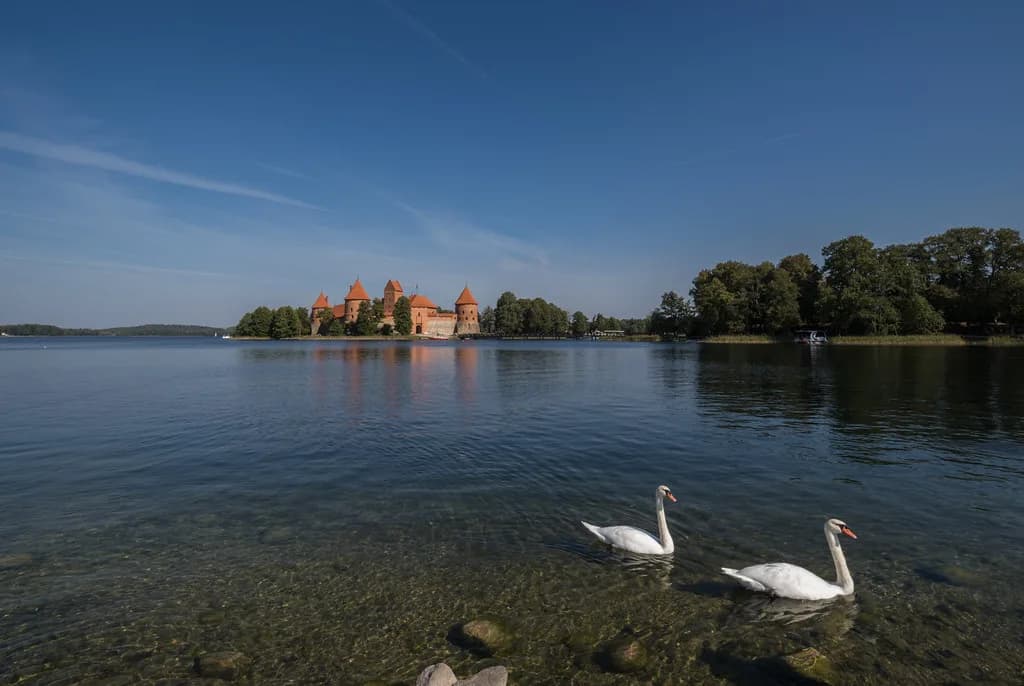
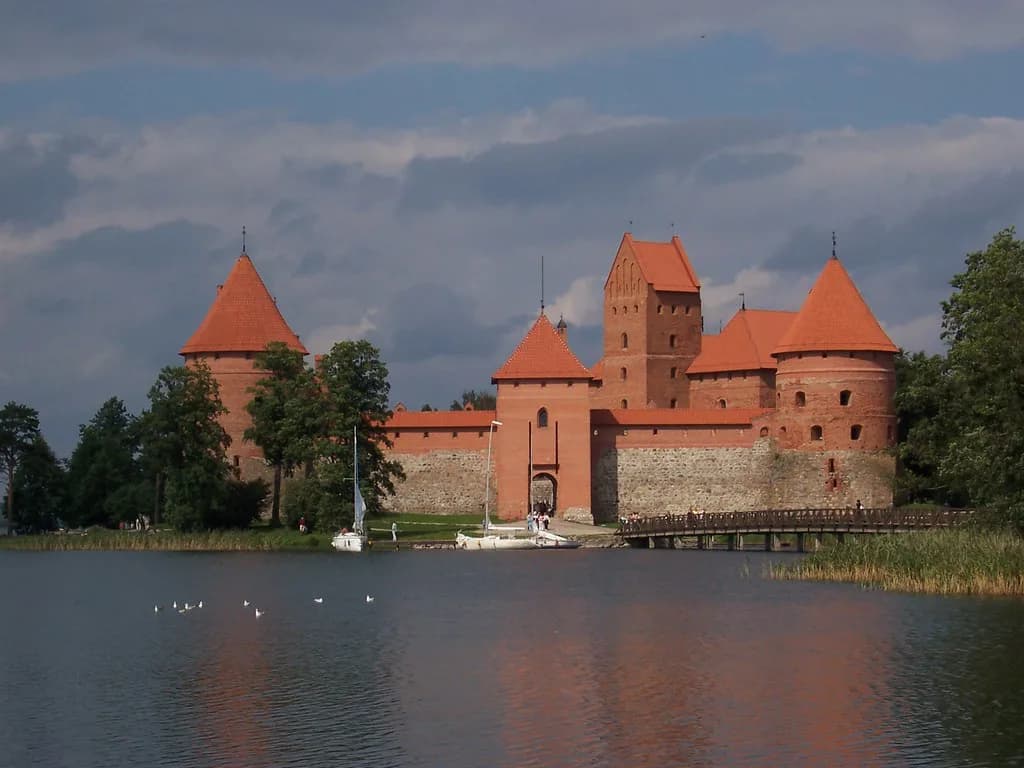
Trakai Island Castle sits on Lake Galvė about 28 km from the capital, a 14th-century stronghold restored in the 19th century and reached by direct buses and trains. Entry costs €8 per person, and the grounds are free to walk. The castle is impressive up close but arguably prettier from across the water, so add a boat ride or a lakeside meal rather than treating it as a quick photo stop.
The town itself rewards an extra hour: Trakai was once the country's second city, and the Karaim community, descended from Crimean arrivals, has lived here for more than seven centuries. Crowds build through the middle of the day. If you are renting a car in Lithuania, Trakai is also an easy first drive out of the capital before tackling longer legs.
Kaunas: Old Town, Ninth Fort and a city that was briefly the capital
Kaunas served as the nation's capital in the interwar years and feels denser and more workaday than Vilnius. The Old Town holds Kaunas Castle and the Cathedral of St. Peter and Paul, while Vytautas the Great Church adds another stop to a walking loop. It makes a solid half-day to full-day stop between the capital and the coast.
Ninth Fort, on the city's edge, is the reason to give Kaunas real time: a memorial and sculpture garden commemorating roughly 50,000 Jews and other Lithuanians killed there during the Second World War, with the burial site beside the monument. It is a heavy visit, and worth planning as the last thing you do that day rather than a stop before something cheerful.
Šiauliai and the Hill of Crosses
The Hill of Crosses, 12 km north of Šiauliai near the village of Jurgaičiai, is the country's strangest and most moving site: hundreds of thousands of crosses, from hand-carved wood to metal crucifixes, piled across a low hill. There is no entry fee and it can be visited at any hour. Pope John Paul II visited in 1993, and pilgrims still add crosses daily; a car park gift shop sells them if you want to leave one.
Public transport is workable but thin. A Joniškis-bound bus from Šiauliai costs €1.20 for a roughly 10-minute ride, with up to seven departures a day, then a 15-minute walk from the Domantai stop; a taxi runs around €20. Drivers reach it easily from the A12 highway between Lithuania and Latvia, which makes it a natural border-crossing stop.
Verdict: worth an hour or two, not a dedicated day. Pair it with Šiauliai's Cathedral of Saints Peter and Paul, or push on to the coast. Lithuania in April suits this kind of sightseeing — quieter roads, cool air, fewer tour groups.
Klaipėda: the port city and ferry gateway to the spit
Klaipėda is the working port that unlocks the Curonian Spit, and most travelers pass through rather than linger. Give it half a day: the Sculpture Park, the ruins of Memel Castle and Dane Park sit close together, and a long sandy beach with old battery forts runs along the coast. It is a practical base for the ferry and a decent one for a seafood lunch.
The Old Ferry Terminal takes foot passengers and cyclists across to Smiltynė on the spit; the crossing is short, and queues to return to the mainland can run long in peak season, so leave slack before any fixed onward plan. Travelers bringing a car use the larger New Terminal ferries instead. Klaipėda is also the jumping-off point for day-tripping the northern spit villages.
The Curonian Spit: Nida, Juodkrantė, the Dead Dunes and Parnidis
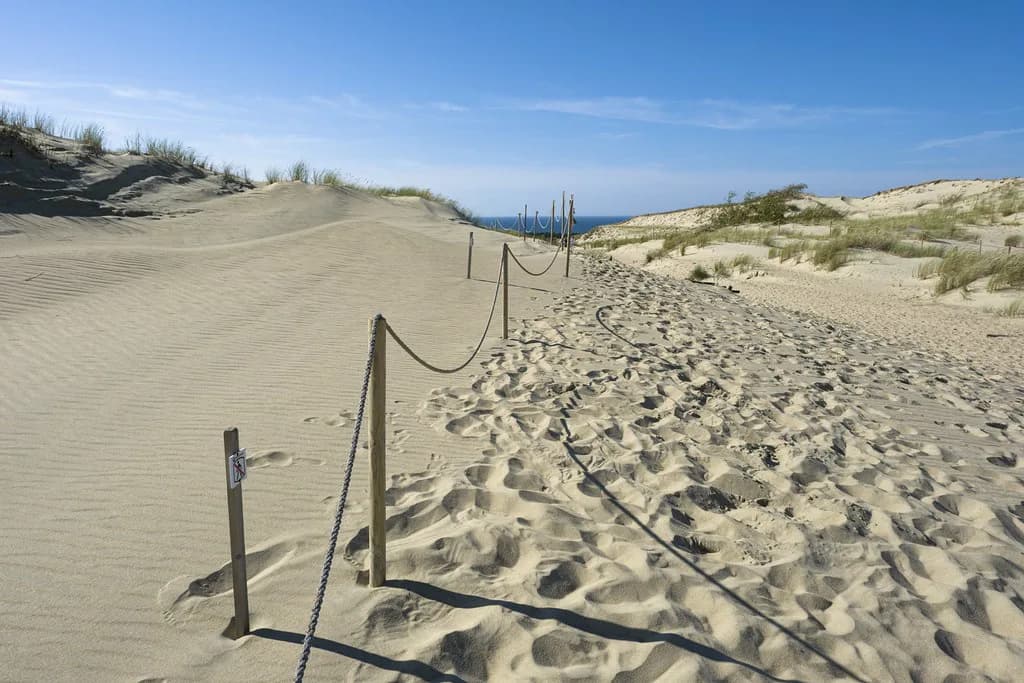
The Curonian Spit is a 98 km UNESCO-listed peninsula of pine forest, white beaches and Europe's largest drifting dunes, split between Lithuania and the Russian exclave of Kaliningrad. Nida, at the Lithuanian end, has clapboard houses, a small amber trade, a fisherman's museum and lagoon beaches, and it is the one place in the country where you can watch the sun rise over water in the east and set over water in the west.
Costs add up on the spit. Foot passengers pay a small per-crossing fare at the Old Ferry Terminal, bicycles slightly less, and under-sevens go free; bringing a passenger car across costs noticeably more one way, with a small supplement added for each passenger. Nagliai Nature Reserve, the Dead Dunes trail where villages were buried by moving sand from as early as 1675, charges a modest entry fee per person and permits walking only on the marked path. National park entry for cars is likewise a cheap summer charge.
Parnidis Dune, 52 metres above sea level, has a free 1.7 km loop trail and the sculptural sundial at its edge — go at sunrise or sunset rather than midday. Nearby Juodkrantė holds the Hill of Witches, a forest trail of more than 80 carved devils and folk figures that is free to enter and takes about 45 minutes. Buses run between Smiltynė and Nida every one to two hours in peak season; the whole spit deserves two nights, not one.
Panemunė and Raudonė castles along the Neman River
The drive along the Neman River between Kaunas and the coast is one of the country's best road stretches, lined with small towns and two contrasting castles. Panemunė Castle, built in the early 1600s above the river bank, has been restored, charges a few euros to enter, and lets you climb a spire for views across wooded gardens and two small lakes. Raudonė Castle sits about 10 minutes away, less spectacular inside but with grounds worth a walk and a tower to climb.
Neither is a train destination. This leg only makes sense with your own vehicle, and that is the central trade-off of a Lithuania road trip: trains and buses cover Vilnius, Kaunas, Klaipėda and Trakai well, while the river castles, Anykščiai and the Hill of Crosses need wheels. If you are comparing how Lithuania is expensive or cheap, note that a two-day rental with two drivers and full insurance came to around €100 total, which is the price of reaching the rural half of this list.
Anykščiai: the Treetop Walking Path and regional park
Anykščiai Regional Park holds the Treetop Walking Path, a 300-metre boardwalk 35 metres above the forest floor, the first of its kind in Eastern Europe, with an observation tower at the far end over the Šventoji river valley. Entry is €2 for adults and €1 for students or children, and a 5 km ground-level trail continues through the pines for anyone wanting more.
It sits roughly 1.5 hours by car from either Vilnius or Kaunas, with a small car park at the entrance, and there is simple camping and guesthouse accommodation inside the park. Pair it with the wider forest and picnic spots rather than treating the walkway as a standalone pilgrimage. This is a half-day from a city base, or a night if you want the park to yourself in the evening.
How many days you need for this list
Five to seven days covers Vilnius, Trakai, Kaunas and the coast at a pace that leaves room for meals and unplanned detours. Two days for Vilnius, one for Trakai, half to one for Kaunas, a night in Klaipėda and two on the spit is a realistic skeleton, with the Hill of Crosses slotted into the drive north.
Add two days for the Neman castles and Anykščiai, and you have a comfortable nine-day trip. Trying to force all of it into four days means four to five hours of driving daily, which is exactly the itinerary math worth refusing. Lithuania in September or Lithuania in October trims the crowds on the spit and the castles without closing them.
Getting around: car, train and bus
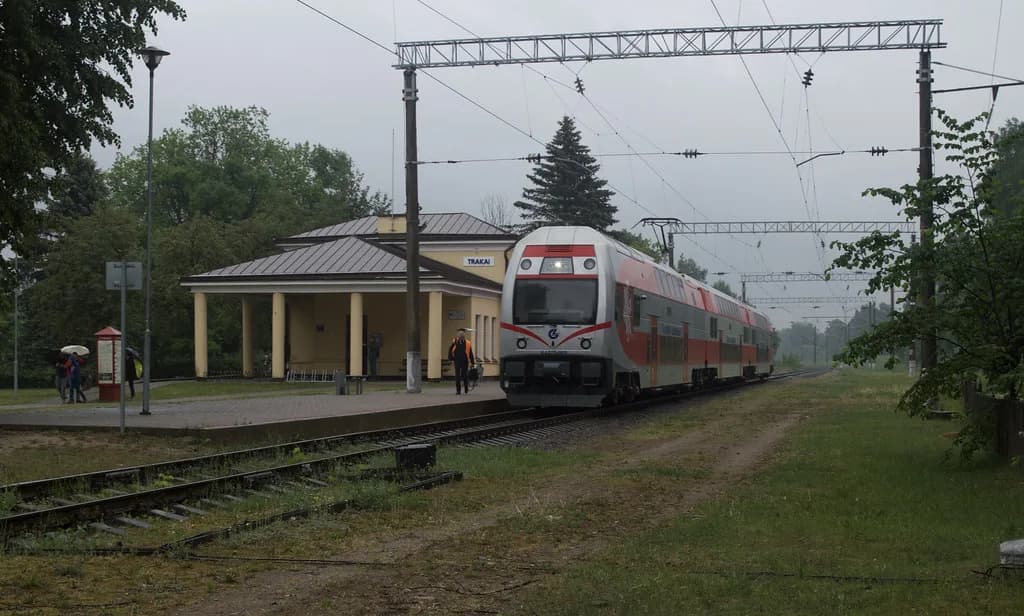
Trains and buses link Vilnius, Kaunas, Klaipėda, Šiauliai and Trakai, and buses are the cheaper option. The rail network is decent for a country of this size, and every city on the main spine is reachable without a car. Ferries to the spit accept foot passengers, bicycles and vehicles, with frequency dropping outside peak season.
A car buys you the rural half of the list: the Hill of Crosses from the highway, Panemunė and Raudonė along the Neman, Anykščiai and the smaller spit villages. Citybee-style app rentals and conventional hire firms both operate, and the conventional booking came with a free secondary driver. Decide based on whether the castles and the treetop path matter to you; if not, trains and buses do the rest.
Typical costs: ferries, castle tickets and park fees
The fixed costs are modest and mostly small: a few euros to enter Trakai Island Castle, a small fee for the St. John's bell tower in Vilnius, a modest per-person charge for the Nagliai reserve trail, a couple of euros for the Anykščiai treetop path, and a cheap summer charge for national park entry on the spit. Ferries are the one place where vehicle costs stack up, with a noticeably higher one-way price for a car plus a small supplement per passenger. Everything else — meals, fuel, accommodation — is best described as mid-range for the region rather than dirt cheap, and the honest way to budget is to price your own dates. Set aside the fixed entry fees above, add fuel for the rural loop, and treat the cheap Hill of Crosses bus fare and a taxi ride as the two public-transport benchmarks.
Who this route suits and who should choose a different Lithuania trip
City-break travelers with three days should take Vilnius and Trakai and skip the coast entirely; the capital alone fills a long weekend with Old Town, Užupis, the KGB museum and the Hill of Three Crosses. Road-trippers with a week or more get the full picture by adding the coast, the Hill of Crosses and the Neman castles, and they will find a car pays for itself in time saved.
Beach-first travelers should know the Baltic is cold even in high summer, and the spit is a landscape-and-dunes destination rather than a sunbathing one. Anyone wanting guaranteed heat should look south. Anyone wanting odd, quiet, green and cheaply ticketed sights will find Lithuania hard to beat. If you are still deciding between bases, compare Lithuania in July and Lithuania in August before booking.
Plan Your Trip
Build the trip around three bases — Vilnius, Klaipėda or Nida, and one rural night — and the country stops feeling stretched. Book the castle and park tickets on arrival, price the ferry for whichever vehicle you are bringing, and leave slack for the return crossing queue in summer.
The remaining practical questions are small: the Lithuania plug type is the standard European two-pin setup, and English goes a long way with younger Lithuanians in cities. Entry rules change, so use the official Lithuanian government page once before you fly and then stop worrying about it.
Frequently Asked Questions
How many days do you need to see the best of Lithuania?
Five to seven days covers Vilnius, Trakai, Kaunas and the Curonian Spit without rushing, with two nights on the spit and two in the capital. Add two more days for the Neman river castles and the Anykščiai treetop path, which need a car. Four days is possible but means long daily drives.
Is Vilnius or Kaunas the better base?
Vilnius, for most travelers. It has the larger Old Town, Užupis, the KGB museum and Trakai within easy reach, and it absorbs two full days without effort. Kaunas works better as a one-night stop or a day trip on the way to the coast.
Is the Curonian Spit worth the ferry?
Yes, if you give it two nights rather than a day trip. Nida, Parnidis Dune and the Dead Dunes trail are the reward, and the ferry crossing is short. The caveat is cost and queues: a car crossing adds up and the return line to Klaipėda can be slow in peak season.
Do you need a car to visit the Hill of Crosses?
No, but it helps. A Joniškis-bound bus from Šiauliai takes about 10 minutes to the Domantai stop, followed by a 15-minute walk, with up to seven departures a day. A taxi from Šiauliai is the other option. Drivers reach the site easily from the A12 highway.
What is the best time of year to visit Lithuania?
June to August for the warmest weather and full ferry and bus schedules on the spit, accepting peak prices and crowds at Trakai. September and October bring quieter castles and dunes with cooler air. April is fine for city sightseeing but cold on the coast.
Which places in Lithuania are free to visit?
The Hill of Crosses has no entry fee and is open at any hour. The Parnidis Dune loop trail and the Hill of Witches in Juodkrantė cost nothing. Trakai's castle grounds are free to walk, though the castle interior charges admission.
Sources
Trip-decision notes
Optional updates when we publish or revise a destination verdict.
You might also like
Continue reading
More guides you'll find useful