Lithuania in April: Weather, What's Open and Whether to Go
Lithuania in April means changeable spring weather, thin crowds and lower prices. See who it suits, what to plan around and whether to wait for May.
On this page
April is a good month to visit Lithuania if your trip is built around cities, museums and short day trips, and a poor one if you want the coast, long hikes or reliable sunshine. Treat it as an early-spring bet rather than a warm-weather guarantee, and you will plan a far better trip. The upside is real: thin crowds, softer room rates and the country's sightseeing core running as normal.
The verdict
Go in April only if you can accept a mixed hand of weather and prefer cities over landscapes. Vilnius and Kaunas work well then because their appeal sits indoors and in compact old towns, while the Curonian Spit and the coastal towns are still waiting for the season to arrive. If your trip hinges on beaches and dunes, wait.
The trade-off is straightforward: you swap summer warmth and long evenings for fewer people and cheaper beds. That is a good deal for museum-heavy city breaks and a bad one for families needing outdoor activity or travelers with only one week who cannot absorb two washed-out days. For a broader read on whether the country fits your travel style at all, weigh the Lithuania verdict before fixing a month.
Who will love Lithuania in April
City travelers do best. Vilnius's Old Town, the Art Deco museum in Kaunas at Gedimino Street 48, and the country's dense museum network give you indoor fallbacks when the sky turns, so a rainy afternoon costs you an itinerary item rather than the day. The tourism board lists that museum among its featured sites, and it publishes opening days for the places it highlights.
Budget-conscious travelers and photographers also win. Low-season pricing stretches a trip, and April light on old brick and wooden church fronts is soft rather than harsh. Birdwatchers have a genuine reason to come, since spring migration brings activity to wetlands and the coast, and Lithuania's tourism board treats bird watching as a seasonal draw. Check the specific site before building a day around one.
Who should pick a different month
Beach-first travelers should book elsewhere in the calendar. The Curonian Spit and Palanga strand are for summer, and April water and air are cold enough that swimming is out. Anyone whose plan hinges on sunbathing, outdoor pools or long coastal cycling days is paying for a shoulder season they cannot use.
Families with young children and travelers who want guaranteed dry days should look at the best time to visit Lithuania and consider late spring or early autumn instead. Outdoor-first itineraries across the ethnographic regions also suffer, because trails, observation towers and rural museums are more pleasant once the ground dries. If your dates are locked, shift the balance toward cities and keep one flexible day.
April weather in Vilnius and the coast
Expect changeable, cool spring conditions rather than a settled warm season. The national tourism board describes Lithuania as a country of four seasons, and April sits in the transition between them: some bright, crisp days and plenty of overcast, showery ones. A past-weather record for Vilnius in April shows daytime readings around 9 °C (48 °F) at the start of the month, which shows how wintry early April can still feel.
A single past month is not a climate normal, so plan for variability rather than a number. Layer clothing, keep a waterproof outer shell, and treat each morning's sky as the day's first planning input. The coast around Klaipėda and Neringa runs cooler and windier than Vilnius, which matters if you intend to walk the spit.
Daylight lengthens quickly through the month, which helps sightseeing even when it is grey. Build the day around indoor anchors in the middle hours and save walking routes for whatever clear window appears. If you need hard monthly normals, the Lithuanian hydrometeorological service publishes them, and the best time to visit guide compares the months for you.
What April looks like across the country's regions
Lithuania organizes itself into five ethnographic regions, and April affects them differently. Aukštaitija, the highlands in the northeast, is lake country best saved for warmth, while Dzūkija in the south is pine forest and quiet villages that reward birdwatchers in spring. Samogitia, Suvalkija and Lithuania Minor each have their own character, and the country's tourism board lays out all five as a framework for choosing a route.
Practical advice: pick two regions at most in April, not five. Travel times between rural sites are longer than the map suggests, and a wet week turns a five-region loop into five hours of driving per day. Anykščiai and its treetop walking path, plus Plateliai, named among the world's Best Tourism Villages, are fine April targets for a single clear day; the tourism board directs readers to the Anykščiai path's own website for its opening arrangements.
How many days you need in April
Four to five days is the right minimum for a city-focused April trip: two full days in Vilnius, one in Kaunas, and a day for a rail side trip. Seven days lets you add the coast or a rural region without rushing, but only if you accept that a lost day to rain is likely. Ten days or more starts to make sense if you want both the cities and the spit, which rewards a slower pace.
Unlike midsummer, April does not reward lingering outdoors, so do not overpad the itinerary with nature days. Give cities more time than you would in July and keep at least one indoor-heavy reserve day in Vilnius. Travelers with a fixed week who want the coast should read Lithuania in May, since a few weeks later changes what is realistically open and pleasant.
Vilnius in April: old town, museums and day trips
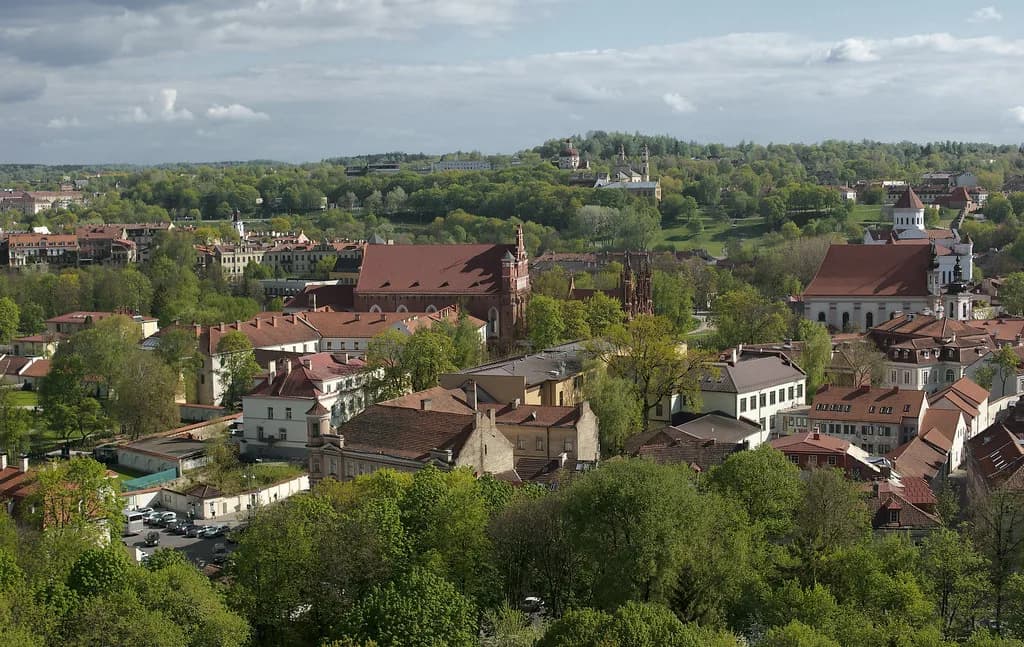
Vilnius is the strongest April base in the country. The Old Town's compact street grid, the cathedral square and the Gediminas Castle Tower viewpoint give you short outdoor stretches between indoor stops, so a shower costs you minutes rather than an afternoon. The city's museum and gallery density means a wet day still has a plan, and the tower climb is worth it on any clear hour.
Use Vilnius as a hub rather than a single destination. Rail connections make one-day trips realistic, and the compactness of the center means you can walk most of your sightseeing. For the mechanics of trains and buses beyond the capital, the getting around guide covers the practical options.
Kaunas and the Trakai and Hill of Crosses day trips
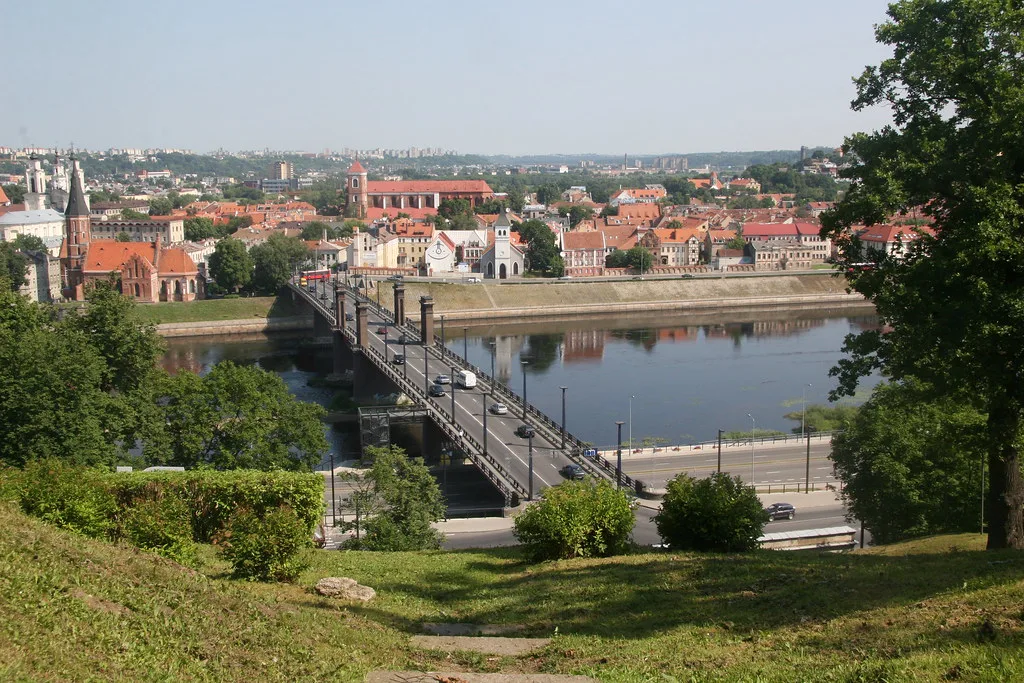
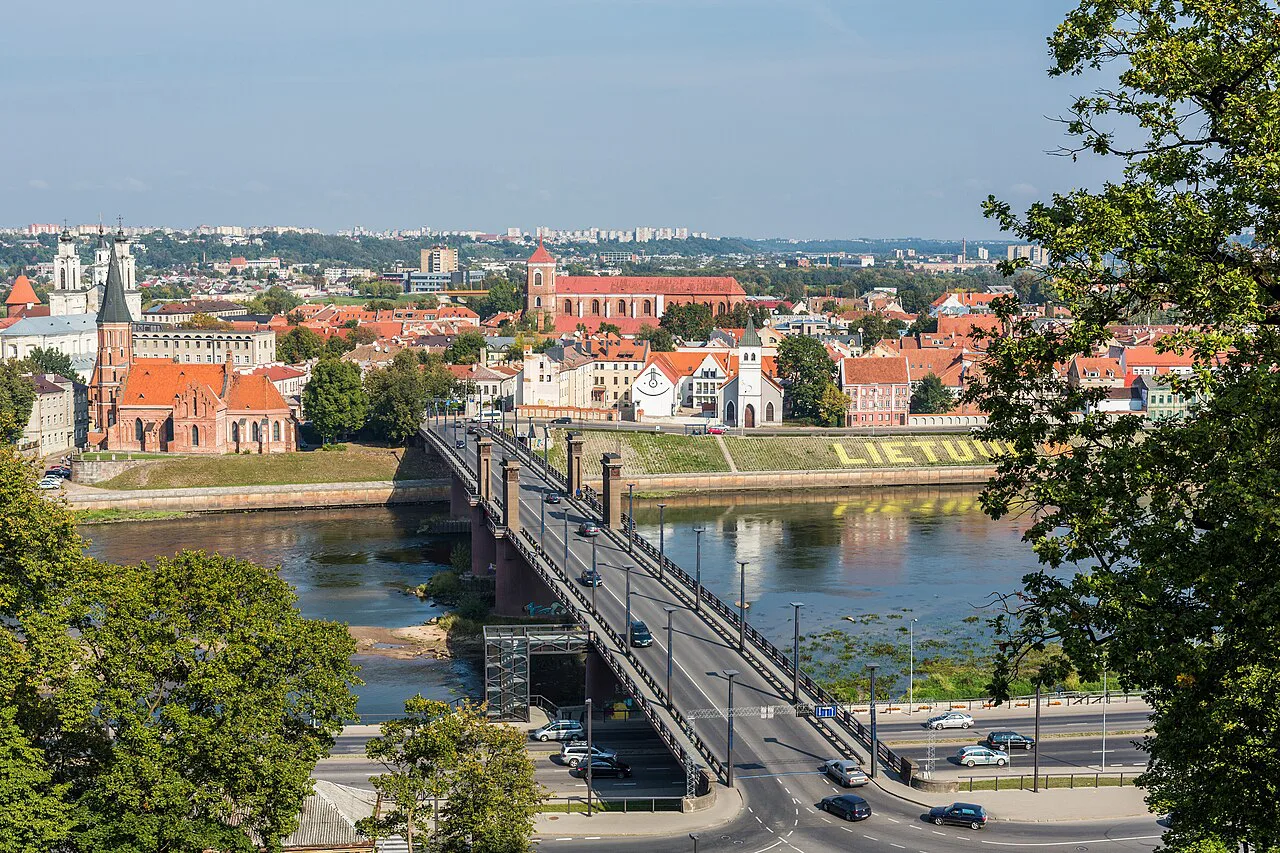
Kaunas deserves at least one night in April: the interwar architecture, the Art Deco museum and the pedestrian center give you a dense, walkable half-day-plus of indoor and outdoor sightseeing without the summer crowds. It is also the natural stop between Vilnius and the coast, so it fits a linear route rather than a there-and-back detour.
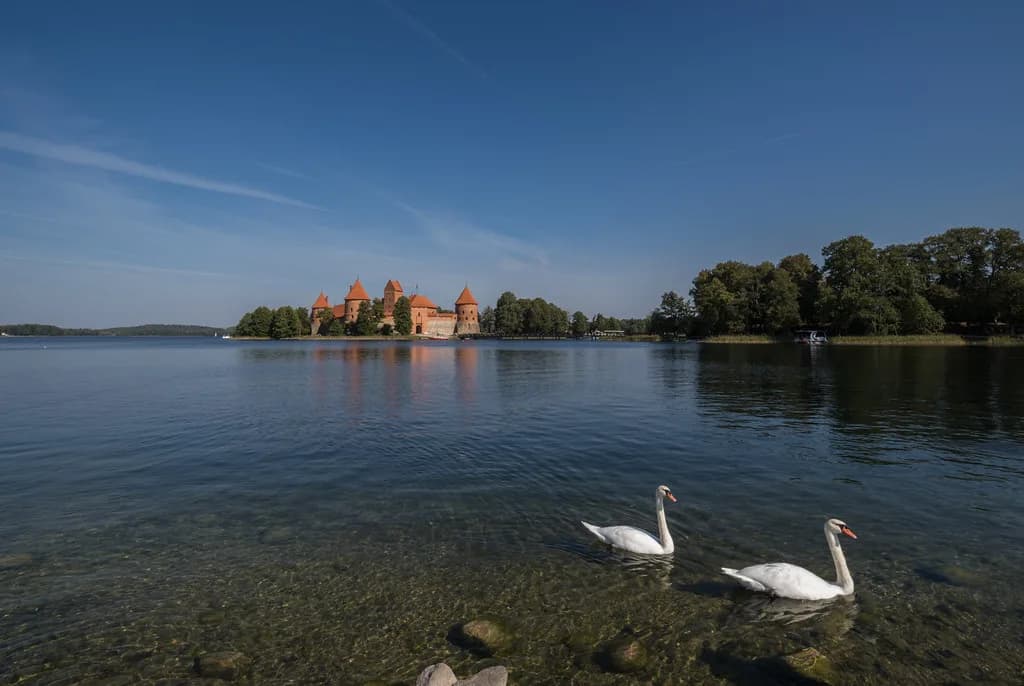
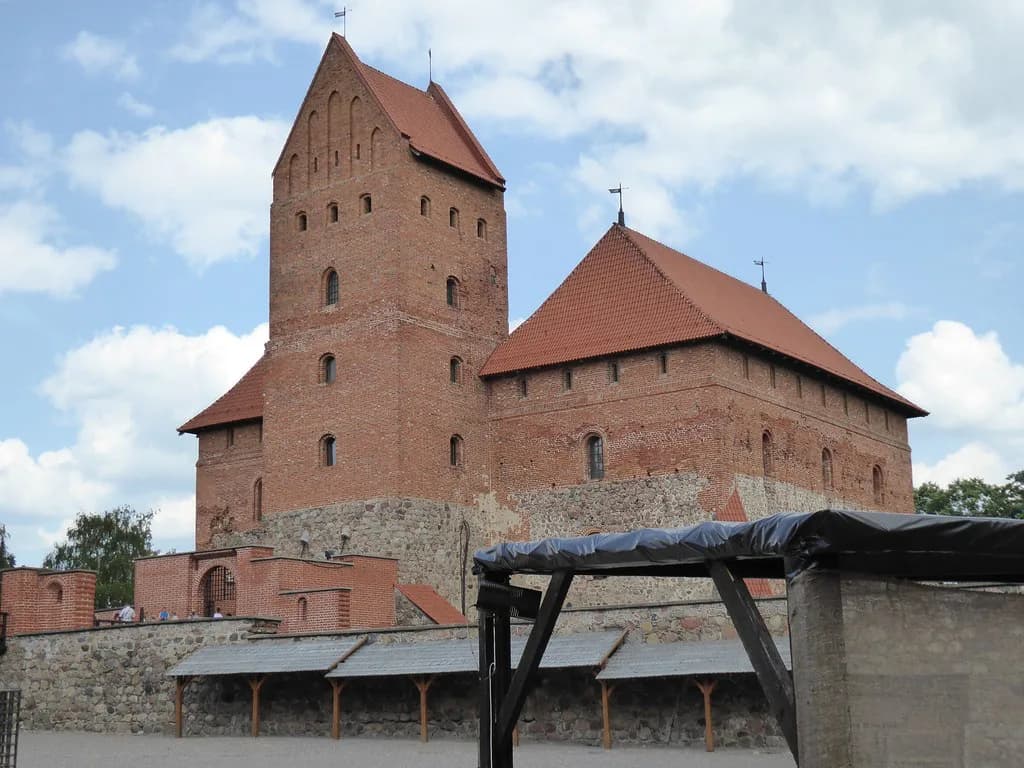
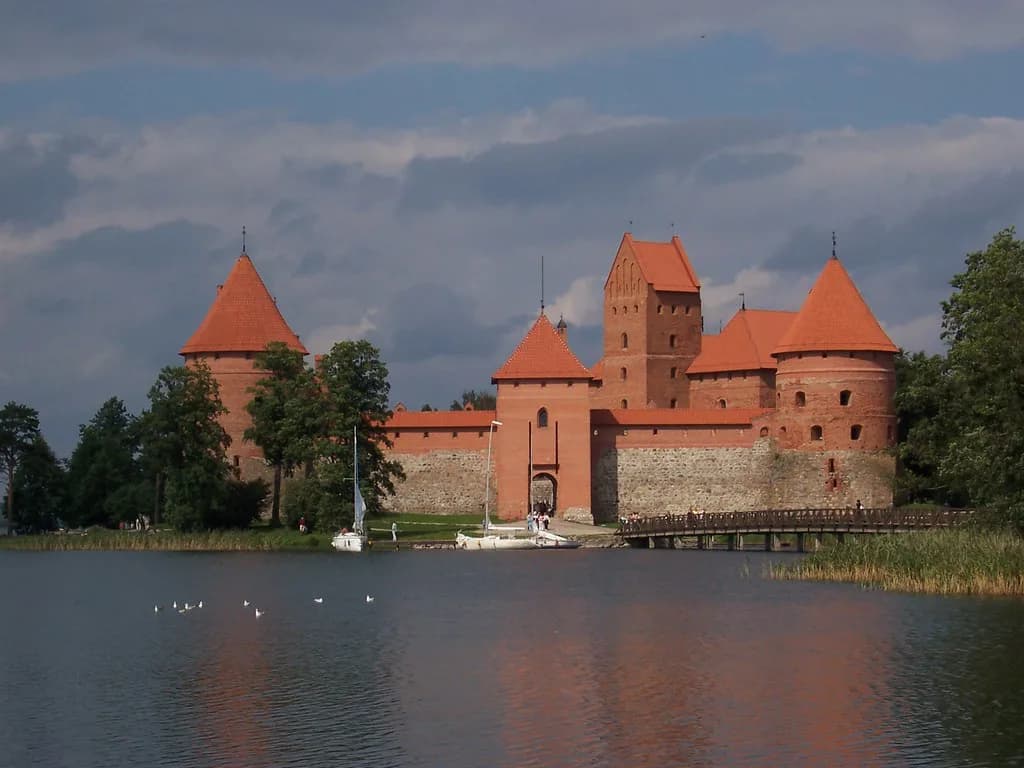
Trakai Island Castle and the Hill of Crosses near Šiauliai are both feasible from Vilnius, but only the first is a comfortable half day. The castle sits beside Lake Galvė and makes a good clear-morning outing; the Hill of Crosses is much further north, so treat it as a long day involving a train to Šiauliai and a short taxi onward. That rail-plus-taxi pattern is how travelers on a late-March trip reported reaching the hill.
If you intend to reach rural sights independently, renting a car in Lithuania is worth weighing against rail, particularly for the Hill of Crosses and for regional parks. Driving gives you flexibility on a changeable April day, while trains give you a fixed, weather-proof plan. Compare the costs honestly: for two people, one long day trip can make a rental competitive.
The coast and the Curonian Spit before the season starts
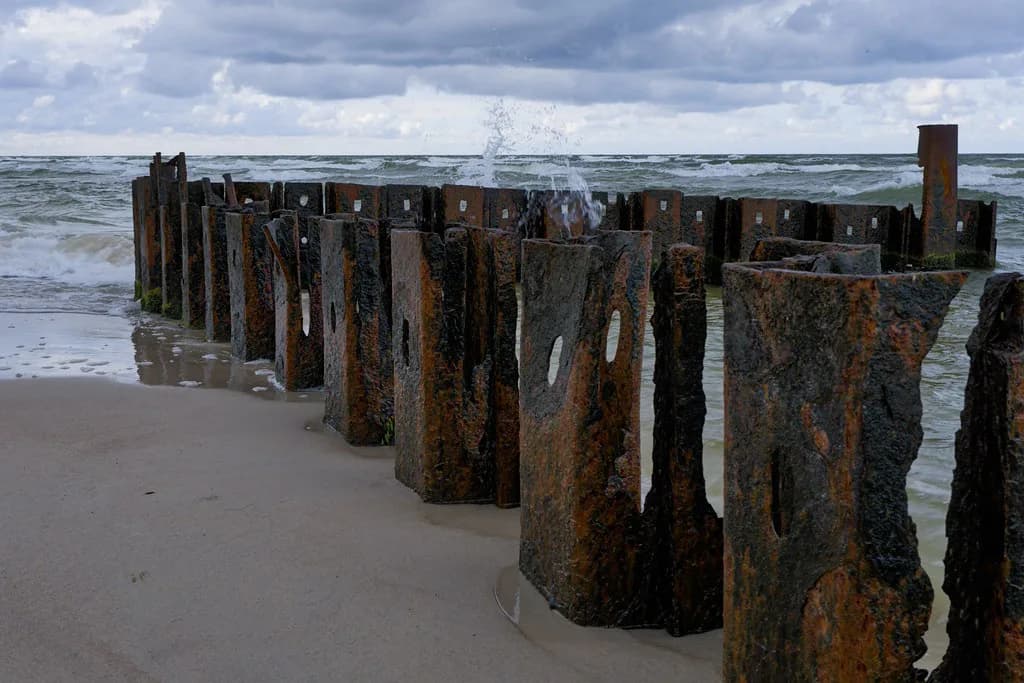
The Curonian Spit is spectacular and, in April, mostly yours. The dunes at Neringa, the pine forest tracks and the fishing-village calm at Nida are all walkable, and you will not fight for space on the viewpoints. What you will not get is warm weather: wind off the Baltic is cold even on bright days, and the water is far too cold for swimming.
Plan the spit as a walking and photography day, not a beach day. The ferry crossing from Klaipėda and onward transport require some planning, and the getting around guide explains the logistics for the spit and the coastal towns. If your heart is set on seaside swimming, this is the clearest argument for choosing July instead.
Typical costs and what April pricing means
Lithuania uses the euro, so there is no currency conversion friction for eurozone travelers and no exchange-rate guesswork to build into your budget. April sits in the shoulder season, which generally means softer accommodation rates than midsummer, though April weekends and school breaks can tighten availability in Vilnius and Kaunas.
Museum tickets, rail fares and local transport are modest by Western European standards, but the exact figures change, so check current prices for the specific fare or entry on your dates. For a full cost picture rather than a single line item, the Lithuania costs guide covers what a trip actually runs to.
Getting there and getting around
Vilnius Airport is the main international gateway, with Kaunas serving as a secondary arrival point for some carriers and Palanga handling the coast. Rail and bus links connect the major cities, and the country's tourism board groups travel requirements and practical trip tips in one place, which is the sensible first stop when you are setting an itinerary.
April is a good month for trains, because you are less likely to want to drive to remote beaches. Vilnius to Kaunas is quick enough for a day trip, and Vilnius to Trakai is a short hop, both of which reduce the case for a rental car on a city-focused itinerary. Save the car for the Hill of Crosses or a rural region, where flexible timing genuinely helps.
Drawbacks: mud, closed sites and short daylight
The honest drawbacks are weather and ground conditions. April can deliver cold rain for two days straight, and rural paths, parks and lake shores turn muddy, which rules out trail shoes as your only footwear. Some seasonal rural attractions open later in spring, so a site you saw online may not yet be welcoming visitors.
The month also punishes poor planning more than summer does. Because many of the best outdoor experiences depend on a clear window, an overpacked itinerary collapses quickly when the weather turns, and you will spend more time on transport than scenery. Build in slack, keep an indoor alternative for each day, and accept that April in Lithuania is a matter of expectation management.
April versus May and September
May is warmer, greener and better for the coast and the national parks, but prices and visitor numbers rise toward the end of the month. September is the mirror image on the other side: still mild, with the crowds thinning and the forests beginning to turn. April is the cheapest and quietest of the three, and also the least predictable.
Choose April if you want cities and museums at low cost and can shrug off grey days. Choose May if the coast or long daylight walks matter, or read Lithuania in May for the month-level case. Choose September if you want warmth without peak-season pressure and are planning a longer loop, which Lithuania in September covers in detail.
Plan Your April Trip
April in Lithuania is a narrow, useful window rather than a universal recommendation. It is excellent for city breaks built around Vilnius and Kaunas, fine for a Trakai day trip if you dress for wind, and a poor fit for anyone whose trip depends on warm beaches or dependable sun. If you are still choosing between the Baltic states on shoulder-season timing, it is worth asking is Latvia worth visiting, since its April conditions are close to Lithuania's. Book it with a flexible daily plan and you will get good value.
Set your route around two bases, keep one indoor reserve day, and decide early whether rail or a rental car carries your longer side trips. For entry rules, use your own government's official travel page once and then stop worrying about it. If your dates are still open, compare spring and autumn in the best time to visit Lithuania before you commit.
Explore more Lithuania trip-decision guides
Frequently Asked Questions
Is April a good time to visit Lithuania?
It is a good time if your trip centers on Vilnius, Kaunas and museums, because indoor sights carry you through grey days and crowds are thin. It is a poor time for beach plans, long rural walks or anyone who needs dependable sunshine. Decide which trip you are actually taking before you book.
How cold is Lithuania in April?
Cool and changeable, with a real chance of days that feel wintry rather than spring-like. Early April in Vilnius has recorded daytime highs near 9 °C (48 °F), and the coast is cooler and windier than the capital. Pack layers and a waterproof outer shell rather than trusting a single forecast.
Is April or May better for Lithuania?
May is the better month for the Curonian Spit, the national parks and long daylight walks, and it warms up noticeably as the weeks pass. April wins on cost and quiet. Choose April for a city break and May if landscapes are the reason you are going.
Do I need a car in Lithuania in April?
Not for a Vilnius and Kaunas itinerary, where trains and short hops cover the ground. A car helps for the Hill of Crosses and rural regions, where timing is awkward by rail. Weigh one long day trip against a rental before deciding.
How many days do you need in Lithuania in April?
Four to five days covers Vilnius, Kaunas and a rail day trip without rushing. A week lets you add the coast or a rural region if you accept a lost day to rain. Longer trips suit travelers who want both the cities and the spit.
Is the Curonian Spit worth visiting in April?
Yes, for walking and photography, when the dunes and pine tracks are quiet and the villages are calm. No, if you want to swim or sunbathe, since the Baltic is cold and the wind cuts in. Treat it as a scenic day out rather than a beach day.
What currency does Lithuania use?
Lithuania uses the euro, so travelers from the eurozone face no exchange friction. Card payments are widely accepted in cities. Carry a little cash for rural stalls and small museums.
Sources
Trip-decision notes
Optional updates when we publish or revise a destination verdict.
You might also like

Continue reading
More guides you'll find useful